Spring in Kashmir (March to May) — Tulips, Blossoms & Pleasant Days
Spring in Kashmir feels fresh and colorful. As winter ends, snow slowly melts from the mountains, and the valleys begin to bloom. Almond and cherry trees fill the air with soft shades of white and pink. In Srinagar, the famous Indira Gandhi Memorial Tulip Garden opens in late March, covering the hillside with over 1.5 million tulips in many colors. The weather is pleasant, with temperatures usually between 12°C and 24°C. Days are comfortable for sightseeing, but evenings can still feel cool, so carrying a light jacket is a good idea.
April is the highlight of spring because of the Tulip Festival, which attracts photographers, couples, and first-time visitors. The Mughal Gardens like Shalimar Bagh and Nishat Bagh are also at their best, filled with fresh flowers and greenery. Spring is a popular time, so there are more tourists, but it is still easier to manage than the busy summer months. Hotel prices are moderate compared to June, making it a good balance between comfort and cost. For many travelers, this is the best time to visit Kashmir for its beauty and pleasant weather.
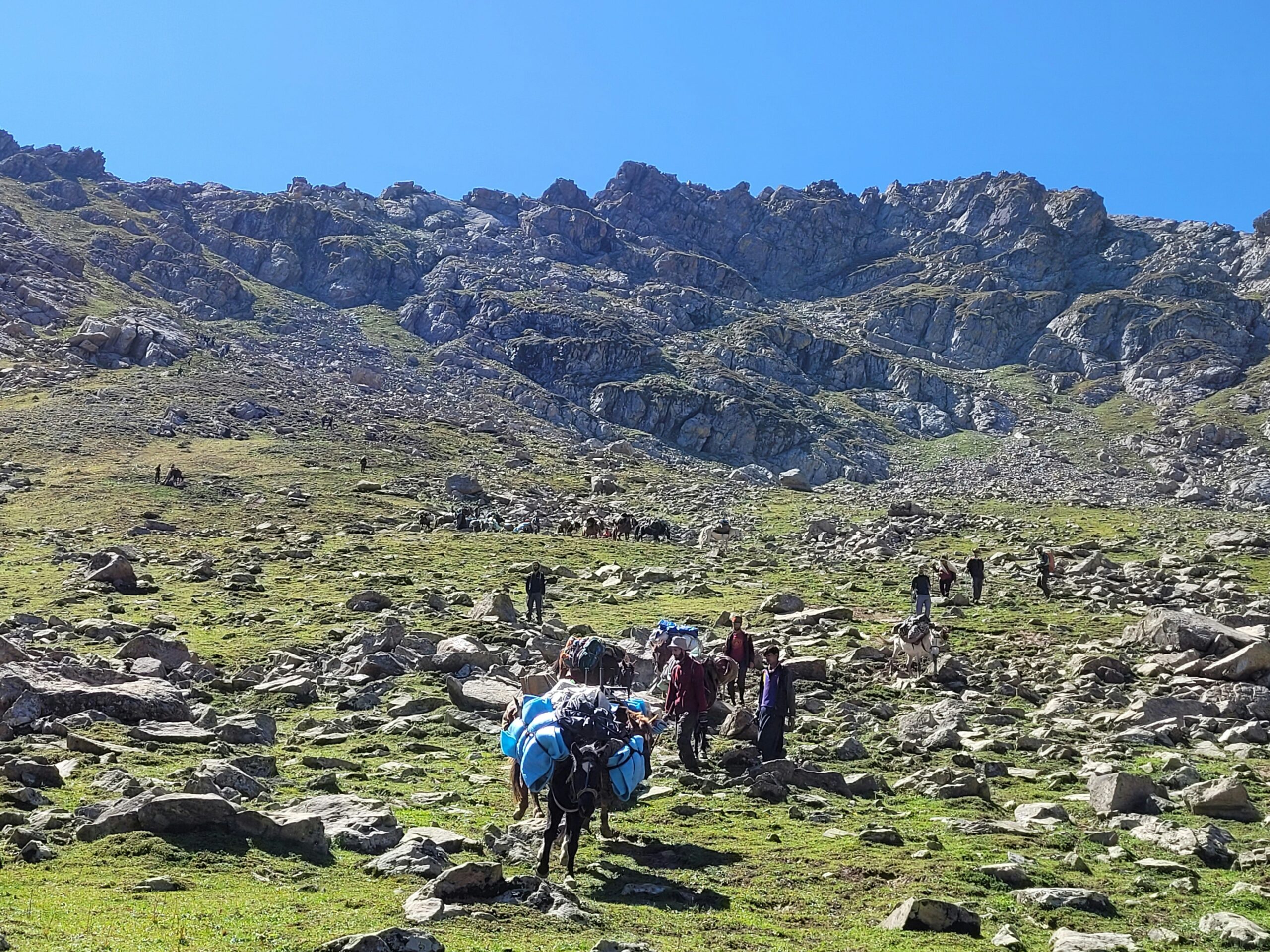
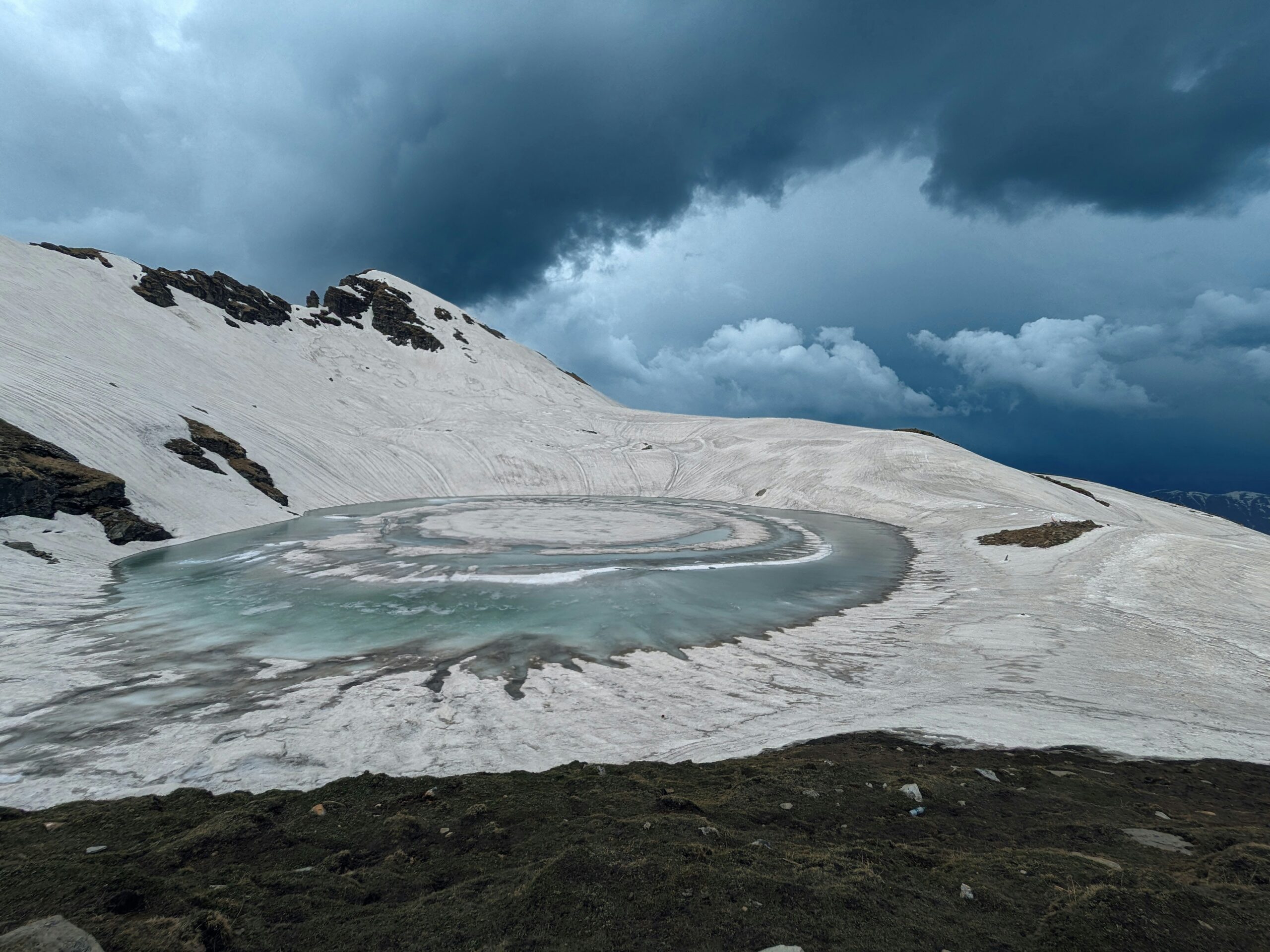
By May, spring starts to shift slightly. There can be light rain, and the snow begins to melt from popular trekking areas like Pahalgam and Sonamarg, opening up early hiking routes. At the same time, Gulmarg still has snow in April, so you can enjoy both snowy landscapes and blooming gardens in one trip. This mix of experiences makes spring special. For visitors who want flowers, mild weather, and fewer crowds than peak season, it is truly the best season to visit Kashmir.
Summer in Kashmir (June to August) — Peak Season & Green Valleys
Summer in Kashmir is the most popular time to visit. While much of India experiences strong heat, Kashmir remains pleasant, with temperatures in Srinagar staying between 22°C and 30°C. This makes it a perfect escape from the heat of the plains. Schools are closed during this time, so many families travel here for vacations. All tourist services are fully open, including transport, hotels, and activities. Since this is peak season, places to stay — especially houseboats on Dal Lake — get booked quickly, so it is important to plan and reserve in advance. For many visitors, this is considered the best time to visit Kashmir for a summer holiday.
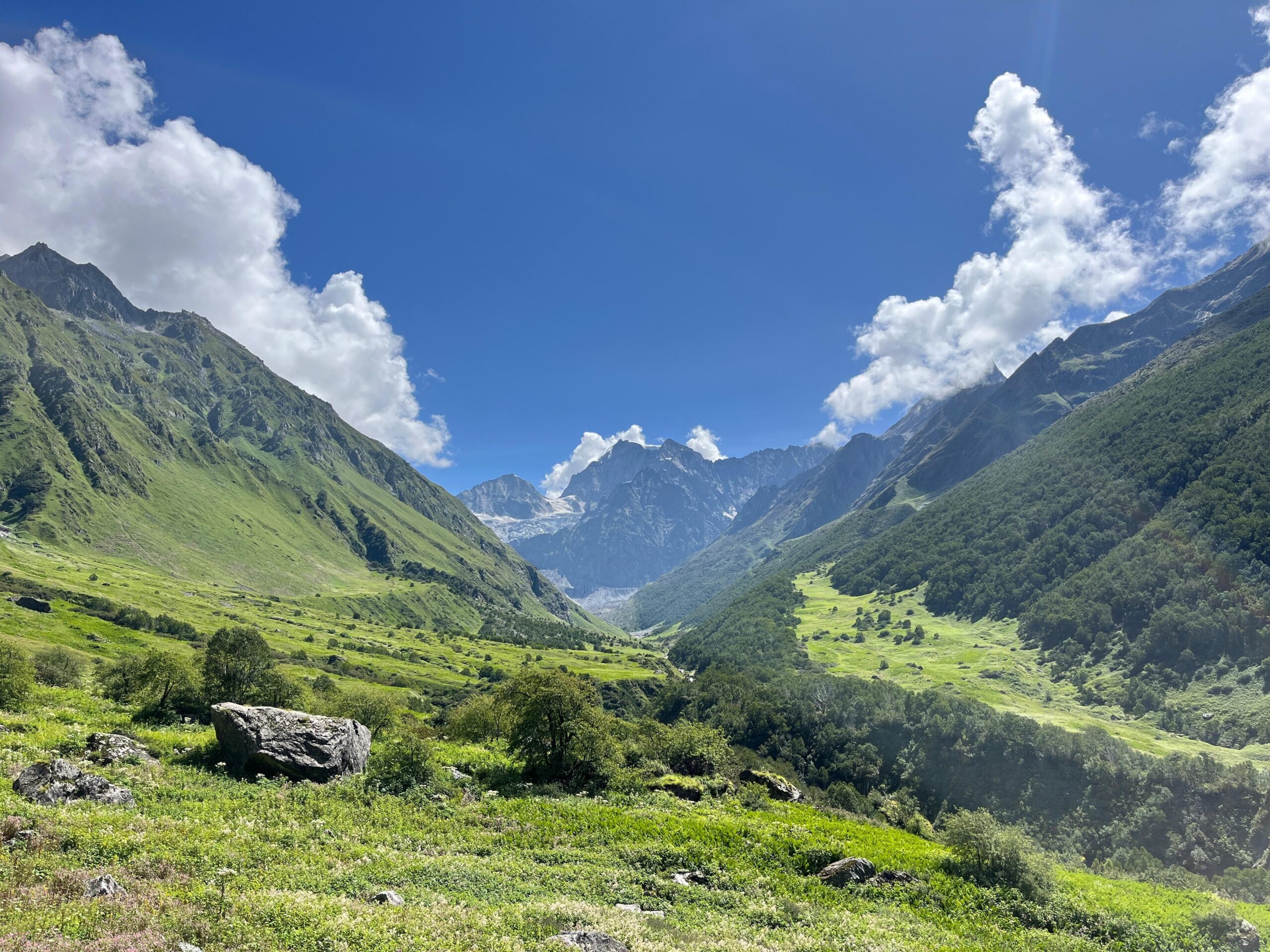
In summer, the entire valley turns bright green and full of life. Meadows in Gulmarg and Pahalgam are at their most beautiful, covered in fresh grass and wildflowers. Sonamarg becomes fully accessible, offering clear views of mountains and rivers. One of the main attractions is the Gulmarg Gondola, one of the highest cable cars in the world. It takes visitors from Phase 1 at Kongdori (2,650 m) to Phase 2 at Apharwat Peak (3,980 m), where you can enjoy amazing mountain views. Near Pahalgam, Betaab Valley looks like a wide green bowl surrounded by mountains, making it a favorite spot for families and picnics.
There is one important thing many travelers do not consider — summer is also the time of the Amarnath Yatra, which takes place between June and August. This brings large crowds, especially along the Pahalgam to Chandanwari route. If you are not part of the Yatra, it is better to plan your visit to Pahalgam carefully to avoid busy days. Also, during July and August, there can be light afternoon rain due to the nearby monsoon, but it usually does not last long. With its green landscapes, cool weather, and full range of experiences, summer is often seen as the best season to visit Kashmir for families and first-time travellers from the Indian plains.
Monsoon / Off-Season in Kashmir (July to September) Lush Greenery & Quiet Roads
Monsoon in Kashmir is quite different from the heavy rains seen in places like Kerala or Assam. The valley only receives light to moderate rainfall from the edges of the monsoon, not constant downpours. This means travel is still possible and often comfortable, with temperatures in Srinagar staying between 18°C and 28°C. During this time, the landscape becomes deeply green, with trees, meadows, and fields looking fresh and full of life. Tourist crowds drop noticeably, making it quieter and more relaxed. Hotels and houseboats are easier to book, and prices are lower, making this period attractive for budget travellers. While it may not be the best time to visit Kashmir for everyone, it offers a peaceful experience.
There are a few practical points to keep in mind. In some years, heavy rain can lead to landslides, which may affect roads or delay travel to higher areas. Trekking routes can also be less predictable. The Amarnath Yatra continues into August, which means areas around Pahalgam can get crowded during certain periods. On the positive side, waterfalls like Aharbal Waterfall and Dudh Ganga are at their most powerful and scenic. From late August, apple orchards begin to ripen, and some stays even allow visitors to try apple picking. Dachigam National Park is also a good place to explore wildlife during this quieter season. For travellers asking about the best time to travel Kashmir on a tight budget, the monsoon shoulder season offers real savings, even if it comes with occasional rain and small inconveniences.
Autumn in Kashmir (September to November) Chinar Gold & Harvest Season
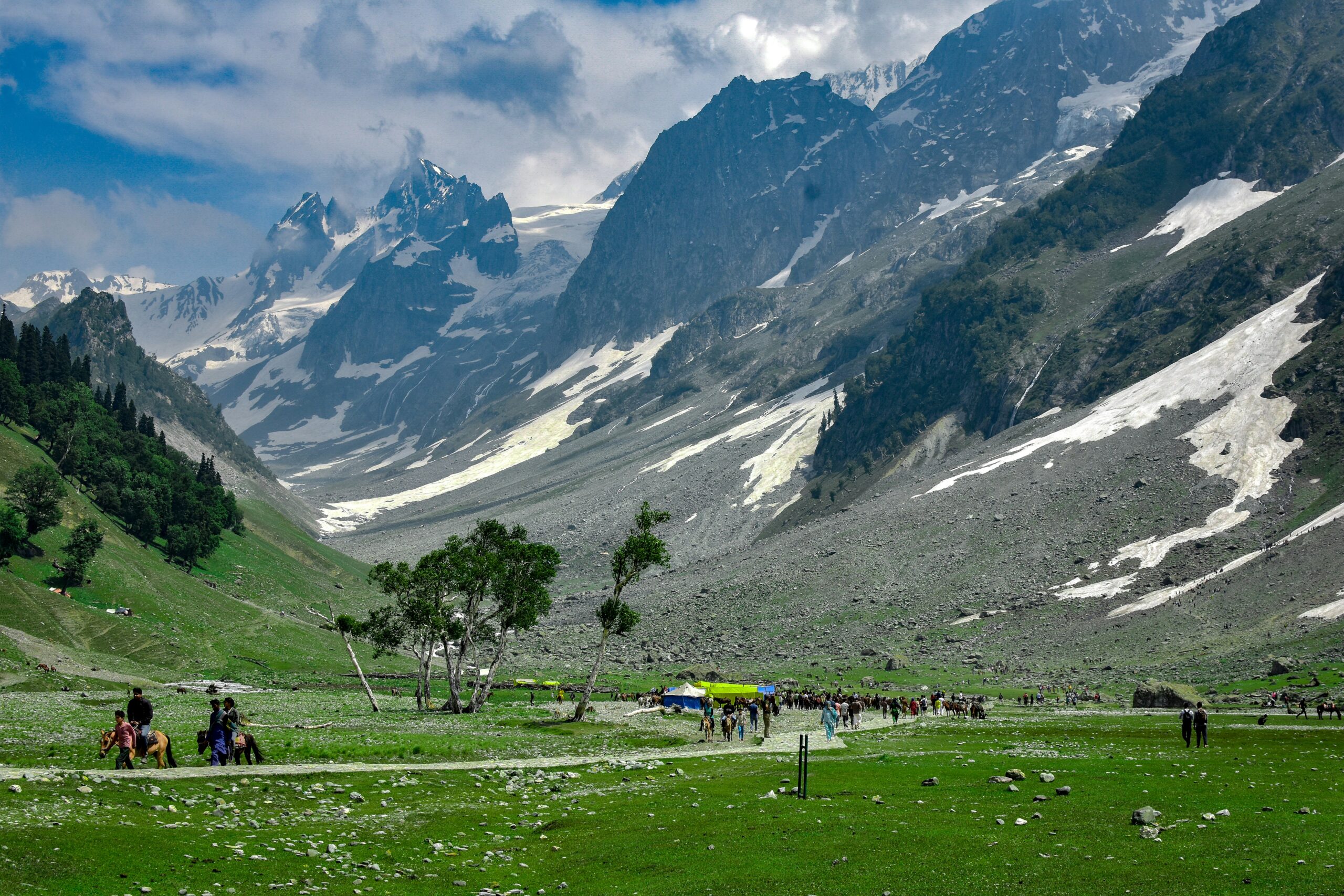
Autumn in Kashmir is known for its rich, warm colors. From mid-October, the famous Chinar trees planted across the valley during Mughal times turn shades of copper, gold, and deep red. The entire landscape feels calm and glowing under soft sunlight. October in Kashmir is especially warm and gentle in terms of light, making it the most photogenic time of year. In Srinagar, places like Chinar Bagh and the roads leading to Nishat Bagh are some of the best spots to see these colors at their peak. For many travellers, this is the best time to visit Kashmir for peaceful scenery and beautiful photographs.
One of the most unique experiences in autumn is the saffron harvest in Pampore, located about 15 km from Srinagar. The saffron fields bloom for only a short period — around 2 to 3 weeks — between late October and early November. During this time, the fields turn purple with delicate flowers. What makes this special is the timing: the flowers open at dawn and must be picked by hand before sunrise to protect their quality. Watching or even taking part in this early morning harvest is a rare and memorable experience that many visitors miss.
Autumn is also very comfortable for travel. Temperatures usually stay between 10°C and 22°C, which is ideal for sightseeing and outdoor walks. Crowds are moderate, much lower than the busy summer months, and from October onwards, hotel prices often become more flexible. This makes it a good time for travellers looking for both comfort and value. However, by late November, the cold begins to return, and places like Sonamarg start closing due to early winter conditions. October is widely considered the best month to visit Kashmir for photographers and those who prefer quieter roads.
Winter in Kashmir (December to February) — Snow, Skiing & Chillai Kalan
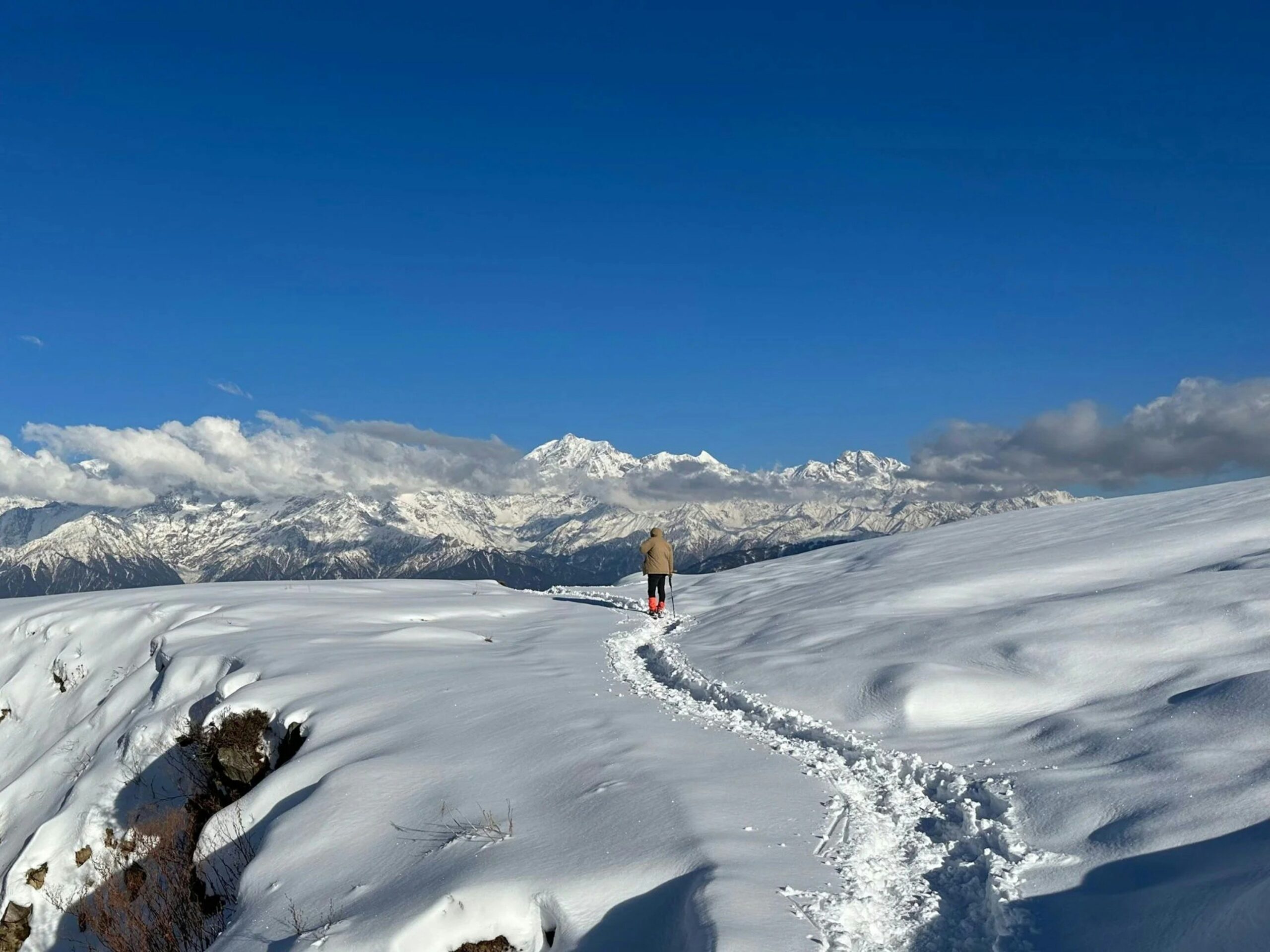
Winter in Kashmir is one of the best seasons for snowfall lovers. Snow covers the valley, rooftops, and trees, especially by January, giving places like Srinagar a quiet, white charm. The edges of Dal Lake often freeze, creating a rare and beautiful sight. In Gulmarg, the landscape transforms into one of Asia’s top ski destinations. Temperatures can drop to -2°C to -8°C at night in Srinagar, while Gulmarg can see lows of around -15°C. Despite the cold, this is a busy season, especially for skiers, honeymooners, and travellers from warmer parts of India who want to experience snowfall for the first time. For many, this becomes the best time to visit Kashmir for snowfall and a true winter experience.
Gulmarg is the centre of winter activity. The famous Gulmarg Gondola takes visitors high into the mountains, reaching Apharwat Peak at 3,980 meters. The ski slopes here suit everyone, from beginners to advanced skiers. The Jammu & Kashmir Tourism Development Corporation offers ski training courses, making it easier for first-timers to try the sport. Apart from skiing, visitors can enjoy snowboarding and snowshoeing. With the opening of the Z-Morh Tunnel in 2025, Sonamarg is now accessible even in winter, adding more options to travel plans.
Planning is important during winter. Between December 20 and February 10, it is best to book hotels and Gondola tickets at least 6–8 weeks in advance due to high demand. Flights to Srinagar and the NH44 highway usually remain open, but heavy snowfall can sometimes cause delays. Staying in a houseboat on Dal Lake during winter is still possible and offers a quiet, romantic experience. Most houseboats provide heaters and use a traditional Kangri (fire pot) to keep guests warm. For snow lovers and adventure seekers, winter is truly the best season to visit Kashmir.
Chillai Kalan — The Harshest Winter Phase
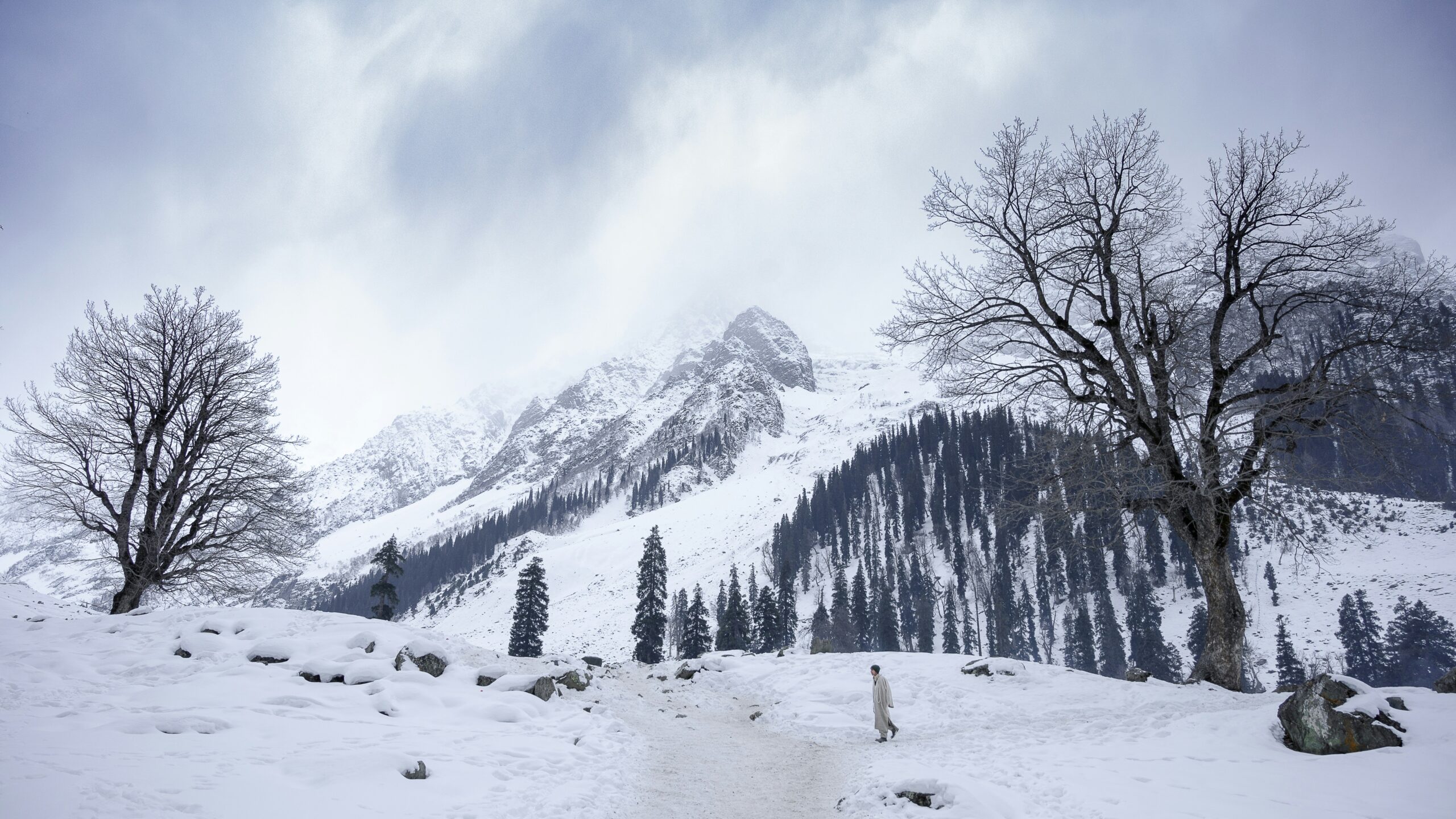
Chillai Kalan is the coldest part of winter in Kashmir, lasting for 40 days from late December to the end of January. During this time, temperatures drop to their lowest, rivers and lakes partially freeze, and snowfall is at its peak. Daily life slows down, and the valley feels cold and still. While it can be challenging due to the extreme cold, it is also the most magical time to see Kashmir covered fully in snow.
What to Pack for Kashmir — A Season-wise Packing Guide
Packing for Kashmir can be tricky because the weather changes quickly with altitude and time of day. On the same trip, you might enjoy warm sunshine in Srinagar and face near-freezing temperatures in Gulmarg. This is why layering is the most important rule — wearing multiple light layers helps you adjust easily as temperatures shift. Instead of packing heavy items, focus on flexible clothing that works across different conditions. For a detailed breakdown, check out our full guide on what to wear in Kashmir across seasons.
Spring (March–May)
- Carry a light base layer and a mid-weight fleece to handle cool mornings and evenings.
- Pack a waterproof outer shell, especially for late May when light rain is possible.
- Wear walking shoes with good grip for garden paths, and use SPF 50+ sunscreen due to strong mountain UV.
Summer (June–August)
- Light cotton or linen clothes work best for warm days in Srinagar.
- Keep a fleece or light down jacket for evenings in Gulmarg, where temperatures drop quickly.
- Bring sturdy trekking shoes if you plan to visit trails in Sonamarg or Pahalgam.
Autumn (September–November)
- Medium-weight wool layers are ideal, with thermal innerwear needed by November.
- Waterproof hiking boots help with damp ground and fallen leaves.
- Carry gloves for chilly evenings starting in October.
Winter (December–February)
- A heavy down jacket rated to -15°C is essential, especially for Gulmarg.
- Wear thermal base layers along with waterproof snow boots that have strong grip.
- Pack a balaclava, mittens, and hand warmers, and consider a Kangri liner if staying in traditional homes.
Practical Travel Tips for Visiting Kashmir in 2026
- Book accommodation 6–8 weeks in advance during peak seasons (April–June and December–February), especially for houseboats on Dal Lake and ski stays in Gulmarg.
- The Z-Morh Tunnel (opened 2025) keeps Sonamarg accessible even in winter, making travel plans easier year-round.
- Fly into Srinagar International Airport (SXR), which has direct flights from major Indian cities like Delhi, Mumbai, Bangalore, and Kolkata.
- For a scenic and budget option, take a train to Banihal and continue by taxi to Srinagar through mountain roads.
- Use local taxis approved by the Jammu & Kashmir Tourism Development Corporation for safe and reliable travel within the valley.
- Plan a 5–7 day Kashmir itinerary to cover Srinagar, Gulmarg, and Pahalgam comfortably, adding one extra day for Sonamarg. Not sure how many days are enough for a Kashmir trip? We’ve got you covered.
- Try a traditional Kashmiri wazwan meal at a local home or small restaurant for an authentic cultural experience. Explore our guide to Kashmir’s famous food to know what dishes to look out for.
FAQs
1. What is the best time to visit Kashmir for the first time?
Late March to April is widely considered the best time to visit Kashmir for a first trip. During this period, the Indira Gandhi Memorial Tulip Garden is in full bloom, and Gulmarg still has snow on higher slopes. Temperatures in Srinagar stay comfortable between 12°C and 22°C, making it ideal for sightseeing. You also get a mix of experiences—flowers, snow, and manageable crowds.
2. Which is the best month to visit Kashmir for snowfall?
January offers the most reliable snowfall in Kashmir, especially during the Chillai Kalan period (December 21 to January 31). Snowfall is frequent in Srinagar and heavy in Gulmarg, making it perfect for skiing and snow activities. For travellers looking for the best month to visit Kashmir for winter sports, January provides deep powder conditions on Apharwat slopes. February is also a good option with slightly milder nights.
3. Is Kashmir safe to visit in 2026?
Kashmir continues to receive a high number of tourists every year, with strong travel seasons in recent years. Staying in registered hotels or houseboats and using authorised transport services ensures a smooth experience. Areas like Srinagar, Gulmarg, and Pahalgam are well-prepared for tourism. Visitors often highlight the region’s warm hospitality and helpful locals.
4. What is the best season to visit Kashmir for families?
May and June are ideal for families, especially those travelling with children. All major attractions, including the Gulmarg Gondola, Dal Lake, and Sonamarg, are fully accessible. The weather is warm but not too hot, making outdoor activities comfortable. Summer is often seen as the best time to visit Kashmir when school holidays are a factor.
5. Can I visit Kashmir in monsoon?
Travel during monsoon (July to September) is possible and suits those looking for fewer crowds and lower prices. The valley remains green and fresh, as rainfall is lighter compared to other parts of India. However, occasional landslides and road delays can affect plans, especially in higher areas. Flexible itineraries work best during this period.
6. How many days are enough for a Kashmir trip?
A 5 to 7-day trip is enough to explore Srinagar, Gulmarg, and Pahalgam at a relaxed pace. Adding Sonamarg usually requires one extra day. If you want to include experiences like saffron fields in Pampore or skiing in Gulmarg, plan for 8 to 10 days. This helps you enjoy the region without rushing.
7. When do tulips bloom in Kashmir?
Tulips in Kashmir bloom from late March to mid-April, with peak bloom usually in early April. The exact timing can vary slightly depending on weather and snowmelt each year. The Indira Gandhi Memorial Tulip Garden, spread across the Zabarwan foothills, features over 1.5 million tulips in more than 70 varieties. It is one of the main highlights of spring in Kashmir.