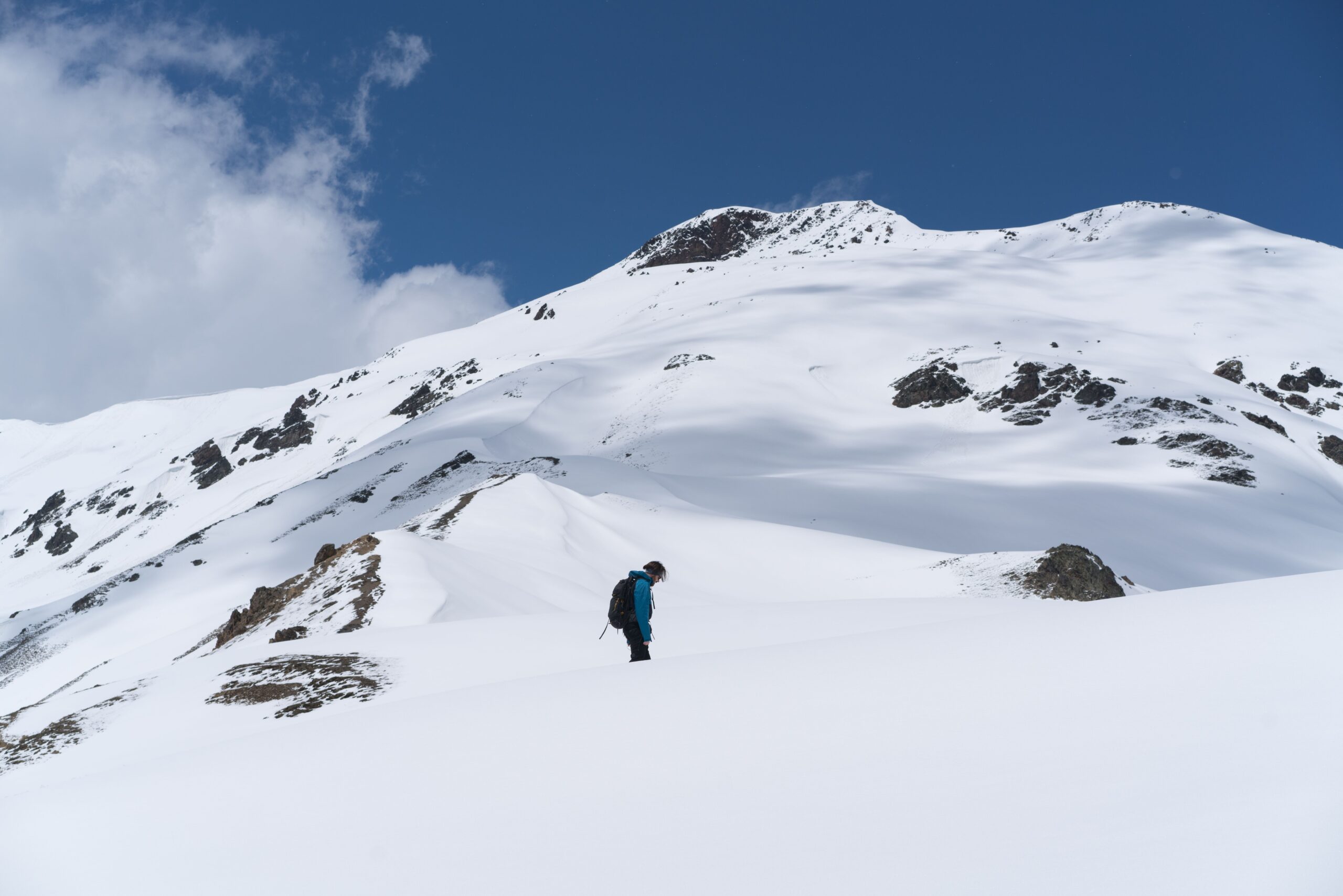
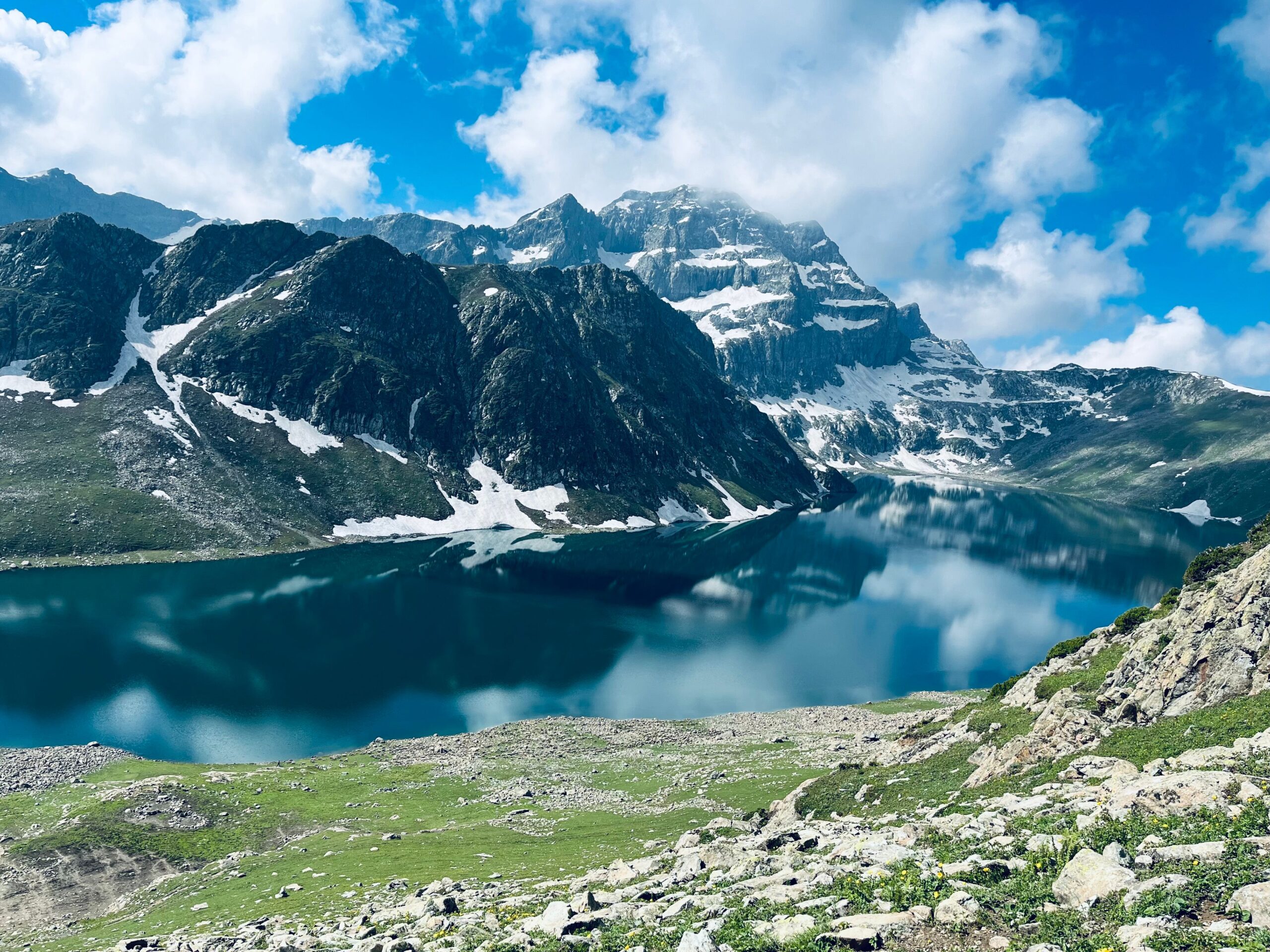
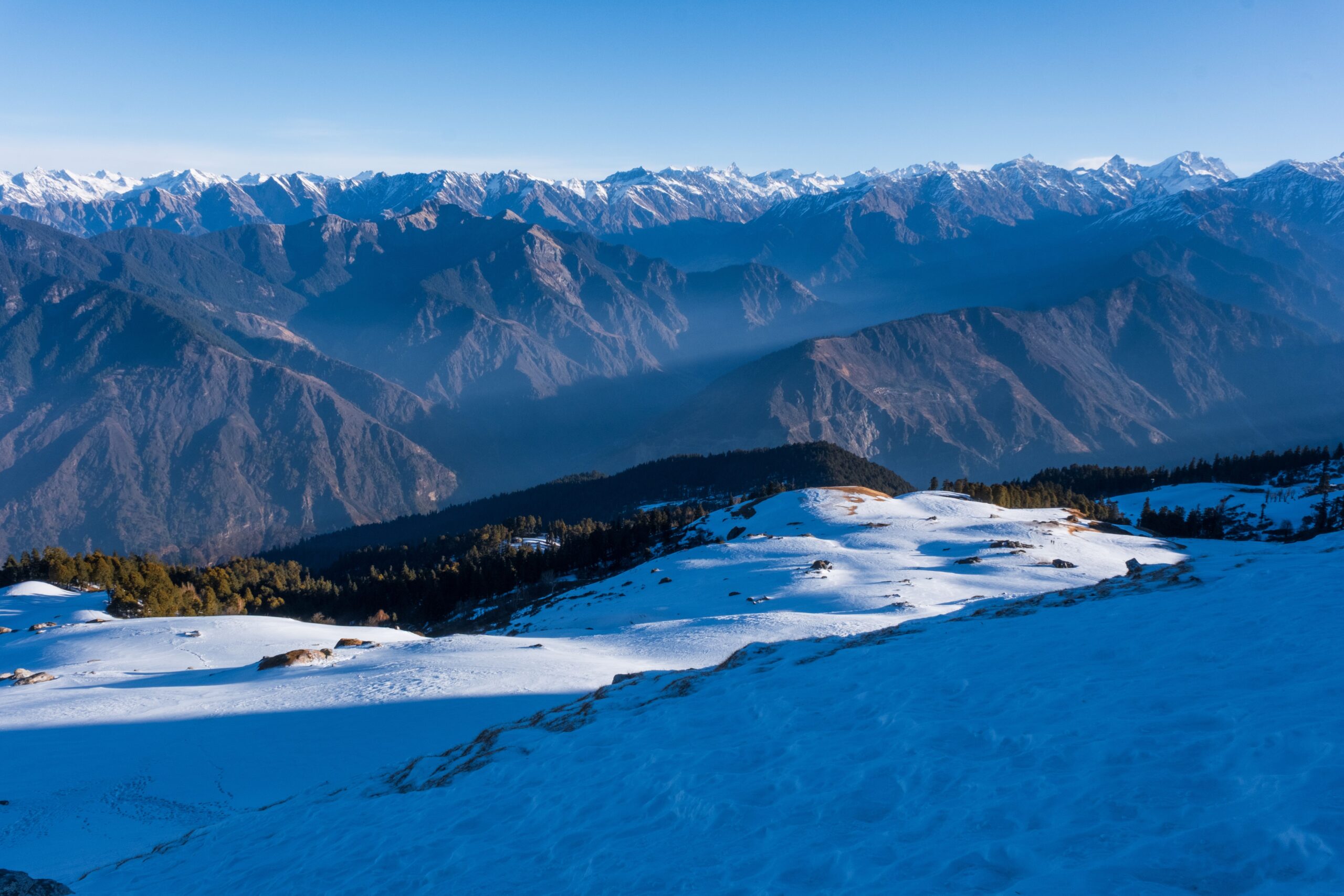
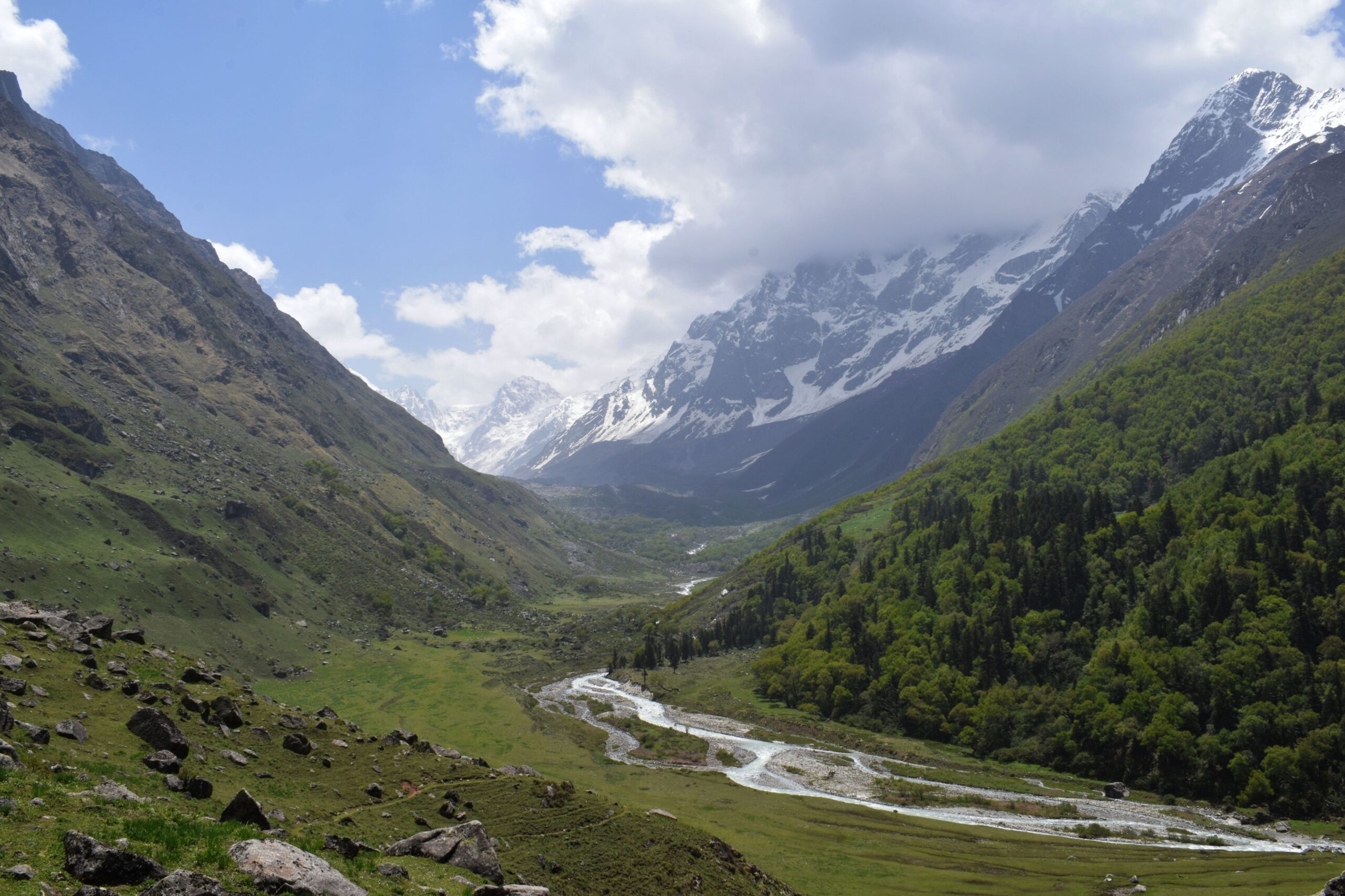
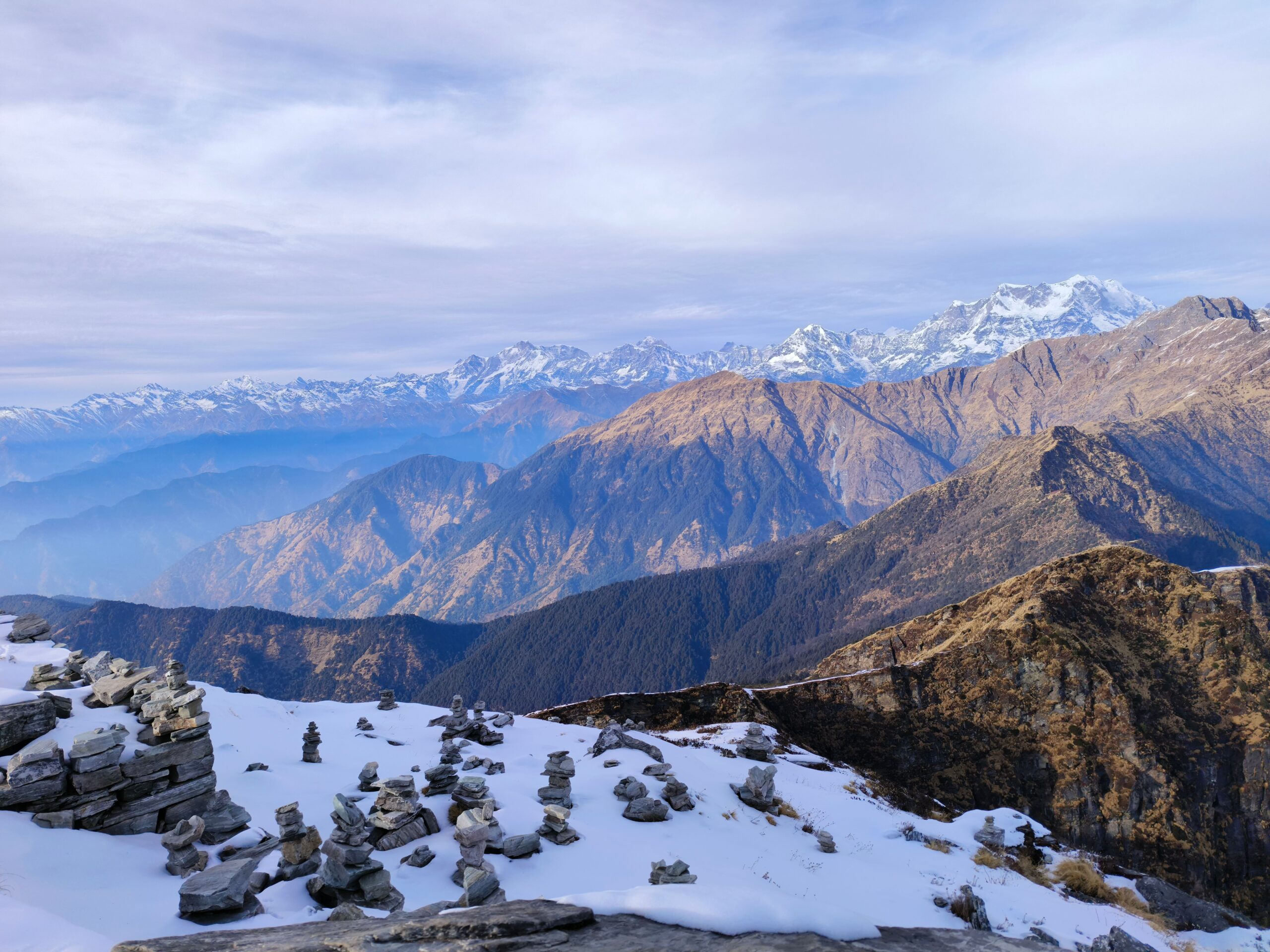
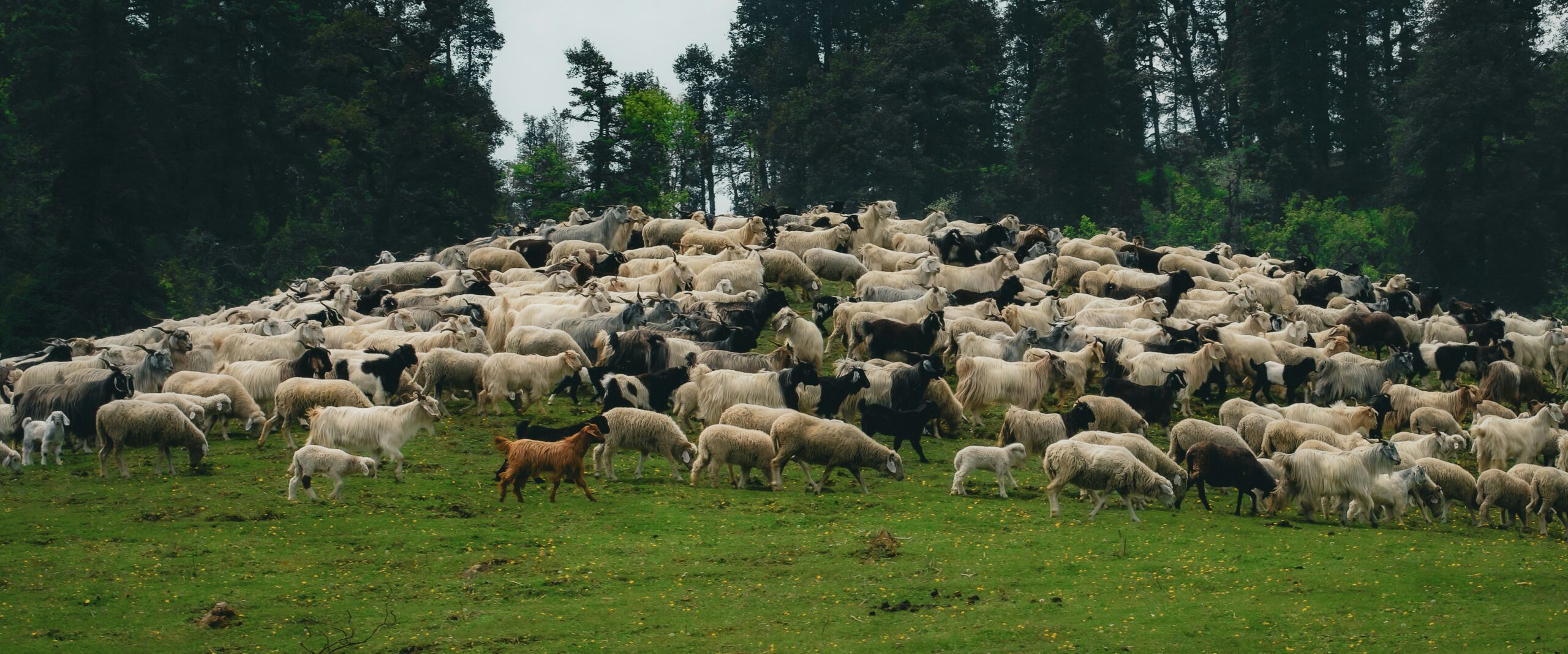
Rupin Pass is harder and longer than Hampta Pass. Hampta Pass is shorter and is a better choice for fit beginners. Both treks offer beautiful mountain views, snow-covered trails and a high mountain pass. But the routes and the overall experience are quite different.
Rupin Pass starts in Uttarakhand and ends in Himachal Pradesh. Along the way, you walk through small villages, green forests, open meadows and a large waterfall. Hampta Pass starts near Manali in the green Kullu Valley and takes you into the dry and rocky land of Lahaul.
Choose Rupin Pass if you want a longer trek with a tough pass crossing. Choose Hampta Pass if you want a shorter trek with changing views and a less difficult route.
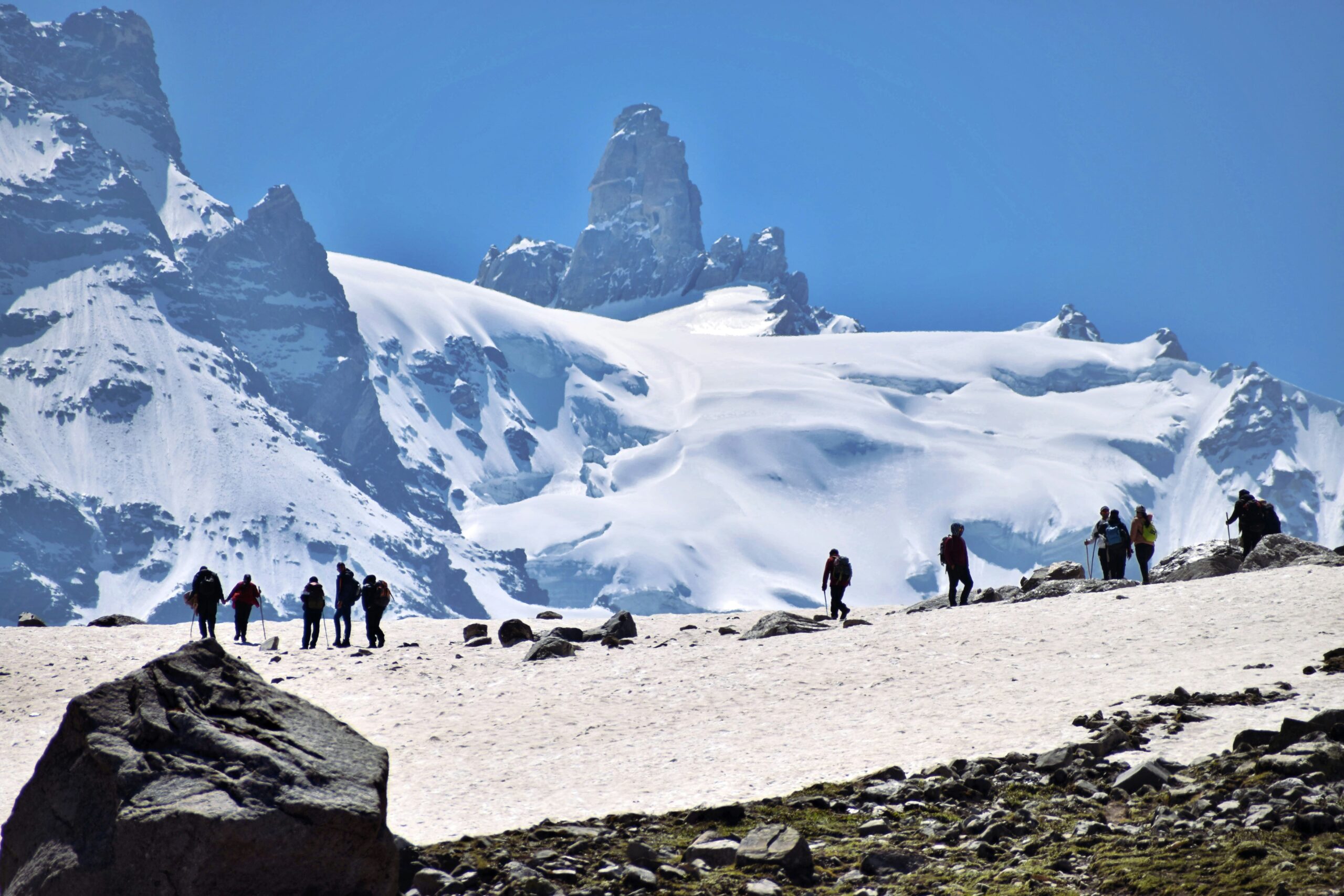
Rupin Pass vs Hampta Pass: Quick Comparison
Factor | Rupin Pass | Hampta Pass |
Highest point | About 15,250–15,280 ft | 14,065 ft |
Starting point | Dhaula, Uttarakhand | Jobra, near Manali |
Ending point | Sangla, Himachal Pradesh | Chatru, Himachal Pradesh |
Trek distance | Around 40–42 km on common routes | Around 26 km |
Total duration | Usually 7–8 days | Usually 5–6 days |
Difficulty | Moderate to difficult | Moderate |
Longest day | Around 8–11 hours | Around 9 hours |
Pass-day climb | About 2,100–2,300 ft | About 1,800 ft |
Best season | May–June and September–October | June–September |
Main highlights | Jhaka village, Rupin Waterfall and snow slopes | Balu Ka Ghera, Hampta Pass and Shea Goru |
Best for | Trekkers who want a longer and harder route | Fit beginners and those who want a shorter trek |
The distance and camp details may change from one trek operator to another. The figures above are based on common trek plans.
1. Which Trek Is More Difficult?
Rupin Pass is harder than Hampta Pass. It is longer, reaches a higher point and has a tougher pass crossing. The climb towards Rupin Pass can be steep, especially near the snow gully. The descent on the other side also needs care.
Hampta Pass is usually rated moderate. The trek has long walking days, stream crossings and a steep climb to the pass. But it is shorter and reaches a lower height than Rupin Pass.
This does not mean Hampta is an easy walk. The pass day from Balu Ka Ghera to Shea Goru can take around nine hours. Snow, rain and high water levels in streams can make this day harder.
Pass-day comparison
Detail | Rupin Pass | Hampta Pass |
Starting camp | Upper Waterfall Camp, around 13,100 ft | Balu Ka Ghera, around 12,220 ft |
Pass height | Around 15,250–15,280 ft | 14,065 ft |
Ending camp | Ronti Gad, around 13,100 ft | Shea Goru, around 12,695 ft |
Climb to pass | About 2,150–2,180 ft | About 1,845 ft |
Typical walking time | Around 8–11 hours | Around 9 hours |
2. Day-by-Day Itinerary and Campsites
The best way to understand the difference between these treks is to look at their routes. Both have a high mountain pass, but the camps and the views along the way are different.
Rupin Pass itinerary
Day | Route | Approx. camp height |
1 | Dehradun to Dhaula by road | 7,500 ft |
2 | Dhaula to Sewa | 6,300 ft |
3 | Sewa to Jiskun/Jhaka | 7,700–8,800 ft |
4 | Village to a meadow campsite | 10,000–10,800 ft |
5 | Meadow campsite to Dhanderas Thatch | Around 11,700 ft |
6 | Dhanderas Thatch to Upper Waterfall Camp | Around 13,100 ft |
7 | Upper Waterfall Camp to Rupin Pass and Ronti Gad | Around 13,100 ft at camp |
8 | Ronti Gad towards Sangla | Around 8,600 ft at Sangla |
Hampta Pass itinerary
Day | Route | Approx. camp height |
1 | Manali to Jobra and a short walk to camp | Around 9,000 ft |
2 | Jobra to Jwara | Around 11,000 ft |
3 | Jwara to Balu Ka Ghera | Around 12,220 ft |
4 | Balu Ka Ghera to Hampta Pass and Shea Goru | Around 12,695 ft at camp |
5 | Shea Goru to Chatru | Around 10,785 ft |
6 | Drive from Chatru to Manali, sometimes via Chandratal | No trekking camp |
Hampta Pass has fewer trekking days. But the climb from Balu Ka Ghera to the pass is still hard. After crossing the pass, you walk down towards Shea Goru. The next day, you reach Chatru and return to Manali by road.
3. Landscapes, Villages and Campsites
The views are a major reason to choose either trek. Rupin Pass takes you through villages, forests, meadows and a large waterfall. Hampta Pass is known for the big change in the land as you move from green Kullu to dry Lahaul.
What makes Rupin Pass special?
Rupin Pass starts in the villages of Uttarakhand. The trail follows the river and passes through forests and small settlements. One of the best-known villages on this route is Jhaka. It is often called a hanging village because it sits high on a steep mountain slope.
This village walk gives Rupin Pass a local feel that you do not get in the same way on Hampta Pass. You can see how people live in these remote mountain areas.
As you move higher, the forests give way to open meadows. Dhanderas Thatch is a key campsite below the famous Rupin Waterfall. The waterfall is one of the main sights of the trek. Above it, the trail becomes steeper and may have snow, depending on the month.
After crossing Rupin Pass, you walk towards Ronti Gad and then reach Sangla in Himachal Pradesh. The change in views from the green river valley to the rocky mountains of Kinnaur makes this trek feel like a long journey across two states.
What makes Hampta Pass special?
Hampta Pass starts near Manali in the green Kullu Valley. The first part of the trek takes you through forests, open grasslands and small streams. Jwara and Balu Ka Ghera are two important camps on this route.
Balu Ka Ghera is the camp before the pass crossing. From here, the trail climbs towards Hampta Pass. Once you cross the pass, the green slopes of Kullu change into the dry and rocky land of Lahaul.
Shea Goru is a beautiful campsite on the Lahaul side. From here, the trail goes down towards Chatru. Keep in mind that Chandratal is not part of the walking route. It is a separate road trip, and the visit depends on road and weather conditions.
4. Best Time to Visit Rupin Pass and Hampta Pass
The best time for each trek depends on snow, rain and local weather. Both routes are seasonal, and you should not assume that they remain open throughout the year.
Rupin Pass
Rupin Pass is commonly done in May and June, and again in September and October. May and early June can have more snow near the upper camps and the pass. This can make the crossing harder. By late June, some snow may have melted. The amount depends on the snowfall during winter and the weather in spring.
September often brings clearer skies after the monsoon. October is colder, and fresh snow can fall at high camps. Trek operators may stop their batches if the weather makes the route unsafe.
Hampta Pass
Hampta Pass is usually open for trekking from June to September. June can have snow near the pass, especially early in the month. July and August bring greener meadows, but rain can make the trail wet and stream crossings harder.
September often has clearer weather. However, nights become colder, and early snowfall is possible at high camps. During the monsoon, heavy rain can raise stream levels and affect road access to Chatru and Chandratal. Always check the latest route news and confirm your trek before travelling.
The usual trekking season for both routes has ended or is closing. Do not assume that either trek is open. Check the latest local updates and confirm the next batch dates with your trek operator before booking flights or hotels.
5. How to Reach the Starting Points
The two treks have different travel plans. Rupin starts in Uttarakhand and ends in Himachal Pradesh. Hampta starts and ends in Himachal Pradesh, but on different sides of the pass.
Reaching Rupin Pass
The common starting point for Rupin Pass is Dhaula in Uttarakhand. Dehradun is a common place to meet your trek group. The road journey from Dehradun to Dhaula can take around 10–11 hours, depending on road and traffic conditions.
After the trek, you reach Sangla in Himachal Pradesh. From there, you can travel towards Shimla or another town for your return journey. Since you start and finish in different places, plan both road transfers before booking your tickets. Ask your operator where the trek ends and how you will reach the nearest transport point.
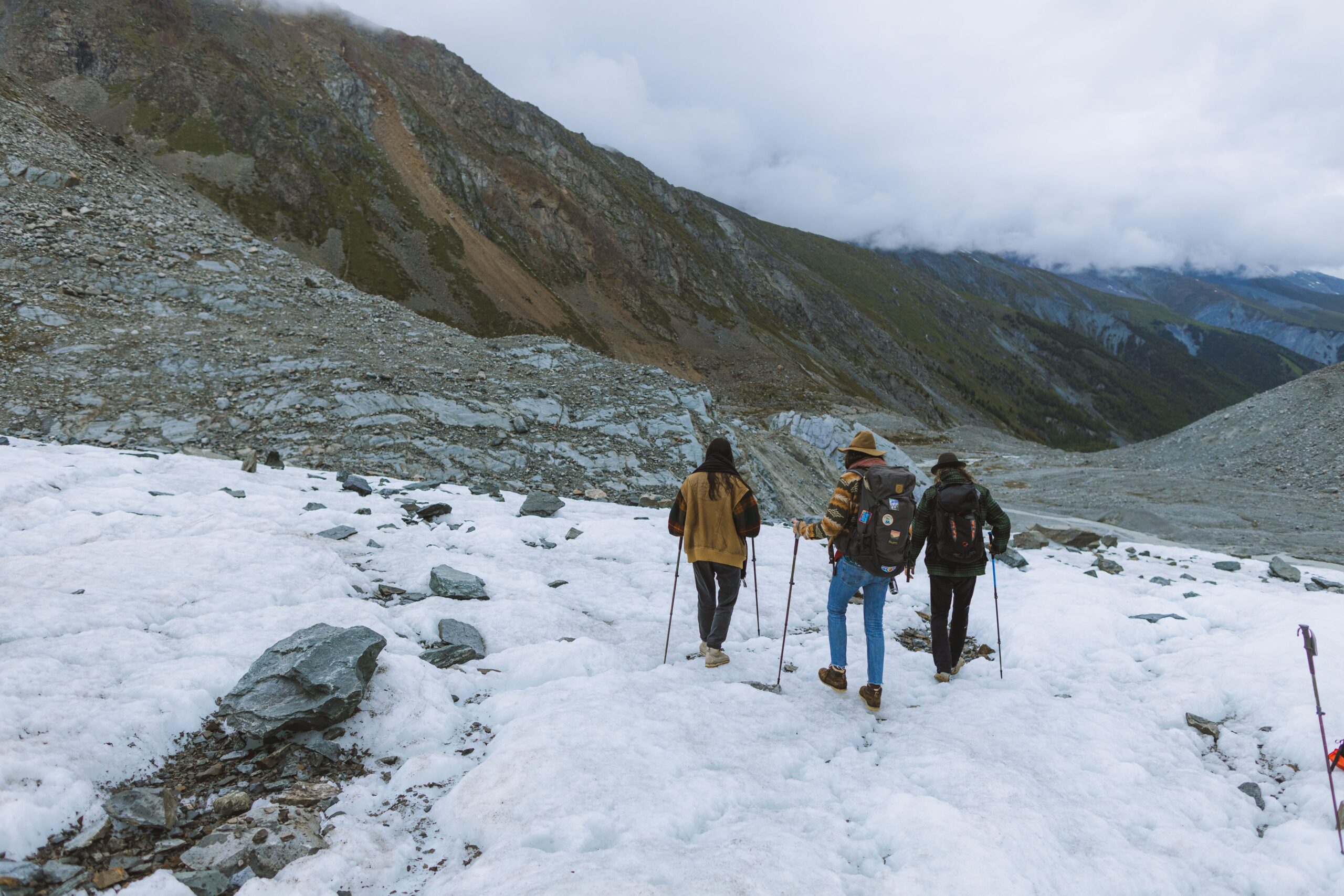
Reaching Hampta Pass
Manali is the main base for Hampta Pass. From Manali, the drive to Jobra usually takes around 1–2 hours. The trek ends at Chatru. From there, you return to Manali by road. Some operators also plan a stop at Chandratal if the road is open and there is enough time.
The drive back can take several hours. Avoid booking a tight bus or flight connection on the same evening without checking the return plan with your operator.
6. Fitness: Who Can Do Each Trek?
You do not need to complete several high-altitude treks before trying Rupin Pass. But you should be fit enough to walk for many hours, climb steep slopes and manage a long day at high altitude.
Hampta Pass is a better first choice for many fit beginners. Still, you need good stamina. The pass day can take around nine hours, and the climb is steep in places.
Use these simple targets to prepare. They are training goals, not official rules for joining either trek.
- Walk at a brisk pace for 45–60 minutes without taking many breaks.
- Build up to a 5 km walk or jog at a comfortable speed.
- Practise climbing stairs and slowly increase the number of floors.
- Do squats, lunges, step-ups and calf raises to make your legs stronger.
- Go on weekend walks with a light backpack.
- Train regularly for at least 6–8 weeks before the trek.
If you find uphill walks difficult, build your fitness before choosing either route. For Rupin Pass, add longer walks and more stair practice to your plan. Good fitness does not prevent altitude sickness. Walk at a steady pace, follow your trek leader’s advice and report a headache, nausea, dizziness or breathing trouble early.
7. Mobile Network, ATMs and Emergency Exits
Do not depend on mobile network or ATMs during either trek. Phone signals are weak or missing in many parts of the route. ATM access is also limited once you leave the main towns. For Hampta Pass, arrange cash and supplies in Manali. There may be limited ATM access near the start of the route, but do not depend on finding a working ATM during the trek.
For Rupin Pass, carry enough cash from Dehradun or another large town before travelling to Dhaula. Do not assume that small villages along the route will have working ATMs or card payment options.
Both routes have limited road access once you enter the mountains. Rupin Pass ends towards Sangla, while Hampta Pass ends at Chatru. If there is an emergency, follow your trek leader’s instructions. Do not try to find your own exit without local help and transport.
Save important phone numbers before starting. Also download offline maps and keep your trek leader’s contact details written down.
Frequently Asked Questions
Is Rupin Pass worth it?
Yes, if you enjoy long mountain walks and want a tough trek. The route has small villages, green forests, the Rupin Waterfall, snow slopes and a high pass crossing. It also takes you from Uttarakhand into Himachal Pradesh.
Can beginners do Rupin Pass?
Fit beginners can consider Rupin Pass, but it is not an easy first trek. You should be able to walk for several hours and climb uphill without getting tired too quickly. Train for at least 6–8 weeks and choose a good trek operator.
Which trek has more snow in June?
Rupin Pass can have a lot of snow near the upper waterfall and pass in June. Hampta Pass can also have snow, especially in early June. The amount changes every year, so no operator can promise a fixed level of snow.
Is Hampta Pass easier than Rupin Pass?
Yes, Hampta Pass is usually easier. It is shorter, reaches a lower height and has fewer trekking days. Rupin Pass has a longer route and a harder pass crossing.
Can I visit Chandratal during Hampta Pass?
Yes, some trek plans include a road trip to Chandratal after reaching Chatru. It is not part of the walking trail. The visit depends on road access, weather and the operator’s plan.
Which trek is better in September?
Both treks can be good in September if the routes are open and the weather is safe. Hampta may have clearer skies later in the month. Rupin can also offer good autumn views, but nights at high camps become cold. Check the latest batch dates before booking.