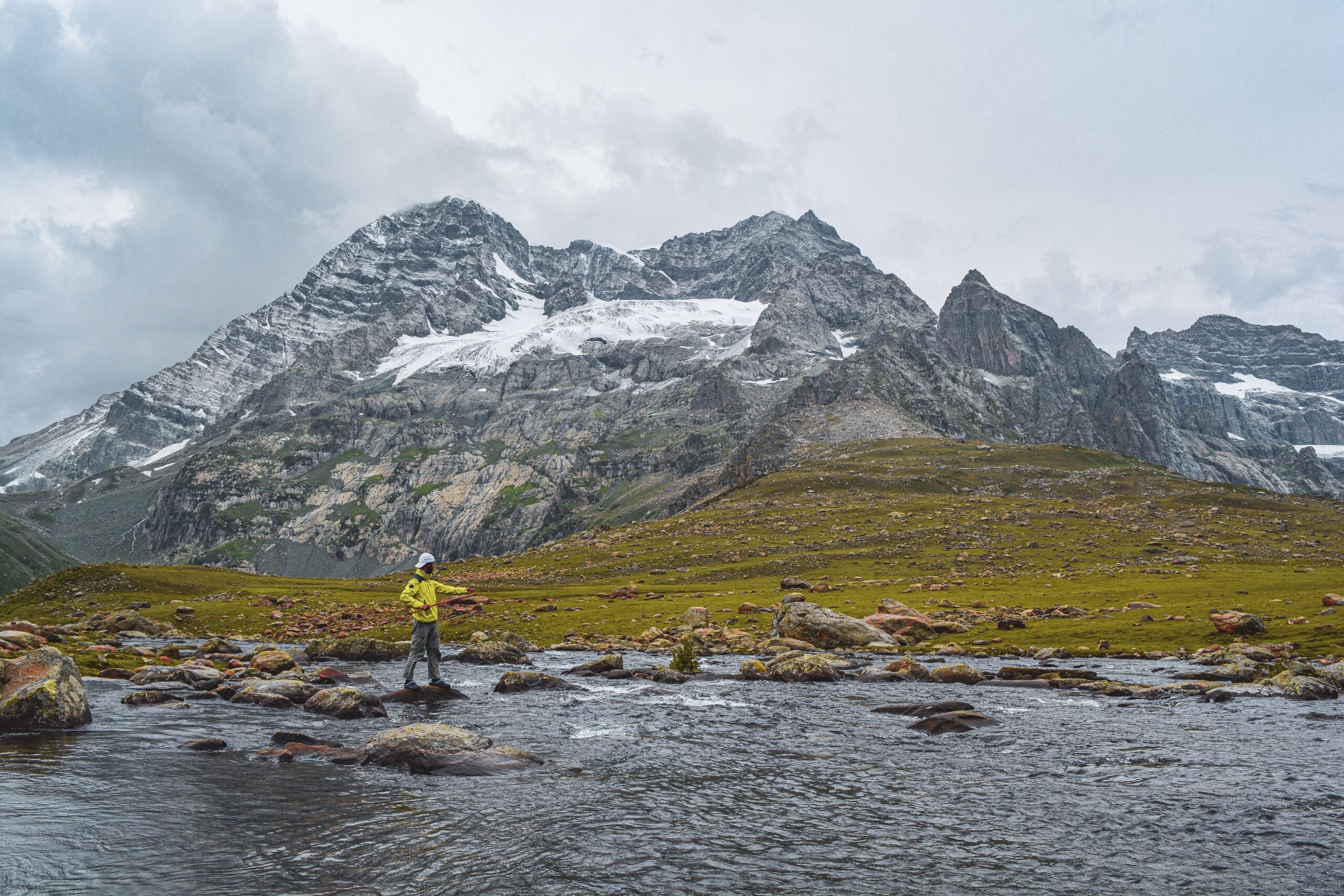
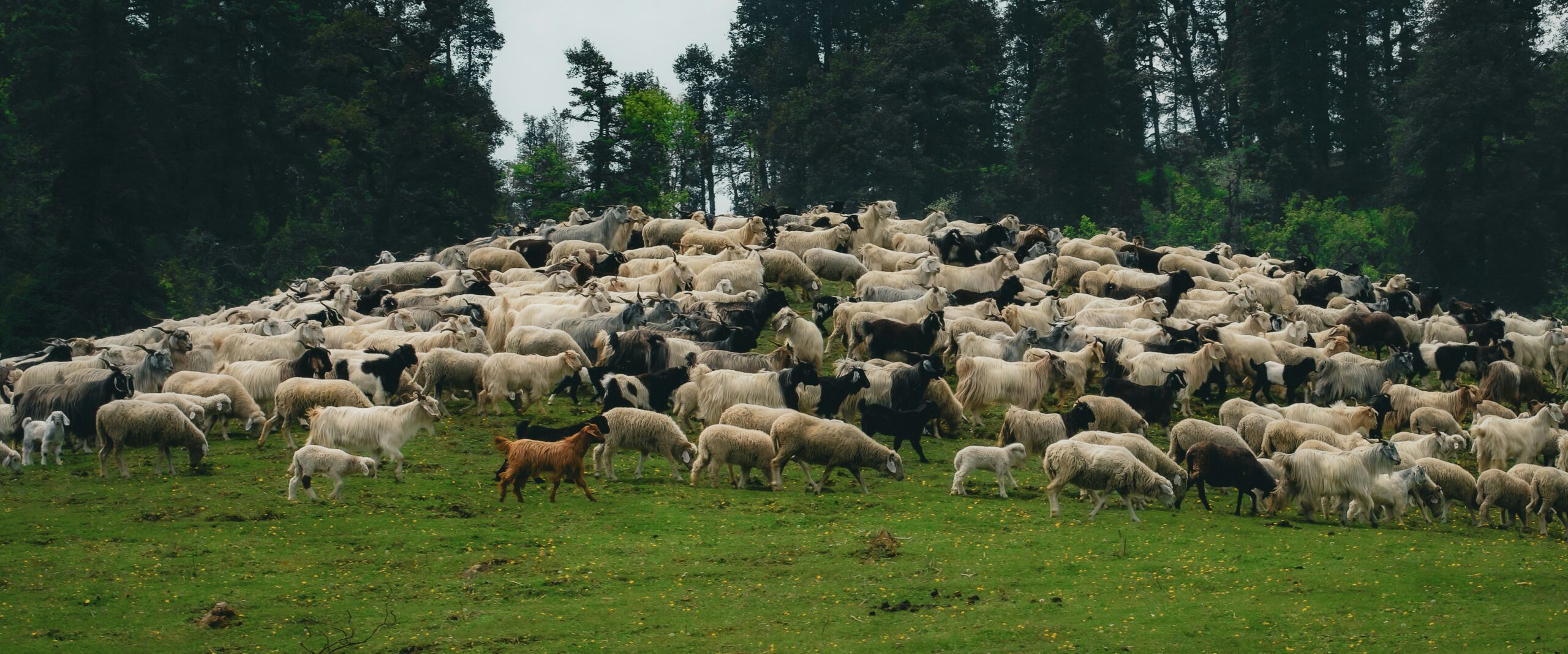
The Kashmir Great Lakes trek can suit a fit family with older children, but it is not an easy holiday. The route has long walks, steep climbs and cold nights in tents. Every family member must be ready to walk for many hours each day.
If your family enjoys outdoor trips and has done a trek before, this route may be a good choice. But if you are planning it with young children or older parents who find long walks hard, choose an easier trek. The lakes are beautiful, but reaching them takes a lot of effort.
Why Is the Kashmir Great Lakes Trek Hard for Families?
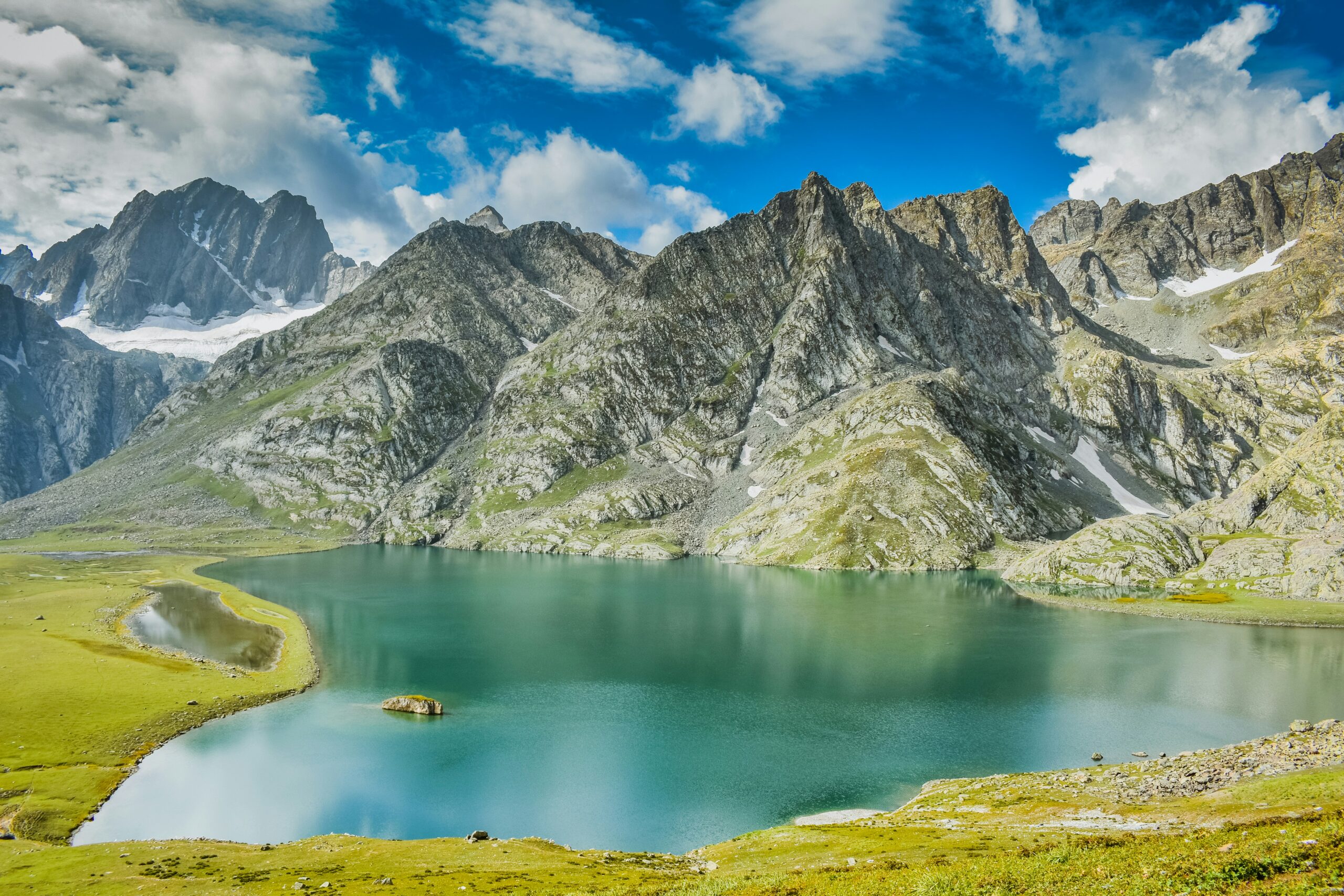
The classic route runs from Shitkadi near Sonamarg to Naranag. One trek company lists the route as about 67 km over six days. The highest point is Gadsar Pass, at around 13,800 ft. Other companies show routes of about 68 to 75 km because their camps and trail plans differ.
The main test is walking for many days in a row. You climb high passes, cross rocky paths and walk down steep slopes. Even a fit person can feel tired after a few days on the trail.
Kashmir Great Lakes Trek Itinerary and Family Difficulty
Walking day | Route | Distance and time | Camp or high point | Family difficulty |
Day 1 | Shitkadi to Nichnai | 10 km, 4–5 hours | Nichnai, 11,500 ft | Moderate |
Day 2 | Nichnai to Vishansar via Nichnai Pass | 12 km, 6–7 hours | Pass, 13,100 ft; lake camp, 13,386 ft | Hard |
Day 3 | Vishansar to Gadsar via Gadsar Pass | 14 km, 7–8 hours | Gadsar Pass, 13,800 ft; camp near 11,800 ft | Very hard |
Day 4 | Gadsar to Satsar | 10 km, 5–6 hours | Satsar, 12,400 ft | Moderate to hard |
Day 5 | Satsar to Gangabal via Zaj Pass | 10 km, 5–6 hours | Gangabal, 11,486 ft | Hard |
Day 6 | Gangabal to Naranag | 11 km, 5–6 hours | Naranag, about 7,200 ft | Hard descent |
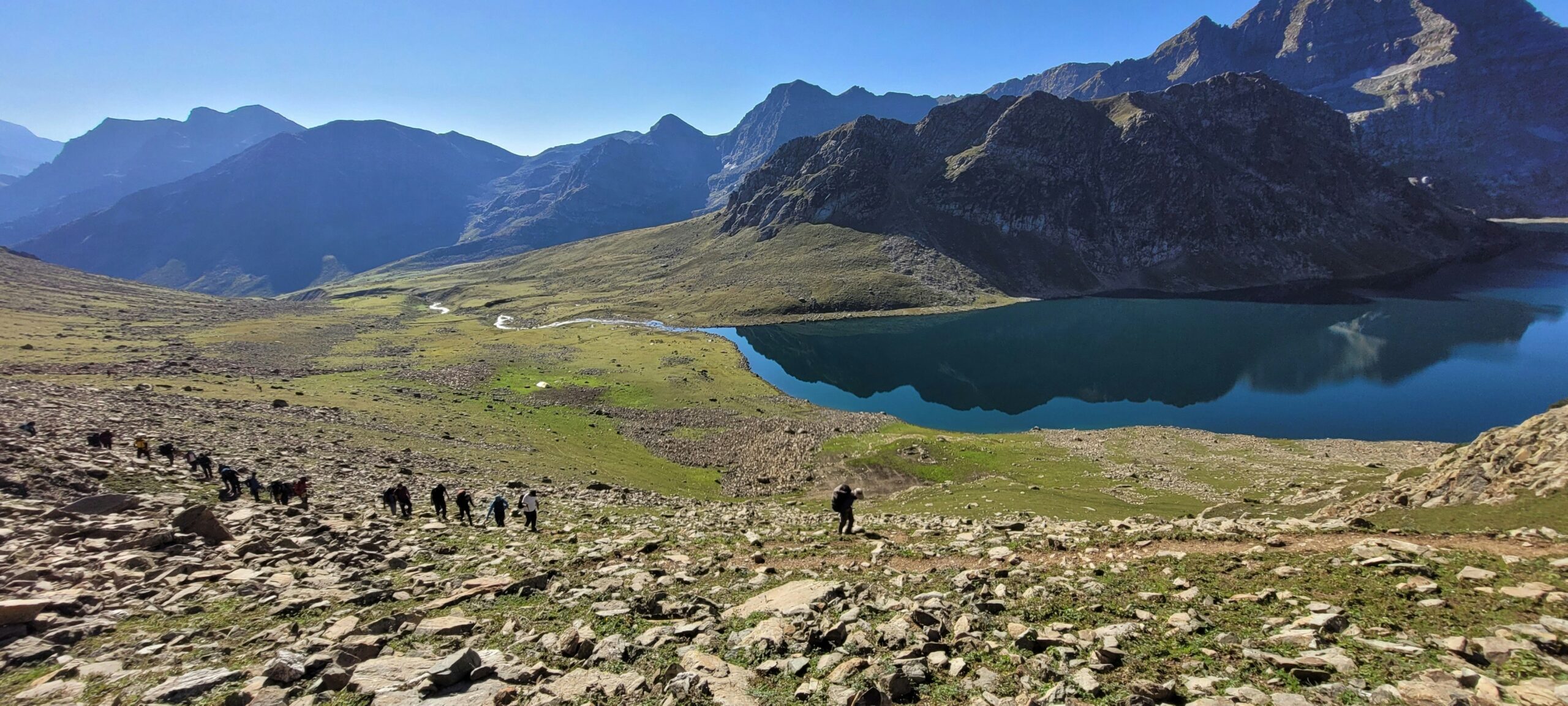
The hardest part is the climb over Nichnai and Gadsar passes. The Gadsar day can take seven to eight hours. You climb to a high pass and then walk down for a long time. This can be very tiring for children and older family members.
There is no easy road exit near every camp. If someone falls ill, the trek team may need to arrange help on foot or with local support. Ask the company how it will move an unwell trekker, where the nearest road is and who will pay for rescue costs.
Can a Family Book a Private Kashmir Great Lakes Trek?
A private or small-group trek may work well for families. It can give you more say over walking speed, rest breaks and meal needs. It may also help if you are travelling with children or older parents.
But a private trek does not make the route easy. The climbs, walking time and high camps remain the same. Before you book, ask the company these questions:
- Can you take every family member based on their age?
- Will a trained trek leader stay with the group?
- Can you add an extra rest day?
- What happens if one person cannot walk further?
- Can that person leave the route with a guide or support worker?
- Can the company arrange private tents and special meals?
Do not assume that a pony or porter will solve every problem. They can carry bags, but they cannot remove the steep climbs or long walks. Offloading also does not protect anyone from altitude sickness.
Kashmir Great Lakes Trek Cost for a Family
The trek fee is only one part of your family budget. You must also plan for travel to Srinagar, local transport, insurance, bag offloading and extra hotel nights. Other companies may charge different rates. So, do not compare only the main trek fee. Ask for a full price list that covers:
- Trek fee and GST.
- Travel from Srinagar to the base camp and back.
- Personal accident and high-altitude insurance.
- Backpack offloading, if needed.
- Extra tent or private room charges.
- Extra stay or travel costs if the trek is delayed.
For a family of four, these costs can add up quickly. Ask for a written quote before paying. Also check if the insurance covers high-altitude trekking and rescue by helicopter. Normal travel insurance may not cover these costs.
What Health Checks Should Your Family Complete?
High altitude can affect both children and adults. Good fitness helps you walk, but it does not stop altitude sickness. The CDC says that people who travel above 8,000 ft can face this risk. In children, signs may include a headache, nausea, poor appetite, low energy or unusual fussiness. Adults may also have a headache, feel sick, feel dizzy or lose their appetite.
Before booking, speak to a doctor if anyone in your family has a long-term health problem. This is very important for people with heart or lung disease, diabetes, sleep apnoea or past altitude sickness. Pregnant travellers should also seek medical advice before planning a high-altitude trek.
If someone feels unwell on the trek, do not keep climbing. Tell the trek leader at once. If the signs get worse, the person needs to go down to a lower height and get medical help. You can read the CDC’s advice on high-altitude travel before making your plan.
Family Checklist Before Booking Kashmir Great Lakes
Before paying for the trek, check that every family member can meet these points:
- Has done long walks or a multi-day trek before.
- Can walk for six to eight hours with breaks.
- Has trained for at least eight weeks.
- Has had a health check if needed.
- Is happy to sleep in tents and use basic toilets.
- Knows that mobile network access is very limited.
- Has good shoes, warm clothes and rain gear.
- Is ready to turn back if health or weather makes it unsafe.
Frequently Asked Questions
Is Kashmir Great Lakes trek good for a family with teenagers?
It can suit active teenagers who meet the company’s age rules and have good fitness. Past trek experience is a big help. A first Himalayan trek is not the best time to test a teenager on this route.
Can a 55-year-old do the Kashmir Great Lakes trek?
Yes, some fit people in their 50s may be able to do it. They should have a health check, good fitness and some trek experience. The company may also ask for fitness proof.
Is backpack offloading available on the Kashmir Great Lakes trek?
Some companies offer pony or porter support to carry your bag. This costs extra, and the price and weight limit vary. Check the details before booking. Remember, offloading does not reduce the walking distance or the effect of high altitude.