Why 7 Days is the Right Call for Kashmir
Seven days Kashmir itinerary is not generous, it is the minimum that makes sense. The terrain is the reason. Srinagar to Gulmarg is 51 km, on a good day, that drive takes 1.5 to 2 hours. Srinagar to Sonmarg is 84 km and runs close to 3 hours. People who try Kashmir in 5 days end the trip saying the same thing: felt rushed. Day 3 in a car. Day 4 in recovery. Not what you planned.
The problem with a short Kashmir trip is not missing destinations. It is arriving at each one tired. Gulmarg deserves a full day and Pahalgam needs two. Sonmarg is a long round trip even without hurrying. Rush it and you feel it. Seven days lets you move at the pace the valley demands. Do fewer days if you must. Just know what you are giving up.
Not sure how many days you actually need? Here’s a deeper breakdown on how many days are required for a Kashmir trip across different budgets and travel styles.
Best Time to Visit Kashmir (Season-by-Season, Honest Guide)
There is no single best time to visit Kashmir. The right answer depends entirely on what kind of trip you want. A family travelling during school holidays faces a different Kashmir than a couple going in late September. Get the season wrong and you pay peak prices for a packed Gondola queue and houseboats on all sides.
Spring runs from March to early May. The Tulip Garden at Indira Gandhi Memorial is the main draw and it is worth the visit, but only in the first two weeks of April. By late April, most tulips have peaked. Temperatures are mild and the valley turns green after winter — the mountains still carry snow at altitude. Good time to go, book early.
Summer, May through August, is the peak season. Schools are out across India and Kashmir fills up fast. Houseboat rates rise 20 to 30 percent. The Gondola queue at Gulmarg can run two hours on a July morning. In July or August, the Amarnath Yatra pilgrimage also runs. It adds real traffic pressure on the Pahalgam road. Not a reason to avoid it — just factor in extra time and book everything weeks ahead.
Autumn, September to November, is the season locals quietly rate highest. September still has warm days. October brings the Chinar trees into full colour — gold and red across the valley. November is underrated in most guides. Crowds thin out and prices drop. The valley light turns sharp and clear. Pampore’s saffron fields flower in October and early November. The fields turn purple-violet for about three weeks. Plan around that window if you can.
Winter, December to February, is for snow. Gulmarg becomes a ski destination. The Gondola still runs but Phase 2 closes in bad weather. Sonmarg is largely inaccessible. The valley is quiet and cold, with temperatures below freezing. Come in winter and the trip is essentially Srinagar and Gulmarg
Season | Weather | Crowd Level | Best For |
Spring (Mar to early May) | Mild, 8 to 18C | Moderate | Tulip Garden, green valley views |
Summer (Jun to Aug) | Warm, 15 to 28C | High | Families, full itinerary, Betaab Valley |
Autumn (Sep to Nov) | Cool to cold, 5 to 18C | Low to Moderate | Couples, Chinar colour, saffron fields, budget travel |
Winter (Dec to Feb) | Very cold, -5 to 8C | Low | Skiing at Gulmarg, quiet Srinagar |
Route Logic: Why This Order and Not Another
Most Kashmir itineraries list where to go. None of them explain why in that order. That gap matters for independent travellers. Wrong sequence means extra driving. Sometimes it means a night in a place with almost no good hotels.
The recommended route: Srinagar (Days 1 to 2), Gulmarg (Days 2 to 3), Pahalgam (Days 4 to 5). Back to Srinagar for the Sonmarg day trip on Day 6. Out on Day 7. Gulmarg comes before Pahalgam because both sit on opposite sides of Srinagar. Doing Pahalgam first and then backtracking adds 4 to 5 hours of unnecessary driving. Sonmarg works as a day trip, not an overnight, because hotel quality there is genuinely limited. Most visitors who stay overnight wish they had not. Three hours each way is fine on a day trip. Not worth a hotel night. The route also moves from lower to higher altitude. This helps your body adjust before Gondola Phase 2 at Gulmarg.
The 7-Day Kashmir Itinerary, Day by Day
Here is what 7 days in Kashmir actually looks like, hour by hour. Each day has one specific detail you will not find in most guides. Read those details before you go.
7-Day Summary:
1. Arrive Srinagar.
2. Srinagar sightseeing. Mughal Gardens, Old City, Lal Chowk.
3. Srinagar to Gulmarg. Drive, check-in, Gondola Phase 1.
4. Gulmarg full day. Gondola Phase 2, meadow walk.
5. Gulmarg to Pahalgam. Drive via Pampore saffron fields.
6. Pahalgam sightseeing. Betaab Valley, Aru Valley, Chandanwari circuit.
7. Return to Srinagar base. Sonmarg day trip. Airport departure.
Day 1: Arrival in Srinagar (Houseboat or Hotel?)
Day 2: Srinagar Sightseeing
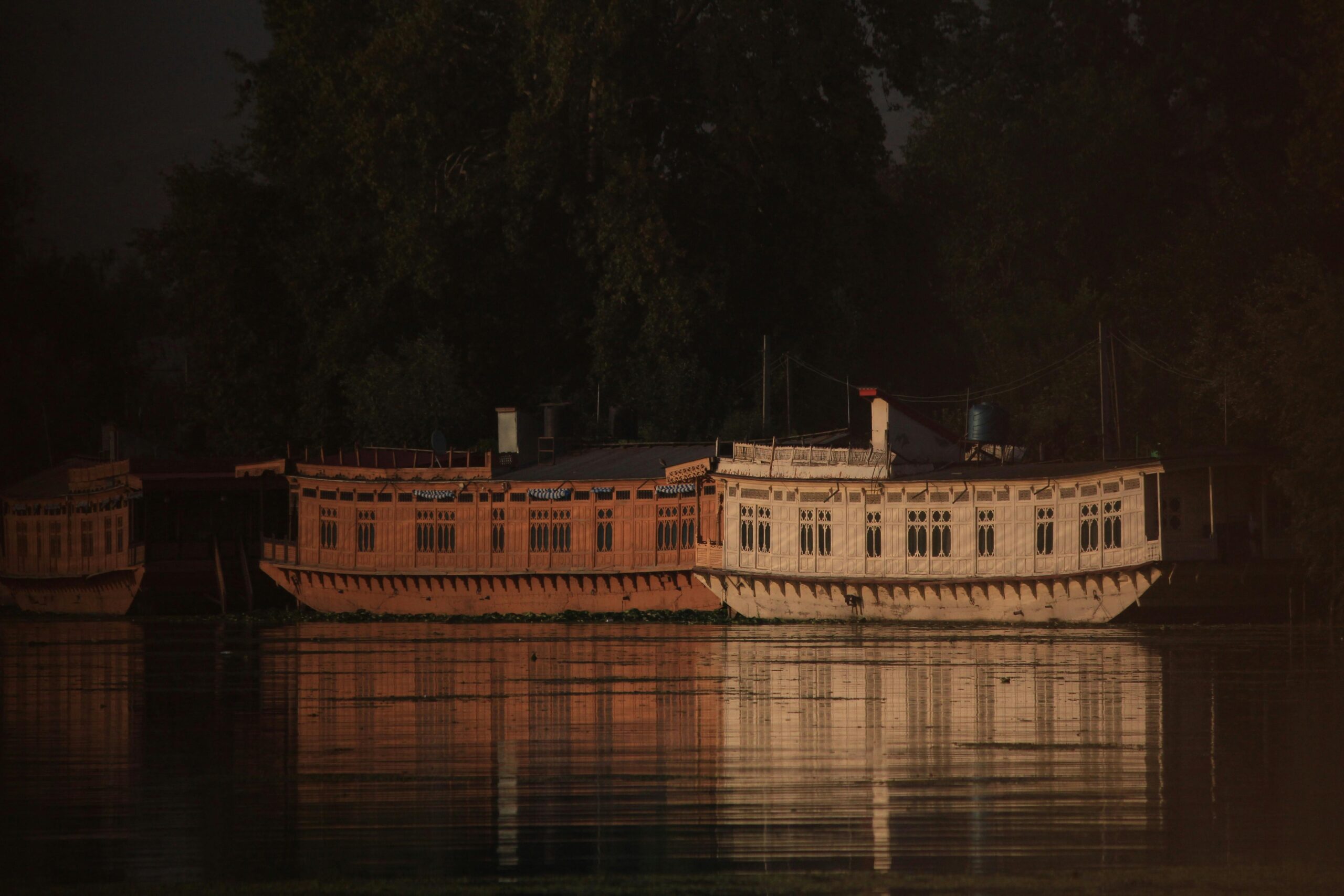
Your first real decision in Srinagar is not where to eat. It is where to sleep. A Dal Lake houseboat sounds right. Romantically, it is. Logistically, it has a catch. Every time you leave the houseboat, you take a shikara to shore. Fine for an afternoon. But a 6 AM drive to Gulmarg changes that. Friction you did not plan for.
Dal Lake houseboats are more central to the action. Nigeen Lake houseboats, about 2 km away, are quieter and less trafficked by tourist shikaras. Neither guide typically makes this distinction. Early morning transfers most days? A city hotel near the taxi stand is the simpler pick. Mid-range houseboats on Dal Lake run Rs.7,000 to Rs.12,000 per night. Budget guesthouses exist below that. Quality gap is real. Book one houseboat night, then move. You get the experience. You skip the drag.
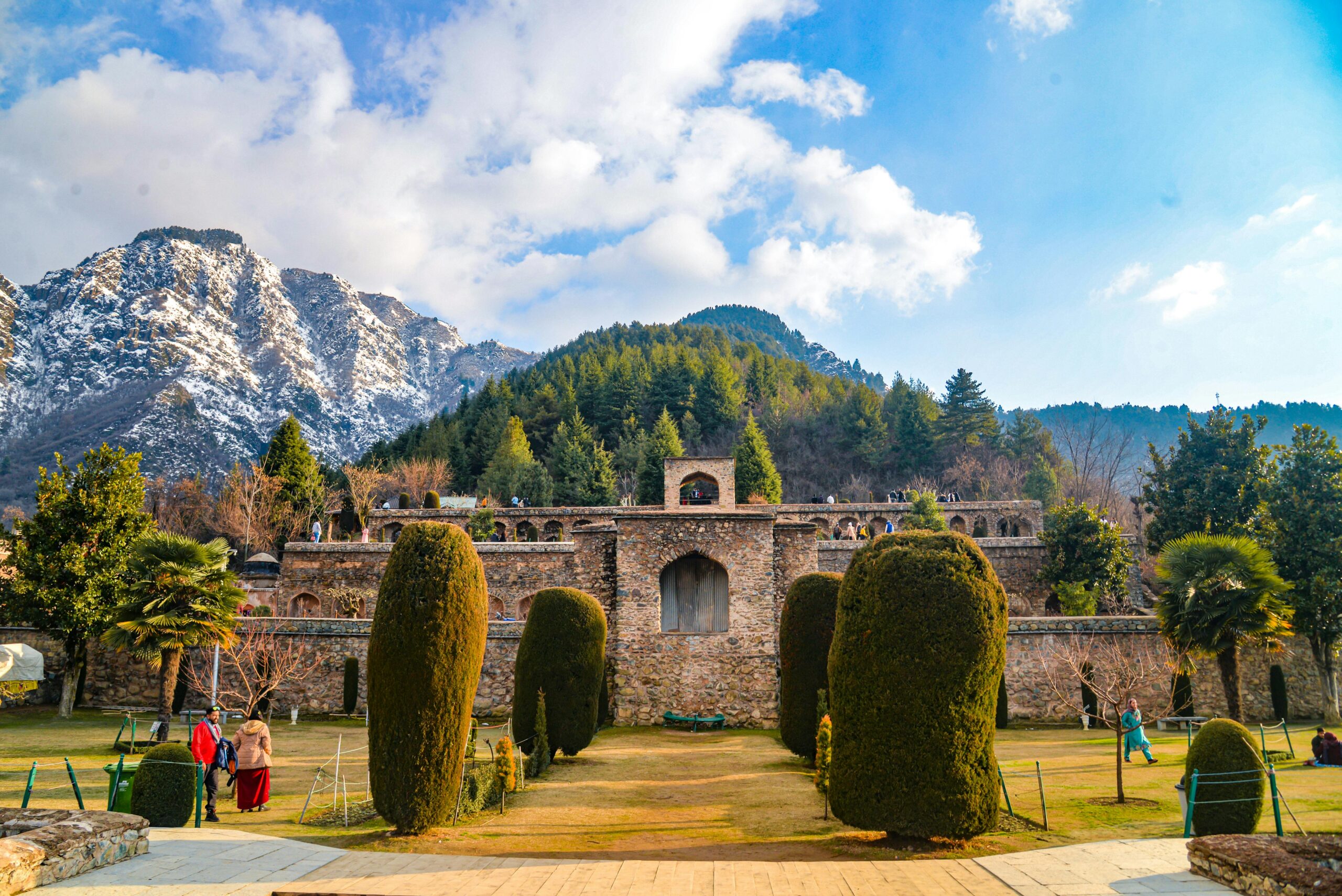
Spend Day 2 inside the city. Start at Shalimar Bagh, one of the three main Mughal Gardens. Opens at 9 AM. From there, move to Nishat Bagh. It sits on the Dal Lake shore and gives the best water view of any garden. Chashme Shahi is smaller and often skipped. It takes only 40 minutes and the spring water there is cold and clean. Genuinely cold. Worth the stop.
The Old City near Jama Masjid is the part most visitors rush through. Do not rush it. The lanes are dense with old wood-carved architecture and local spice markets. Lal Chowk, the commercial centre, is noisy and busy. Distinctly Kashmiri in a way the gardens are not. Go there. End the evening on a Shikara ride at dusk. About 45 minutes on the water, Rs.400 to Rs.800 negotiated at the ghat. The light on Dal Lake at that hour does not need description.
Day 3: Srinagar to Gulmarg
Drive to Gulmarg first thing. The route is 51 km and takes about 1.5 to 2 hours in normal conditions. In winter, December through March, your Srinagar taxi drops you at Tangmarg, about 14 km short of Gulmarg. The final stretch needs a local 4×4 with snow chains. Budget Rs.800 to Rs.1,200 for this. Do not argue about it. Not a tourist price. It is the only vehicle cleared to make that stretch in snow.
After check-in, head straight to the Gondola. Phase 1 goes from Gulmarg base to Kongdori at about 2,650 metres. The views open up fast. If the sky is clear and you feel fine at Kongdori, Phase 2 is worth it. Grey sky? Wait. As of 2026, Gondola Phase 1 tickets should be pre-booked online. Walk-up queues during peak season can run over two hours. Two hours. Book via the J&K Cable Car Corporation website before you travel. Do this early. Phase 1 costs Rs.1,500 per person. Phase 2 adds Rs.1,000 more. Two people doing both phases spend Rs.5,000 before lunch.
Day 4: Gulmarg Full Day
Give Gulmarg a full day. This is the right call. Gondola Phase 2 goes to Apharwat Peak at about 3,980 metres. That is a serious altitude jump from the base. If you feel breathlessness at Kongdori, stop at Phase 1. Children under 5 and anyone with heart or lung issues should not attempt Phase 2. The summit is genuinely cold even in July. Carry a jacket regardless of season.
Phase 2 closes in bad weather with no refund at the counter. If the sky looks grey in the morning, go to Phase 1 first and wait. See how it develops. The meadow around Gulmarg base is large and flat and good for a morning walk. In winter, the ski slopes here are the best in India. Ski rental is seasonal and only runs December through March. If you see ski school listings on summer itineraries, ignore them. Summer only. They do not operate.
Day 5: Gulmarg to Pahalgam
This is the longest travel day. The route from Gulmarg to Pahalgam runs about 5 hours with one proper stop. Leave by 8 AM.
The stop worth making is Pampore. The town sits alongside the Srinagar-Jammu highway and its saffron fields stretch right up to the road. Between October and early November, those fields turn purple-violet for about three weeks. It is the most underrated photo stop on any Kashmir road trip. Ask your driver to slow down near Pampore. No entry fee. You simply stop and look. In other months, the fields are green-brown and less striking. But the roadside stalls selling saffron are there year-round. Worth buying from. Pahalgam arrival by early afternoon gives you time to walk the Lidder River bank before dinner. The river runs right through town.
Day 6: Pahalgam Sightseeing
In Pahalgam, your Srinagar taxi driver cannot do local sightseeing. The local union controls this circuit. You hire a local union taxi at the stand in town. The standard package covers Betaab Valley, Aru Valley, and Chandanwari — typically Rs.2,000 to Rs.3,500. Confirm the exact stops before the driver moves, not after.
Here is what each valley actually gives you:
Betaab Valley: Named after a Bollywood film. Entry fee Rs.100 per person. Green meadow with a fast stream. About 15 km from Pahalgam town. Allow 2 hours.
Aru Valley: Free entry. Quieter than Betaab, wider meadows, better mountain views. 11 km from Pahalgam. Good for a slow walk.
Chandanwari: The farthest point, 16 km from Pahalgam. Snow lingers here even in June. Starting point for the Amarnath Yatra in pilgrimage season. Allow 1.5 hours.
Why does the order matter? Most drivers do Betaab first since it is closest. That works. Just factor in that Chandanwari takes longest given road conditions.
Day 7: Sonmarg Day Trip and Departure
Leave for Sonmarg by 7:30 AM. The drive is 84 km from Srinagar. It takes 2.5 to 3 hours. Zoji La pass gets heavy truck traffic after 10 AM. Starting early avoids the worst of it. Start early.
Thajiwas Glacier is the main draw. It sits about 2 km from the main Sonmarg meadow. Walk if you are fit; pony ride if you want to save energy. Pony operators charge Rs.500 to Rs.800 per person. Negotiate first. At the glacier, the ground is cold and uneven. Proper shoes are not optional.
Back in Srinagar, airport security is thorough. Arrive 2.5 hours before departure, not 1.5. If your flight is afternoon, the Old City near Jama Masjid is 20 minutes from the airport. Worth a final hour. Do not leave shopping to the terminal — airport prices are a lot higher than the city. Here’s a guide to the best things to buy in Kashmir so you know what to look for in the city markets before you head to the airport.
Transport in Kashmir: The Taxi Union Rules Nobody Tells You
Your Srinagar taxi driver is not cheating you and hee genuinely cannot take you further. The taxi union system in Kashmir has been structured this way for decades. Most first-time visitors hit it at Gulmarg. You book a private cab for the week, confirm the price, and feel organised. Then you arrive at Gulmarg and a local driver tells your cab driver he cannot proceed for sightseeing. Not a scam. The rule. Full stop.
How it works: a Srinagar-registered taxi can bring you to Gulmarg, Pahalgam, or Sonmarg. Once you arrive, local union taxis handle all sightseeing inside those areas. Your Srinagar driver waits at the parking area. You hire locally. Budget Rs.4,000 to Rs.7,000 extra across both Gulmarg and Pahalgam to cover this. That is on top of your private cab for the week. When locking in your Kashmir trip itinerary, book your private cab before your flight, not after landing. Book it first. Private cabs for 7 days run Rs.18,000 to Rs.22,000 for a sedan. An Innova costs Rs.25,000 to Rs.32,000.
Factor local union costs into your budget before you land. Nobody likes negotiating under pressure after a long drive. Know the number going in, pay it, and move on.
What Does a 7-Day Kashmir Trip Actually Cost?
What does it cost? More than most guides admit. The number that catches most people out is not the cab or the Gondola. It is the room in Srinagar. A decent mid-range houseboat on Dal Lake costs Rs.7,000 to Rs.12,000 per night. Not Rs.2,500. The budget rooms at that price exist, but the quality gap is real. The Gondola alone costs Rs.5,000 for two people doing both phases. Add local union taxis across Gulmarg and Pahalgam, meals, pony rides, and entry fees. The total climbs fast. Plan for it.
In 2026, a 7-day mid-range Kashmir tour itinerary for two runs between Rs.60,000 and Rs.90,000 all-in. That covers hotel, private cab, local taxis, Gondola, and meals. A family of four, with two rooms and four Gondola tickets, should budget Rs.1,00,000 to Rs.1,40,000. These are real numbers. Not package prices from a tour brochure.
Category | Budget Option | Mid-Range | Notes |
Hotel or Houseboat (per night) | Rs.2,500 to Rs.4,000 | Rs.7,000 to Rs.12,000 | Dal Lake houseboat mid-range; Pahalgam hotel slightly less |
Private cab (7 days) | Rs.18,000 to Rs.22,000 (sedan) | Rs.25,000 to Rs.32,000 (Innova) | Pre-book from Srinagar before landing |
Local union taxis (Gulmarg and Pahalgam) | Rs.3,500 to Rs.4,500 | Rs.5,000 to Rs.7,000 | Mandatory extra, not included in cab cost |
Gondola (Phase 1 and 2) | Rs.2,500 per person (Phase 1 only) | Rs.2,500 per person (both phases) | Rs.1,500 Phase 1 plus Rs.1,000 Phase 2; book online |
Meals (per day, two people) | Rs.600 to Rs.900 | Rs.1,200 to Rs.2,000 | Wazwan set menus at local dhabas are good value |
Mobile Network, ATMs, and Practical Things Most Guides Miss
Your Delhi Airtel prepaid SIM may not work in Kashmir and that is not a network problem. It is a regulation. Prepaid SIMs issued outside J&K have historically faced restrictions in the valley. If you are on a postpaid number, you are fine. BSNL has the widest coverage, including in Pahalgam and Sonmarg. Airtel postpaid offers better data speeds in Srinagar. On prepaid, you have three options. Switch to a postpaid plan before you travel. Carry a secondary BSNL SIM. Or use hotel WiFi for maps and navigation. Download offline Google Maps for Kashmir before you land. Non-negotiable. Do not count on data in Sonmarg.
ATMs are reliable in Srinagar, Pahalgam market, and Gulmarg town. In Sonmarg, there are no reliable ATMs. None. Carry cash before you go. Many activity operators, including pony rides, Shikara rides, and Betaab Valley entry, do not accept UPI. This surprises visitors who have stopped carrying cash. Budget Rs.3,000 to Rs.5,000 in small notes for activity costs across the trip. Sound like overkill? It is not. Stuck at a pony stand with only a UPI app? You miss the glacier.
Conclusion
Book your taxi before your flight. That one step fixes most of the problems on any Kashmir itinerary. The second step is your SIM. Check whether your number is prepaid or postpaid before you fly. Third: pre-book the Gondola online. Not at the counter.
Kashmir takes care of itself once the logistics are right. The lakes, the meadows, the silence at Aru Valley in October. None of that needs a plan. The taxi union rules, the Zoji La timing, the local sightseeing costs. These do. Get those sorted and the trip runs clean.
Planning a family trip specifically? Here’s a dedicated guide on the best time to visit Kashmir with family that covers school holidays, crowd levels, and kid-friendly