
Har Ki Dun Trek
A Scenic Himalayan Valley Trek Through Ancient Villages, Forests And Meadows
Har ki Dun Trek: Complete Overview
Har Ki Dun Trek is a 7-day, moderate-grade trail through the Garhwal Himalayas in Uttarakhand. It runs through centuries-old villages and pine forest to a high alpine valley below the Swargarohini peaks. Ask three operators the distance. You’ll get three different numbers: 36 km, 44 km, or 47 km. That’s not an error. Some trips start from Sankri, others from Kotgaon. Each route adds its own detour. Altitude figures float the same way, between 11,600 ft and 12,000 ft.
This guide lines up the route, real cost, and the day-by-day plan. It also covers difficulty and the best months to go. Every number here comes from what operators actually quote.
5 Reasons Har ki Dun Stands Apart
Click each reason to read the full story.
Har Ki Dun is known for its wide valley surrounded by snow-covered Himalayan peaks, green meadows and dense forests. The trail takes you through peaceful mountain landscapes that feel far removed from busy city life.
The trek passes through old villages such as Osla and Seema, where you can see traditional wooden houses, local culture and the simple lifestyle of communities living in the mountains.
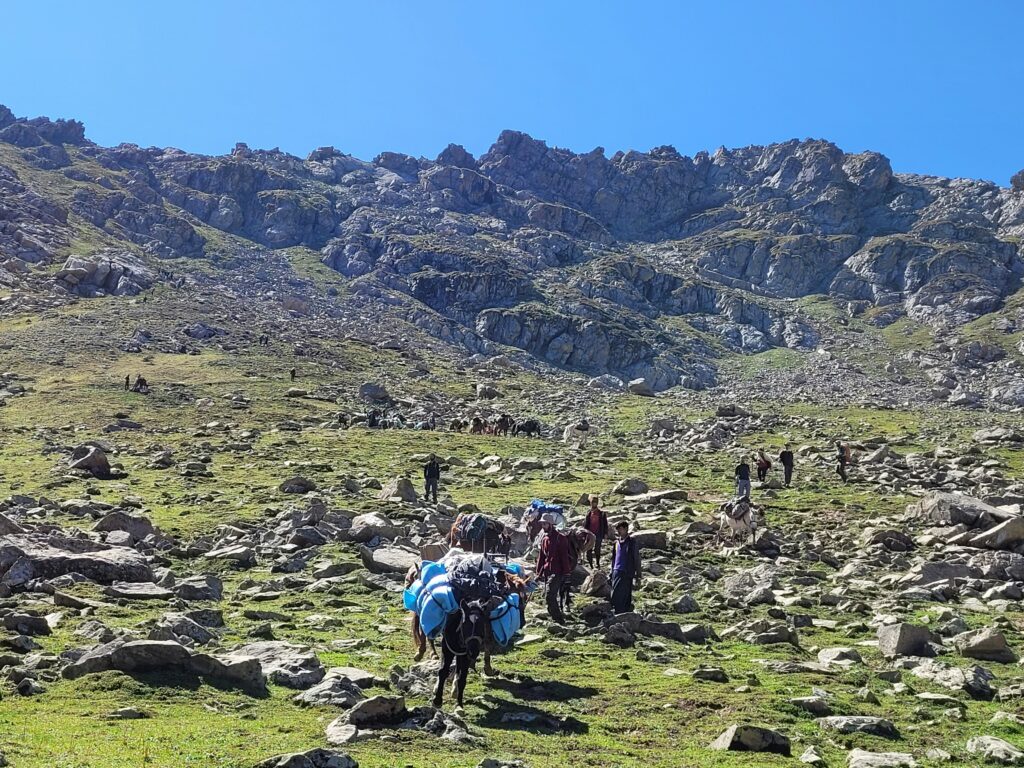
The route changes scenery throughout the trek. You walk through pine and deodar forests, cross streams, follow the Supin River and reach open meadows with views of the surrounding mountains.
Har Ki Dun looks different throughout the year. Spring brings fresh greenery and flowers, summer offers pleasant trekking weather, autumn gives clear mountain views, and winter covers the valley in snow.
Har Ki Dun is traditionally associated with the Pandavas from the Mahabharata. Local traditions connect the route around Osla and the valley with their journey towards heaven, adding a cultural and historical layer to the trek.
Har ki Dun Trek: Detailed Day-by-Day Guide (Sankri Route)
| DAY | ROUTE | DISTANCE | DURATION | START ALT. | END ALT. | GAIN | LOSS |
|---|---|---|---|---|---|---|---|
| 1 | Dehradun → Sankri | ~200 km | 8–10 hrs | 2,100 ft | 6,400 ft | 4,300 ft | — |
| 2 | Sankri → Taluka → Pauni Garaat | ~11 km | 5–6 hrs | 6,400 ft | 8,200 ft | ~1,800 ft | ~1,000 ft |
| 3 | Pauni Garaat → Kalkatiyadhar → Har Ki Dun | ~8 km | 5–6 hrs | 8,200 ft | 11,000 ft | ~2,800 ft | ~300 ft |
| 4 | Har Ki Dun Exploration → Maninda Tal | ~5 km | 4–5 hrs | 11,000 ft | 11,500 ft | ~500 ft | ~500 ft |
| 5 | Har Ki Dun → Osla → Pauni Garaat | ~13 km | 6–7 hrs | 11,000 ft | 8,200 ft | ~500 ft | ~3,300 ft |
| 6 | Pauni Garaat → Taluka → Sankri | ~11 km | 5–6 hrs | 8,200 ft | 6,400 ft | ~1,000 ft | ~2,800 ft |
| 7 | Sankri → Dehradun | ~200 km | 8–10 hrs | 6,400 ft | 2,100 ft | — | ~4,300 ft |
Quick stats: Distance: 200 km | Time: 9-10 hrs | Altitude: 4,300 ft
Day one is a drive, not a trek. The route from Dehradun to Sankri covers close to 200 km and takes 9 to 10 hours. Roads narrow past Mussoorie, then follow the Yamuna and Tons valleys, past apple orchards and pine ridges. Expect a pickup around 6:30 am if you’re going with an operator. These mountain roads punish a late start. Sankri itself is worth the wait. Around 250 wooden houses face the Swargarohini range, and sunset lights the peaks pink before dinner. Sleep early. Day two is a real trekking day, and the altitude climb starts here whether you’re ready or not.
Quick stats: Distance: 11 km | Altitude: +1,600 ft | Time: 5-6 hrs
Day two looks easy on paper. It isn’t quite. A short drive to Taluka gets you moving. Then the walking begins on a jeep track through dense pine. Watch the houses here. Villages like Dharkot use Koti-Banal construction, alternating wood and stone layers. It survives earthquakes better than plain concrete does. You’ll cross the Supin or Thamsa river on a wooden bridge. The trail passes fields of millet and potato before reaching Osla or Gangaad by evening. Local children play cricket with washing bats and a rolled-cloth ball. Someshwar temples, dedicated to Shiva, sit at the center of most villages along this stretch.
Quick stats: Distance: 5-6 km | Altitude: +10,000ft | Time: 3-4 hrs
Most trekkers expect the toughest climb on the last day. It actually starts here. Osla to Kalkatiyadhar covers close to 8 km and gains real height, nearly 2,000 ft. Local legend at Osla holds that the village temple once honored Duryodhana. He’s the Mahabharata villain treated here as a folk hero. The temple was later rededicated to Someshwar Mahadev. The trail turns rocky past the village. Loose stone underfoot makes descents harder on the knees than ascents. Zigzag your steps instead of walking straight down. Camp at Kalkatiyadhar sits in an open meadow, Swargarohini visible in the distance. A fair reward for a long day.
Quick stats: Altitude: 1,000 ft | Distance: 5+4 km | Time: 5-7 hrs
This is the best day of the whole trek. Kalkatiyadhar to Har Ki Dun and on to Boslo covers the summit push. Most operators let you carry just a day pack for the valley leg. Birch trees mark the 10,000 ft line, their bark peeling in strips unlike anything you’ve seen lower down. The valley opens into wide meadows ringed by Swargarohini, Bandarpoonch, and Kalanag. The Jaundhar glacier sits visible at a distance. A small Shiva temple sits near the highest point. Some operators extend the day to Maninda Tal, a glacial lake near 13,000 ft. It’s there for those with energy left. Boslo camp waits at the end, right beside the river.
Quick stats: Distance: 8-9 km | Altitude: -2,000 ft
This isn’t a rest day, it just feels like one. Boslo to Devsu Thatch or back toward Seema runs mostly downhill. After day four’s climb, your legs will notice the difference. The forest stretch near the start carries the strongest pine smell of the whole trek. Snow patches often survive here into early summer, feeding streams that cross the trail more than once. Devsu Thatch itself sits above 10,000 ft, framed by fir trees and looking straight back at Kalkatiyadhar.
Quick stats: Distance: 10km | Altitude: -2,700 ft
The trail runs backward now. Every landmark from day two shows up again. Retracing the route through Gangaad or Seema toward Taluka or Dharkot brings one final steep stretch. It undoes some of the descent gains from earlier days. Expect 6 to 7 hours of walking, longer than most other days on the trek. Stop for tea or an omelette at the same dhabas you passed on the way in. By evening you’re back near the road. A short drive returns you to base camp for the last night.
Quick stats: Distance: 10km | Altitude: -2,700 ft
The trail runs backward now. Every landmark from day two shows up again. Retracing the route through Gangaad or Seema toward Taluka or Dharkot brings one final steep stretch. It undoes some of the descent gains from earlier days. Expect 6 to 7 hours of walking, longer than most other days on the trek. Stop for tea or an omelette at the same dhabas you passed on the way in. By evening you’re back near the road. A short drive returns you to base camp for the last night.
Quick stats: Distance: 200km | Altitude: -4,300 ft
Nobody enjoys day seven. That’s fine. The drive back to Dehradun takes another 9 to 10 hours, and most trekkers spend it half asleep. Book onward travel for the next morning, not the same evening. Mountain roads run late more often than not. A missed flight costs more than one extra night in Dehradun. Say your goodbyes at base camp instead of the drop point. That’s where the trek actually end
How Difficult Is the Har ki Dub Trek: Honest Assessment
Call it easy and someone gets caught out by day four. Every operator grades Har Ki Dun as moderate. That label holds up once you look at what actually makes a day hard here.
No single stretch demands technical climbing skill. What wears people down is the buildup. Five back-to-back trekking days wear you down, several averaging 8 to 10 km. Real altitude gain sits right in the middle of the trek. Someone who trained for one hard weekend hike feels the gap by Kalkatiyadhar. Training for one day is not the same as training for five straight ones.
Four things push this trek from easy to moderate:
- Daily distance often runs 8 to 10 km, longer than most beginner treks in the region
- Altitude gain crosses 5,000 ft over the trek, with the highest camps sitting above 10,000 ft
- Terrain shifts from soft forest trail to loose rock and boulder sections, especially near Gangaad and Kalkatiyadhar
- River crossings rely on wooden bridges that occasionally wash out, needing a rope-and-pulley workaround
Altitude sickness is a real risk above 10,000 ft. It doesn’t care how fit you are. Fitness helps you walk faster. It does nothing to guarantee you won’t feel the thin air at Kalkatiyadhar or the valley floor. Watch for headaches, breathlessness at rest, or nausea. Tell your trek leader early rather than pushing through. First-timers do complete this trek regularly. Just don’t mistake moderate for gentle.
The Har Ki Dun Trek has a moderate terrain difficulty. The trail passes through dense pine and deodar forests, rocky sections, river crossings, village paths, meadows and gradual mountain slopes. Most sections are not technically difficult, but the long walking hours can make the trek tiring.
The trail becomes more challenging around Kalkatiyadhar and the upper Har Ki Dun Valley, where you gain altitude and encounter uneven, rocky and sometimes snow-covered terrain depending on the season. Descents can also feel demanding on the knees. Overall, you do not need technical climbing skills, but good cardiovascular fitness, comfortable trekking shoes and steady pacing are important.
| MONTH | DAY TEMPERATURE | NIGHT TEMPERATURE | WEATHER CONDITIONS |
|---|---|---|---|
| March | 5°C to 12°C | -5°C to 2°C | Cold with snow on higher sections |
| April | 8°C to 15°C | 0°C to 5°C | Cold, with melting snow and clear days |
| May | 12°C to 20°C | 5°C to 10°C | Pleasant days with cool nights |
| June | 15°C to 22°C | 8°C to 12°C | Mild weather with occasional rain |
| September | 12°C to 20°C | 5°C to 10°C | Cool and mostly clear after the monsoon |
| October | 8°C to 16°C | 0°C to 6°C | Cold, dry weather with clear mountain views |
| November | 3°C to 12°C | -5°C to 2°C | Very cold with chances of early snowfall |
| December–February | 0°C to 8°C | -10°C to -3°C | Heavy winter conditions and snow-covered trails |
Har Ki Dun experiences changing weather throughout the trekking season. Spring is cold with snow on higher trails, while summer remains pleasant. September and October bring clear skies and comfortable days. November gets colder, and winter conditions can bring heavy snowfall and freezing nights.
Har Ki Dun Trek reaches an altitude of around 12,000 ft, making proper acclimatization important. The gradual ascent from Sankri allows your body to adjust to the decreasing oxygen levels. Walk at a steady pace, stay well hydrated, eat properly, and avoid rushing on uphill sections. Give yourself enough rest, especially after reaching higher camps. Watch for symptoms such as headache, nausea, dizziness, unusual tiredness, or breathlessness. If symptoms worsen, inform your trek leader immediately and descend if advised.
Har Ki Dun is a remote Himalayan trek, so weather changes, slippery trails, river crossings and altitude can create safety challenges. Stay with the group, follow your trek leader and avoid walking alone. Carry a basic first-aid kit, essential medicines, warm layers and a charged phone or power bank. In an emergency, the trek team can move you towards lower-altitude points such as Osla, Seema, Gangaad or Taluka, depending on your location and trail conditions. From Taluka, road transport can be arranged towards Sankri for further medical assistance.
Best Time to Do the Har ki Dun Trek: Season by Season
Two windows work, pick based on what you want to see. The 2026 trekking season runs roughly from late March or April through June. It reopens again September through November. In between, the monsoon closure shuts the trail for about three months. Outside these windows, heavy snow or a forest department ban blocks the route entirely.
Spring and summer bring flowers to the meadows and warmer days, between 18C and 24C. Nights drop to 3-8C. Snow patches linger into May in shaded stretches near Kalkatiyadhar. This is also when the trail sees the most company, since good weather draws bigger groups.
Autumn flips the trade. Days sit cooler, around 8-10C, and nights can fall below freezing, sometimes to -5C. What you get back is clearer air and sharper views of Swargarohini and the Jaundhar glacier. Fewer trekkers share the trail too. First snow often arrives by November. Some people plan around exactly that.
Snow and freezing temperatures create a very different experience. Higher sections can become heavily snow-covered, and operations may depend on trail and weather conditions.
The valley remains cold, with snow on higher sections. This is a good period for trekkers who want to experience the transition from snow-covered trails to fresh greenery.
Days are pleasant and the valley becomes greener. Temperatures are comfortable for trekking, while nights remain cool at higher camps.
Clearer skies, comfortable daytime temperatures and excellent mountain visibility make this a popular trekking period. The landscape also takes on autumn colours.
How to Reach Har k Dun Trek: Complete Travel Guide
Fly, take a train, or drive. Dehradun is the real starting point, whichever way you get there. Jolly Grant Airport connects Dehradun to most major Indian cities directly. If flights run expensive on your exact date, try flying into Delhi instead. An overnight bus or train often costs less overall, even after the extra travel time. Trains from Delhi, Mumbai, and Kolkata run regularly into Dehradun railway station. From Dehradun, the drive to base camp takes 8 to 10 hours. Mountain roads narrow past Mussoorie along the way.
Most operators arrange this transport, picking up trekkers early, often by 6:30 am. A late start means arriving after dark. Arrive in Dehradun the evening before your trek starts, not the same morning. That buffer protects you from delayed flights or late trains. It’s your one shot at an on-time pickup.
- By Air: Jolly Grant Airport, Dehradun, connected to major Indian cities
- By Train: Regular services from Delhi, Mumbai, Kolkata to Dehradun railway station
- By Road: State buses and private taxis run from Delhi and Chandigarh, 5-6 hours each way
If you are travelling from Delhi, the easiest route is Delhi → Dehradun → Sankri. You can reach Dehradun by train, bus, or flight, depending on your budget and schedule. From Dehradun, the journey continues by road to Sankri, which is around 200 km away and takes about 8–10 hours. Sankri is the base village, from where you travel to Taluka and begin the trek towards Har Ki Dun.
If you are travelling from Mumbai, take a flight to Dehradun and then continue by road towards Sankri. The Dehradun-to-Sankri drive covers around 200 km and generally takes 8–10 hours. From Sankri, the route continues to Taluka, the roadhead from where the Har Ki Dun trek begins.
From Bangalore, the practical option is to take a flight to Dehradun, usually via a connecting city depending on available flights. From Dehradun, continue by road to Sankri, which takes around 8–10 hours. After reaching Sankri, travel to Taluka and start the trekking route towards Har Ki Dun.
After completing the trek, keep some extra time for the journey back because Sankri to Dehradun takes around 8–10 hours by road. Avoid booking a tight flight or train connection on the same day. Reach Dehradun with enough buffer for traffic and road delays. If you are travelling onwards to Delhi, Bangalore or Mumbai, consider staying overnight in Dehradun if your connection is late or early. Keep some snacks, water, cash and a charged power bank handy for the long mountain drive.
Before the trek: Stay in Sankri if your trek starts early the next morning. Sankri is the main base village and has basic guesthouses, homestays and camps. Staying here helps you avoid a long morning drive from Dehradun and gives you time to rest before starting the trek.
After the trek: You can stay in Sankri if you finish the trek late in the day or want to rest before the return journey. If you reach Sankri early enough, you can travel towards Dehradun and stay there instead. For travellers with onward trains or flights, an overnight stay in Dehradun provides a useful buffer against mountain-road delays.
What the Har ki Dun Trek Experience Is Like: Camps, Food, Stay
The Har Ki Dun Trek is a scenic journey through forests, mountain villages, rivers and wide alpine meadows. The trail feels peaceful and changes gradually as you gain altitude. You pass traditional villages such as Osla and walk deeper into the valley with views of high Himalayan peaks. The trek is moderately challenging, with long walking days but no technical climbing. Snow, greenery and clear mountain views vary with the season, making each trek experience different.
Accommodation on the Har Ki Dun Trek is usually in guesthouses, homestays and campsites in the lower villages, followed by tents at higher camps. Sankri and villages such as Gangaad, Osla and Seema have basic homestay or guesthouse options. As you move deeper into the valley, facilities become simpler, with tents providing shelter at designated camping areas. Expect basic amenities rather than hotel-style comfort, and carry suitable warm clothing and personal essentials for the colder nights.
Food on the Har Ki Dun Trek is generally simple, vegetarian and designed to provide enough energy for long walking days. Meals are usually prepared at campsites or guesthouses and may vary depending on the trek operator and availability of ingredients.
- Breakfast: Poha, upma, paratha, bread, eggs, porridge, tea and coffee.
- Lunch: Rice, dal, roti, vegetables, salad and sometimes rajma or chickpeas.
- Evening snacks: Tea, coffee, biscuits, pakoras or light snacks.
- Dinner: Roti, rice, dal, seasonal vegetables, soup and sometimes khichdi.
- On the trail: Carry dry fruits, chocolates, energy bars or other lightweight snacks for quick energy.
At higher camps, meals are kept simple and warm because cooking facilities and ingredients are limited.
Hygiene facilities on the Har Ki Dun Trek are basic, especially at higher camps. Sankri and some villages have toilets attached to guesthouses or homestays, while campsites generally use temporary toilet tents. Hot water may be limited, so carry wet wipes, hand sanitiser and biodegradable toiletries. Avoid littering and never leave toilet paper or waste on the trail. At remote camps, follow your trek team’s instructions for using toilets and disposing of personal waste safely.
- 6:00–6:30 AM: Wake up and freshen up.
- 7:00 AM: Have a warm breakfast and tea.
- 7:30–8:00 AM: Pack your day bag and get ready for the trail.
- 8:00 AM: Start trekking with the group.
- 10:30–11:00 AM: Take a short break for water and snacks.
- 12:30–1:30 PM: Stop for lunch and rest.
- 2:00–4:00 PM: Continue towards the day’s campsite.
- 4:00–5:00 PM: Reach camp, settle in and rest.
- 5:00–6:30 PM: Enjoy tea, snacks and some free time.
- 7:30–8:30 PM: Have dinner.
- 9:00 PM onwards: Prepare for the next day and get some sleep.
Har Ki Dun Trek Packing List: What to Carry
Pack for cold nights and wet trail. Both show up here, sometimes on the same day. Waterproof, high-ankle trekking shoes matter more on this trek than most. The trail crosses streams often, and the rock gets loose near Gangaad. Don’t substitute running shoes. Layering matters just as much. Day temperatures can sit near 20C while nights drop close to freezing, even outside winter.
Clothing: The Layering System
Layering on the Kedarkantha route works because it traps warm air in thin pockets between fabrics. One thick jacket cannot do what three thin layers can. You add layers when cold, strip layers when warm. That flexibility is the point.
Layering
- 2–3 quick-dry T-shirts
- 1–2 trekking pants
- 1 warm fleece jacket
- 1 insulated/down jacket
- Waterproof and windproof jacket
- Thermal innerwear for cold nights
- 3–4 pairs of woollen or trekking socks
- Warm woollen cap
- Sun cap or hat
- Gloves
- Sunglasses with UV protection
- Comfortable, waterproof trekking shoes
- Lightweight sandals or slippers for the campsite
- Extra set of warm clothes
- Rain protection such as a poncho or rain jacket
- Avoid cotton clothes as they retain moisture and take longer to dry.
Footwear
- High-ankle shoes
- Good grip
- Water-resistant build
- Trekking socks
- Extra socks
- Camp sandals
- Broken-in shoes
- Avoid sneakers
Gear
- Trekking poles
- Headlamp torch
- Water bottle
- Sunglasses
- Sunscreen lotion
- First-aid kit
- Power bank
- Backpack raincover
- Personal medicines
- Trek backpack
Personal Essentials
- Sunscreen SPF 50+. UV at 12,000 feet is 40 percent stronger than at sea level. Reapply every 3 hours on summit day.
- Lip balm with SPF. Cracked lips at altitude are painful and slow to heal.
- Toiletries: Biodegradable soap and shampoo only.
- Personal medication: Carry your own prescriptions plus paracetamol, Imodium, ORS packets, band-aids, and blister pads.
What NOT to Carry
Heavy jeans or cotton clothing. Cotton absorbs sweat and refuses to dry at altitude. This is how hypothermia starts. More than 8 to 9 kg total backpack weight.
How to Get Fit for the Kedarkantha Trek
Fitness here isn’t about strength. It’s about repetition. Why does one hard training week fall short? Because the trek asks for five straight days of walking, not one big effort. Most operators set the same bar: run or briskly walk 5 km in under 35 to 40 minutes. Comfortably, not gasping at the finish. That’s the minimum, not a stretch goal.
Hitting it once a week before your trek date does very little. What actually matters is consistency across 4 to 6 weeks. The trek demands 5 to 7 hours of walking, day after day, on tired legs.
Running mimics the actual movement better than gym machines do. It works your calves, quads, glutes, and hamstrings together. Those are the same muscles doing the real work on uneven Himalayan trail.
If you cannot clear these right now, you have 6 weeks. That is enough. Follow the plan below.
Week 1–2: Build your basic stamina with brisk walking, light jogging, stair climbing and simple strength exercises. Start with 30–40 minutes of activity, 5 days a week.
Week 3–4: Increase your walking and stair sessions to 45–60 minutes. Add squats, lunges, calf raises and step-ups 3 times a week. Include one longer walk on the weekend.
Week 5–6: Focus on trek-like training. Do 60–90 minutes of brisk walking, stairs or uphill walking 5 days a week. Carry a light backpack during longer sessions and keep one day for complete rest.
If you are not physically fit for the Har Ki Dun Trek, you may feel tired much earlier and struggle with long walking hours, uphill sections and uneven trails. You may also experience muscle soreness, slower recovery, breathlessness and difficulty carrying your backpack. Poor fitness can make the trek feel harder than expected and increase the chance of needing extra rest or leaving the trek early. Building stamina and leg strength before the trek helps you walk more comfortably and safely.
55+ Trekkers: Older trekkers should build fitness gradually and get medical clearance before starting. Focus on walking, stairs and strength training, and discuss any existing health concerns with a doctor.
Children: Children can join if they are physically active and comfortable with long walking days. Parents should consider the trek duration, altitude and weather before planning. Keep children with the group throughout the trek.
Medical Conditions: Anyone with a medical condition should speak with their doctor before booking. Carry prescribed medicines and inform the trek leader about relevant health concerns. Do not start the trek if you are unwell or have been advised against high-altitude activity.
Har ki Dun Trek Cost: Complete Pricing Breakdown
| PACKAGE | COST | INCLUDES |
|---|---|---|
| Har Ki Dun Trek | ₹9,000 | Accommodation, Meals, Guide, Permits, Trek Support |
| Transport Package | ₹11,999 | Trek Package + Dehradun–Sankri–Dehradun Transport |
| Solo Trek | ₹12,999 | Private Support, Accommodation, Meals, Guide, Permits |
| Porter Support | Extra | Available on Request |
What Is Included
- Trained trek leader and local guides
- Camping tents, sleeping bags, and basic safety gear
- All meals from Day 1 dinner through Day 6 dinner
- Forest permits and entry fees
- Basic first aid and emergency suppor
What Is Not Included
- Travel from your home city to Dehradun
- Personal gear like jackets, shoes, and backpacks, rentable at most base camps
- Trek insurance, often mandatory, charged separately
- Offloading, if you need someone else to carry your bag
The Har Ki Dun Trek cost may not include every personal expense. You may need extra money for snacks, personal medicines, trekking gear, rainwear, porter services, hot showers and phone charging. Extra transport can also add to your budget if plans change due to weather or road delays. Keep some cash for small purchases in Sankri and during the journey. An emergency fund is also useful for unexpected transport, medical or other personal expenses.
Our Har Ki Dun Trek price covers more than just the trek route. It includes trained trek leaders, local support staff, meals, accommodation, permits, camping equipment and safety arrangements. Part of the cost also goes towards transport, staff wages, logistics and carrying supplies to remote camps. We keep the pricing transparent so you know what you are paying for and can plan your trek without unexpected costs.
| CANCELLATION TIME | REFUND |
|---|---|
| 30+ Days Before Trek | 90% Refund |
| 15–29 Days Before Trek | 75% Refund |
| 7–14 Days Before Trek | 50% Refund |
| Less Than 7 Days | No Refund |
| No Show | No Refund |
- Follow the trek leader: Stay with the group and follow instructions throughout the trek. Do not take unknown routes or walk ahead alone.
- Fitness requirement: Participants should be physically fit enough for long walking hours, uphill sections and changing weather.
- Weather changes: Mountain weather can change quickly. The trek team may change the route, campsite or schedule when conditions become unsafe.
- Altitude safety: Move at a steady pace, stay hydrated and report headache, dizziness, nausea or unusual breathlessness to the trek leader.
- River crossings: Cross streams only at designated points and follow the team’s instructions, especially after rain.
- Emergency situations: In case of injury, illness or severe weather, the trek team may arrange evacuation or change the route according to local conditions.
- Personal responsibility: Carry required medicines, warm clothing, suitable trekking shoes and essential personal gear.
Sankri to Sankri
(Transportation Included)
Upcoming Batches
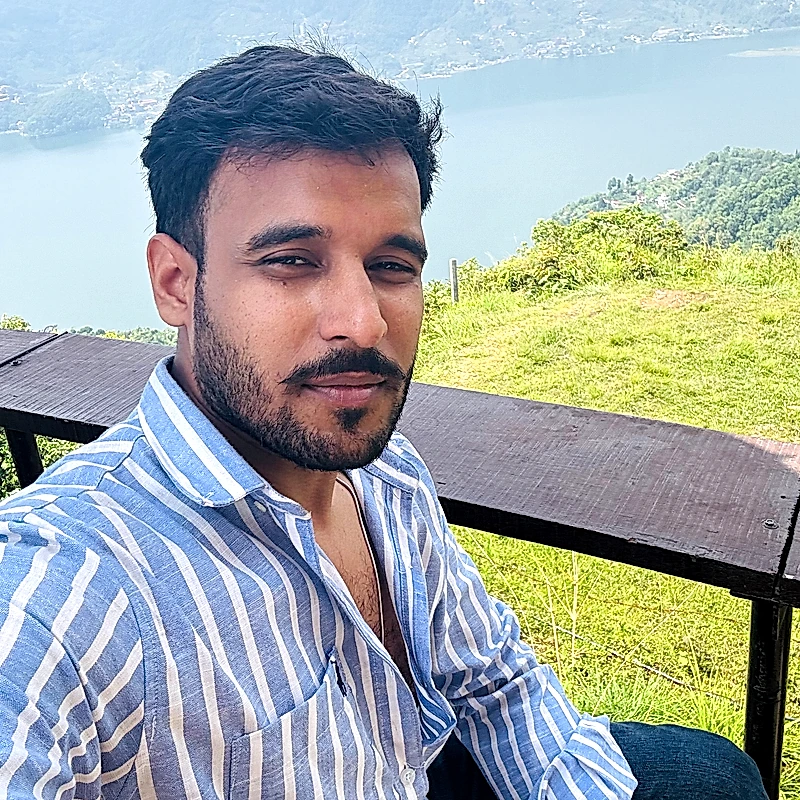
“I started Kedarkantha Trek because the mountains changed my life, and I wanted to make that transformation accessible to anyone willing to walk. Every trail we run, I ask: would I send my own family on this batch?”
Ritesh Mishra
Founder, kedarkanthatrek.in • 12 years in Himalayan trekking
Har Ki Dun Trek: Frequently Asked Questions
Is Har Ki Dun Trek suitable for beginners?
Yes, with real preparation. It’s graded moderate, not easy, so a fit first-timer who trained for 4-6 weeks handles it fine. Someone with zero cardio base going in will struggle by day three or four.
What is the Har Ki Dun Trek distance?
Somewhere between 36 km and 47 km, depending on the operator and starting point. Sankri-based routes and Kotgaon-based routes count the trail differently, so treat any single number as approximate.
What is the highest altitude on Har Ki Dun Trek?
The valley floor sits between 11,600 ft and 12,000 ft. The optional Maninda Tal extension climbs higher still, near 13,000 ft. It’s there for trekkers with energy left on summit day.
Is Har Ki Dun Trek open in winter?
No. The Uttarakhand forest department typically closes the route from December through mid-March. Snow makes the higher campsites inaccessible by then. The trail reopens once the snow clears in spring.
Do I need a permit for Har Ki Dun Trek?
Yes. The trek runs through the Govind Pashu Vihar National Park and Wildlife Sanctuary. Forest permits and entry fees apply because of that. Most operators handle this as part of the package, not as a separate task for you.
What is the age limit for Har Ki Dun Trek?
Most operators accept trekkers roughly between 8 and 60 years old. Past a point, fitness matters more than age. Trekkers above 58 often need a recent medical clearance before booking.
Treks Similar to Kedarkantha: What to Do Next
Brahmatal Trek
Brahmatal’s summit sits at 12,250 feet, just 250 feet lower than Kedarkantha. The trekking distance is longer at 22 km across 4 trekking days. The trail passes two frozen lakes instead of one. The mountain views are different: Trishul and Nanda Ghunti dominate the skyline instead of Swargarohini and Bandarpoonch. If you loved the snow and summit experience on the Kedarkantha trail and want a similar challenge with new scenery, Brahmatal is the natural next step. Best done in January or February.
Har Ki Dun
Har Ki Dun runs 7 days and covers 45 km through the same national park. Both treks start from Sankri. The difficulty is comparable, but the longer duration tests endurance more than altitude. The route follows the Supin River through ancient Garhwali villages. Swargarohini appears up close from the valley floor. If you want to go deeper into the same mountain range, this is the trek.
Dayara Bugyal
Dayara Bugyal is a high-altitude meadow trek that peaks at around 11,800 feet. The gradient is gentler than Kedarkantha. The meadows are wider. No steep summit push. If you are trekking with children under 8 or family members who prefer rolling green terrain over snow and summits, Dayara Bugyal is the safer introduction.
Deoriatal Chandrashila
Deoriatal Chandrashila combines a lake, a temple (Tungnath), and a summit (Chandrashila, 13,123 ft). The trek is 6 days and mixes cultural stops with mountain trail. If you want more variety in terrain and experience types than Kedarkantha offers, this trek delivers that range.
Further Reading on the Kedarkantha Trek
How We Started Running the Kedarkantha Trek from Sankri — by our founder. The origin story of our Sankri operations, why we chose this route, and what we learned in the first three seasons.
Kedarkantha Trek in January: A Complete Month Guide — by Sneha, who trekked with us in January 2026. Trail conditions, crowd levels, and what surprised her about deep winter on this route.
What Our Youngest Trekker Taught Us About the Kedarkantha Trail — by trek leader Vikram. The story of Aarav Kapoor, age 10, and how his pace changed how we think about family batches.
Kedarkantha vs Brahmatal: Which Winter Trek Should You Do First? — A head-to-head comparison by a trekker who did both in the same season.
The Season-Wise Kedarkantha Packing Guide — with month-by-month clothing recommendations and a downloadable checklist.
