What Is the Rainy Season in Kashmir Actually Like?
Most people expect the Kashmir monsoon to feel like Mumbai in July but it doesn’t. That’s the first thing to fix. The valley sits behind the Himalayas and the Pir Panjal range. Monsoon clouds hit Jammu hard. Jammu city gets heavy, humid, sticky rain from June through September. By the time those clouds cross the mountains into the Kashmir valley, they’ve lost most of their water. What reaches Srinagar and beyond is different. You get an hour or two of rain in the afternoon. Mist in the morning then sunshine. It clears fast, temperatures stay between 15°C and 28°C through the day. Nights drop to 10–12°C at the hill stations.
The rain in Kashmir during peak monsoon months is intermittent. Three days of clear sky followed by an afternoon of rain is a normal pattern. You won’t be stuck indoors. You won’t need to cancel a trek because it rained at breakfast. What you do need is flexibility for the afternoon slot. That’s when showers are most likely.
Best Places to Visit in Kashmir During Monsoon
1. Gulmarg:
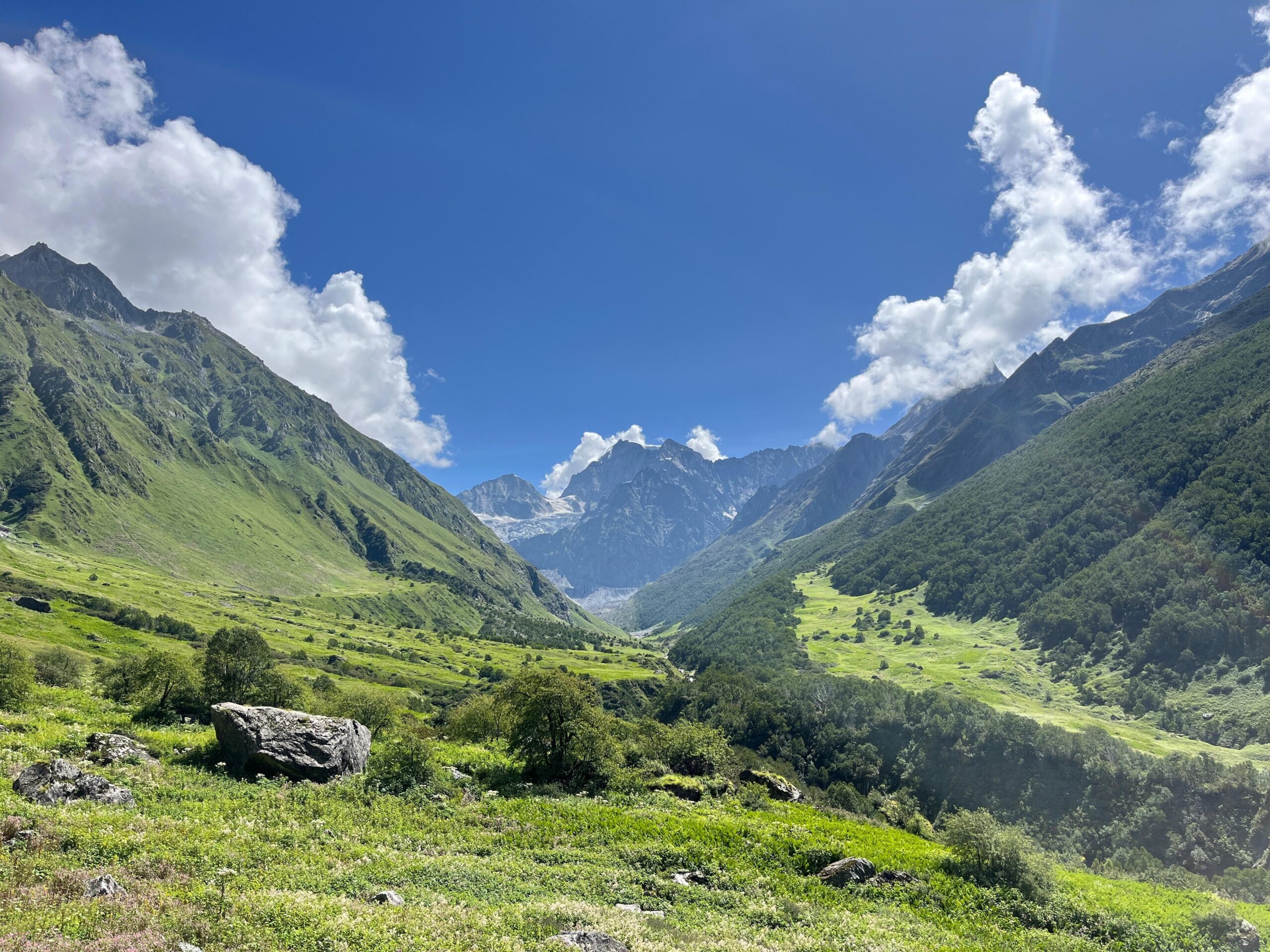
Gulmarg in July is not the place you see in summer photos — and that’s a good thing. The June crowds clear fast when the season ends. By mid-July, the Gulmarg Gondola ride up to Kongdori becomes a different trip. You go up through the clouds and emerge into an open meadow. The only people there are local guides and the occasional serious trekker. The meadows turn deep green with wildflowers that don’t exist in the peak-summer version. Gulmarg is better in monsoon than it is in June. That’s a direct statement and it’s true.
2. Mughal gardens
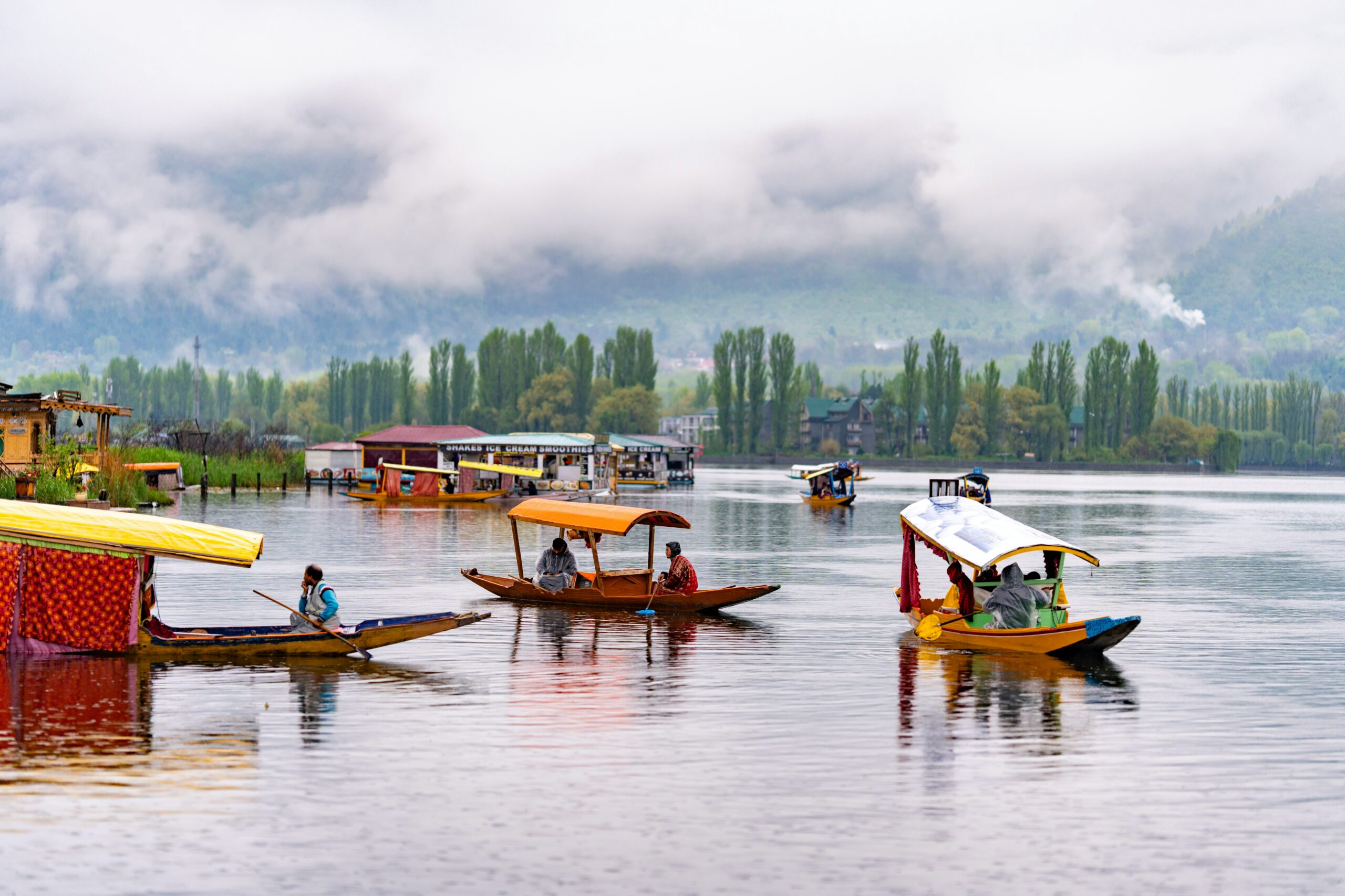
The Mughal gardens — Shalimar Bagh, Nishat Bagh, Chashme Shahi — all worth visiting in late July when the flower cycle peaks after rain. The Zabarwan hills behind Nishat Bagh go very dark green in monsoon. Dal Lake has a different feel too. The floating gardens fill out. Shikara rides work best early in the morning. Before any afternoon rain, the lake surface is flat and mist sits low over the water. That version of Dal Lake looks like nothing you’ve seen in a travel brochure.
3. Pahalgam
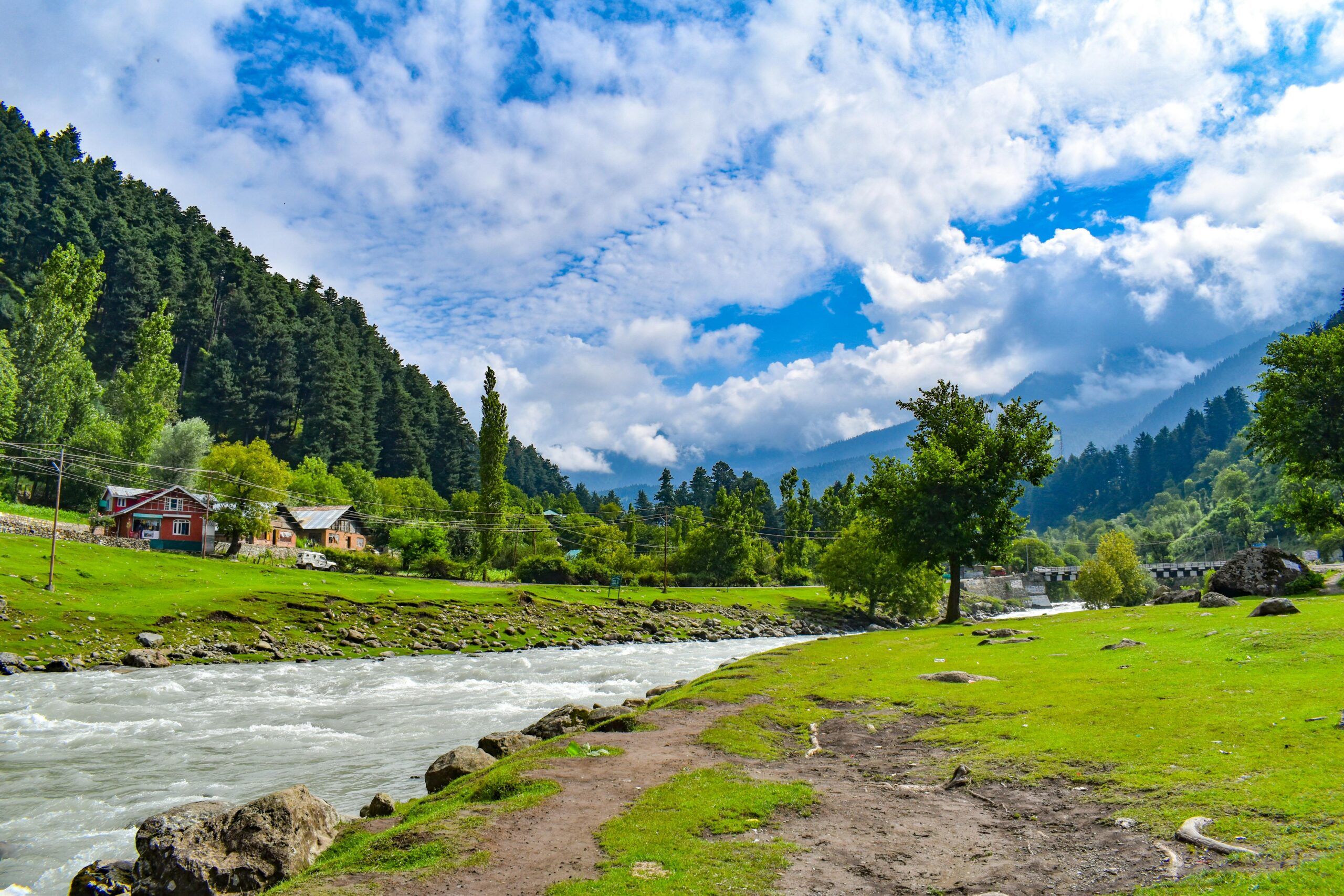
Pahalgam and Betaab Valley stay accessible through most of monsoon. Betaab Valley gets heavily photographed in summer. In August it’s quieter, the Lidder river runs fuller after rain, which makes the valley look more dramatic, not less. Aru Valley is even better in this window.
4. Sonmarg
Sonmarg needs a specific note. The road from Gagangir to Sonamarg passes through areas prone to rock falls in heavy rain. The glacier and meadows are worth the trip. Check road conditions the morning you plan to go. A closed stretch can mean a 3-hour wait. Most people who get stuck there didn’t check ahead. Don’t be that person, check the night before.
Things to Do in Kashmir in the Rainy Season
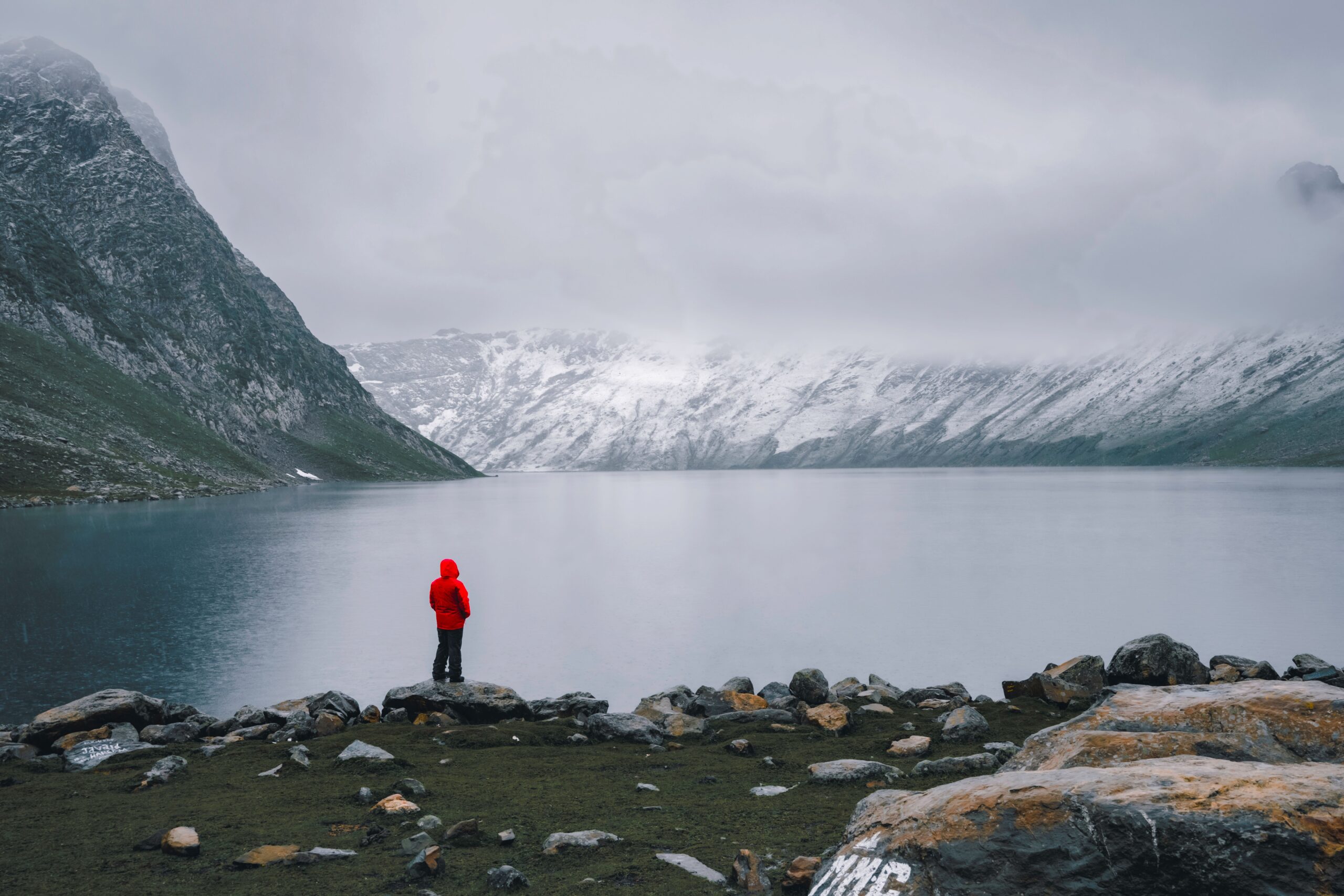
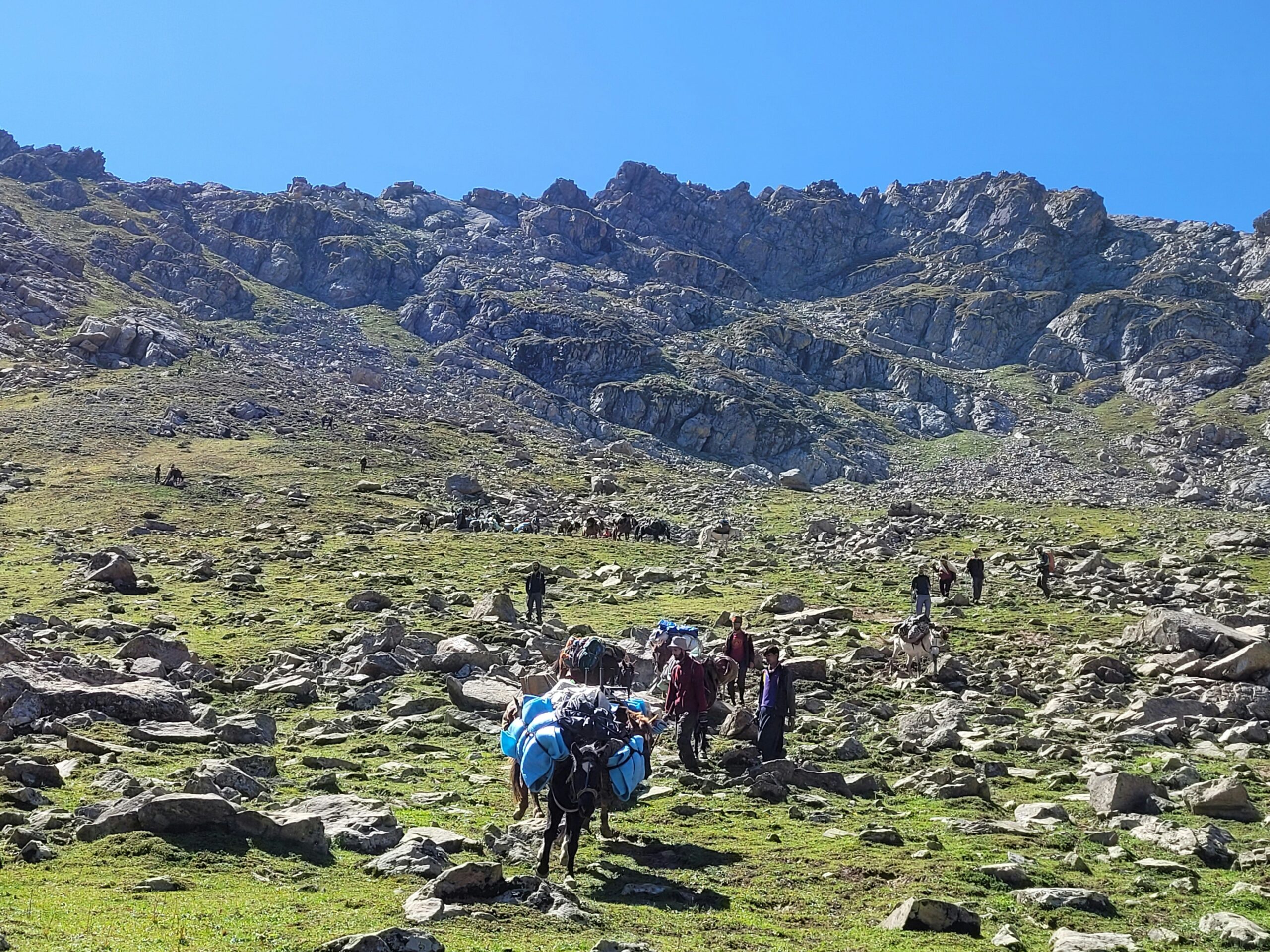
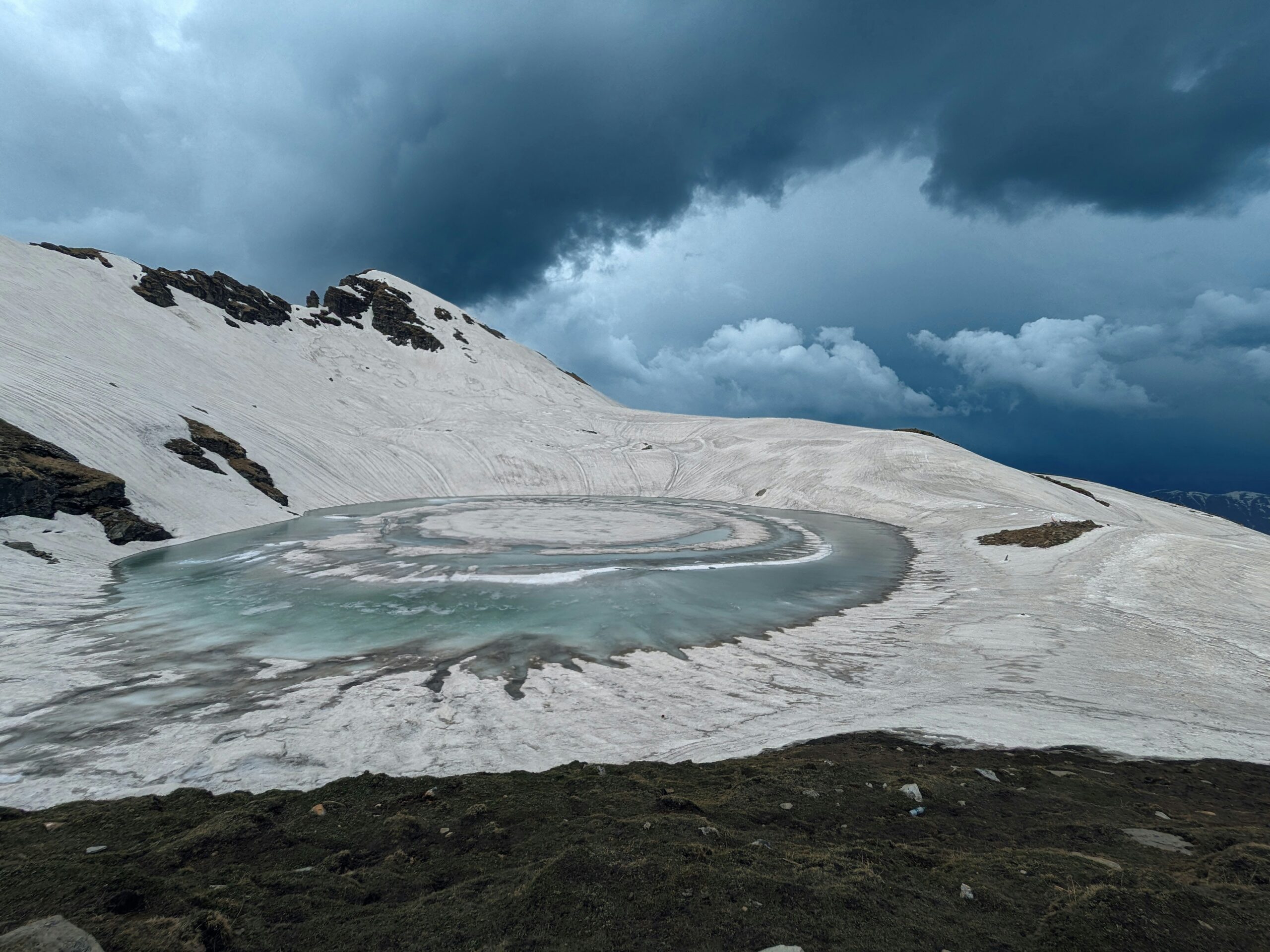
Trekking in the rainy season is not a backup plan. It’s the reason to come. The Kashmir Great Lakes trek covers 65–70 km through six alpine lakes including Vishansar, Kishansar, and Gadsar. It runs from early July to mid-September. This is the clearest, least crowded window to do it. The meadows between lakes are in full green. Wildflowers come up through the grass on the descent from Gadsar pass. You will not find this valley at this intensity in any other season. The trek is moderate-difficult over six days. Book through a registered operator from Sonmarg, not through informal agents in Srinagar. The difference in logistics and safety is significant.
Shikara rides on Dal Lake are better in monsoon than in June. Do the ride at 6am. The lake is quiet. The light is low. Mist sits on the Zabarwan hills behind the city. By 9am the weather can shift.
Apple picking opens from August in the orchards above Pahalgam and the Sopore-Kupwara belt. Most tourist operators take you to roadside orchards that are more of a sales pit than a trip. Ask your hotel to connect you with a local guide who knows which orchards allow visitors. The trees in Kupwara district are most productive in August.
Here are five things worth doing in the rainy season:
- Great Lakes trek (July 1–September 15 window, book in advance)
- Early morning shikara ride on Dal Lake or Nigeen Lake
- Mughal gardens visit in late July when post-rain blooms peak
- Apple orchard visit in August–September (ask hotel for private orchard connection)
- Aharbal waterfall. at full flow in monsoon, the falls are at their most powerful
Looking for a broader list of activities beyond monsoon? The things to do in Kashmir guide covers the full year.
Amarnath Yatra and Monsoon Travel. What You Need to Know
The Amarnath Yatra is not a problem for your trip. Not planning around it is. The Yatra often runs from late June to late August. Verify the exact 2026 dates via the official Shri Amarnath Shrine Board before finalising your trip. The Yatra brings hundreds of thousands of pilgrims through two routes: Pahalgam (the older route) and Baltal (shorter). Both routes pass through or near the tourist circuit. The practical impact on your trip is real.
Hotel availability in Srinagar drops fast for July and early August. Not from tourists. from Yatra support groups, camp operators, and pilgrims in transit. If you’re travelling July to mid-August, book your Srinagar hotel 6–8 weeks in advance. Not 2 weeks six to eight. The Pahalgam road gets vehicle restrictions on Yatra days, particularly in the early morning hours. Plan your Pahalgam visit for late morning or afternoon during Yatra season. The second half of August is when the situation normalises.
Packing List for Kashmir in Monsoon
Here’s what most people get wrong: they overpack clothes and underpack gear. The rain in Kashmir is not heavy and sustained. You don’t need a full rain suit. You do need a waterproof outer layer. a packable jacket that folds small. Waterproof shoes matter more than people think, especially at Sonamarg and on any trail. Wet trail shoes destroy a day. One pair of waterproof hiking shoes or trail runners with good grip covers everything.
Full packing list for a Kashmir monsoon trip:
- Waterproof packable jacket (windproof preferred)
- Waterproof hiking shoes or trail runners
- Quick-dry trousers (2 pairs)
- Light fleece or mid-layer for evenings
- Warm layer for Gulmarg or Sonamarg nights (goes below 10°C)
- Waterproof bag cover or dry bag for electronics
- Compact umbrella
- ORS packets (10–15)
- Basic first aid + antihistamines (leech contact and wet grass can irritate skin)
- Sun cream (altitude sun is strong even on cloudy days)
For a full seasonal packing breakdown beyond just monsoon, the guide on what to wear in Kashmir covers layering for every condition.
Practical Tips Before You Go
Prepaid SIMs from other Indian states don’t work in J&K. A prepaid Airtel, Jio, or Vi SIM from Delhi or Mumbai won’t work in Jammu and Kashmir. You land in Srinagar and your phone is offline. This is the most common shock for first-time visitors. Carry a postpaid SIM. Or pick up a local BSNL or Airtel J&K SIM at Srinagar airport on arrival. Verify the current policy for 2026 before you go. Telecom rules in J&K have changed before.
Carry more cash than you think you need. Digital payments are unreliable outside Srinagar. Card machines at many dhabas, petrol pumps, and smaller hotels in Pahalgam and Sonmarg don’t work consistently. ATMs exist but run dry in busy periods. Rs 10,000 in cash above your digital budget is a reasonable buffer.
Road travel needs a buffer day. The Jammu-Srinagar highway can close for hours during heavy rain on the Ramban stretch. Zero buffer after a road journey means a real risk of missing your departure. Add one extra day at the end of your trip specifically for this. Most people who miss their Jammu flights in August wish they had done exactly this.
Conclusion
The rainy season in Kashmir rewards flexibility more than preparation. That’s the honest version. You can’t control when a road closes or when the mist lifts. Build your trip around the right month. Book your Srinagar hotel early for July or August. Carry the three things that actually matter: a waterproof layer, waterproof shoes, and a local SIM. Everything else works itself out.