What Is a Shikara?
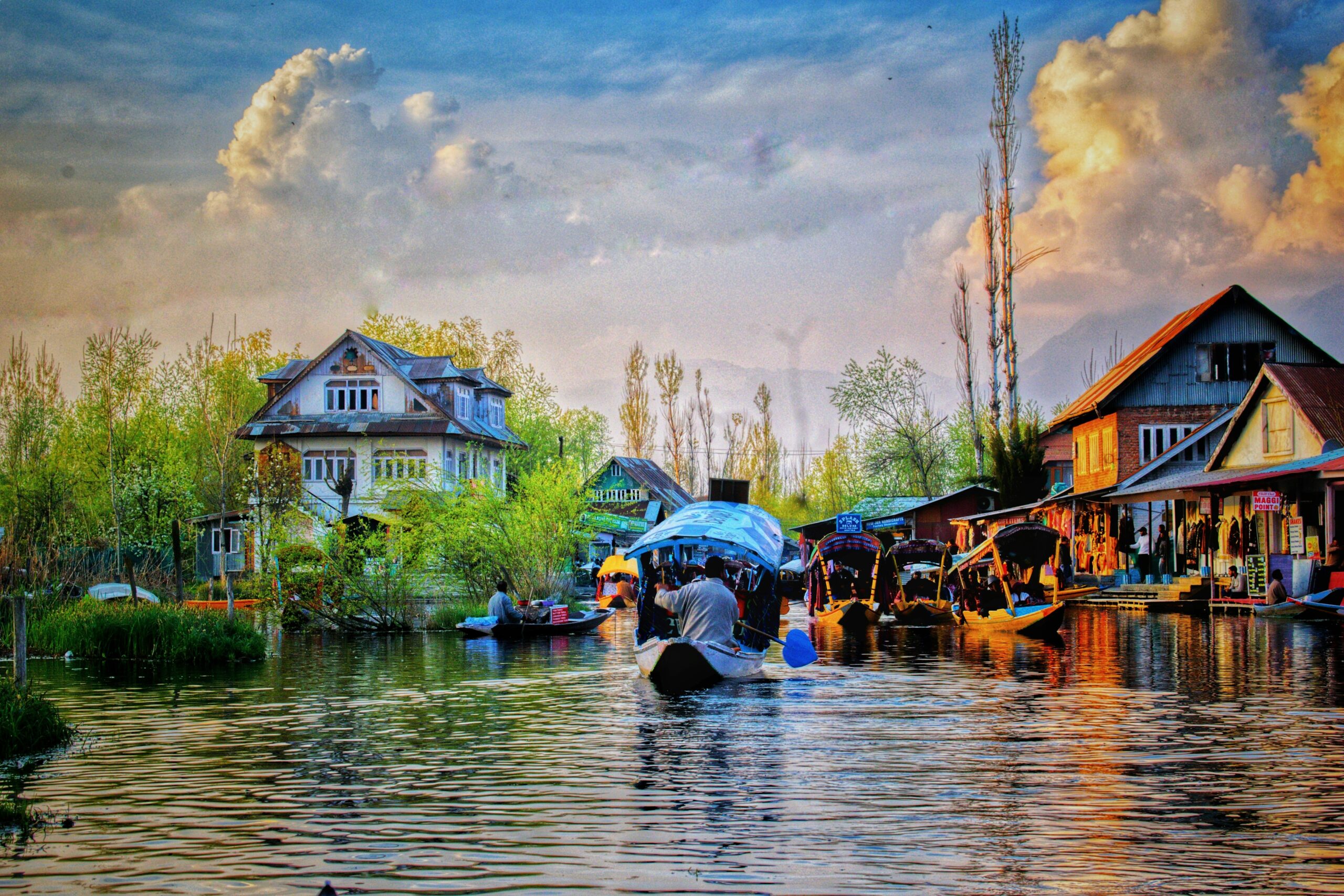
A shikara is not a tourist boat, it’s a flat-bottomed wooden vessel. Families on Dal Lake have used it for centuries. They move produce to market, carry wedding guests, and fetch groceries from floating vendors who paddle between the houseboats. The tourist version is wider and cushioned, with a canopied seating area at the front. The boatman rows from the rear using a heart-shaped paddle. No engine and no noise. That silence is part of why people remember it.
Shikaras range from simple plank boats to decorated canopied versions with embroidered cushions. The ones available for hire at the main ghats are the decorated type. You sit facing forward while the boatman rows from behind. It holds two to four people easily. Up to six for a short ferry crossing.
6 Experiences Worth Planning Around
Most guides list the same four stops on a shikara ride in Kashmir. What they miss is that Dal Lake offers six different on-water experiences. Each one is best at a specific time of day and from a specific ghat. Getting this wrong doesn’t ruin the trip. But getting it right changes it. The difference between a 45-minute tourist loop and something you’ll talk about for years is just planning.
1. Dawn Floating Vegetable Market
The floating vegetable market opens before 6 AM. By 8 AM, it’s over. Farmers from Dal Lake villages paddle produce to a central point near Ghat 7. Vegetable sellers from Srinagar buy in bulk there, then head to the land markets. You’re not watching a performance. You’re watching commerce that has run this way for generations. No script and no timing for tourists.
The boat-to-boat exchanges happen fast. Tomatoes, lotus stems, leafy greens, and cucumbers change hands in minutes. The light at that hour is flat and grey. The water smells like cold mud. The sound is low voices and paddle strokes. Not tourist commentary. Hire a shikara from Ghat 7 the evening before and ask the boatman to start at 5:30 AM. Most agree for a small premium.
2. Char Chinar Island Circuit
Char Chinar is the most photographed spot on the lake. The small island holds four ancient Chinar trees, one at each corner. In autumn, the leaves turn orange and red against the white of the mountains behind. In summer, the canopy is dense and green. Either way, circle slowly. Don’t just pass and move on — the light changes as you rotate around it. Most boatmen do a quick pass and leave. Ask yours to go slow. The island is not accessible inside — you view it from the water. The best angle is from the south, with the Zabarwan hills in the background. Give yourself 20 minutes here.
3. Sunset Circuit from Ghat 23
Sunset on Dal Lake is not about the sky, it’s about the reflection. The water still goes out around 5:30 PM on a clear day. The houseboats, the mountains, and the fading light all double in the surface. Hard to describe. Easy to photograph. Ghat 23, near Nehru Park, is the right starting point for an evening ride. You have two hours before dark. That’s enough for the Char Chinar loop, a pass by the Boulevard houseboats, and a return at dusk. The lights on the water come on just as you’re heading back. Don’t book before 4:30 PM. An early start means you’re back on land before the good light arrives.
4. Lotus Garden Route (July to August Only)
July and August turn the lake into something most visitors do not expect. The lotuses bloom across the shallow northern stretches. The shikara has to slow down to move between them. Whole patches go pink and white. The stems rise a foot above the water. Dragonflies sit on the leaves. It doesn’t look like a lake — it looks like a painting. This route is only open in peak monsoon months. Ask for the lotus garden route when booking. Not every boatman takes this path. The northern end of Dal Lake, near Zero Bridge, has the densest blooms.
5. Nigeen Lake Quiet Circuit
Nigeen Lake and Dal Lake share a canal, but the two feel nothing alike. Dal is full, Shikaras cross each other, vendors paddle up to you selling saffron, pashm shawls, and carved wooden boxes. Nigeen is open and the water is clearer. Fewer boats and houseboats here tend to be older and more modest. The shore is lined with willows and the lake is smaller and almost circular. Sound like a better fit? It might be. If Dal Lake overstimulates, Nigeen is the fix. It’s a 15-minute shikara ride through the connecting channel. You can do both in a single two-hour trip. The contrast alone makes the route worth planning.
On the water, vendors often paddle up with saffron, woodwork, and shawls. If you want to know what’s actually worth buying, here’s a guide to the best things to buy in Kashmir before you negotiate on the boat.
6. Houseboat Visit Stop
If your stay is not on a houseboat, a ride-stop fixes that. Most houseboat owners on Dal Lake welcome short visits. Your boatman knows which ones are open. A stop runs about 20 minutes. You see the carved walnut woodwork on the ceilings. The sitting rooms have Kashmiri carpets. The front deck looks straight down into the lake. Most visits end with kahwa. It’s Kashmiri green tea, made with cinnamon and almonds. Small cups. Front porch and worth it. Don’t feel pressured to buy anything. The kahwa is usually complimentary and the invitation to look around is genuine.
Timing and Ghat Guide
Every ghat has a different mood. Here is where to start based on what you want.
Ghat 7 (near Dal Gate): Best for the dawn floating market. Start at 5:30 AM. Quieter stretch of water in the early hours. The boatmen here know early departures.
Ghat 17 (Boulevard Road): The main tourist ghat. Best for first-timers. Easy access from most hotels. Peak window is 9 AM to 11 AM. Busy. Expect boat traffic.
Ghat 23 (Nehru Park area): Best for the sunset circuit. The southern stretch is wider here. You get the full mountain reflection in the evening.
The best months for a shikara ride in Kashmir run from April to October. April brings Chinar green. July and August give the lotus bloom. October turns the trees orange. February is a glassy, cold lake with snow on the mountains — some people prefer that. December and January are quiet but freezing.
Not sure which month suits your plans? Here’s a complete guide on the best time to visit Kashmir that covers the lake experience alongside all other highlights.
Pricing and the Bargaining Rule
The official rate is ₹790 per hour for a private shikara and that’s the J&K Tourism Department fixed rate. In practice, boatmen at the main ghats open at ₹1,000 to ₹1,200 per hour. Negotiation is expected and the realistic floor is ₹800 to ₹900 per hour for a two-hour ride. One rule matters: pay after the ride. Not before. Boatmen who collect upfront sometimes cut the route short or add stops at shops where they earn commission. Pay at the end. Agree the price and route at the start. Two steps and the most problems are gone.
For the dawn market ride, expect a small premium. About ₹200 to ₹300 above the standard rate for the early start and it’s fair. Most boatmen are on the water by 5 AM regardless. Shared shikaras, called water taxis, cross the lake for ₹20 to ₹50 per person. Useful for crossing. Not for a ride.
FAQs
1. How long does a shikara ride in Kashmir take?
Standard tourist rides run one to two hours. The dawn market run needs at least 90 minutes. The full sunset circuit with a houseboat stop needs two hours.
2. Is the shikara ride safe?
Yes. The boats are stable and the boatmen are experienced. Children and older visitors do this regularly. You don’t need a life jacket for a flat-water ride, though you can ask for one.
3. Can you hire a shikara at night?
Some boatmen do night rides, but they’re not common and require negotiation. Late evening rides until 8 PM are easy to arrange from Ghat 23.
4. Which is better, Dal Lake or Nigeen Lake for a shikara ride?
Dal Lake is fuller, louder, and more culturally rich. Nigeen is quieter and cleaner. Do both if you have time. If you only have one slot, Dal Lake is the one.
5. Do shikara vendors approach you on the ride?
Yes. Vendors paddle up to selling crafts, saffron, and snacks. You’re not obligated to buy. A polite “no, thank you” is enough. It’s part of the lake culture, not harassment.