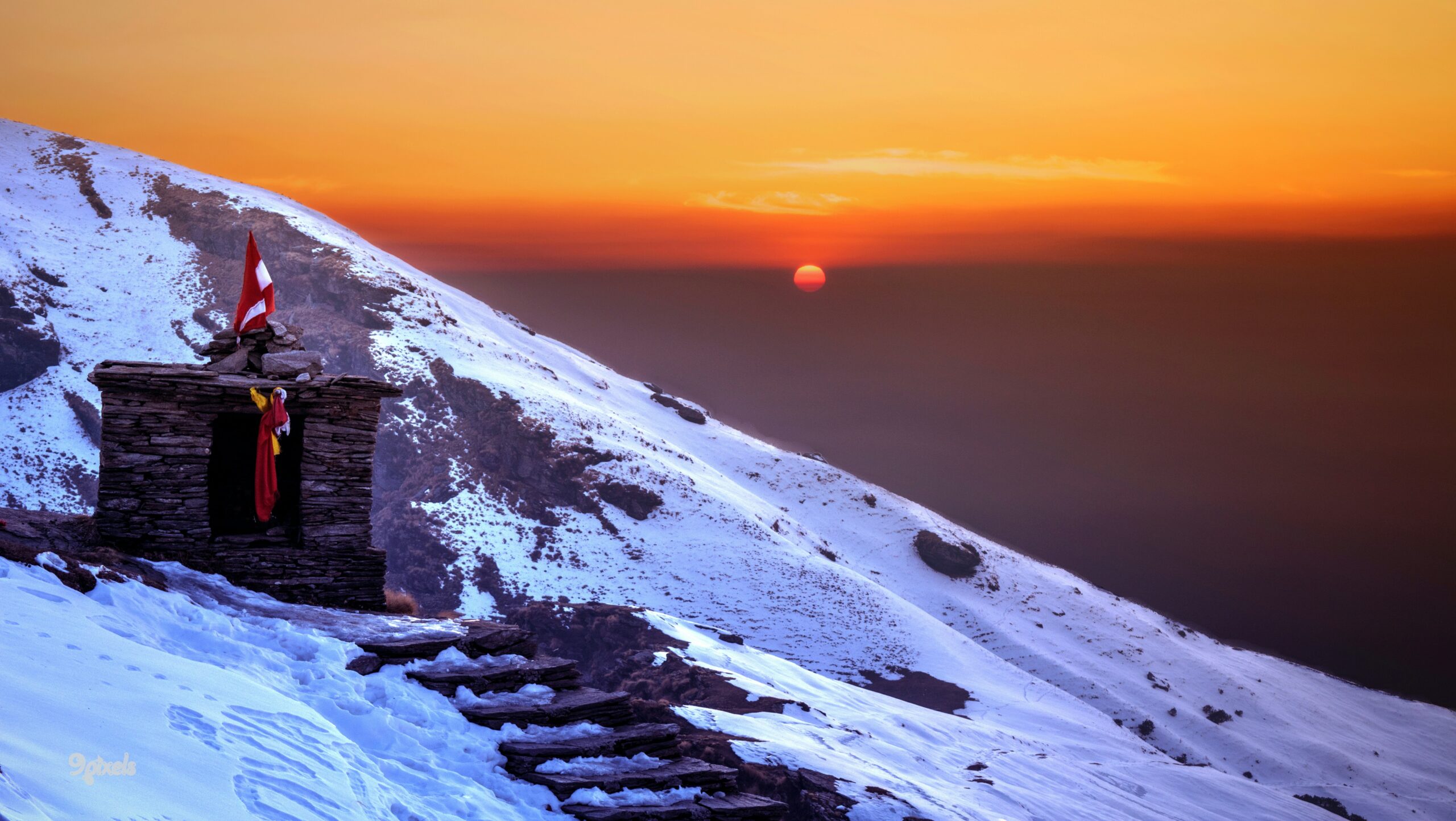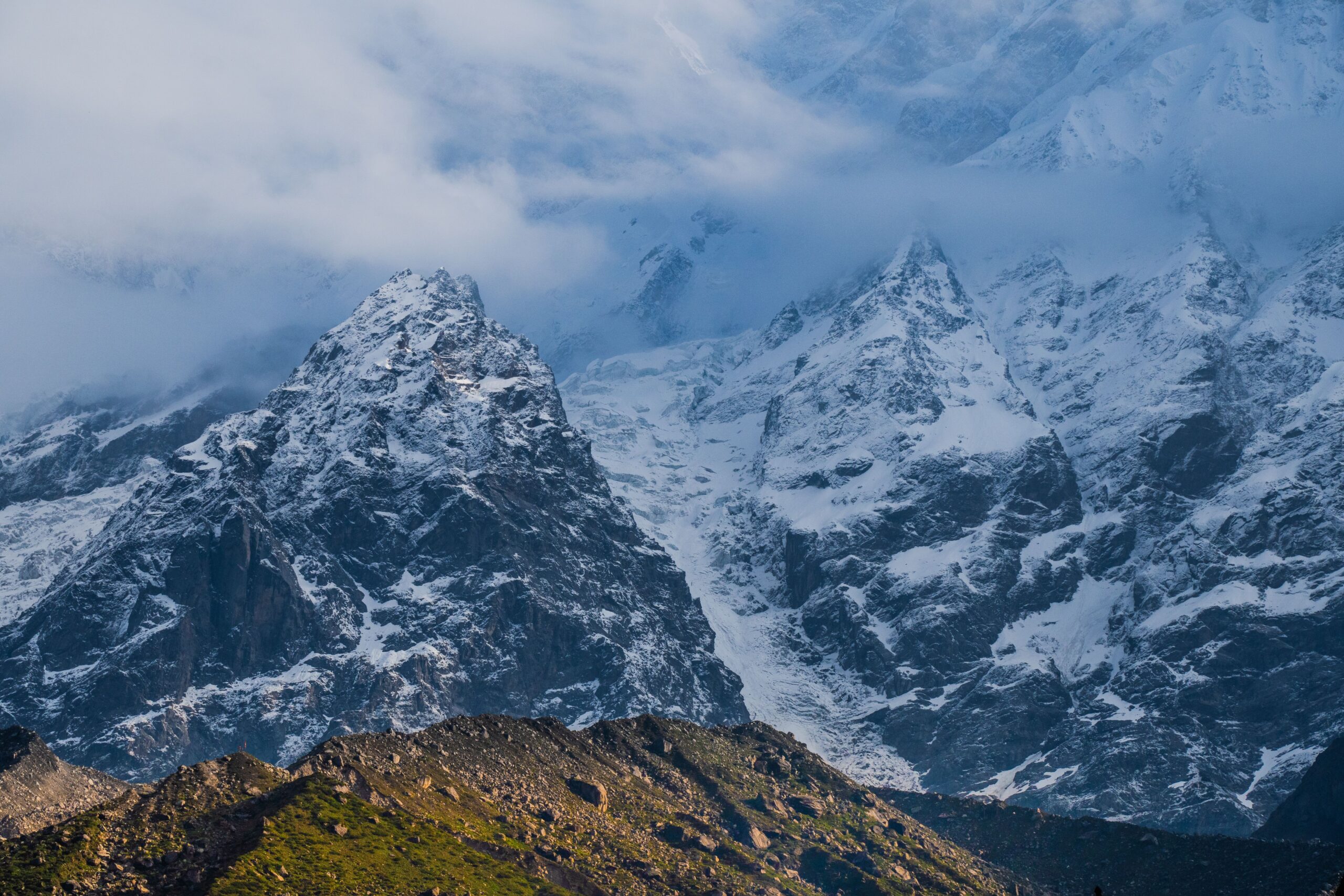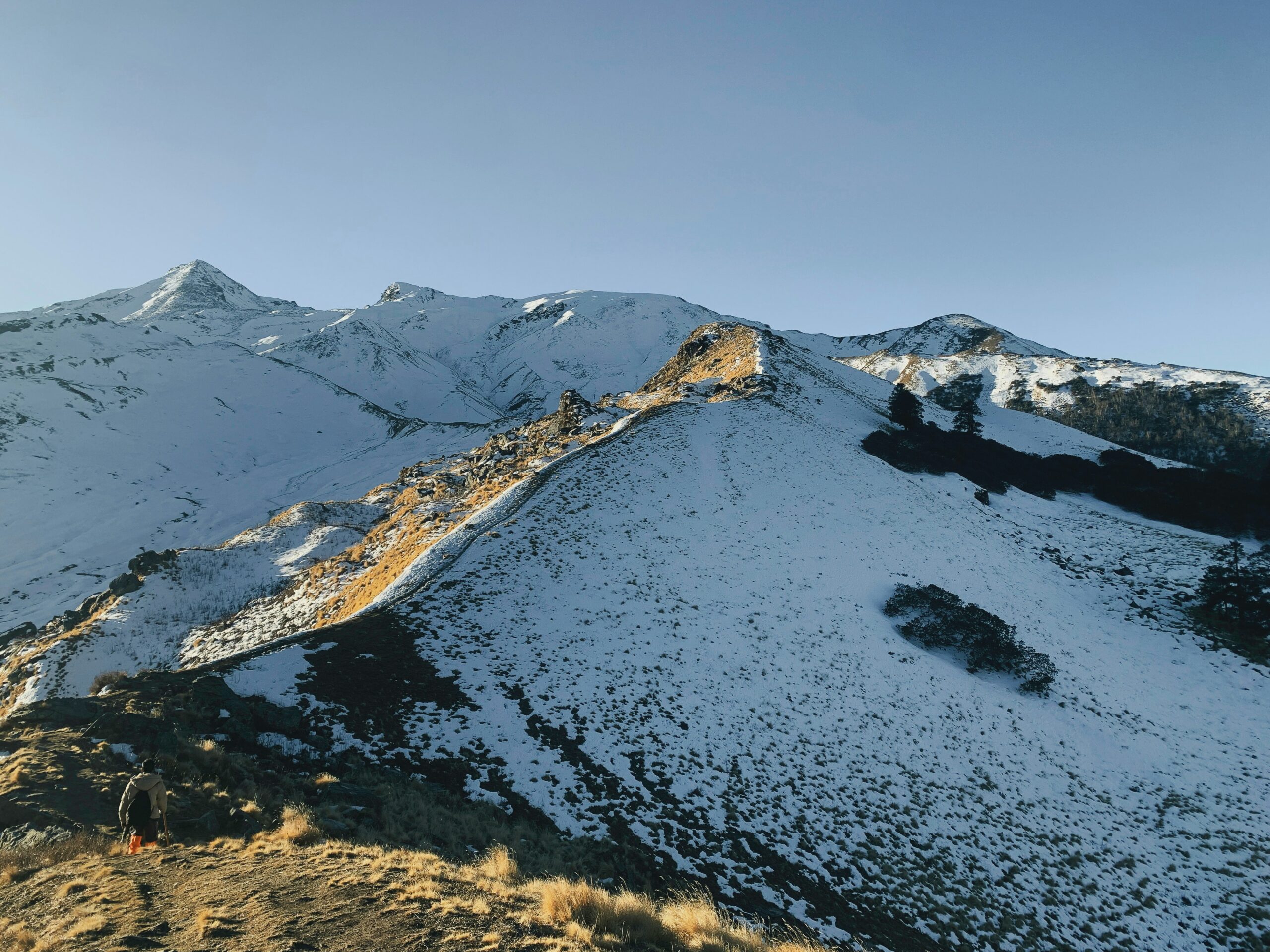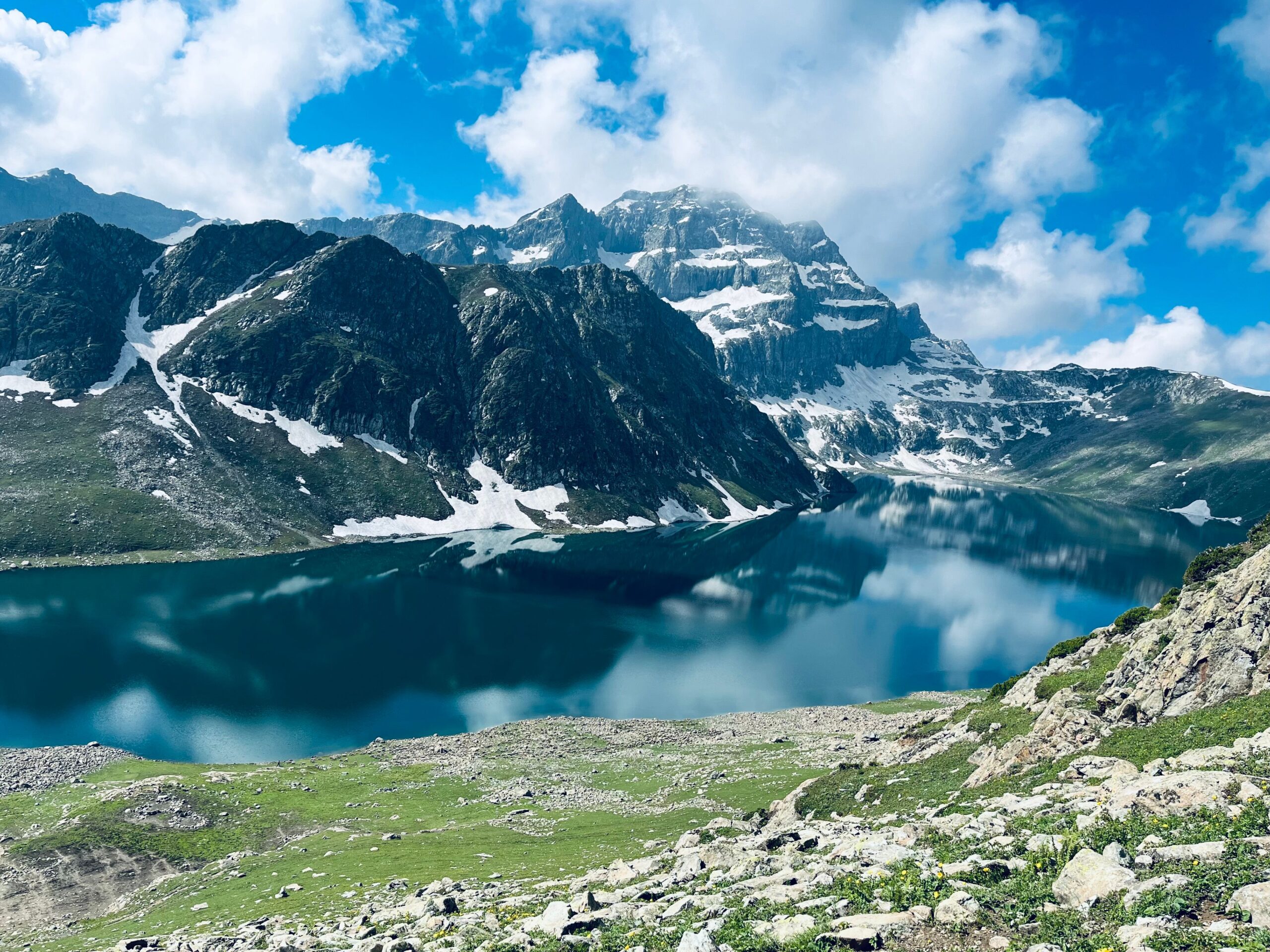
Tawang Monastery Arunachal Pradesh is the largest Buddhist monastery in India and the second largest in the world. It sits at 10,000 feet in the eastern Himalayas, above the Tawang Chu valley, close to the Indo-China border. Getting there takes planning, you need a government permit. You need two to three days of road travel from Guwahati. And you need to cross Sela Pass at 13,700 feet before you even arrive. None of that is a reason to skip it. It is a reason to plan.
This guide covers the history, what you see inside, timings, the best time to go, how to get there, and the permit process for 2026.
History of Tawang Monastery: The Horse, the Lama, and the 5th Dalai Lama
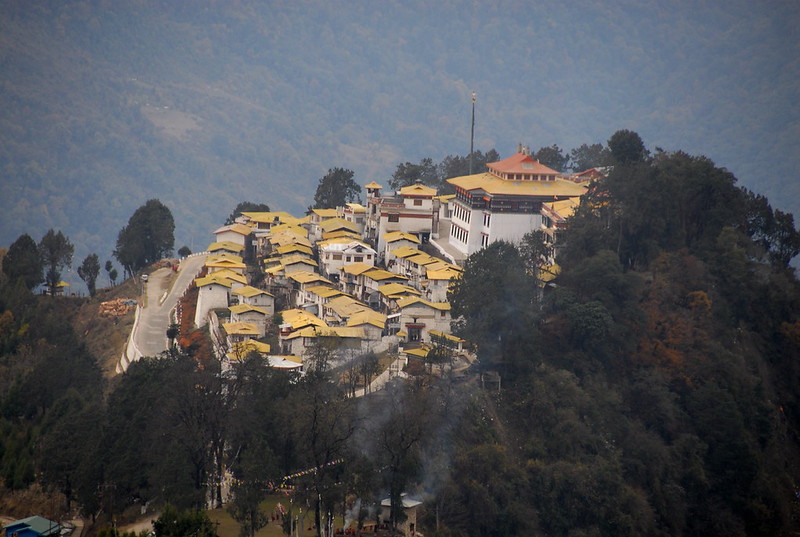
The name is the whole story. “Ta” means horse. “Wang” means chosen. The full name of this place, Tawang Galdan Namgye Lhatse, translates as “the site chosen by the horse is the divine paradise of complete victory.” That is not a branding exercise. It is why the monastery stands exactly where it does. The founding story goes back to 1680. Merak Lama Lodre Gyatso was sent by the 5th Dalai Lama, Ngawang Lobsang Gyatso, to find a site for a new monastery he searched but he failed. Exhausted, he went into a cave to pray. When he came out, his horse was gone. He found it grazing at the top of a mountain called Tana Mandekhang. He read this as a sign and built the tawang gompa here in 1681, with help from local people.
A second legend links the site to a white horse belonging to the King of Lhasa. Locals found it grazing at the same location, began to worship it as sacred, and eventually built the monastery to mark the spot. Different origins, same horse and same mountain.
The monastery belongs to the Gelugpa school of Tibetan Buddhism, connected to the Drepung Monastery of Lhasa. This matters because one widely referenced travel site claims it follows the Nyingmapa school and that is wrong. Why does the school matter? Because the entire practice, ritual calendar, and monastic hierarchy at Tawang flows from Gelugpa tradition, not Nyingmapa. The 5th Dalai Lama, who directed the founding, was himself the head of the Gelugpa order. The 1962 Sino-Indian War left a mark here. Chinese troops occupied Tawang. Some artifacts from the monastery were lost or displaced. The monastery survived. It still holds over 300 monks and functions as a living center of Buddhist practice, not just a heritage site.
Architecture and What You Actually See Inside
Walk through the Kakaling first. This is the entrance gate at the north side of the compound, built in the style of a hut with stonework flanking both sides. The roof holds mandalas. The inner walls carry paintings of saints and gods. Most people walk past it quickly. It is worth slowing down here because it sets the scale of what you are entering. The main prayer hall is called the Dukhang. It houses an 18-foot gilded statue of Buddha. The interior walls carry sketches and paintings of Bodhisattvas. Photography is often restricted during active prayer sessions, so ask before raising your phone. The ground level of the monastery is used for ritual dance practice during festivals. On ordinary days it is quieter, but the space still has a specific weight to it.
The entire second floor is the library. This is the part of the monastery in Tawang that earns its reputation as a place of scholarship, not just pilgrimage. The collection includes three full sets of Kangyur, the core translated canon of Buddhist teachings. Two of those sets are handwritten. One has letters washed in gold across 125 volumes. There is also a printing press on this floor, still used to produce spiritual texts on local paper. Most guides say “the library has ancient scriptures” and stop there. That is not useful. Most say “the library has ancient scriptures” and stop there.
Beyond the main building, the compound holds 65 residential quarters for monks and students, ten functional structures, a cultural studies center, and a water supply system. The Tawang Manuscript Conservation Centre, set up in 2006, has preserved over 200 manuscripts. A small house at the south-east corner is where the head abbot stays. On the front porch of that house, there is a stone slab with a footprint said to belong to a past resident of the monastery. Locals believe the imprint carries spiritual significance. Whether you do or not, it is specific enough to be worth finding.
Best Time to Visit Tawang Monastery
“March to October” is not an answer. It is a range that spans eight months and seven different types of trips. The right month depends on what you actually want from the visit. March and April bring rhododendrons on the Sela Pass road and low crowds at the monastery. The weather is cool but clear. This is the best window if you want the place mostly to yourself and good mountain light. May is the peak season with the best overall weather, warmer temperatures, and easier road conditions after winter.
The best time to visit Tawang Monastery is from March to May. June starts the monsoon. July and August bring heavy rain and frequent cloud cover that blocks the Himalayan views entirely. The road through Sela Pass can get tricky during heavy monsoon rainfall. September improves steadily. October is the clearest month for photography and mountain views, and it coincides with the annual Tawang Festival.
Window | What You Get | Best For |
March to May | Clear skies, rhododendrons, low crowds | First-time visitors, photography |
June to August | Monsoon, low visibility, lush green valley | Budget travel, fewer people |
September to October | Clear views, Tawang Festival in October | Photography, cultural events |
January | Torgya Festival, extreme cold, hard roads | Festival-focused visitors only |
Winter means risk. Sela Pass can close due to snow without much warning. If you are planning a January trip for Torgya, build flexibility into your itinerary. A closed pass means no Tawang. Check road conditions before you leave, not after.
Opening Hours, Entry Fee, and What to Bring
Tawang Monastery is open daily from 7:00 AM to 7:00 PM. Entry is free, though donations are welcomed. The longer version: the monastery is a working religious site, not a museum. People come here to pray, monks live here. That shapes how you should move through it. Shoes come off before the prayer hall. Dress with shoulders and knees covered. There is a donation box near the main entrance. What you give is your call. But the monastery’s upkeep depends on it, and skipping it entirely in a working community of 300 monks says something.
Photography inside the Dukhang prayer hall is often restricted during active sessions. Ask before you point a camera at anything. Morning hours are quieter. The monastery is most peaceful between 7:00 AM and 9:00 AM, before group tours arrive from Tawang town.
What to bring:
- Warm layers even in summer. Mornings at 10,000 feet are cold year-round.
- Cash. There is no ATM at the monastery itself.
- Comfortable shoes you can slip off easily at the prayer hall.
- Printed copies of your ILP (covered in the next section).
- A small notebook or offline map. Cell signal at the monastery is unreliable.
How to Reach Tawang Monastery Arunachal Pradesh
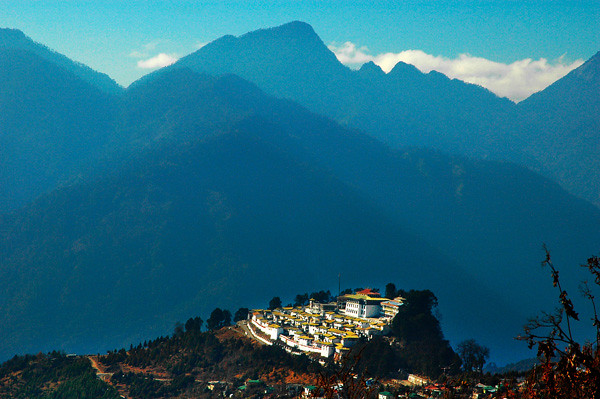
Getting to Tawang is not hard. But it takes longer than most travel guides admit, and the road is the whole point of planning properly. Most people start from Guwahati in Assam, about 500 km from Tawang by road. The journey to Tawang Monastery Arunachal Pradesh takes 14 to 16 hours on a good day. Most people split it across two days. The nearest airport is Tezpur, about 320 to 350 km away depending on your route. There is no practical rail connection, road is the only realistic option.
The route runs Guwahati to Bhalukpong (entry checkpoint), then through Bomdila or Dirang, then over Sela Pass at 13,700 feet, then down into Tawang. Do not try to do this in one day from Guwahati. The altitude gain is severe, the roads through Sela Pass require care. And arriving in Tawang exhausted and altitude-sick wastes your first day there.
The recommended route breakdown:
- Day 1: Guwahati to Dirang or Bomdila. Stop overnight to acclimatize before the pass.
- Day 2: Dirang or Bomdila through Sela Pass to Tawang. Budget 7 to 8 hours.
- Day 3 onward: Tawang sightseeing.
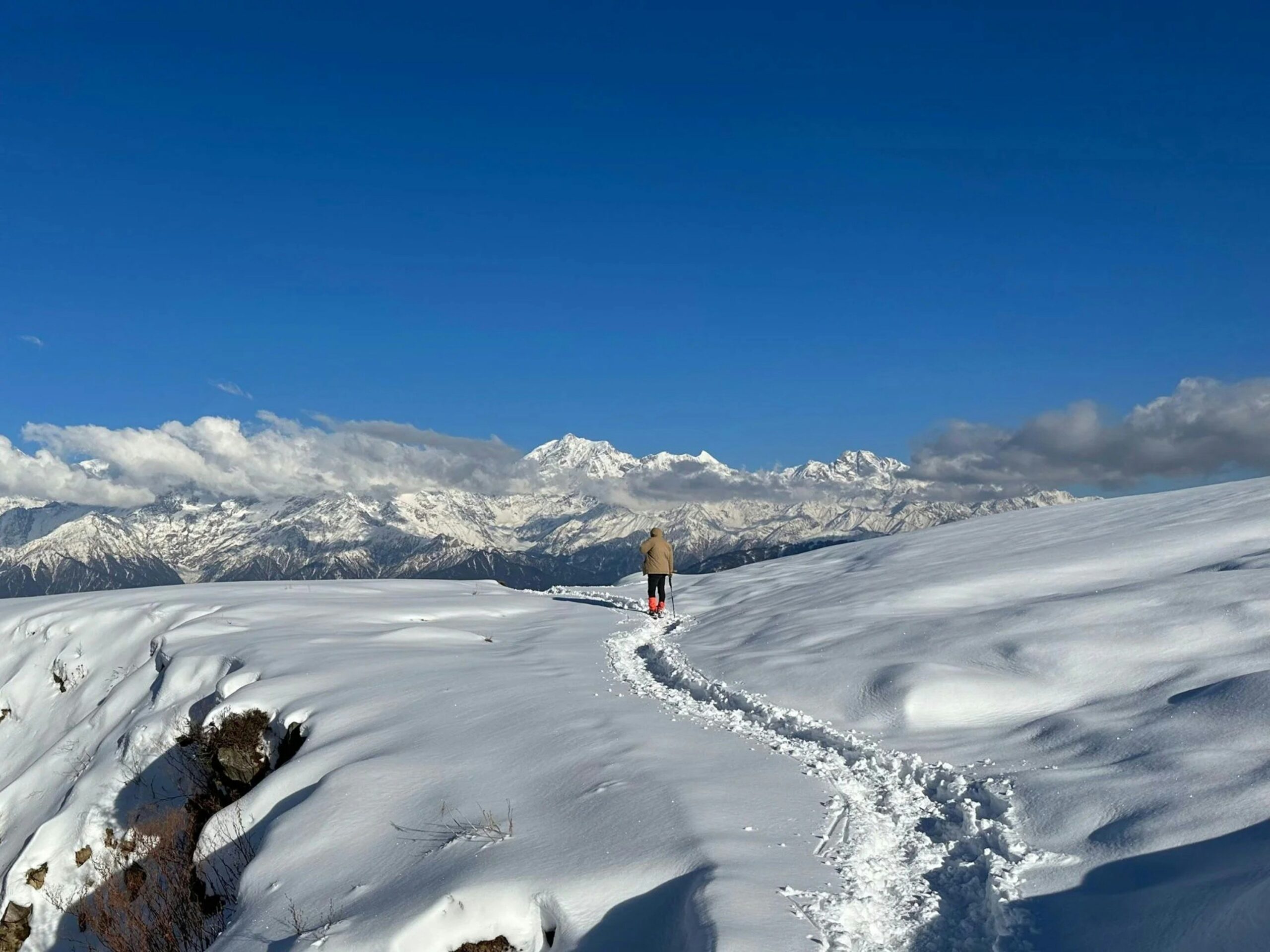
Sela Pass deserves its own sentence. At 13,700 feet, it is one of the highest motorable passes in the world. In winter, it closes without much warning. Even in summer, the road can narrow to one vehicle’s width at points near the top. Local drivers know the route, hire one,do not self-drive here on a first visit.
The ILP Permit: What You Need Before You Go
Most guides tell you to get a permit. None of them explain what goes wrong when you fill the form in incorrectly. Indian nationals require an Inner Line Permit (ILP) to enter Arunachal Pradesh. There is no on-arrival option, no permit means no entry at Bhalukpong checkpoint. That is a hard stop. Foreign nationals need a Protected Area Permit (PAP) instead, applied through a registered travel agency. The processes are different. Know which one applies to you before you start.
In 2026, Indian nationals apply for the ILP online at arunachalilp.com. Processing is often near-instant during working hours for individual applications.
Here is how to get it right:
- Go to arunachalilp.com and create an account.
- Select “Bhalukpong” as your entry gate. This is the correct gate for the Tawang circuit. The gate you select must match your actual physical entry point. Select the wrong one and your permit is invalid at the checkpoint.
- List all districts you plan to visit. The standard Tawang circuit covers West Kameng and Tawang district.
- Upload your photo ID and a passport-size photo. File size matters. If the upload fails, check the format before resubmitting.
- Pay the fee (about Rs 100 to Rs 200 for Indian nationals as of 2026).
- Download the permit and carry a printed copy. Digital copies are accepted at most checkpoints, but printed is safer in remote areas with poor signal.
Group applications on a single form slow down if one person’s documents get flagged. If you are traveling with others, individual applications are faster and cleaner.
One thing almost no travel article mentions: Bum La Pass requires a separate local border permit on top of your ILP. Go to the DC (Deputy Commissioner) Office in Tawang town the evening before you plan to visit, ideally by 4 to 5 PM. Bring your original ILP, original photo ID, and vehicle details. Final clearance comes through the Brigadier’s office at Tawang War Memorial. The permit is typically ready by 9 AM the next morning. Your hotel or driver will walk you through this. But know it exists before you plan your itinerary around Bum La.
Festivals at Tawang Monastery: Torgya, Losar, and When to Plan Around Them
Torgya is the festival worth planning your trip around. Nothing else at this monastery comes close for sheer cultural weight. Torgya is the annual monastery festival, held typically in January over three days. Monks perform cham, the masked ritual dances, in the monastery courtyard to ward off evil spirits and pray for the new year. The masks are large, painted, and specific to each deity represented. Monpa people from surrounding villages come in local dress. Butter lamps burn through the night. The cold is serious at Tawang in January. The roads are harder. None of that is a reason not to go if this is what you want from the trip. It just means you plan around it, not against it.
Losar is the Tibetan New Year, marked by monk dances, scripture readings, and community gatherings at the monastery. The date shifts each year based on the Tibetan lunar calendar, so check the 2026 or 2027 date before you book. It is not always January, the celebrations are quieter than Torgya but more intimate.
Festival | Typical Month | What You See |
Torgya | January | Masked cham dances, ritual ceremonies, community gathering |
Losar | Varies (check year) | Tibetan New Year rites, monk dances, scripture reading |
Tawang Festival | October | Cultural performances, local crafts, Himalayan backdrop |
Choksar | Varies | Scripture recital, farmland walking ceremony |
The October Tawang Festival is the most tourist-accessible of the four. It runs alongside the clearest weather window of the year and draws both pilgrims and visitors who want the cultural depth without the January cold.
Altitude, Acclimatization, and Practical Tips
Nobody books a trip to Tawang expecting altitude sickness, it happens anyway. Tawang sits at 10,000 feet. Sela Pass, which you cross on the way in, sits at 13,700 feet. If you drive straight through from Guwahati in a single push, you gain more than 10,000 feet of elevation in roughly 14 hours. Your body does not adjust that fast. Headaches, fatigue, nausea, and poor sleep are common on arrival. Some people bounce back in a day. Others lose two full days. The fix is simple: break the journey at Dirang or Bomdila on the way in, sleep one night at a lower altitude, and let your system adjust before crossing the pass.
Sound overcautious? It is not. The people who skip the night halt do it to save a day. Most of them spend that day flat in their hotel room in Tawang instead.
Practical altitude tips:
- Sleep at Dirang or Bomdila before crossing Sela Pass. This is not optional if you want a functional first day in Tawang.
- Drink water consistently. Dehydration speeds up altitude symptoms.
- Avoid alcohol for the first 24 hours in Tawang. It amplifies the effect.
- Walk slowly on arrival. The monastery involves uneven ground and some uphill sections.
- If symptoms worsen after 24 hours instead of improving, descend. Tawang town has a district hospital, but severe altitude sickness needs lower ground.
Temperature drops fast after sundown at this elevation. Pack a proper jacket even if you are visiting in May. Mornings at the monastery before 9 AM are cold year-round. A light layer makes the early visit workable.
Conclusion
Tawang Monastery Arunachal Pradesh rewards the people who treat the planning seriously. The permit is the first step. Book it before you book anything else. Then plan the route in segments, not as a single day drive. Then pick your month based on what you actually want to see. The monastery is not hard to visit. But it is far, high, and protected. That is the whole point. The effort is part of what makes it different from every other Buddhist site in India. Go with your ILP printed, your layers packed, and at least one night planned at lower altitude on the way in.