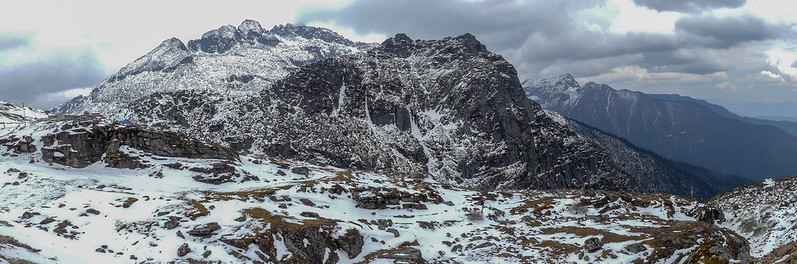
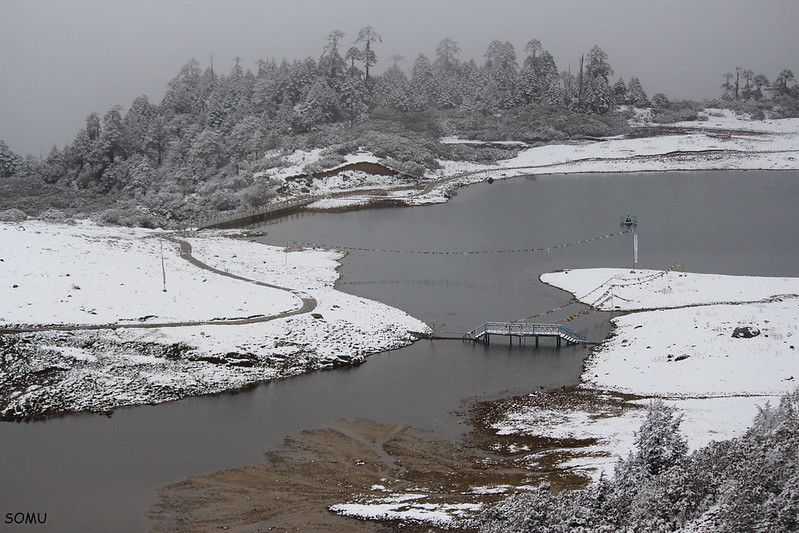
Seven days is the sweet spot for a Tawang itinerary. It gives you the full Guwahati-to-Tawang circuit without rushing the drives. You get two nights in Dirang, three in Tawang, and enough buffer that a weather cancellation at Bum La does not ruin the trip. This Arunachal Pradesh itinerary covers everything from permits to packing. By Day 7, you will have crossed Sela Pass, stood at the India-China border, and seen Asia’s second-largest Buddhist monastery. That is not a bad week.
A 7-day Tawang trip is long drives, early mornings, and a circuit that very few people regret doing. The logistics are more involved than a typical hill station trip, and are worth sorting.

Best Time to Visit Tawang
October looks perfect on paper. Clear skies, post-monsoon green, and the annual Tawang Festival in the last week of the month. It is also the busiest month on this circuit. Here is the tradeoff. October means shared jeep queues at Bum La and hotels filling up two weeks in advance. Permit slots for the Restricted Area Permit run out if you book late. A tawang trip in October rewards the planner. Book everything at least two weeks before you leave. If you show up and try to sort Bum La permits on arrival, there is a real chance you miss it.
April to early June is the quieter option. Rhododendrons are in bloom along the Sela Pass stretch. Roads are open, crowds are thin, the weather is cooler and wetter than October but workable. Winter, from December to February, brings heavy snow and the real risk of road closures near Sela. Beautiful if you want snow, but build extra buffer days in.
Season | Best for | Watch out for |
October–November | Clear skies, Tawang Festival | Crowds, permits fill fast |
April–June | Flowers, thin crowds, open roads | Some rain, cooler temps |
December–February | Snow landscapes, Losar festival | Road closures, extreme cold |
ILP and Permits: What You Need Before You Leave Home
Missing the Bum La permit is the most common planning mistake on this circuit. Most people know about the Inner Line Permit. Far fewer know that Bum La requires a completely separate Restricted Area Permit, arranged differently, with different rules. Start with the ILP. Every Indian citizen entering Arunachal Pradesh needs one. The process is simple. Go to eilp.arunachal.gov.in, fill in your details, pay ₹300 for up to 3 days or ₹500 for up to 14 days, and download the permit and do this before you leave home. Checkpoints on the highway into Arunachal will ask for it. Print a copy. A screenshot on your phone works too, but paper is safer when mobile data drops on mountain roads.
The Bum La Restricted Area Permit is different, you cannot apply online. You cannot walk into the DC office on the morning you want to go and get it sorted. Your hotel or a registered local tour operator in Tawang arranges this on your behalf. They need your ILP details, identity proof, and at least 24 to 48 hours of lead time. One more thing: only vehicles with Arunachal Pradesh registration are allowed on the Bum La road. Your Guwahati-hired SUV cannot enter. The local vehicle is arranged through the same operator. Budget ₹4,000 to ₹5,000 extra for that jeep hire. Foreign nationals need a Protected Area Permit instead of an ILP. Bum La is off-limits to foreign passport holders entirely.
Documents to carry:
- Printed ILP (one copy per person)
- Original government-issued photo ID (Aadhaar or passport)
- Two passport-size photos (some checkpoints ask)
- Hotel booking confirmation (for Bum La permit application)
How to Reach Tawang (Guwahati to Tawang Route)
Tawang is not a direct drive. That is the most important thing to understand before you plan Day 1. Guwahati is the entry point for most people. The distance to Tawang is about 570 km. Google Maps will tell you 10 to 12 hours. Budget 12 to 14, including a night halt, and you will arrive without panic. The standard route goes from Guwahati to Bhalukpong or Tezpur on Day 1. Then up through Bomdila and Dirang, and finally into Tawang on Day 3. Trying to push Guwahati to Tawang in two days is possible. It is also a bad idea, you spend both days mostly in a vehicle, arrive exhausted, and your first morning in Tawang is recovery time.
Bhalukpong is the checkpoint town where you enter Arunachal Pradesh and show your ILP. Worth a short stop, but not a full halt. Tezpur is a better halt option if you want a proper town with good food and a warm room before the mountain stretch begins. Bomdila is the first proper mountain town on the circuit, with a monastery worth a quick morning visit. Dirang comes after, and it is where two nights make sense. The hot springs at Thethong and Sangti Valley are close enough for a half-day trip. After Dirang comes Sela Pass at 13,700 ft, Jaswant Garh War Memorial, and the final descent into Tawang.
Most people hire a private SUV for the circuit. An Innova or Scorpio from Guwahati runs ₹20,000 to ₹25,000 for a 7-day hire. Shared sumos are available between towns but limit your flexibility on timing.
7-Day Tawang Itinerary: Day-by-Day Route Plan
This Tawang trip itinerary is built around one principle: the drives run long. Starting early is the only thing that gives you a decent afternoon at each stop.
Quick reference:
- Day 1: Guwahati → Tezpur/Bhalukpong
- Day 2: Bhalukpong → Bomdila → Dirang
- Day 3: Dirang → Sela Pass → Tawang
- Day 4: Bum La Pass + PT Tso Lake
- Day 5: Sangetsar (Madhuri) Lake + Tawang Monastery + War Memorial
- Day 6: Urgelling Monastery + Nuranang Falls + Tawang local walk
- Day 7: Tawang → Guwahati (full drive day)
Day 1: Guwahati → Tezpur or Bhalukpong (180–240 km, 5–6 hrs)
Leave Guwahati by 7am, Traffic through the city eats time if you wait. The drive to Tezpur is about 180 km on mostly flat highways. Tezpur is a proper town with decent hotels, a riverside market, and food that does not feel like a compromise. If you want to push further, Bhalukpong is 60 km past Tezpur and sits right at the Arunachal Pradesh border. The ILP checkpoint is here. Get your papers checked and stamped before you settle in for the night. Tipi Orchidarium is just past Bhalukpong if you have afternoon light left.
Day 2: Bhalukpong → Bomdila → Dirang (140 km, 6–7 hrs)
The road from Bhalukpong climbs hard. By the time you reach Bomdila at about 8,000 ft, the air feels noticeably thinner. Bomdila Monastery is a 20-minute stop that most people skip on the way up. The drive to Dirang from Bomdila is another two hours through apple orchards and river valleys. Dirang sits at 4,900 ft, warmer than Tawang, and a good place to let your body start adjusting to altitude before the bigger climb. Check into your room early, walk the Dirang town market in the evening, and eat something light.
Day 3: Dirang → Sela Pass → Tawang (130 km, 6–7 hrs)
Start by 7:30am, the road to Sela Pass climbs to 13,700 ft and the air at the top is thin, cold, and sharp. On a clear day, Sela Lake sits beside the pass like a mirror. On a cloudy day, you are inside the cloud and both are worth the stop. The army canteen at the top serves chai and Maggi. Have some before continuing. Thirty minutes past Sela is Jaswant Garh War Memorial, built for Rifleman Jaswant Singh Rawat who held the Sela sector alone during the 1962 war. Pay your respects, the story is extraordinary. After that, the road descends into the Tawang valley. Your first view of the town from the ridge is the one that stays.
Day 4: Bum La Pass + PT Tso Lake (full day, start by 7am)
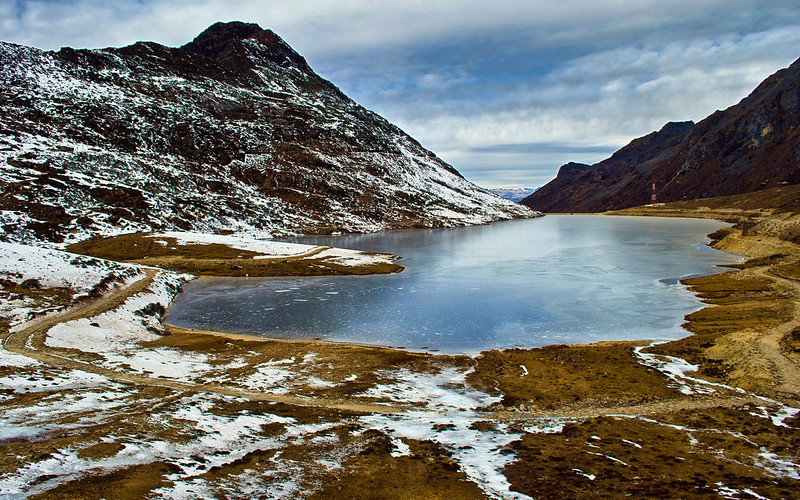
This is the day that requires the most planning and the earliest start. Leave Tawang by 7am, you are heading to Bum La at 16,500 ft, the India-China border point. The altitude gain from Tawang town to Bum La is 6,500 ft in about 37 km. The road passes more than a dozen glacial lakes and you will lose count. At the border, Indian Army personnel are stationed. The actual Line of Control is visible. You cross nothing, but you stand at the edge of it. The experience is hard to explain. Cold, quiet, and oddly moving.
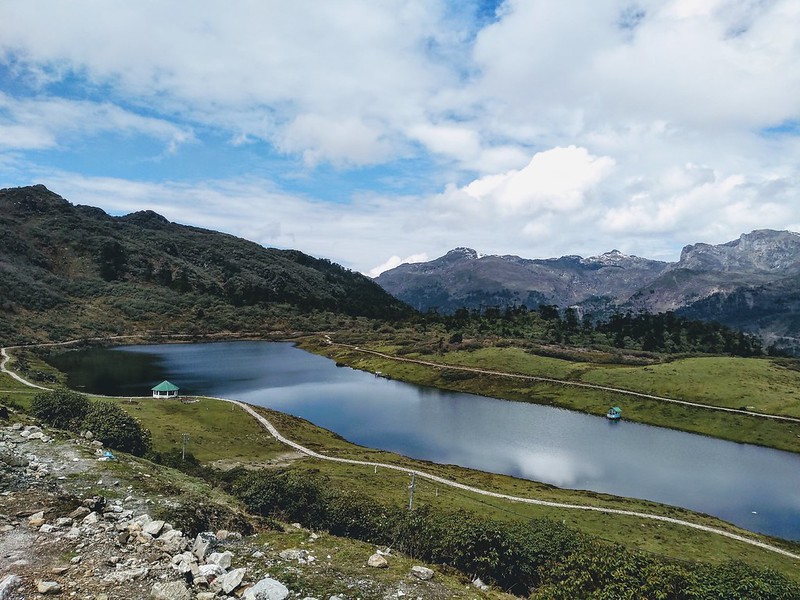
PT Tso Lake sits on the return route. It is smaller than Madhuri Lake but also less visited. Stop for 20 minutes and let the silence do its job. Be back in Tawang by 3pm. Altitude affects people differently. If anyone in your group feels a headache or nausea on the Bum La road, turn around. Do not push through altitude sickness at 16,000 ft.
Day 5: Sangetsar (Madhuri) Lake + Tawang Monastery + War Memorial
Sangetsar Lake is what most guides call Madhuri Lake, named after a Bollywood film shot here. The dead tree trunks standing in the water at the edge of the lake are the thing that makes it unlike every other Himalayan lake you have seen. Go in the morning for the light, the drive out is about 35 km from Tawang and come back by noon.
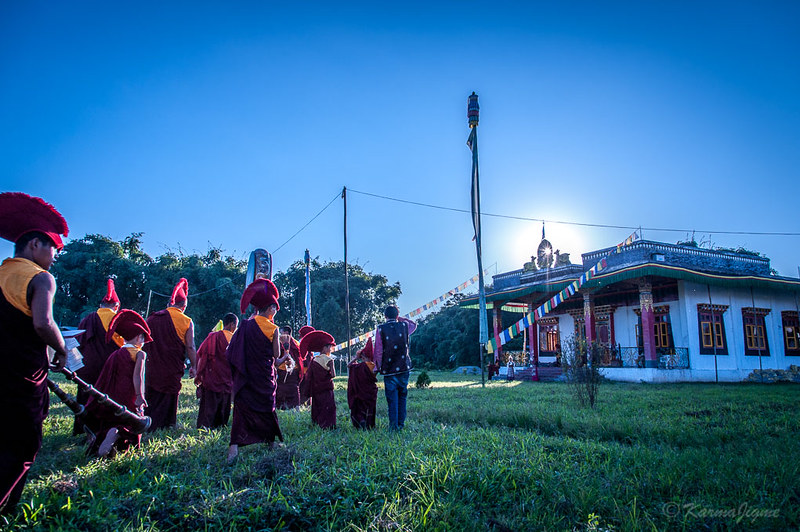
After lunch, Tawang Monastery. India’s largest Buddhist monastery sits at 10,000 ft on a ridge above the town. The 28-ft golden Buddha in the main hall is the focal point, but the real draw is the atmosphere. Monks in maroon robes move through the courtyards between prayers. The prayer halls smell of butter lamps and old wood. Early morning visits before 8am catch the chanting sessions. Afternoon visits are quieter, both are good. Tawang War Memorial is a short drive below the monastery. The evening sound and light show runs when visitor numbers are high enough.
Day 6: Urgelling Monastery + Nuranang Falls + Tawang Local Walk
Urgelling Gompa is a small monastery about 6 km from Tawang town. The 6th Dalai Lama was born here in 1683. The site is simple, no large crowds, no souvenir stalls. Most people skip it and that is the reason to go.
Nuranang Falls is 40 km from Tawang, near the town of Jang. The waterfall drops sharply through pine forest. The walk from the road to the base is short and easy. On the return, stop at the Nuranang river and spend 20 minutes at the water. The rest of Day 6 belongs to Tawang town itself. The local market behind the taxi stand has Monpa textiles, prayer flags, and yak wool products. The Giant Buddha statue at the hilltop is a 10-minute walk from the main road and gives you the clearest view of Tawang valley you will get without driving anywhere.
Day 7: Tawang → Guwahati (full drive, 12–14 hrs)
Leave by 6am, not 7, not 8. Six. The Sela Pass stretch is fastest in the early morning before tourist convoys fill the single-lane sections. If you have a flight out of Guwahati, book nothing before 9am the following day. Trying to catch a same-day evening flight from Guwahati on a Tawang departure day is a gamble you will regret. Reach Guwahati by 8pm if everything holds.
Tawang Budget: What It Costs in 2026
Transport is where your budget goes, and it is also where the biggest variance sits. Everything else is predictable but transport is not. A private Innova or Scorpio hire for the full 7-day Guwahati circuit runs ₹20,000 to ₹25,000 for the vehicle. Split across four people, that is ₹5,000 to ₹6,250 each. Shared sumos between towns cost a fraction of that but you lose control of your start time, which matters a lot on this circuit. The Bum La local jeep is an extra ₹4,000 to ₹5,000 and is not optional if you want to do the trip.
In 2026, mid-range guesthouses in Tawang town charge ₹1,500 to ₹2,500 per night. Dirang guesthouses run slightly lower at ₹1,000 to ₹2,000. Food is cheap everywhere on the circuit. A full meal of thukpa and a side dish is ₹120 to ₹200 at a local restaurant.
Category | Budget option | Mid-range |
Transport (7 days, per person) | ₹4,000–₹5,000 (shared) | ₹6,000–₹8,000 (private, split 4) |
Accommodation (6 nights) | ₹6,000–₹9,000 | ₹12,000–₹18,000 |
Food (7 days) | ₹3,000–₹4,000 | ₹5,000–₹7,000 |
Permits (ILP + Bum La local jeep) | ₹4,500–₹5,500 | ₹4,500–₹5,500 |
Total per person | ₹17,500–₹23,500 | ₹27,500–₹38,500 |
Where to Stay in Tawang
Tawang has no resort tier. What exists is a range from basic guesthouses to comfortable hotels with heated rooms and reliable hot water. Expecting more than that leads to disappointment. The handful of hotels near the main market square are the most convenient. Hotel Tashi Gatsel and Hotel Ugyen are frequently mentioned by repeat visitors for clean rooms and helpful staff. Neither is fancy, both are reliable. In Dirang, Tourist Lodge Dirang is the standard mid-range option. Book both towns at least two weeks ahead if you are traveling in October. Rooms fill faster than most people expect in a town this small.
One thing nobody tells you: the power situation in Tawang involves regular cuts, especially in winter. A good hotel will have backup power or at least a room warmer that works. Ask before you book. A cold room at 10,000 ft is not just uncomfortable, it ruins your sleep, which then makes the altitude feel worse the next morning.
Tawang Food: What to Eat and Where
Eat light in Tawang, this is not a suggestion about portion size but it is altitude advice. At 10,000 ft, your appetite drops but your body still needs fuel. Heavy, oily food sits hard when your system is managing altitude. Thukpa is the right answer: a broth-based noodle soup with vegetables or meat that is warm, filling, and easy on the stomach. Order it at any local restaurant and it will cost you about ₹120 to ₹150. Momos are everywhere and fine. Yak cheese momos, when available, are worth trying once. Zan is a millet-based porridge that locals eat for breakfast.
Butter tea is the one food item that deserves a separate note. Most people try it once, make a face, and switch back to regular chai, that is a fair response. But butter tea has a genuine function at altitude: the fat content helps with warmth and the salt replaces what you lose breathing cold, dry air. It is not a drink you will fall in love with. It is a drink that helps. Dragon Restaurant near the Tawang town centre is a reliable spot for local food. Hotel Tashi Gatsel’s dining room handles most meal types without issue. For Assamese food, ask your guesthouse owner. Many guesthouses in this region are run by Assamese families and cook it well.
Packing List and Altitude Tips for Tawang
Pack for two weather situations, not one. Tawang town at noon in October feels like a mild hill station. Bum La at 7am feels like the inside of a freezer. The layering system that works: thermal base layer, a mid-layer fleece, and a windproof outer jacket. All three, if you pack just a heavy jacket without base layers, you will be cold when it matters. Carry gloves, a hat, and a neck gaiter for the Bum La day. These are not optional extras. They are essential for a day at 16,500 ft. Good trail shoes are enough for Tawang town itself. Bum La road is motorable, so no trekking is needed.
Altitude sickness is real on this circuit. Tawang at 10,000 ft is fine for most people if you ascend slowly. Bum La at 16,500 ft is a different story. The gain from Tawang to Bum La happens in the jeep, fast, and some people feel it immediately. Signs to watch: headache, nausea, dizziness. If any of these hit hard at altitude, go down. Do not wait to see if it passes. Sound paranoid? It is not. Altitude sickness has turned serious on this road.
Essentials to carry:
- Thermal base layers (at least 2 sets)
- Windproof outer jacket
- Gloves and hat (not optional for Bum La)
- Diamox (altitude medication, consult your doctor before the trip)
- ORS sachets for rehydration
- Sunscreen SPF 50+ (UV is intense at altitude even on cloudy days)
Conclusion
Two things that separate a good trip from a frustrating one: arrange your Bum La RAP through your hotel before you arrive in Tawang, and build Day 4 as a full weather-buffer day for Bum La with no afternoon plans. Weather closes this road more often than guides admit. Plan for it and you lose nothing. Fail to plan for it and you miss the part of the trip most people say they remember longest. Go prepared, start early and the rest handles itself.