What Aru Valley Actually Is?
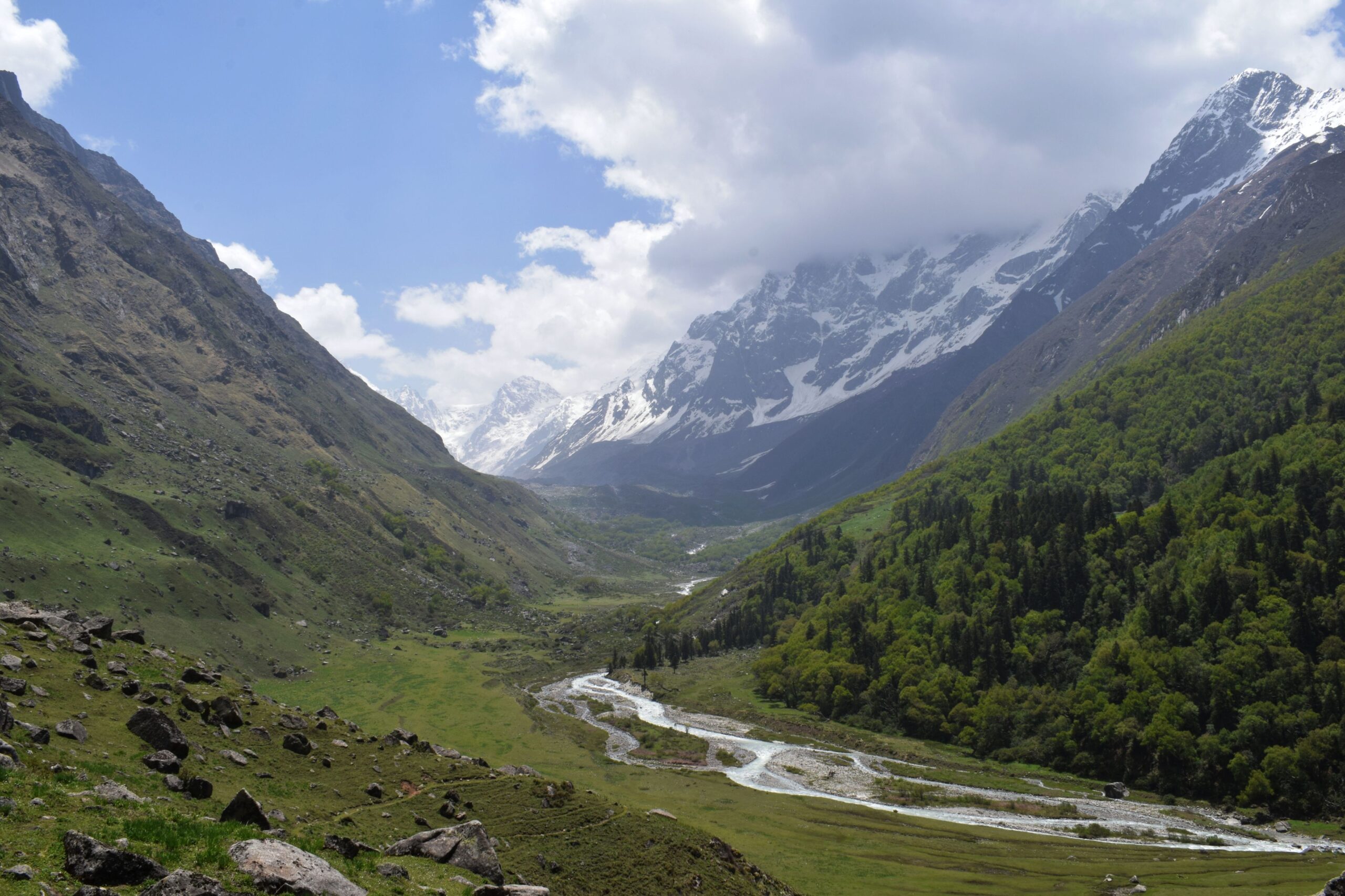
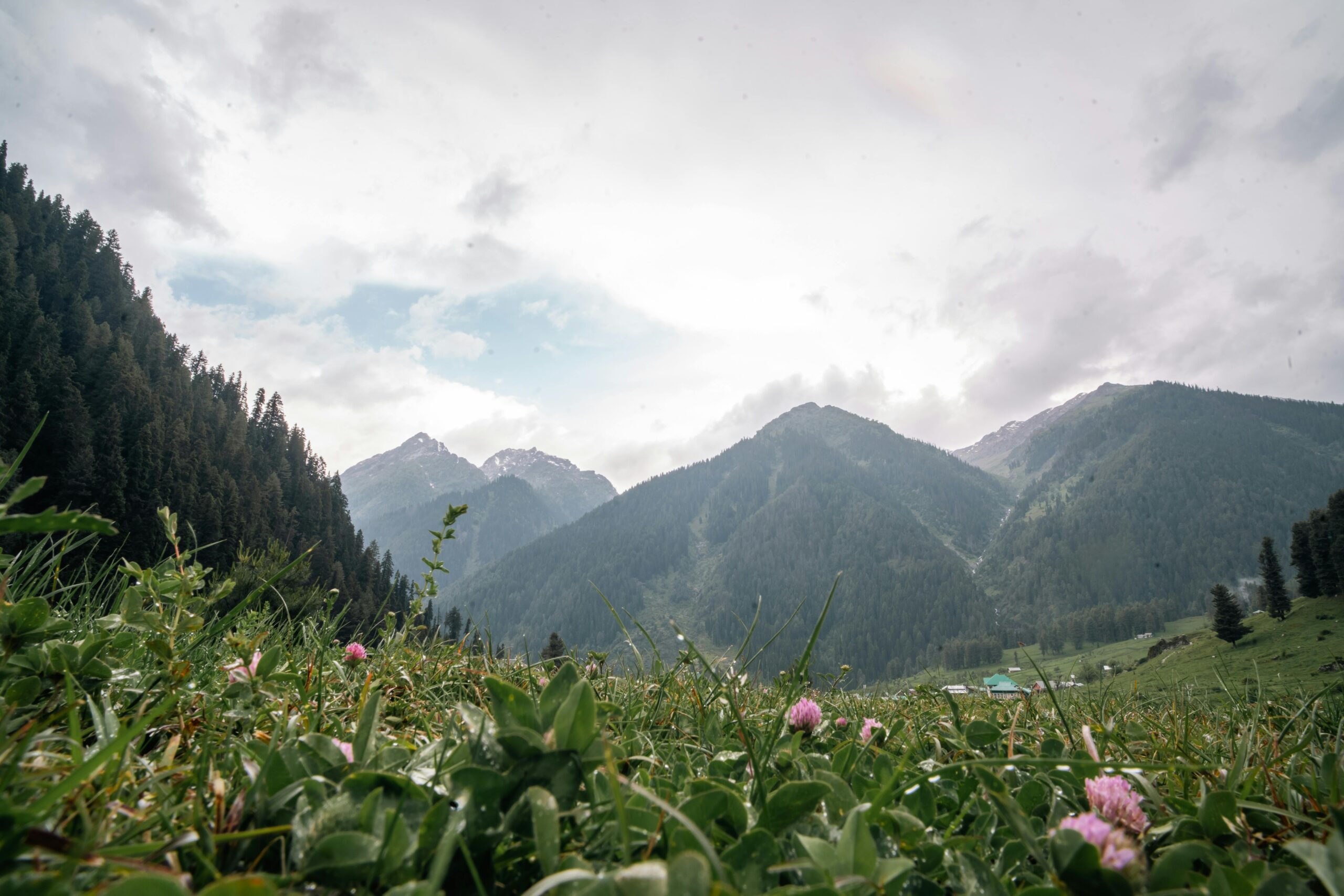
Betaab Valley gets the tourist buses. Aru gets the people who stay an extra day and that’s the clearest way to explain the difference. The valley sits at about 2,400 metres in the Anantnag district of Jammu and Kashmir. The Aru River, a branch of the Lidder, runs along the valley floor. The village has a few hundred permanent households. Farmers, shepherds, guesthouse owners. The valley is ringed by high peaks on three sides. In summer the slopes above the tree line are open green meadows. In winter those same slopes hold 2 to 3 metres of snow.
In 2025, Aru Village won the Best Tourism Village of India award. Adventure Tourism category. Union Ministry of Tourism, not a footnote. That recognition matters for a small settlement that most Kashmir itineraries skip entirely. What Aru is not: it is not a half-day destination dressed up as more. It earns a full day at minimum. Give it a night and the visit becomes something else. Quieter. Slower. Genuinely good. In 2026, that combination is rare near any major Kashmir tourist town.
How to Reach Aru Valley from Pahalgam
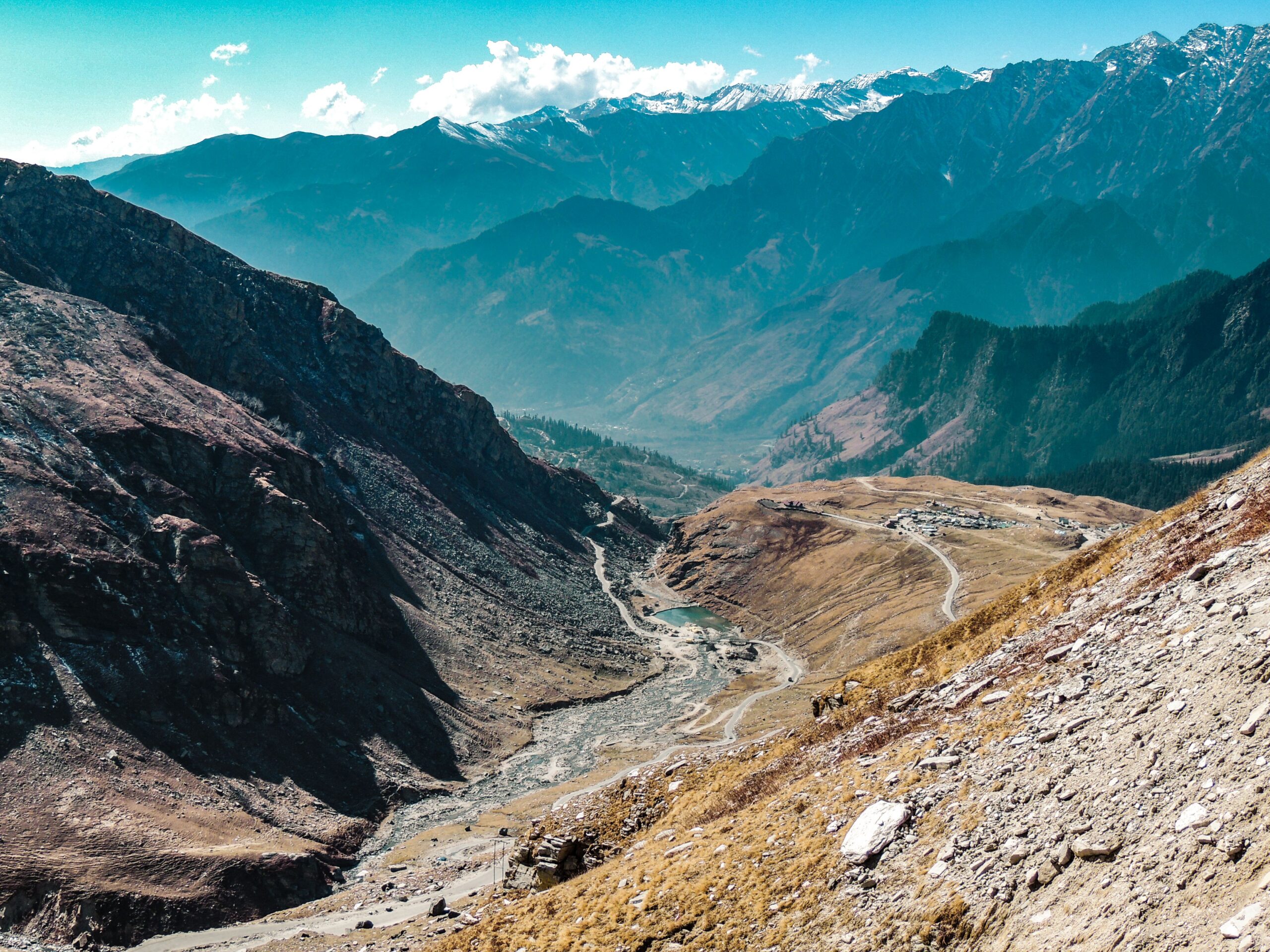
Taxis from Pahalgam to the valley leave from a fixed stand near the Pahalgam bus stop. The round trip fare runs about 1,000 to 1,500 rupees. Exact cost depends on the cab type and how firm you are. The drive takes 30 to 45 minutes. The road is single-lane for most of the route. Pine forest on one side, a drop toward the Lidder on the other. Quiet and scenic, not dramatic.
One firm rule: Srinagar taxis cannot drive into the valley. If you arrive from Srinagar in a hired cab, that cab stays in Pahalgam. You take a local union taxi for the final leg. Most Pahalgam drivers know this. Some Srinagar drivers don’t mention it. Know it before you arrive.
No ATMs exist in Aru. Bring cash from Pahalgam for the full day. Taxi fare, entry fee, food, and any activity. The entry fee is about 25 rupees per person. Small but real, don’t forget it.
Coming from Srinagar: the drive to Pahalgam takes 2 to 2.5 hours on NH1, about 95 km. Add 30 minutes for the Aru leg. Coming from Srinagar and returning the same evening? Budget the full morning for travel alone.
Things to Do in Aru Valley
The valley is not just a meadow with a view. That framing undersells it. The things to do here split cleanly into two types. The ones that take an afternoon and the ones that need a week. For a day visit, horse riding covers the most ground fastest. Fixed pony rates let you reach Kootpathri, Posh Pathri, and Kashtoorvan. These are meadow viewpoints above the valley floor with a full look at the surrounding peaks. Negotiate the rate before you mount. Not after. This matters. Paragliding runs from the valley in summer. Clear-sky days give you views across the Pir Panjal range. The flights are short, but the altitude does the work.
Trout fishing is quieter and underused. The Aru River holds brown trout. Stretches above the village are among the better fishing beats near Pahalgam. Get your permit from the Fisheries Department in Pahalgam or Srinagar before you arrive. You cannot get one on the spot in the valley. Camping and bonfires are also possible. The valley floor near the river has several flat sites. Local residents and small outfits arrange tents, sleeping bags, and firewood if you contact them in advance. The river sound at night in Aru is genuinely good. Plan ahead.
Treks That Start from Aru Valley
Most Kashmir trek lists mention the Aru valley Kashmir route as a starting point. Few explain what that actually means for planning. Here is the breakdown.
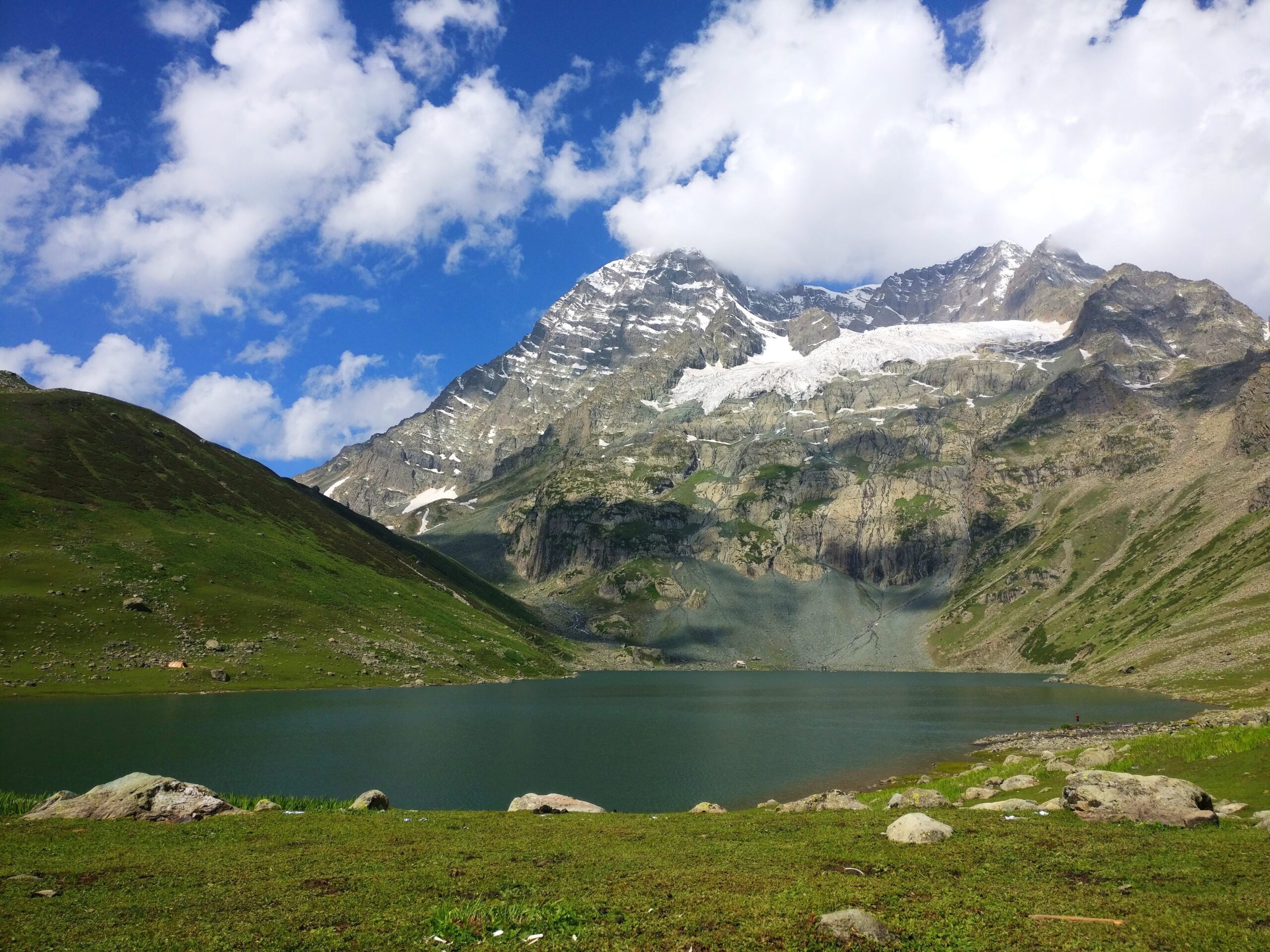
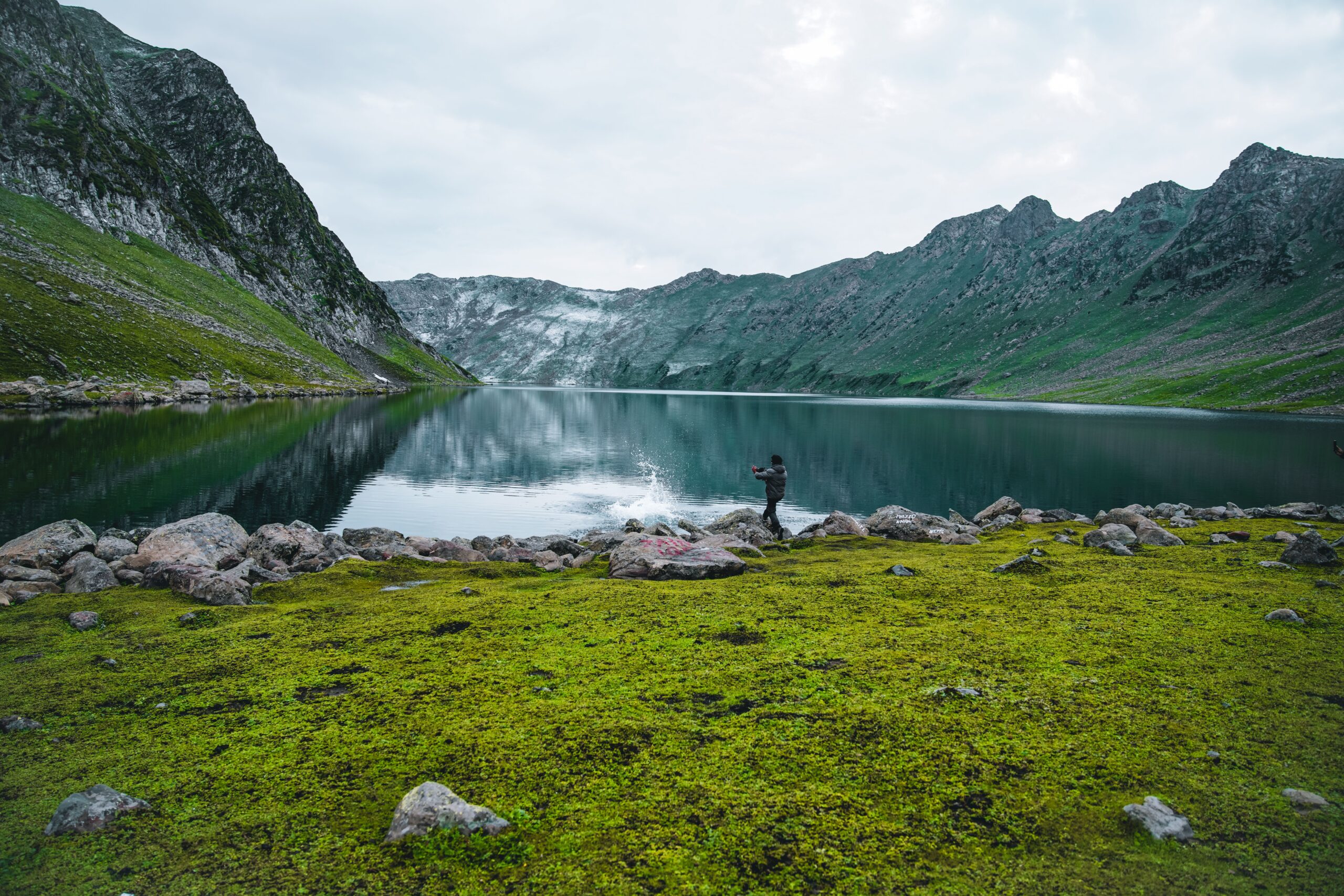
Tarsar Marsar Trek: 5 to 7 days. Aru to Lidderwat to Shekwas to Tarsar Lake to Marsar Lake and back. This is a full alpine lakes circuit. Tarsar Lake sits in a bowl of rock and snow that looks unreal on a clear morning. Marsar is quieter and slightly harder to reach. You need a guide, a tent, a sleeping bag rated to minus 5 or lower, and time. Not a decision to make the morning before.
Kolahoi Glacier Trek: 4 to 5 days. Aru to Lidderwat to the glacier base and back. Kolahoi is the largest glacier in the Kashmir Himalaya. The final climb to the glacier snout is steep and loose. Worth it. Hire a guide who knows current ice conditions. Routes from old blogs may no longer be accurate. Glaciers shift and that’s not a small caveat.
Lidderwat Day Hike or Overnight: 8 km from Aru. This is the entry point for both the Tarsar Marsar and Kolahoi routes. Walking to Lidderwat and camping there gives you the landscape without committing to 5 days. A guide helps but is not hard-required for the main path.
Green Top: The easiest option, a day hike to a ridge above the treeline. Wide views across the Pahalgam range. No guide needed. Three to four hours return. Good for those who want to walk without booking a multi-day route. Sound like a lot? It is. That is the point of this place. Every other valley nearby offers a view and Aru offers a launchpad.
Best Time to Visit Aru Valley
July to September is not the automatic right answer. It depends what you want. May and June bring wildflowers and snowmelt streams. The valley is green, the peaks still have snow caps, and trek routes are just opening. Crowds are lower than peak summer. Want Aru at its most photogenic without the August surge? Late May. That’s your window.
July and August are the busiest months. Pahalgam is crowded and Aru picks up the overflow. All routes are open, the meadows are full green. It is still quieter than Pahalgam town. Just not empty. September and October are the autumn windows. The greens shift to gold on the slopes. The afternoon light is flatter and longer. Trekking stays viable through September. By mid-October, higher passes start closing. Good period for colour. Far fewer crowds.
Winter from December to February fills the valley with snow. Skiing and heli-skiing are on offer. Facilities are basic compared to Gulmarg. But the terrain is real and the cost is a fraction of what you’d pay there. Road access can close after heavy snowfall. Check conditions before committing to a winter visit. There is no alternative road in.
Planning around a specific month? The best time to visit Kashmir guide breaks down conditions valley-wide, including how Aru compares to Pahalgam and Gulmarg across seasons.
Where to Stay in Aru Valley
Pahalgam is the default base. Most visitors day-trip to Aru and return. That works fine, but staying in the valley itself is a different thing. The J&K Tourism Development Corporation runs a tourist bungalow in the valley. Clean enough. Book in advance during summer. It fills fast in July and August. Family-run guesthouses in the village offer rooms with local food. These suit anyone doing a multi-day trek. Dinner on site, the host knows the routes, and a 4am start is easy. Simple setup and it works well.
One real limit: only BSNL postpaid connections work in Aru. Airtel, Jio, Vi all go silent once you enter the valley. Not a minor point if you are coordinating a group or need to reach a guide on arrival. Sort communication before you leave Pahalgam.
Practical Tips Before You Go
- Carry cash from Pahalgam. Aim for at least 2,000 to 3,000 rupees per person for a full day. That covers the taxi, entry, food, and one paid trip or ride. Do not rely on UPI in the valley. It won’t work.
- Book trekking guides ahead. Walking into Aru and expecting a qualified guide for a multi-day trek that same morning is wishful thinking. Good guides fill up in peak season. For July and August dates, arrange your guide at least a week out from Pahalgam or Srinagar. Book early, not on arrival.
- Start early. Aru at 7am is a different valley from Aru at 11am. Better light, cleaner meadows, and horses still available at the standard rate. The day-visitor taxis start arriving after 9. Before then, the place is yours.
- Dress in layers even in summer. Mornings and evenings at 2,400 metres are cold even when afternoons feel warm. A light jacket is not optional, pack one. Not sure what to pack? The what to wear in Kashmir guide covers layering for valley and high-altitude days.
- Check road conditions in winter and early spring. The single road in can close after snowfall. Pahalgam taxi drivers know current status. Ask before you hire.
Conclusion
Give it a full day at minimum. If you are trekking, plan two nights. Betaab Valley gives you an hour of scenery and a taxi back. Aru Valley gives you a launchpad into the high Kashmir Himalaya. Most people who go once wish they had stayed longer. The gap between what most itineraries allow and what this valley deserves is real. This guide is for closing it. You know now. Plan accordingly and start here.