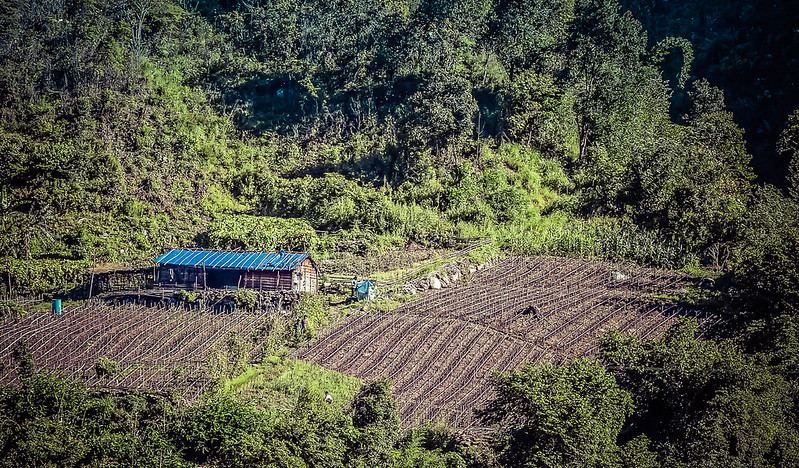
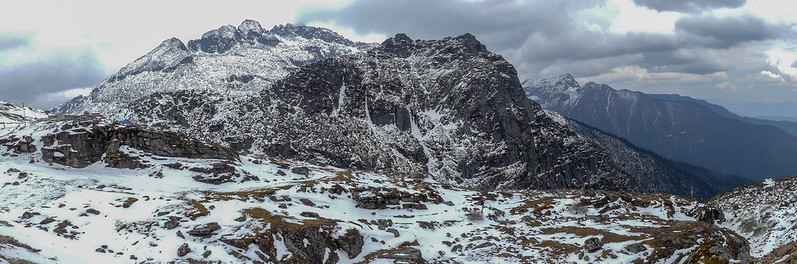
The cable car in Darjeeling also called the Rangeet Valley cable car is a scenic ropeway ride that takes you above green tea gardens and deep valleys. Most travellers try it because the view feels very different from anything you see on the road. One moment you are in a busy hill town. The next moment you float quietly above endless slopes of tea bushes and misty hills.
We still remember the first time we saw the cabins moving across the valley. From the road near Singamari, they looked tiny against the wide mountain sky. That small moment makes many visitors curious. What does the ride actually feel like? Is it worth the wait in the queue?
The experience is simple but memorable. The cabin slowly moves over rolling tea estates, forest patches, and the Rangit valley below. On a clear day, the landscape opens like a living postcard. Photographers love this ride because every minute reveals a new angle of Darjeeling’s hills.
In this guide, we will walk through everything you should know before planning the ride. We will cover ticket price, timings, ride duration, and a few surprising facts about this famous ropeway. By the end, you will know exactly when to go and what to expect.
7 Amazing Facts About the Cable Car in Darjeeling
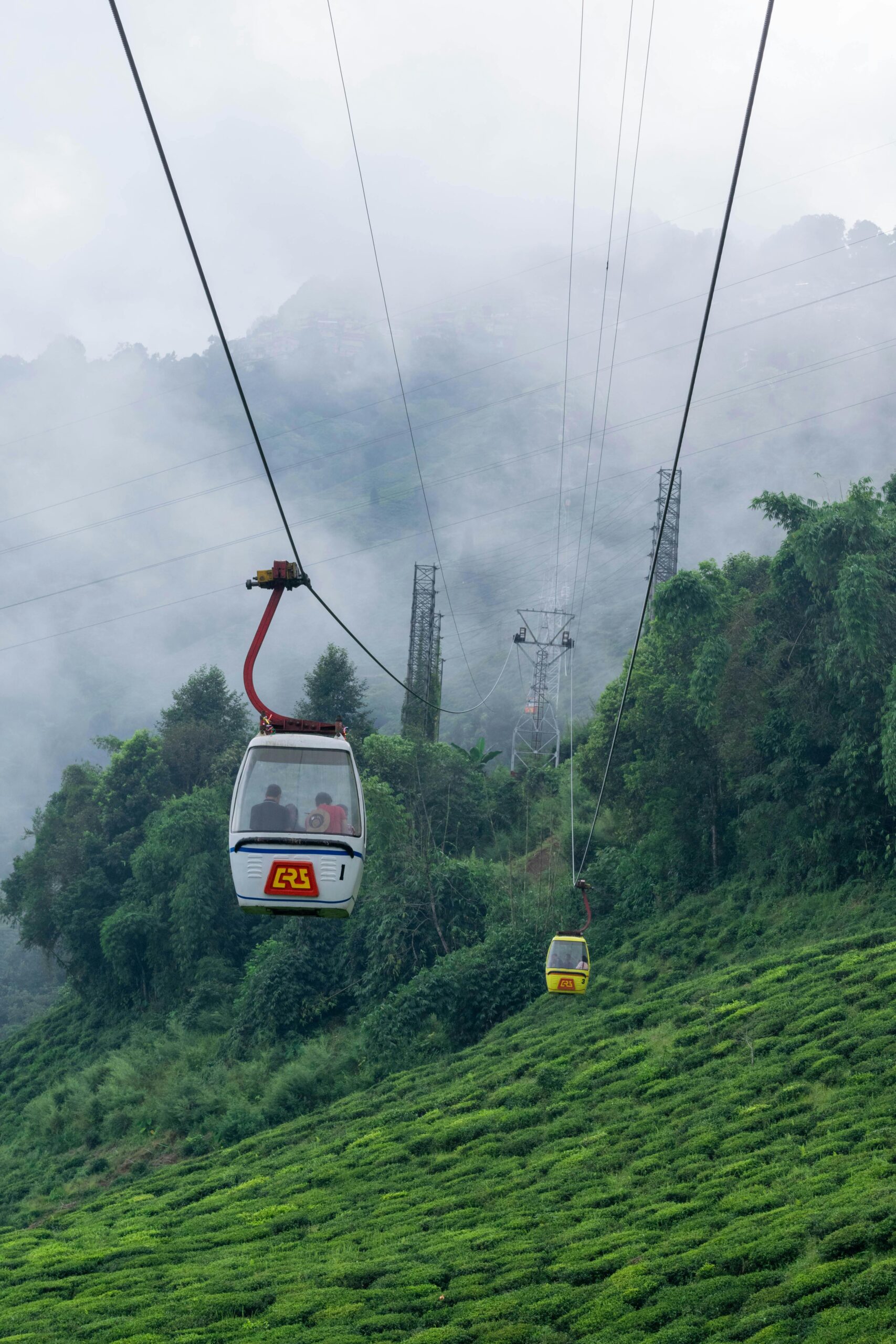
The cable car ride in Darjeeling is not just a tourist attraction. It is one of the most memorable ways to see the hills from above. The cable car in Darjeeling reveals stories, landscapes, and small surprises many visitors never expect.
1. One of the Oldest Ropeways in India
Many travellers are surprised to learn that this ropeway has been operating for decades. It first opened in the late 1960s and quickly became a unique attraction in the hills. At that time, such rides were rare in India. The ropeway darjeeling system was designed to help people experience the valley from the air. Even today, locals proudly call it one of the oldest cable car systems in the country.
2. The Ride Covers Nearly Five Kilometres
The journey stretches across roughly five kilometres of hillside and valley terrain. That distance might not sound long at first. Yet once the cabin starts moving, the landscape slowly unfolds beneath you. Tea gardens roll down the slopes like a green carpet. Forest patches and village paths appear between the hills. We often notice how quiet the ride feels compared to busy Darjeeling streets.
3. Views of Tea Estates and Rivers
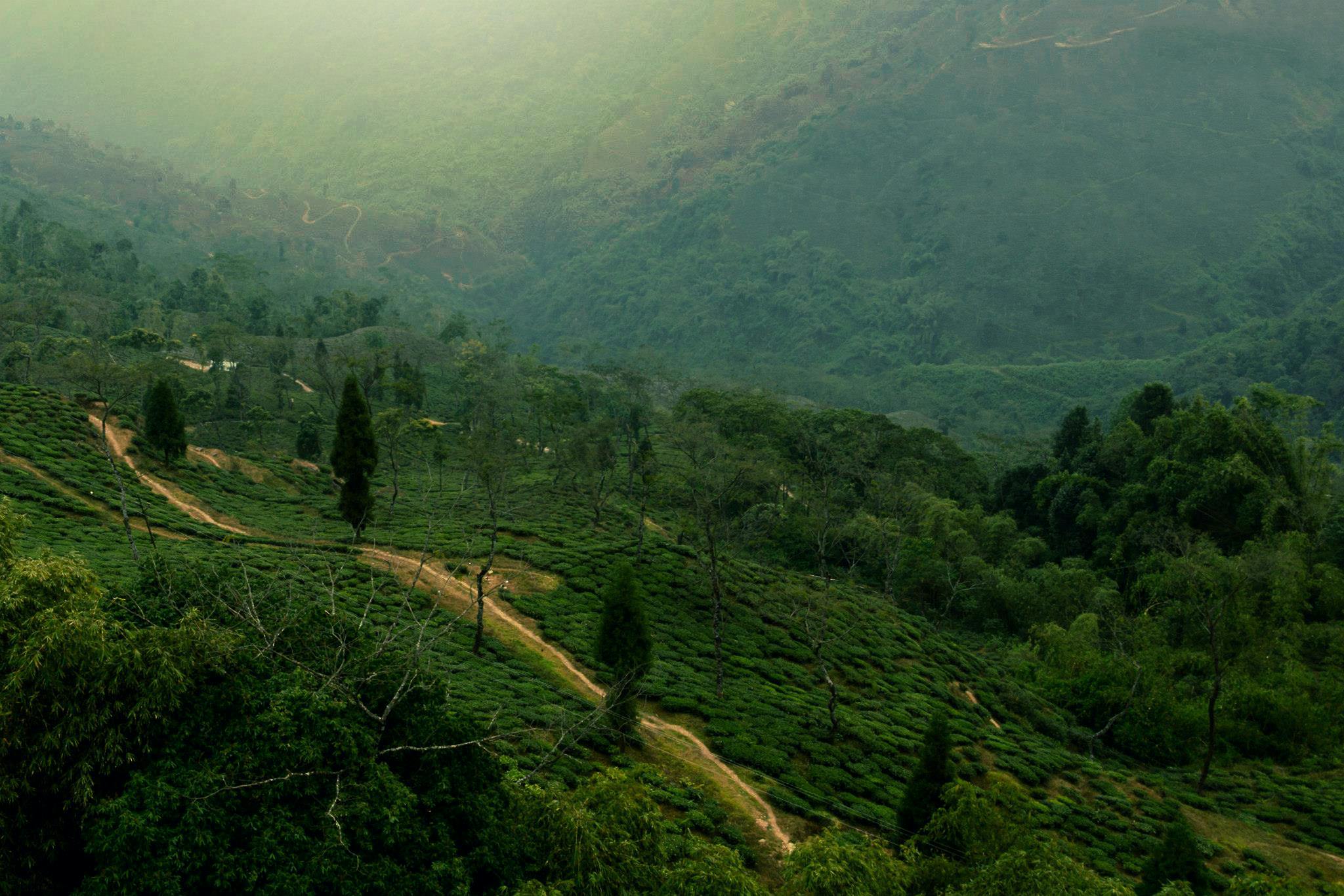
Most visitors take the ride for one simple reason. The view is stunning. From above, you see tea estates spreading across the valley like neat patterns. Small streams wind through the forest, and sometimes the Rangit River glimmers far below. On a clear day, sunlight reflects off the slopes and makes the valley glow. It feels almost unreal.
4. The Ropeway Connects Singamari to Singla Bazaar
The cable car route begins at the Singamari station near Darjeeling town. From there the cabin slowly descends toward Singla Bazaar in the valley. The change in height is noticeable during the ride. Hills rise around you while villages appear below. Many first time riders feel a mix of excitement and calm as the valley opens up.
5. Ride Duration Feels Longer Than Expected
The full ride usually takes around thirty to forty five minutes depending on operations. Time moves differently when you are suspended above the valley. Some travellers chat and laugh during the journey. Others sit quietly and stare at the endless green slopes. We often feel the ride ends too soon.
6. A Unique Way to See the Darjeeling Landscape
Darjeeling looks very different from the sky. Roads disappear behind forest ridges while tea gardens reveal their true size. You notice patterns that are invisible from ground level. The view also shows how steep the hills really are. Photographers often say this ride offers one of the best perspectives in the region.
7. One of the Most Loved Adventure Activities
Many people visit Darjeeling for tea gardens, toy train rides, and mountain views. Yet the ropeway remains one of the most talked about experiences. Families, couples, and solo travellers all queue for the cabins. The thrill is gentle but unforgettable. After the ride, most visitors say the same thing. It was the highlight of the day.
Ticket Price of Cable Car in Darjeeling
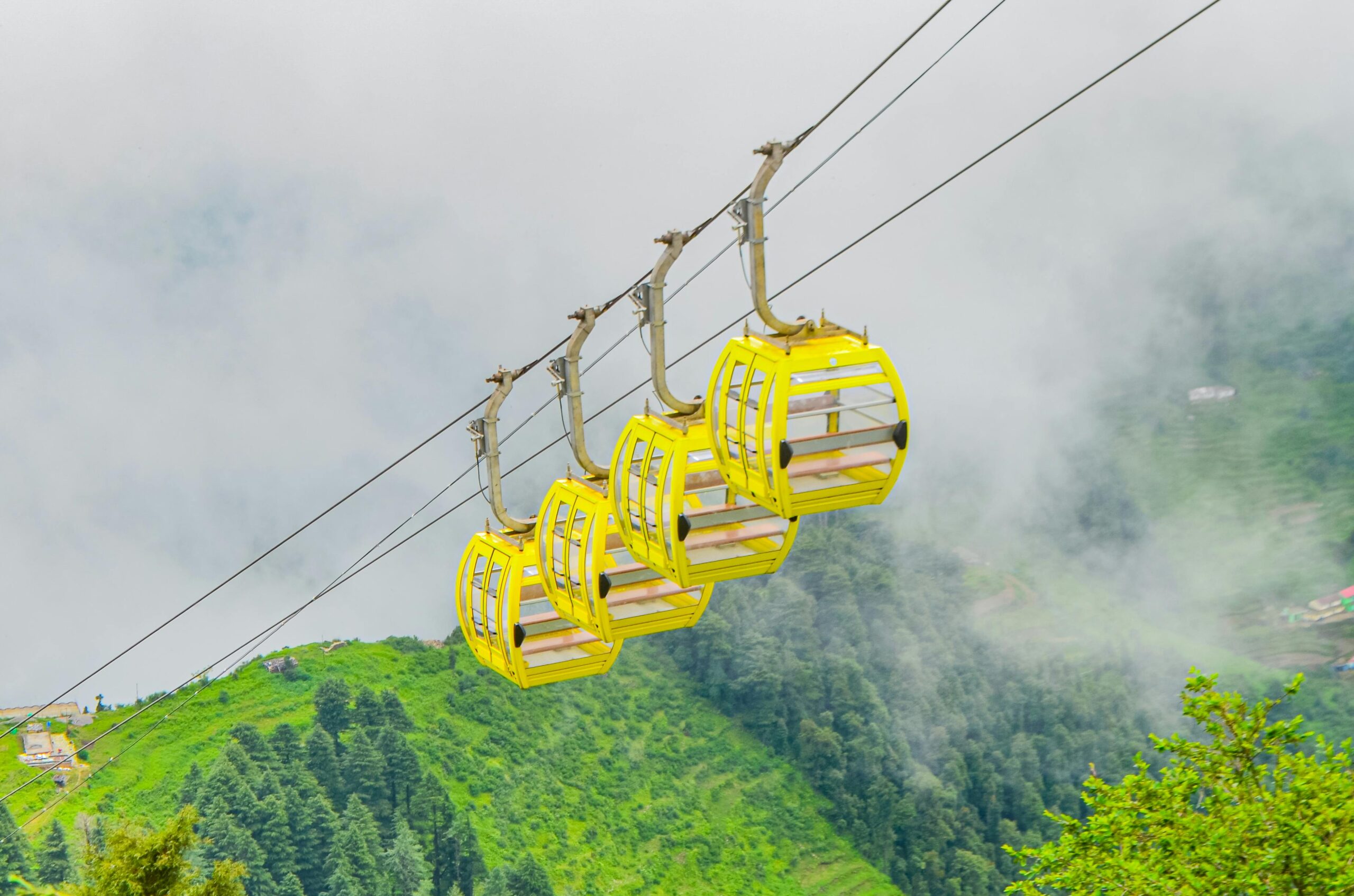
The ticket price for the cable car darjeeling ride is quite affordable for most travellers. At present, the standard fare is around ₹260 for adults and about ₹130 for children. Prices may change slightly during busy tourist seasons or maintenance periods, so checking the latest counter rates is always a smart idea.
When we visited, the ticket counter near the Singamari station had a small queue even on a weekday morning. Many families were deciding whether to buy tickets for everyone or wait for the next cabin. That moment happens often. The ride is popular, so planning your tickets early helps avoid long waiting time.
If you want a quieter ride, some visitors choose to book enough seats to occupy an entire gondola. This means purchasing multiple tickets together. Couples sometimes do this for a calm experience and uninterrupted valley views.
Here is the usual ticket structure visitors should expect:
- Adult ticket: Around ₹260 per person
- Child ticket: Around ₹130 for children
- Toddlers: Very young children often ride free depending on age rules
Overall, the cost feels reasonable for the scenic journey. Many travellers say the views alone make the ticket worthwhile.
Cable Car Darjeeling Timings
The cable car darjeeling ride usually runs between 10 AM and 4 PM, making late morning the best time to plan your visit. These hours help visitors enjoy clear valley views while the weather stays stable. In the hills, mornings often bring calm skies before afternoon mist begins to roll in.
We usually suggest reaching the Singamari station a little before opening time. The queue builds quickly once tourist groups arrive. A calm morning ride often feels smoother and less crowded. And when the cabin moves above the tea gardens in soft sunlight, the valley looks magical.
Seasonal weather sometimes affects operations. Heavy rain, strong winds, or maintenance work may lead to temporary closures. Checking the timings locally on the same day is always wise.
Typical operating schedule looks like this:
- Summer timings: Around 10 AM to 4 PM
- Winter timings: Similar hours but may close earlier if fog appears
- Maintenance closures: Occasionally shut for safety checks or repairs
Ride Experience on the Darjeeling Ropeway
The ride on the cable car in Darjeeling feels like floating slowly above a living postcard of hills, forests, and tea gardens. The moment the cabin leaves the Singamari station, the town noise fades away. Soon the valley opens below your feet. And suddenly Darjeeling looks far wider than it does from the road.
As the cabin glides forward, long rows of tea bushes appear like neat green waves across the slopes. Workers sometimes move through the gardens below, picking fresh leaves in the morning light. From above, those tiny movements remind us how large the plantations really are. The view changes every few minutes, which keeps everyone quietly staring out of the window.
Further along the route, thick forest patches begin to cover the hillsides. Small streams snake through the valley, and on clear days the Rangit River shines far below. Cameras come out quickly at this point. Photographers love this stretch because the angle of the hills and light creates beautiful frames.
The journey continues toward the lower valley stations near Singla Bazaar. You feel the height more clearly during this part of the ride. The cabin moves gently while hills rise around the valley like a green amphitheatre. Many travellers fall silent here. Sometimes the view simply speaks for itself.
How to Reach the Cable Car Station in Darjeeling
The cable car in Darjeeling starts from the Singamari base station, which sits just outside the main town area. Most visitors reach this station by road from Chowk Bazaar. The distance is short, yet the downhill route gives your first glimpse of the valley.
We often suggest leaving the market area a little early in the morning. Traffic around the bazaar can slow things down, especially during tourist season. The road to Singamari curves through quiet hillside neighbourhoods. And as the town fades behind you, the ropeway towers slowly come into view.
Taxis are the easiest way to reach the station. Shared jeeps also run on this route and are quite common in Darjeeling. Many travellers even combine the ride with a short sightseeing drive around the town.
Here are the key travel details visitors should know:
- Distance from city centre: About 3 km from Chowk Bazaar
- Transport options: Local taxi, shared jeep, or private car
- Travel time: Usually 10 to 15 minutes depending on traffic
Once you arrive, the ropeway cabins and valley views quickly confirm that you came to the right place.
Best Time to Ride the Cable Car in Darjeeling
The best time to enjoy the cable car in Darjeeling is between October and June when the weather stays clear and stable. During these months, the hills open up beautifully. The valley looks bright, and the long rows of tea gardens appear sharp from above.
Clear weather matters a lot for this ride. Mist and heavy rain can hide the valley views completely. That is why many travellers avoid the peak monsoon months. From our experience, the ropeway feels far more magical when the sky stays blue and sunlight touches the slopes.
Morning rides often give the best experience. The air feels fresh, and the hills look calm before crowds arrive. You may even spot tea workers moving through the gardens below. We usually tell travellers one simple thing. Go early and choose a clear day. The ropeway views will reward you with the best side of Darjeeling.
Important Tips Before Riding the Ropeway Darjeeling
Riding the ropeway darjeeling is simple, yet a little planning can make the experience far better. Many visitors reach the station without checking small details. Then they end up waiting longer than expected or missing the best views.
We have seen this happen quite often. Travellers arrive late in the afternoon and find long queues at the ticket counter. By that time the valley already begins to fill with mist. The ride still works, but the views lose their charm. A few smart choices can easily prevent this situation.
Before heading to the ropeway station, keep these practical tips in mind:
- Reach early in the day to avoid long queues and waiting time
- Carry a camera or phone because the valley views are worth capturing
- Check the weather forecast since fog and rain affect visibility
- Follow safety instructions given by staff while boarding the cabin
FAQs
1. What is the cost of cable car ride in Darjeeling?
The cable car ride in Darjeeling usually costs about ₹260 for adults and ₹130 for children. Prices may change slightly during busy seasons. When we visited, the view over tea gardens alone felt worth every rupee spent.
2. Is ropeway available in Darjeeling?
Yes, the Darjeeling ropeway operates from the Singamari station near the town. Visitors ride small cabins above tea estates and valleys. When you see the cabins gliding across the hills, curiosity usually wins and you want to try it.
3. On which day Darjeeling Ropeway is closed?
Darjeeling Ropeway usually runs daily but may close occasionally for maintenance or safety checks. Weather also affects operations in the hills. We suggest checking locally before visiting because fog, rain, or repair work sometimes pauses the ride.
4. When did Darjeeling Ropeway start?
Darjeeling Ropeway started operations in 1968 and became one of India’s earliest cable car systems. The project aimed to showcase the valley from above. Even today, many visitors ride it to experience those classic Himalayan views.