What Is Thajiwas Glacier?
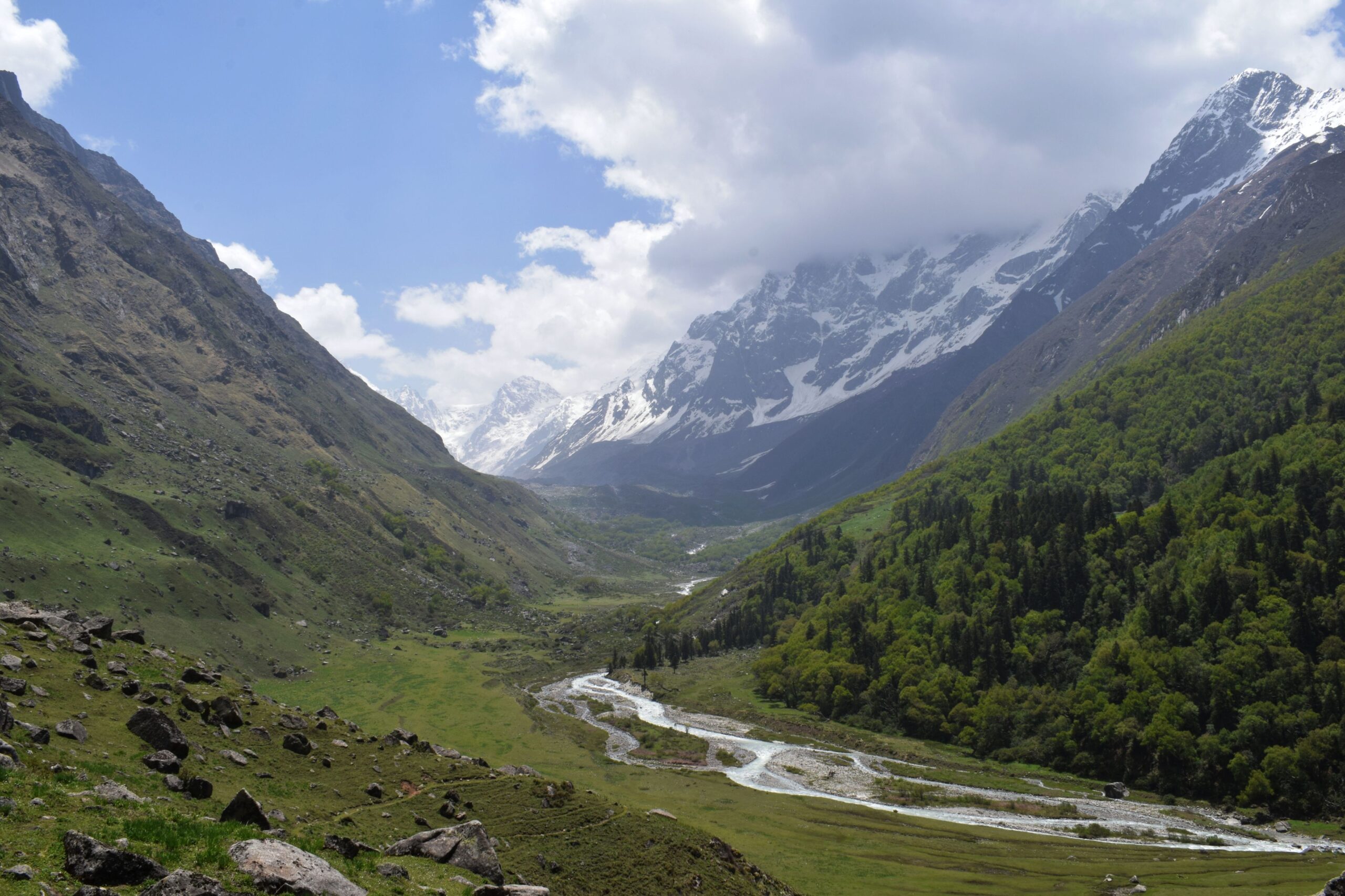
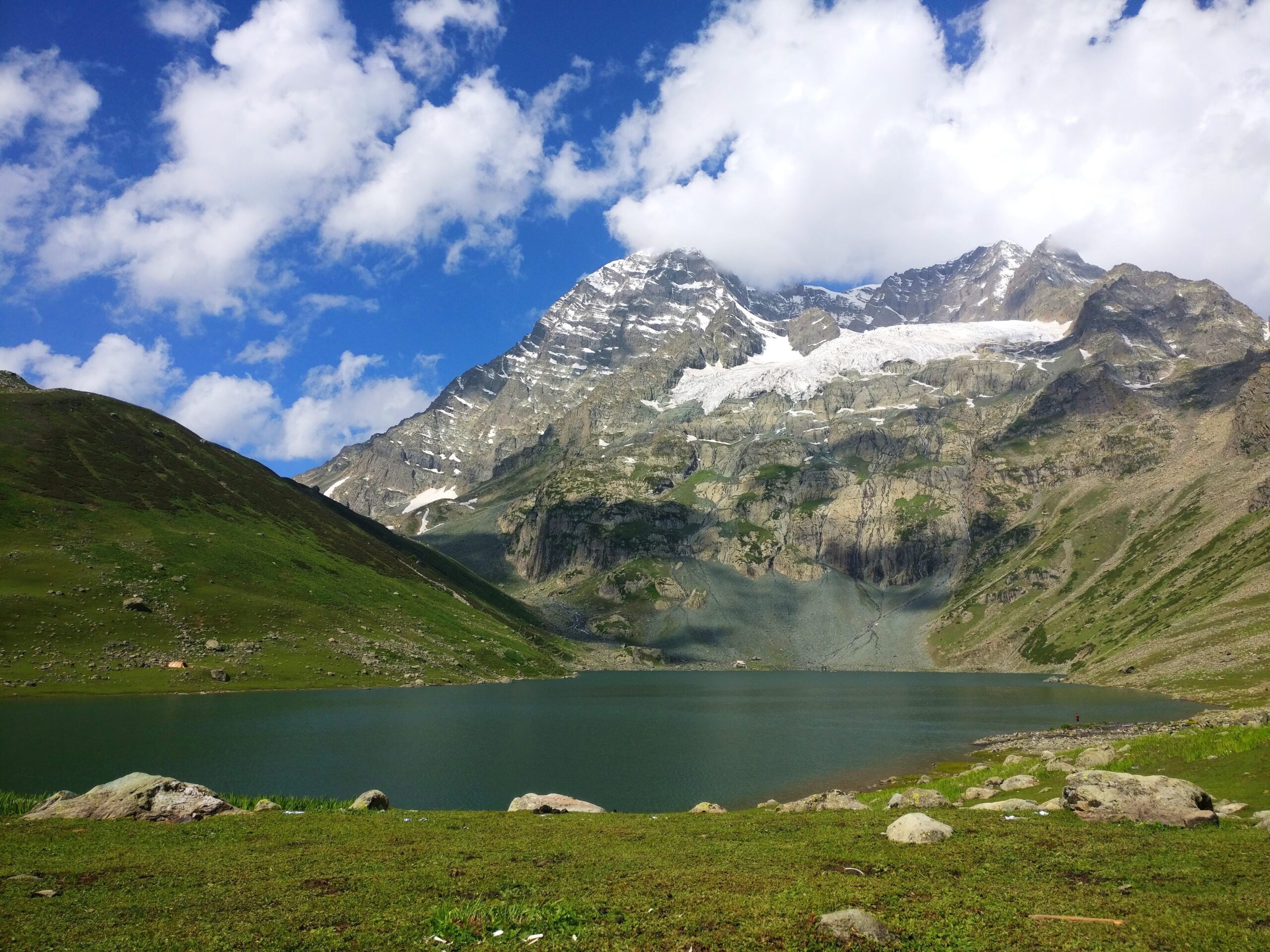
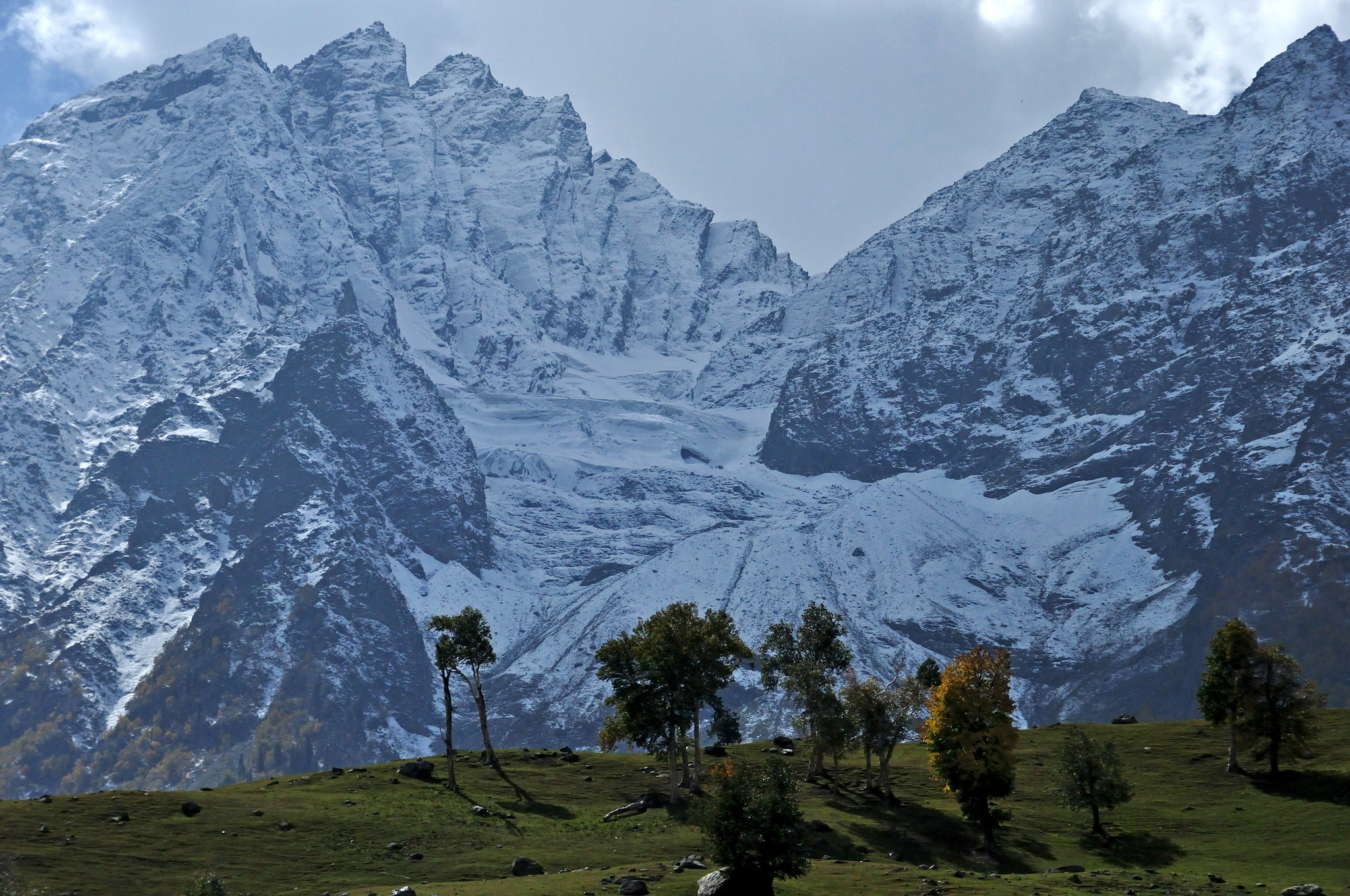
Snow stays here year-round, that’s the single most important fact about Thajiwas. The plains hit 28–30°C in July. This glacier holds thick snow above Sonmarg at 9,186 feet. The name itself tells you. “Thajiwas” means snowy place in Kashmiri. The glacier sits under the Thajiwas mountain range in Ganderbal district, Jammu and Kashmir. It’s not a remote wilderness spot. The nearest market is 3 km downhill. Gujjar and Bakarwal shepherds have used these meadows for centuries. Their small tea stalls near the snowpoint are still running today. The glacier also featured in Bollywood. The fence scene from Bajrangi Bhaijaan was filmed at the upper snowpoint.
Worth knowing in 2026: the glacier is visibly retreating. Long-time pony operators in Sonmarg say the snowline now melts by late April on lower slopes. Things are shifting. The upper glacier still holds deep snow through the season. But the lower edge shrinks earlier than it did 10–15 years ago. Visit now, the full experience is still intact.
Best Time to Visit Thajiwas Glacier
Most guides say April to October. That’s correct but not helpful. The month you pick gives you a completely different place.
May and June are the best months to visit Thajiwas Glacier. Snow is still thick on the upper glacier. The meadows have turned green, wildflowers are out, white above, green below. That’s the view you’ve seen in photos. Daytime temperatures at the snowpoint sit around 10–15°C. Mornings are crisp, afternoons are good for trekking. Crowds are present but not overwhelming.
July and August bring peak crowds. Families travel, school holidays hit, and Sonmarg gets packed. The glacier still holds snow and the snow activities are fully running. September and October are the sleeper months. Tourist numbers drop and the meadows turn golden. The air gets sharp. Snow is still there on the upper section and the temperatures fall fast after sunset.
Visiting Thajiwas Glacier in April
April is not the obvious choice. That’s exactly why it works for the right traveller. The road to Sonmarg reopens in late March or early April after winter closure. Most hotels are still getting back online. The whole valley sits under deep snow, no meadows visible, no green patches. Just white in every direction. The glacier itself is buried deeper than at any other tourist-season time. Pony rides are operating, sledging is running. But crowds are nearly zero.
If snow is your main reason for coming to Kashmir, the best time to visit Kashmir for snowfall guide covers the full picture across the valley, not just Sonmarg.
How to Reach Thajiwas Glacier from Sonmarg
Drive to Sonmarg first, that’s where everything starts. From Srinagar, Sonmarg is about 80 km northeast on NH1, roughly 2.5 to 3 hours by road. The drive itself is good. The Sindh River runs alongside for much of the route. Hire a taxi from Srinagar’s tourist taxi stand or pre-arrange with your hotel. Most Kashmir tour packages include this transfer. Our Kashmir itinerary includes Sonmarg as a full day with overnight stay. That’s always the better choice over a day trip.
Here’s what trips up first-time visitors: your hired cab from Srinagar stops at the Sonmarg market. Private vehicles are not allowed further into the Thajiwas zone. From the market, you need a local union taxi to reach the base of the glacier trail. These run all day during tourist season. The fare is low, but if you don’t know they exist, you’ll waste 20 minutes at the market figuring it out. From the union taxi drop point, you trek or ride to the glacier.
Trek or Pony Ride: Which Should You Choose?
Walk it if you can and it’s easy. That’s the short answer. The Sonmarg glacier trail is not a technical trek. Fit adults cover the 3 km in 50 to 60 minutes. The path goes through pine forest, past a small waterfall, across open meadows, and up to the snowpoint. The terrain is gradual, no scrambling, no ropes. The return leg takes slightly longer on loose ground. Watch your footing near the snow.
Pony rides make sense for specific groups. Families with children under 8 should consider it. Older parents or anyone with knee issues should take the pony. Not because the trail is hard, but because altitude fatigue hits harder than people expect at 9,000+ feet. The pony also covers the route in about 1.5 hours. Sounds like a long ride?
It feels quicker than it sounds. The fare runs ₹700 to ₹1,500 per leg. Negotiate always. Operators will often start their ask at ₹1,500. Come in at ₹700 and settle somewhere fair. One more thing: pony operators will tell you the trek is “very difficult.” It isn’t. That’s the sales line. Know that going in and don’t get sold.
Things to Do at Thajiwas Glacier
The snowpoint does more than look good in photos. Here’s what actually matters. Sledging on wooden sleds is the crowd favourite. Local vendors near the snowpoint rent them for about ₹100 to ₹200 per run. Kids go again and again, snow scooters are also on offer during peak season and rates are similar.
Neither activity requires any skill. Both are great fun for adults too. Don’t be too cool for the sled. You will regret it. The Gujjar families who run tea stalls at the snowpoint have been there for decades. Hot kahwa and Maggi are the staples.
They’re also selling local honey and dried fruit. Sit for 15 minutes, drink your tea, look at the glacier. This is not a tourist gimmick. It’s the best part of the visit for many people. The waterfall on the trail is easy to miss if you rush. About midway up, slow down and listen. You’ll hear it before you see it. Worth a five-minute stop.
Here’s a quick breakdown of what to expect at the glacier:
- Sledging: Wooden sleds for hire, ₹100–200 per run. Available May to October.
- Snow scooters: Peak season only (July–August), ₹200–300 per ride.
- Pony rides: Full season, ₹700–1,500 per leg. Negotiate before you mount.
- Kahwa and snacks: Gujjar stalls at snowpoint, cash only, all season.
- Photography: Best light is before 10 AM, when the snowfield is still clean.
Safety at the Glacier: What You Need to Know
Most travel guides skip this section. We’re not going to. In May 2024, a section of the Thajiwas Glacier collapsed. One tourist died after falling into a snow cavity. In June 2024, a second collapse occurred. Three tourists were trapped and rescued, but one labourer on site was killed. These incidents are documented, both happened on the active ice face of the upper glacier and late spring is the peak melt period.
The risk is specific, the open meadow and marked snowpoint see hundreds of tourists daily without incident. The danger zone is the active ice face higher up. Snow collapses there during heavy melt in May and June. Do not walk beyond the snowpoint markers. If operators or other tourists move further toward the ice face, do not follow. Stay on the flat, open snowfield.
The safe rule is simple. Stay on the tourist path. Don’t try to reach the glacier face. Bad idea. The views from the snowpoint are just as good. This is not a reason to avoid the visit. It’s a reason to know where to stand. It’s a reason to know where to stand.
Practical Tips for Your Visit
Ready to go? A few things will save you real trouble on the day. Most visitors skip the Aadhaar card note until they’re stuck at a checkpoint. For non-Kashmiri Indian visitors, you must carry a valid government ID. Aadhaar works. So does a PAN card or driving licence. This is not a formal permit. It’s an ID check at certain points in the Sonmarg area. Don’t leave it at the hotel.
Here’s what to carry:
- Cash: No reliable ATM in Sonmarg during early season. Carry enough for pony, snacks and taxi.
- Warm layers: Even in June, the snowpoint sits at 10°C or below. A light jacket is not enough.
- Grip shoes: The trail gets muddy after rain. No open sandals.
- Sunscreen: High altitude UV hits hard, even on cloudy days.
- Government ID: Aadhaar, PAN or driving licence. Must carry.
- Start early: Reach Sonmarg by 8–9 AM. The glacier gets busy by 11 AM.
- Plastic bags: Bring a small bag for rubbish. No bins on the trail.
Not sure what to pack for the glacier or the rest of your Kashmir trip? The what to wear in Kashmir guide covers layers, footwear, and what to leave at home.
Where to Stay Near Thajiwas Glacier
Stay in Sonmarg the night before. Don’t day-trip, don’t do this as a day trip from Srinagar. The drive from Srinagar takes 2.5 to 3 hours each way. If you leave at 8 AM, you reach Sonmarg by 11 AM at best. By 3 PM you need to head back, that’s four hours of driving. For three hours at the glacier. An overnight stay adds a full morning and an early start. Budget hotels on the Sonmarg market strip start at ₹2,000 to ₹3,000 per night in season.
The Lemon Tree Hotel is the most trusted mid-range option. Clean rooms, hot water, mountain views. Arco Hotels is another solid choice for families. Camp stays near the meadow run through local operators. June and September are the best months for this. We can help you plan a full Sonmarg overnight stay as part of a Kashmir itinerary.
Conclusion
Thajiwas Glacier is 3 km from the market. The trek is easy, the snow in July still shocks people who come from the plains. It’s a half-day well spent. Go in May or June for snow and green meadows together. Go in April for deep snow and empty trails. Go in September if you want quiet and autumn colours. Any of these windows works. What doesn’t work is skipping Sonmarg entirely or rushing it as a quick Srinagar day trip.