Why Gulmarg Is Different From Every Other Kashmir Stop
Gulmarg is not a multi-day nature retreat. It is compact, concentrated, and built around three things: altitude, the Gondola, and snow. Most people spend one or two nights here. That is exactly right. Everything worth doing sits within three kilometres of the main meadow. No long drives and no complex itinerary. Compare it to the other big Kashmir stops. Pahalgam is slower, greener, better for river walks and easy family mornings. Sonmarg is more dramatic and remote, with a sharper Himalayan edge. Gulmarg is the one you pick when the Gondola is your anchor and altitude is the point. If neither of those matters, Pahalgam fits better. Simple as that.
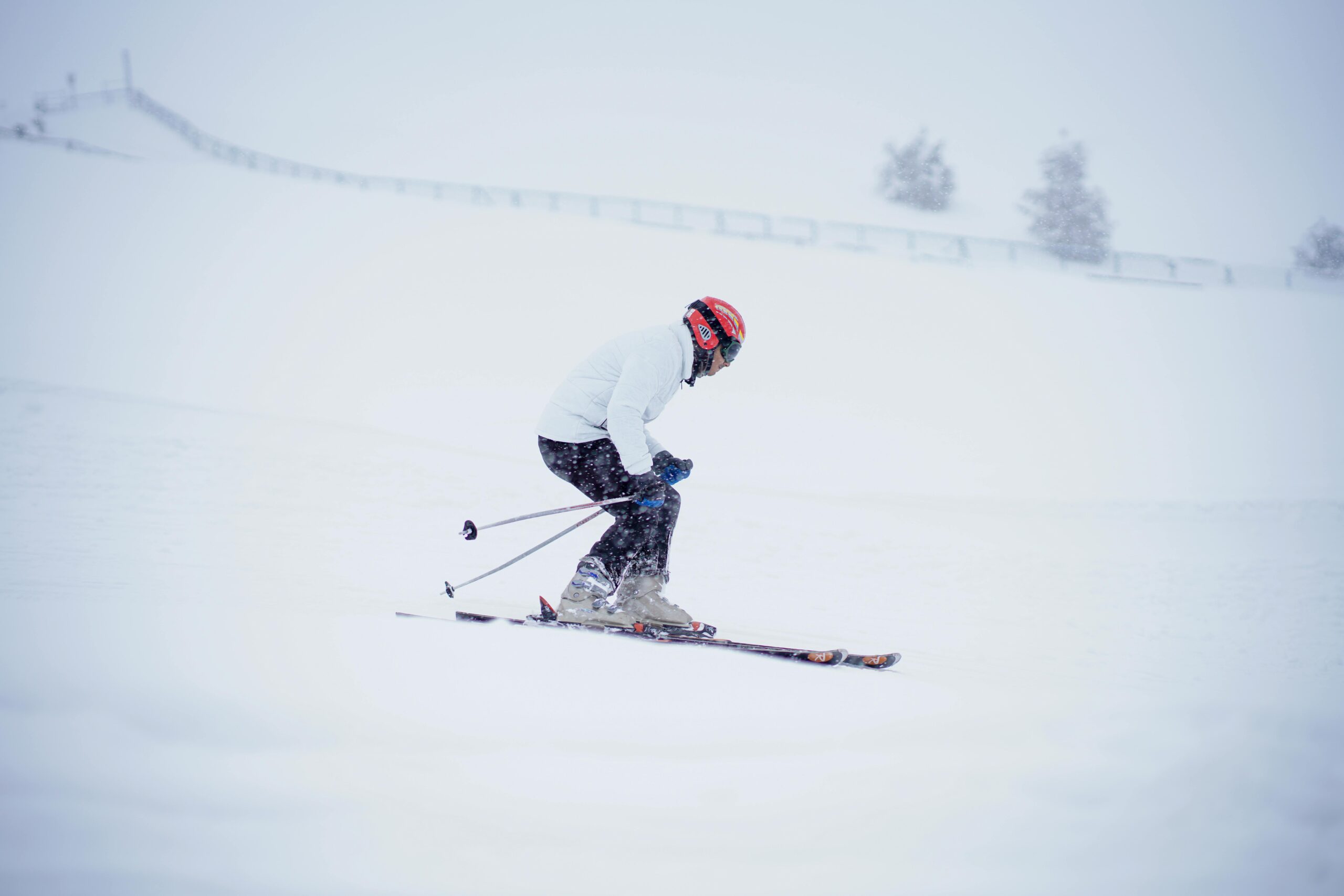
The other thing Gulmarg has is winter depth. Nothing in Kashmir matches it. From December to February, Apharwat Peak gets some of the best powder snow in Asia. Skiers come from across the world for it. If snow is what you want, this is where you go.
Best Time to Visit Gulmarg Kashmir
Every guide describes the seasons. None tell you which one to actually book. Here is the honest version. October is the sleeper pick, the monsoon clears, crowds drop, the air turns crisp and gold, and the Gondola queue runs short. March and April are the best snow months for non-skiers. The slopes stay white but the brutal cold of January has gone. You can walk in the snow without ski gear. The meadow photographs well. December to February is for people who came to ski or see a live snowfall. It gets genuinely cold. Phase 2 of the Gondola can close on bad weather days. The town fills up. Worth it if snow is your reason for coming.May and June bring the most visitors. Book your Gondola ticket at least 15 days in advance during these months. Offline queues at peak season kill an entire morning.
Gulmarg Gondola: What You Need to Know Before You Book
The locals say it plainly: “Gondola nahi ki, toh Gulmarg nahi dekha.” Ride it or you missed Gulmarg. The Gulmarg Gondola is a two-phase cable car run by the Jammu and Kashmir Cable Car Corporation (JKCCC). Phase 1 takes you from the Gulmarg meadow up to Kongdoori station in about 15 minutes. Pine forests drop away below. The meadow shrinks. Kongdoori sits at roughly 2,730 metres. Phase 2 goes further. It runs from Kongdoori to Apharwat Peak at 4,390 metres, that takes 20 minutes. On a clear day at the top you see Nanga Parbat. In winter, Apharwat is a ski area. In summer, it is cold and dramatic and worth it even if you have never skied.
Phase 1 is for everyone. Phase 2 is for people who want to stand at the top of something. In 2026, the standard ticket is Rs 800 for Phase 1 and Rs 1,000 for Phase 2. Per person. Tatkal tickets cost Rs 1,110 and Rs 1,310 respectively. Children under three ride free. That is not a soft recommendation, it is the only reliable route. The offline counter puts you in a queue that can run 30 to 45 minutes on busy days. Here is the booking process:
- Go to the official JKCCC portal: etickets.jammukashmircablecar.com. Bookmark this. Fake lookalike sites exist.
- Select Gulmarg Gondola, choose Phase 1, pick your date and time slot.
- Enter passenger details with a valid government ID number for each person.
- Complete payment and download the e-ticket with its QR code.
- For Phase 2, return to the portal and select Phase 2. Enter the same date and your Phase 1 transaction ID. This step is required. Phase 2 cannot be booked without it.
Save the e-ticket on your phone. Also carry a printed copy. Mobile data in Gulmarg is slow. Do not trust the network to load your ticket at the counter. The Gondola runs two time slots: Forenoon (9 AM to noon) and Afternoon (noon to 3:30 PM). Take the morning slot. Light is better, visibility is sharper, and weather on Apharwat is more reliable before 2 PM.
Things to Do in Gulmarg Beyond the Gondola
Gulmarg is not a place with a long list of things to do. Six or seven activities, and the right ones depend on your season. That is a feature. Know when you are coming and the list writes itself.
Activity | Best Season | Notes |
Gondola Phase 1 | Year-round | Morning slot always, book in advance |
Gondola Phase 2 | Oct–Jun | May close in heavy rain or wind |
Skiing and snowboarding | Dec–Mar | Apharwat Peak runs, lessons on-site |
Golf at Gulmarg Golf Club | Apr–Nov | 18-hole, par 72, world’s highest course |
Trek or pony ride to Khilanmarg | May–Sep | 5 km trek or pony, 45–60 minutes one way |
Alpather Lake trek | Jun–Sep | 13 km from Gulmarg, often frozen until late summer |
Snowshoeing | Jan–Mar | Rentals near the meadow |
The trek to Khilanmarg is underrated. Walk the 5 km trail yourself or take a pony. About Rs 500 to Rs 800 one way. The meadow at Khilanmarg sits higher than Gulmarg town. Unobstructed views of the Pir Panjal range. In summer it runs with wildflowers. In spring it still holds snow. Worth 45 minutes? Every time. Every guide lists Khilanmarg as a place to visit. None say how you actually get there. Now you do. Alpather Lake sits at 4,511 metres. It is often still frozen until late June. The route runs through dense forest past small streams. It is a serious trek. Budget four to five hours for the round trip. Proper shoes and a weather check before you go.
The ski scene on Apharwat is a different world. Runs start at the top of Phase 2. They range from beginner slopes to steep off-piste bowls. Ski rental and lessons are near Kongdoori. Sound like something only for serious skiers? It is not. If you are in Gulmarg in January and have never skied, try a beginner lesson. The slope is gentle. The setting makes it worth the attempt.
Planning a broader trip? Gulmarg pairs well with Pahalgam and Srinagar. See the full list of places to visit in Kashmir to build the rest of your route.

How to Reach Gulmarg
Fly to Srinagar. That is the answer for most trips. Srinagar Airport connects to Delhi, Mumbai, Bengaluru, Hyderabad, and most major cities. The flight takes 75 to 90 minutes from Delhi. After landing, the drive to gulmarg kashmir takes 1.5 to 2 hours.
The route goes: Srinagar to Magam to Tangmarg to Gulmarg. From Srinagar to Tangmarg the road is flat and fast. The last 14 km from Tangmarg up to Gulmarg is a winding mountain road. Sharp bends, real ascent. Well-maintained but snow-covered in December and January. Private cabs handle it fine. Two-wheelers should not attempt this stretch in winter.
A pre-booked private cab from Srinagar airport costs about Rs 2,500 to Rs 3,000 in 2026. Most practical option. Book before you land or arrange it at the airport exit.
For solo budget travel, the shared cab route exists. From Dal Gate in Srinagar, look for a service gaadi toward Batmaloo or Magam. That is the local term. Ask for a “shared cab” and you may get a blank look. Ask for service gaadi and they know. From Magam, another shared cab to Tangmarg. From Tangmarg, a third cab to Gulmarg. Three changes, unpredictable timing, limited luggage space. Costs far less than a private cab. Budget two to three hours.
By rail, the nearest usable station is Udhampur, about 250 km out. Most rail travellers arrive at Jammu Tawi, then take a cab to Srinagar, then proceed as above — and that leg is long. A flight is worth it unless you are doing a specific road trip. For a full breakdown of getting here from the capital, the Delhi to Kashmir guide covers every option.
How Many Days in Gulmarg and Sample Itinerary
One night in Gulmarg is a mistake most people make once. You arrive, walk the meadow, and sleep. Next morning the Gondola is your only plan. Phase 2 closes due to weather. You have no fallback. Two nights is the right call. One morning for the Gondola, both phases. One afternoon for the meadow or Khilanmarg. A second day for anything the weather disrupted, or a trek if the season is right. That is the version people remember fondly. Every time. Three nights is only for skiers who want multiple runs on Apharwat without rushing. Everyone else: two nights and move on.
Clean two-day structure:
- Day 1 afternoon: Arrive from Srinagar, check in, walk the main meadow, watch sunset from the hotel
- Day 1 evening: Dinner in town, buy any warm layers you need
- Day 2 morning: Gondola Phase 1 and Phase 2 (book the 9 AM slot)
- Day 2 afternoon: Pony ride or trek to Khilanmarg, or golf if summer
- Day 3 morning: Alpather Lake trek if season allows, ski lesson if winter, then depart for Srinagar or Pahalgam
Fitting Gulmarg into a longer Kashmir trip? The full Kashmir itinerary guide shows how to sequence it with Srinagar, Pahalgam, and Sonmarg without wasting days on the road.
Where to Stay in Gulmarg
Book early or pay extra and that is the Gulmarg hotel reality. Peak-season rooms run Rs 5,000 to Rs 12,000 per night in 2026. That covers December to February and again in May and June. Mid-range properties. Off-season the same rooms drop to Rs 1,500 to Rs 3,000. Book three to four weeks out in winter. Late bookings mean the worst views at the highest rates.
Gulmarg has two hotel zones. Meadow-level properties sit walkable to the market, Gondola base, and golf course. Hillside properties cost more and give direct slope views. In winter, the hillside view is worth the extra spend. In summer, meadow-level is fine and more practical.
Budget | Price Range Per Night (2026) | Example Property |
Budget | Rs 1,200–2,500 | Hotel Pine Palace (meadow area) |
Mid-range | Rs 3,000–7,000 | Hotel Highlands Park |
Luxury | Rs 30,000 and above | Khyber Himalayan Resort and Spa |
Most hotels in Kashmir Gulmarg include breakfast and check before booking. Some remove it in peak season without updating the listing price. For winter stays, confirm the property has in-room heating.
Practical Tips for Gulmarg
Six things worth knowing before you arrive:
- ATMs in Gulmarg are limited and often empty in peak season. Carry enough cash from Srinagar to cover the Gondola, pony rides, and two days of meals
- Jio and BSNL both work in Gulmarg town. Data is slow. Download your Gondola e-ticket, offline maps, and hotel confirmation before leaving Srinagar
- The Gondola drop-off point shifts in winter. Cabs park near the meadow market. A short walk takes you to the Gondola waiting hall. Ask your driver to confirm the drop point
- Layers beat a single heavy jacket every time. Mornings are cold. Summer afternoons in the meadow can be warm. Phase 2 is cold in every season. Not sure what to pack? The what to wear in Kashmir guide has a season-by-season breakdown
- Pony operators near the meadow are not fixed-price. Agree on the fare and the exact route before you mount. Rs 500 to Rs 800 one way to Khilanmarg is the normal range
- The market has a few good dhabas and Kashmiri food stalls. Try Rogan Josh and noon chai — skip the dosa and pasta. For more on what to eat across the valley, the Kashmir famous food guide is worth a read before you go.
Conclusion
Two decisions shape a Gulmarg trip. Which season you choose. Whether the Gondola is booked before you leave home. Get both right and the rest is easy. Get either wrong and the trip fights back.cCome in October for the best odds: short queues, sharp air, low crowds, clean light. Come in winter if snow is the whole point. Come in summer if you have kids who need open space.
Just do not arrive without your Gondola slot confirmed. That single miss is what separates a great Gulmarg Kashmir trip from a frustrating one.