1. Kashmir Tulip Festival
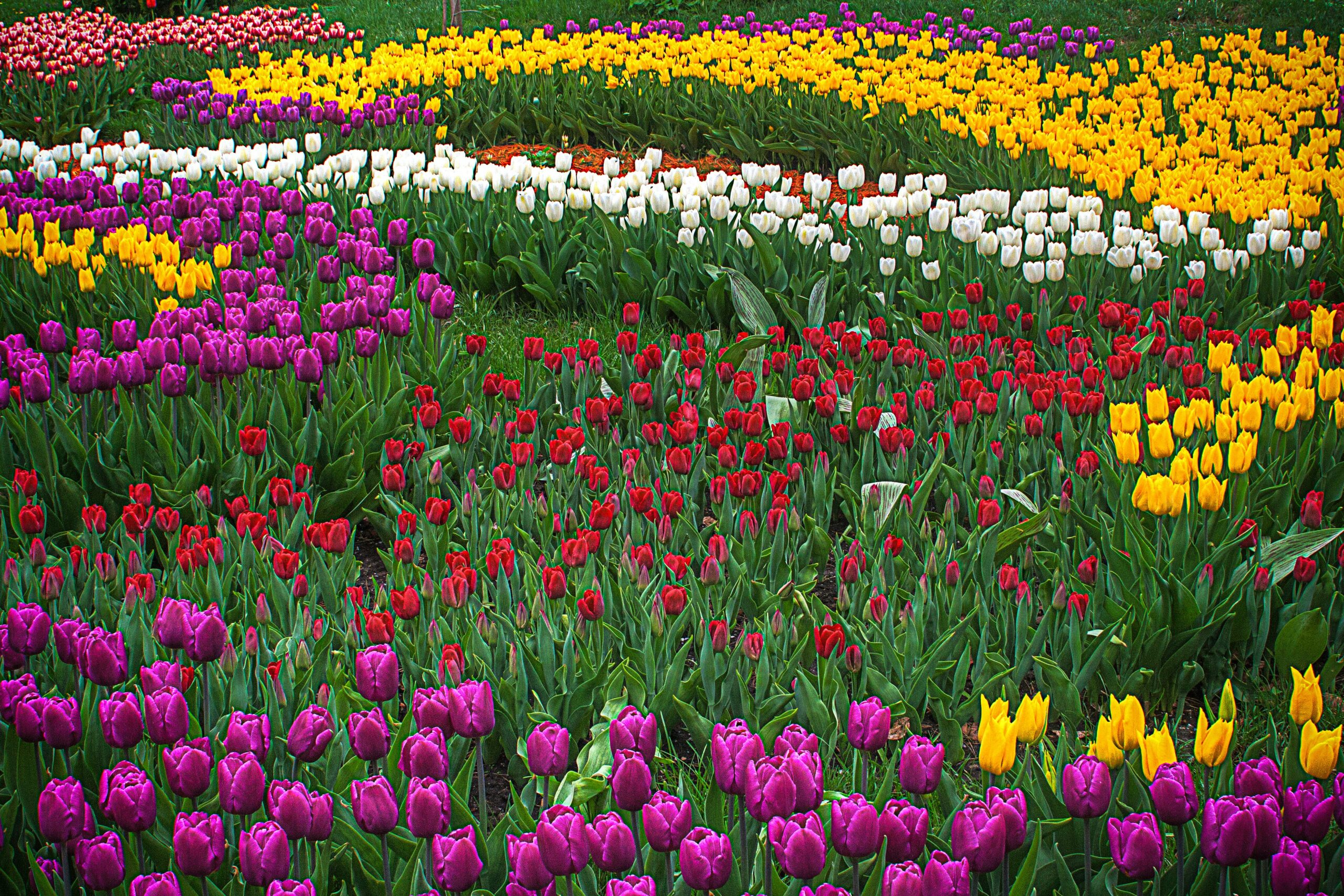
The first two weeks of April are not the same as the last two — that gap matters. The Indira Gandhi Memorial Tulip Garden in Srinagar holds over 1.5 million tulips across 50-plus varieties. But that wall of colour against the Zabarwan Range only exists in the first 10 days of April. That is when the early varieties peak together. Go in the final week and you get partial bloom and thinning rows. The garden looks like it is winding down. No Kashmir festival draws more first-time visitors. In 2026, the event is expected to run through most of April. Confirm the exact dates at the J&K Tourism website before you book.
Saturdays and Sundays bring school groups, tour buses, and long queues at the gate. A Tuesday morning visit at 8am is a different place entirely. You get the rows without the crowd noise. The Zabarwan hill behind the garden is sharp in morning light. Move your Tulip Festival day to a weekday morning.
2. Shikara Festival
Honestly, this is the easiest festival on this list. No religious context to understand, no dress code, no early morning logistics. You show up at Dal Lake in July or August. The festival is already on the water in front of you. The J&K Tourism Department started the Shikara Festival in 2016 to draw visitors to the lake. The decorated shikaras come out together. Boats are painted and built up. Then the races begin: Shikara Race, Dragon Boat Race, Canoe Polo. The crowd lines the ghats. It is organised chaos on a lake that looks good under any conditions.
Some people dismiss it because a tourism authority created it rather than centuries of tradition. But designed for visitors means easy to attend. Good viewing spots. An event that runs on time. Book a ghat-side hotel for that night.
3. Saffron Festival, Pampore
Walk into the saffron fields outside Pampore in late October. The colour hits you before the smell does. The fields turn a deep, flat purple. Against the brown-grey mountains behind them, that purple looks painted. This is not a festival with a stage or scheduled events. It is a harvest you are watching. Pampore sits about 13 km from Srinagar. Half an hour by road. The festival runs for about eight days in late October and early November, timed to the harvest peak. Fields belong to local families, many of whom have grown saffron here for generations. During the festival, stalls go up. Kahwa tea with saffron gets served. Cultural programmes run through the day.
Here is the detail no hotel tour desk will tell you. The picking happens at dawn — flowers open in the early morning and close by midday. Picking after that bruises the stigmas and drops quality. So if you want to see the actual harvest, leave Srinagar before 6am. The fields at dawn. Purple rows. Farmers bent over the ground in silence. That is the version worth attending. Kashmir in October is one of the best months to be in the Valley, and the Saffron Festival is a big part of why.
4. Herath: Not the Same as Mahashivratri
Herath is not Mahashivratri. Worth saying clearly, because most guides treat them as the same celebration in different places but they are not. Kashmiri Pandits celebrate Herath on Shukla Paksha Chaturdashi of Maagh. That falls one day before the mainland Mahashivratri date. The rituals differ too, families prepare specific dishes. The most distinct part is the floating of earthen lamps on water bodies after dark. In February in Srinagar, this is a cold, still ritual. Lamps move slowly across a dark lake surface. It looks nothing like the noise and colour of a mainland Shivratri.
Why does this matter for a visitor? Because Herath is a community event with real emotional weight. Many Kashmiri Pandit families return to the Valley specifically for this. They come from Delhi, Mumbai, and Jammu. The community has lived through decades of displacement. The gathering for Herath is quiet, private, and deeply felt. You will not find a public stage or a managed tourist event. What you will find, if you are in Srinagar in February, is the lamp-floating. Respectful presence is welcome, keep it at that.
5. Navroz: Not What You Are Expecting
The Iranian version of Persian New Year is loud and public. Street parades, fireworks, big crowds. Navroz in Kashmir is none of that. Domestic, neighbourhood-level. That is not a downside but just different. Navroz is the Shia Muslim New Year, celebrated in late March. In Srinagar, the centre of activity is the Zadibal neighbourhood and other Shia-majority areas of the city. Families clean homes, wear new clothes, prepare sweets and dried fruit, and visit each other. The bazaars in these areas fill up in the days before. Local sweet shops, dry fruit stalls, and clothing stores do strong business.
There is no organised tourist event. If you want to experience Navroz in Kashmir, walk the Zadibal bazaars on the morning of the festival. The energy is neighbourhood-level: unhurried, warm, people stopping to greet each other on the street. Look for sheer chai, the pink salty tea specific to Kashmir, alongside the festival sweets. Not a spectacle, but a genuinely good morning in Srinagar. If you’re curious about what else to eat while you’re here, the guide to Kashmir’s famous food is worth a read before you go
6. Eid ul-Fitr at Hazratbal
The Hazratbal Shrine sits on the western shore of Dal Lake. On Eid morning, the road leading to it fills from 4am. By prayer time, the congregation spills past the shrine gates onto the lake road itself. This is what makes Eid in Srinagar different from Eid anywhere else in India. The Hazratbal Shrine holds the Moi-e-Muqqadas, a relic believed to be a hair of the Prophet. Prayers here draw one of the largest congregations in South Asia. Families arrive in phirans and embroidered shawls. The call to prayer carries across the lake. After prayers, Lal Chowk fills up. Men in kurtas, women in groups, families walking to each other’s homes for wazwan.
Wazwan is not street food. It is a formal feast, laid out and shared by families. You will not be invited unless you know someone local. But the post-prayer street energy in Srinagar’s old quarters is fully public. The markets close. The streets belong to the people. The city runs on a rhythm that only happens on Eid morning. Go early and dress modestly
7. Amarnath Yatra: Skip the Trek, Not the Experience
You do not need to trek to experience the Amarnath Yatra. Most guides assume you do. That assumption cuts off a spectacular experience for every non-pilgrim in Kashmir during July and August. The Amarnath Yatra treks to a high-altitude cave where an ice lingam forms each summer. Registering, getting medical clearance, and doing the walk is the full pilgrimage. That is not what this section is about. This is about what you witness from the Nunwan base camp near Pahalgam. No registration, no trekking. Just get there before 5am.
On departure days, the base camp fills with thousands of pilgrims. Many are in saffron robes. Some carry tridents. The chanting is audible from half a kilometre away. Sadhus sit on cold ground with ash-covered skin. Middle-aged office workers from Delhi stand in brand-new trekking shoes looking quietly terrified. The 2026 Amarnath Yatra dates are set by the Shri Amarnathji Shrine Board each year. Check their official calendar. Plan a Pahalgam base camp morning around it. The base camp on a departure day is unlike anything else in Pahalgam. Nothing in the usual tourist circuit comes close. The road to the base camp passes through Chandanwari — worth a stop if you have time on the way back.
8. Kheer Bhawani: The Sacred Spring Festival
Stand inside the chinar grove at Tulmul village in Ganderbal. Look at the spring in the middle of the temple complex. The water is clear on a normal day, during Kheer Bhawani in late May or early June, Kashmiri Pandits come from across India. They offer kheer to the goddess Ragnya Devi. The spring is believed to change colour before bad events. That belief sits at the heart of the community. The gathering here is not just religious. It is something else. Most of the families at Kheer Bhawani do not live in Kashmir anymore. They come from Delhi, Mumbai, Pune, and Jammu. Some have not been back to the Valley in years. This festival brings them back. The emotional register of the day reflects that. Sometimes moving, not a colourful public event.
As a visitor, you can attend. The temple at Tulmul is open. Ganderbal is about 25 km from Srinagar. The day has no entry restrictions, but the context matters. This is not a photography stop. It is a community reclaiming something.
9. Badamwari Spring Blossom Festival
Badamwari Spring Blossom Festival marks the real start of spring in Kashmir. Almond trees bloom first. Pink and white flowers take over the garden in days. Locals wait for this. Families walk in early morning light, when the petals still look fresh and the air stays crisp. By noon, it gets busy. Very busy. That early slot matters. The garden sits at the foothills of Hari Parbat. Old stone paths, small water channels, and wide lawns give it a calm feel. Then the crowds arrive. Stalls pop up near the entrance.
You’ll find kahwa, street snacks, and small crafts. Nothing fancy. Want photos without people in the frame? Go before 9am. That’s the window. Evenings bring a softer mood. Lights turn on, families sit longer, kids run around. The bloom lasts about two weeks. Miss that, and it’s gone — timing matters here. If the blossoms are what brought you to Kashmir in March or April, the cherry blossom season follows shortly after and is worth planning around too.

10. Gurez Festival
Gurez Valley is raw, remote, and nothing like city events. The Gurez Festival happens close to the Line of Control. The setting alone stands out. The drive itself feels like a test. You cross Razdan Pass, and the landscape changes fast. Pine forests fade. Wide valleys open up. It hits you. This festival focuses on local life. Dard-Shina culture, folk music, and simple food take center stage. No overdone staging. Just people showing what they’ve kept alive for years. You’ll see traditional dances, hear old songs, and watch locals in their daily rhythm. It feels close. Food is basic but filling. Rice, meat, local herbs. Nothing fancy but still good. Why go all the way here? Because it doesn’t feel built for tourists and that’s the draw.
Stay options are limited. Plan ahead. Weather can flip in hours. Clear skies one moment, cold winds the next. The road closes in winter. So timing matters. Go in summer. That’s the safe call.
How to Plan Your Trip Around the Festivals of Kashmir
Here is the seasonal planner:
- Spring (late March to mid-April): Tulip Festival, Srinagar. Half-day from any city hotel.
- Summer (July to August): Shikara Festival on Dal Lake. Amarnath Yatra base camp at Pahalgam. Both are reachable from Srinagar.
- Autumn (October to November): Saffron Festival, Pampore. 13 km from Srinagar. Half-day trip.
- Winter (February to March): Herath in Srinagar. Losar in Leh, which needs a separate Ladakh trip.
Not sure how many days to block out? The guide on how many days are required for a Kashmir trip helps you map the right window against whichever festival season you’re targeting.
Conclusion
Pick your season first. The festivals of Kashmir are spread across the full year. Most visitors only have one window. Lock that in, then build the trip around what is happening in those weeks. Spring gives you the Tulip Festival, the best weather, and Srinagar at its best. Summer gives you the Shikara Festival and the Amarnath Yatra base camp experience. Autumn and winter are quieter, more local, and more memorable for it. Whatever you choose, go for the festival, not just the scenery. Kashmir has enough of both.