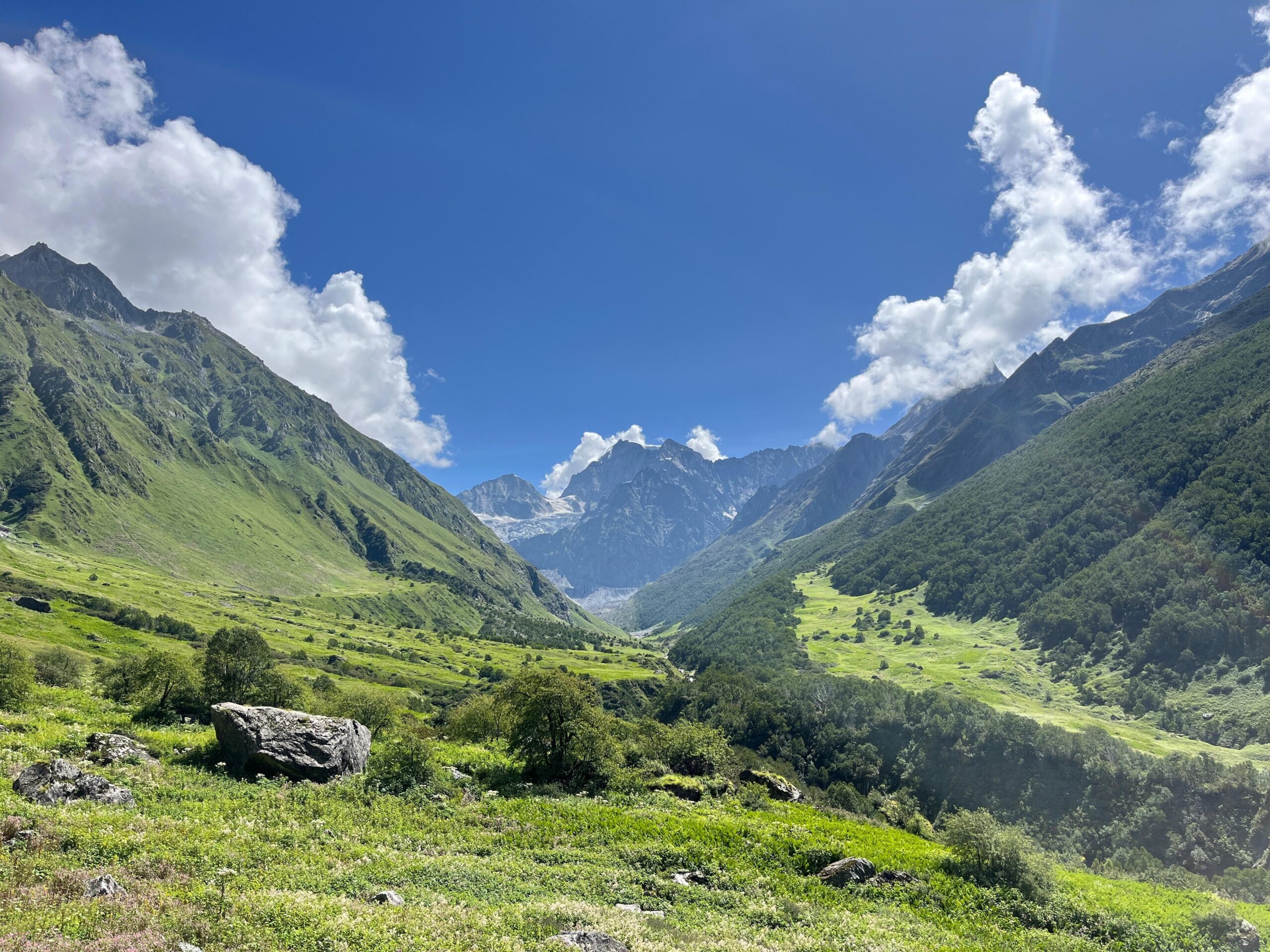
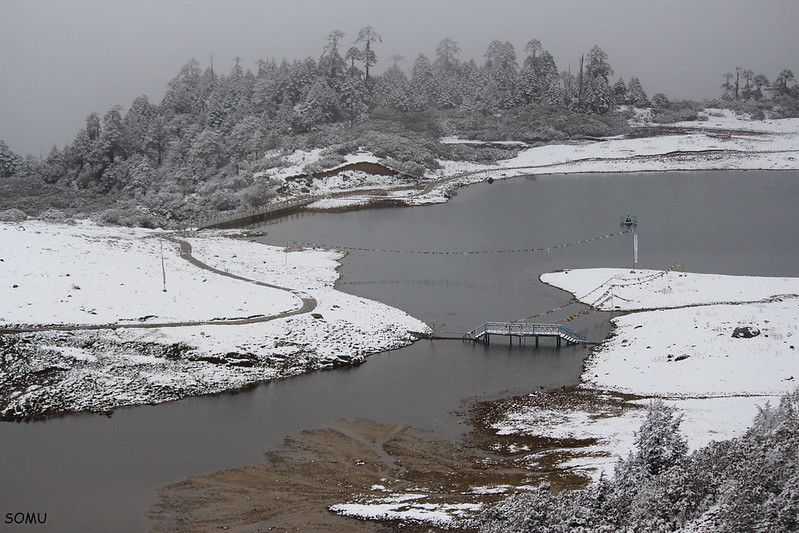
Kashmir’s wildlife sanctuaries offer something no central Indian park does. Himalayan endemic species at high altitude. Low visitor numbers, terrain that most wildlife tours in India never reach. This is not Ranthambore with a different backdrop. Not even close. The Hangul stag, the snow leopard, the Himalayan brown bear. These animals live in a part of the world that is genuinely hard to access. That’s what makes it worth the effort.
In 2026, Kashmir’s protected areas remain open to visitors from across India. The wildlife sanctuaries in Kashmir that require permits are Dachigam and parts of Kishtwar. Dachigam requires an online permit booked in advance.
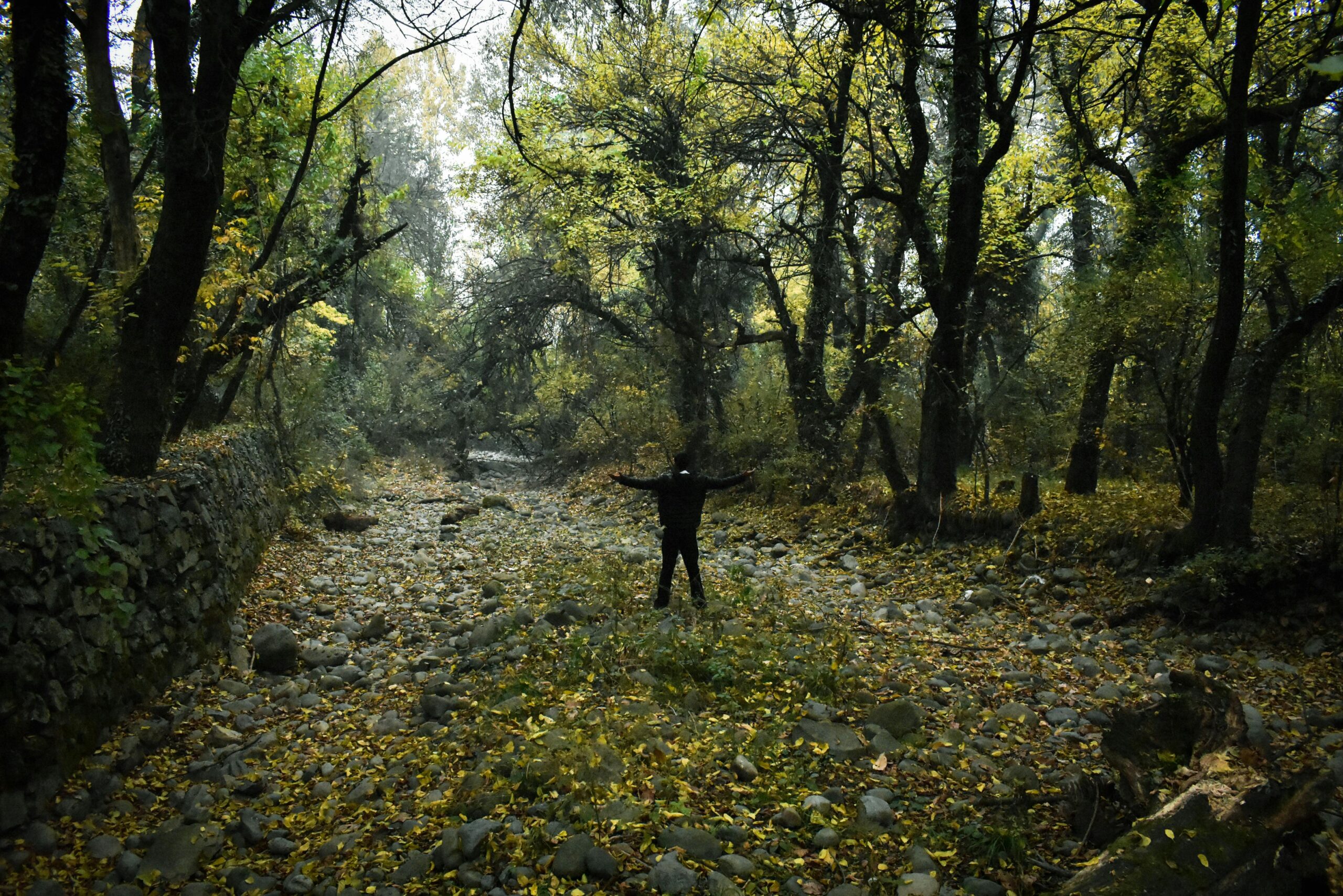
1: Dachigam National Park: The Last Home of the Hangul
Most visitors treat Dachigam like a half-day stop on a Srinagar itinerary but it is not that. Lower Dachigam is possible in four to five hours on foot. Upper Dachigam is a full-day trek, minimum, and requires separate permits. The two sections are not the same place. Know which one you’re visiting before you book. The permit is online, not at the gate. The J&K Wildlife Department portal handles bookings. Groups cap at 15 persons per booking. Upload one ID for the group, pay Rs. 100 per person (Indian nationals, 2026 official rate), and arrive between 10am and 5pm. Simple process. Private vehicles are banned inside. You go on foot, or hire a golf cart at the gate for the lower section. Most Hangul sightings happen near the Dagwan River in the lower park. Early morning, October to February. That is the formula. Summer visits are possible but sightings are far less reliable. This is a Jammu and Kashmir national park where the wildlife runs on its own clock. Yours needs to match.
Upper Dachigam is not for the casual visitor. Elevation climbs to 4,200 metres. Leopard and brown bear territory. The Sangargulu Valley, sometimes called a valley of flowers, opens between May and August for trekkers. You need a special permit for the upper section and at least one guide. If Hangul is the goal, stay lower, go in winter, go early.
Quick visit info:
- Entry fee: Rs. 100 per person (Indians), Rs. 500 (foreigners)
- Timings: 10am to 5pm daily
- Permit: Book online at the J&K Wildlife Department portal before visiting
- Getting there: 22 km from Srinagar, near Harwan; hire a cab from Dal Lake area
- What to carry: Water, snacks (no stalls inside), layered clothing, walking shoes
2. Gulmarg Wildlife Sanctuary: More Than the Gondola
The gondola is not a wildlife sanctuary. The cable car, the ski slopes, the cafes near the meadow — that is the tourist zone. The Gulmarg gondola and the Gulmarg Wildlife Sanctuary are two different experiences. The sanctuary covers 180 sq km. It wraps around that resort core and runs into forest and sub-alpine terrain and most visitors never enter.
Musk deer, Himalayan grey langur, Asiatic black bear, leopard, snow leopard, and red fox all live here. In the same 180 sq km of protected forest. The langurs are the easiest to spot. Look for them on the south-facing forest edge at dawn. Before the gondola queue forms. That is the window. The musk deer move at dawn and dusk near the treeline on the Khilanmarg side. Go in April to June, when the snow retreats and mammals are active at lower elevations. March to June also gives you active birdlife. The Himalayan monal pheasant is common here. Hard to miss once you leave the main tourist path.
The best window for wildlife is early morning in spring and autumn. Winter brings the skiing crowd and drowns out the wildlife entirely. If wildlife is the goal, visit in April or October. Start at 6am. Walk the forest fringe, not the open meadow. That distinction is the entire difference between a wildlife visit and a tourist visit to the same place.
3. Hokersar Wildlife Sanctuary: Kashmir’s Wetland for Birders
Hokersar is a wetland reserve 10 km from Srinagar. From October to January, it holds the most concentrated migratory bird activity in the Kashmir Valley. The white-eyed pochard, globally vulnerable, winters here. So do greylag geese, common teal, northern pintail, and gadwall, arriving from Siberia, Central Asia, and northern China.
The wetland has three zones. The northeastern section sees the densest waterfowl numbers. The central basin is dominated by Phragmites reed beds and open water. The southern zone is silted and acts more as a pastureland. Most day visitors walk the main path and see the open water. Stay through sunset near the northeastern edge. Waterfowl return to roost in the reed beds then. The trip you get is different entirely.
Species to target by timing:
- October to November: White-eyed pochard, common shelduck, tufted duck
- November to January: Large egret, crested grebe, little cormorant, greylag goose
- February to March: Waterfowl numbers thin; resident species like grey heron stay year-round
Peak bird numbers sit at around 68 waterfowl species during peak winter. Hokersar is a quick visit from Srinagar. About 30 minutes by road. It works as a morning add-on, but plan to arrive before 8am for the best activity.
4. Hirpora Wildlife Sanctuary: Dense Forest, Fewer Crowds
Hirpora is 341 sq km of kail pine forest in the Shopian district and almost no one visits. That is the point. Located 70 km south of Srinagar, Hirpora sits at a higher elevation than Dachigam. The forest here is denser, steeper, and quieter. No permit queue. No golf cart, no tour groups. Just a quiet forest. Wildlife includes Himalayan brown bear, Himalayan black bear, Tibetan wolf, musk deer, and leopard. Over 130 bird species have been recorded, including the Himalayan monal and white-capped redstart. October to March is the window, Mammals move to lower elevations then. Sightings become more realistic. The coniferous cover gives the place a look unlike Dachigam’s more open terrain. Darker, tighter, colder in the shade.
Experienced trekkers rate Hirpora for solitude. Done Dachigam already? Want a forest walk with no crowds, no organised trail? This is the next place. It also pairs well if you’re exploring the offbeat places in Kashmir beyond the standard circuit.
5. Overa Aru Wildlife Sanctuary: Seven Endangered Species in One Place
Seven globally threatened species share this one protected area. That number is not common anywhere in India. Markhor, snow leopard, Himalayan brown bear, leopard, musk deer, Asiatic black bear, Himalayan ibex all of them. In one protected area in the Anantnag district, near the Lidder River valley.
Most people skip this sanctuary because it lacks a famous single draw. That is a gap in the marketing, not in the ecology. Dachigam has Hangul. Hemis has the snow leopard density. Overa Aru has everything at once, but no single headline. The trekking routes here run along the Lidder valley and into alpine meadow terrain. They are open April through October. These are not maintained tourist trails. They are genuine wilderness paths. Go with a local guide who knows the Pahalgam to Overa Aru route. It is worth the planning.
Access from Pahalgam takes about 2 to 3 hours by road. The sanctuary sits close to Aru Valley, and combining both in the same trip makes practical sense. The best season for wildlife photography is May to September. Upper meadows are open. Animal movement is high. Plan at least one full day here, not a quick visit.
6. Kazinag National Park: The One Most Guides Skip
Kazinag gets left off most lists and that is a mistake. This national park covers 495 sq km near Baramulla in the northwest of the Kashmir Valley. It holds Himalayan brown bear, snow leopard, markhor, musk deer, and Eurasian otter. The otter presence alone sets it apart. Riparian habitat at this altitude is rare. Most visitors focused on mountain species walk past the river entirely. Guide services at Kazinag are less organised than at Dachigam or Hokersar. That cuts both ways: fewer structured tours, but lower crowds. A wildlife photographer with a trusted local contact can get results here. A Dachigam day trip cannot match them.
Sounds like more planning than it’s worth? Only if you compare it to a city-hotel add-on. Build your Kashmir trip around wildlife, not the other way around. Then Kazinag is the park to research first.
7. Kishtwar High Altitude National Park: Snow Leopard Country
The best time to see snow leopards in Kishtwar is also the hardest time to get there. In February and March, blue sheep descend to lower elevations. The cats follow — that is the window. But Kishtwar town roads close after heavy snowfall and access stops with no workarounds. The park is often inaccessible without a guide who knows the winter terrain.
The park spans 400 sq km in the Chenab Valley at elevations between 1,700 and 4,800 metres. It is the largest wildlife sanctuary in Jammu and Kashmir by altitude range, if not by total area. That range creates habitat for animals that need the sub-alpine to snowfield transition. Himalayan brown bear, markhor, hangul, snow leopard. June to September is the easier window. Roads open, trekking routes accessible, wildlife at altitude. But snow leopards are harder to find then. The serious cat-spotter goes in February or March, accepts the access challenge, and plans extra days.
8. Tral Wildlife Sanctuary: Hangul Outside Dachigam
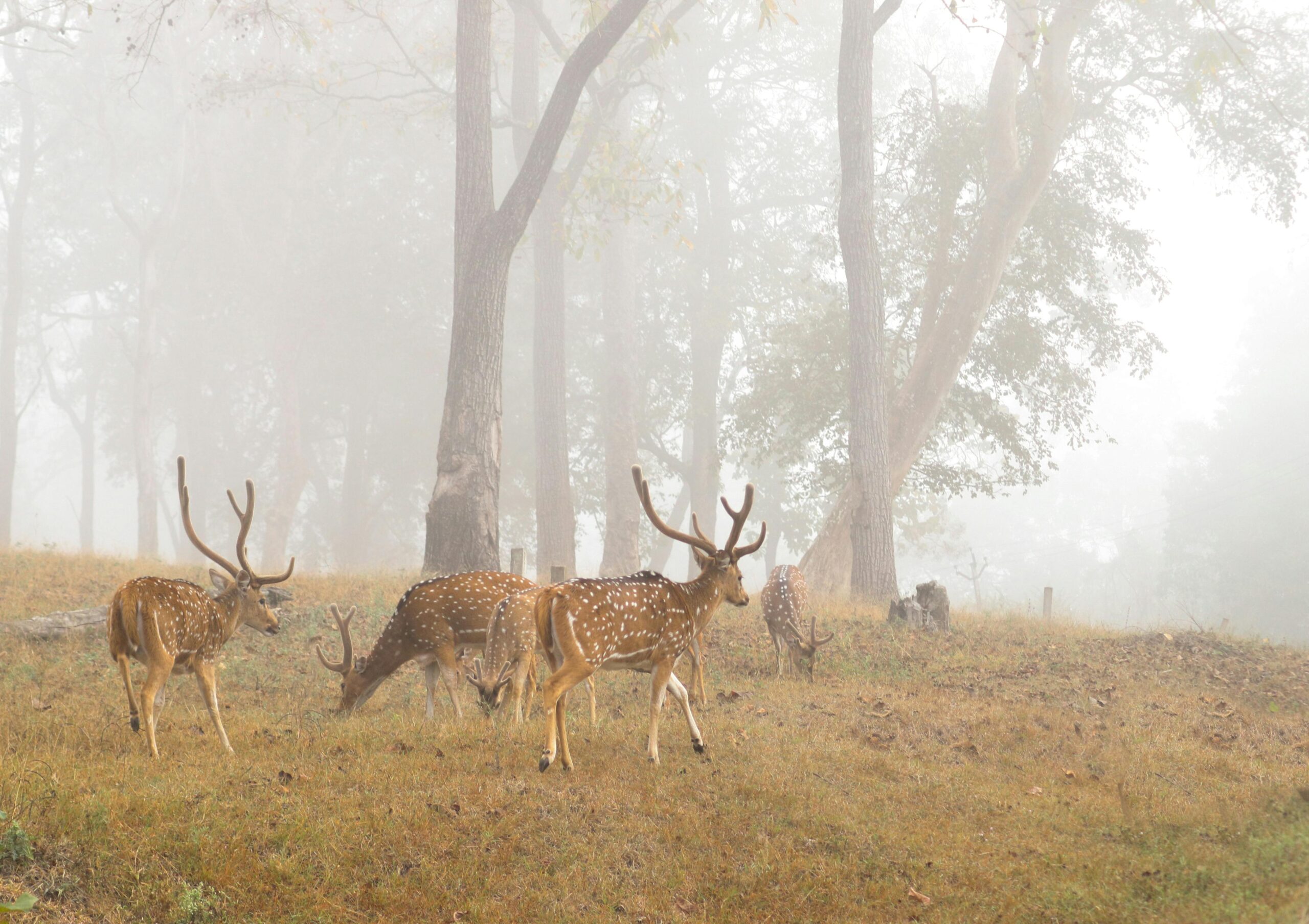
Yes, Tral is worth visiting. Done Dachigam already? This gives you another shot at the Hangul. Different forest, different feel. Tral covers 108 sq km in Pulwama district. Smaller than Dachigam. Less visited, with a lower-key entry process. The Hangul habitat here is secondary to Dachigam’s. But sightings happen. Worth trying. Himalayan black bear and serow are also present. The landscape is a dense mixed forest. Less open than Lower Dachigam. Sightings need more patience. More walking too. There is no organised tourist system at Tral the way there is at Dachigam. Before planning a visit here, check with the J&K Wildlife Protection office in Srinagar. Permit rules change seasonally.
Best time: October to February. Same logic as Dachigam. The Hangul moves lower in cold months. Sightings improve.
9. Lachipora Wildlife Sanctuary: Quiet Forests Near Kupwara
Lachipora does not have a famous animal. The sanctuary sits near Kupwara in the far north of the Kashmir Valley, close to the Lolab Valley. The forest cover here is dense, mainly silver fir, spruce, and mixed conifers. Wildlife includes musk deer, Himalayan black bear, red fox, and several pheasant species including the monal. There are no permit queues and no organised tour groups. It works well as a half-day forest walk. Go if you are already traveling north toward Kupwara or Gurez. The drive from Srinagar takes about two hours. Go in May or June when the forest floor is open and bird activity is high. Autumn is good too — October especially. Musk deer move low near the trail edges then.
10. Gulmarg to Dachigam: Which Wildlife Sanctuary Should You Visit?
Asking which sanctuary is best misses the point. The right sanctuary depends on what you want to see and how much time you have. Here is a direct answer for each type of visitor.
No two sanctuaries on this list serve the same purpose. Dachigam is the Hangul sanctuary. Hokersar is the birder’s wetland. Overa Aru is for wildlife photographers willing to trek. Kazinag is for people building a serious wildlife itinerary. Kishtwar is for snow leopard chasers who plan months in advance.
Match yourself to the right sanctuary:
- You want to see Hangul: Go to Dachigam. Visit Lower Dachigam in winter (October–February). Go early in the morning. Book the permit online a day or two before.
- You are a serious birder: Go to Hokersar between October and January. Arrive before 8am.
- You want a forest trek with minimal crowds: Go to Hirpora or Overa Aru. Both require transport from Srinagar and at least one full day.
- You have one day from Srinagar: Dachigam (Lower) or Hokersar. Both are under 30 km from the city.
- You want rare mammal photography: Overa Aru or Kazinag. Budget two days minimum for either.
- You want snow leopard sightings: Kishtwar in February-March, or plan a dedicated Hemis trip to Ladakh.
Practical Guide: Permits, Timing, and What to Carry
Book the Dachigam permit before you plan anything else. The online portal fills up on weekends and holidays. Book early. Groups are capped at 15. One ID upload covers the group. The 2026 entry fee for Indian visitors at Dachigam is Rs. 100 per person. Foreigners pay Rs. 500. For still camera use: Rs. 500 per camera for Indians, Rs. 1,000 for foreigners.
For the other parks on this list (Hokersar, Hirpora, Kazinag, Lachipora), access is walk-in during daylight hours. Check the J&K Wildlife Protection office for current rules before you travel. Tral and Kishtwar have seasonal restrictions. Kishtwar’s forest rest houses must be booked through the wildlife department in advance and always carry your physical ID.
Best overall timing for wildlife visits across Kashmir: October to February. This is when mammals move lower. When birds peak at Hokersar. Hangul sightings at Dachigam are most reliable. Summer visits (May to August) suit trekking-focused trips to Overa Aru and Kishtwar, but mammal sightings are harder. Not sure which season fits your schedule? The best time to visit Kashmir guide breaks it down clearly by month and travel type.
What to carry for any Kashmir sanctuary visit:
- Layered clothing (even summer mornings are cold at 1,700m+)
- Water and snacks (no stalls inside most parks)
- Binoculars (essential for birding at Hokersar, useful everywhere)
- Walking shoes with grip, not sandals
- Physical ID copy
- Downloaded offline maps (mobile signal is patchy in most sanctuaries)
Conclusion
Kashmir’s wildlife sanctuaries are underrated by a wide margin. Footfall is a fraction of Ranthambore or Corbett. The species list includes animals found nowhere else in the subcontinent. The terrain here spans alpine meadows, glacial valleys, and Himalayan river forest. No other Indian wildlife destination matches that backdrop. And if you’re still building out the rest of your trip around these sanctuaries, the things to do in Kashmir guide covers what pairs well beyond wildlife.