Top 10 Offbeat Places in Kashmir for 2026
1. Gurez Valley — North Kashmir’s Best-Kept Secret
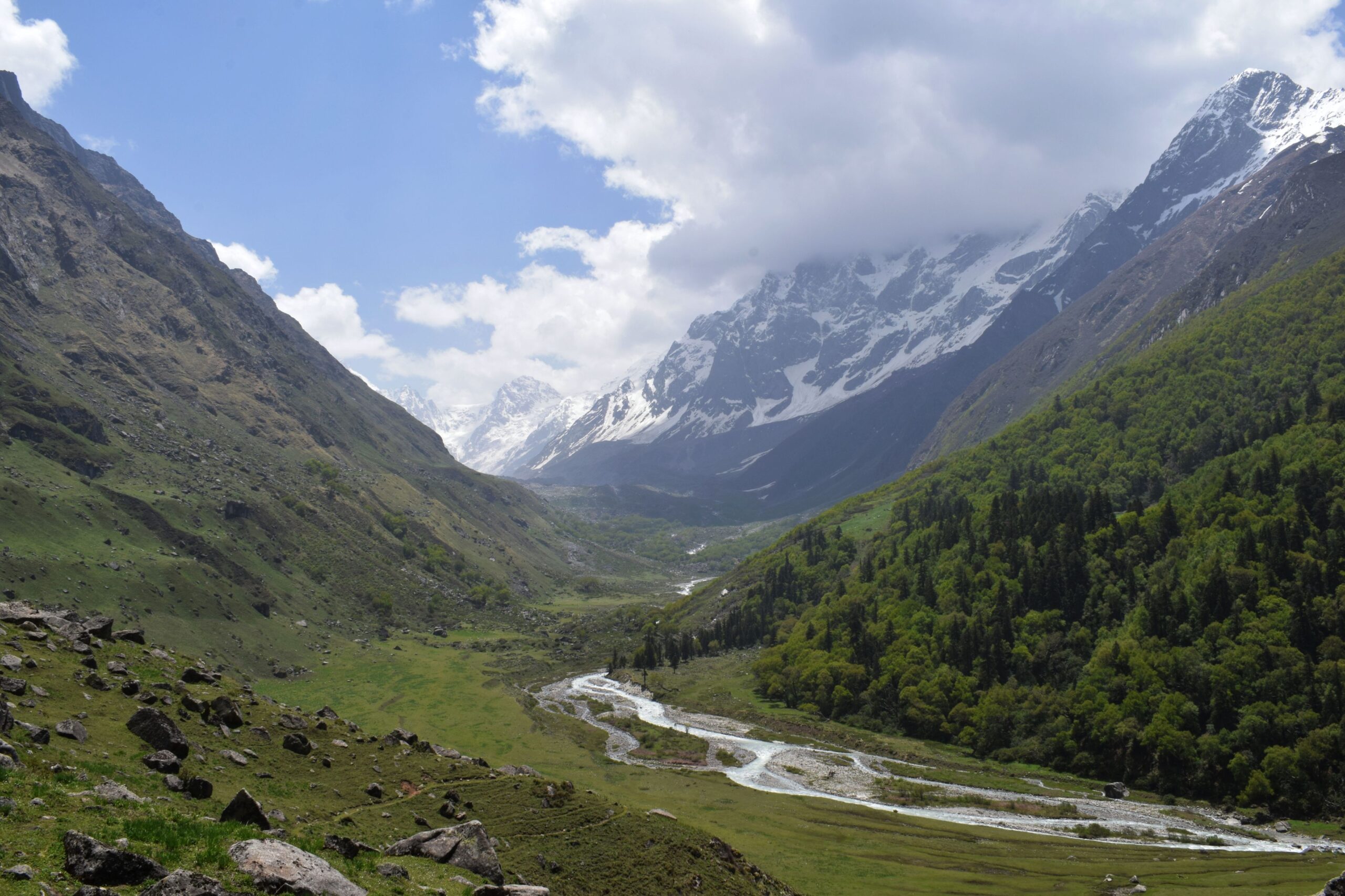
Gurez Valley feels like another country. The log houses are specific to this region. The language on every sign is Shina, not Kashmiri. The Kishanganga River cuts through a wide flat floor below snow peaks. None of it looks like Kashmir in any travel brochure. Gurez is 123 km from Srinagar via Bandipora. Razdan Pass at 11,672 feet is the only road in. On a clear day from the pass, you see Harmukh Peak. In bad weather, the pass shuts. Plan around that.
The people here are the Dard-Shina community, their wooden homes and local dress are specific to this valley. So is the oral folk tradition of the poetess Habba Khatoon. Gurez won the Outlook Traveller award for Best Offbeat Destination in India in 2022. Almost no one outside the trekking world knows that. Dawar is the main township. JKTDC runs a guesthouse there. Book it before leaving Srinagar. Not on arrival.
The army presence in Gurez is heavy. Certain inner areas need written permission from army posts. For most of the main area, your Aadhaar card is enough at checkpoints. But the process takes time. Do not plan a rushed single-day trip. Two nights is the minimum to see the place properly. That includes the Tulail Valley extension and the viewpoint at Khandiyal Top. Razdan Pass typically opens in late April. It closes again by mid-November. Verify the 2026 dates before booking.
2. Bangus Valley — The Meadow Few Indians Have Seen
Bangus is not a casual day out. know that first. The valley sits in Kupwara district in North Kashmir. It was a military zone until a few years ago. That is why almost no civilians have been there. You will find almost nothing written about it beyond “vast alpine meadows.” Civilians can visit now, but with conditions.
Bangus divides into two sections. Chhoti Bangus is the smaller part, a dry-day vehicle can reach it. Badi Bangus is the larger section, it needs a walk of 1 to 2 km from where vehicles stop. Most guides calling Bangus a “drive-in destination” are describing Chhoti Bangus only.
For Indian nationals, visiting Bangus Valley requires a permit. It comes from the district magistrate’s office in Kupwara. Or you can work through a Srinagar-based tour operator who handles the paperwork. Plan for two to three days of lead time before your trip. A 4WD vehicle is essential. Standard cars reach the base. Beyond that, the track is rough.
- Permit: Get it sorted before leaving Srinagar
- ID: Carry Aadhaar card and one copy
- Vehicle: 4WD from Kupwara side only
- Stay: Camp overnight at the site to get more than a few hours
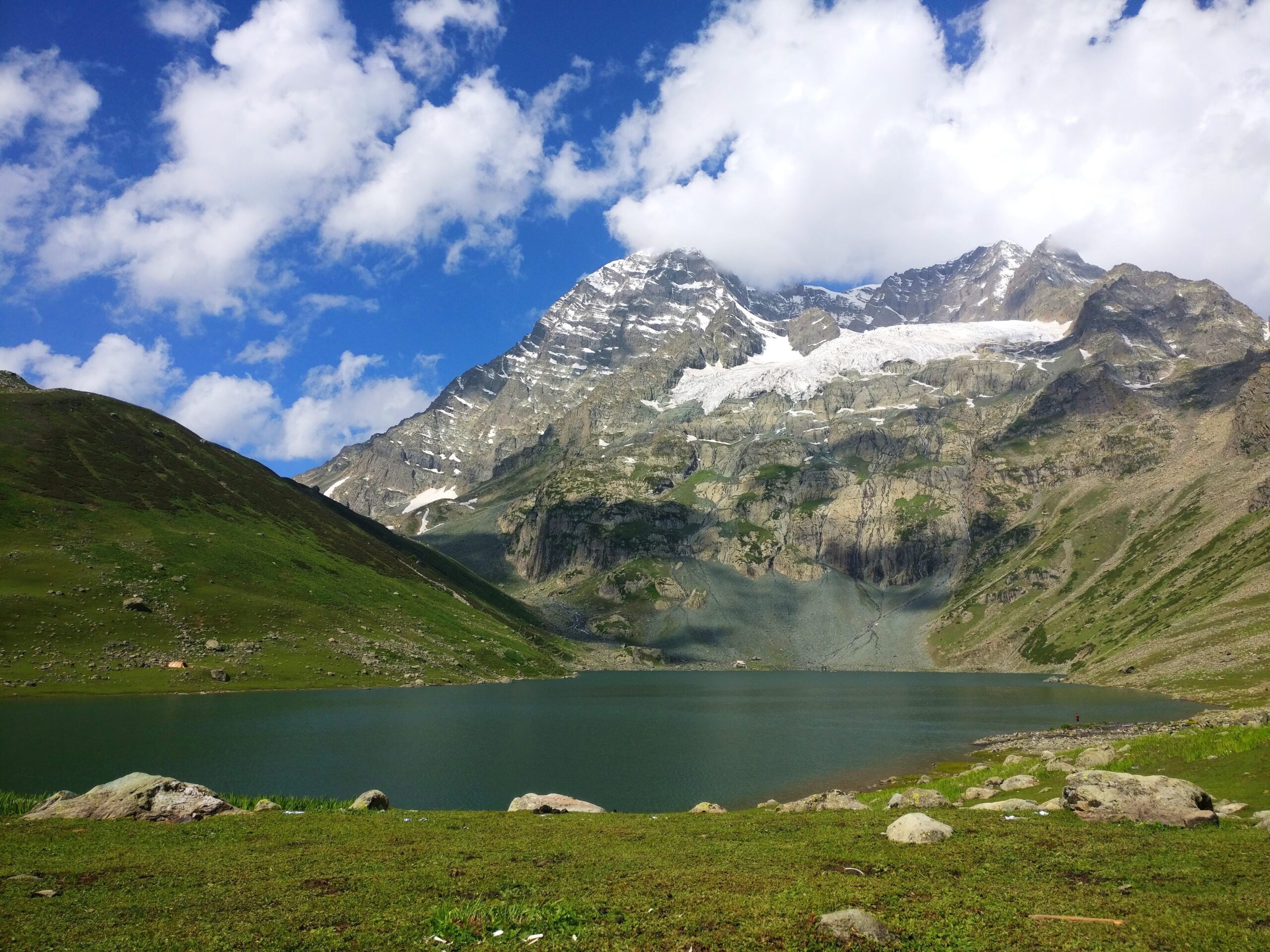
Bangus is the largest high-altitude grassland in the Kashmir Valley. In July and August, the grass is deep green. The surrounding peaks still carry snow. Shepherd camps sit at the far edge of Badi Bangus. Sit near one long enough and someone will offer you tea.
3. Lolab Valley — The Fruit Bowl Nobody Talks About
Lolab looks nothing like what most people picture when they think of dramatic Kashmir landscapes. No mountain passes, no peaks looming overhead, no checkpoints. It’s softer than that. The landscape in Lolab runs to apple orchards and walnut groves, rice paddies and quiet village lanes. Kupwara district. About 120 km from Srinagar. Lolab changes character completely between seasons.
Visit in July and you get green grasslands and cool air. Visit in October and the valley turns gold and amber with the harvest. The locals call it the fruit bowl of Jammu and Kashmir. In autumn you understand why. Crates of apples line the roads. Walnut shells crunch underfoot on village paths. That version of Lolab Valley does not appear in any travel article.
The terrain combines three sub-valleys: Potnai, Brunai, and Kalaroos. The Kalaroos section has ancient caves carved into the hillside. Buddhist monks used them for meditation centuries ago. The walk to the caves is about 1 km and easy grade. Completely uncrowded. JKTDC runs accommodation at Chandigam in the Lolab Valley. That’s the best base for a night stay. Srinagar to Lolab is about three and a half hours by road. No special vehicle needed.

4. Doodhpathri — The Valley of Milk, 42 km from Srinagar
Yes, you can do Doodhpathri as a day trip from Srinagar. That is the short answer and the most useful fact about this place. It sits about 42 km from Srinagar in Budgam district. Standard car, paved road, no complications. The name means “valley of milk.” The river that runs through the valley floor foams white. When you see it from the roadside, the name makes sense immediately.
The open ground here is wide and calm. No gondola, no ski resort, no vendor rows selling synthetic Kashmiri shawls. In spring the grass is bright and the stream runs fast. In summer, wildflowers spread across the slope above the river. Trout fishing is active here, trekkers use it as a starting point for routes toward Tosa Maidan. If you have never done an offbeat trip in Kashmir before, Doodhpathri is the right first test. Do it as a day trip. See if the pace suits you and then plan a longer journey.
5. Chatpal — South Kashmir’s Quiet Valley
Chatpal is not a dramatic place. That’s the whole point. It sits in the Shangus area of Anantnag district. About 90 km from Srinagar, the Chattapal River weaves through the valley along with dozens of feeder streams. The locals say there are over a hundred streams running through the area. Walk the floor of the valley and you believe it. Water is everywhere, the pasture is thick with grass and the air smells of pine and walnut.
No big hotels here, a few small cottages and rest houses take guests. Village stays are basic but clean. On weekends the area fills with day visitors from Anantnag town. The apple orchards on the upper slopes colour up in September. If you want South Kashmir without the crowd that Pahalgam now draws, Chatpal gives you that. But it is not an activity destination. It’s for people who want to sit by a river in a field. If that sounds dull, pick a different place.
6. Yusmarg — Closest Offbeat Meadow to Srinagar
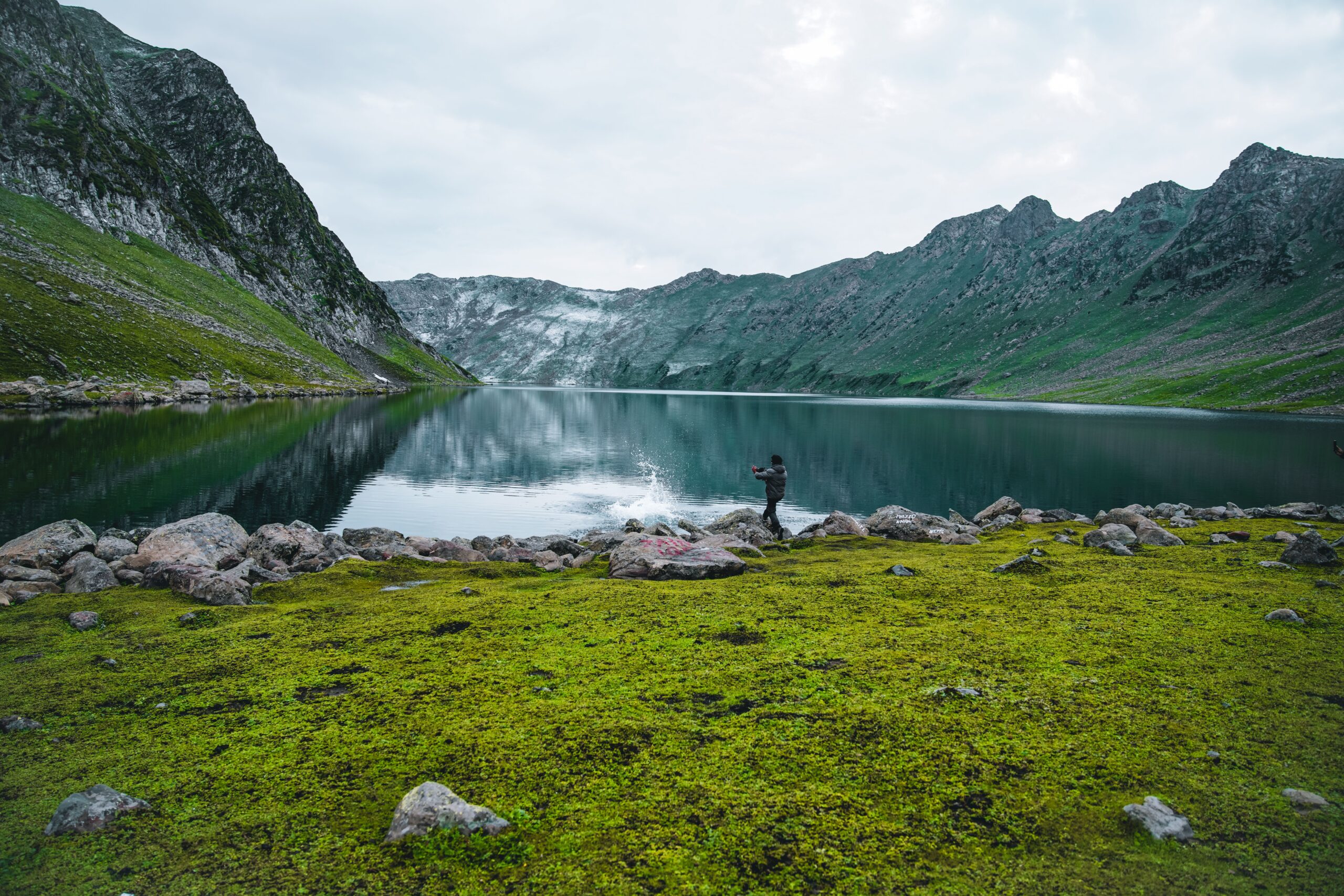
Drive 47 km southwest of Srinagar. The road drops into a wide green hollow ringed by pine forest. That’s Yusmarg. About 90 minutes from the city. The name means “Meadow of Jesus.” Local legend holds that Jesus passed through this valley on travels through Central Asia. That unusual quality sticks with you when you first hear the name. A Muslim-majority region, and a meadow named after Jesus. The Dudhganga River runs along the base of the hollow. Alpine lakes rest above the main grassland. Reachable by horse or on foot. Trout fishing is a standard draw. Horse rides are inexpensive and the horses are well-kept.
Yusmarg sits in the offbeat Kashmir category for one clear reason: it has none of what Gulmarg carries. No gondola, no large ski resort, no rows of coach parking. The village stay options are modest. JKTDC has a rest house here. The meadow is open from about March through November. For those who want that Kashmir highland setting without Gulmarg’s crowd and cost, Yusmarg is the clear call.
7. Tosa Maidan — The Meadow That Was a Firing Range
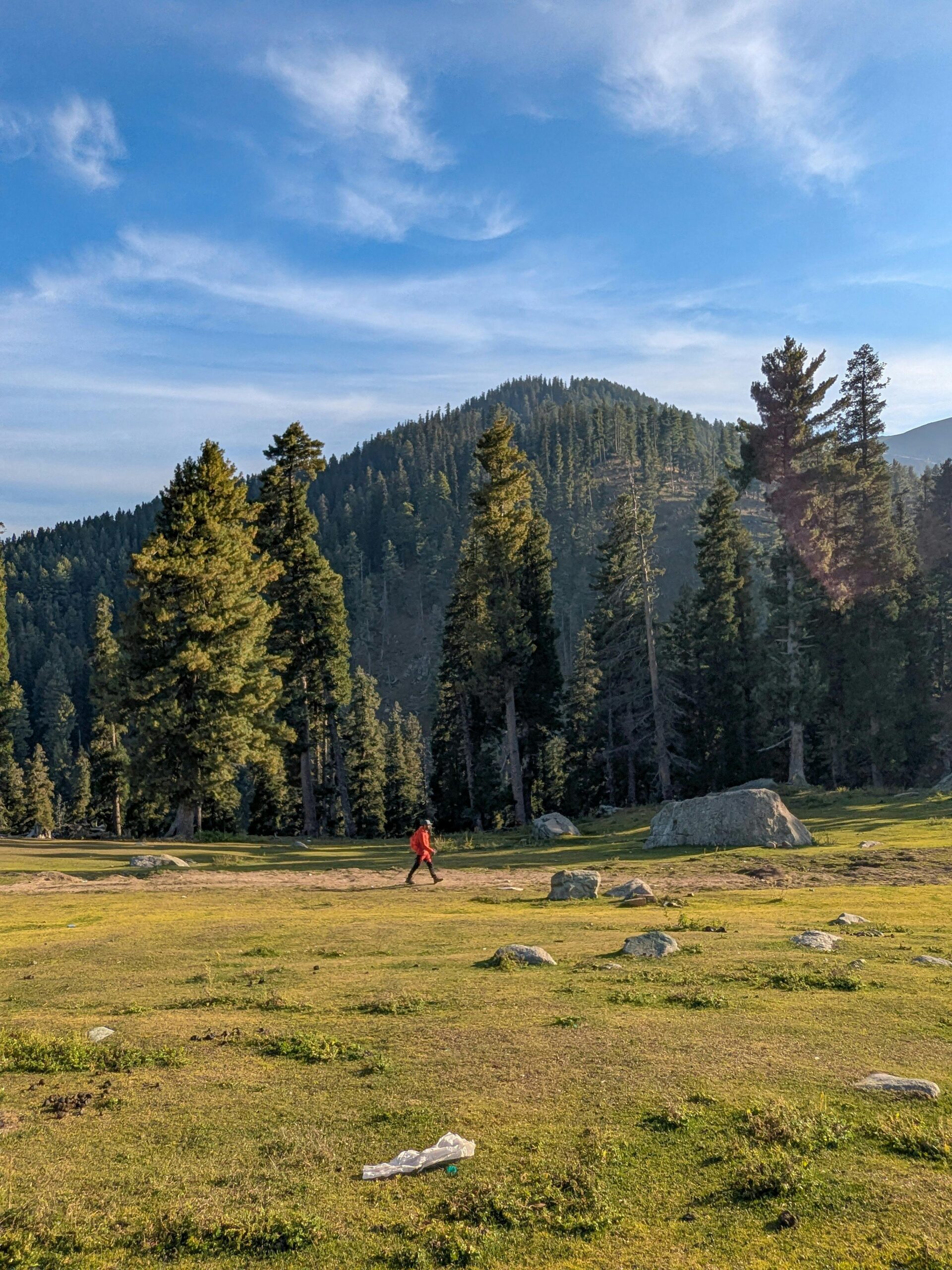
Tosa Maidan was an Indian Army artillery firing range for over fifty years. Villagers from Budgam district campaigned for decades to reclaim it. In 2014, the army handed it back, that’s the history. Because Tosa Maidan was off-limits to civilians for so long, the ground is in near-clean condition. No permanent structures, no vehicle tracks cutting through the grass. No plastic from years of tourist traffic. You get the terrain in a state that most Kashmir meadows lost decades ago. It sits at about 3,500 metres. Access is via a rough road from the direction of Yusmarg and Cherar-i-Sharif. A 4WD or local jeep from the nearest village is the right call.
No formal hotels exist here. Some local operators run tent camps in summer. Trekking routes link Tosa Maidan to Doodhpathri. The two-day walk between them is popular with guides out of Srinagar. The site is best from May to October, after that the altitude makes it cold and the road becomes difficult.
8. Daksum — The Forest Camp at the Start of Sinthan
Daksum is not where you go for the village itself. The village is small, go for what sits around it. About 100 km from Srinagar, Daksum sits in Anantnag district. It sits in the Bringhi River valley at the foot of the Pir Panjal range. The surrounding forest is dense conifer. The air is cold even in July. The pasture above the village is wide and flat. Snow stays on the ridge above it for most of the year. This is the base for the Sinthan Pass trek. Sinthan Top stands at 3,750 metres. The road across it links Anantnag to Kishtwar. That makes Daksum easier to reach than it used to be.
Sounds like just another forest meadow? It’s not quite, the Rajparian Wildlife Sanctuary lies nearby. The sanctuary shelters Van-Gujjar and Bakerwal communities. These are among the oldest nomadic groups in Kashmir. Sheep-herders move between high pastures in summer and lower ground in winter. Their seasonal camps, their handwoven wool goods, their way of reading weather and terrain. None of this sits on the standard circuit. If you want the pastoral side of Kashmir that existed long before tourism, Daksum is the access point. JKTDC runs accommodation here.
9. Naranag — Kashmir’s Forgotten Temple Town
Why is Naranag not on every list of these offbeat places to visit in Kashmir? The ruins here date to the 8th century. Stone pillars. Carved bases, step-tanks, pre-Islamic Kashmir architecture sitting in a field with almost no footfall. Naranag is about 50 km from Srinagar in Ganderbal district. The Kangan River canyon below the ruins is dramatic. In spring the water runs fast and loud. The ruins above it are framed by mountain peaks still carrying winter snow. The history and the landscape work together here. Most visitors who come to Naranag arrive as the starting point for the Kashmir Great Lakes Trek.
No special permit needed for Naranag. The drive from Srinagar is about two hours. The ruins are open and unfenced. A local guide from the village adds real context to what you’re looking at. Budget an hour at the ruins. Then spend the afternoon by the canyon.
Interested in more of Kashmir’s ancient sites? See the full guide to monuments of Kashmir for context on what you’re looking at.
10. Warwan Valley — For the Traveller Who Wants Real Isolation
Warwan Valley is not for everyone and that is not a caution. It is an accurate description of what this place is. The valley lies between the main Kashmir Valley and Kishtwar district. The track is rough. Heavy rain makes it impassable. Mobile network is minimal, no proper hotels, the few stays available are basic village rooms or tent camps. The drive from Srinagar to the valley entrance takes four to five hours on a good day. Once inside, the route stretches south through dense forest and high pasture. Almost no other tourists were in sight.
If that sounds like a problem, Warwan is not the right trip. If that sounds like the point, then it’s the best option on this list. The Warwan River flows the full length of the valley. Snow peaks close in from the west. The forest is deodar and pine, thick enough that sections of the floor stay cool even in August. Trekking and trout fishing are the main draws. This is not a trip for families with young children or elderly parents. For a solo trekker or small group who wants complete distance from tourist Kashmir, Warwan delivers that. Fully.
Best Time to Visit Offbeat Places in Kashmir
One season does not cover all of these destinations. That is the honest answer, and it changes your planning.
Most people know the standard advice: visit Kashmir from May to September. That applies to the broad circuit. Not to each of these places specifically. Gurez Valley opens in late April when road crews clear Razdan Pass. This usually finishes by end of April in 2026, but heavy snow years push it into May. Bangus Valley grassland peaks in July and August. Lolab is technically open all summer but the best trip is October, when the harvest turns the valley gold. Tosa Maidan is safely accessible only from May to October. Warwan’s entry track is rough enough that April and November are risky without a local guide.
Season | Best places to visit | Plan carefully |
April-May | Gurez (from late April), Naranag, Doodhpathri, Yusmarg | Bangus (road may still clear), Warwan |
June-August | All places open. Best time for Bangus, Tosa Maidan, Gurez, Great Lakes trek | Weekends busy at Doodhpathri and Yusmarg |
September-October | Lolab (peak for orchards), Chatpal, Daksum, Warwan | Gurez closes late October, check Razdan Pass status |
November-March | Yusmarg (snow), Doodhpathri some years | Gurez, Bangus, Tosa Maidan all closed or very hard |
Conclusion
The best reason to visit these places is not that they are unknown. It’s that they ask something different of you. A trip to Gurez or Warwan needs planning and patience. A day at Doodhpathri or Yusmarg asks much less. But it still gives you the quiet the main circuit has mostly lost. Know which kind of trip you are planning before booking. That one decision makes everything else clear.
Planning your broader Kashmir trip around these destinations? The Kashmir itinerary guide covers how to sequence the main circuit and offbeat stops together.