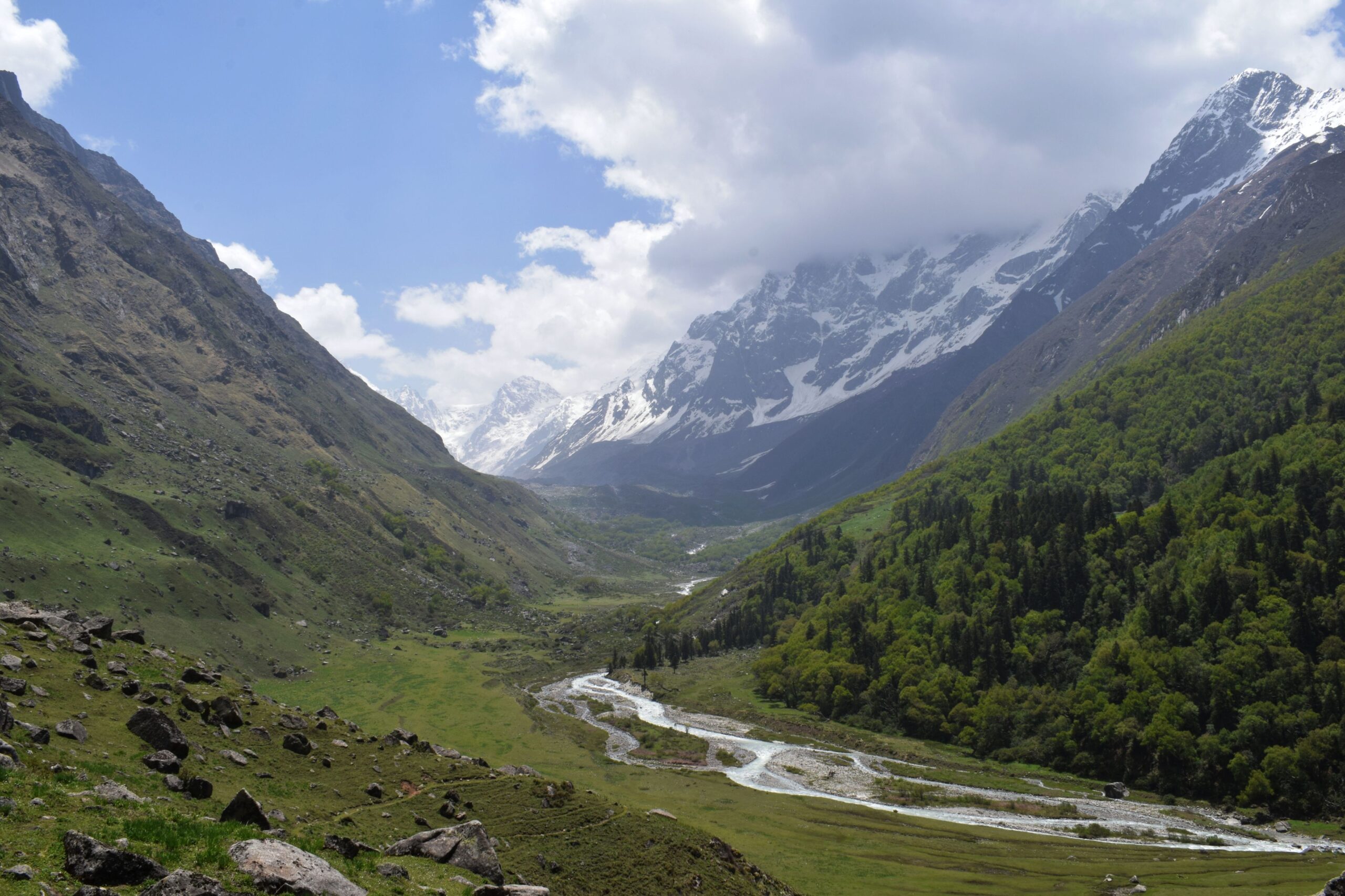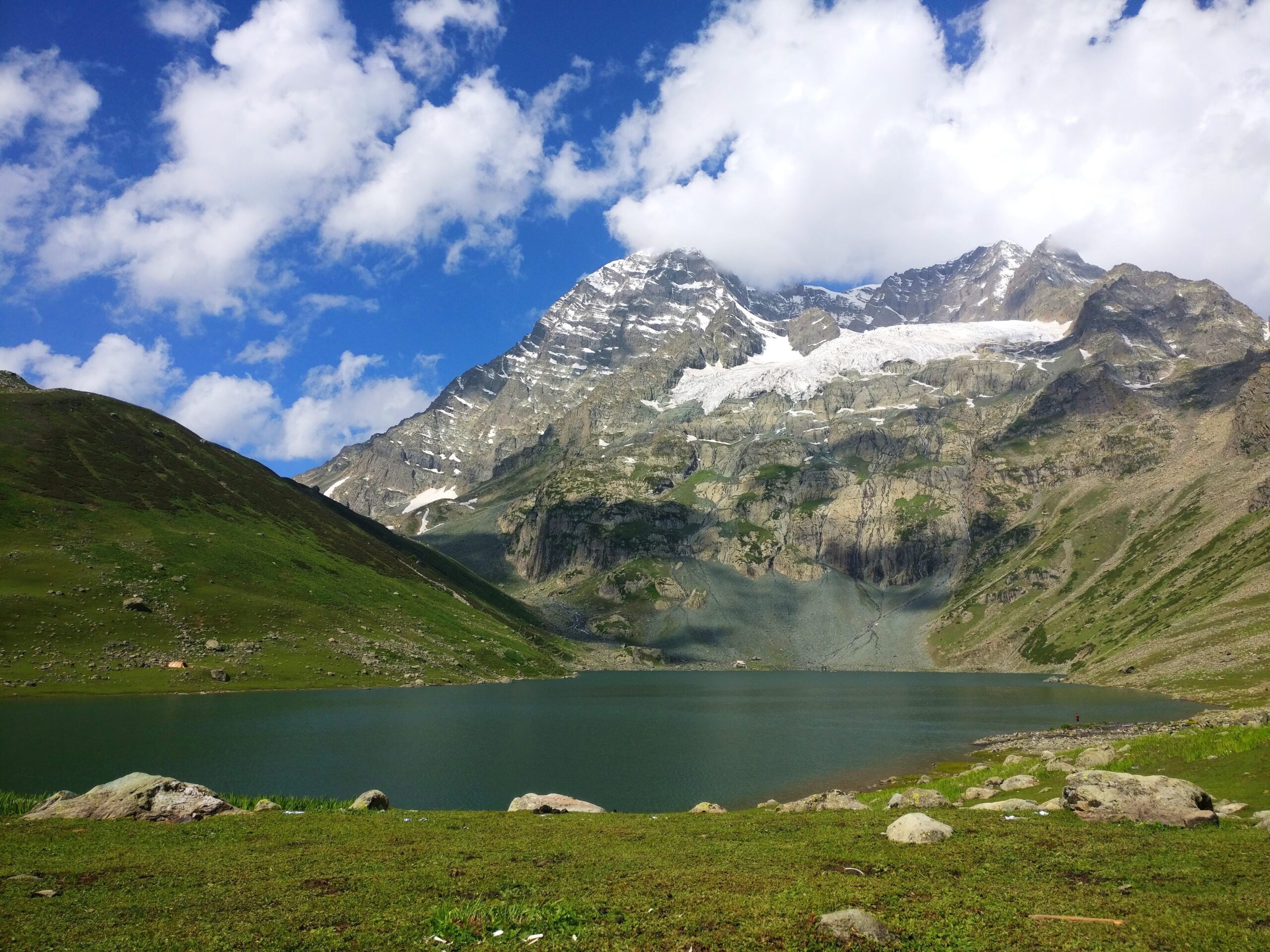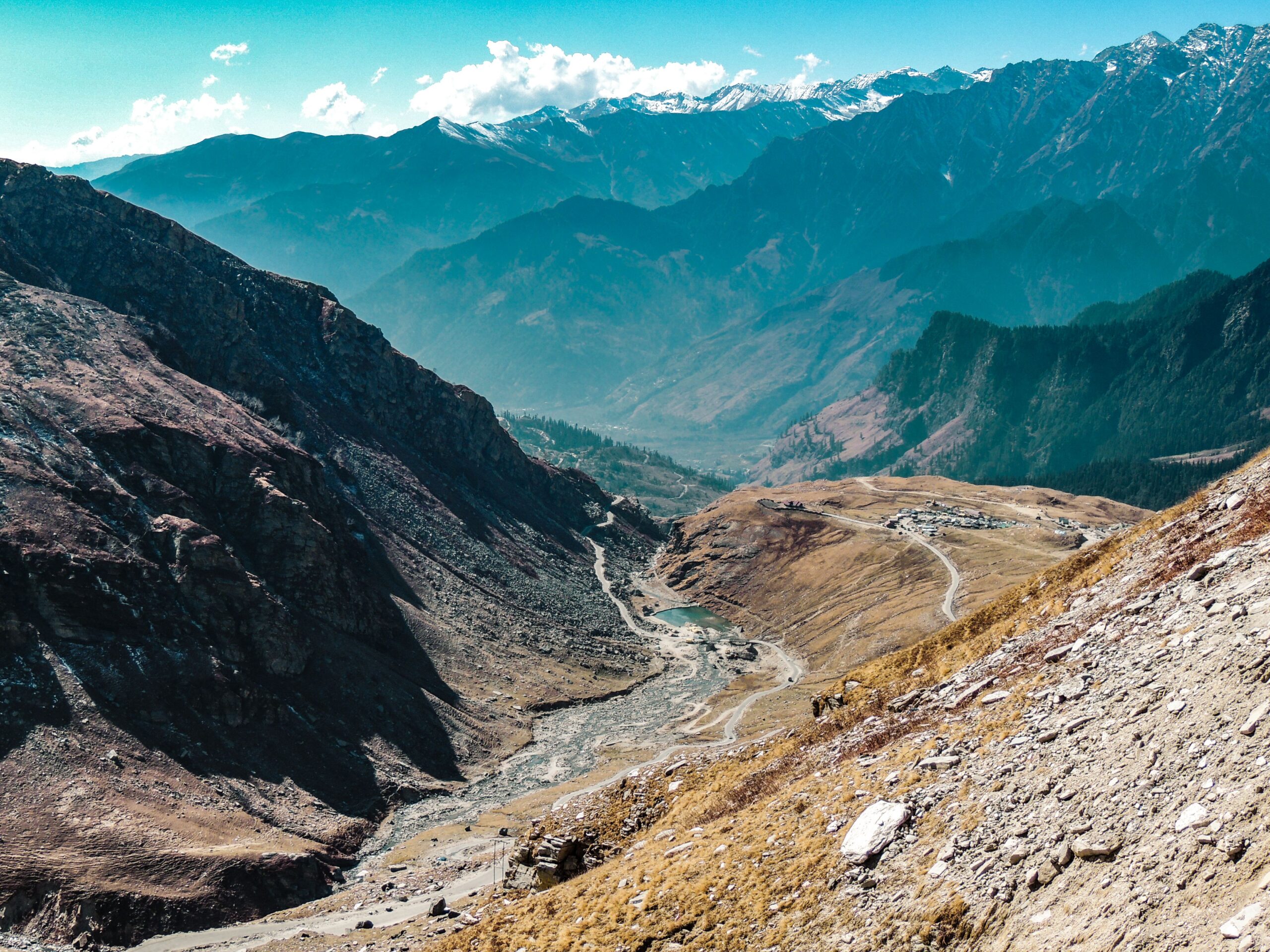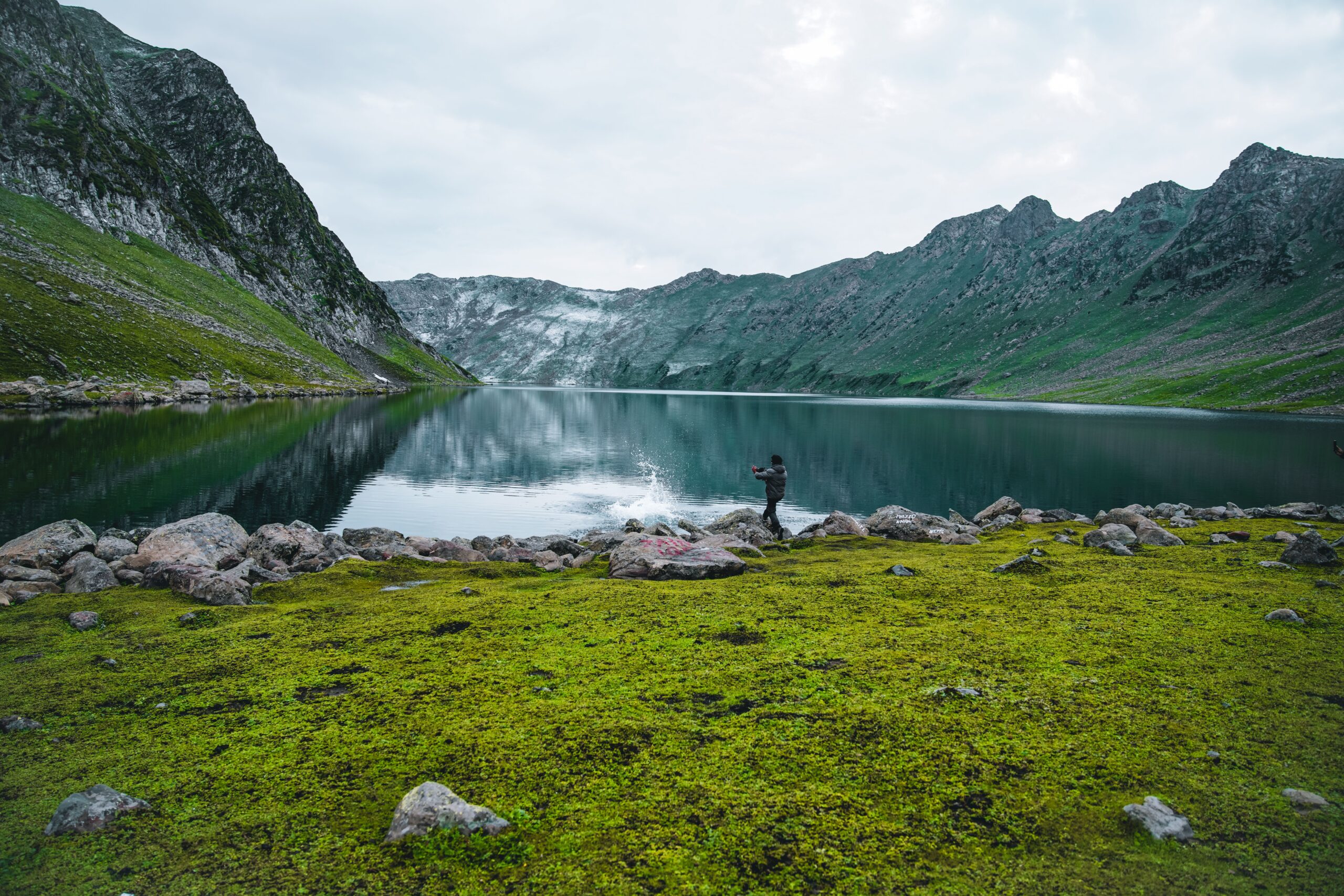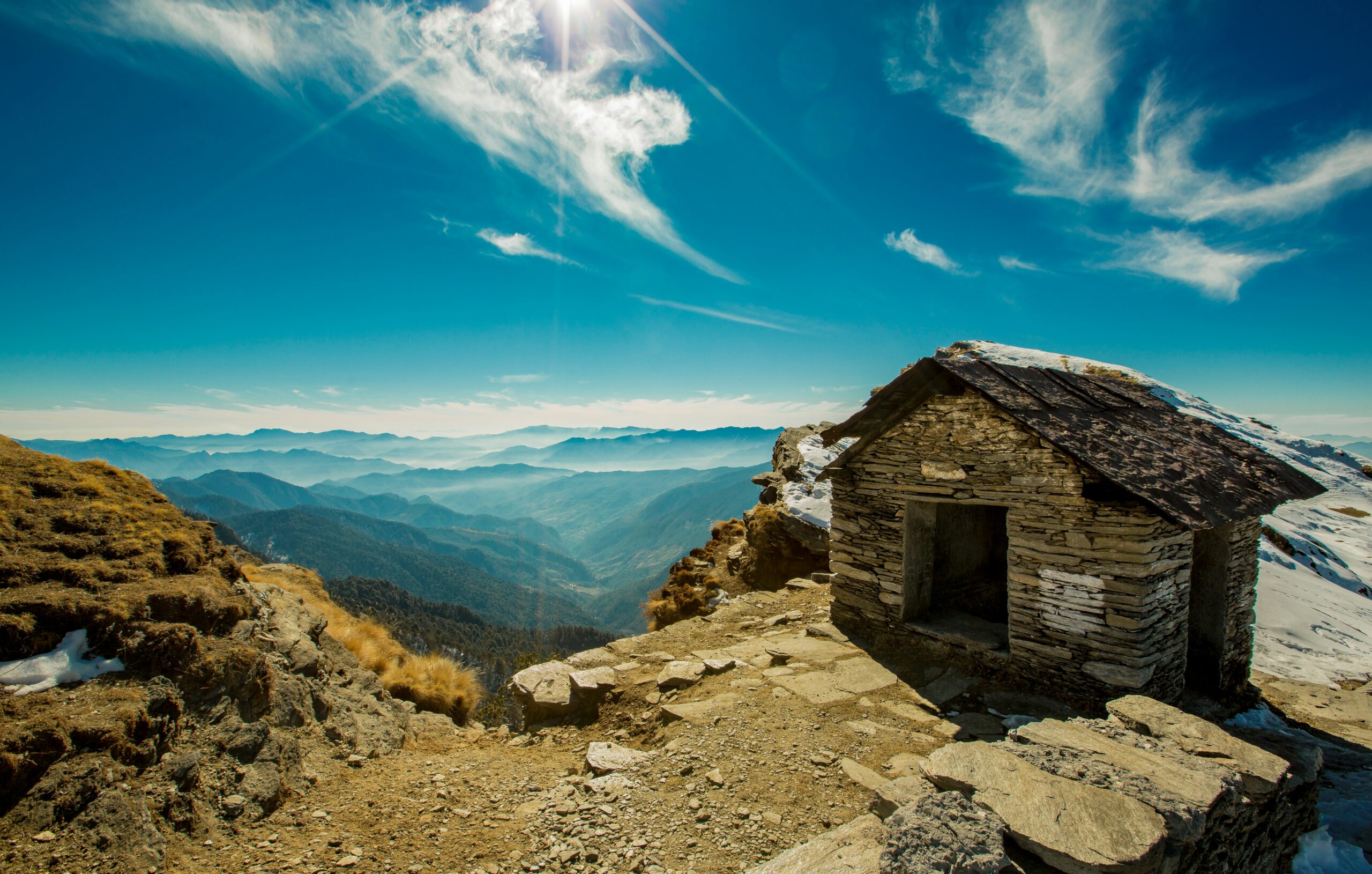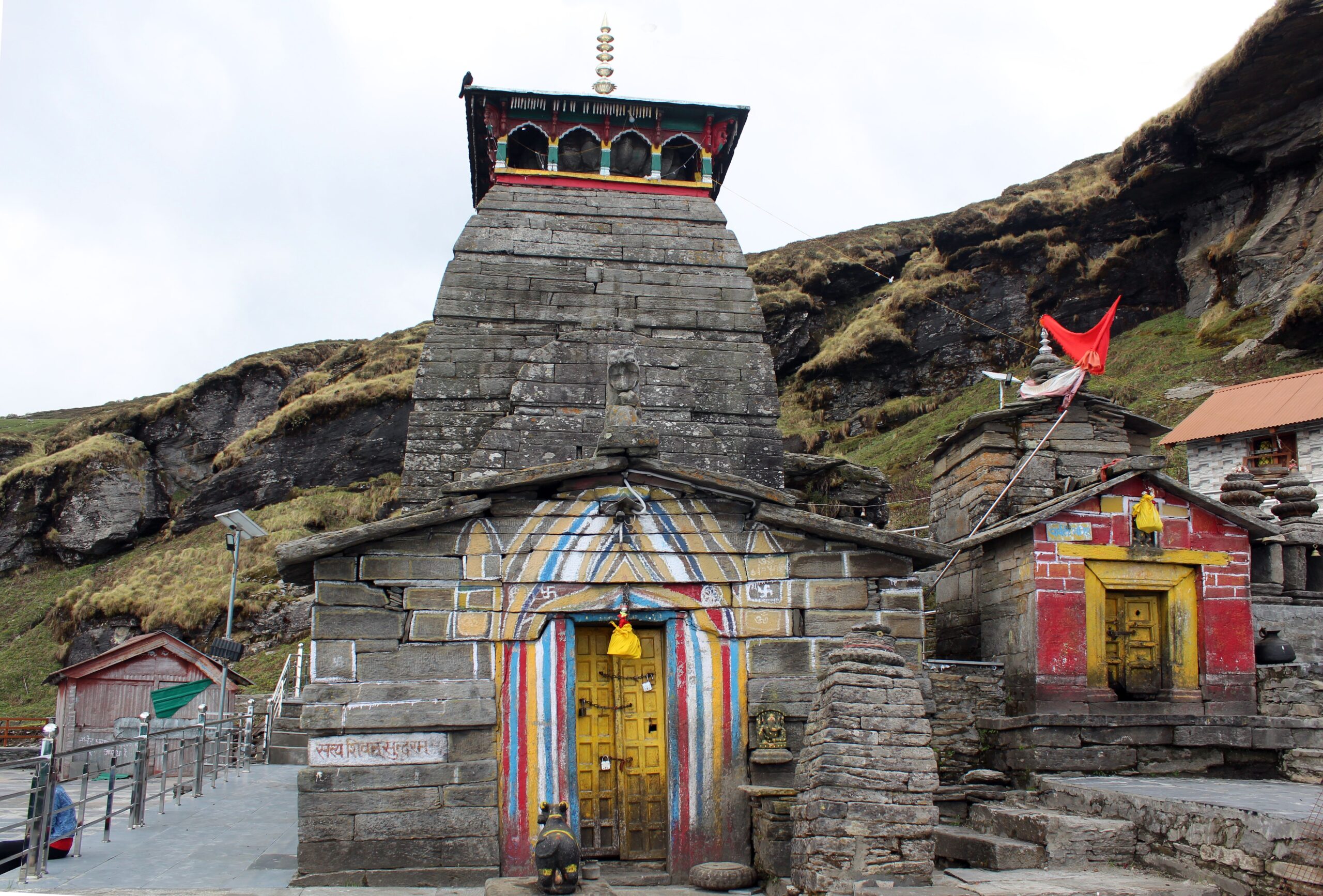
Lolab Valley Kashmir sits 114 km from Srinagar. Most people driving past Kupwara have no idea it exists and that is the point. While Gulmarg fills up with ski tourists and Pahalgam books out months ahead, Lolab stays quiet. It is a fruit-growing, forest-covered sub-valley in Kupwara district. No cable cars, no crowds, no packaged tourist circuit. What it has is the Lahwal River running through walnut orchards. Kalaroos Caves tucked in a dense pine forest.
Village pace that is hard to find in Kashmir anymore. This guide covers where to go, when to go, and how to get there. It also covers what no other guide on Lolab Valley Kashmir will tell you.
Where Is Lolab Valley?
Lolab Valley is actually three valleys, not one. Most guides describe it as a single oval-shaped valley. Technically true, but the valley splits into distinct zones. Kalaroos sits to the north. Potnai and Brunei form the main body. This matters for your trip. Most visitors who go to Lolab end up at Chandigam or Sogam. Both sit on the main valley floor. Fine for a day trip. But Kalaroos, with its caves and upper meadows, is a separate 15-minute drive from Sogam. Miss that distinction and you run out of time before the most interesting part. Plan which zone you are heading to before you leave Kupwara.
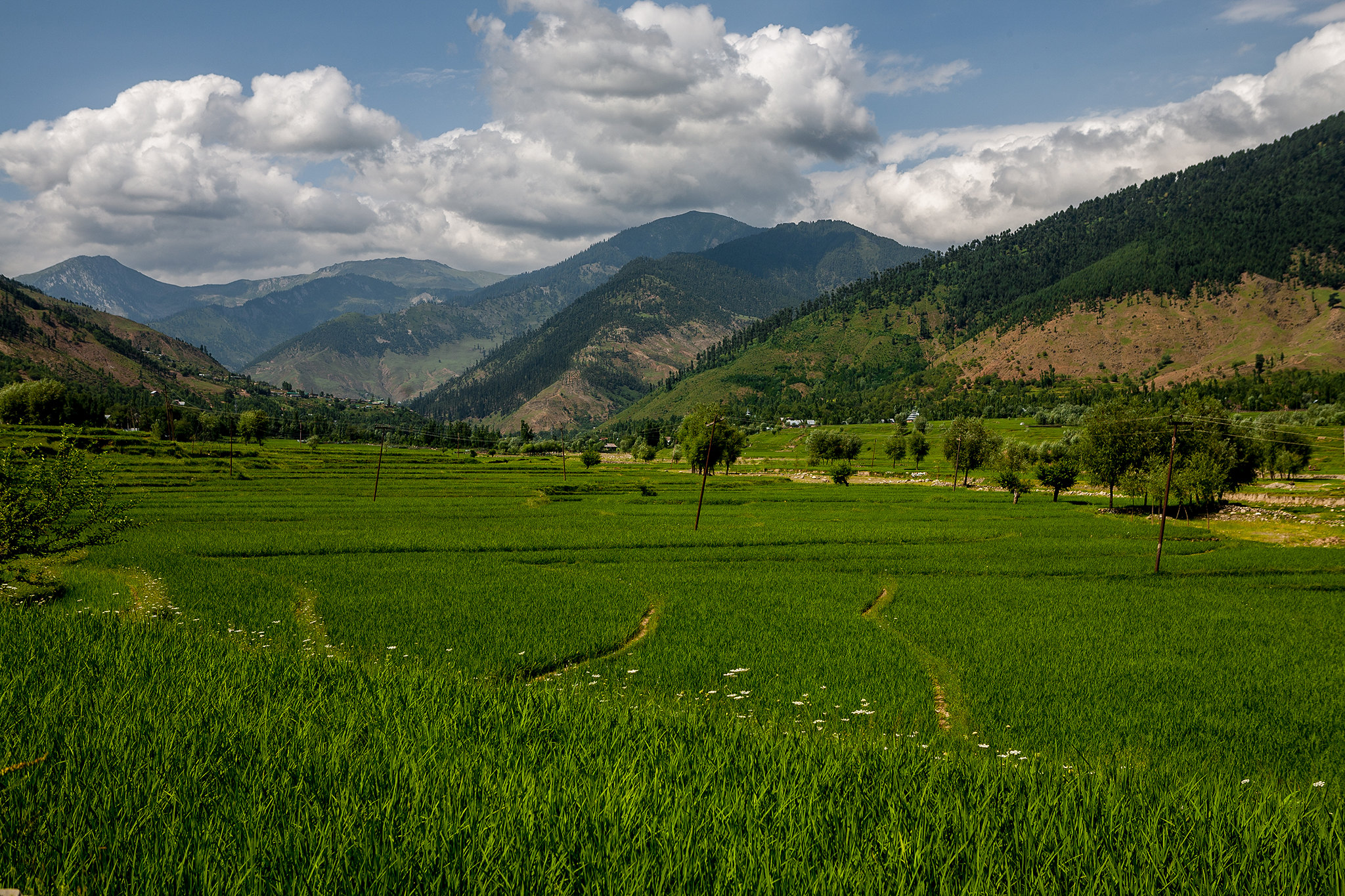
The valley sits at 1,590 metres above sea level. The Lahwal River runs east to west through it. Dense deodar, pine, and fir forests cover the hillsides. Apple, walnut, cherry, peach, and apricot orchards fill the valley floor. Locals call it the fruit bowl of Kashmir. That title is earned. The valley is bordered by the Neelum Valley to the north. Nagmarg meadows sit toward Bandipore in the south. That border position is why it stayed off the tourist map for so long.
Best Time to Visit Lolab Valley
Most guides say May to October. That window is too wide to be useful. What you get from Lolab changes month to month. Pick your window based on what you want from the trip.
The best time to visit Lolab Valley is April to June for orchards and meadows. October works for autumn colour. April and May are the underrated months. Cherry, apricot, and peach trees are in full blossom. The valley is green. Tourist count is near zero. You walk through fruit orchards with snow still on the peaks behind them. For 2026 travel, April and May are the lowest-crowd months with the orchards at their best. That is a hard combination to beat.
June and July bring warmer days and lush meadows. The upper pastures above Kalaroos go vivid green. This is when campers arrive from Srinagar and Sopore. July also brings some rain. Roads to the upper meadows near Nagmarg can get soft. Not blocked, but softer. Plan upper-valley drives for morning when the ground holds better.
August and September are solid. The valley stays green and the weather holds. September is the transition month where the orchards start to turn. October is the sleeper pick. Walnut and chinar trees turn amber and gold. December to February brings snow. Roads above Kupwara can close after heavy snowfall. The valley is beautiful under snow, but access is weather-dependent. Check with your Srinagar hotel before a winter trip to Kashmir.
Not sure which month suits your broader Kashmir trip? This guide on the best time to visit Kashmir breaks it down across all major destinations.
Months | Weather | What’s On | Best For |
April–May | Cool to mild, 10–18°C | Cherry, apricot, peach blossom | Orchard walks, low crowds |
June–July | Warm, 18–25°C | Green meadows, some rain in July | Camping, upper meadows |
Aug–Sept | Warm, 16–24°C | Full green, clear skies | Day trips, photography |
October | Cool, 8–16°C | Walnut and chinar colour | Autumn photography, quiet visit |
Dec–Feb | Cold, 0–8°C | Snow cover, road risk | Snow scenery, needs planning |
Places to Visit in Lolab Valley
Not every place listed in Lolab guides is worth your time. Some are listed because every guide copies the last one. Here is what is worth going to, and how long each takes.
Sogam is the main market town in the valley. It has fuel, basic food stalls, and the connection road north to Kalaroos. It is not a sightseeing stop. Think of it as your logistics base. Spend 10 minutes here, not an hour. Chandigam is the most photogenic village in Lolab. A spring-fed pond sits at the village entrance, ringed by old Chinar trees. The Chinar trees here are wide enough that four people cannot wrap their arms around them. The surrounding rice fields and fir forests make it the kind of place photographers stay longer than planned. It is about 5 km past Sogam. Budget an hour here. Come back in October if you can.
Kalaroos Caves are the one place that genuinely surprises visitors. They are not deep cave systems. Think rock overhangs, ancient springs, and forest formations in a dense pine grove. The walk in from Kalaroos village takes about 20 minutes. The site has local mythology attached to it. Nearby is Lavnag spring, three feet deep with clear water. The whole visit takes 2 to 2.5 hours including the walk. Do not skip this part of the valley.
Nagmarg meadows sit above the valley and border the Bandipore side. Getting there is a full-day trekking effort. Not a drive-up. If you have one day, skip Nagmarg and spend the time at Kalaroos. If you have two days, Nagmarg on day two is worth it.
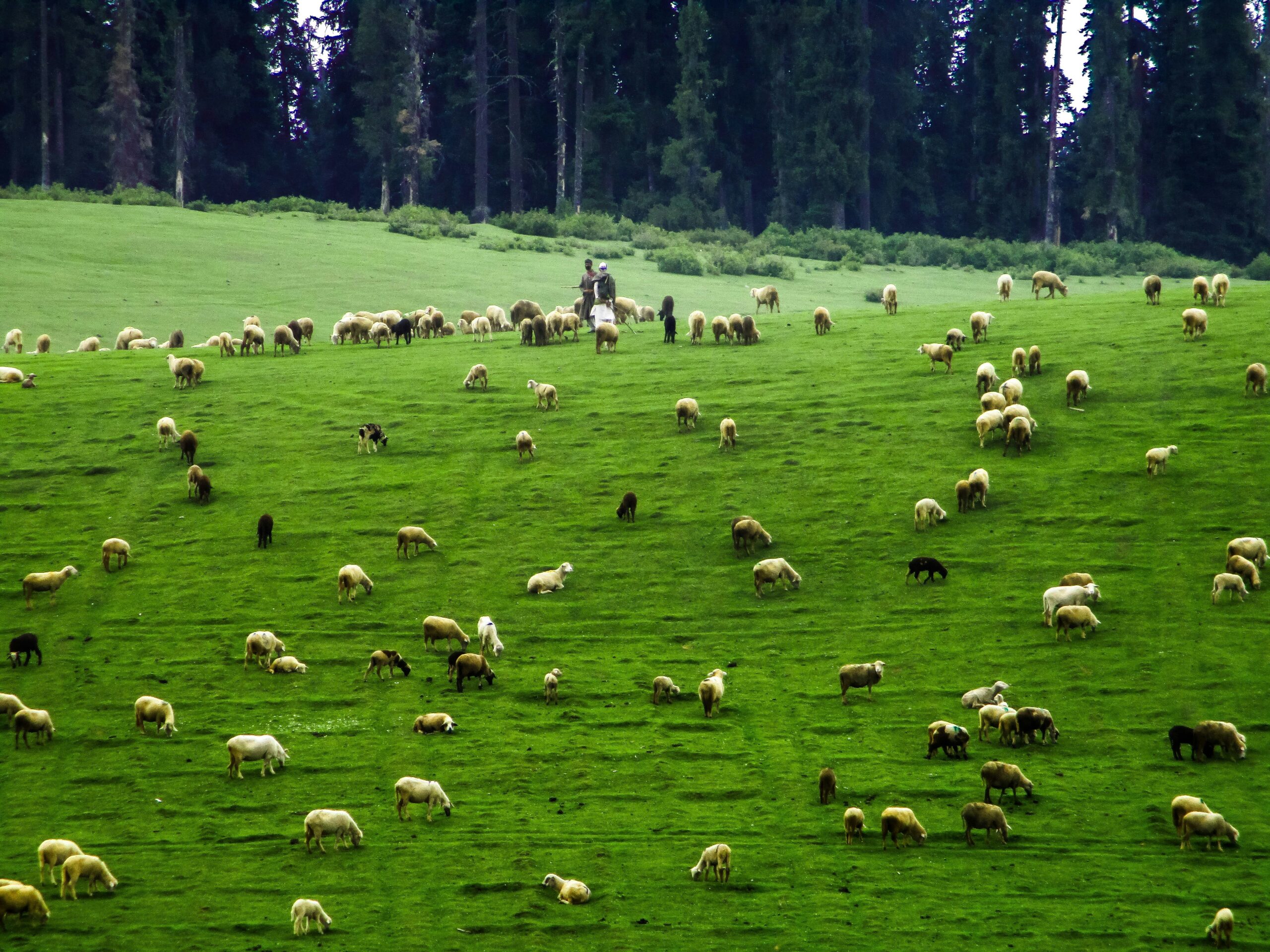
The Lahwal River bank near Khumriyal is a slow stop. The river is shallow, cold, and clear here. Local Gujjar shepherds often camp nearby with their flocks. Sit by the river for 30 minutes. It is the kind of slow that city people forget exists.
- Chandigam village: Pond, Chinar trees, rice fields. 1 hour. Best in morning light.
- Kalaroos Caves: Rock springs, pine forest, ancient mythology. 2 to 2.5 hours. Wear walking shoes.
- Lahwal River bank, Khumriyal: Quiet river stop. 30 minutes. Best paired with Kalaroos.
- Sogam market: Fuel, food, logistics. 10 minutes.
- Nagmarg meadows: Full-day trek. Needs an overnight stay in the valley.
If you are building a longer Kashmir itinerary around quieter valleys, Aru Valley near Pahalgam has a similar unhurried character and is worth pairing on a 6–7 day trip.
Things to Do in Lolab Valley
Trekking gets the most mentions. Fishing and orchard walking are better. Here is what actually fills a day in Lolab well. Orchard walking in April and May is the most underrated thing you can do here. Fruit trees line the valley floor for stretches. Cherry trees come first, then apricot, then peach. You walk between them on village paths with the Lahwal River audible below. No operator markets this. You just do it. Start near Khumriyal and walk toward Kalaroos village. Two hours, no guide needed. The locals working in the orchards will wave. Some will offer fruit. Take it.
Trout fishing in the Lahwal River sounds simple. It is not. You need a permit from the J&K Fisheries Department. Get it in Srinagar or at the Kupwara district office before you arrive. Not on arrival. No one in the valley issues permits. The fishing itself is good. The river holds brown trout. Best months are May through September. The river is cold even in summer. That is part of it.
Bird watching at the forest edge near Kalaroos is productive at dawn in spring. Kashmir Flycatchers, Himalayan Monals, and Golden Eagles move through this forest. Sound excessive? For serious bird watchers, this is a quiet and undisturbed forest edge. Few people come. The birds behave accordingly.
Photography here needs no golden hour. Paddy fields in flat morning light work. Walnut orchards in October colour work. River-edge mist at dawn works. The valley is photogenic the way undisturbed places tend to be.
Camping near Nagmarg in June and September draws adventurers from Srinagar and Sopore. Carry your own gear. No rental in the valley. That is the kind of trip Lolab suits well
How to Reach Lolab Valley Kashmir
There is one road into Lolab Valley and it goes through Kupwara.
How to reach Lolab Valley Kashmir from Srinagar:
- Board a sumo from KMD Stand, Srinagar (near Parimpora) to Kupwara town
- Journey takes about 2.5 hours, fare approximately Rs 150-180 per seat
- From Kupwara bus stand, board a shared sumo toward Sogam
- This leg takes 20-30 minutes, fare approximately Rs 40-60 per seat
The sumo from KMD Stand is the right call over the SRTC bus. The bus takes 3.5 hours and stops at every village from Sopore onward. The sumo cuts that to 2.5 hours. It drops you at Kupwara stand. From there, the Lolab sumo departs when full. Usually 15-25 minutes after you arrive.
Travelling as a group? Hire a cab from Srinagar directly. A round trip runs about Rs 1,800 to 2,200. Negotiate the evening before at your hotel. Airport cabs charge 40% more for the same route. Do not book there.
The nearest airport is Srinagar, 114 km away. The nearest railway station is Baramulla, 64 km from Kupwara. From Baramulla, take a sumo to Kupwara, then onward to lolab valley kupwara as above.
Mode | Board At | Journey Time | Approx Cost (2026) |
Sumo (Srinagar–Kupwara) | KMD Stand, Srinagar | 2.5 hrs | Rs 150–180/seat |
Shared sumo (Kupwara–Sogam) | Kupwara bus stand | 20–30 mins | Rs 40–60/seat |
Private cab (Srinagar–Lolab return) | Hotel pickup | 5–6 hrs total | Rs 1,800–2,200 |
Where to Stay in Lolab Valley
Most guides treat the stay section as an afterthought and that’s a mistake. Where you sleep in Lolab Valley Kashmir decides what kind of trip you have.The JKTDC tourist hut in Khumriyal is the best-placed option. It sits inside a pine forest. Basic rooms, government rates. Roughly Rs 600-900 per night at last check. The catch: it does not appear on MakeMyTrip or any OTA. You book it through the J&K Tourism portal at jktourism.org or call the Kupwara tourism office. Get the office number from your Srinagar hotel before you leave. Availability in peak months goes fast. June and July book up early.
A handful of homestays in Sogam and Chandigam take guests. Not listed online either. Ask at the Kupwara JKTDC office when you arrive in town. The hosts speak Kashmiri and basic Hindi. Rooms are clean and basic. Food is home-cooked Kashmiri: rice, dal, saag, wazwan on request. Eating this in a Lolab kitchen beats anything on the tourist circuit. It is also cheaper. Usually Rs 300-500 per person for a full meal.
Tips for Visiting Lolab Valley
Lolab Valley is easy to reach. A few things can still catch you off guard.
The mobile signal in Lolab is patchy. BSNL and Jio work in Sogam and Khumriyal on good days. Above those villages, expect nothing. In 2026, carry cash. There is no ATM in the valley and UPI connectivity is unreliable above Sogam. The nearest ATM is in Kupwara town, about 9 km from the valley entrance. Withdraw before you leave Kupwara.
- Carry cash. No ATM in the valley. Nearest is Kupwara town.
- Download offline maps before leaving Kupwara. Signal cuts out above Sogam.
- Trout fishing needs a permit. Get it at the J&K Fisheries Department in Srinagar or Kupwara, not in Lolab.
- Winter road closures happen after heavy snow. Check with your Srinagar hotel before a December-February trip.
- Dress in layers even in summer. Evenings drop sharply after sunset.
- Carry your own food for a full-day visit. Sogam has basic dhabas but options thin out past 2 pm.
- Respect the villages. Lolab is not a tourist circuit. It is where people live. Walk quietly through the orchards. Ask before photographing houses.
Conclusion
Lolab Valley will not compete with Gulmarg for your attention. It does not need to. It is a different Kashmir trip. Slower. Quieter. More local than anything on the standard tour circuit. One day is enough to see Chandigam, the caves, and the river bank. Two days lets you breathe. Already in Kupwara? Add Lolab. Have a Kashmir trip that runs six or seven days? Add Lolab. Go in April for the blossoms, October for the colour, or June for the meadows. Any of those works. Just go with the valley on its own terms.
Planning the wider trip around Lolab? Start with the full Kashmir itinerary guide, or browse the complete list of places to visit in Kashmir to see how Lolab fits alongside Gulmarg, Pahalgam, and Srinagar.