What Is Tosa Maidan: And Why It’s Not Like the Others
Most Kashmir trips follow the same four stops. Gulmarg, Pahalgam, Sonmarg, Srinagar. All four are good and none of them are quiet. The meadow is not on that circuit. At 10,395 ft, tosa maidan sits higher than Gulmarg at 8,694 ft. The difference shows, the air is thinner, the crowds are close to zero. The landscape opens in a way that feels unlike anything on the tourist belt.
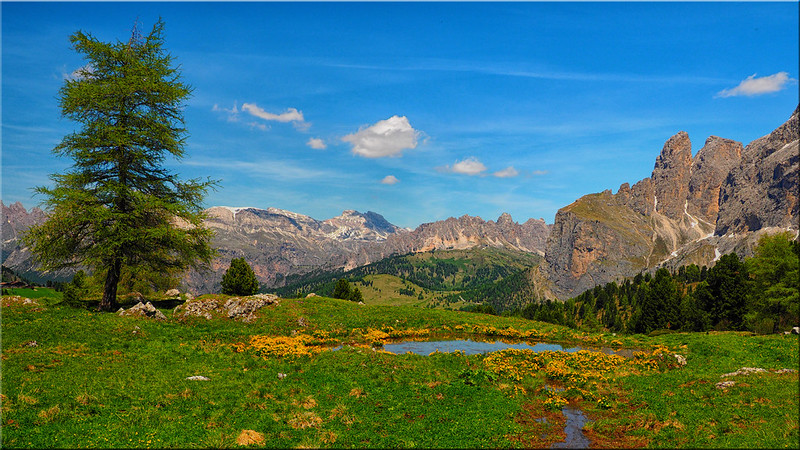
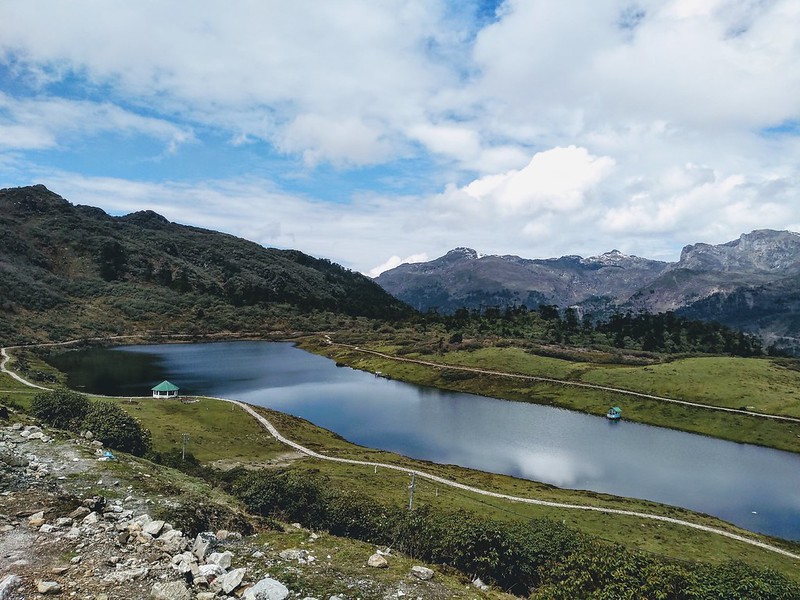
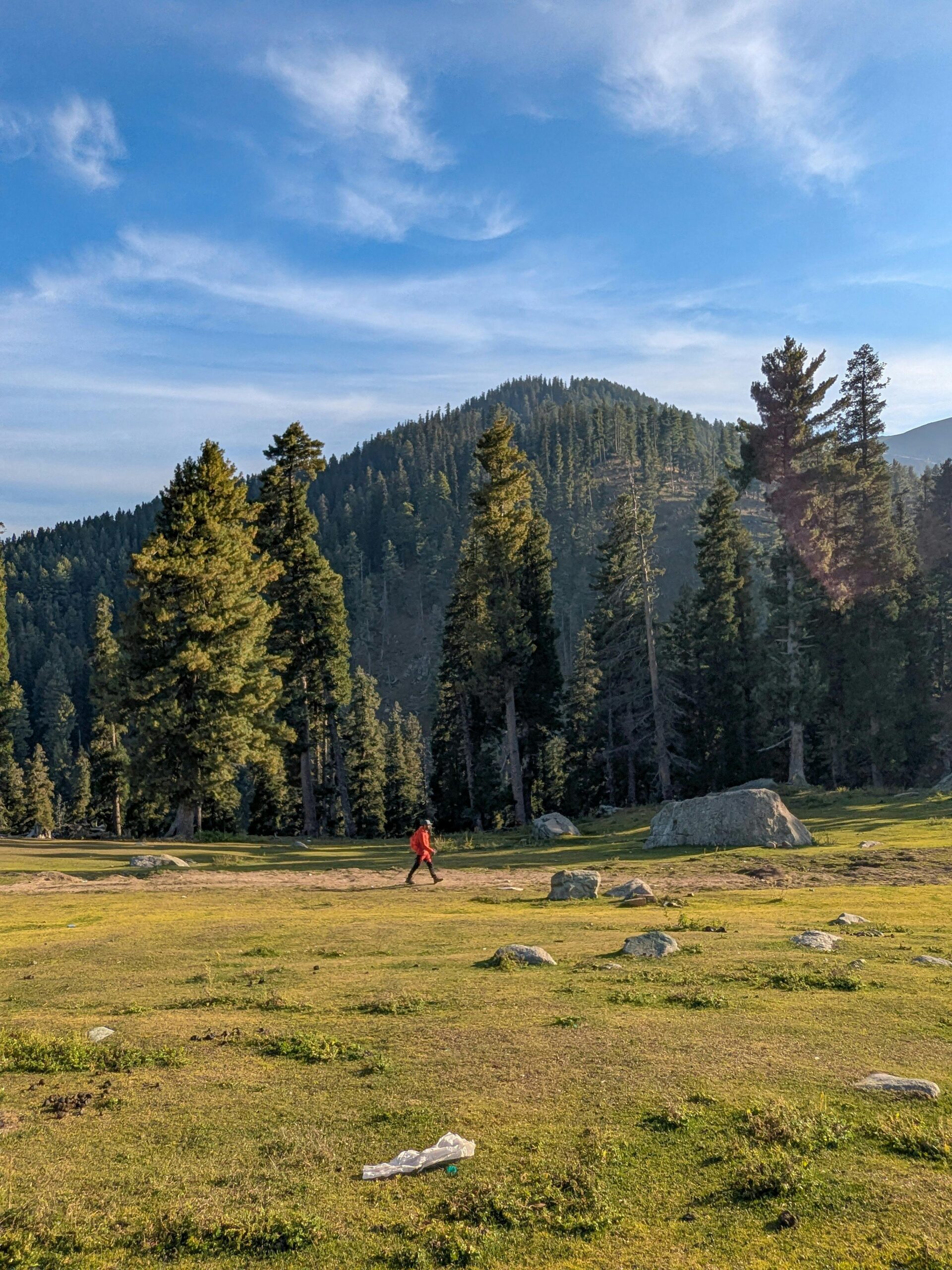
The meadow covers about 65 sq km of open grass. Tall deodar trees ring the edges and the Pir Panjal peaks rise behind them. Streams cross the floor. Sub-meadows stretch in every direction from the main clearing. The scale is the thing, this is not a viewpoint you visit and leave. It is a place you walk into and keep going. This is a destination for people who want fewer people. If Gulmarg during peak season feels too managed, this is the answer. If you’re still building your full trip around it, the Kashmir itinerary guide helps fit the meadow into a larger plan.
The Story Behind the Name: Army Range to Open Meadow
For 50 years, locals couldn’t step into their own pasture. In 1964, the Indian Army leased 3,000 sq km of the area as a live artillery firing range. The lease ran for 50 years. Local Gujjar and Bakarwal families were locked out. They had used these high meadows for summer grazing for centuries. Their access ended overnight.
The lease ended on April 14, 2014. Cleanup took months before the area was declared safe. The name Tosamaidan Kashmir predates all of this. It comes from “Tu Shah Maidan,” a Mughal-era phrase meaning King of Meadows. The Mughals passed through this route on their way to Poonch. They are said to have built a seven-storey structure here called Dam-Dam. The ruins still mark the base camp area today. Walking it today, knowing it was a firing zone until 2014, gives the silence a different weight.
Best Time to Visit Tosa Maidan: Month by Month
The best time to visit Kashmir broadly depends on what you’re after — but for Tosa Maidan specifically, the window is June to September. June brings clear trails, wildflowers, and no monsoon disruption. July and August are lush but wet. September delivers post-monsoon clarity, cooler air, and very few visitors. October is the outer edge of the window. Snow closes access from November through April. That is the short answer. Here’s the breakdown that actually helps you decide.
June in Kashmir is the standout pick for Tosa Maidan. Snow clears from the trails by late May, the Gujjar families arrive in early June with their flocks. The weather is pleasant without peak-summer humidity. The wildflower spread is at its widest. The Pir Panjal peaks still carry snow that contrasts against the green below. Visitor numbers are low and this is the month to come.
July and August are lush but wet. The grass is at peak green. Monsoon rains hit the Pir Panjal range during these months. The Shanglipora trail gets muddy. The motorable track via Sitharan village becomes close to unusable. Come in this window if you want maximum colour. Bring rain gear for every day, no exceptions.
September in Kashmir is the second-best pick for the meadow. Monsoon has cleared, trails are dry. The air after rain has a sharpness that makes the Pir Panjal views cleaner than in any other month. The Gujjar families are still at the meadow, preparing to descend before October. Visitor numbers are at their lowest of the open season.
October is possible but risky. The window narrows fast. Early October can be fine. Late October often brings the first snow at higher elevations. In 2026, access roads remain seasonal. The Sitharan motorable track stays clear from June to October. Check road conditions locally before you go.
How to Reach Tosa Maidan from Srinagar
Plan to leave Srinagar by 7 AM. That is not optional advice. The trail from Shanglipora to the meadow takes about 2.5 hours. Drive time from Srinagar to the trailhead adds another 1.5 hours. Leave later and you arrive at the meadow in the early afternoon. That limits daylight, especially if you’re camping and need setup time. The route from Srinagar goes toward Khag in Budgam district, then on to Drung or Shanglipora. The road distance is about 45 km. What most guides skip is the route decision, and it matters.
You have two entry options and the difference matters. The trek from Shanglipora is a 2.5-hour walk through pine and deodar forest. The first hour is nearly flat. The second involves a steady climb. Most visitors use this route. The alternate is a rough track via Sitharan village. Sound easier? It isn’t. That road is kaccha: dirt, broken, steep. A standard sedan or hatchback will not make it. Before booking a taxi in Srinagar, confirm the driver has a 4×4 and will attempt the Sitharan road. Most won’t. For most visitors, Shanglipora is the only realistic option. For the full picture on getting to the valley first, see the how to reach Kashmir guide.
Getting there follows a clear sequence:
- Book a private taxi or shared cab from Srinagar toward Shanglipora
- Reach Shanglipora in about 1.5 hours from central Srinagar
- Start the 2.5-hour trek through deodar forest
- Reach the meadow floor and the Dam Dam base camp area
- As of 2026, no formal entry permits are needed for Indian visitors. Carry your Aadhaar card. That is standard practice for any trip in J&K.
What to Do at Tosa Maidan
The meadow is not an activity destination. It is a landscape you walk into and that sounds like a limitation. The main thing to do here is walk the meadow floor. The sub-meadows of Watadar, Hafwas, Kadlibal, and Nagnibal extend in every direction from the central clearing. Each turn looks like the last but quieter, greener, further from anything managed. The first hour you might feel like you’re not going anywhere. Keep going. The meadow opens in a way that maps can’t show. For campers, Dam Dam base camp is the standard overnight spot. It sits near the Mughal structure ruins. Morning access to the full meadow is yours before day visitors arrive. Camping here in clear weather means a sky with no light competition for miles.
The serious multi-day option is the Bodpathri Lakes Trek above the meadow. It is a 7-day organised trail through glacial lakes and high passes. Srinagar operators run this route. July to September is the window. For a day trip or weekend stay, the meadow itself is enough. Bird watching here is worth your time. Over 50 species have been recorded in the area. The Gujjar camps along the meadow edge are worth approaching too. Fresh sheep’s milk is available. The interaction is honest, not set up for tourism.
Planning more activities across the valley? Here’s a full breakdown of things to do in Kashmir beyond the meadow circuit.
How Difficult Is the Trek: What First-Timers Need to Know
Most first-timers can handle this trek. Yes, with one condition. The Shanglipora trail is not technical. No scrambling, no rope sections, nothing requiring prior trekking experience. The 2.5 hours involve a gentle walk through pine forest, then a steadier climb in the second hour. Fit adults without any trekking background can complete it. Altitude is the one condition that catches people. At 10,395 ft, the meadow sits higher than most visitors have stood before. This is not dramatic high-altitude territory. But the difference from sea-level is noticeable. You may feel breathless earlier than expected, even on flat ground. Some people get a mild headache in the first hour. Go slow on the ascent. Stop when needed. The meadow is not going anywhere.
Drink water before you feel thirsty. Sounds obvious? Most people don’t do it. Altitude dehydrates faster than flat ground does. That single habit separates visitors who arrive feeling sharp from those who arrive feeling flat.
The Gujjar Community: What You’ll See and How to Interact
The Gujjars here are not a tourist attraction. They are working farmers on land their families have used for generations. That distinction matters for how you approach them. The Gujjar and Bakarwal communities migrate to these high meadows every summer. They arrive in May and head back down in October before the first snow. Their seasonal camps sit near the meadow edges and along the tree line. Wooden posts, canvas covers, basic cooking setups. The sheep graze freely across the main floor. During the army occupation years, this annual migration was blocked. Since 2014, it has resumed.
Interaction is welcome but not guaranteed. Approach their camps openly, not through the grazing flocks. Fresh sheep’s milk is often sold to passing trekkers. Ask rather than assume it’s available. Photography of women requires asking first. Even basic Kashmiri phrases land well. “Shukriya” goes a long way. These are not people performing for visitors. They are there doing their seasonal work. Respect that and the interaction is genuine.
What to Pack for Tosa Maidan
Pack for a place with no facilities and weather that shifts fast at altitude. Before you leave:
- Bring a warm mid-layer or fleece. Temperatures drop fast in the afternoon even in June.
- Pack a rain jacket for every month of the season. The Pir Panjal range gets sudden afternoon showers.
- Wear sturdy shoes or light trekking shoes with grip. The Shanglipora trail is muddy in monsoon months.
- Carry at least 1.5 litres of water per person. No reliable water source sits at the trailhead.
- Pack food for the full day. No stalls, no chai shops, nothing on the meadow.
- Include a basic first aid kit: paracetamol, blister plasters, antacid.
- Bring a torch or power bank for campers. It gets dark fast and fully at this altitude.
Not sure what to wear for the altitude and season? The what to wear in Kashmir guide covers layering for meadow trips specifically.
Nearby Places to Combine with Tosa Maidan
If this is your only stop in Budgam, that’s a half-trip. The western Kashmir meadow circuit is logical and nearly empty of tourists. Tosa Maidan sits at the centre of it. Doodhpathri is about 25 km from Khag. It makes a natural Day 1 before pushing to the meadow on Day 2. It sits lower at 8,957 ft. The access road is smooth. Good warm-up for the altitude before the next morning’s trek.
Yusmarg sits about 40 km from Khag. It works well as Day 3 on the return loop to Srinagar. Three distinct meadow landscapes, none on the standard tourist route, in three days from the same base. The circuit goes: Doodhpathri at lower altitude, the meadow at the high point, Yusmarg on the way back. That’s one of the cleanest Kashmir trips for people who want to avoid the Gulmarg crowd.
Looking for more hidden spots like this? Browse the full list of offbeat places in Kashmir that don’t show up on standard itineraries.
Conclusion
Tosa Maidan is for those who want to stay away from the crowds. The decision is simple: when to go and how to get in. June is the best window, Shanglipora is the standard entry for anyone without a 4×4. The meadow is open, free to enter for Indian visitors, and quiet even at peak season. Get out of Srinagar early in the morning. Carry your own food and water. Go slow on the ascent. The rest takes care of itself.