What Makes Dal Lake Unique
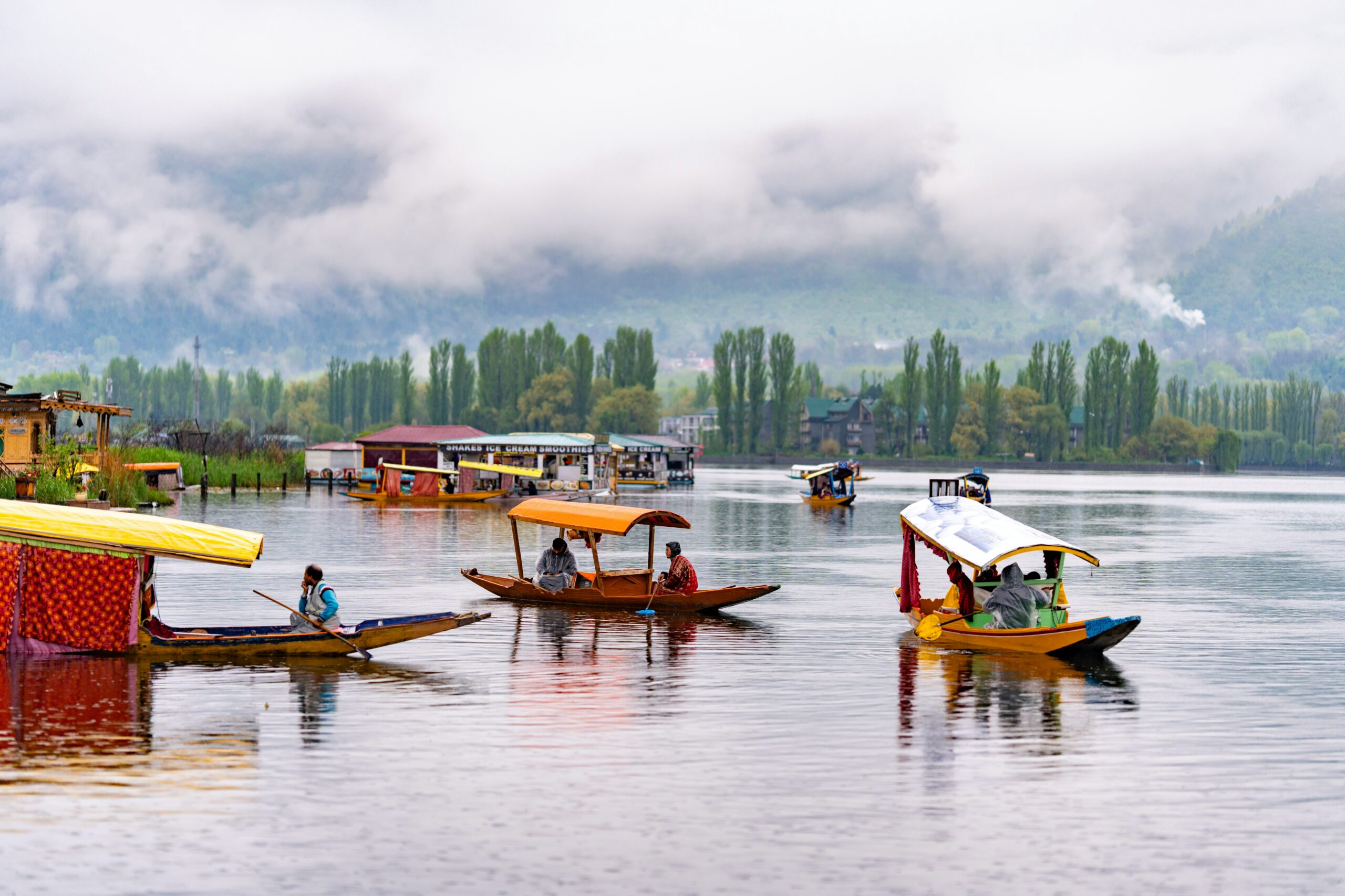
Dal Lake Kashmir is unique because it is not just a lake, but a living city on water. It spreads wide with four main basins, Gagribal, Lokut Dal, Bod Dal, and Nagin, each adding a different feel to the landscape. A long boulevard runs along nearly 15.5 kilometres of shoreline, offering clear views of the Zabarwan Range rising in the background. Around fifty thousand people live on and around the lake through the year, which makes it feel active even on quiet days. This mix of nature and human life gives the lake a rhythm that few places can match.
Dal Lake Srinagar stands apart from other lakes in India because it works like a self-sustaining world. Locals grow fresh vegetables on floating gardens called raad, which gently move with the water. Small market boats sell fruits, flowers, and daily goods, continuing a system that has existed for centuries. Fishing from shikaras is still common, showing how tradition blends with daily needs. It feels less like a tourist spot and more like stepping into a slow, floating town.
- Shikara rides are both a main tourist activity and a daily transport system
- Heritage houseboats are made from carved deodar and walnut wood
- Floating vegetable market has been active since the fifteenth century
- Floating gardens called raad grow fresh vegetables on water
- Mughal gardens like Nishat Bagh and Shalimar Bagh line the shore
Best Time to Visit Dal Lake Kashmir
The best time to visit dal lake kashmir depends on the kind of trip planned, whether it is calm, colourful, or quiet with snow. Each season changes the lake in a different way, so the experience also feels different. Some people come for flowers and good weather, while others prefer fewer crowds or winter views. The right time depends on what feels more enjoyable, busy scenes or peaceful moments.
Spring (March to May)
Spring in Kashmir is when the lake starts to look fresh and full of life again. Snow melts and adds more water to the lake, making it look clean and bright. By late April, small lotus buds begin to appear on the surface. Mughal gardens near the lake also start blooming with flowers, and the nearby Tulip Garden draws large crowds to Srinagar. The weather stays mild and comfortable for travel. Shikara rides are easy to get from morning to evening, and the mountain views look very clear in the water.
Summer (June to August)
Summer in Kashmir is the busiest time at the lake with many tourists visiting daily. Lotus flowers fully bloom during July and August, covering parts of the lake with colour. The weather feels pleasant compared to hot cities, which attracts more people. Early morning rides before seven are quieter and more peaceful. Dal Lake Srinagar sees high demand for houseboats, so prices go up. The lake feels lively, but it can also feel crowded at times.
Autumn (September to November)
Autumn in Kashmir is often seen as the best season to visit the lake. Chinar trees turn red, orange, and yellow during October and November. These colours reflect on the water and look very beautiful at sunrise. The number of tourists becomes less after summer, so the area feels calm. The weather stays cool and pleasant during the day. Migratory birds arrive, which makes it a good time for photography and nature watching.
Winter and the Frozen Dal Lake (December to February)
Winter in Kashmir changes the lake into a quiet and cold place with a different kind of beauty. Dal Lake in winter becomes very calm, with fewer people around. In very cold weather, the frozen Dal Lake can be seen in some areas. A thin layer of ice forms, and mist can be seen in the early morning. Temperatures can drop very low, sometimes reaching minus eleven degrees. Shikara rides are available for fewer hours, and some houseboat services may be limited, but the view feels peaceful and special.
Not sure which season suits your trip best? Our guide on the best time to visit Kashmir breaks it down season by season.
Shikara Ride on Dal Lake: Everything You Need to Know
A shikara ride on dal lake kashmir is calm, slow, and very peaceful to enjoy. The boat has soft seats and a cloth cover on top for shade. There is no engine sound, only the gentle splash of the paddle in water. The ride feels close to nature because the boat moves at water level. Along the way, small boats sell flowers, fruits, and snacks. Floating gardens, old houseboats, and green hills make the view simple and beautiful.
The best time for a ride is early morning before six when the lake is quiet. Light fog stays on the water, and local sellers move around in boats. Evening from five to seven is also a good time for sunset views. Afternoon rides, especially in summer, can feel too bright and less comfortable.
- Start from Ghat No. 1 or Ghat No. 17 on Boulevard Road
- Ride timings change with season and weather
- Always ask price first and try to bargain
- Houseboat stays may include free boat rides
- Some rides stop at Nehru Park and Char Chinar island
Houseboat Stay on Dal Lake: What to Expect
A houseboat stay on dal lake kashmir is not just a stay, it is a part of the region’s history and culture. These houseboats began during British rule, when foreigners were not allowed to buy land in Kashmir. They built homes on water instead, and local Kashmiri craftsmen designed and maintained them. Over time, this work was carried forward by the Hanji community. Many houseboats are made from deodar and walnut wood, with detailed carvings and traditional designs. Some of these boats are more than a hundred years old, which adds a sense of heritage to the stay.
Houseboats are divided into different categories, and the experience changes a lot with price and comfort level. The tourism department classifies them based on facilities, design, and service quality. A simple stay gives basic comfort, while higher categories offer more space, better interiors, and added services.
- Budget (₹1,500–4,000/night) offers basic rooms and simple meals
- Mid-range (₹4,000–8,000/night) has carved interiors and better comfort
- Luxury (₹10,000+/night) includes premium décor, full meals, and lake views
Arrival usually happens by shikara, which carries guests and luggage from the ghat to the houseboat. This short ride often feels special and sets the mood for the stay. Evenings are quiet, with soft water sounds and lights reflecting on the lake. Traditional Kahwa tea is often served, adding warmth to the experience. Nights become very calm after nine, and older houseboats may have slightly curved wooden floors.
Travelling with family? Read our guide on the best time to visit Kashmir with family to plan a houseboat stay that works for everyone.
Things to See and Do Around Dal Lake
1. Floating Vegetable Market
The floating vegetable market is one of the oldest traditions still active on the lake. It has been running since the fifteenth century and takes place in the early morning between five and eight. The market is located on the northern side of the lake and is best reached by shikara. Local farmers bring fresh vegetables grown on floating gardens. Items like lotus stems, tomatoes, and cucumbers are sold directly from boats. Small flower bundles are also traded here. The calm water and soft morning light make the experience feel very peaceful and real.
2. Char Chinar Island
Char Chinar is a small island in the middle of the lake with four large Chinar trees. It can be reached easily by shikara and is a popular short stop during rides. The island looks simple, but it feels calm and open, away from busy areas. The best time to visit is during autumn when the leaves turn red and orange. The reflection of these trees on the water looks very beautiful. It is a good place to sit for a while and enjoy quiet views.
3. Hazratbal Shrine
Hazratbal Shrine is an important religious place located on the northern side of the lake. It is known for its white structure and peaceful surroundings near the water. The shrine can be reached by road or by shikara, depending on the route chosen. It holds a relic believed to be of the Prophet, which makes it very special for visitors. The area around the shrine feels calm and respectful. Visiting here adds a cultural and spiritual touch to the lake experience.
4. Shalimar Bagh and Nishat Bagh
Shalimar Bagh and Nishat Bagh are Mughal gardens located along the eastern side of the lake. Both gardens can be reached by road or as part of a longer shikara ride. Nishat Bagh is larger and has wide terraces with clear views of the lake. Shalimar Bagh feels more structured with classic Mughal design and pathways. These gardens are filled with flowers, trees, and flowing water channels. They are best visited in spring and autumn when the colours are most vibrant.
Looking for more to explore around Srinagar? Our guide to things to do in Kashmir covers activities across the valley beyond the lake.
How to Reach Dal Lake
By Air: Nearest airport is Sheikh ul Alam International Airport in Srinagar, about 21 km away; taxis are easily available for direct transfer
By Road: Srinagar is connected by NH 44 from Jammu, around 300 km; buses and shared taxis run regularly, travel time depends on weather
By Rail: Nearest railway station is Banihal; from there, taxis and buses connect to Srinagar and then to the lake
Within Srinagar: Dal Lake is in the city centre, and can be reached in 10–20 minutes by auto or taxi from most hotels.
Coming from Delhi? Our detailed Delhi to Kashmir guide covers all road, rail, and flight options with costs and travel time.
Travel Tips for Visiting Dal Lake Kashmir
- Start the day early, as the lake looks best before eight in morning
• Visit the floating market between five and eight for real local experience
• Always carry cash, since most boatmen and small vendors avoid digital payments
• Keep mosquito repellent during summer, especially for houseboat stays at night
• Wear modest clothes near Hazratbal Shrine and local residential areas around the lake
• Bargain politely for shikara rides, crafts, and market items to get fair prices
• Confirm shikara price and duration clearly before starting the ride to avoid confusion
• Choose houseboats approved by tourism authorities for better safety and service quality
• Carry warm clothes even in summer, as mornings and evenings can feel slightly cold
• Avoid afternoon shikara rides in summer due to strong sunlight and glare on water
• Keep phone and camera safe from water by using simple waterproof covers
• Respect local culture and avoid loud behaviour in quiet areas of the lake
• Try local Kahwa tea on houseboats for an authentic Kashmiri experience
• Walk along Boulevard Road during sunset for calm views and fresh air
FAQs
1. Where is Dal Lake located?
Dal Lake is located in Srinagar, Jammu and Kashmir, in the centre of the city. It lies within the Zabarwan mountain range and is easily accessible from most parts.
2. What is Dal Lake famous for?
Dal Lake is famous for shikara rides, houseboats, floating gardens, and scenic views. It is also known as the Jewel in the Crown and attracts visitors year round.
3. What is the best time to visit Dal Lake?
The best time to visit Dal Lake is from April to October for pleasant weather. Autumn offers colourful views, while winter shows a quiet and sometimes frozen landscape.
4. How much does a shikara ride cost?
A shikara ride usually costs between seven hundred to eight hundred rupees per hour. Prices may vary based on duration, route, and bargaining with the boatman.
5. Can people stay on Dal Lake?
Yes, visitors can stay in houseboats on Dal Lake. These stays offer traditional wooden interiors, local food, and a peaceful experience on water with basic to luxury options available.
6. Is Dal Lake safe for tourists?
Dal Lake is generally safe for tourists, especially in main areas. It is advised to follow local guidance, avoid isolated spots at night, and use trusted services for rides and stays.
7. What are floating gardens in Dal Lake?
Floating gardens are small farms made on water using plants and soil. Locals grow vegetables like lotus stem and greens, which are sold in the floating market daily.
8. Does Dal Lake freeze in winter?
Yes, Dal Lake can freeze in very cold winters when temperatures drop below zero. Ice forms on parts of the lake, creating a unique and quiet winter landscape.
9. How far is Dal Lake from Srinagar Airport?
Dal Lake is about twenty one kilometres from Srinagar Airport. It usually takes around thirty to forty minutes by taxi, depending on traffic and weather conditions.
10. What activities can be done at Dal Lake?
Visitors can enjoy shikara rides, houseboat stays, floating market visits, garden tours, and bird watching. Each activity offers a different view of life and culture on the lake.