
Deoriatal Chandrashila Trek
The Most Scenic Himalayan Trek Through Deoriatal, Chopta And Chandrashila
Deoriatal Chandrashila Trek: Complete Overview
The Deoriatal Chandrashila Trek takes you to a 12,083-foot summit with a 360-degree Himalayan view. It starts at a quiet Garhwal village. Beginners can handle it. You start at Sari, pass the still Deoriatal Lake, and cross dense oak and rhododendron forest. The trek ends at Chandrashila peak, above the Tungnath temple. Five to six days. Easy to moderate grading. No technical gear needed. This guide covers the real route, the cost across operators, and a day-by-day itinerary. It also covers how hard the trek actually is, and the best months to go. Read the distance section first if two websites already gave you two different numbers.
The Deoriatal Chandrashila Trek is a 4-5 days Himalayan trek in Uttarakhand. It links two once-separate hikes into one route: Deoriatal Lake and the Chopta-Tungnath-Chandrashila summit climb. You start on foot from Sari village, in the Rudraprayag district. From there, you walk to Deoriatal, then cross the forests and meadows of Rohini Bugyal. Chopta comes next. From Chopta, the trail climbs to Tungnath, the highest Shiva temple in the world. Then it climbs further, to the Chandrashila summit.
5 Reasons Deoriatal Chandrashila Trek Stands Apart
Click each reason to read the full story.
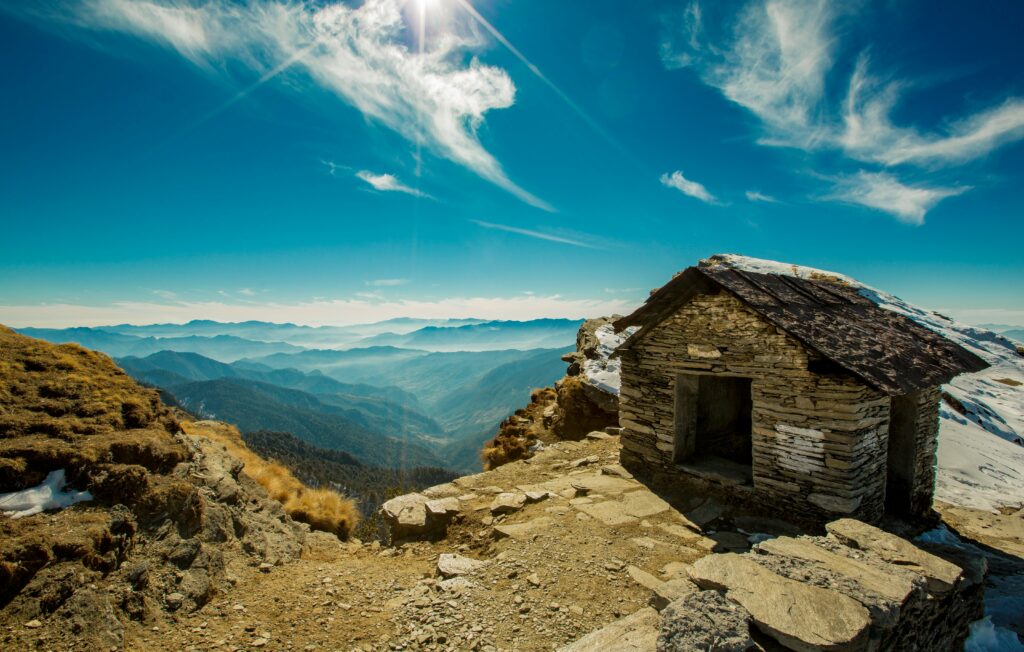
The trek offers clear views of famous peaks like Chaukhamba, Kedarnath, and Trishul. The sunrise from Chandrashila is one of the main highlights.
Deoriatal is a peaceful mountain lake surrounded by forests and high peaks. Its reflections create beautiful views, especially in clear weather.
The trek starts around Chopta, which is well connected by road from Rishikesh, Haridwar and major towns in Uttarakhand. This makes the trek easier to plan.
The trail passes through oak and rhododendron forests before reaching the open meadows around Tungnath and Chandrashila. The landscape changes beautifully as you gain altitude.
The route takes you to Tungnath, one of the highest Shiva temples in the world. From here, the final climb to Chandrashila adds a rewarding summit experience.
Deoriatal Chandrashila Trek: Detailed Day-by-Day Guide
| DAY | ROUTE | DISTANCE | DURATION | ALTITUDE GAIN | ALTITUDE LOSS |
|---|---|---|---|---|---|
| 1 | Rishikesh → Sari Village | 200 km | 7–8 hrs | ~5,900 ft | — |
| 2 | Sari → Deoriatal → Sari | 4–5 km | 3–4 hrs | ~800 ft | ~800 ft |
| 3 | Sari → Chopta → Tungnath | 4–5 km | 3–4 hrs | ~2,500 ft | — |
| 4 | Tungnath → Chandrashila → Chopta | 6–7 km | 5–6 hrs | ~1,500 ft | ~4,000 ft |
| 5 | Chopta → Rishikesh | 200 km | 7–8 hrs | — | ~2,500 ft |
Quick stats: Distance: 190 km | Time: 7-8 hrs | Altitude: 5,530 ft
The journey to the Deoriatal Chandrashila Trek starts from Rishikesh. You leave early in the morning and drive towards Sari Village, the base village for the trek. The route passes through the mountain roads of Uttarakhand, with changing views of rivers, forests and small hill towns along the way. The total road distance is around 200 km and the drive usually takes 7–8 hours, depending on traffic and road conditions. Sari Village is located at around 6,100 ft. Once you reach the village, check into your accommodation and take some time to rest. You can also walk around the village and enjoy the peaceful mountain surroundings. Keep your trekking bag ready for the next morning. Since the trek begins from Sari, there is no long walking section on this day. Have an early dinner and get proper sleep before starting the trek towards Deoriatal.
Quick stats: Distance: 5 km | Altitude: +1,240 ft | Time: 3-4 hrs
The second day is the first walking day of the trek. After breakfast, you start from Sari Village and follow a well-marked trail towards Deoriatal. The trail climbs gradually through oak and rhododendron forests. The walk is short but includes a steady uphill section, so take your time and maintain a comfortable pace. Deoriatal is situated at around 7,800 ft and is surrounded by beautiful Himalayan landscapes. On a clear day, you can see peaks such as Chaukhamba from the lake area. Spend some time near the lake, enjoy the views and have lunch or snacks before starting the return walk. You then follow the same trail back to Sari Village. The total walking distance is around 4–5 km and usually takes 3–4 hours. After reaching Sari, rest, have dinner and prepare for the next day’s journey towards Chopta and Tungnath.
Quick stats: Distance: 34 km | Altitude: +4,790 ft | Time: 4-5 hrs
After breakfast, you leave Sari Village and drive towards Chopta, which is the starting point for the Tungnath section of the trek. From Chopta, you begin walking on the trail towards Tungnath Temple. The trail climbs steadily through forests and open mountain sections. As you gain altitude, the views become wider and the landscape changes. Tungnath is located at around 11,300 ft and is known for its ancient Shiva temple. The walk from Chopta to Tungnath is around 4–5 km and usually takes 3–4 hours, depending on your pace and weather conditions. The final section can feel tiring because of the altitude and continuous climb, so take regular short breaks. Once you reach Tungnath, spend some time resting and exploring the area. Stay overnight at the designated accommodation or campsite as per the trek plan. Keep your warm layers ready because temperatures can drop quickly after sunset.
Quick stats: Altitude: 750 ft | Distance: 6 km | Time: 5-6 hrs
Day four is the summit day of the Deoriatal Chandrashila Trek. Start early from Tungnath and begin the steep climb towards Chandrashila. The trail becomes more challenging compared with the previous sections, especially in snow or cold weather. Chandrashila stands at around 12,000–12,100 ft and offers wide views of the Himalayan peaks on a clear day. The climb from Tungnath to the summit takes around 1–2 hours, depending on fitness, weather and trail conditions. Spend some time at the summit without staying too long in cold or windy conditions. After enjoying the views, start descending towards Tungnath. Continue further down to Chopta, where the day’s trek ends. The total walking distance is around 6–7 km and usually takes 5–6 hours. The descent can put pressure on your knees, so use trekking poles and walk carefully on loose or slippery sections.
Quick stats: Distance: 200 km | Altitude: -7,760 ft
The final day is mainly a road journey from Chopta back to Rishikesh. After breakfast, you leave Chopta and begin the drive through the mountain roads of Uttarakhand. The route offers views of forests, valleys and small settlements as you gradually move towards the lower hills. The journey covers around 200 km and usually takes 7–8 hours, although the actual time can change because of traffic, road conditions or weather. Keep some water and snacks with you for the drive, as meal stops may take time depending on the route. Once you reach Rishikesh, the Deoriatal Chandrashila Trek comes to an end. Avoid booking a very late flight or train from Rishikesh on the same day because mountain roads can cause delays. If your onward journey is flexible, keeping some buffer time is a safer option. This also gives you time to rest after the trek.
How Difficult Is the Deoriatal Chandrashila Trek: Honest Assessment
The Deoriatal Chandrashila Trek is generally considered a moderate trek. The trail has a mix of forest paths, gradual climbs, rocky sections and steep stretches. The climb from Chopta to Tungnath is steady, while the final section from Tungnath to Chandrashila is steeper and can feel difficult because of the altitude. Snow can make the trail more challenging in winter. You do not need technical climbing skills, but good stamina, strong legs and proper trekking shoes are important. Regular walking, stair climbing and basic strength training before the trek can make the journey more comfortable.
The terrain of the Deoriatal Chandrashila Trek is mostly moderate, with a mix of forest trails, stone-paved paths, rocky sections and steep climbs. The route from Sari to Deoriatal passes through forests and has a gradual uphill climb. The Chopta–Tungnath trail is more demanding, with a steady ascent on rocky and stone steps. The final climb from Tungnath to Chandrashila is the steepest section. During winter, snow and ice can cover the trail and make walking more difficult. Good trekking shoes, steady pacing and trekking poles are useful, especially on steep or slippery sections.
| MONTH | DAY TEMPERATURE | NIGHT TEMPERATURE | WEATHER & TRAIL CONDITION |
|---|---|---|---|
| January | 2°C to 10°C | -10°C to -3°C | Very cold, heavy snow on higher sections |
| February | 4°C to 12°C | -8°C to -2°C | Cold, snow-covered upper trail |
| March | 13°C to 17°C | 0°C to 3°C | Snow remains at Tungnath and Chandrashila |
| April | 15°C to 20°C | 0°C to 5°C | Cool, clear, rhododendrons in bloom |
| May | 18°C to 24°C | 3°C to 8°C | Pleasant, green and mostly clear |
| June | 18°C to 24°C | 5°C to 10°C | Mild weather, occasional showers |
| July | 15°C to 20°C | 5°C to 10°C | Heavy rain, slippery trails |
| August | 15°C to 20°C | 5°C to 10°C | Heavy rain, mist and poor visibility |
| September | 10°C to 15°C | 0°C to 5°C | Post-monsoon, cool and clearer skies |
| October | 10°C to 15°C | 0°C to 4°C | Cool, dry and excellent visibility |
| November | 5°C to 10°C | -5°C to 0°C | Very cold, possible snowfall later |
| December | 2°C to 8°C | -10°C to -3°C | Freezing cold with chances of snowfall |
The weather changes sharply with altitude. Lower sections around Sari and Deoriatal are warmer, while Tungnath and Chandrashila remain much colder. Spring can have snow on the upper trail, summer is mild and green, and September to November generally brings clearer skies. July and August receive heavy rain and can make the trail slippery.
The Deoriatal Chandrashila Trek reaches around 12,100 ft at Chandrashila, with Tungnath at about 11,350 ft. The gradual climb from Sari to Deoriatal and then towards Tungnath gives your body time to adjust to the increasing altitude. Walk at a steady pace, drink enough water and take proper rest at night. Do not rush the steep climb to Chandrashila. If you feel headache, dizziness, nausea, unusual tiredness or breathlessness, inform your trek leader and take a break. Proper acclimatization is especially important during the higher sections of the trek.
The Deoriatal Chandrashila Trek is a moderate trek, but steep sections, snow, rain and high altitude can make the trail difficult. Stay with your trek group and follow the leader’s instructions throughout the route. Carry essential medicines, warm layers, rain protection, a headlamp and a charged phone or power bank. Be careful on rocky and slippery sections, especially around Tungnath and Chandrashila.
- Stay with the group: Do not walk alone or take unknown shortcuts.
- Altitude safety: Report headache, dizziness, nausea or unusual breathlessness immediately.
- Weather changes: The trek team may change the route or schedule if conditions become unsafe.
- Snow safety: Use proper trekking shoes and poles on snow-covered sections.
- Emergency evacuation: Depending on your location and trail conditions, move towards Chopta, Sari or the nearest accessible road point with the trek team’s guidance.
- Medical help: Evacuation from the trail may require walking or assisted movement to the nearest road before road transport is arranged.
- Emergency contact: Keep your trek operator’s emergency number and local contacts saved before starting.
Best Time to Do the Deoriatal Chandrashila Trek: Season by Season
The best time for the Deoriatal Chandrashila Trek depends on the experience you want. March to June offers pleasant weather, greenery and spring flowers, while September to October brings clearer skies and good mountain views. November to February is suitable for those looking for a snowy trek, but conditions can be very cold. July and August bring heavy monsoon rain, slippery trails and possible road disruptions, so trekking during this period can be challenging.
Snow covers the higher sections and creates a winter trekking experience. Temperatures can fall below freezing at night, and heavy snowfall may affect road and trail access.
Spring brings cold weather and snow on the higher sections. Tungnath and Chandrashila can remain snow-covered, while rhododendrons start blooming in April. Early mornings and nights remain cold.
The weather is pleasant, with comfortable daytime temperatures and green forests around Chopta. Clear days offer good views of the surrounding Himalayan peaks.
Post-monsoon weather is generally cool and clearer. This season offers good visibility and beautiful Himalayan views, although October nights become colder.
How to Reach Deoriatal Chandrashila Trek: Complete Travel Guide
If the flight price gap between Delhi and Dehradun sits under roughly ₹1,000, book straight into Dehradun. Sari is about seven to eight hours by road from Rishikesh. Cutting travel time at the front end matters more than it sounds. Dehradun’s Jolly Grant Airport is the closest airport, about an hour from Rishikesh. Flying here saves four to five hours over the train-plus-cab route. But only if the fare gap is small. When Dehradun flights cost noticeably more, try the train instead. Take an overnight train from Delhi to Haridwar, then a short cab to Rishikesh. It usually wins on cost and total time.
From Rishikesh, most operators arrange a shared vehicle to Sari. The drive runs through Devprayag, Srinagar, Rudraprayag, and Ukhimath. That drive is part of the trip, not just logistics. Devprayag is where the Alaknanda and Bhagirathi rivers meet, to form the Ganga. Worth grabbing the window seat.
From Delhi, the easiest route is to travel to Rishikesh or Haridwar by train, bus or car. From there, continue by road towards Sari Village, the base village for the trek. The journey from Rishikesh to Sari is around 190–200 km and takes about 7–8 hours. You can use a shared taxi, private cab or trek operator’s transport. Reach Sari a day before the trek if possible and rest properly.
Travellers from Mumbai can take a flight to Dehradun (Jolly Grant Airport) or travel by train towards Haridwar or Rishikesh. From Dehradun, Haridwar or Rishikesh, continue by road to Sari Village. The road journey from Rishikesh to Sari takes around 7–8 hours and covers approximately 190–200 km. A private taxi, shared vehicle or organised trek transport can be used for this section.
From Bangalore, the quickest option is to take a flight to Dehradun. From Dehradun Airport, travel by road towards Rishikesh and then continue to Sari Village. The complete road journey from Dehradun to Sari takes several hours, depending on traffic and mountain road conditions. You can also travel by train to Haridwar or Rishikesh and continue by road. Arriving in Sari before the trek gives you time to rest and prepare.
After completing the Deoriatal Chandrashila Trek, your return journey starts from Chopta and usually continues towards Rishikesh or Haridwar by road. The journey can take around 7–8 hours, depending on traffic and road conditions. Keep some buffer time before booking your train or flight, as mountain roads can cause unexpected delays. Carry water, snacks and some cash for the journey. After several days of trekking, take short breaks during the drive to stay comfortable. If possible, avoid booking a same-day flight or train with a tight connection. Staying overnight in Rishikesh or Haridwar is a more relaxed option if your onward journey is early the next morning.
Before the trek: Stay in Sari Village if you want to start the trek early and avoid a long morning journey. Sari has basic guesthouses, homestays and small lodges. You can also stay in Chopta, especially if your trek plan starts directly from there. Rishikesh is another option if you prefer more accommodation choices, but it means travelling to Sari or Chopta the next day.
After the trek: After completing the trek, you can stay in Chopta if you reach late or feel tired after the summit day. If you finish the journey early, continue towards Rishikesh or Haridwar and stay there overnight. Rishikesh has more hotels, guesthouses and restaurants, making it convenient for travellers continuing to Delhi or catching their onward train or flight.
What the Deoriatal Chandrashila Trek Experience Is Like: Camps, Food, Stay
The Deoriatal Chandrashila Trek combines peaceful forests, mountain villages, scenic meadows, Deoriatal Lake, Tungnath Temple and a rewarding summit climb with beautiful Himalayan views.
Accommodation on the Deoriatal Chandrashila Trek is simple and comfortable. Before the trek, you can stay in guesthouses or homestays in Sari Village. During the trek, accommodation is usually provided in basic camps or local stays, depending on the itinerary. Facilities become limited as you gain altitude, so do not expect hotel-style rooms. Carry warm clothes and a sleeping bag suitable for cold mountain nights. After the trek, you can stay in Chopta or continue towards Rishikesh or Haridwar.
Food on the Deoriatal Chandrashila Trek is simple, fresh and filling. Meals usually include breakfast, lunch and dinner with options such as poha, upma, paratha, rice, dal, roti, vegetables and khichdi. Tea, coffee and biscuits are commonly served during breaks. You can also carry dry fruits, chocolates, energy bars and other light snacks for the trail. Since this is a mountain trek, food choices are limited at higher camps, so carry personal snacks if you need extra energy.
Hygiene facilities on the Deoriatal Chandrashila Trek are basic, especially at higher camps. Sari Village and Chopta have toilets in guesthouses and homestays, while camps may use temporary toilet facilities. Hot water may be limited, particularly at higher altitudes. Carry wet wipes, hand sanitiser, biodegradable soap and personal toiletries. Avoid littering on the trail and dispose of toilet waste only at designated places. Keep the campsite and surrounding areas clean throughout the trek.
- 6:00–6:30 AM: Wake up and freshen up
- 7:00 AM: Breakfast
- 7:30–8:00 AM: Start the trek
- 10:30–11:00 AM: Short trail break
- 12:30–1:30 PM: Lunch and rest
- 2:00–4:00 PM: Continue trekking
- 4:00–5:00 PM: Reach campsite or accommodation
- 5:00–6:30 PM: Tea, rest and free time
- 7:30–8:30 PM: Dinner
- 9:00 PM onwards: Prepare for sleep
- Summit day: Start early, usually before sunrise, for the Chandrashila summit.
Deoriatal Chandrashila Trek Packing List: What to Carry
Pack for a 20-degree temperature swing. Not for a single season. Day temperatures often sit in the mid-teens Celsius. Nights at the higher camps can drop close to freezing, even outside winter. That swing catches more first-timers off guard than the altitude does. Most packing lists online look nearly identical, trek to trek. Three things matter most for this specific one.
Clothing: The Layering System
Layering on the Kedarkantha route works because it traps warm air in thin pockets between fabrics. One thick jacket cannot do what three thin layers can. You add layers when cold, strip layers when warm. That flexibility is the point.
Layering
- 2–3 quick-dry T-shirts
- 1–2 trekking pants
- 1 fleece jacket
- 1 insulated jacket
- 1 waterproof jacket
- 1 thermal innerwear set
- 3–4 trekking socks
- 1 woollen cap
- 1 sun cap
- 1 pair warm gloves
- UV-protection sunglasses
- Lightweight rainwear
- Extra warm clothe
Footwear
- High-ankle shoes
- Good grip
- Water-resistant build
- Trekking socks
- Extra socks
- Camp sandals
- Broken-in shoes
- Avoid sneaker
Gear
- Trekking poles
- Headlamp torch
- Water bottle
- Sunglasses
- Sunscreen lotion
- First-aid kit
- Power bank
- Backpack raincover
- Personal medicines
- Trek backpack
- Water purification tablets
- Sleeping bag
- Trekking gaiters
- Energy snacks
- Small daypack
Personal Essentials
- Sunscreen SPF 50+. UV at 12,000 feet is 40 percent stronger than at sea level. Reapply every 3 hours on summit day.
- Lip balm with SPF. Cracked lips at altitude are painful and slow to heal.
- Toiletries: Biodegradable soap and shampoo only.
- Personal medication: Carry your own prescriptions plus paracetamol, Imodium, ORS packets, band-aids, and blister pads.
What NOT to Carry
Heavy jeans or cotton clothing. Cotton absorbs sweat and refuses to dry at altitude. This is how hypothermia starts. More than 8 to 9 kg total backpack weight. If your bag is heavier, use our offloading service. Carry a daypack with water, snacks, sunscreen, rain cover, and a warm layer. Leave the rest.
How to Get Fit for the Deoriatal Chandrashila Trek
The Deoriatal Chandrashila Trek is a moderate trek with long uphill sections, especially between Chopta, Tungnath and Chandrashila. You do not need advanced training, but you should build good stamina, leg strength and balance before the trek. Start training at least 4–6 weeks before your trek and increase the workload slowly.
The Fitness Benchmark
Run this test tomorrow. If you pass all three, you are ready for the Deoriatal Chandrashila Trek
If you cannot clear these right now, you have 6 weeks. That is enough. Follow the plan below.
Weeks 1–2: Start with 30–40 minutes of brisk walking or light jogging, 5 days a week. Add simple exercises such as squats, lunges, calf raises and step-ups. Focus on building a regular exercise routine rather than training too hard.
Weeks 3–4: Increase your walking time to 45–60 minutes. Add stairs or uphill walking 2–3 times a week. Continue strength exercises and include one longer walk on the weekend. This helps your legs handle continuous climbs.
Weeks 5–6: Make your training more trek-specific. Walk or climb stairs for 60–90 minutes and carry a light backpack during longer sessions. Practise walking on uneven surfaces if possible. Keep one complete rest day every week and avoid heavy training just before the trek.
If you are not physically fit for the Deoriatal Chandrashila Trek, the uphill sections can feel much harder than expected. You may get tired quickly, need frequent breaks and struggle to maintain the group’s pace. Long climbs towards Tungnath and Chandrashila can cause heavy breathing and leg fatigue. You may also experience muscle soreness and slower recovery after each day. Poor fitness can make it difficult to carry your backpack and complete the summit climb comfortably. Building stamina, leg strength and basic endurance before the trek helps you manage the trail with less fatigue.
55+ Trekkers: Older trekkers can consider the Deoriatal Chandrashila Trek if they are physically active and comfortable with long uphill walks. Start fitness training early and get medical clearance before the trek, especially for any existing health concerns. Walk at a steady pace and take regular breaks.
Children: Children should be physically active and comfortable walking for several hours. The steep climb towards Tungnath and Chandrashila can be tiring, so parents should consider the child’s age, fitness, weather and altitude before planning the trek. Children should stay with an adult and the trek group.
Medical Conditions: Anyone with a medical condition should speak to a doctor before planning a high-altitude trek. Carry prescribed medicines and inform the trek leader about your condition. Do not continue trekking if you feel seriously unwell, and follow medical or trek-leader instructions.
Deoriatal Chandrashila Trek Cost: Complete Pricing Breakdown
No ranges. No “starting from” estimates. Here is the exact cost.
| PACKAGE | COST | INCLUDES |
|---|---|---|
| Deoriatal Chandrashila Trek | ₹9,999 | Accommodation, Meals, Guide, Permits, Trek Support |
| Transport Package | ₹11,999 | Trek Package + Dehradun–Sari/Chopta–Dehradun Transport |
| Solo Trek | ₹12,999 | Private Support, Accommodation, Meals, Guide, Permits |
| Porter Support | Extra | Available on Request |
Total minimum cost: Rs 8,500 per person (trek fee). Offloading and cloakroom are optional.
What Is Included
- Accommodation during the trek
- All vegetarian meals
- Experienced trek leader
- Local trekking guide
- Forest and camping permits
- Camping equipment
- Sleeping bags
- Sleeping mats
- Kitchen and dining tent
- Toilet tent
- First-aid kit
- Medical support
- Trek support staff
- Cook and kitchen team
- Trek equipment
- Emergency support
- Waste management on the trail
- Basic trek briefing
- Pickup and drop-off, if included in the selected package
What Is Not Included
- Travel to and from the trek starting point
- Personal transportation outside the package
- Train or flight tickets
- Personal expenses
- Porter for personal luggage
- Personal trekking gear
- Trekking shoes and clothing
- Snacks, chocolates and energy drinks
- Additional food or beverages outside included meals
- Personal medicines
- Medical expenses
- Emergency evacuation costs
- Insurance
- Hotel stay before or after the trek
- Extra accommodation due to weather or delays
- Any cost caused by route changes or natural conditions
- Tips for trek staff
- Anything not specifically mentioned under Inclusions
The trek package may cover the main services, but a few small expenses can increase your total budget. These costs are easy to miss when planning your Deoriatal Chandrashila Trek.
- Travel to Sari: Train, bus, flight or taxi costs to reach the trek starting point.
- Local Transport: Shared taxis or private cabs between Rishikesh, Sari and Chopta if transport is not included.
- Extra Hotel Stay: Additional night in Rishikesh, Sari or Chopta due to early arrival or travel delays.
- Porter Charges: Extra payment if you want someone to carry your personal backpack.
- Trekking Gear: Shoes, trekking poles, rainwear, backpack and warm layers if you do not already have them.
- Personal Snacks: Chocolates, dry fruits, energy bars and drinks for the trail.
- Hot Water: Hot water may cost extra at some stays or camps.
- Toiletries: Wet wipes, tissues, sunscreen, lip balm and other personal items.
- Power Bank: Useful because charging facilities can be limited at higher camps.
- Emergency Expenses: Extra transport, medical support or evacuation if required.
- Tips: Optional tips for guides, cooks, porters and support staff.
- Insurance: Trek or travel insurance is usually purchased separately.
The Deoriatal Chandrashila Trek cost covers more than just the trek route. Your payment helps us arrange the people, permits, food, accommodation and equipment needed to run the trek safely and smoothly.
- Experienced Trek Team: Guides and trek leaders stay with you throughout the trek.
- Accommodation: Covers stays and camping arrangements during the trek.
- Nutritious Meals: Fresh and filling vegetarian meals are prepared during the trek.
- Permits & Permissions: Required forest and local permits are arranged as part of the package.
- Camping Equipment: Tents, sleeping bags, mats and other basic camping equipment are provided.
- Safety Support: First-aid supplies, emergency planning and trained support staff are included.
- Kitchen Team: Cooks and helpers prepare and serve meals at camps.
- Logistics: Moving food, camping equipment and other trek supplies to different points adds to the operating cost.
- Waste Management: The team collects and manages waste to keep the trekking route clean.
- Staff Wages: Your trek fee also covers fair payment for guides, cooks, porters and other support staff.
- Local Support: Working with local people and services helps manage transport, stays and other ground arrangements.
| CANCELLATION TIME | REFUND | POLICY |
|---|---|---|
| 30+ Days Before Trek | 90% Refund | 10% retained as cancellation and processing charges |
| 15–29 Days Before Trek | 70% Refund | 30% retained as cancellation charges |
| 7–14 Days Before Trek | 50% Refund | 50% retained as cancellation charges |
| 3–6 Days Before Trek | 25% Refund | 75% retained as cancellation charges |
| Less Than 3 Days | No Refund | Booking amount is non-refundable |
| No Show | No Refund | No refund for missing the trek or arriving late |
| Cancellation by Operator | Full/Alternative | Refund or alternative trek date may be offered if the trek is cancelled due to unsafe weather or local conditions |
Safety Terms for Deoriatal Chandrashila Trek
- Follow trek leader instructions at all times.
- Stay with the group throughout the trek.
- Do not take unknown shortcuts or separate from the group.
- Wear proper trekking shoes with good grip.
- Carry warm clothes and rain protection.
- Use trekking poles on steep or slippery sections.
- Walk slowly on snow, ice and rocky trails.
- Stay hydrated throughout the trek.
- Avoid alcohol and smoking during the trek.
- Inform the trek leader about any health problem or injury.
- Report dizziness, severe headache, nausea or unusual breathlessness immediately.
- Do not continue if the trek leader advises you to stop.
- Do not walk alone during early morning or low-visibility sections.
- Follow all forest and local safety rules.
- Do not disturb wildlife or enter restricted areas.
- Keep your phone and power bank charged.
- Carry essential personal medicines.
- Weather conditions can lead to route or schedule changes.
- Emergency evacuation depends on weather, trail conditions and road access.
- Follow the team’s decision during bad weather or unsafe trail conditions.
Sari to Sari
(Transportation Included)
Upcoming Batches
“I started Kedarkantha Trek because the mountains changed my life, and I wanted to make that transformation accessible to anyone willing to walk. Every trail we run, I ask: would I send my own family on this batch?”
Ritesh Mishra
Founder, kedarkanthatrek.in • 12 years in Himalayan trekking
Deoriatal Chandrashila Trek: Frequently Asked Questions
Is there mobile network on the Deoriatal Chandrashila Trek?
Sari village has reliable network. Coverage gets patchy once you start trekking. Several operators report surprisingly good 4G right at the Chandrashila summit. That likely comes from towers with a direct line of sight. Do not count on it below the summit.
Is Tungnath temple open during the trek dates?
Usually, yes, between May and late October or mid-November. The temple closes for winter, and the deity moves to Makkumath. Dates shift a little year to year, based on the temple committee’s calendar. Confirm close to your travel date if you are trekking near either edge of that window.
Can children do this trek?
Most operators accept children above 10. This is one of the more family-friendly high-altitude treks in Uttarakhand. Younger children usually struggle with the Day 3 distance and the summit day’s early start.
How difficult is just the Tungnath section, without the full trek?
Noticeably easier. Chopta to Tungnath alone is a well-paved 3 to 4 km pilgrim trail. Doable in two to three hours by most fitness levels. No multi-day trekking involved.
Is there snow on the trail?
Yes, usually from mid-December through the end of April. Heaviest in January and February. Outside that window, expect dry trail with occasional patches near the summit into early May.
What is the nearest hospital?
Ukhimath has basic facilities. For anything serious, Rudraprayag’s government hospital or Dehradun are the realistic options. Both a genuine drive away. Not a trek to attempt with an untreated pre-existing condition.
Treks Similar to Kedarkantha: What to Do Next
Brahmatal Trek
Brahmatal’s summit sits at 12,250 feet, just 250 feet lower than Kedarkantha. The trekking distance is longer at 22 km across 4 trekking days. The trail passes two frozen lakes instead of one. The mountain views are different: Trishul and Nanda Ghunti dominate the skyline instead of Swargarohini and Bandarpoonch. If you loved the snow and summit experience on the Kedarkantha trail and want a similar challenge with new scenery, Brahmatal is the natural next step. Best done in January or February.
Har Ki Dun
Har Ki Dun runs 7 days and covers 45 km through the same national park. Both treks start from Sankri. The difficulty is comparable, but the longer duration tests endurance more than altitude. The route follows the Supin River through ancient Garhwali villages. Swargarohini appears up close from the valley floor. If you want to go deeper into the same mountain range, this is the trek.
Dayara Bugyal
Dayara Bugyal is a high-altitude meadow trek that peaks at around 11,800 feet. The gradient is gentler than Kedarkantha. The meadows are wider. No steep summit push. If you are trekking with children under 8 or family members who prefer rolling green terrain over snow and summits, Dayara Bugyal is the safer introduction.
Deoriatal Chandrashila
Deoriatal Chandrashila combines a lake, a temple (Tungnath), and a summit (Chandrashila, 13,123 ft). The trek is 6 days and mixes cultural stops with mountain trail. If you want more variety in terrain and experience types than Kedarkantha offers, this trek delivers that range.
Further Reading on the Kedarkantha Trek
How We Started Running the Kedarkantha Trek from Sankri — by our founder. The origin story of our Sankri operations, why we chose this route, and what we learned in the first three seasons.
Kedarkantha Trek in January: A Complete Month Guide — by Sneha, who trekked with us in January 2026. Trail conditions, crowd levels, and what surprised her about deep winter on this route.
What Our Youngest Trekker Taught Us About the Kedarkantha Trail — by trek leader Vikram. The story of Aarav Kapoor, age 10, and how his pace changed how we think about family batches.
Kedarkantha vs Brahmatal: Which Winter Trek Should You Do First? — A head-to-head comparison by a trekker who did both in the same season.
The Season-Wise Kedarkantha Packing Guide — with month-by-month clothing recommendations and a downloadable checklist.
