The essential things to carry for the Har Ki Dun trek are good trekking shoes, warm clothes, rain protection, a backpack, a headlamp, water bottles and personal medicines. You should also pack sun protection, basic first aid and a few items for camp life. For winter or early spring, you may need extra gear for snow and colder nights.
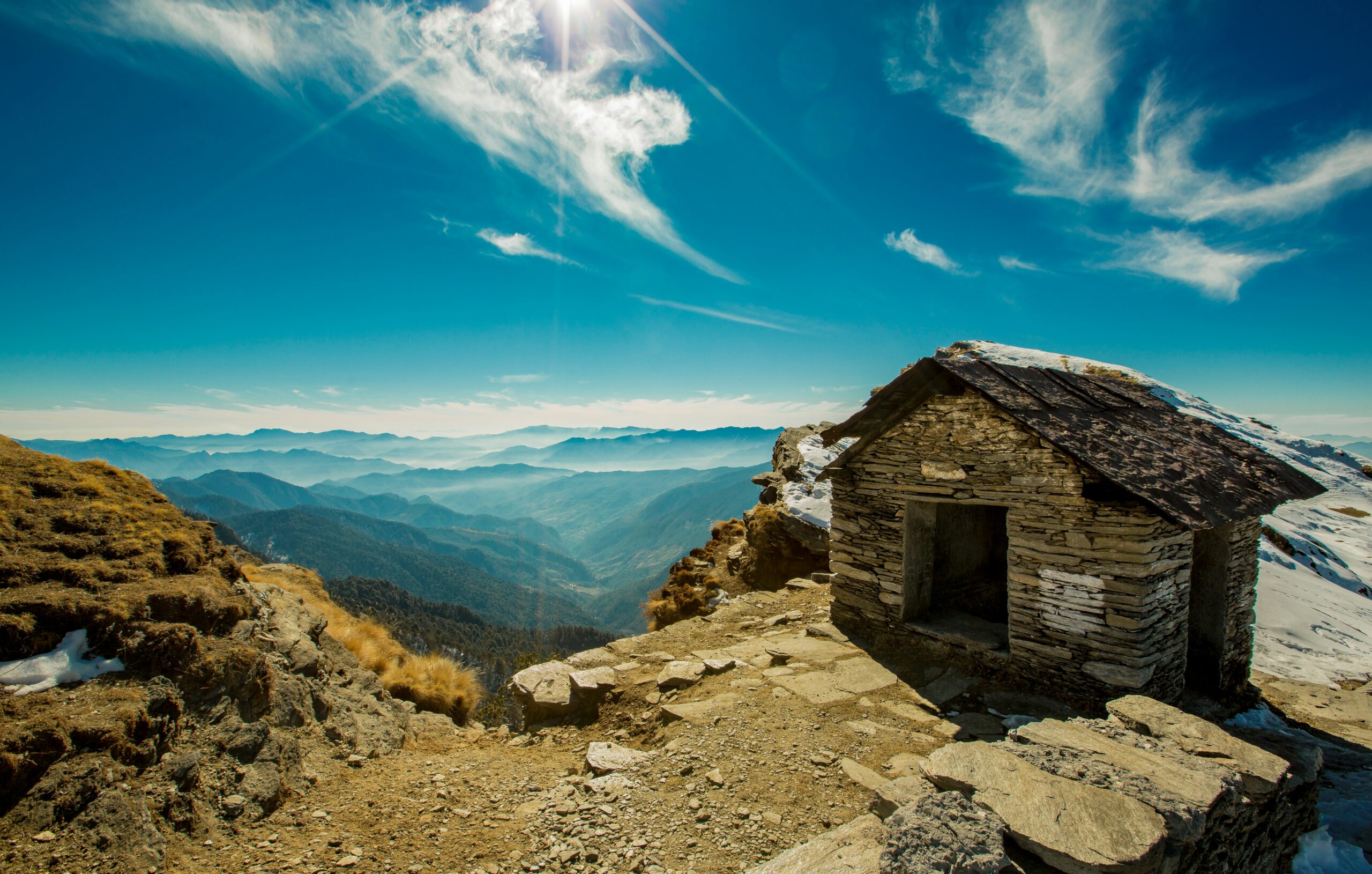
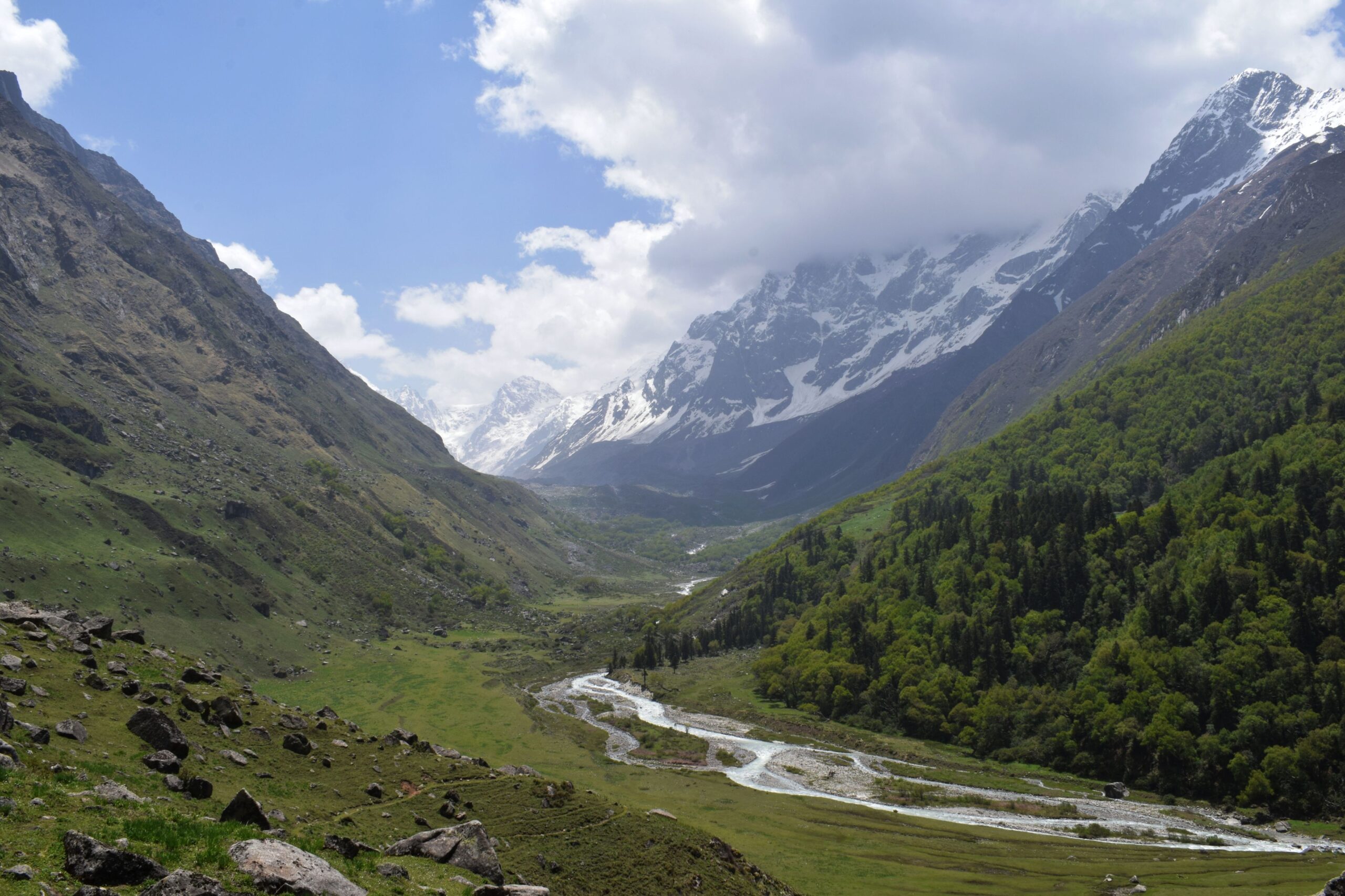
Har Ki Dun, also called Har Ki Doon, lies in Uttarakhand’s Garhwal Himalayas. The trail passes through forest paths, old villages such as Osla, and open mountain meadows. The valley reaches about 3,566 metres (11,700 feet), so cold nights are possible even when the day feels warm.
Use this guide as your main packing list. The quantities below suit a trek of about six to seven days, but you can adjust them to match your trip.
Clothes to Pack for Har Ki Dun
The best way to stay warm is to wear layers. A base layer keeps sweat away from your skin, a fleece adds warmth, and a padded jacket helps when you stop walking. Your waterproof jacket protects you from rain and wind.
For a six or seven-day trip, three quick-dry T-shirts and two trekking pants are usually enough. Pack three or four pairs of underwear and keep one extra set in a waterproof bag. Avoid jeans and cotton track pants on the trail because they hold water and take a long time to dry.
Your hands and head need extra care in cold weather. Carry a warm cap that covers your ears, plus gloves that let you hold trekking poles with ease. In colder months, use a thin inner glove under a warm, wind-resistant outer glove. A neck gaiter or balaclava can protect your face when the wind picks up.
Which Trekking Shoes Are Best for Har Ki Dun?
Choose trekking shoes with a firm, grippy sole and enough room for your toes. Ankle support is useful on uneven stones and rough paths. Water-resistant shoes can help in wet grass and rain, but the fit matters just as much.
Wear your shoes on several long walks before your trek. Do not start the trip in a brand-new pair. Even a good shoe can cause blisters if it has not been broken in.
Carry light camp sandals or shoes for the evening. Keep one pair of socks dry for sleeping, and never wear wet socks inside your sleeping bag. Gaiters are useful when snow or wet grass reaches above your shoes, but you may not need them in dry conditions.
Sleeping Bag, Backpack and Camping Gear
A sleeping bag is one of the most important items to check before booking. Cold nights at Har Ki Dun can feel much colder than the day, especially in spring, autumn and winter. If you bring your own bag, look for a comfort rating around -10°C for colder-season trips, then match it to the expected weather and the shelter you will use. The comfort rating matters more than the extreme rating printed on the bag.
Many organised trek packages include sleeping bags, tents and sleeping mats. Some also provide gaiters or microspikes when needed. Do not assume that every package includes the same gear. Get a written list of what is supplied and ask for the sleeping bag’s comfort rating.
If you carry your own main bag, a 50 to 60-litre backpack with a padded hip belt and rain cover is a useful size. If a porter or mule carries your main bag, a 20 to 30-litre daypack is usually enough for water, snacks, a warm layer, rain gear and personal items. Keep your daypack light and follow the operator’s limit for the bag that is carried separately.
You should also pack a waterproof liner or dry bags for your clothes and electronics. A rain cover helps, but water can still enter when you open the bag in wet weather. Trekking poles are useful for balance on uneven paths and during long descents.
Winter Packing List for Har Ki Dun
Winter and early spring need more care than the usual summer trek. Snow may cover parts of the trail, and cold winds can make exposed areas feel much colder. Do not rely on a normal summer list if you are going during a snow season.
Add these items when the forecast and trail conditions call for them:
- Warm inner gloves and waterproof outer gloves: Keep your hands warm and dry.
- Thermal top and bottom: Carry a spare base layer for very cold or wet conditions.
- Warm hat and neck cover: Protect your ears, neck and face from cold wind.
- Gaiters: Help stop snow from entering your shoes.
- Microspikes: Useful on icy paths when recommended by your guide.
- Waterproof trousers: Helpful in wet snow or heavy rain.
- Sleeping bag rated for the coldest expected night: Check whether your operator supplies one.
- UV-protected sunglasses: Snow can reflect strong sunlight into your eyes.
Microspikes are not the same as mountaineering crampons. Crampons and ice axes are not standard items for every Har Ki Dun trek. They should only be used when the route, snow conditions and trained leader require them. Do not buy or use technical snow gear just because a general packing list mentions it.
Toiletries, First Aid and Personal Care
Pack small items that solve everyday problems. A compact wash kit is easier to carry than full-size bottles, and you will not need every product you use at home.
- Toothbrush and small toothpaste
- Small soap and quick-dry towel
- Hand sanitiser and toilet paper or tissues
- Sunscreen and SPF lip balm
- Blister plasters and basic wound dressings
- Personal rescription medicines
- Small rubbish bags for used tissues and wrappers
Your first-aid kit can include blister care, bandages, gauze and an antiseptic product. Medicines for pain or fever, stomach trouble and allergies should suit your own health needs. Ask a doctor or pharmacist what is safe for you, especially if you take other medicines or have a medical condition. Do not start altitude sickness medicine without medical advice.
Carry enough of your regular medicines for the full trek, plus a few extra days in case roads close. Tell your trek leader about important medical needs before the trek begins.
Food, Water and Small Items People Often Forget
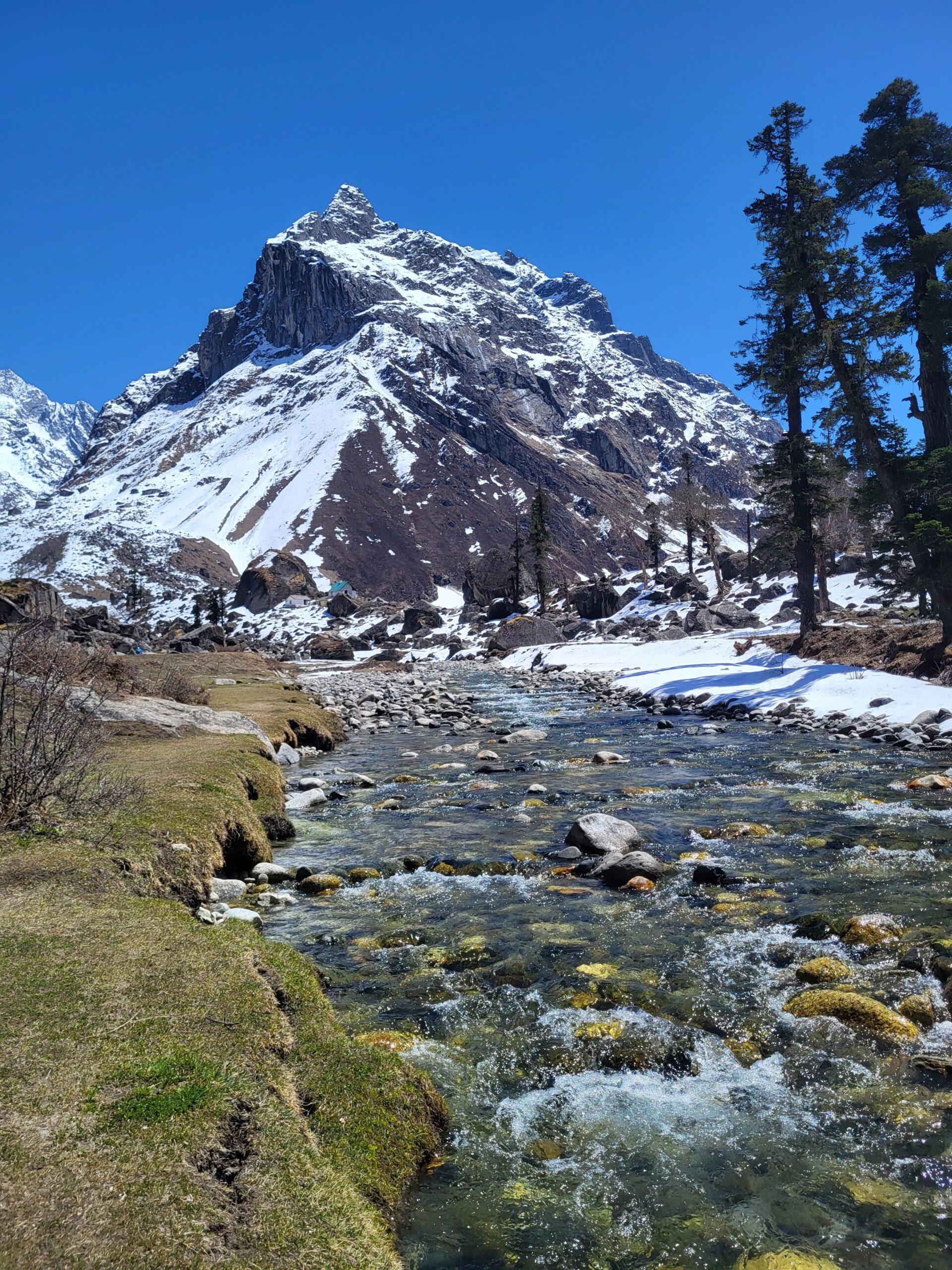
Most organised treks include meals during the walking days, but a few light snacks can help between meals. Carry nuts, dry fruit or energy bars that suit your diet. Follow your guide’s advice on water refills, and do not drink untreated stream water just because it looks clear.
A personal mug and spoon are useful if your operator does not provide them. A power bank, charging cable, ziplock bags, a printed itinerary and emergency contact details are also worth packing. A small repair kit with duct tape and a spare strap can help with minor gear problems. Take all waste back with you and do not leave wrappers or wipes on the trail.
Cash, ID, Permits and Mobile Network
Keep your identity proof and booking details in a waterproof pouch. Entry rules and permit arrangements can change, so confirm the current requirements with your registered operator or the relevant forest office before travel. Guided packages often arrange permits, but you should still carry the ID they request.
Do not depend on an ATM or mobile payment working at the last minute. Withdraw the cash you need in Dehradun or another larger town before heading towards Sankri. Keep a modest cash buffer for local transport, small purchases and delays. Mobile coverage can be limited beyond the main villages, so tell your family your route and expected return date before you start.
Frequently Asked Questions
Do I need to carry my own sleeping bag for Har Ki Dun?
Not always. Many organised treks provide a sleeping bag and sleeping mat. Confirm what is included and ask for the bag’s comfort rating, especially for winter or early spring.
Can I rent trekking gear for Har Ki Dun?
Yes, some operators and gear shops in Dehradun or Sankri offer rental items. Availability, sizes and prices can change, so arrange key items before reaching the trailhead rather than relying on a last-minute search.
Are crampons needed for Har Ki Dun?
Not on every trek. Microspikes may help on icy sections, while crampons and ice axes are technical gear for specific conditions. Follow the route leader’s advice and never use technical snow gear without proper training.