The Tarsar Marsar trek itinerary takes seven calendar days in a common format, including six days of trekking and a drive between Srinagar and Aru Valley. The route covers around 48 km and takes you through Lidderwat, Shekwas, Tarsar Lake, Sundarsar and Marsar before returning to Aru. It is a moderate trek with long walking days, steep climbs and rocky sections near the high passes.
If you are planning this trek, focus on more than the lakes. You need to know where you will sleep, how much you will walk each day and which sections need extra care. The itinerary below follows a commonly used seven-day route, with approximate distances, walking times and camp altitudes to help you plan.
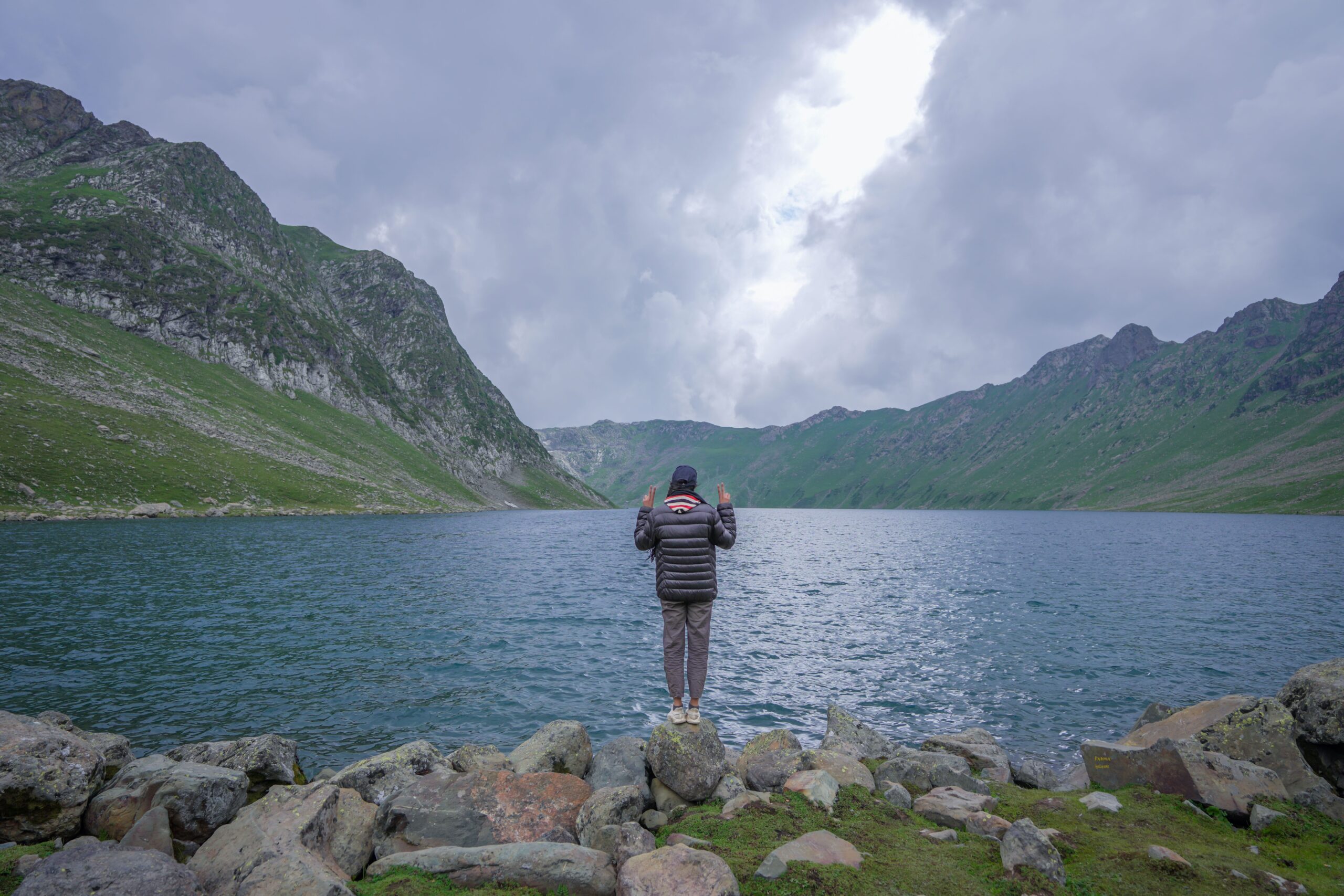
Tarsar Marsar Trek Itinerary at a Glance
The trek starts at Aru, around 2,426 metres above sea level, near Pahalgam in Kashmir. You follow the Lidder Valley before climbing towards the two famous alpine lakes. Sundarsar is another lake on the route, while Marsar is usually viewed from a high ridge rather than approached at its shore.
Day | Route | Distance | Approx. altitude |
1 | Srinagar to Aru | 100 km by road | 2,426 m |
2 | Aru to Lidderwat | 10 km | 2,780 m |
3 | Lidderwat to Shekwas | 5.6 km | 3,364 m |
4 | Shekwas to Tarsar Lake | 5 km | 3,790 m |
5 | Tarsar to Sundarsar via Tarsar Pass | 5 km | 3,946 m |
6 | Sundarsar to Marsar viewpoint and Homwas | 9 km | 4,012 m at the high point |
7 | Homwas to Aru, then Srinagar | 13 km by trail | 2,426 m |
Figures are approximate and based on a commonly published route. Camp elevations, walking distances and timings can differ slightly between operators and trail conditions. The highest point is around 4,000 metres, or 13,100 feet.
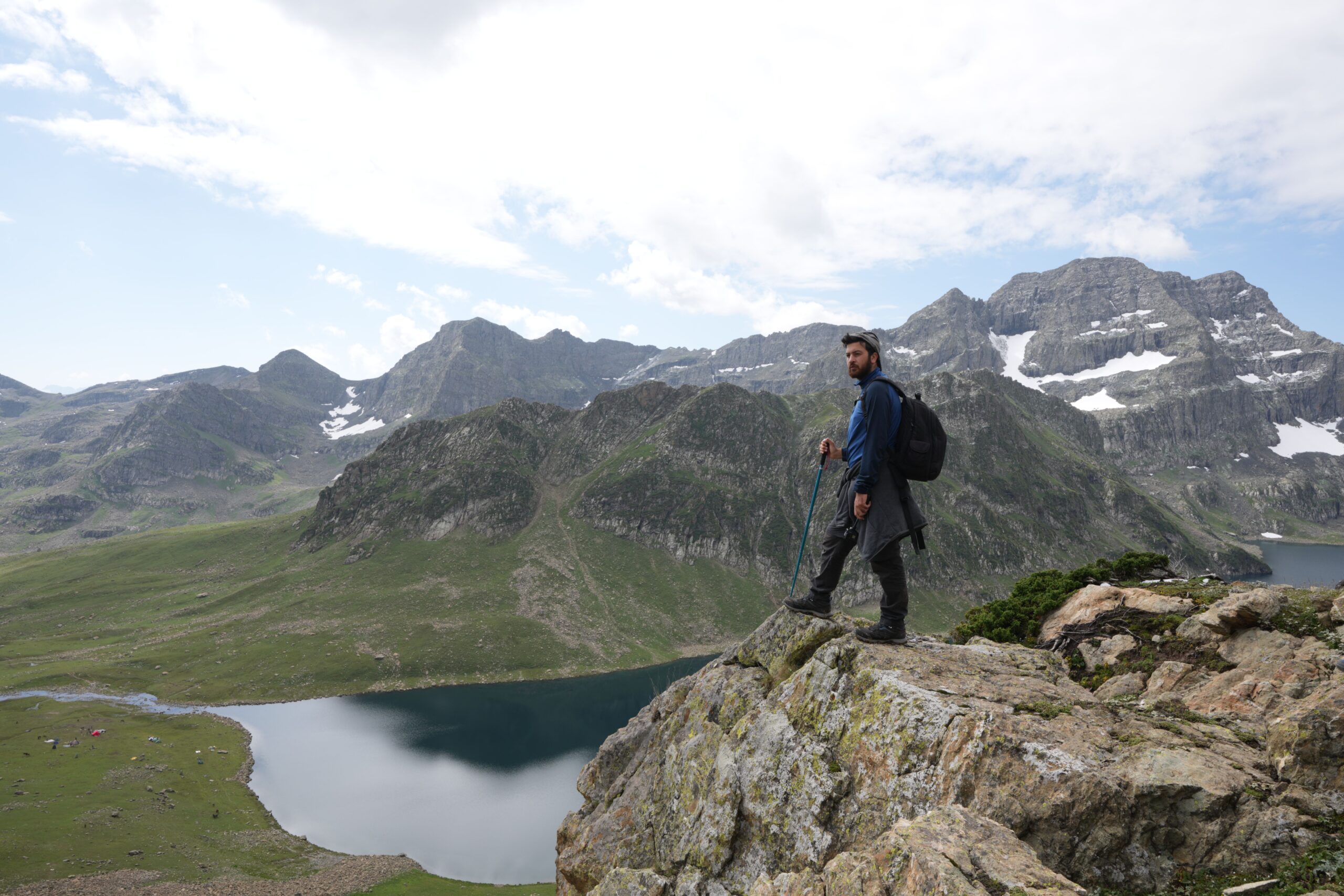
Day 1: Srinagar to Aru Valley
Your journey begins with a drive from Srinagar to Aru Valley, a small mountain village about 100 km away. The drive usually takes around three to four hours, though traffic and road conditions can add time. Pahalgam lies along the way, and Aru is a further drive into the valley.
Use this day to check your gear, meet your trek leader and get ready for the next morning. If you arrive by flight, reaching Srinagar a day early is a sensible choice. It gives you a buffer against delays and avoids a rushed start.
Night stay: Aru Valley, in the accommodation arranged by your trek operator.
Day 2: Aru to Lidderwat
Distance: Around 10 km | Walking time: About 6 hours | Camp altitude: Around 2,780 metres
The first trekking day follows the valley through forest, meadows and stretches beside the Lidder River. The path has some gentle ups and downs, making it a good day to settle into your walking pace. The long distance still calls for steady effort, especially if you are carrying a daypack.
Lidderwat is a broad meadow with a forested mountain setting. Once you reach camp, refill your water as directed by your guide, eat well and prepare for the next day’s climb.
Night stay: Lidderwat campsite.
Day 3: Lidderwat to Shekwas
Distance: Around 5.6 km | Walking time: About 5 hours | Camp altitude: Around 3,360 metres
The trail climbs more steadily as you leave Lidderwat and head towards Shekwas. You pass through open meadows and cross streams along the way. Even though this day’s distance is shorter, the climb makes it more demanding than the first day.
Take your time on the uphill sections. If you are breathing hard, slow down instead of trying to match faster trekkers. The campsite at Shekwas offers wide views across the surrounding meadows and hills.
Night stay: Shekwas campsite.
Day 4: Shekwas to Tarsar Lake
Distance: Around 5 km | Walking time: About 4 hours | Camp altitude: Around 3,790 metres
This is the day you reach Tarsar Lake. The trail climbs towards the ridge before opening into the basin around the lake. The change from grassy slopes to the clear alpine water is one of the main highlights of the trek.
You will be walking at a higher altitude now, so do not judge the effort by distance alone. Weather can turn quickly around the lake, and the wind may feel much colder than it did at lower camps. Follow your guide’s instructions about the campsite and the safe areas around the water.
Night stay: Tarsar Lake campsite, where permitted and arranged by the operator.
Day 5: Tarsar Lake to Sundarsar via Tarsar Pass
Distance: Around 5 km | Walking time: About 5 hours | High point: Around 4,005 metres
This section involves a climb over Tarsar Pass, followed by a descent and another rise towards Sundarsar. The pass reaches roughly 4,005 metres, or 13,140 feet. The ground can be steep, and snow may remain on parts of the route early in the season.
The key challenge is not just the climb. You also need to keep your footing on the descent and save enough energy for the final stretch. Trekking poles can help with balance, but they do not replace careful steps or the guidance of your trek leader.
Sundarsar is a smaller alpine lake surrounded by high mountain slopes. It provides a different setting from Tarsar and prepares you for the next day’s longer route.
Night stay: Sundarsar campsite.
Day 6: Sundarsar to Marsar Viewpoint and Homwas
Distance: Around 9 km | Walking time: About 7 hours | High point: Around 4,000 metres
This is one of the most demanding days in the Tarsar Marsar trek itinerary. From Sundarsar, the route climbs over rocky ground towards a ridge with a view of Marsar Lake. Some sections have large boulders, and snow or loose stones can make the climb harder.
Marsar often lies under mist or cloud, so a clear view is never guaranteed. Your guide will choose the safe route and viewing point based on conditions. Do not attempt an unplanned descent towards the lake to get a closer photograph.
After the viewpoint, you descend towards Homwas. This is a long day with both an uphill push and a considerable loss of height, so keep water, snacks and a warm layer within easy reach.
Night stay: Homwas campsite.
Day 7: Homwas to Aru and Drive to Srinagar
Distance: Around 13 km | Walking time: About 6 hours
The final trekking day follows a long descending trail back to Aru. You pass through meadows and forest sections as the route returns to the valley. Although the trail mostly goes downhill, the descent can put strain on your knees, particularly after several days of walking.
Use trekking poles if you are comfortable with them, and take care on uneven ground. Once you reach Aru, continue by road to Srinagar if transport is arranged. Avoid booking a tight flight connection for the same evening. Delays on the trail or road can affect your arrival time, so an extra night in Srinagar is a safer plan.
Frequently Asked Questions
How many days are needed for the Tarsar Marsar trek?
A common itinerary takes seven calendar days, including the drive from Srinagar to Aru and the return journey. This gives you six days of trekking. Some operators use different schedules or add travel and rest days.
What is the highest altitude on the trek?
The high point near the Marsar route is around 4,000 metres, or roughly 13,100 feet. Exact figures vary between published itineraries and the route used.
Can beginners do the Tarsar Marsar trek?
Fit beginners may complete it with training and proper guidance. However, the long walks, altitude and rocky sections make preparation important. Prior trekking experience is helpful, especially for those who are not used to steep descents.
Is Marsar Lake reached directly?
Many standard itineraries visit a viewpoint on a ridge above Marsar rather than going down to the lake’s shore. The route and viewing point depend on the terrain, weather and guidance on the day.
Should I book a flight from Srinagar on Day 7?
It is better to allow extra time. The trek from Homwas to Aru can take around six hours, followed by the drive to Srinagar. A late finish or road delay could make a same-evening flight risky.
The route is most rewarding when you arrive prepared for both its beauty and its demands. Check the daily distances, train for the climbs and confirm the latest trail plan with your operator before setting off.






