The Tarsar Marsar trek in May is usually not a good choice for a normal summer trek, as snow may block the upper trail and make the lakes hard to reach. The main trekking season usually runs from July to early September. If you plan to go in May, check the latest trail report before you book. May is a lovely time to visit Kashmir’s lower valleys, but the high hills are still cold. Srinagar and Pahalgam may have mild days, while snow still covers parts of the trail near the lakes. So, the key question is simple: can you safely reach both lakes on your planned dates? For most trekkers, May is too early to plan this trek without a clear report from local guides. Snow may cover the path, campsites and high slopes. Streams may also run fast as the snow melts.
A sunny day in Pahalgam does not always mean the trail to Tarsar and Marsar lakes is safe. At Travelsket, we recommend checking the latest trail conditions before booking your trek. Our team can help you understand what to ask about snow, campsite conditions and stream crossings, so you can plan your journey with safety in mind.
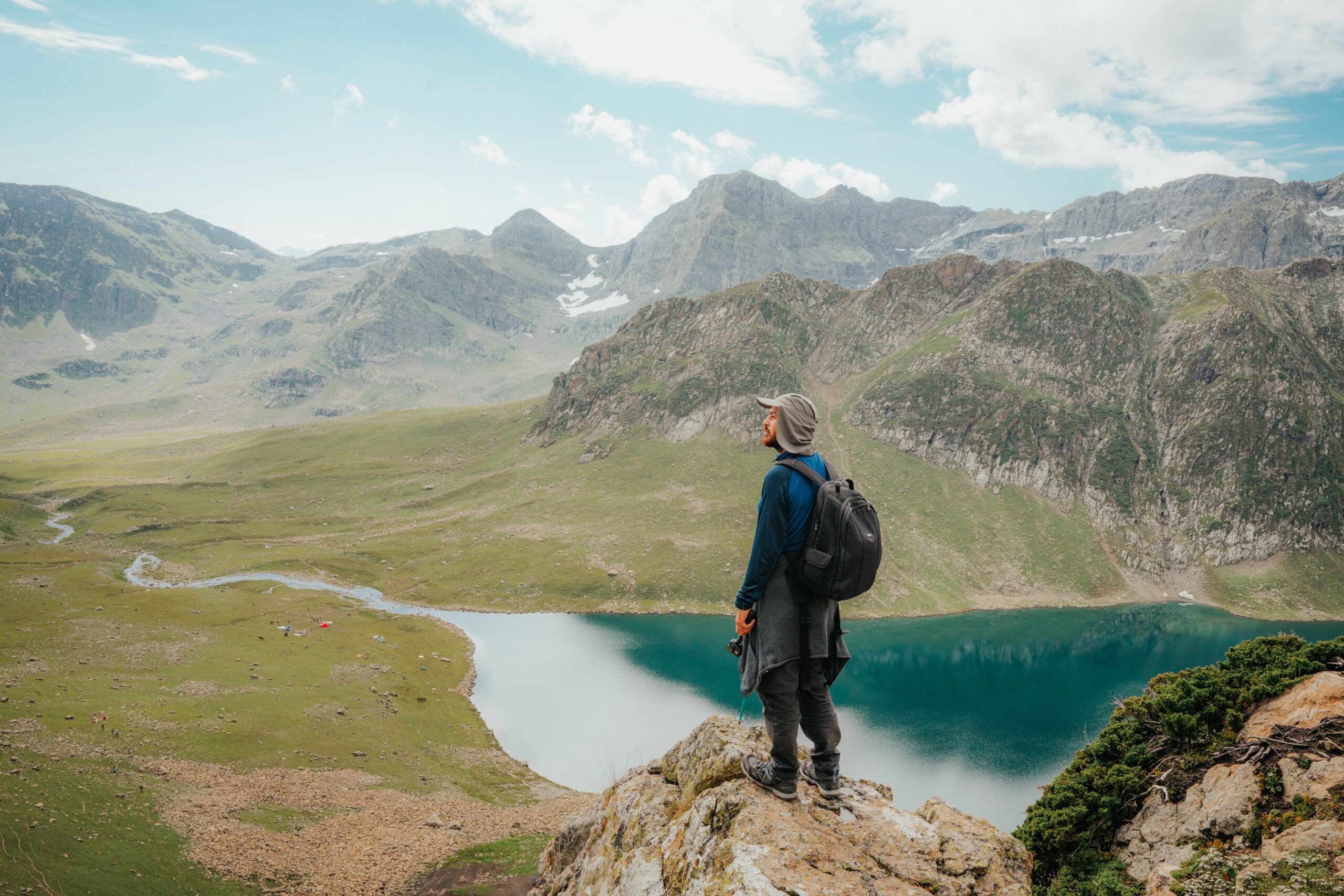
Tarsar Marsar in May: Trail Conditions
The trek starts at Aru, near Pahalgam, and passes through forests, river valleys and open meadows. As you climb, the air gets colder and the trail gets harder. The route reaches about 13,000 feet at its highest points, though the exact height can vary by route.
Here is what you may find on the trail in May.
Trail section | Approx. height | What to expect in May |
Aru | 8,000 ft | Cold mornings and spring weather |
Lidderwat | 9,150 ft | Wet ground and some snow in shaded spots |
Shekwas | 11,000 ft | Snow may cover parts of the trail |
Tarsar Lake | 12,450 ft | Snow may make the final climb hard |
Sundarsar and high trail | 12,950 to 13,200 ft | Snow may block the route |
These heights are rough guides, not a live trail report. Camps and routes may differ between trek teams. Check the latest conditions before you set out.
1. Aru to Lidderwat
This part of the trek often covers about 8 to 10 km. The trail follows the Lidder River through woods and open land. The climb is steady, but wet ground and small streams may slow you down. Lower parts of the route may be easier to reach in May than the high camps. Still, do not assume the whole trail is clear just because Aru is free of snow.
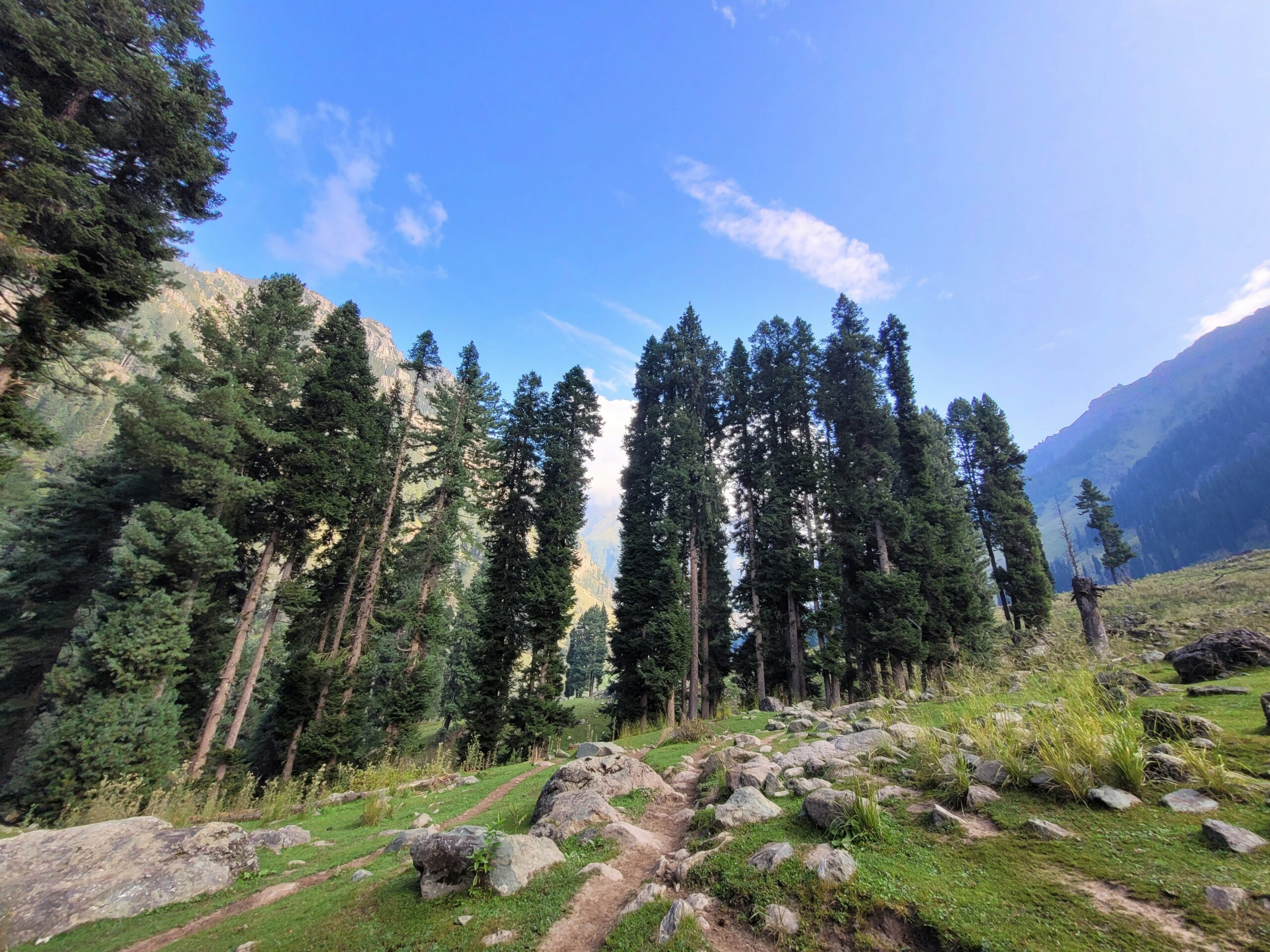
2. Lidderwat to Shekwas
This stretch is often about 5 to 6 km long. You leave more of the forest behind as you climb towards open land. Snow may remain on slopes that get little sun. Walking on snow can take much longer than walking on a clear path. It may also hide rocks, holes and uneven ground. Follow your guide’s steps and do not rush.
3. Shekwas to Tarsar Lake
The trail climbs towards Tarsar Lake, which lies at about 12,500 feet. Snow may hide the path near the lake and make the climb hard to judge. Ice can also make some slopes very slippery. If the snow is deep or hard, this part may be unsafe for a normal trek. A guide may ask the group to stop or turn back. It is better to miss the lake than risk a serious fall.
4. Tarsar to Sundarsar and Marsar
The route beyond Tarsar crosses high ground before reaching Sundarsar and the Marsar area. Snow may block parts of this route in May. If you reach Tarsar but cannot cross the next section safely, you may not be able to complete the full trek. A good guide will change the plan when needed. Turning back is the right choice when the trail is unsafe.
Tarsar Marsar Trek Weather in May
The weather changes as you gain height. Srinagar and Pahalgam may feel warm in the sun, but the high camps can be very cold. Strong winds can make the air feel colder than it is. There is no single temperature range that fits every part of this trek in May. The weather also changes from year to year. Check a fresh forecast for the trail and camps before leaving.
Keep these points in mind:
- Cold nights: High camps may fall below freezing.
- Snow and ice: These can make the trail hard to see and walk on.
- Fast streams: Snowmelt can raise the water level.
- Sudden weather changes: Rain or snow can slow the trek.
Location | Day temperature | Night temperature |
Aru (8,000 ft) | 8°C to 16°C | 0°C to 5°C |
Lidderwat (9,150 ft) | 5°C to 12°C | -2°C to 3°C |
Shekwas (11,000 ft) | 2°C to 9°C | -5°C to 0°C |
Tarsar Lake (12,450 ft) | 0°C to 7°C | -7°C to -2°C |
Sundarsar (about 12,800 ft) | -1°C to 6°C | -8°C to -3°C |
What Should You Check Before Booking in May?
Use this short list before you pay for the trek:
- Get a recent report from the upper trail.
- Check whether both lakes and all camps are safe to reach.
- Ask if snow gear and trained guides are needed.
- Read the refund and date-change rules.
- Keep one spare day in your travel plan.
Tarsar Marsar is best enjoyed when the trail is safe and the lakes are within reach. If May is your only chance to visit Kashmir, enjoy the lower valleys and save the high trek for a safer time.






