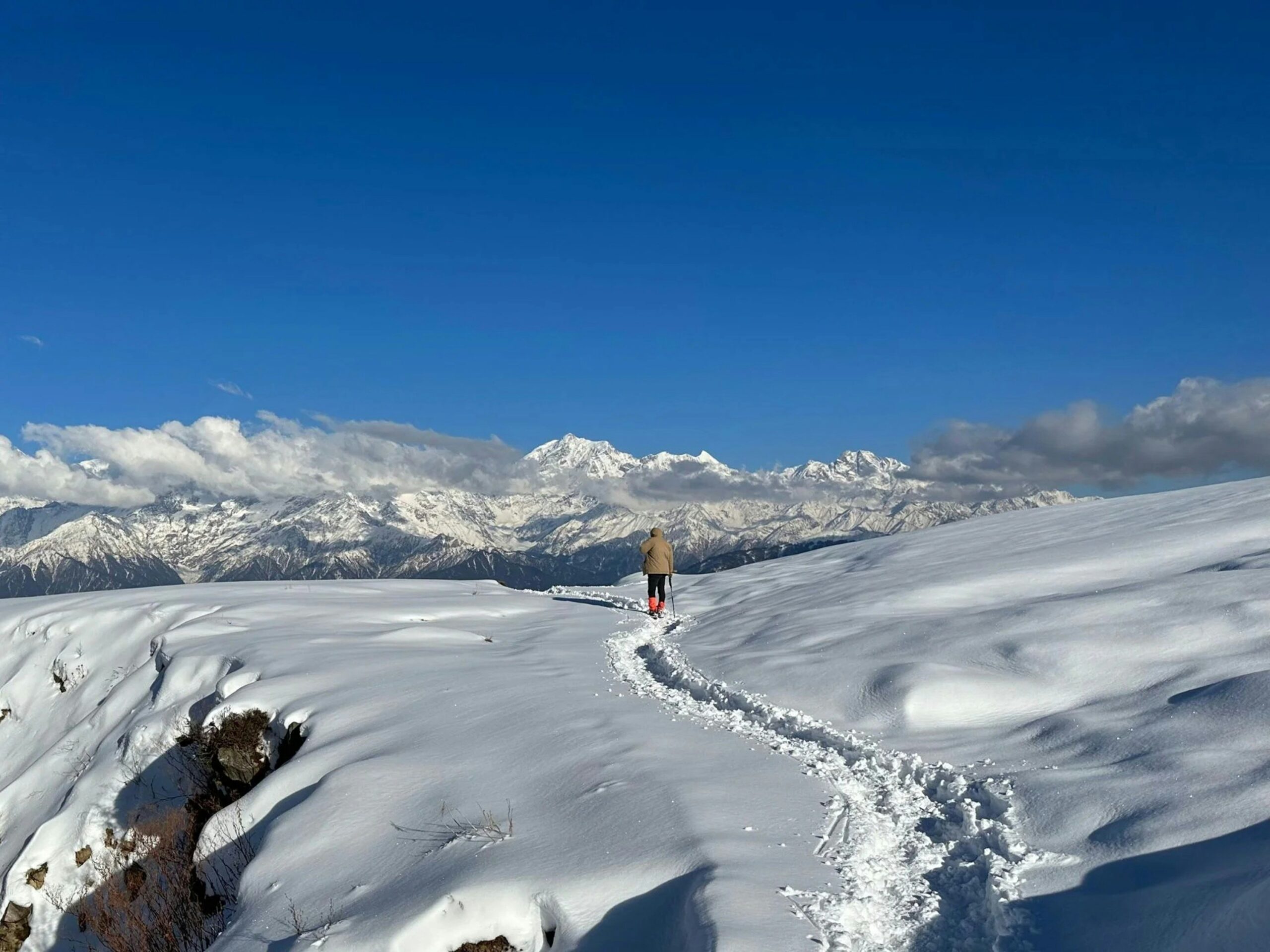
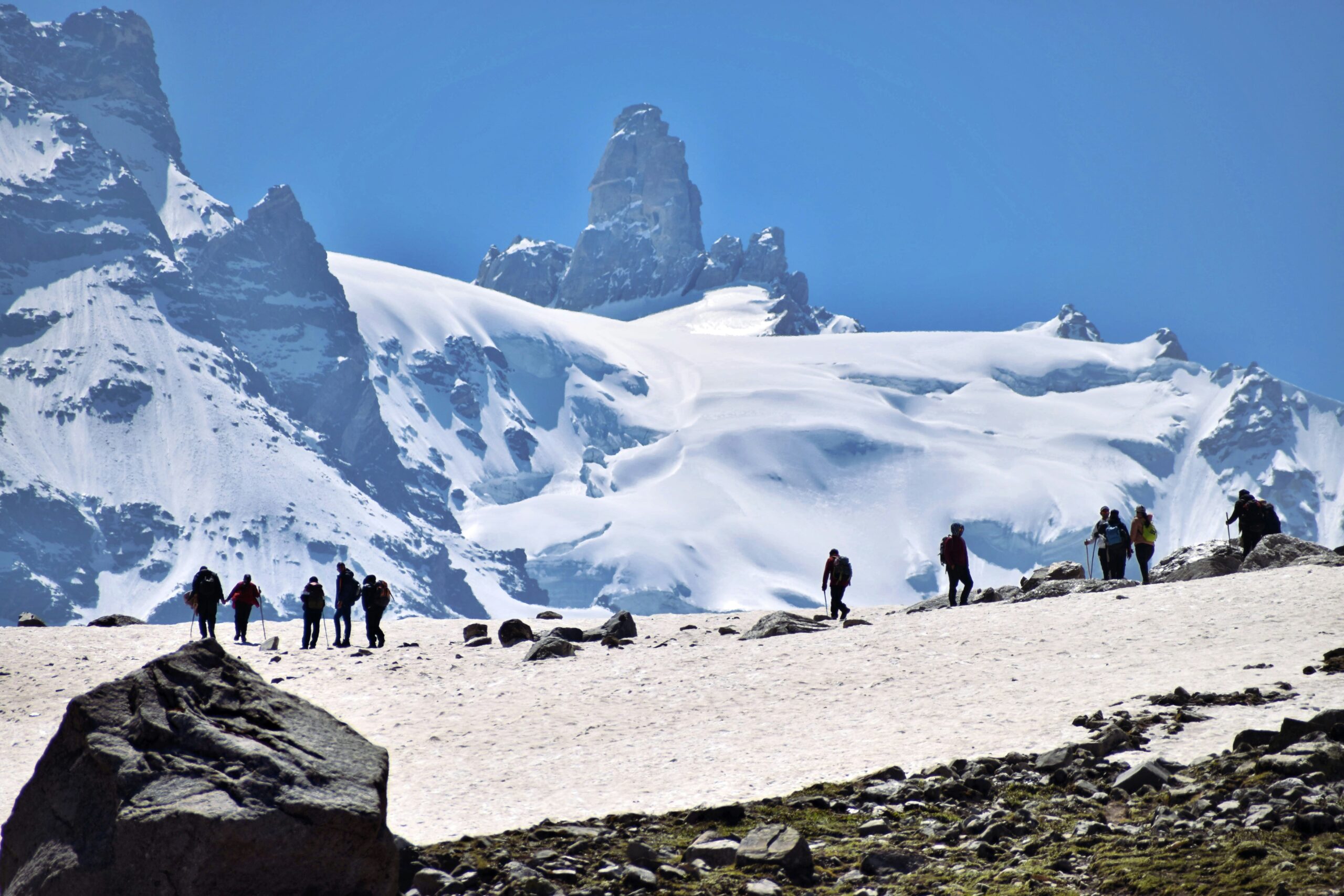
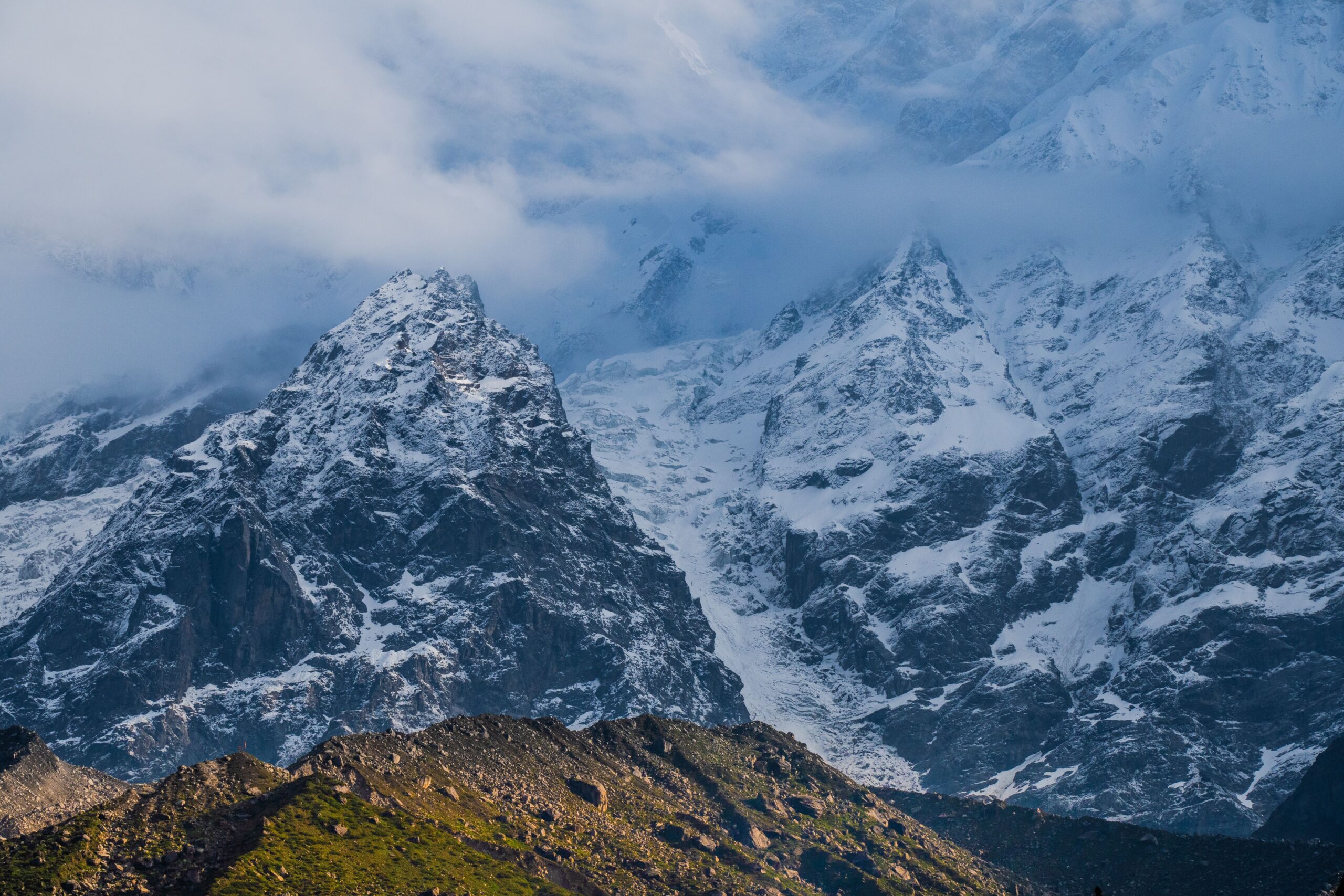
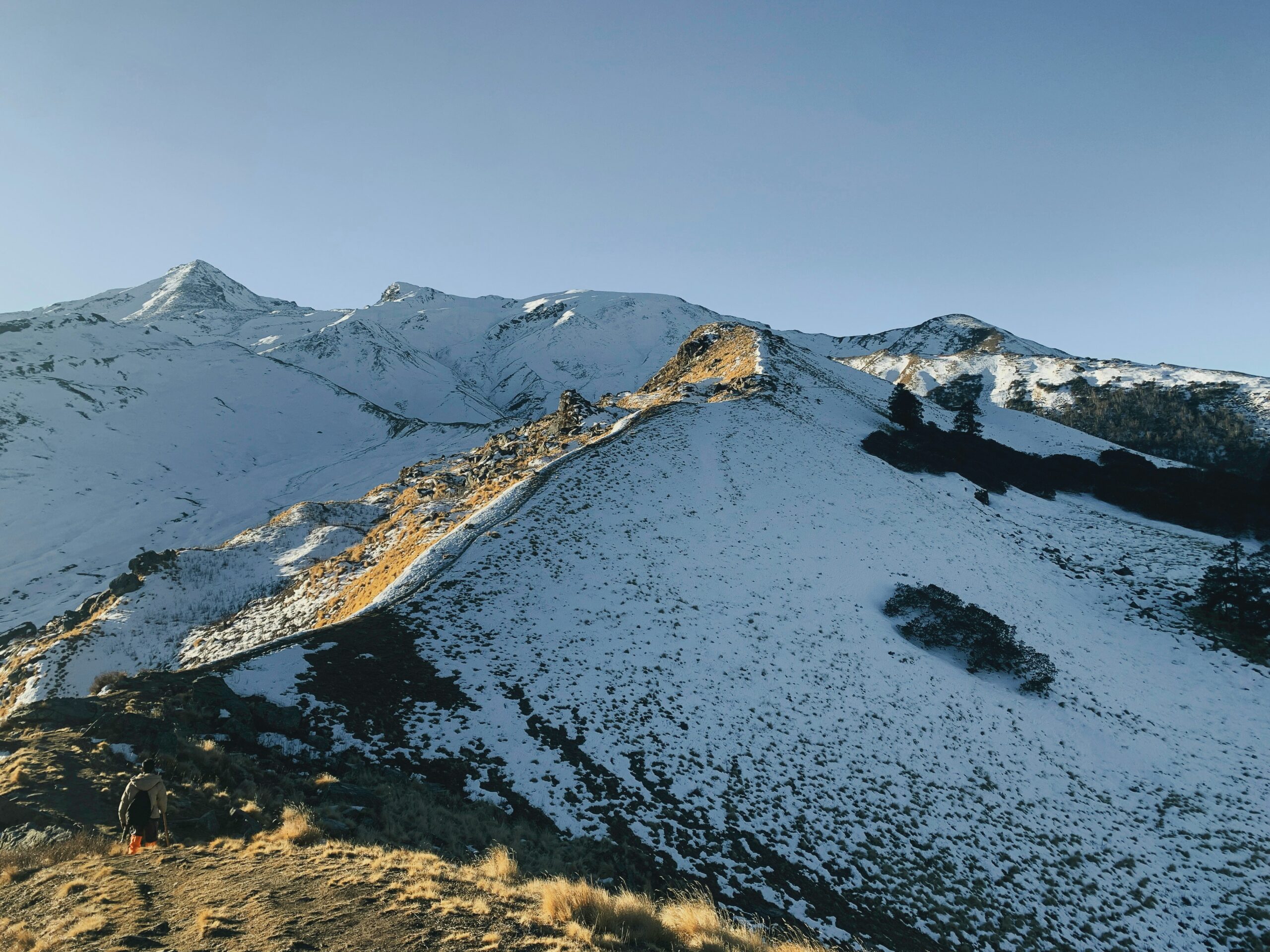
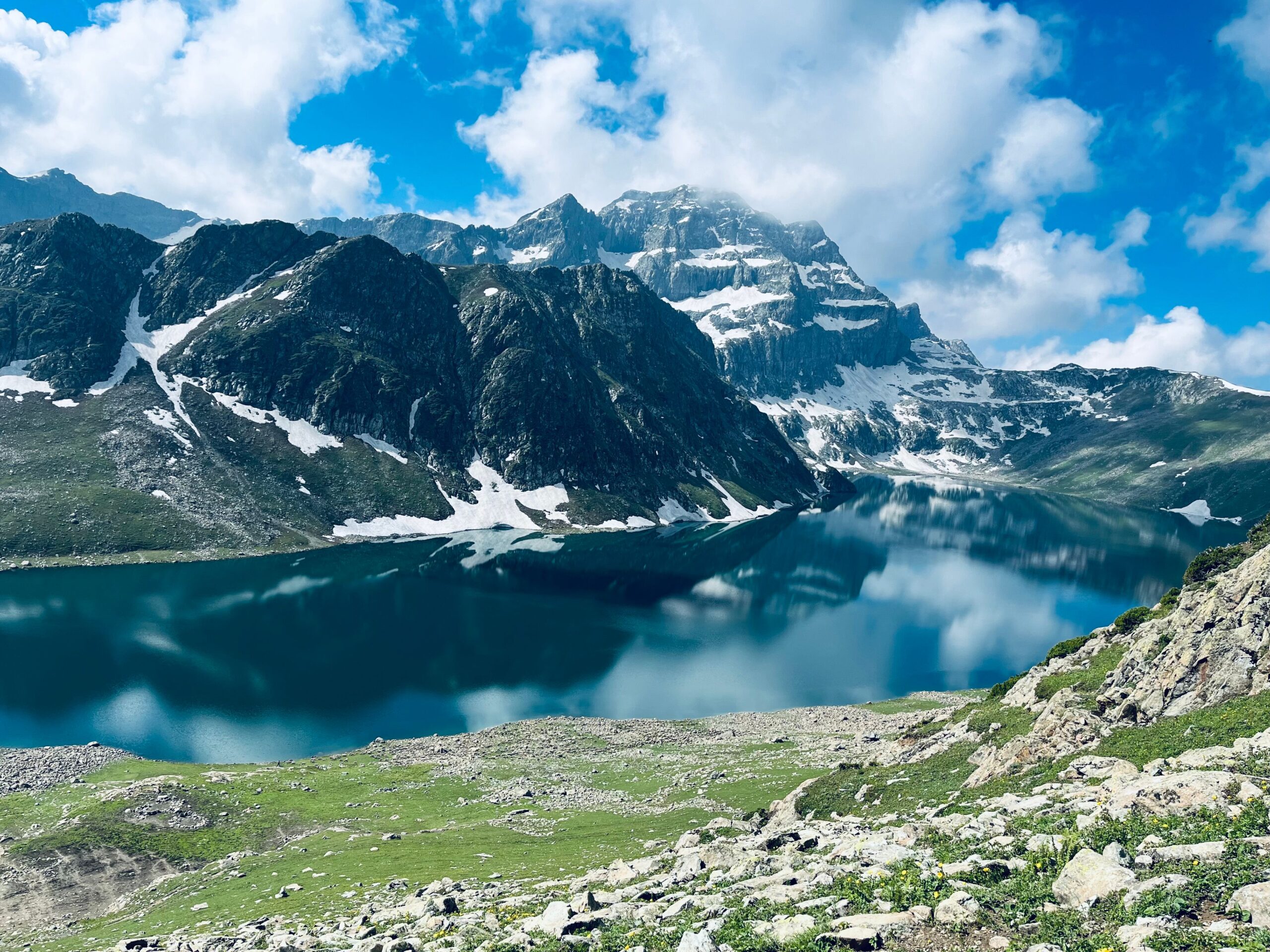
Yes, you can travel to Kasol alone and walk to Grahan village on your own. But going alone all the way to Sar Pass is much riskier. The trek reaches about 13,800 feet and may have steep snow slopes, rough paths and poor mobile signals. If you want to do the full trek, joining a guided group or hiring a local guide is the safer choice.
A solo trip does not mean you have to walk alone on every part of the route. You can travel to Kasol by yourself, stay in a guesthouse and meet other trekkers. You can then join a group for the climb to Sar Pass. This gives you more freedom while keeping you safer in the mountains.
The trail from Kasol to Grahan village is used by local people and trekkers. Grahan has basic guesthouses, so some travellers walk there without a guide. Still, you should check the trail and weather before you leave.
The route beyond Grahan is harder. You climb through forests and open meadows to Min Thach and Nagaru. From there, you cross Sar Pass and walk down towards Biskeri Thach and Barshaini.
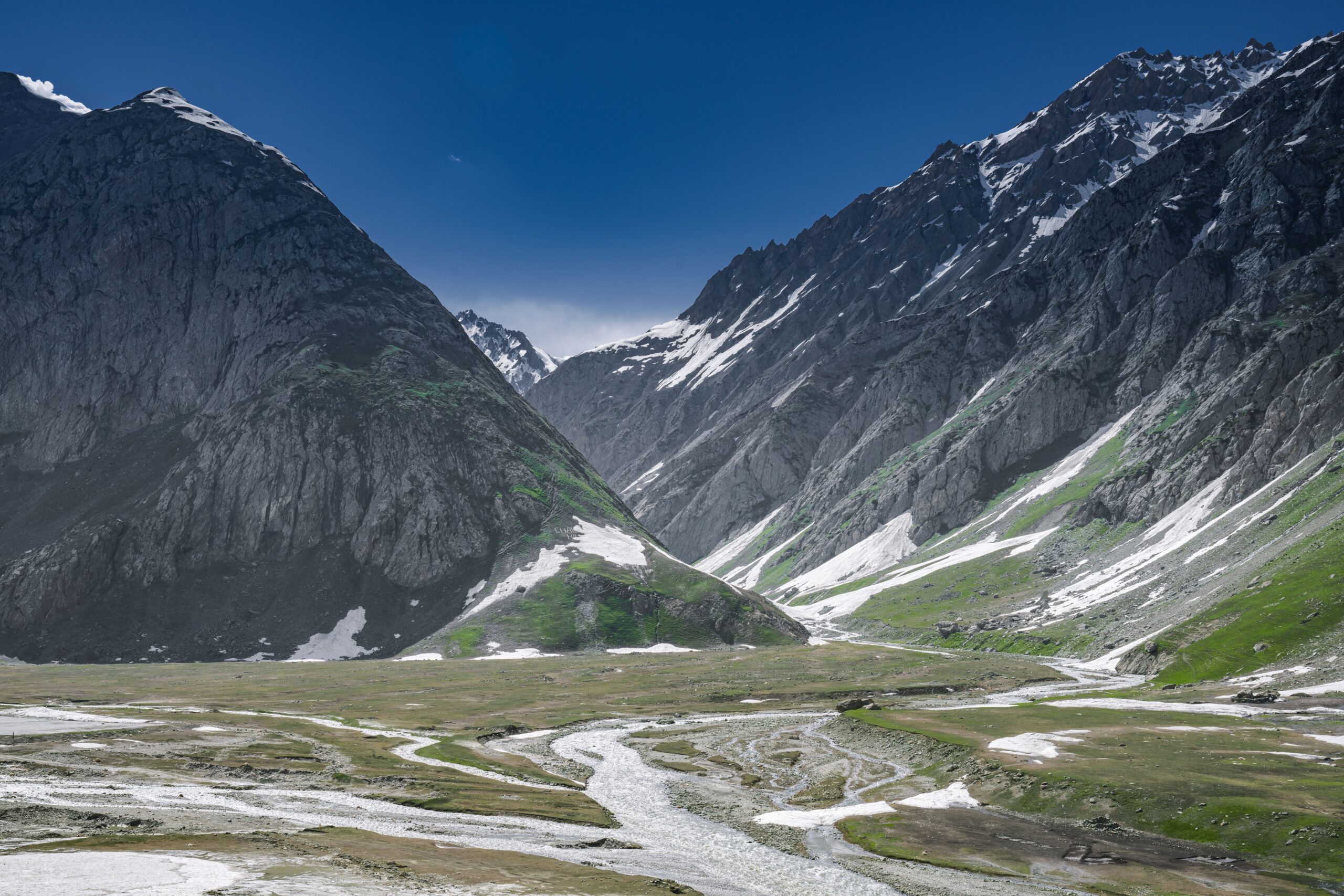
Solo Trek vs Private Guide vs Group Trek
You have three main choices. Each has a different cost and level of support.
Option | Cost and setup | Best for | Main risk or concern |
Trek alone | You arrange your own food, tent, sleeping bag, transport and other gear | Very experienced trekkers, where solo access is allowed | Getting lost, bad weather and lack of help |
Hire a private guide | You pay a guide and may need to arrange food, tents and other support separately | Trekkers who want more freedom | The guide’s fee may not cover all services |
Join a group | You pay for a trek package with set services | Beginners and solo travellers | Fixed dates, group pace and package limits |
Some group packages are listed at around ₹5,500 to ₹12,000 or more per person. These are example prices, not fixed rates. The final cost depends on the operator and what the package includes.
A private guide can be a good choice if you do not want to join a large group. But ask what you will get for the price. Does the fee cover camping, meals, safety gear and help during an emergency? Get the full cost in writing before you pay.
Can You Camp on Your Own During the Trek?
Do not expect to find a guesthouse at every camp. Grahan has basic places to stay, but camps such as Min Thach, Nagaru and Biskeri Thach have few services, and what is available can change with the season.
If you trek alone, you may need to carry:
- A tent that can handle cold and bad weather
- A warm sleeping bag and sleeping mat
- Food for all trekking days
- A stove and fuel, if cooking is allowed
- Water bottles and water treatment
- Warm clothes, a rain jacket and spare socks
- A headlamp, first-aid kit and power bank
- An offline map and a backup way to find your route
You must also know where camping is allowed and how to deal with rubbish. Do not leave waste behind. Water may be available at some points, but this can change with the season. Do not depend on one stream or tap being open. Ask local staff about current water sources and carry a safe way to treat water. For most first-time trekkers, booking a trip that includes tents, meals and camp support is easier and safer than carrying everything alone.
What If You Still Plan to Trek Alone?
The safer choice is not to cross Sar Pass alone, especially if you have never done a high-altitude trek. If you are still thinking about going without a guide, use these checks as basic safety steps. They do not make the trek risk-free.
Before leaving Kasol:
- Check the weather and ask about fresh snow and trail conditions.
- Confirm the permit rules and where you can camp.
- Download an offline map and save a route track from a trusted source.
- Tell a trusted person your route, camp plans and return date.
- Carry warm clothes, good trekking shoes, food, water treatment and a first-aid kit.
- Plan how you will get help if you are hurt or the weather turns bad.
During the trek:
- Stay on the known path. Do not follow an unknown trail because it looks shorter.
- Do not cross a snow slope if you cannot tell whether it is safe.
- Turn back if you lose the path, the weather gets worse or you are moving too slowly.
- Do not keep climbing if you feel ill or become very weak.
- Never leave your group or guide on the day you cross the pass.
There is no one safe time for every trekker to reach Sar Pass. Snow, weather, visibility and walking speed can all change the plan. Follow the guide’s advice about when to turn back.
Is Sar Pass Safe for Solo Women and Beginners?
You can travel to Kasol alone and explore at your own pace. For the full Sar Pass trek, choose your guide or group with care. If you are a solo woman, ask the trekking company about the group size, the number of women in the group, sleeping arrangements and toilet facilities. Check if you can get a separate tent and whether it costs extra. Also ask who will lead the trek and how you can report a safety concern.
If this is your first high-altitude trek, choose a company that checks your fitness, explains the route and has a clear plan for emergencies. Ask what first-aid supplies the team carries and what happens if bad weather stops the trek. Do not choose a company only because it offers the lowest price. A low price is not worth it if key safety services are missing.
Try to reach Kasol during daylight. Book your stay in advance, keep your valuables safe and share your stay details with someone you trust. Avoid making a last-minute booking with someone whose service and safety plan you cannot check.
Frequently Asked Questions
Can a beginner do the Sar Pass trek solo?
A beginner should not try to cross Sar Pass alone. The route is high, and snow can make it hard to find the path. You may also be far from help. Travel to Kasol alone if you want, but join a guided group for the full trek.
Can I hire a local guide instead of joining a group?
You can ask trekking companies and local providers in Kasol if they offer a private guide. Ask about the guide’s experience, the full cost, food, tents, safety gear and help during an emergency. I could not confirm one standard price for a private Sar Pass guide, so get a quote for your dates.
How much does a solo Sar Pass trek cost?
Some group packages are listed at around ₹5,500 to ₹12,000 or more per person. The price depends on what is included. A private guide may cost extra, while a fully independent trek may require you to pay for gear, food, fuel, camping and transport. Check all costs before making a choice.
Is a permit compulsory for Sar Pass?
The information available online is not clear enough to confirm one rule for all independent trekkers. Contact the local forest office or a registered trekking company in Kasol before leaving. Ask which papers you need and where to get them.