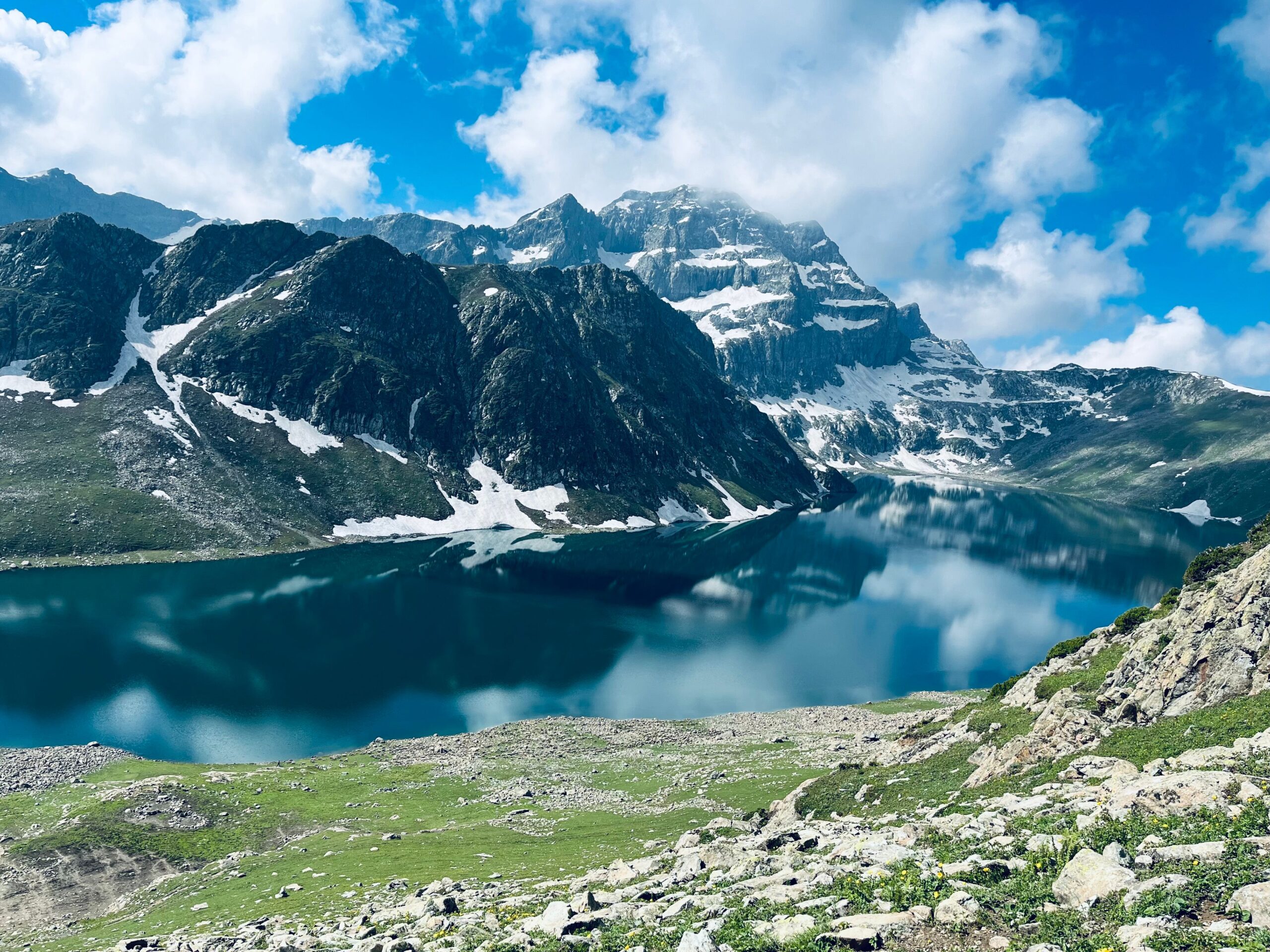
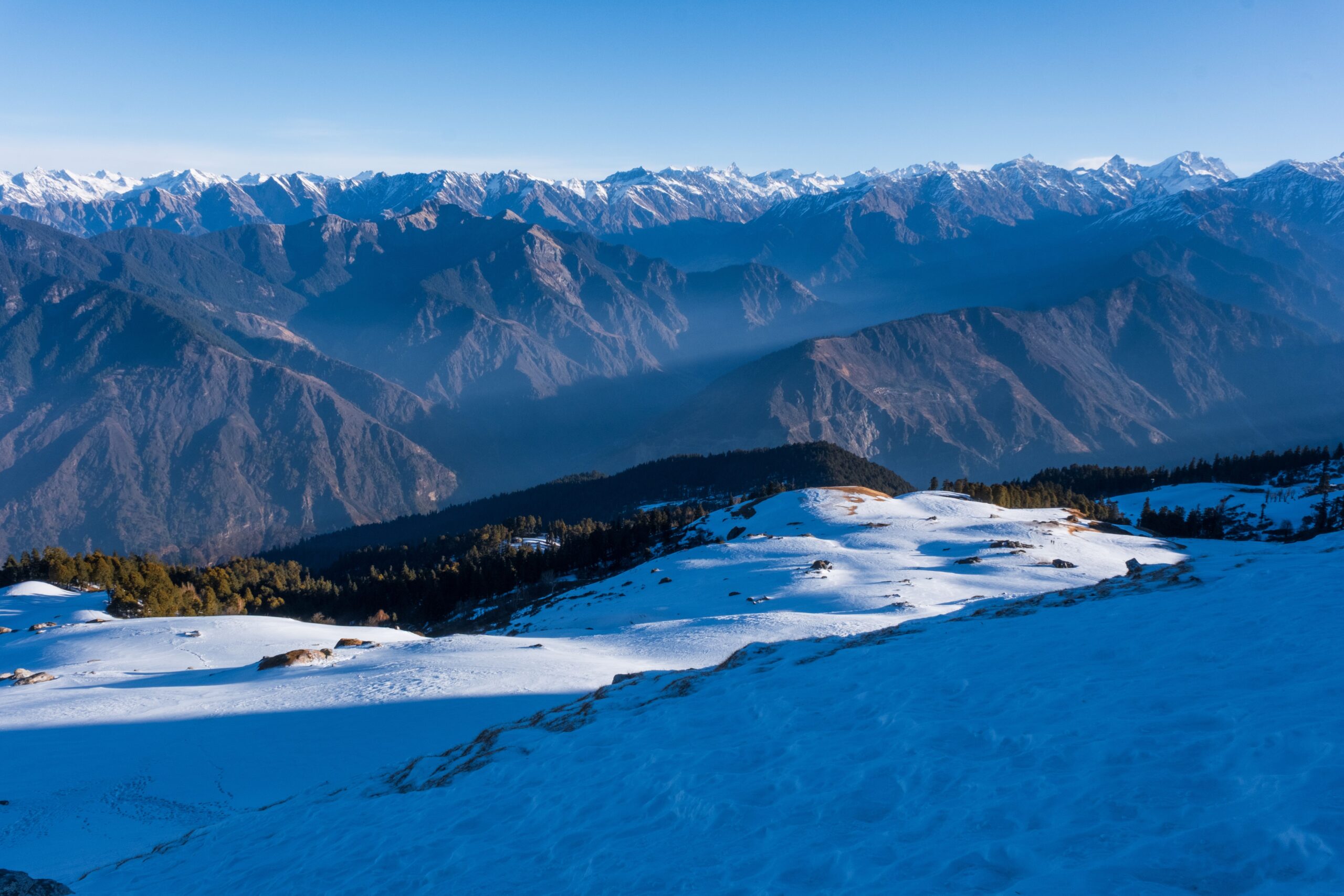
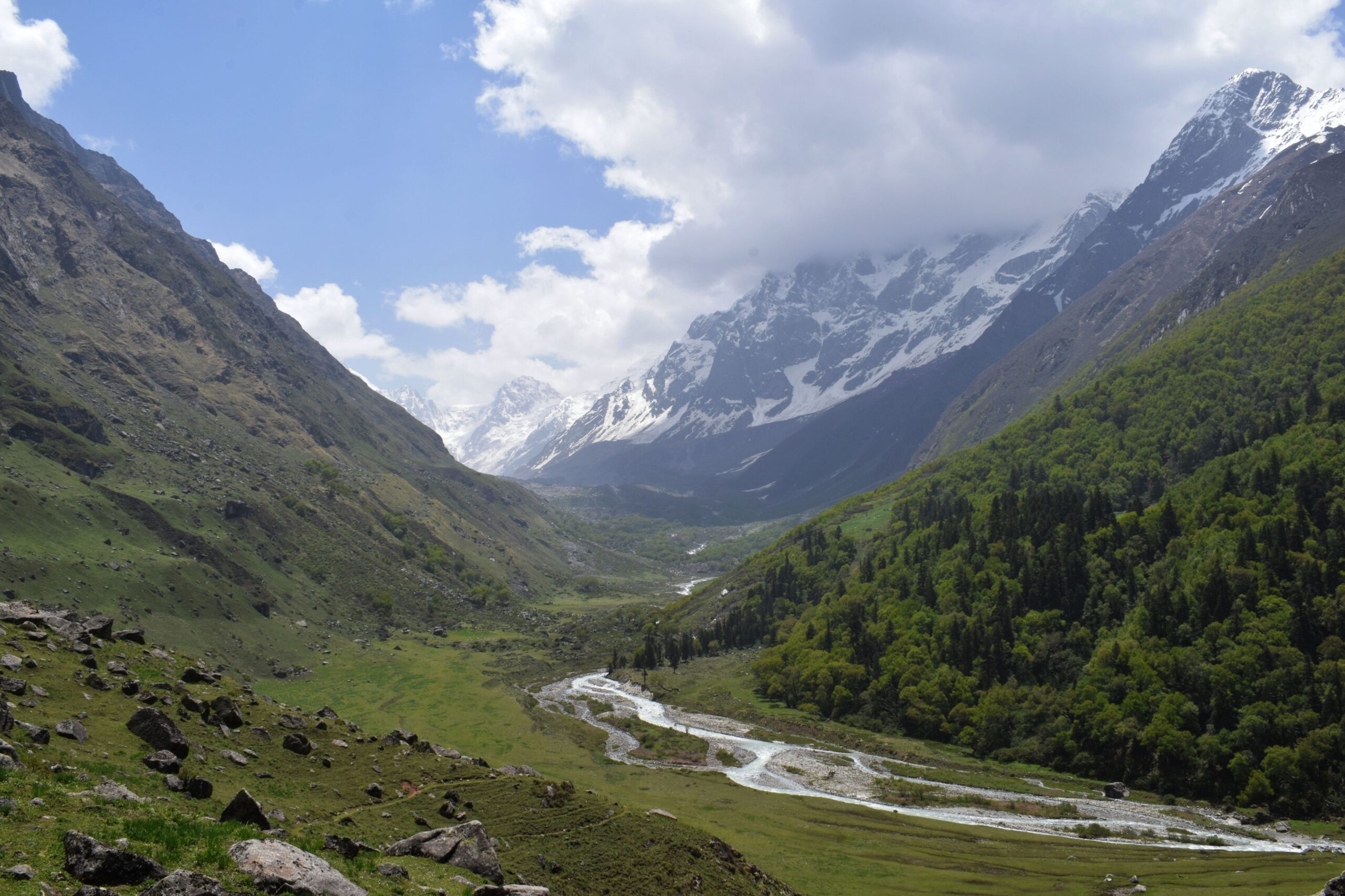
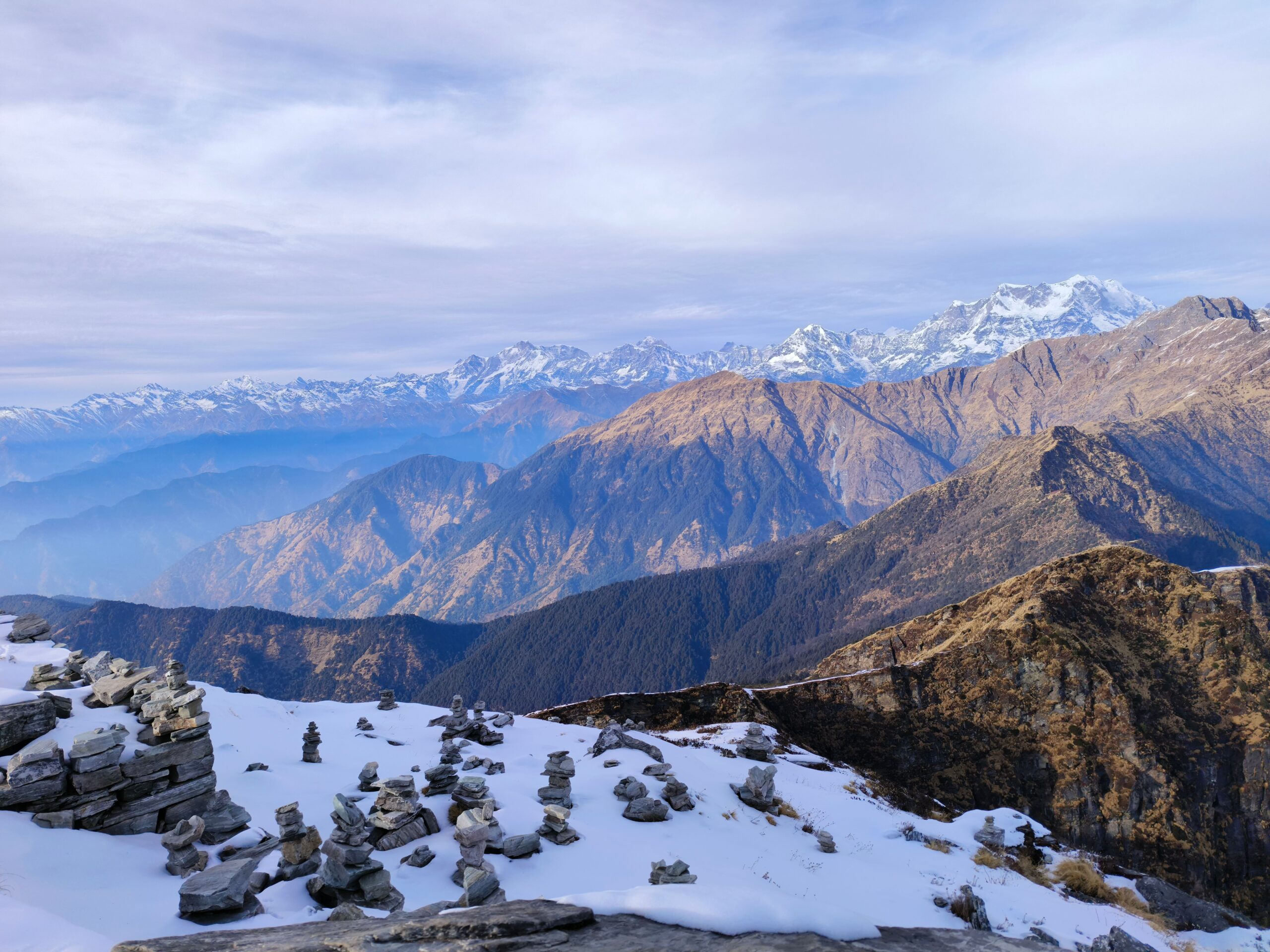
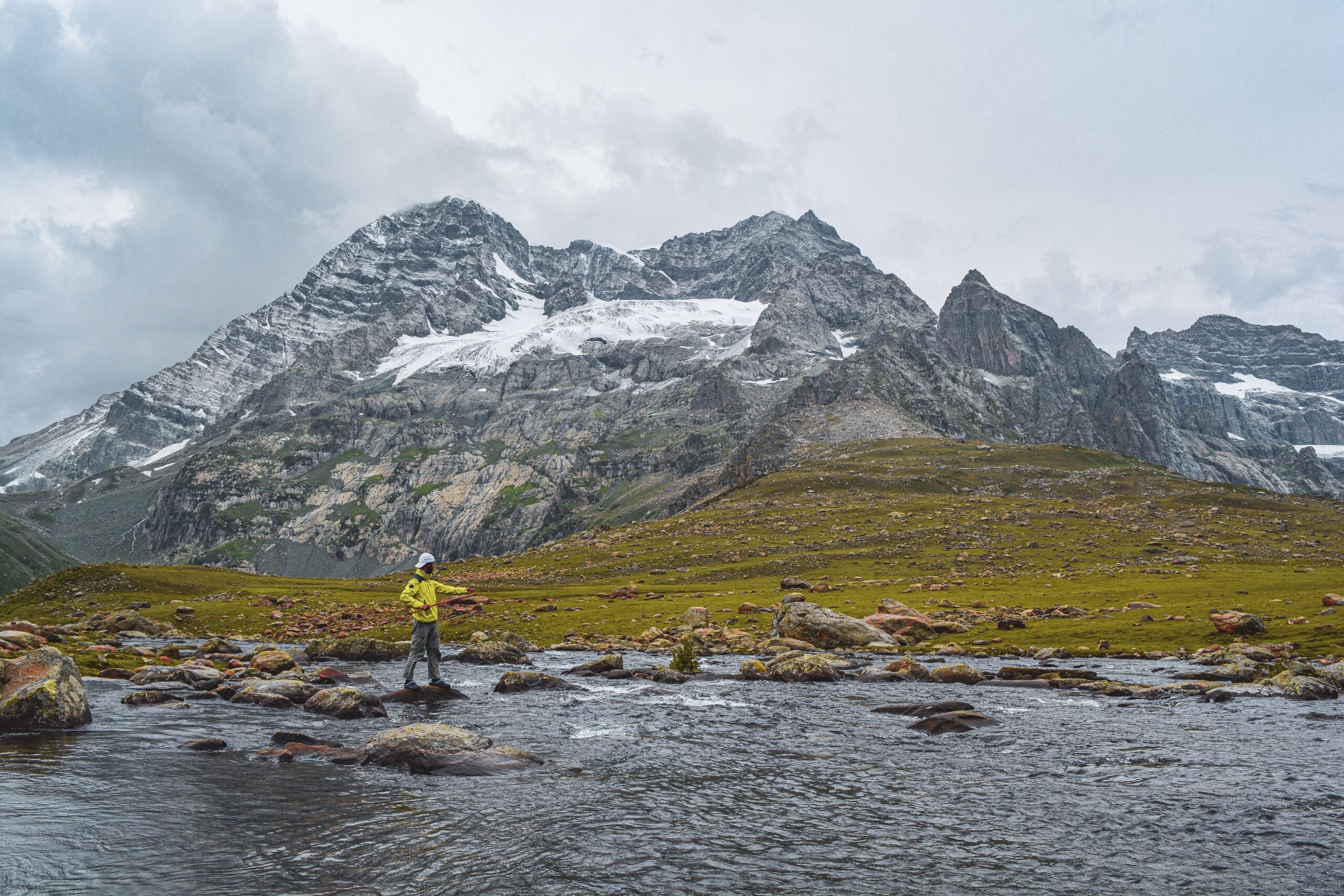
The Sar Pass Trek in May is a good choice if you want to walk on snow and experience the famous snow slide in Himachal Pradesh. The lower trail around Kasol and Grahan starts to feel like spring, while the higher camps near Min Thach, Nagaru and Sar Pass can still have deep snow and freezing nights. For most snow lovers, early to mid-May is worth considering, but the best dates depend on the snowpack, weather and the trek operator’s latest trail report.
May is not the same every year. A warm spring can melt snow early, while fresh snowfall can change the route within a day. Here is what to expect from the Sar Pass trek weather in May, how cold the camps can get, and what to check before booking.
Sar Pass Temperature in May: Day and Night
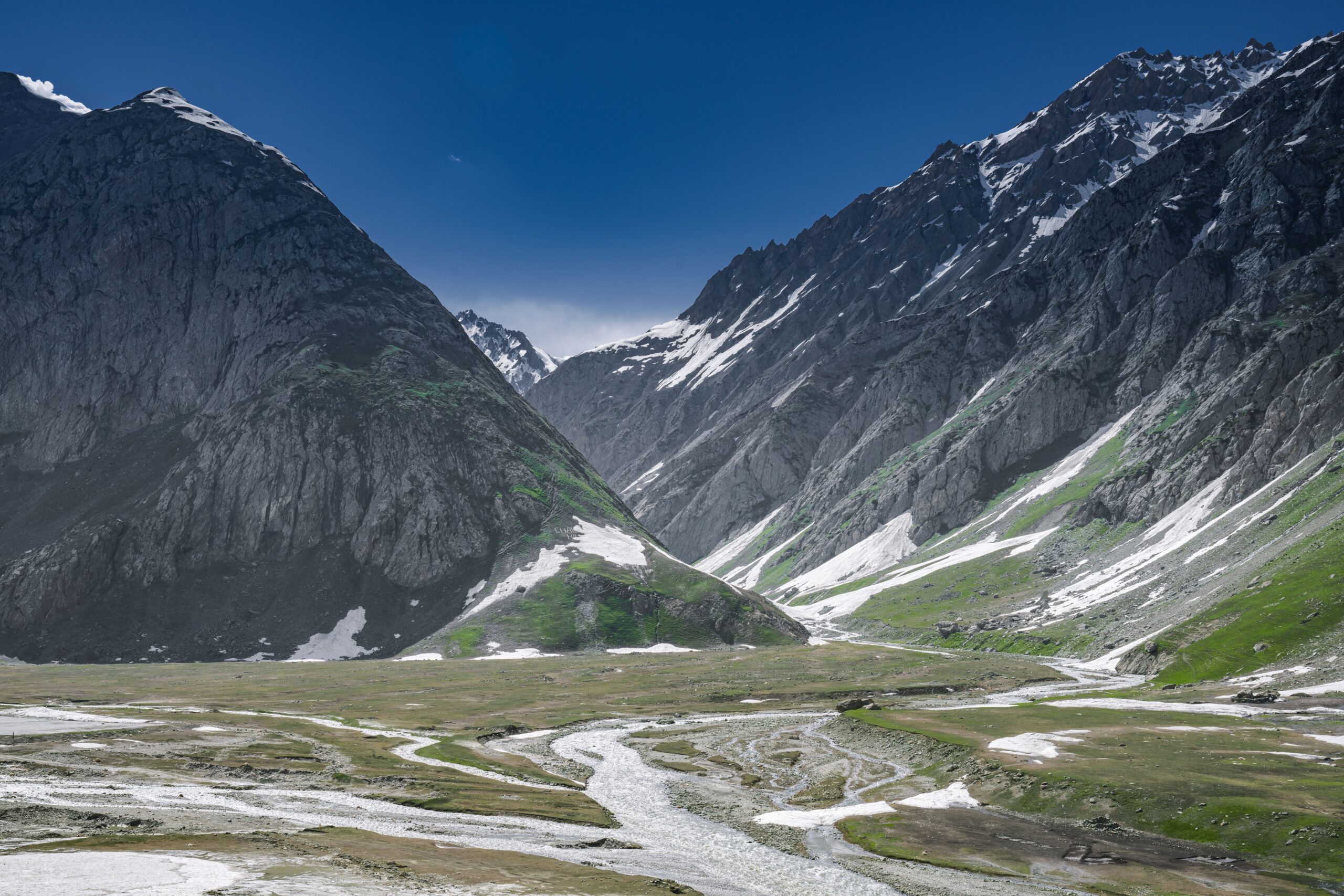
There is no single temperature for the entire route. Conditions at 2,350 m in Grahan can feel very different from those at 3,800 m in Nagaru or near the pass. The following figures are broad planning estimates, not a daily forecast or a guarantee for a particular May departure.
Location | Approx. altitude | Day temperature in May | Night temperature in May |
Kasol | 1,580 m | 15°C to 25°C | 8°C to 15°C |
Grahan | 2,350 m | 10°C to 15°C | 3°C to 6°C |
Min Thach | 3,400 m | 5°C to 12°C | 0°C to 5°C |
Nagaru | 3,800 m | 0°C to 8°C | -5°C to 0°C |
Sar Pass | 4,200 m | -2°C to 5°C | Below 0°C; varies with weather |
These are approximate ranges, not fixed forecasts. Temperatures can drop further during snowfall, strong winds or sudden weather changes, especially at Nagaru and Sar Pass.
The lower villages may feel comfortable in the sun, but that does not mean you can pack only light clothes. Higher camps need warm layers, gloves, a warm hat and a sleeping bag suitable for the expected conditions. Published operator temperature figures vary, so treat any single number as a guide rather than a promise.
Sar Pass in May: What Changes Each Week?
The exact snow depth and trail condition cannot be predicted by calendar dates alone. Use this week-by-week guide to understand the usual seasonal pattern, then confirm conditions with your operator.
May period | Likely trail conditions | Who may prefer it? |
May 1–7 | Snow may remain deep on higher sections; nights can be very cold | Trekkers looking for a snow-focused trip who are prepared for tougher conditions |
May 8–15 | Snow is often still present near Nagaru and the pass; lower sections may show spring growth | Those who want a mix of forest trails and snow |
May 16–23 | Snow may start softening in sunny areas, but high sections can remain snow-covered | Trekkers seeking snow with somewhat milder conditions at lower levels |
May 24–31 | More melting may occur, especially on lower slopes; the upper route can still have snow | Those who prefer warmer lower camps, provided snow conditions remain suitable |
This is a seasonal guide, not a report of verified snow conditions for each week of 2027. A snowfall event can change the picture, and a warm spell can make snow wet and slippery. Before choosing dates, ask the operator where snow begins, whether the route to Nagaru is safe and whether the pass crossing is currently open.
Which part of May should you choose? If your main goal is to see plenty of snow, look at earlier departures first, but do not assume the earliest date will have the best or safest conditions. If you want somewhat milder weather at lower camps, a later May departure may suit you, provided the snow route and slide are still in good condition.
Is There Snow on the Sar Pass Trek in May?
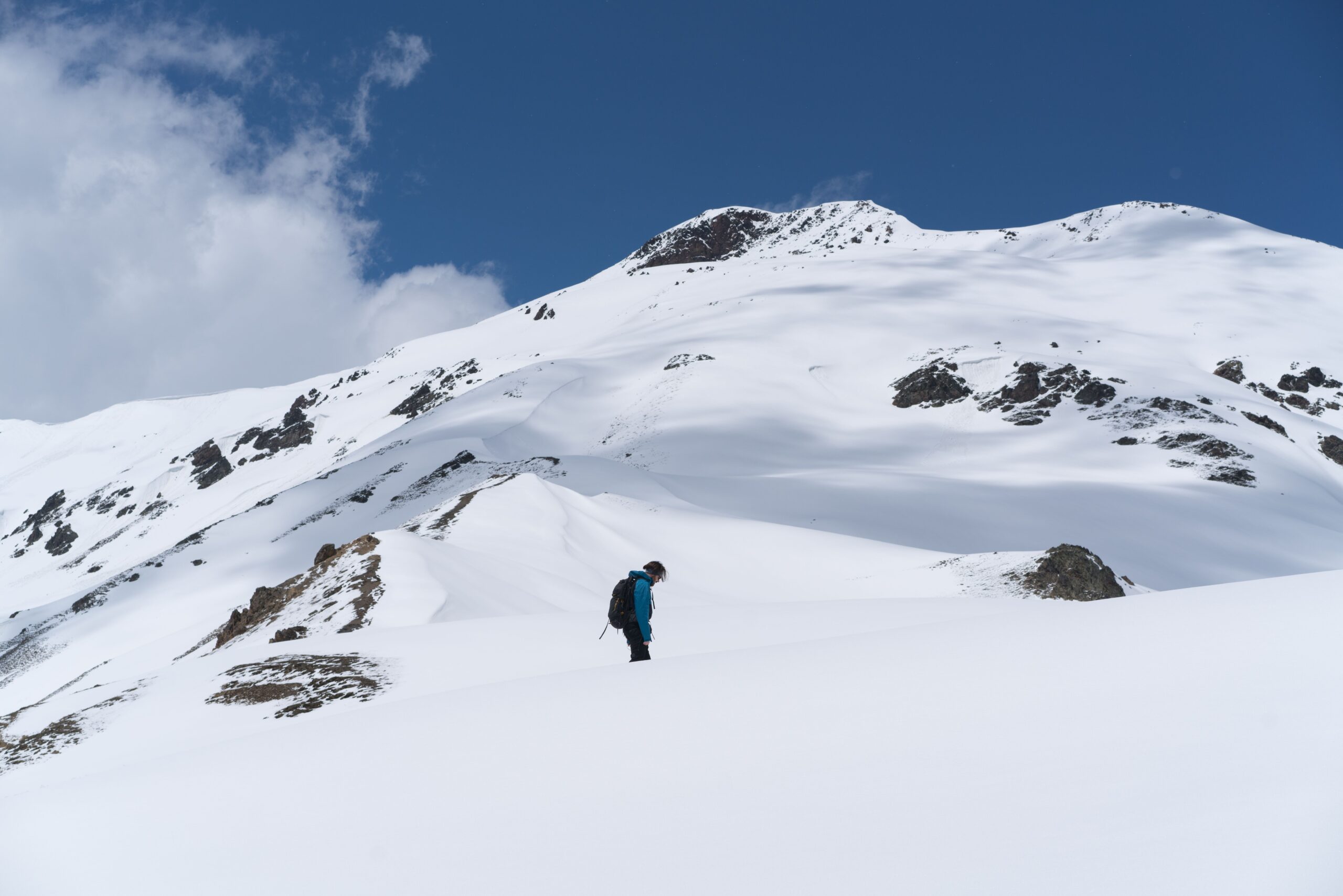
Snow is common on the higher sections of the Sar Pass trek in May, particularly around Nagaru and the pass. The lower route from Kasol through forested sections and Grahan may be mostly clear, muddy or wet in places, while the trail gets colder and snowier as you climb.
Snow affects more than the view. It can hide the path, slow your walking speed and make slopes slippery. The approach from Min Thach to Nagaru deserves special care because parts of the route are steep and exposed. Indiahikes warns that snow can hide the marked trail and make this section risky, so trekkers should follow an experienced guide and start early.
Do not step onto a snow slope just because other trekkers have crossed it. Follow the guide’s instructions and turn back if the team judges the route unsafe.
The Famous Sar Pass Snow Slide in May
The snow slide is one of the main reasons trekkers choose Sar Pass in spring. After crossing the pass, groups may descend a suitable snow slope by sliding down instead of walking the entire section. The length and quality of the slide depend on the snow, weather and the route chosen by the trek team. Early in the season, the snow may be deeper. Later in May, sunlight can soften it, and exposed patches or wet snow may change the descent. That means there is no guaranteed slide length or speed for every batch.
Follow the guide’s briefing, keep the required distance from the person ahead and use only the designated slide route. Never slide with crampons or microspikes attached to your boots, as they can catch in the snow and cause serious injury. If the team says the slope is unsafe, skip the slide.
FAQs About Sar Pass Trek in May
Is May a good time for the Sar Pass trek?
Yes. May is part of the main spring snow season, and snow is often present on the upper route. Conditions vary each year, so confirm the latest trail report before booking.
How cold is the Sar Pass trek in May?
The lower trail can feel mild in sunshine, but higher camps such as Nagaru can be very cold at night. Pack for freezing conditions and use the temperature forecast for your specific departure.
Can I see snow on Sar Pass in late May?
Snow often remains around the pass in late May, but the amount can vary. Ask the operator for recent photos and a report from the upper camps rather than relying on the date alone.
Does the snow slide happen every May?
No. The slide depends on snow cover and safety conditions. The trek leader may change or cancel the slide if the slope is too wet, unstable or unsafe.