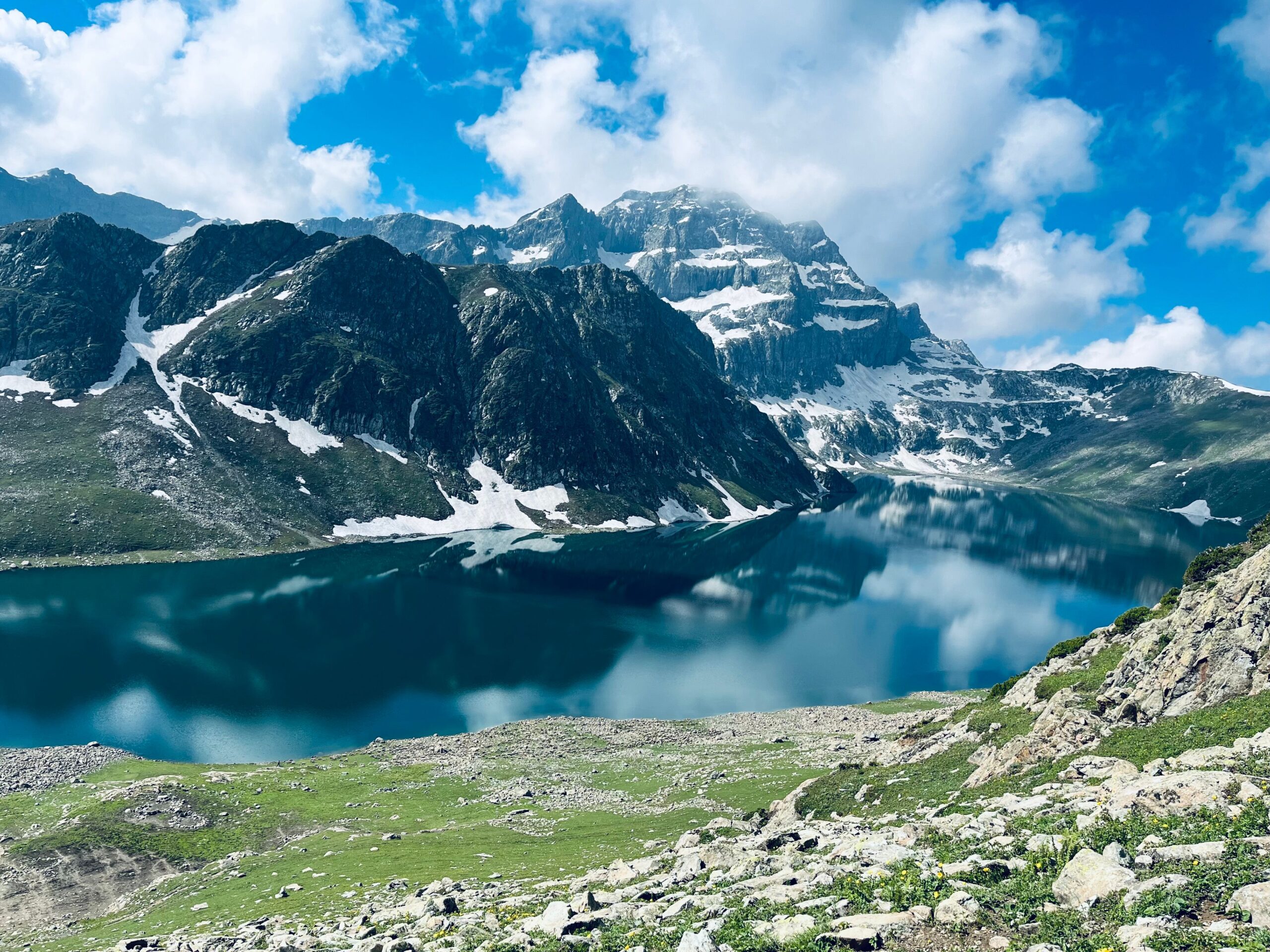
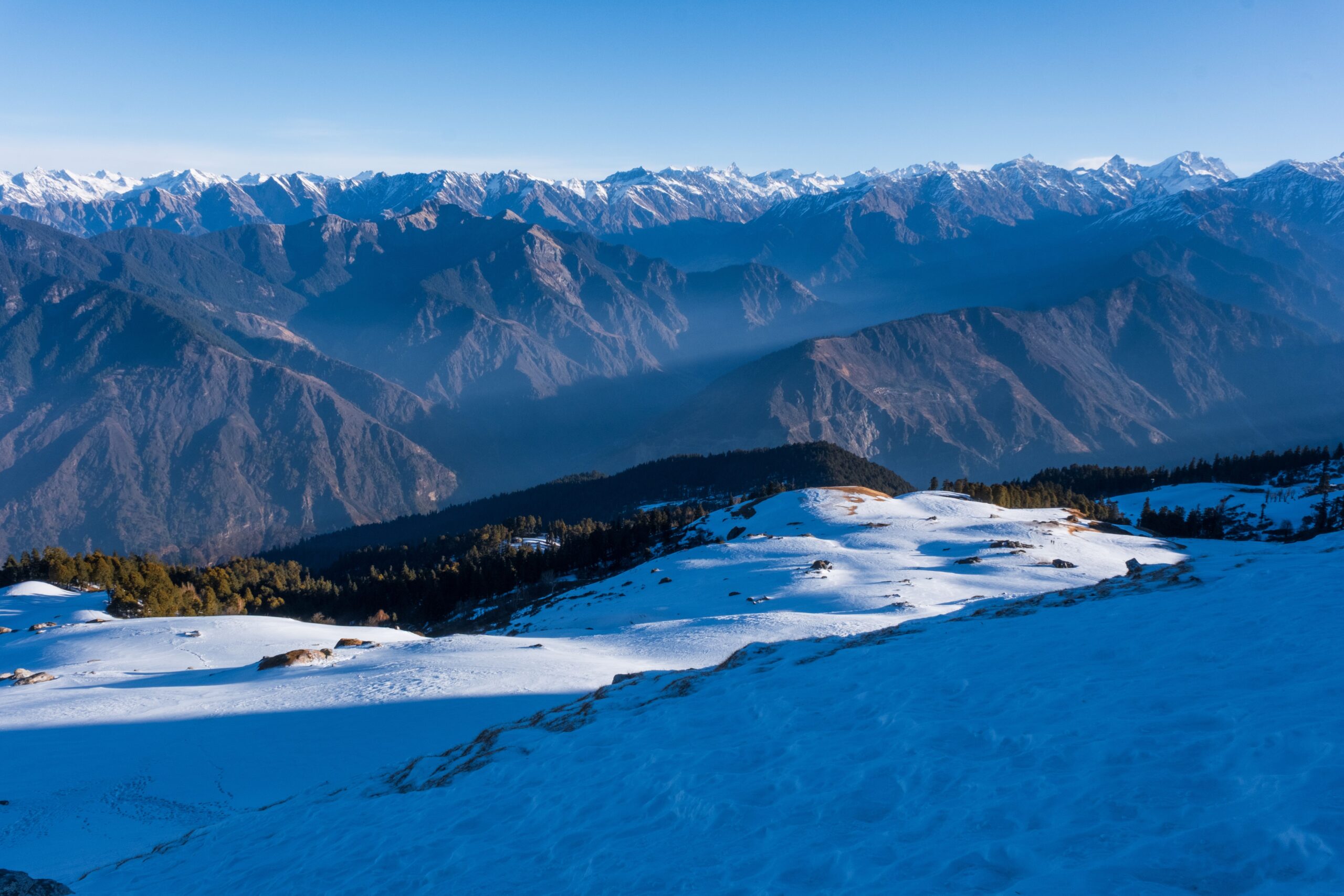
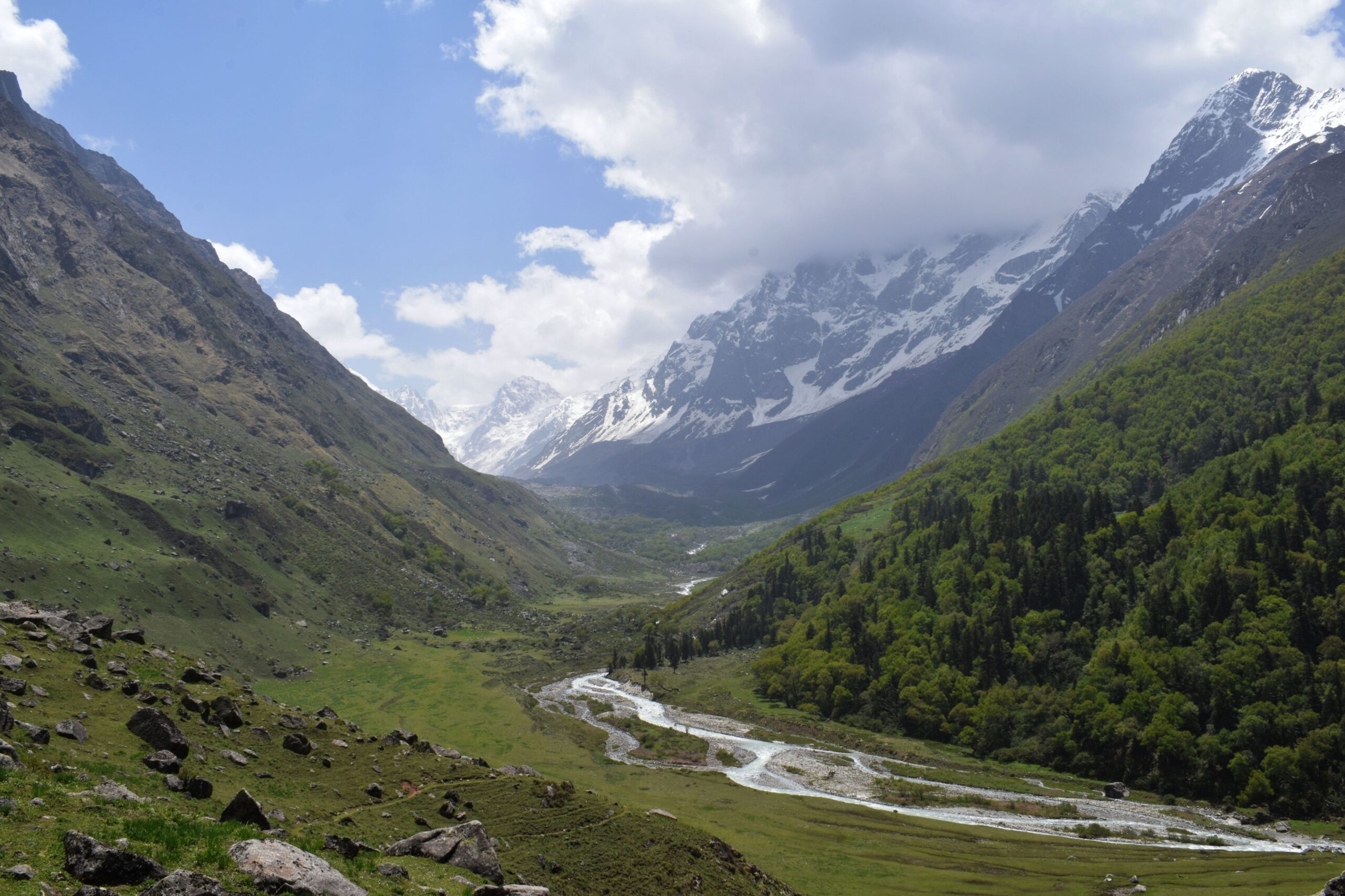
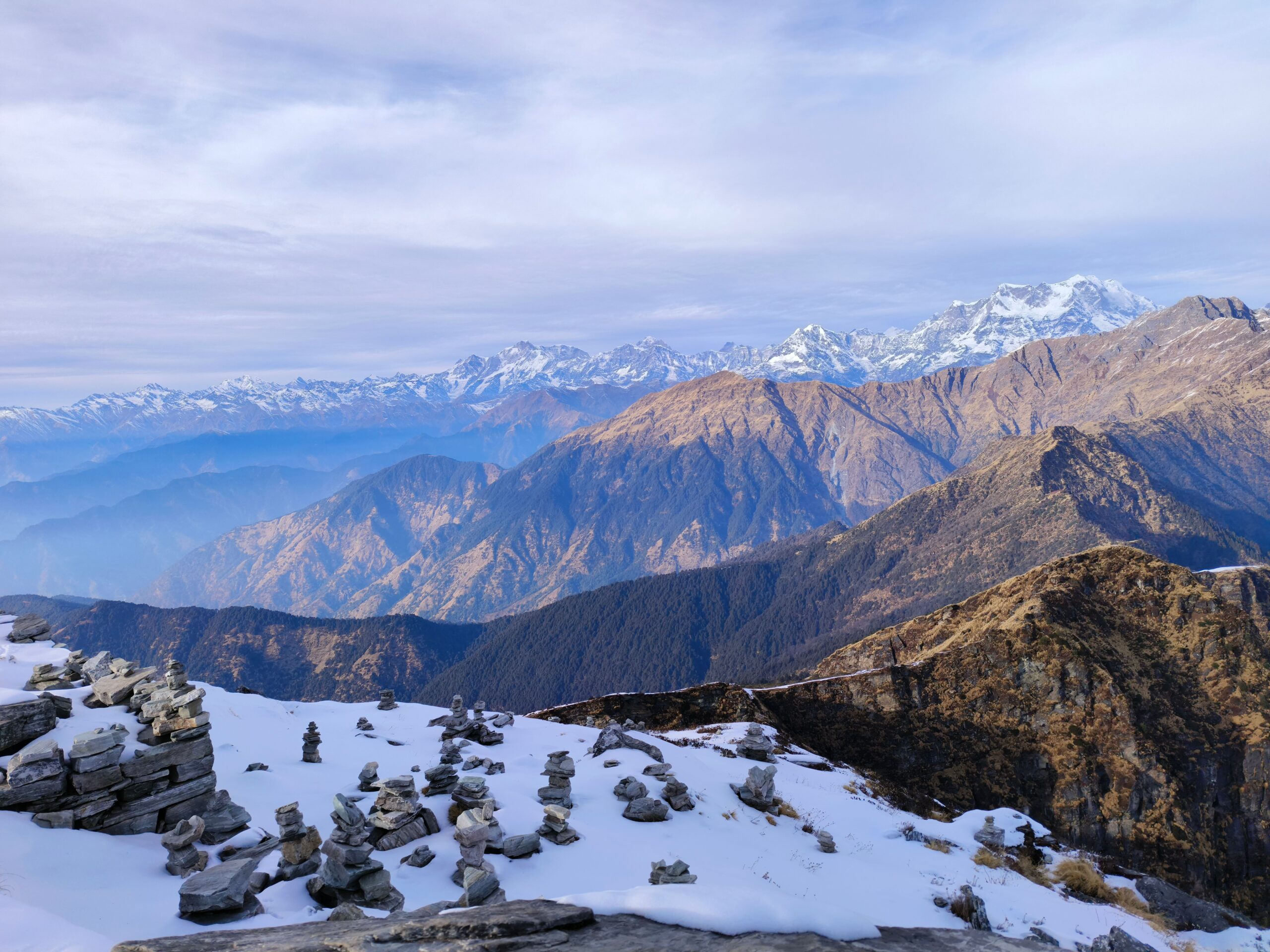
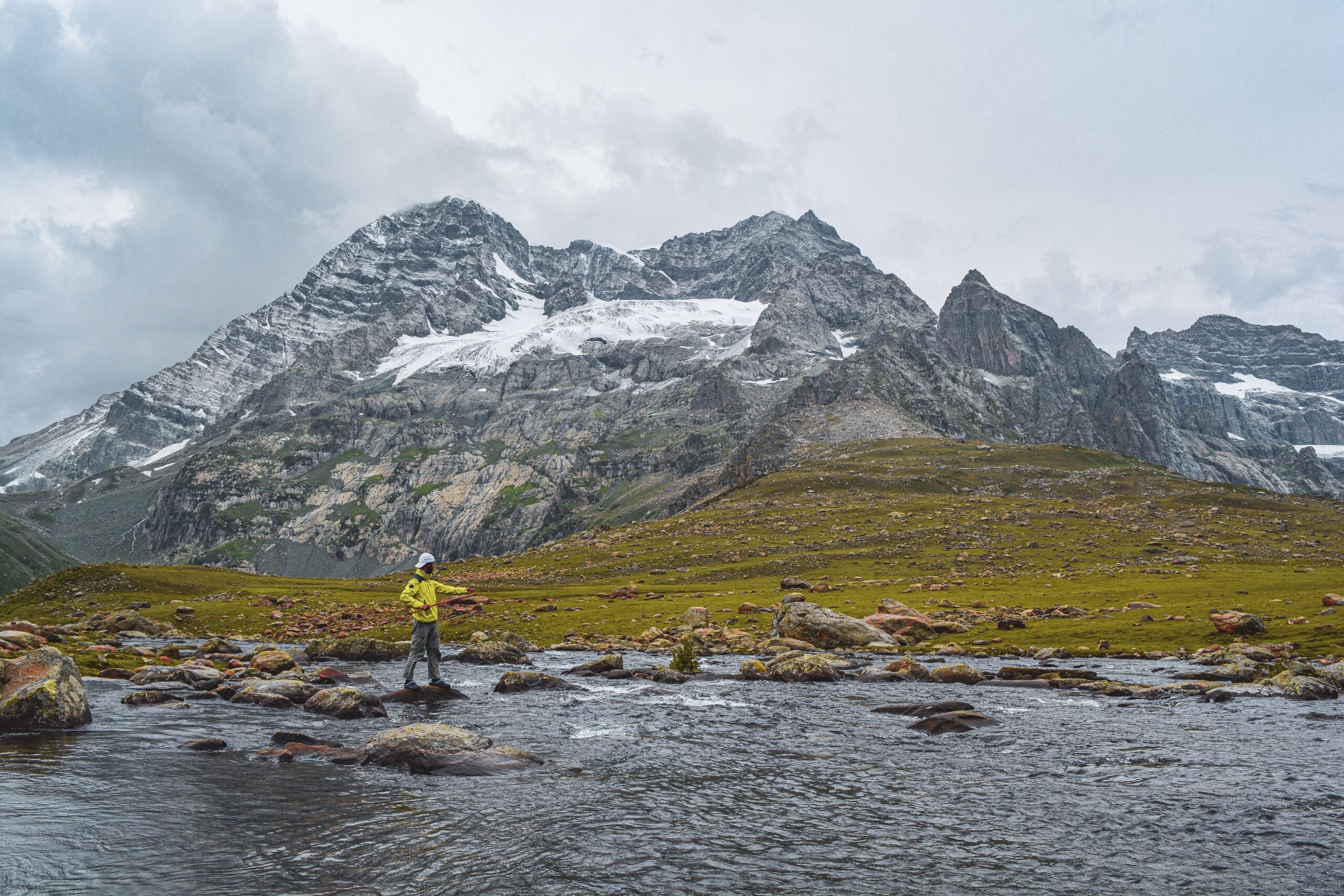
The Sar Pass trek in April is a good choice if you want to walk on snow and see the higher camps covered in white. However, late April is a better starting point to consider than early April, as trek operators do not all begin their batches on the same date. Some start in April, while others focus on May and June. The trek reaches about 13,800 ft and takes around five days. Choose April only if you are ready for cold nights, snow-covered paths and possible changes to the route. April can be a good time, especially for people who want a snow-filled mountain trip. The route starts near Kasol in Himachal Pradesh and passes through forests, meadows and high camps before reaching Sar Pass.
But April is not the easiest month for every trekker. Snow can cover parts of the trail, and fresh snowfall may delay or stop a pass crossing. The route may also be harder to follow when snow hides the usual trail marks.
Sar Pass Temperature in April
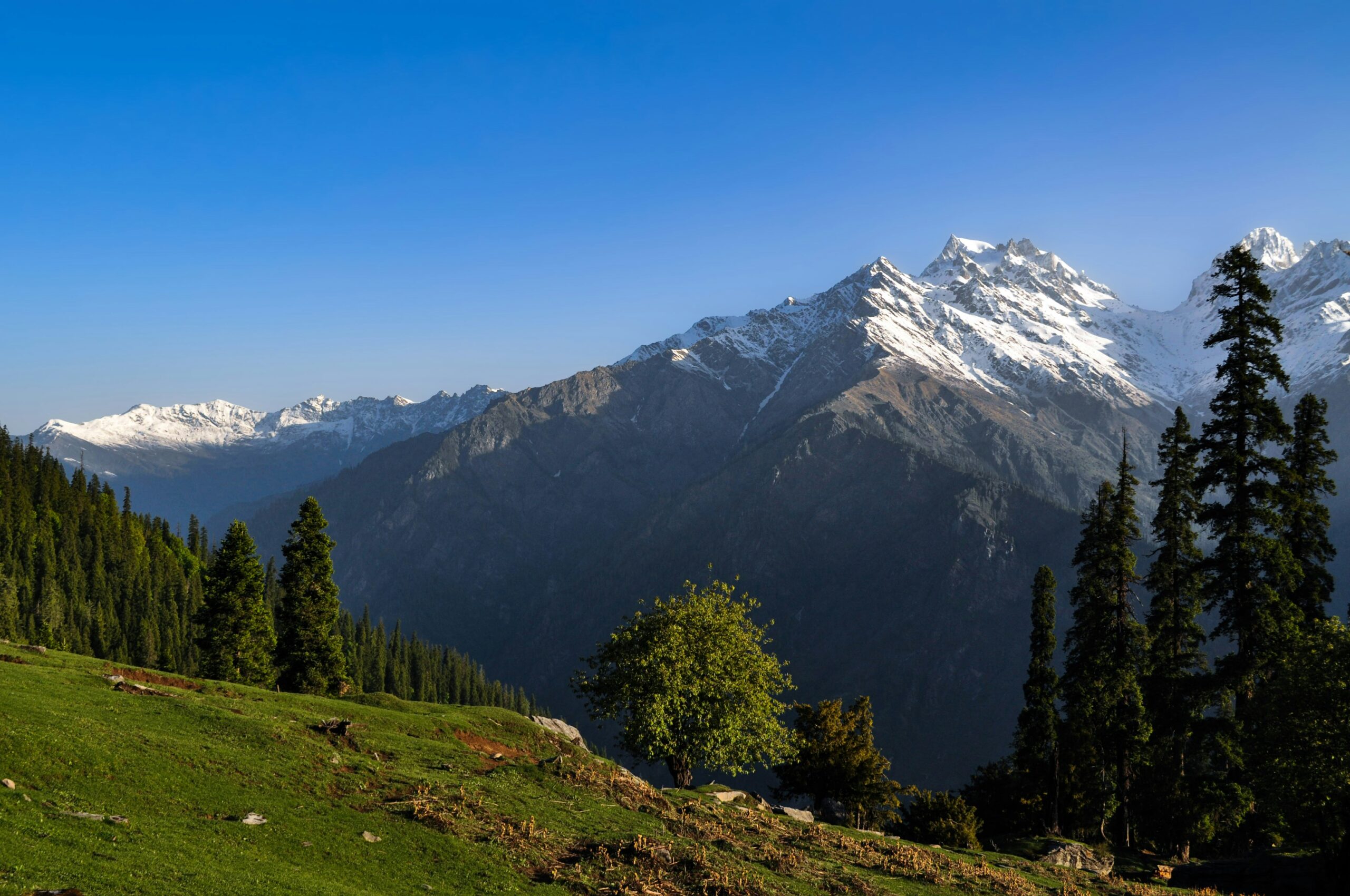
April weather changes with altitude. Kasol is much lower than Nagaru and Sar Pass, so the temperature in the valley does not tell you how cold it will be at the high camps.
Location | Daytime conditions | Night-time conditions |
Kasol | Usually milder than the camps | Cool to cold |
Grahan | Cool, with possible rain or snow spells | Cold |
Min Thach | Cold, especially in wind | May fall below freezing |
Nagaru | Very cold, with strong wind possible | Can fall well below 0°C |
Sar Pass | Cold, exposed and windy | Crossing usually takes place during the day |
There is no single temperature range that applies to every April batch. Forecasts also change with snowfall, cloud and wind. Treat any temperature figures you see online as rough estimates, not a guarantee. Check the forecast for the trek dates and ask the operator about expected night temperatures at Nagaru.
Pack for below-freezing conditions at high camps even if the weather feels warm in Kasol. The sun can feel strong on snow, but temperatures can drop quickly once you stop walking.
How Much Snow Can You Expect in April?
Snow is a key reason to consider Sar Pass in April. The amount you see depends on the winter snowfall, recent weather and your departure date. The lower trail from Kasol to Grahan usually passes through forest and village paths. As you climb towards Min Thach and Nagaru, snow becomes more likely. The high section around Nagaru and Sar Pass can hold deep snow, but the exact snowline changes from year to year.
Trek section | Possible April conditions |
Kasol to Grahan | Mainly forest and village trail; local weather may bring rain or snow |
Grahan to Min Thach | Forest trail with snow possible at higher points |
Min Thach to Nagaru | Steeper climb; snow may cover parts of the path |
Nagaru to Sar Pass | Main high-altitude snow section; slippery or deep snow may slow progress |
Sar Pass to Biskeri Thach | Snow descent; the guide must judge whether the route is safe |
This table describes possible conditions, not a confirmed report for a specific date. A fresh snowfall can change the route in a short time. Ask for a recent update from the team that will lead your batch before travelling to Kasol.
Is the Sar Pass Trek Difficult in April?
Sar Pass is often rated moderate, but snow can make it much harder. You need to walk for several hours on consecutive days, climb to high camps and manage a long day from Nagaru over the pass to Biskeri Thach.
April adds a few challenges:
- Snow-covered paths: Snow can hide rocks, trail marks and uneven ground.
- Cold nights: You need warm layers and a sleeping system suited to low temperatures.
- Long summit day: The crossing and descent can take many hours. Do not assume that the snow slide will be easy or safe.
- Altitude: The pass is around 13,800 ft. Headache, nausea, dizziness and unusual tiredness can be signs of altitude sickness.
Beginners should not choose April only because a trek is labelled moderate. If you have not trekked at altitude before, build your fitness first and choose a professional operator with trained leaders, proper snow equipment and a clear emergency plan.
What Should You Pack for Sar Pass in April?
Your kit must protect you from cold, wet snow and strong sunlight. Ask your operator what equipment is supplied before you buy or rent anything.
Carry:
- Warm base layers, fleece and an insulated jacket.
- A waterproof jacket and trousers.
- Waterproof trekking boots with good grip.
- Warm socks, gloves, a cap and a neck cover.
- Sunglasses with UV protection and sunscreen.
- A headlamp, water bottle and personal medicines.
- A waterproof backpack cover and dry bags for spare clothes.
- Trekking poles for balance on uneven ground.
Microspikes, gaiters and other snow gear: Ask the trek leader what is required for your dates. Microspikes can improve grip on some firm, icy paths, while gaiters help stop snow from entering your boots. Crampons or other technical gear should only be used when the route and leader call for them, and trekkers must know how to use the equipment safely. No single item makes a dangerous snow slope safe.
Snow Safety, Altitude and Emergency Plans in April
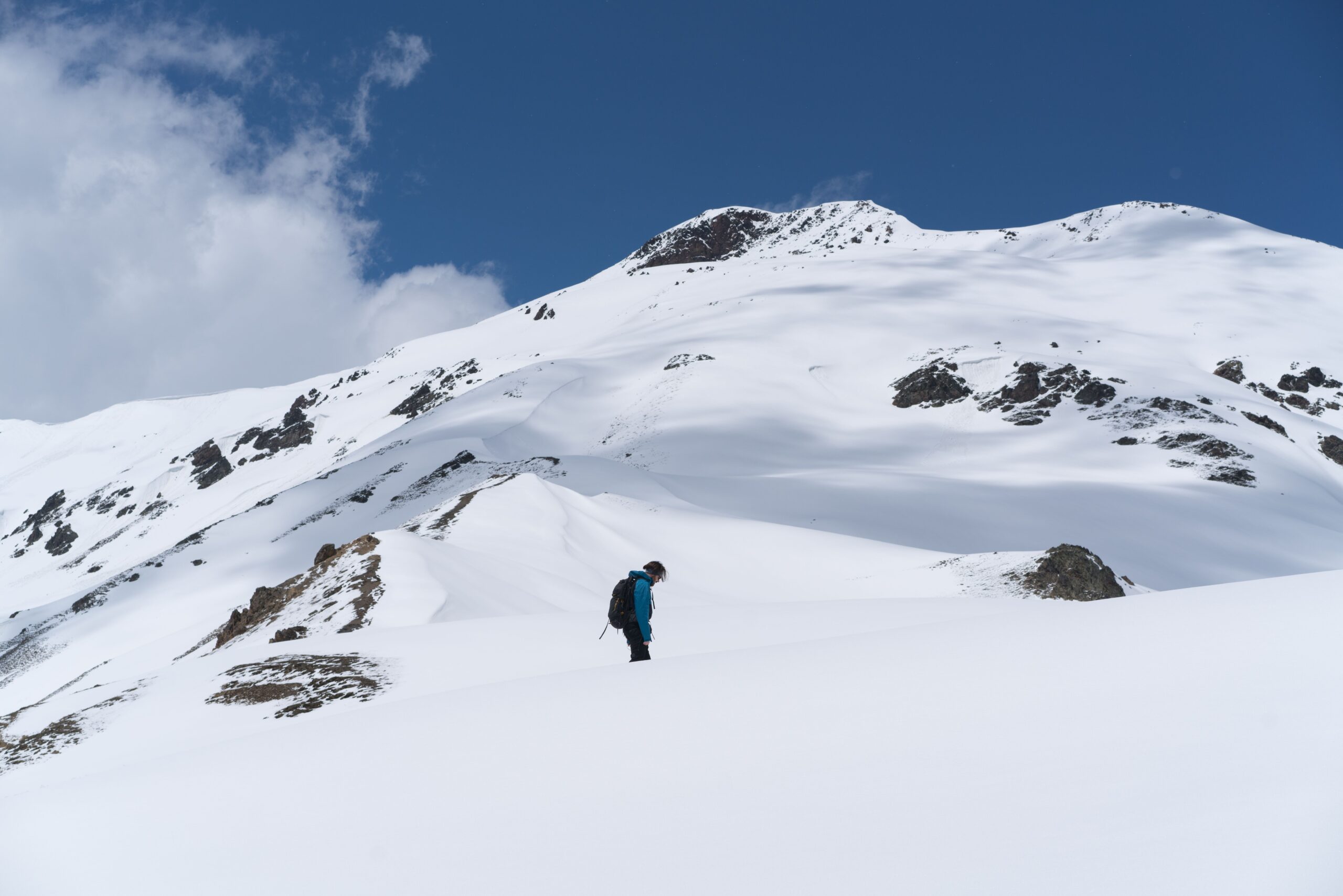
Do not cross Sar Pass alone or follow tracks left by other groups without a trained guide. Snow can hide the trail, and a slope that looks safe from a distance may be unstable. Avalanche risk depends on the snowpack, slope, weather and recent snowfall. Only a trained leader with current local information can assess the route. If the team delays the start, changes the route or turns back, follow that decision.
Before booking, ask the operator these questions:
- Does the trek leader have experience leading groups on snow?
- Are microspikes, gaiters or other snow equipment needed, and who supplies them?
- What is the plan if fresh snow, strong wind or poor visibility stops the crossing?
- Is there a first-aid kit, oxygen support where appropriate, and a reliable way to contact the base team?
- What are the evacuation options from the high camps?
- Does the operator confirm the required permits and registrations for the current season?
Mobile coverage is limited or absent on some high sections. Do not rely on your phone as the only way to call for help. Ask the operator how the team communicates between the high camps and the base.
Altitude sickness needs quick action. Tell your leader about a headache, nausea, dizziness or unusual weakness. Do not keep climbing if symptoms are getting worse. Confusion, trouble walking straight or breathlessness while resting are emergency warning signs. The person needs urgent help and descent, guided by trained staff. Never hide symptoms to avoid slowing the group.
Is Early April Better Than Late April?
Not always. Early April may have more winter snow, but some operators may not yet be running their regular batches. Late April can offer more departure choices, though conditions still depend on the year’s snowfall and weather.
Do not book an early-April trip based only on a general season guide. Confirm that the operator has a scheduled batch, expects to run the route and has a plan if snow makes the crossing unsafe. A published departure date is not proof that the pass will be open on that date.
Frequently Asked Questions
Can you do the Sar Pass trek in April?
Yes, some operators schedule April departures. However, start dates vary. Confirm that your operator is running the trek and check the latest route conditions before travelling.
Is Sar Pass covered in snow in April?
Snow is common on the higher sections, especially around Nagaru and the pass. The depth and snowline vary by year and week.
What is the Sar Pass temperature in April?
Conditions depend on altitude and weather. The high camps can fall below freezing at night, so pack for severe cold rather than relying on the temperature in Kasol.
Is April or May better for Sar Pass?
April is worth considering if you want a snow-heavy trek and accept a higher chance of route changes. May is a sensible alternative for many trekkers, but conditions still need to be checked close to departure.
Can the Sar Pass crossing be cancelled?
Yes. Fresh snowfall, poor visibility, strong winds, unsafe snow or a health concern in the group can lead the trek leader to delay, change or stop the crossing. Safety must come before reaching the pass.