Sar Pass Trek fitness requires good stamina, strong legs, and the ability to walk for long hours on steep mountain trails. You should start preparing at least 6 to 8 weeks before the trek if you already exercise, or allow 8 to 10 weeks if you are new to fitness. The hardest test is not just reaching the pass. It is crossing the snow-covered section and managing the long descent when your legs are already tired.
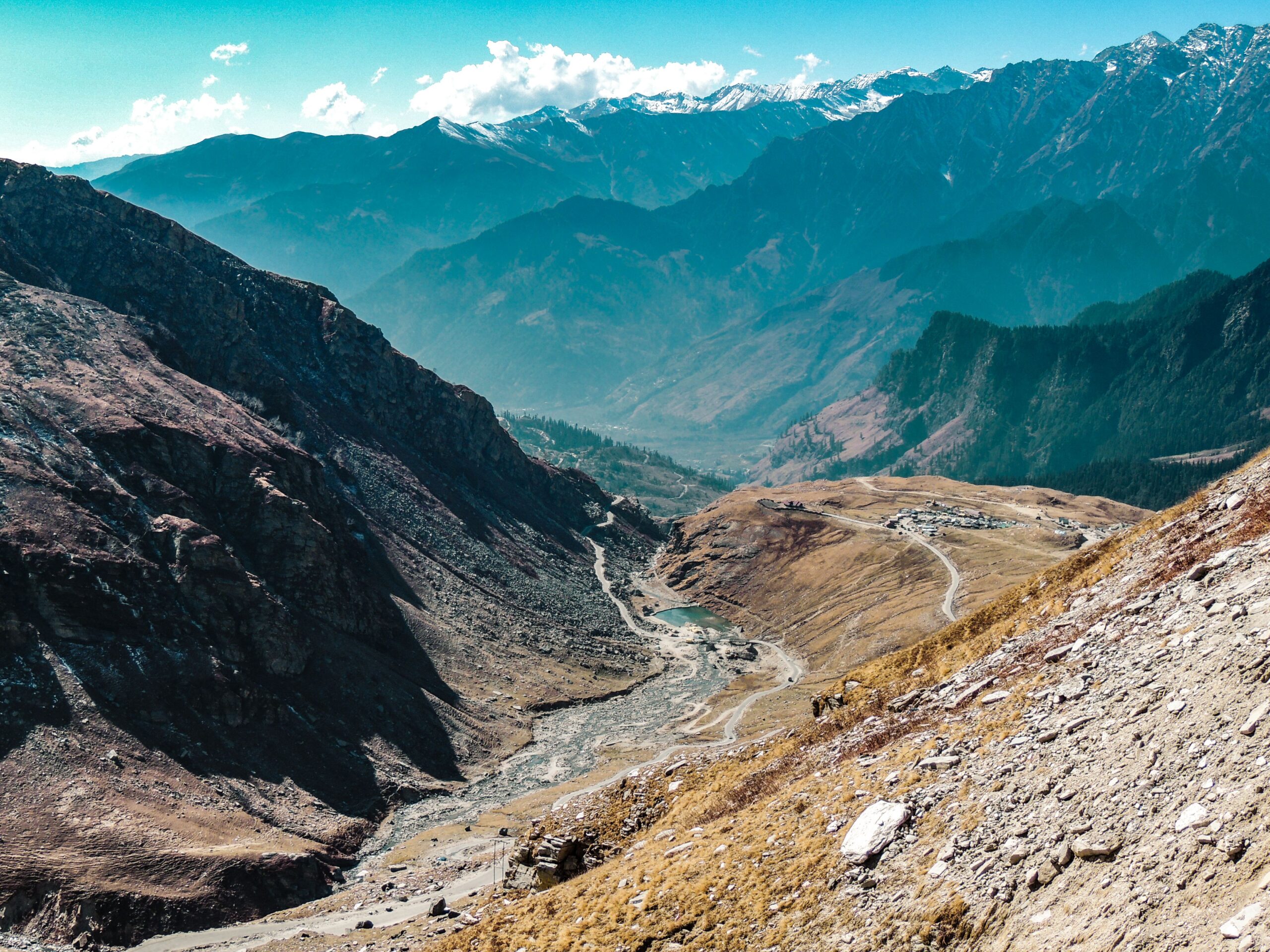
Sar Pass lies in Himachal Pradesh’s Parvati Valley and reaches about 13,800 feet. The route passes through pine forests, meadows, steep climbs, and snow in the spring season. The distance and trip length depend on the operator and route.
How Fit Do You Need to Be for Sar Pass Trek?
You should be able to walk for several hours at a steady pace, climb uphill without frequent long stops, and recover well enough to walk again the next day. A single short walk or a set of squats cannot show whether you are ready for a full trek. You need to test your stamina, strength, and recovery over time.
If you cannot run these distances yet, do not jump straight into hard daily runs. Start with brisk walks, then add short jogs if your joints feel comfortable. If your chosen operator has a mandatory test, plan your training around that test rather than assuming that walking alone will meet its rules.
Use these practical signs to track your progress:
- Walk briskly for 60 minutes without needing long breaks.
- Climb stairs or a gentle hill for 15 to 20 minutes at a steady pace.
- Complete controlled squats and step-downs without pain.
- Build towards a three to four-hour walk on mixed ground.
- Carry a light backpack and recover well the following day.
These are training milestones, not a guarantee of safety at altitude. Your health, the weather, the snow, and the trek leader’s decisions also matter.
Sar Pass Trek Workout Plan: 8 Weeks
The plan below suits someone who can already walk for 30 minutes without trouble. If you are starting from very low fitness, begin with easier sessions and allow 10 weeks or more. If your operator sets a running test, add gradual running practice on suitable days.
Week | Cardio and walking | Strength and hill work |
1 | Walk 30 minutes, 4 days | Squats and step-ups, 2 days |
2 | Walk 35 to 40 minutes, 4 days | Add lunges and calf raises |
3 | Walk 40 to 45 minutes, 4 days | Add step-downs and planks |
4 | Add stairs or a gentle hill, 2 days | Strength work, 2 days |
5 | One longer walk of 2 hours | Practise downhill walking |
6 | One 2 to 3-hour walk on mixed ground | Carry a light daypack |
7 | One 3 to 4-hour walk with climbs and descents | Keep strength work light |
8 | Repeat a long walk at a steady pace | Reduce hard training before departure |
Best Exercises for Sar Pass Trek Fitness
You do not need a gym to prepare for Sar Pass. A few simple exercises can help you build the leg strength, balance, and control needed on the trail. Focus on slow, steady movement instead of doing as many repetitions as possible.
1. Squats for uphill climbs
Squats strengthen your thighs, hips, and glutes. These muscles help you push your body uphill and stand up after each step. Start with two sets of 10 squats, keeping your back steady and your knees in line with your feet.
2. Step-ups for steep trails
Use a firm, low step or stair. Step up with one foot, bring the other foot up, and step down with control. Do 8 to 10 repetitions on each leg, then rest. As you grow stronger, use a slightly higher step rather than rushing through the exercise.
3. Step-downs for the descent
Step-downs are especially useful because they train your legs to control your body as you move down. Stand on a low step, lower one foot towards the floor, and slowly return to the starting position. Begin with 6 to 8 repetitions on each leg.
Keep the step low enough to maintain control. If you feel knee pain, stop and seek advice from a qualified health professional.
4. Calf raises for ankle strength
Stand near a wall or chair for support. Rise onto your toes, pause briefly, and lower your heels slowly. Start with two sets of 12 repetitions. Strong calves can help with repeated uphill steps, while slow lowering builds control.
5. Planks for balance and core strength
Hold a plank for 15 to 30 seconds, keeping your back straight and hips level. Repeat two or three times, resting between each hold. A strong core helps you stay steady while carrying a backpack on uneven ground.
Food, Sleep and Breathing Practice
Eat enough food to support your training. Include everyday options such as dal, eggs, curd, paneer, milk, rice, roti, fruit, and nuts, based on your diet and needs. Drink water throughout the day, and carry enough for your walks.
Aim for seven to nine hours of sleep each night. Rest helps your muscles recover, and it gives you a better chance of staying consistent throughout the plan. You do not need to train hard every day to improve.
Practise calm breathing while walking. Keep a steady pace and avoid holding your breath during strength exercises. Breathing practice can help you manage effort, but it cannot prevent altitude sickness or replace time for acclimatisation.
If you develop a headache, nausea, dizziness, or unusual weakness at altitude, tell your trek leader. Confusion or difficulty breathing at rest needs urgent medical help and descent as directed by trained staff.






