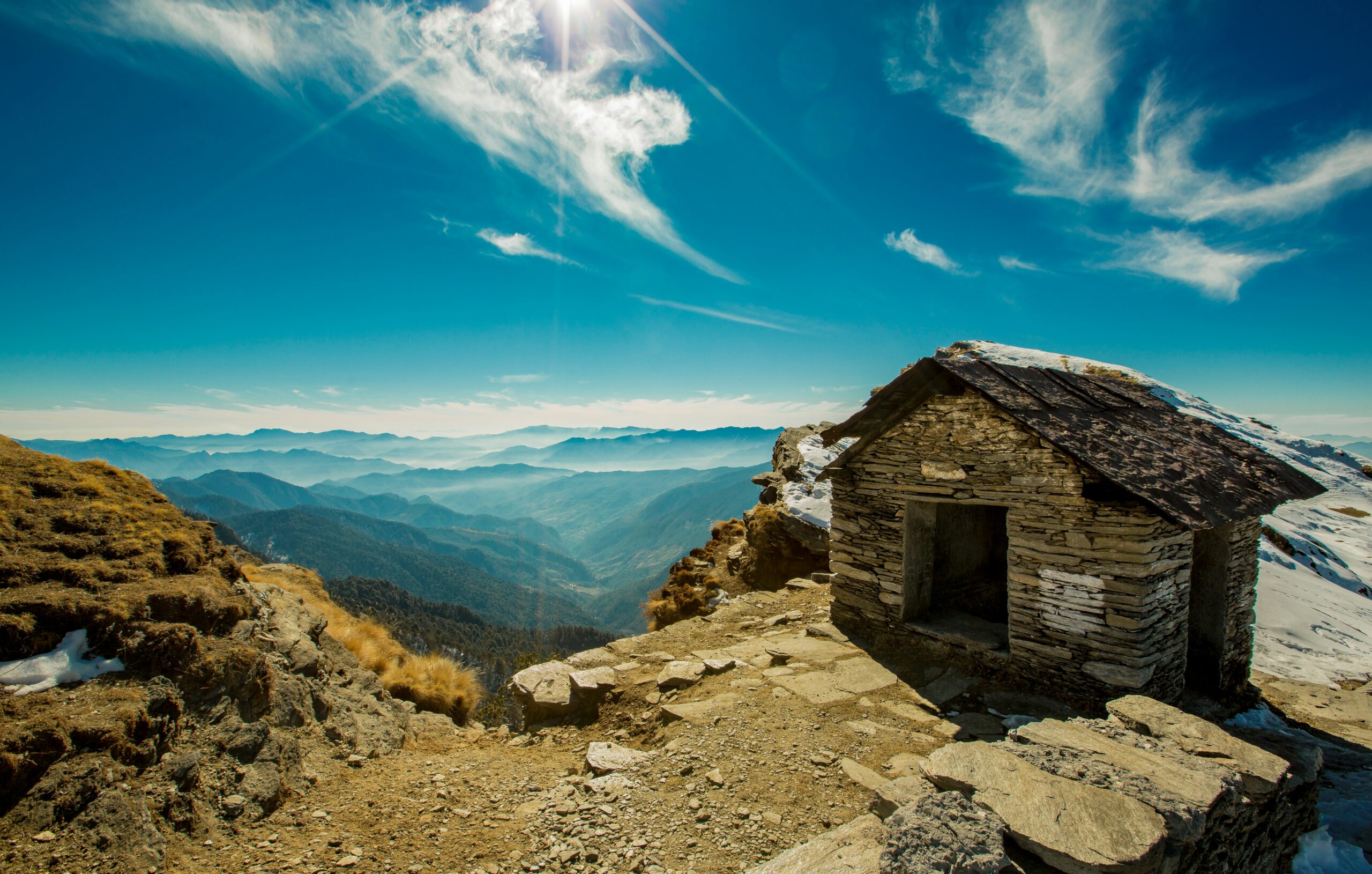
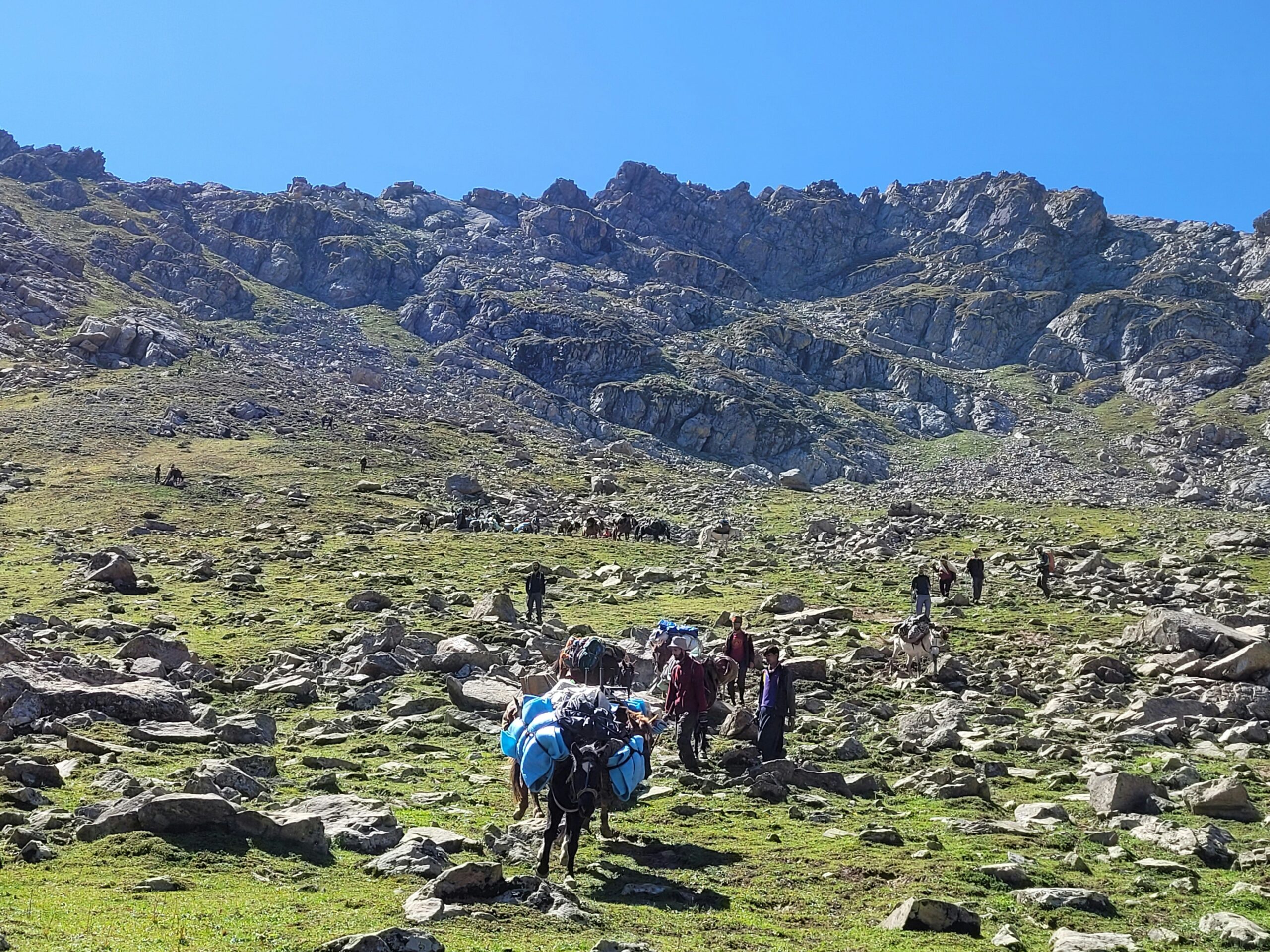
The Sar Pass trek is moderate to difficult, mainly because of its steep climbs, cold camps and long pass-crossing day. A common route covers around 47 km over five trekking days and reaches about 13,800 ft. The hardest day can take 8–10 hours or more. Fit beginners can complete this trek with proper training, a good guide and safe weather conditions.
Different trekking companies give Sar Pass different difficulty ratings. Some call it moderate, while others rate it moderate to difficult. These ratings can be confusing, but they often depend on the route, walking time, snow conditions and the level of fitness expected from trekkers.
What Is the Sar Pass Trek Difficulty Level?
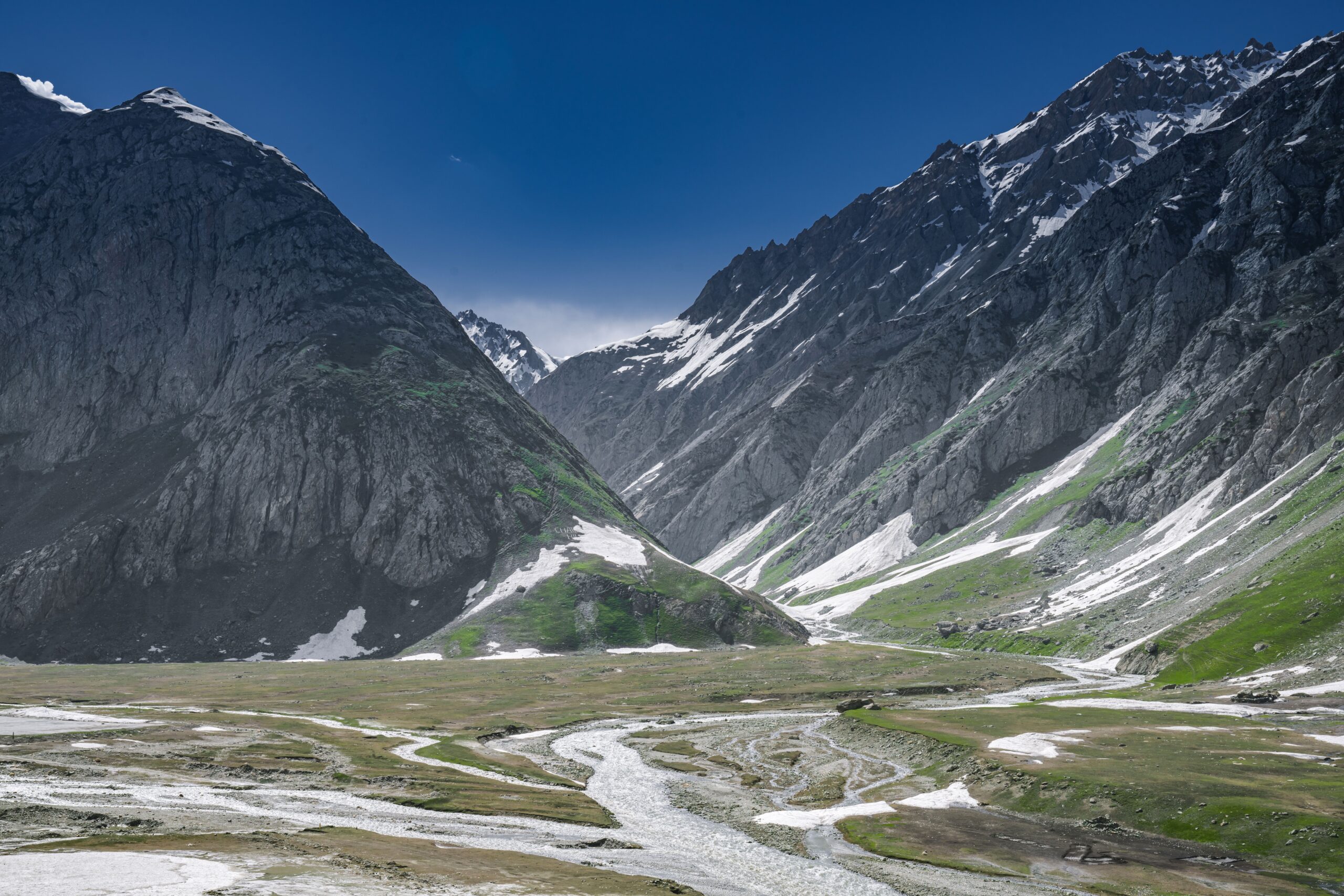
Sar Pass is a challenging mountain trek, but it does not usually need advanced climbing skills on the standard route. You walk through forests and meadows before climbing to a high mountain pass and walking down to Biskeri Thach. The main challenge is the amount of walking, the steep slopes and the cold at higher camps.
Here are the main details to know before booking.
Trek detail | What to expect |
Difficulty | Moderate to difficult |
Trekking duration | Usually 5 days |
Total distance | Around 47 km on the route used in this guide |
Highest point | Around 13,800 ft (4,200 m) |
Hardest day | Nagaru to Sar Pass to Biskeri Thach |
Distance on the hardest day | Around 14 km |
Walking time on the hardest day | Around 8–10 hours or more |
Starting point | Kasol, Himachal Pradesh |
Technical climbing | Not usually needed on the standard guided route |
Main challenges | Steep climbs, cold, altitude, snow and long walking days |
These numbers are for one common route. Other trekking companies may use a different path or measure the distance in a different way. Check the full route and daily walking plan before booking.
Sar Pass Trek Difficulty: Day-by-Day
The trek gets harder as you climb higher. The first few days help you get used to walking on mountain trails. The pass-crossing day is the main test because you start early, climb to a high point and then walk downhill for several more hours.
The table below follows a common route from Kasol through Grahan, Min Thach and Nagaru, then across Sar Pass to Biskeri Thach.
Day | Route | Approx. distance | Approx. walking time | Main challenge |
1 | Kasol to Grahan | 8 km | 4–5 hours | Steady uphill walking |
2 | Grahan to Min Thach | 7 km | 4–5 hours | Long climb through the forest |
3 | Min Thach to Nagaru | 8 km | 4–6 hours | Steeper climb and colder weather |
4 | Nagaru to Sar Pass to Biskeri Thach | 14 km | 8–10 hours or more | Early start, snow and long descent |
5 | Biskeri Thach to Barshaini | 10 km | 4–6 hours | Long downhill walk |
Distances and times are estimates. Your operator may use a different route or camp plan.
Day 1: Kasol to Grahan
The first day takes you from Kasol towards Grahan village. The trail passes through forest and climbs steadily. It may feel easy if you walk or exercise often, but it can be tiring if you spend most of your day sitting. Do not rush to keep up with faster trekkers. Walk at a pace that lets you breathe comfortably and take short breaks when needed.
Day 2: Grahan to Min Thach
The trail climbs through the forest towards open meadows. Some parts may feel harder than you expect because you keep walking uphill for long periods. Take small steps and keep a steady pace instead of trying to cover the distance quickly.
Day 3: Min Thach to Nagaru
This day takes you to a higher camp. Nagaru is often listed at around 12,500 ft, though the exact height can vary between route guides. The air may feel thinner, and the cold can be strong, especially in the evening and at night. You may find that you walk more slowly than you did on the first day. That is normal at higher places. Drink water regularly and tell your trek leader if you feel unwell.
Day 4: Nagaru to Sar Pass to Biskeri Thach
This is usually the hardest day of the trek. Trekkers often start before sunrise, sometimes around 3–4 AM, depending on the route and weather. It can be very cold and dark at the start, so a headlamp and warm clothing are important. You climb towards Sar Pass and then descend to Biskeri Thach. Snow can make the trail harder to walk on, and the long descent can tire your legs even after you cross the pass.
Some groups may use the famous snow slide when conditions are safe. It is not guaranteed, and you should never try it without the trek leader’s approval. If the snow is unsafe, the group should use a safer route.
Day 5: Biskeri Thach to Barshaini
The final day is mostly downhill. It may seem easier because you are walking to a lower height, but long downhill sections can put pressure on your knees and ankles. Trekking poles can help you keep your balance. Walk carefully, especially on loose stones, wet ground or slippery sections.
Can Beginners Do the Sar Pass Trek?
Yes, fit beginners can complete Sar Pass, but it is not a good choice for someone who rarely walks or exercises. You need enough strength to walk for several hours and enough stamina to do it again the next day.
Some trekking companies accept fit first-time trekkers. Others prefer people who have already completed a Himalayan trek. Before booking, ask the company whether its route is suitable for beginners and what fitness level it expects.
You should be able to:
- Walk briskly for 45–60 minutes without feeling completely worn out.
- Climb several flights of stairs at a steady pace.
- Walk for two to three hours and recover well after resting.
- Carry a daypack with water, warm clothing and personal items.
- Walk on uneven ground without losing your balance easily.
These are simple fitness checks, not official rules for every operator. If you have a health problem that could affect exercise or high-altitude travel, speak to a doctor before booking.
How Does the Season Affect the Difficulty?
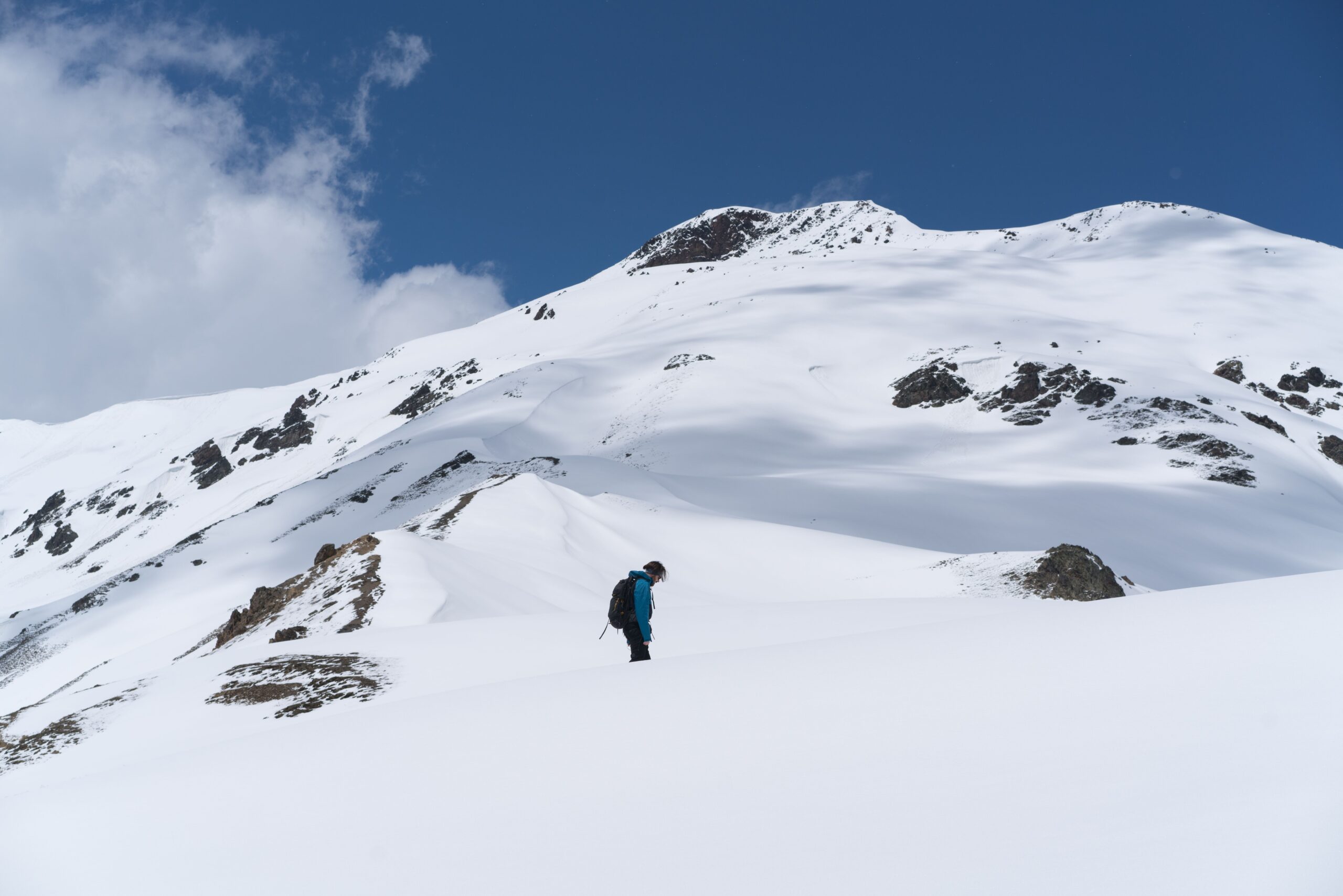
The difficulty of Sar Pass changes with the weather and snow. Snow can make the upper trail harder to cross, while rain can make forest paths slippery. Clear weather may make walking easier, but cold nights and fresh snow can still create problems.
Period | Likely conditions | How it affects the trek |
April to mid-May | Snow may cover much of the upper trail | Cold conditions and snow can make walking harder |
Mid-May to June | Snow may remain near the pass | A good choice for those hoping to see snow, but the crossing can be demanding |
July to August | Monsoon rain may affect trails and roads | Wet and slippery paths can make walking harder |
September | Snow may reduce, but conditions can vary | The snow slide may not be available |
October | Cold nights and possible fresh snow | Check trail access and weather before booking |
Late autumn to winter | Heavy snow may block the pass | The usual trek may not be safe or may not operate |
These are general patterns, not a promise of what you will find on your dates. Trekking companies may offer different operating periods, so ask for a current update before paying. If you want to experience the snow slide, ask the operator whether it is likely to be available on your departure. The guide must decide based on the snow and weather at the time.
Frequently Asked Questions
Is Sar Pass too difficult for a first Himalayan trek?
Not for every beginner, but it is a demanding choice. Build your stamina before the trek and choose an operator that clearly explains the route, fitness needs and safety plan.
How many hours does the hardest day take?
The pass-crossing day may take around 8–10 hours or more. Snow, weather, walking speed and the route can change the total time.