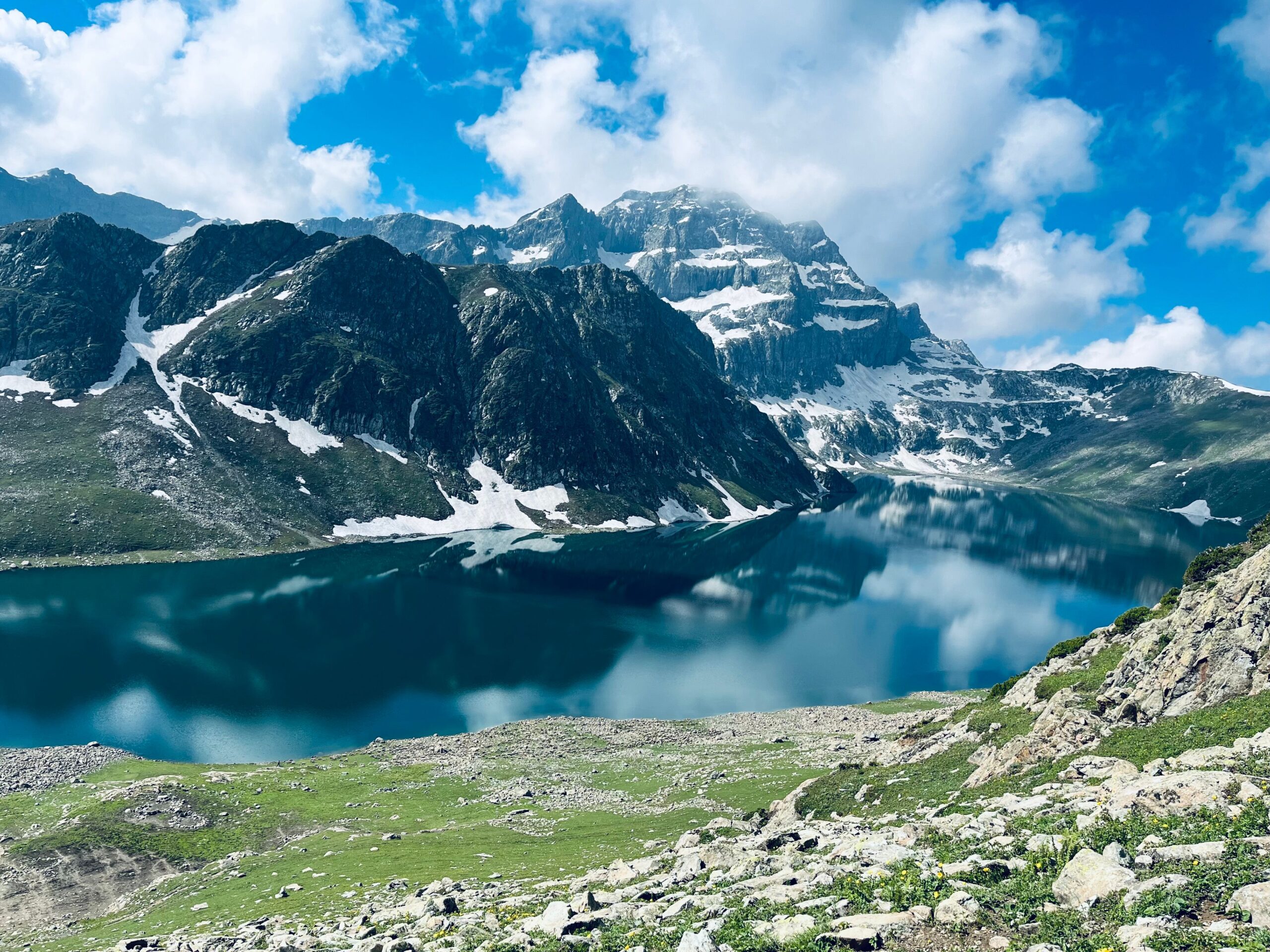
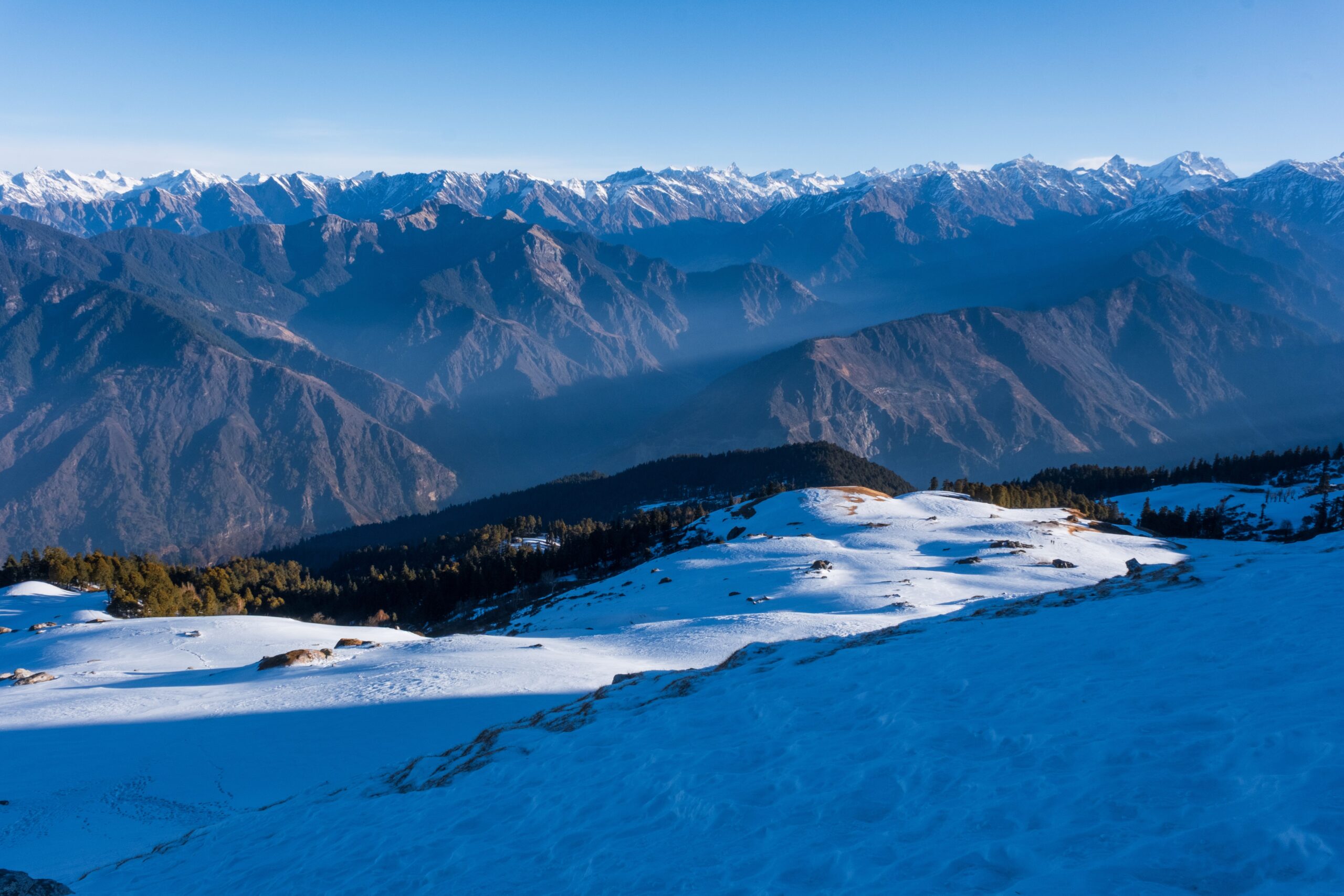
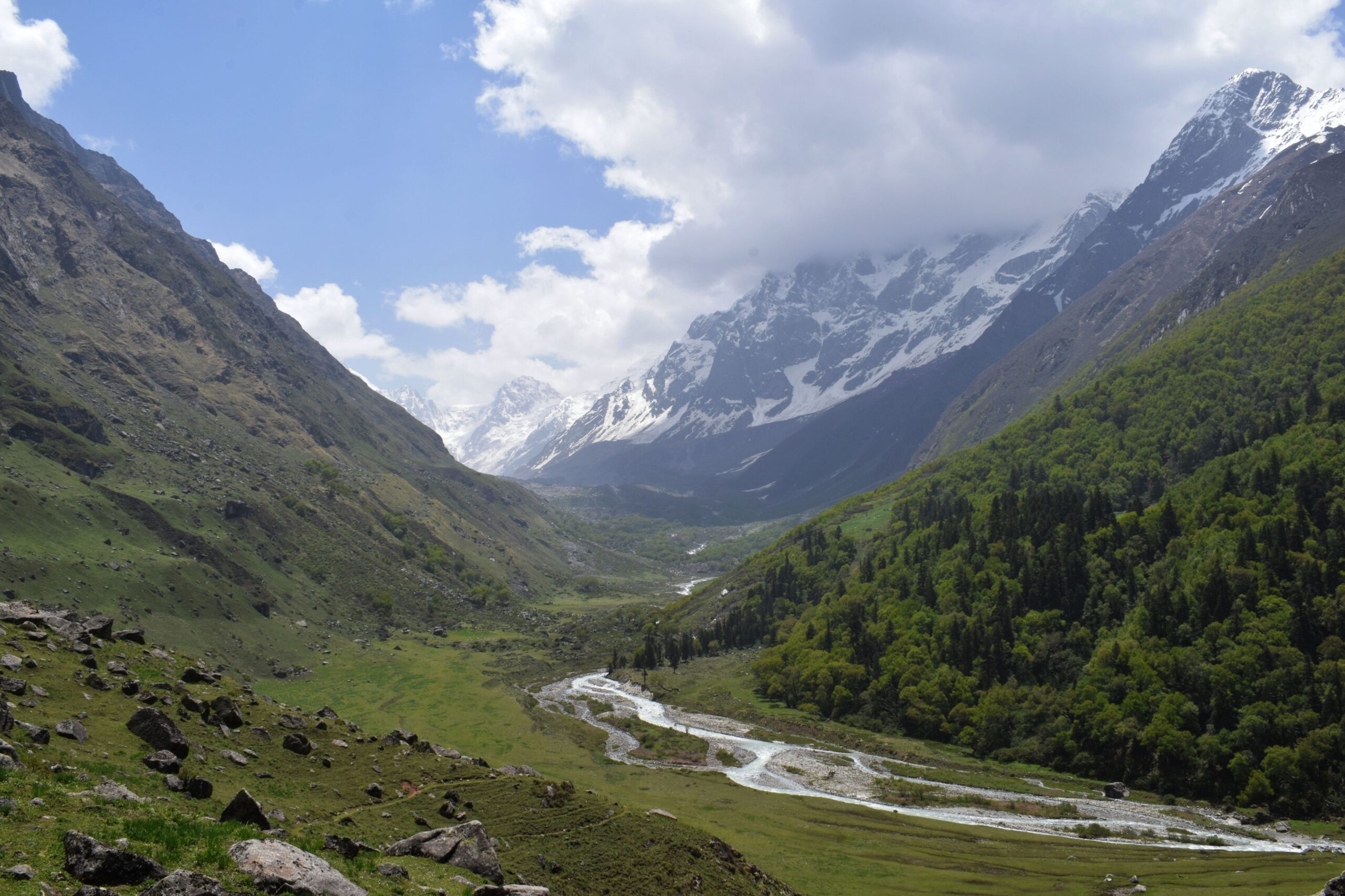
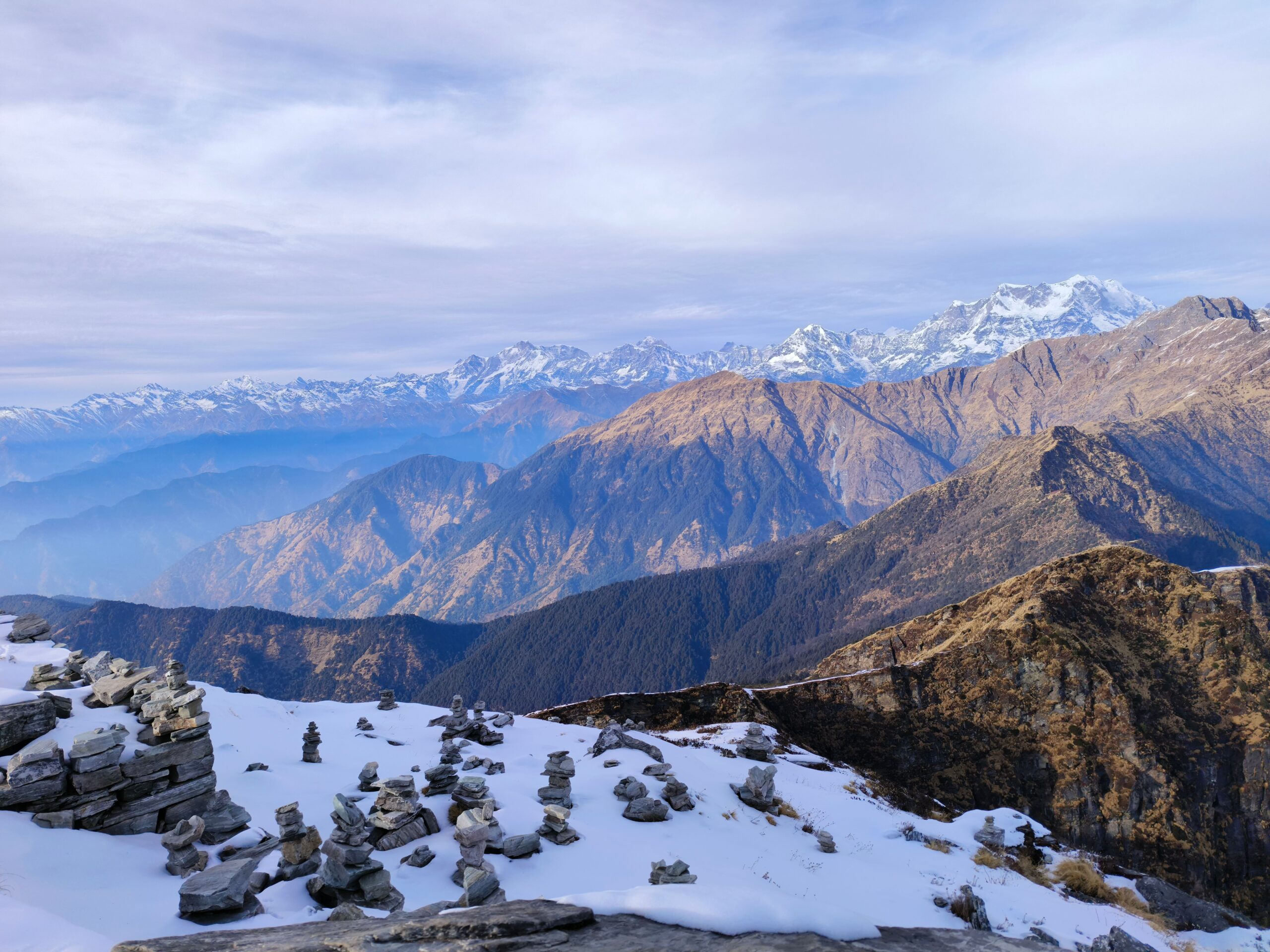
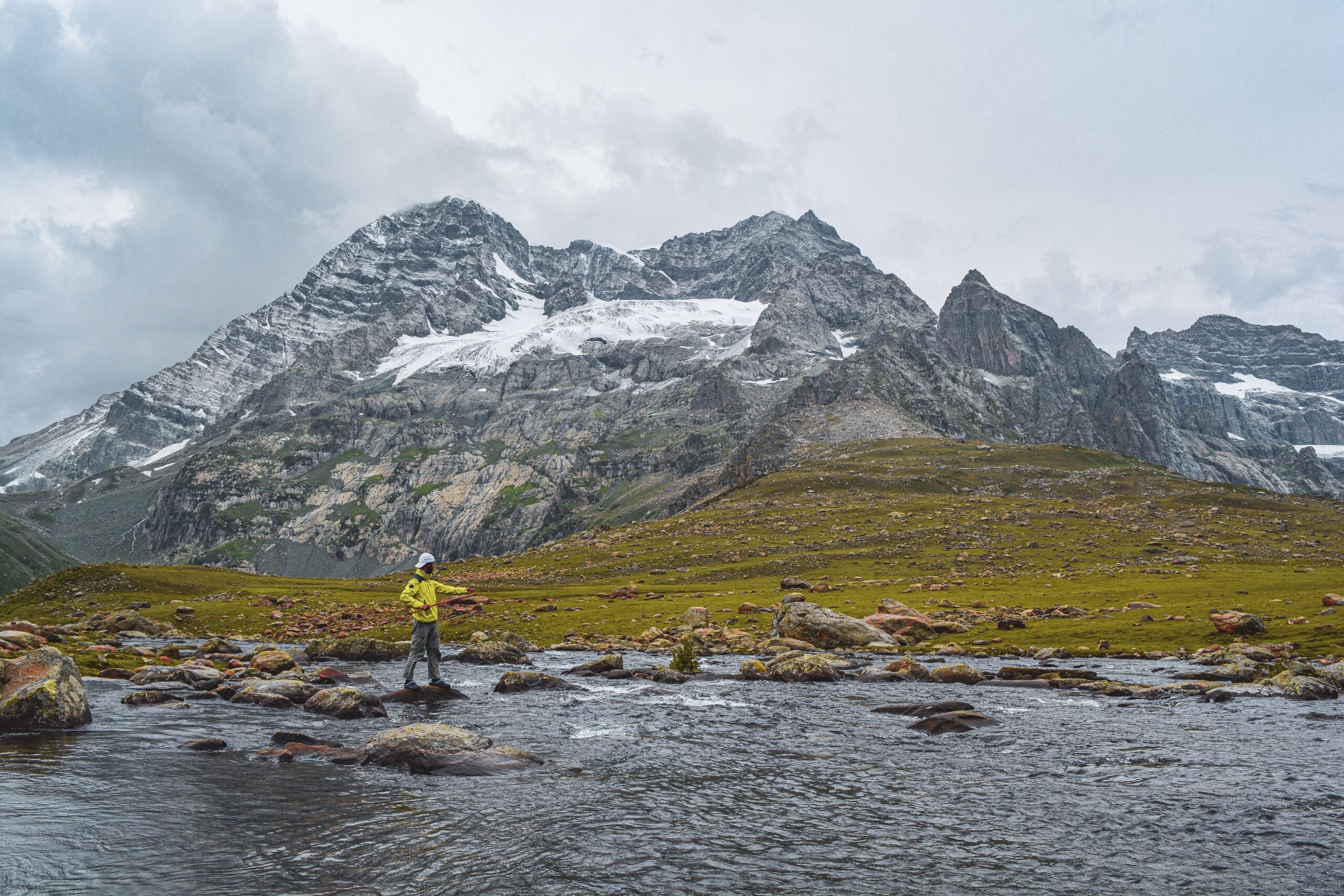
The main Sar Pass trek campsites are Grahan, Min Thach, Nagaru and Biskeri Thach. Grahan is a quiet village stop, Min Thach opens into a green meadow, Nagaru is a cold and windy high camp, and Biskeri Thach offers wide grassland views after the pass crossing. Each camp has a different setting, but the climb between them matters just as much as the scenery.
If you are planning this trek, look beyond campsite photos. You need to know how far you will walk, how much altitude you will gain, where you can find water and what to expect at night. The biggest planning point is the climb from Grahan to Min Thach, followed by the long pass-crossing day from Nagaru.
Sar Pass Trek Campsites at a Glance
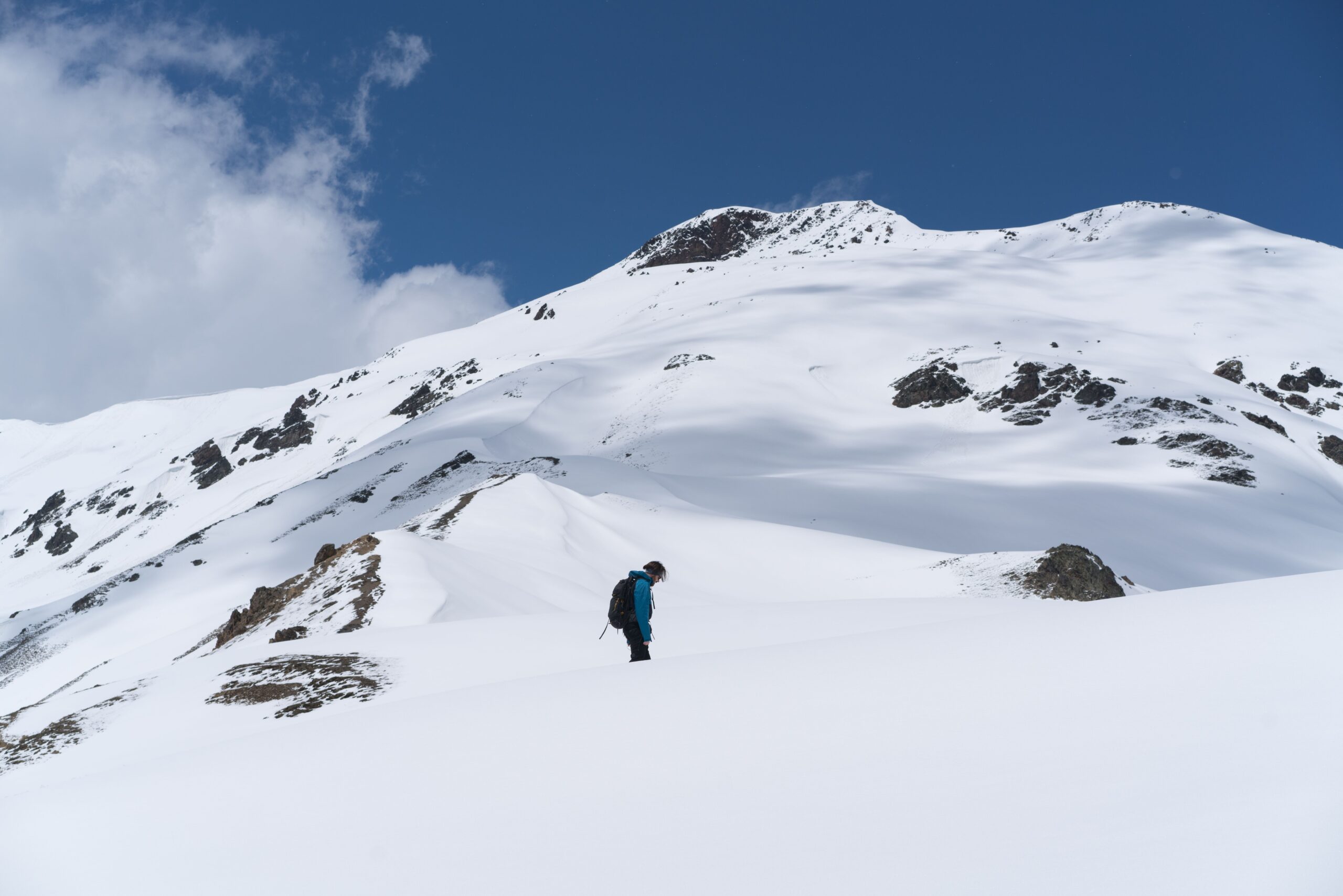
The usual route starts at Kasol and follows the Parvati Valley towards Grahan. From there, you climb through forest and meadows to Min Thach and Nagaru. After crossing Sar Pass, you descend to Biskeri Thach and continue towards Barshaini.
Campsite or point | Approx. altitude | What to expect |
Grahan Village | 2,300–2,350 m | Village stay, forest trail and basic guesthouses |
Min Thach (also called Mung Thach or Ming Thatch) | 3,285–3,400 m | Open meadow and seasonal camping |
Nagaru | 3,800–3,900 m | High, exposed camp with cold nights and strong wind |
Sar Pass | 4,200–4,223 m | High mountain crossing, usually covered with snow in the main snow season |
Biskeri Thach (also called Bishkari or Beskari Thach) | 3,350–3,400 m | Broad meadow, forest edges and valley views |
1. Grahan Village: The First Campsite
Grahan is the first overnight stop on many Sar Pass itineraries. The trail from Kasol follows the Grahan stream and climbs through forest before reaching the village. You will pass pine and other broadleaf trees, small clearings and a few spots where you can pause for a rest.
Unlike the higher camps, Grahan has village accommodation. Basic guesthouses and homestays may be available, but room availability depends on the season and group bookings. Some trekking plans use tents instead, so ask your operator where you will sleep.
This is your first chance to rest before the bigger climb to Min Thach. Keep the evening simple, eat well and get enough sleep. Do not spend the night walking around the village if you already feel tired.
2. Min Thach: The Open Meadow Camp
Min Thach sits above the forest line, on an open grassy slope with views of the surrounding mountain ranges. The walk from Grahan climbs through dense forest, and the path becomes steeper as you gain height. When the trees open up, the meadow feels like a different world from the shaded trail below.
This is also the camp where you should pay attention to the altitude gain. Some published plans show a rise of about 1,000 metres from Grahan in one day. That is a substantial change in sleeping altitude, especially if you have come straight from the plains.
A seasonal vendor’s hut and a water point are mentioned in some route descriptions, but neither should be treated as a guaranteed facility. Carry enough water between reliable sources and ask your trek leader about the day’s supply. Camping is basic, with no promise of fixed toilets or guesthouse rooms.
3. Nagaru: The Cold and Exposed High Camp
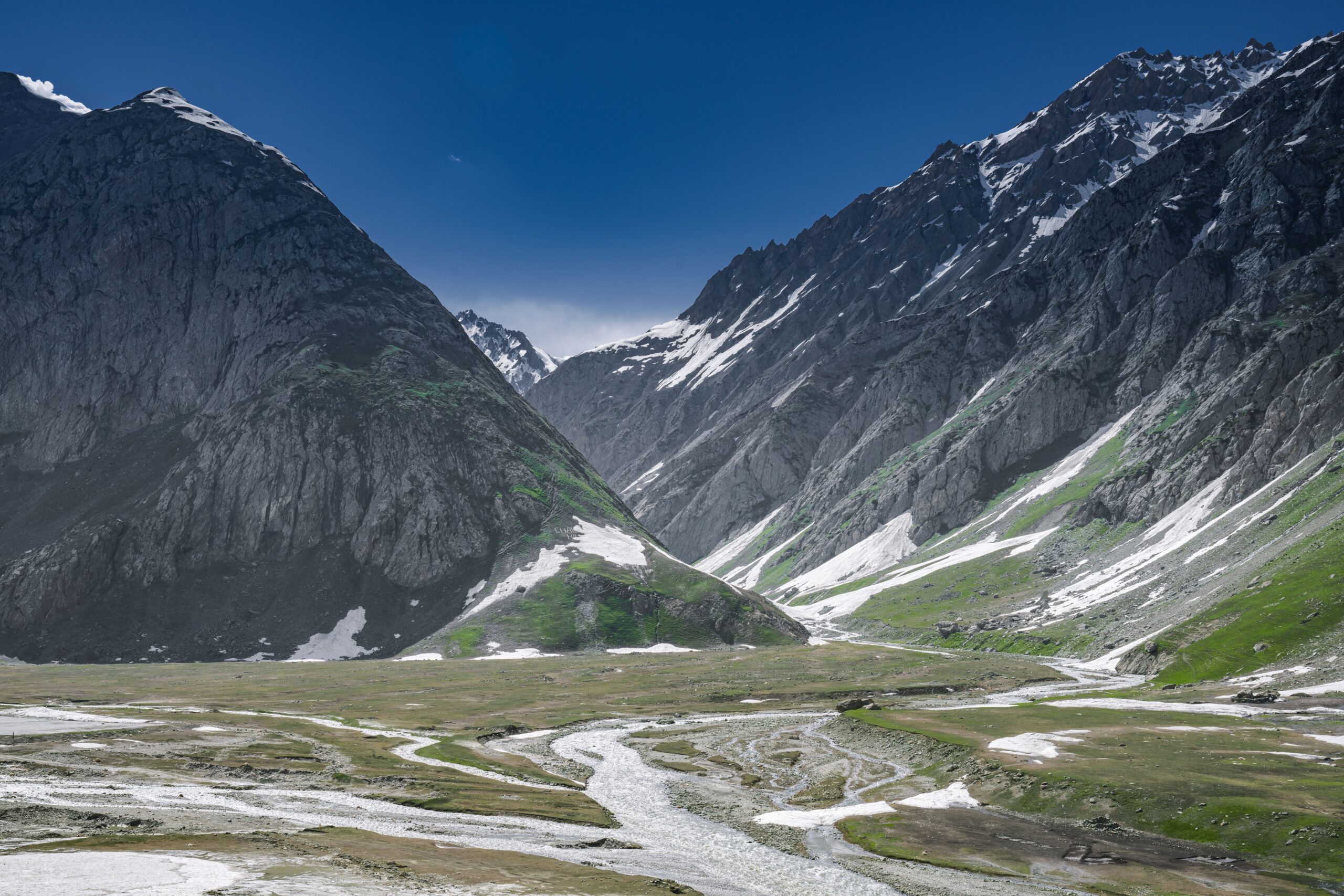
Nagaru is the last overnight camp before Sar Pass. The trail climbs from Min Thach through forest and rocky ground, then reaches a high ridge. The open location gives wide views, but it also leaves the camp exposed to wind.
This is often the coldest night of the trek. Snow may cover the ground during the main snow season, and conditions can change quickly. Keep your warm jacket, gloves, cap and headlamp close instead of burying them inside your main bag.
Water and toilet arrangements are basic. Do not rely on a tap or a permanent toilet at Nagaru. Your operator should explain where the team collects water and what toilet setup it carries.
The next morning is the main pass-crossing day. Pack your day bag before sleeping, follow the trek leader’s wake-up time and avoid staying up late.
4. Sar Pass: The High Point Between Nagaru and Biskeri
Sar Pass is not an overnight campsite on the usual route. It is the high point you cross between Nagaru and Biskeri Thach. The climb can involve steep snow slopes, and the descent may include the well-known snow slide when snow conditions allow it.
Many groups start before sunrise, sometimes around 4 AM, to make the crossing in suitable conditions. The full day can take around 7–10 hours, depending on the route, snow and group pace. Do not treat the early start as a reason to rush.
Your trek leader decides whether the snow slope is safe for the group. Microspikes, gaiters or other equipment may be needed depending on the conditions. Ask Travelsket what it supplies and what you must carry.
If visibility is poor, snow is unstable or the weather turns unsafe, the crossing may be delayed or cancelled. A snow slide is not guaranteed, and you should never attempt one without the guide’s approval.
5. Biskeri Thach: The Meadow After the Pass
Biskeri Thach is the campsite on the far side of Sar Pass. After the snow and rocky slopes near the pass, the landscape opens into a broad meadow with forested hills around it. The views towards the Parvati Valley and nearby villages make this a lovely place to rest.
The descent from Nagaru is long, so you may reach camp tired. Settle in, change into dry clothes and have a proper meal before exploring the meadow. Streams and water sources are mentioned in route descriptions, but their flow and access can change with the season.
Biskeri Thach is usually the last high camp before the descent to Barshaini. The next day still involves a long walk downhill, so give your legs time to recover. Wet or loose ground can make the descent harder than it looks in photos.