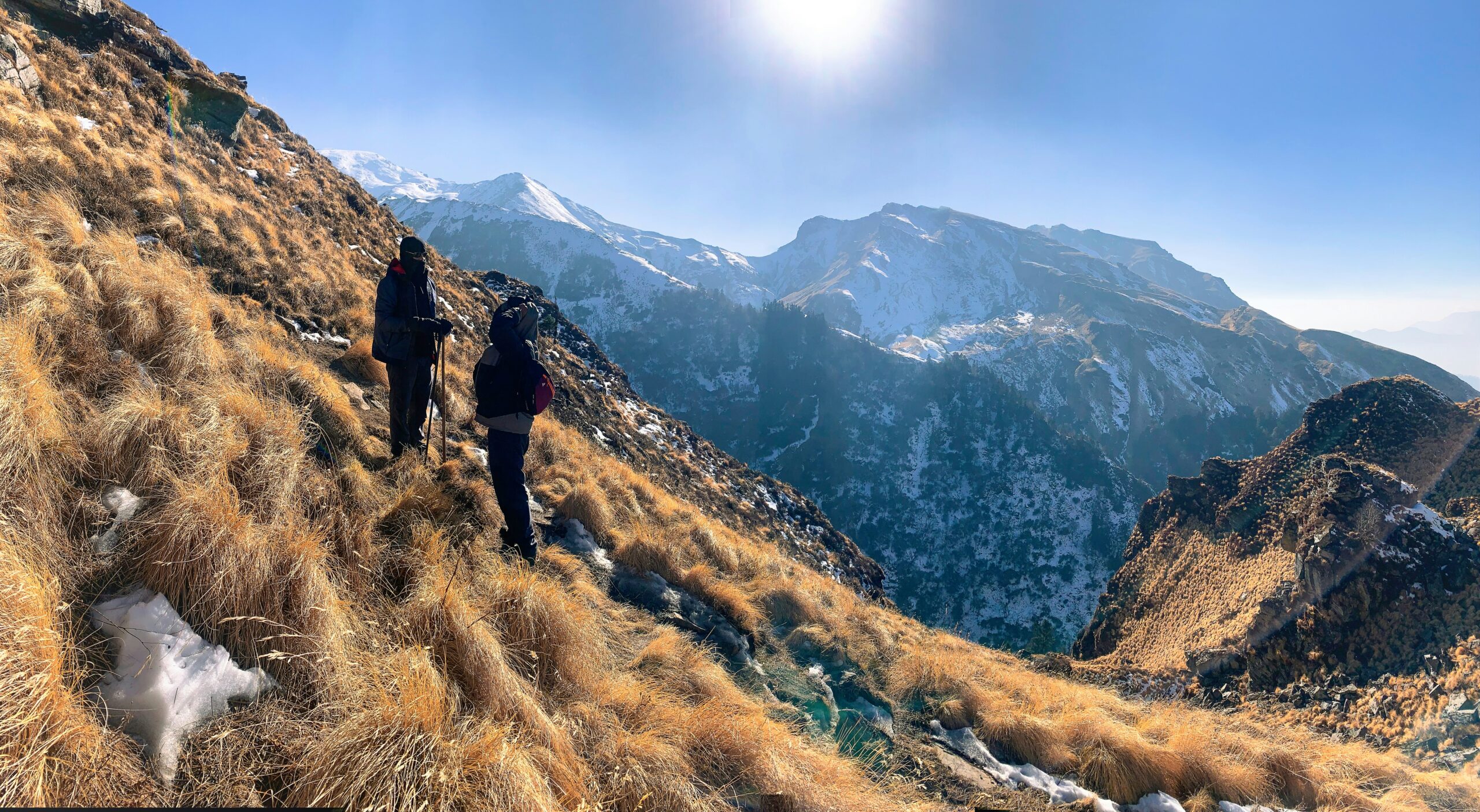
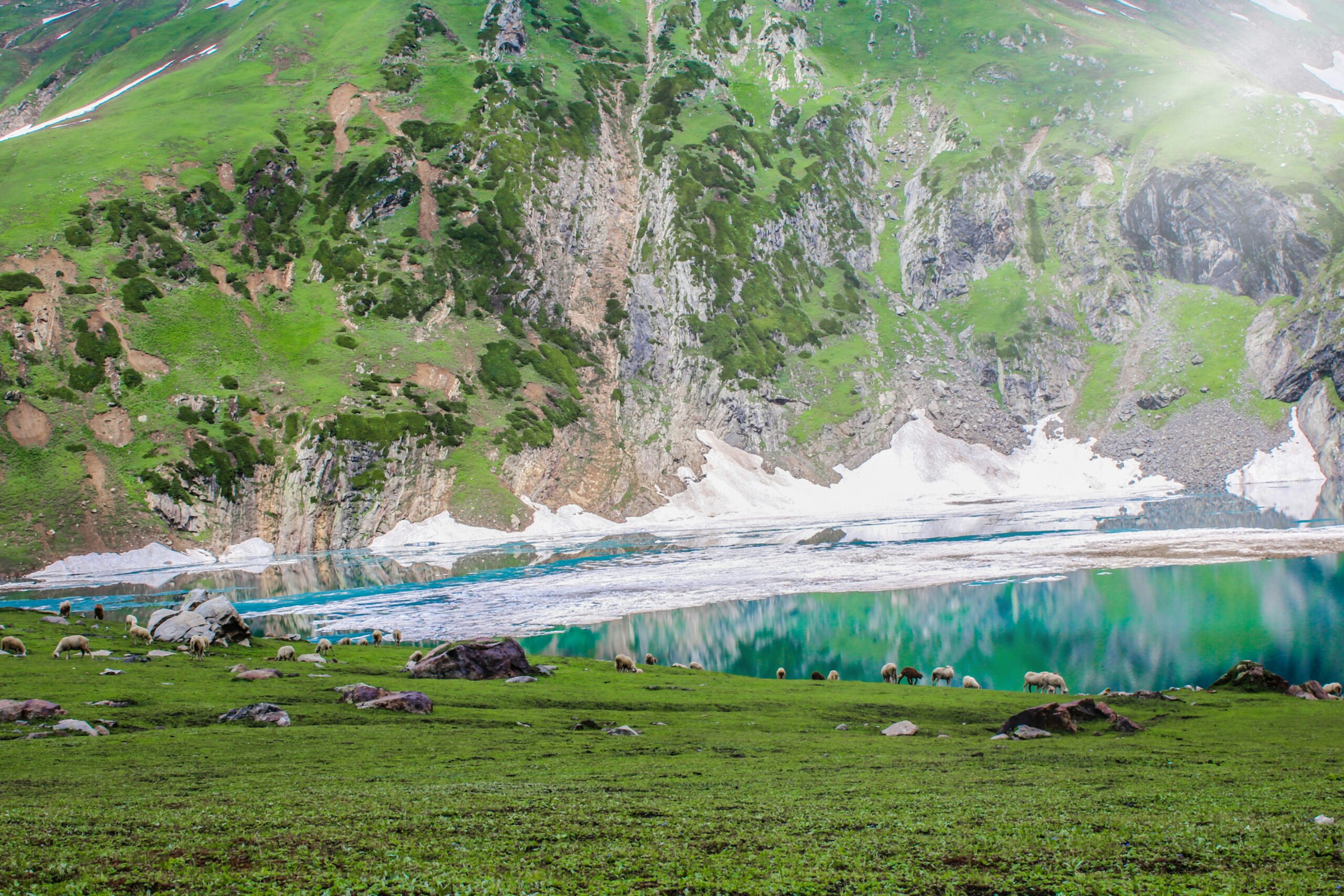
Sar Pass in June can be a great choice if you want snow and the famous snow slide, but your dates matter. Early June often offers a better chance of snow along the upper trail. By mid-June, melting snow and changing trail conditions can affect the crossing, and many operators end their season around this time. Confirm your exact batch before booking, because a June date does not guarantee an open route or a snow slide.
Sar Pass lies in Himachal Pradesh’s Parvati Valley, with the trek usually starting from Kasol. The route passes through Grahan, Min Thach and Nagaru before crossing the pass and descending towards Biskeri Thach. It reaches around 13,800 feet, so you need to prepare for long walks, cold nights and steep slopes.
Sar Pass Temperature in June
Days can feel pleasant while you are walking, but high camps can become very cold after sunset. Kasol is much lower than Nagaru, which sits at around 12,400 feet and is exposed to strong winds. Bikat notes that summer temperatures at higher points can fall below freezing at night.
Location | Approx. altitude | Temperature guide for June |
Kasol | 5,200 to 5,600 ft | Day: around 15°C to 25°C |
Grahan | 7,700 ft | Cooler days and cold nights |
Min Thach | 11,150 ft | Cold evenings; frost or snow may occur |
Nagaru | 12,400 to 12,600 ft | Cold and windy; nights may fall below 0°C |
Sar Pass | Around 13,800 ft | Cold, exposed and often snowy early in the season |
Biskeri Thach | Around 11,000 ft | Usually milder than Nagaru, but cold at night |
These are planning notes, not live readings or a forecast for June 2027. Camp heights can differ slightly between route plans, and actual temperatures depend on wind, cloud cover and snow conditions. Do not treat the table as a guarantee of minimum or maximum temperatures.
Pack for cold nights even if the weather feels warm in Kasol. A thermal layer, fleece and warm jacket help you stay comfortable when you stop moving. Keep a waterproof layer handy because rain, wet snow and strong wind can make the cold feel much worse.
Is There Snow in June at Sar Pass?
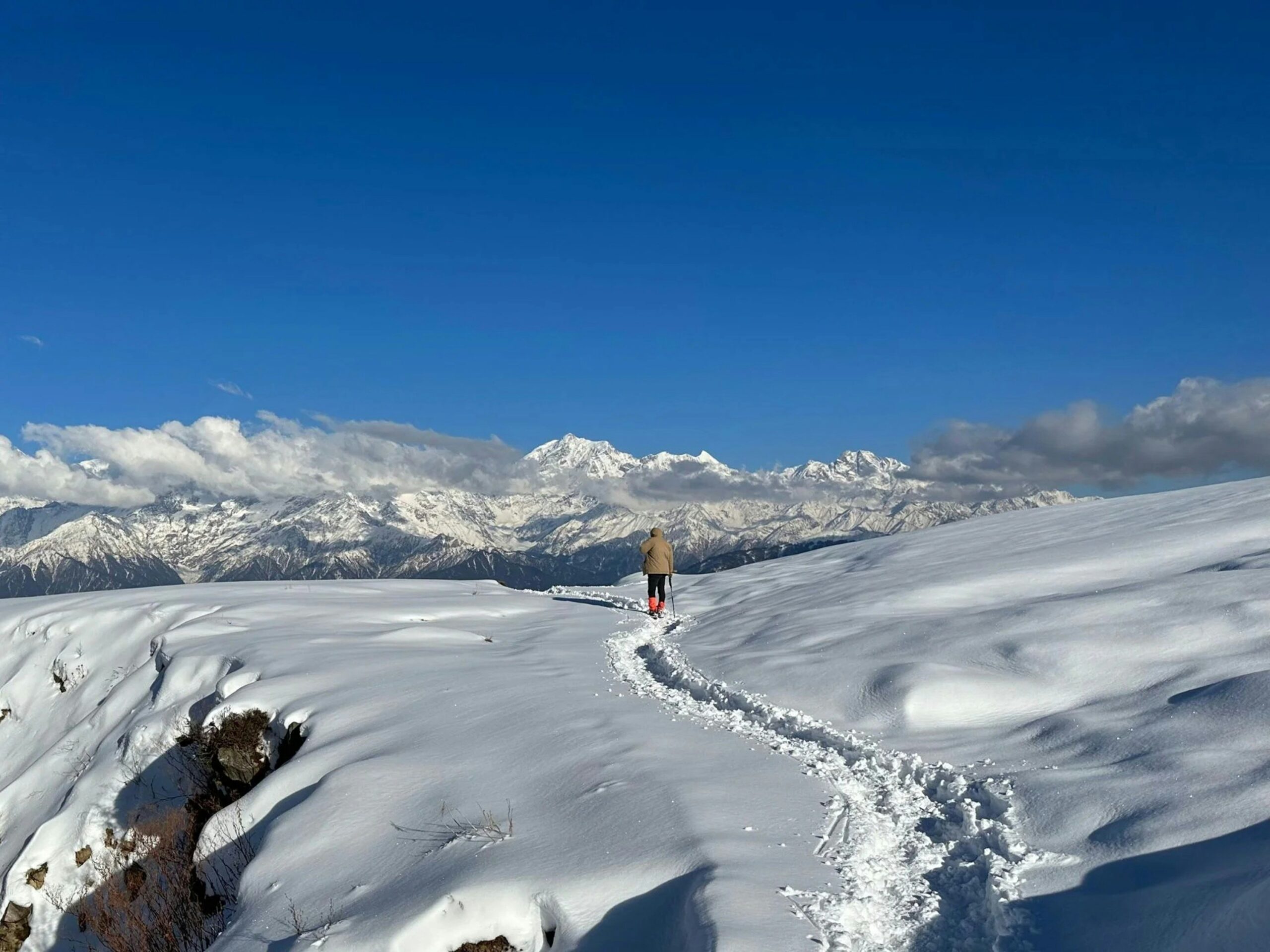
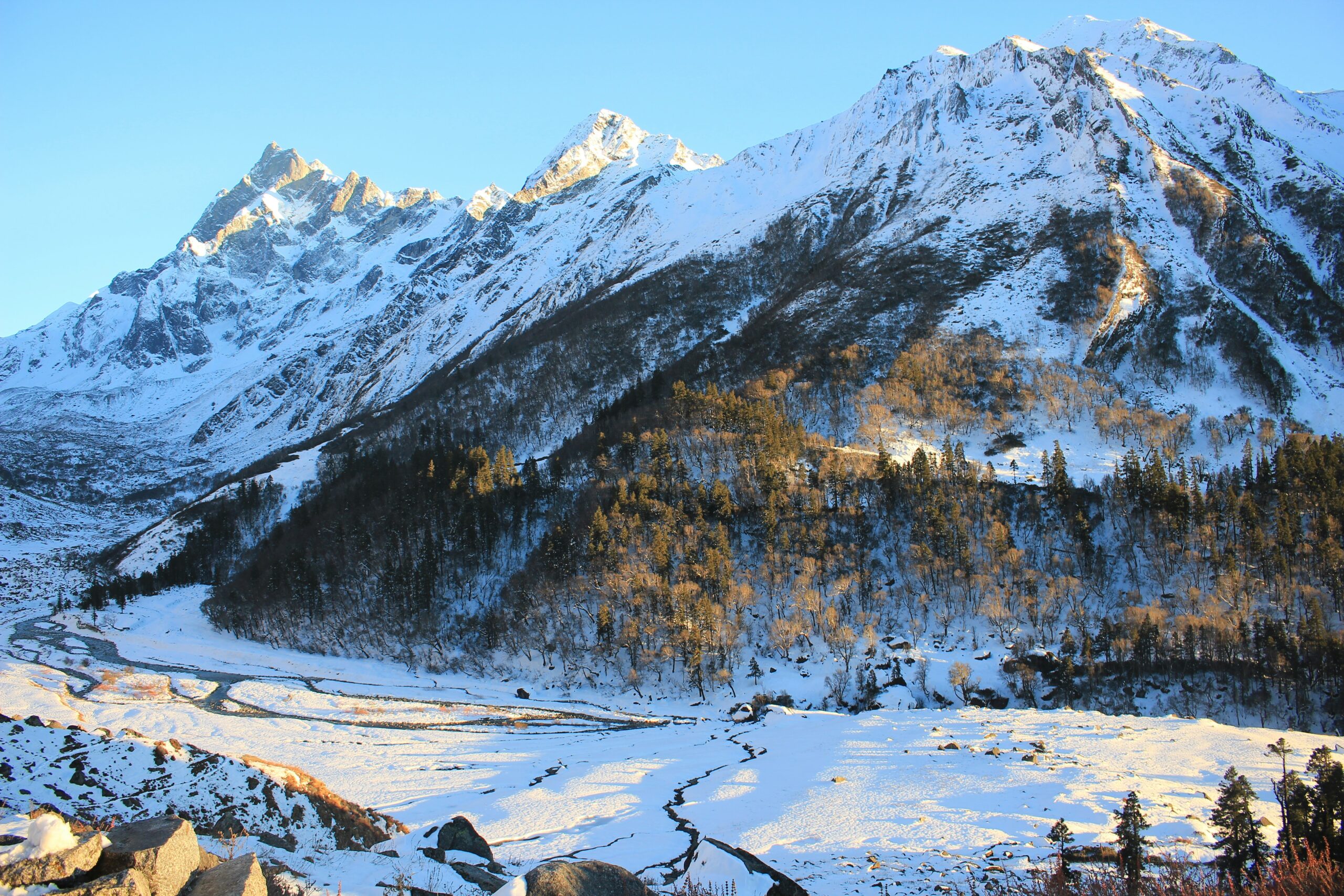
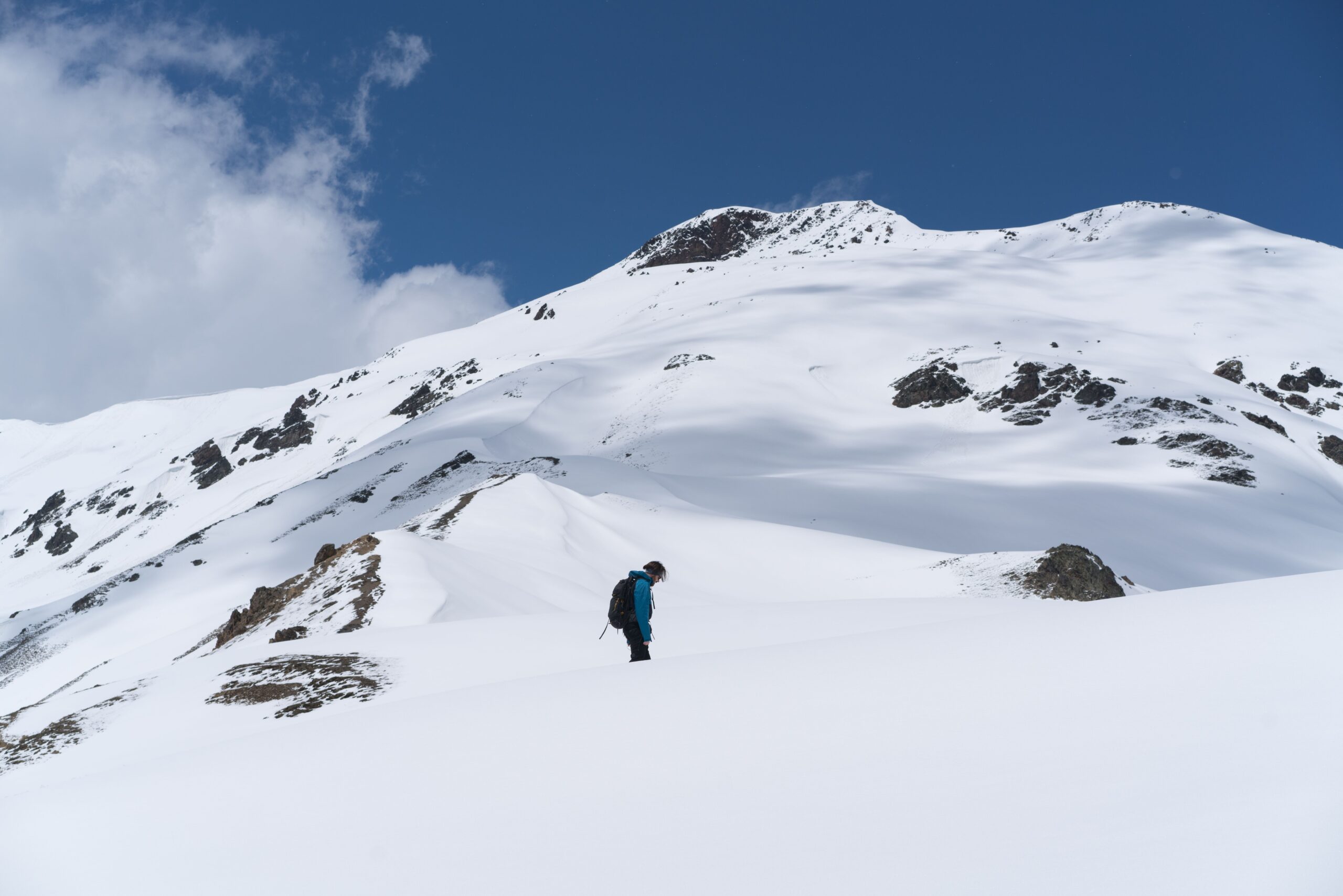
Yes, snow can remain on the upper trail in June, but the amount changes from year to year. Snow is more likely to cover higher sections in early June. As the days get warmer, snow can melt and reveal parts of the trail, while shaded slopes may stay white for longer.
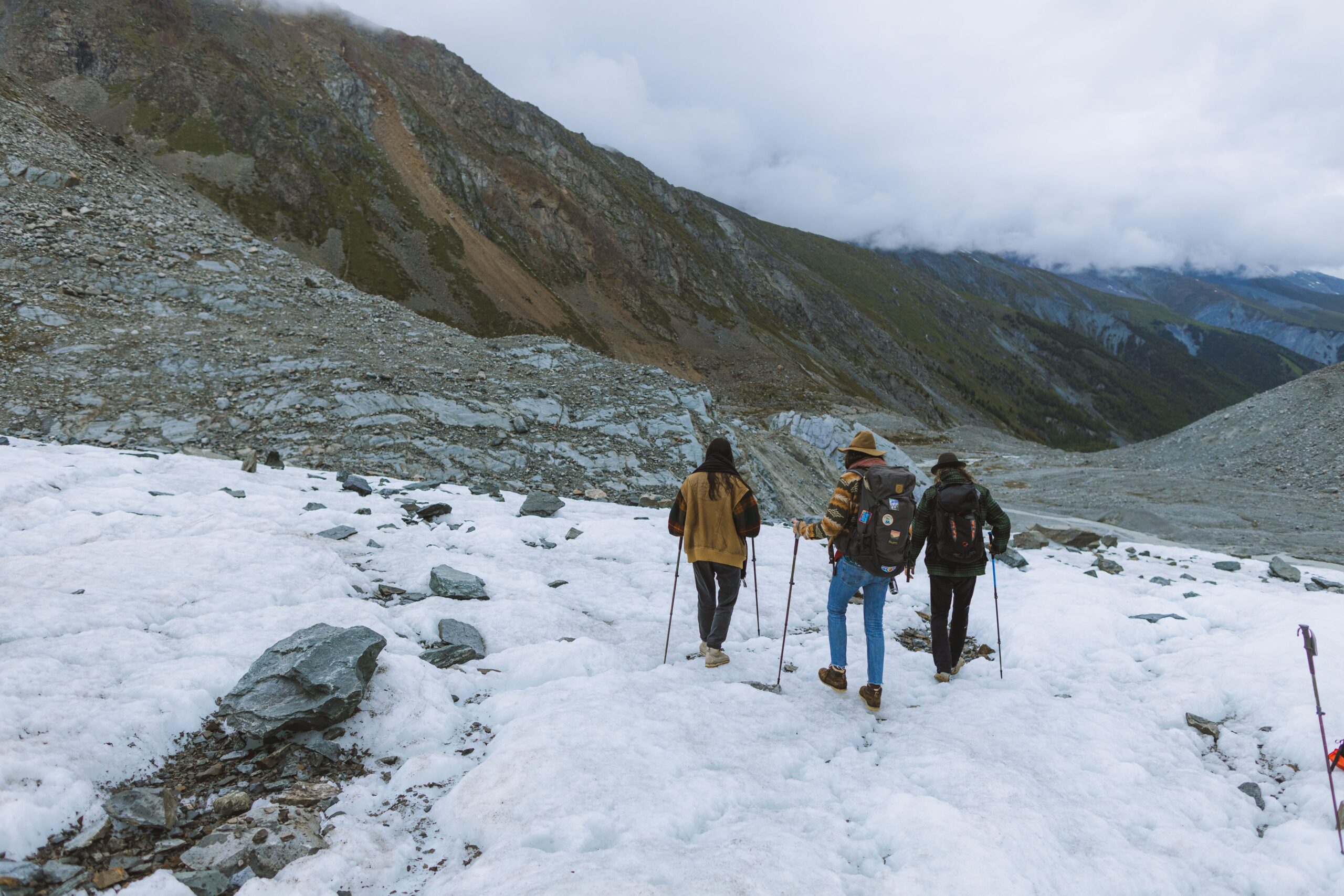
The snow matters most on the route from Min Thach to Nagaru and on the pass-crossing day. It can hide the path and make each step slippery, so this is not a place to walk ahead alone or rush for a photo.
Before you book, ask your trek operator these questions:
- Is the trail from Min Thach to Nagaru safe for the planned batch?
- Is snow still present near the pass, and is the snow slide running?
- What safety gear and support will the trek team provide?
- What happens if snow or weather makes the pass unsafe?
A responsible operator may change the route or cancel a crossing if conditions are unsafe. That can be disappointing, especially if you booked for snow, but safety must come first.
Sar Pass Snow Slide in June: Will You Get to Do It?
The snow slide is one of the best-known parts of the Sar Pass trek. After crossing the pass, trekkers may descend a long snow slope towards the lower trail. The exact experience depends on the snow cover and the route conditions that season. YHAI also describes the snow slide as a key part of the trek.
Early June may offer a better chance of a snow-covered slide than late June, but no date guarantees that the slide will be open. If the snow has melted, become too hard or turned unsafe, the team may not allow it. Do not try to slide without the guide’s approval, and never treat the slope as a playground.
If the snow slide is the main reason you want to go, ask for a recent report from the exact batch or the days just before it. A general statement such as “June has snow” is not enough. You need to know whether the snow slide is currently safe and included in the plan.
Who Should Think Twice Before Booking in June?
Sar Pass is often offered to fit beginners, but it is still a high-altitude trek. You should be ready for several days of walking, steep climbs and cold camps. If you are new to trekking, build your fitness with regular brisk walks, stair climbs and longer walks on uneven ground.
Think twice about booking if you cannot manage long walks, are not prepared for cold nights or expect the operator to run the snow slide regardless of conditions. If you have a health concern that could affect high-altitude activity, speak with a qualified doctor before booking. During the trek, tell your leader if you develop a headache, nausea, dizziness or unusual weakness, and do not continue climbing if symptoms get worse.
Mobile coverage may be weak or absent along parts of the route. Ask the operator about emergency communication, evacuation plans and insurance cover for high-altitude trekking. Keep a buffer day in your travel plan in case weather delays your return.
Frequently Asked Questions
Is Sar Pass open throughout June?
No fixed date applies to every operator or every year. Some operators list a season that ends around mid-June, while others may offer later dates if conditions allow. Confirm the exact batch and current route status before booking.
Is the Sar Pass snow slide guaranteed in June?
No. Snow may remain in early June, but the slide depends on the snow cover and safety conditions. The guide may stop the slide if the slope is unsafe.
How cold is Nagaru in June?
Nagaru is a high, exposed camp, so nights can fall below freezing. Strong winds can make it feel colder. Carry warm layers and check what sleeping gear your operator provides.
Is Sar Pass suitable for a first trek?
It can suit a fit beginner who prepares well and joins a responsible trek team. Snow, steep slopes and the long pass-crossing day make it more demanding than a simple nature walk.
June can offer snow, green meadows and the thrill of crossing a high Himalayan pass. Before choosing your dates, get one clear answer from the operator: what are the current snow and safety conditions for the exact batch you plan to join?