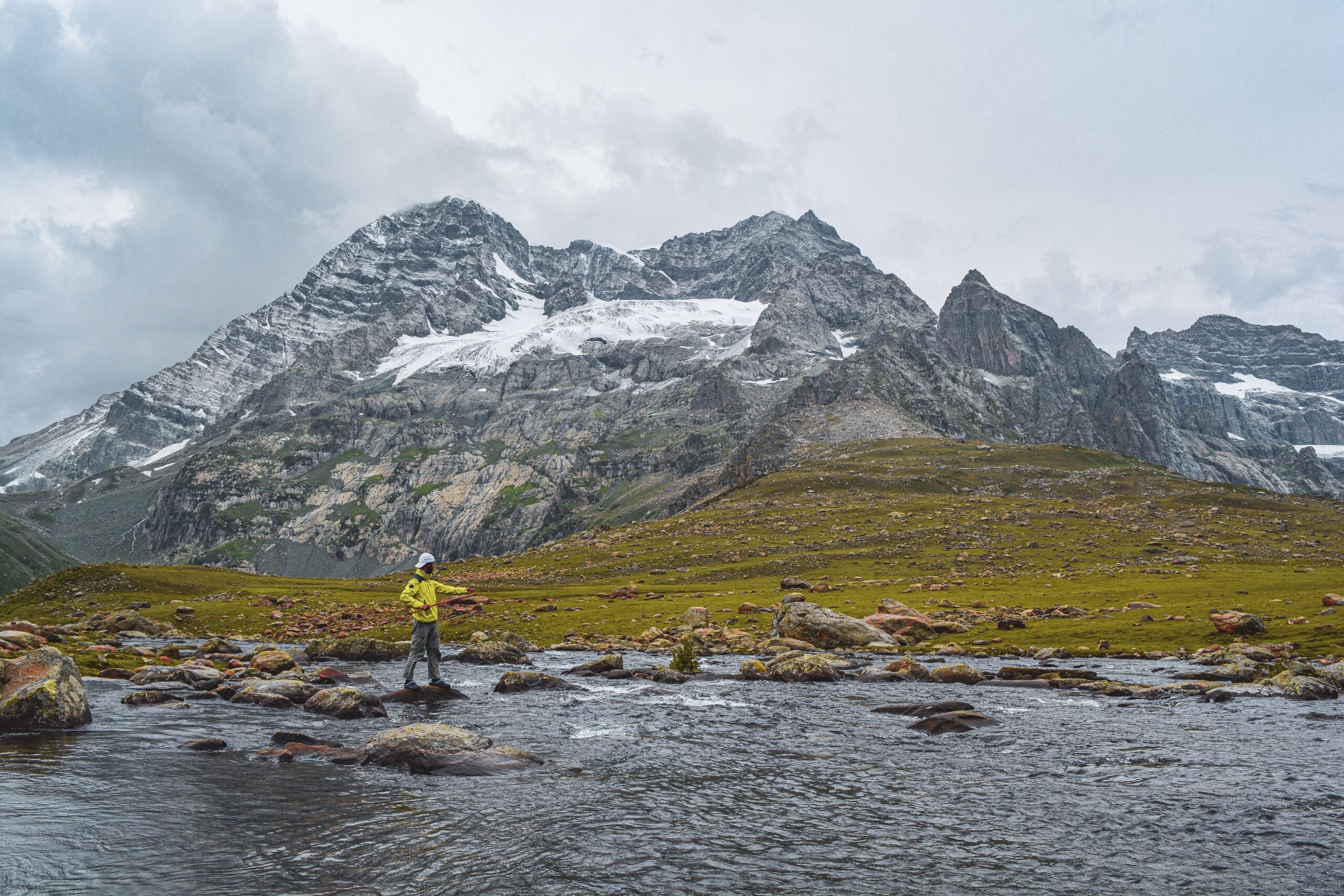
The Kuari Pass Trek in February is a strong choice if you want snow, frozen trails, and clear views of the Himalayas. The pass stands at about 12,516 feet (3,815 metres), and snow can cover much of the higher route. But deep snow, ice, and cold nights can make the trek harder than it is in autumn. Go in February if you want a winter trek and are ready for cold weather, but check the latest trail report before you book.
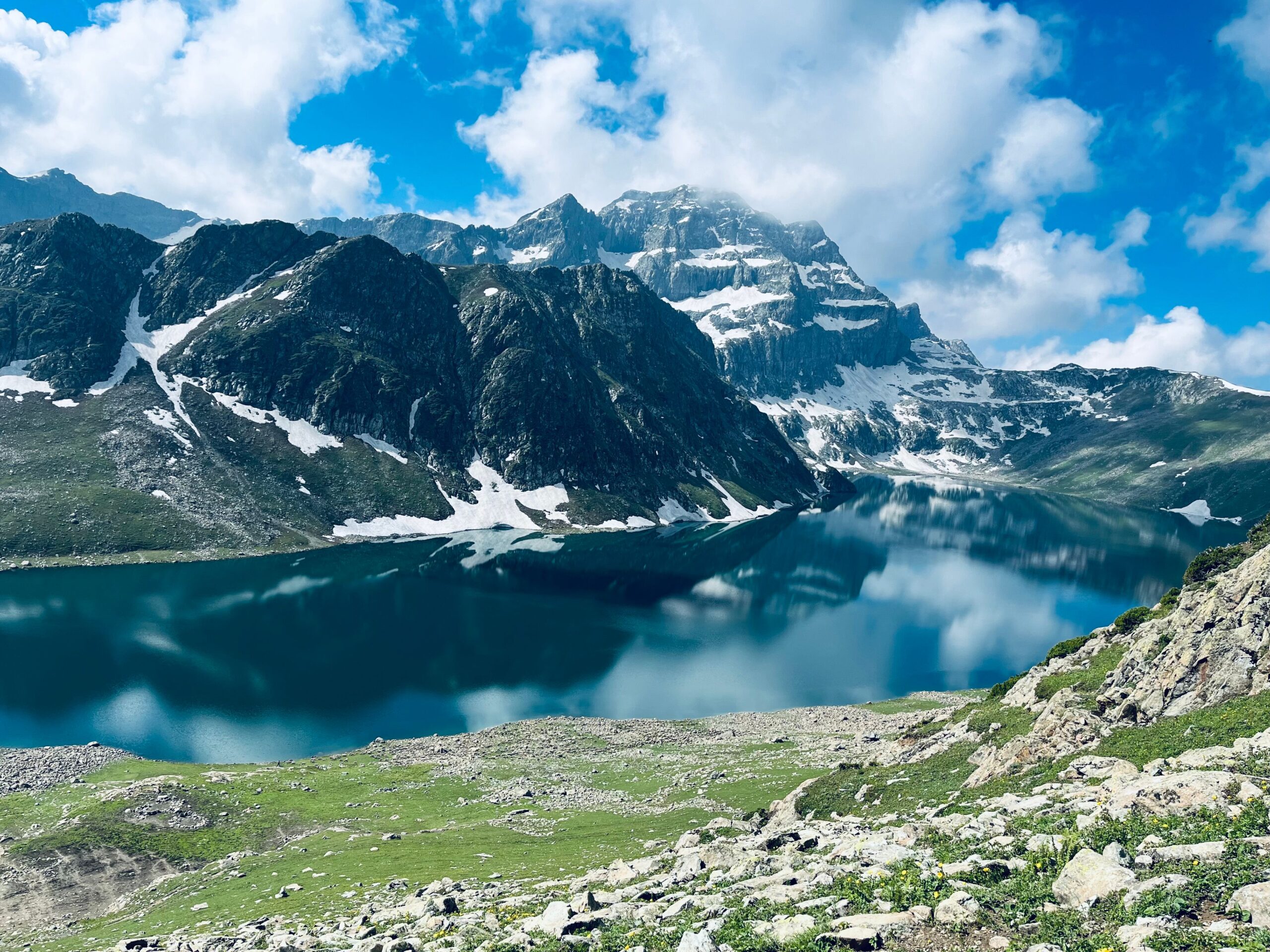
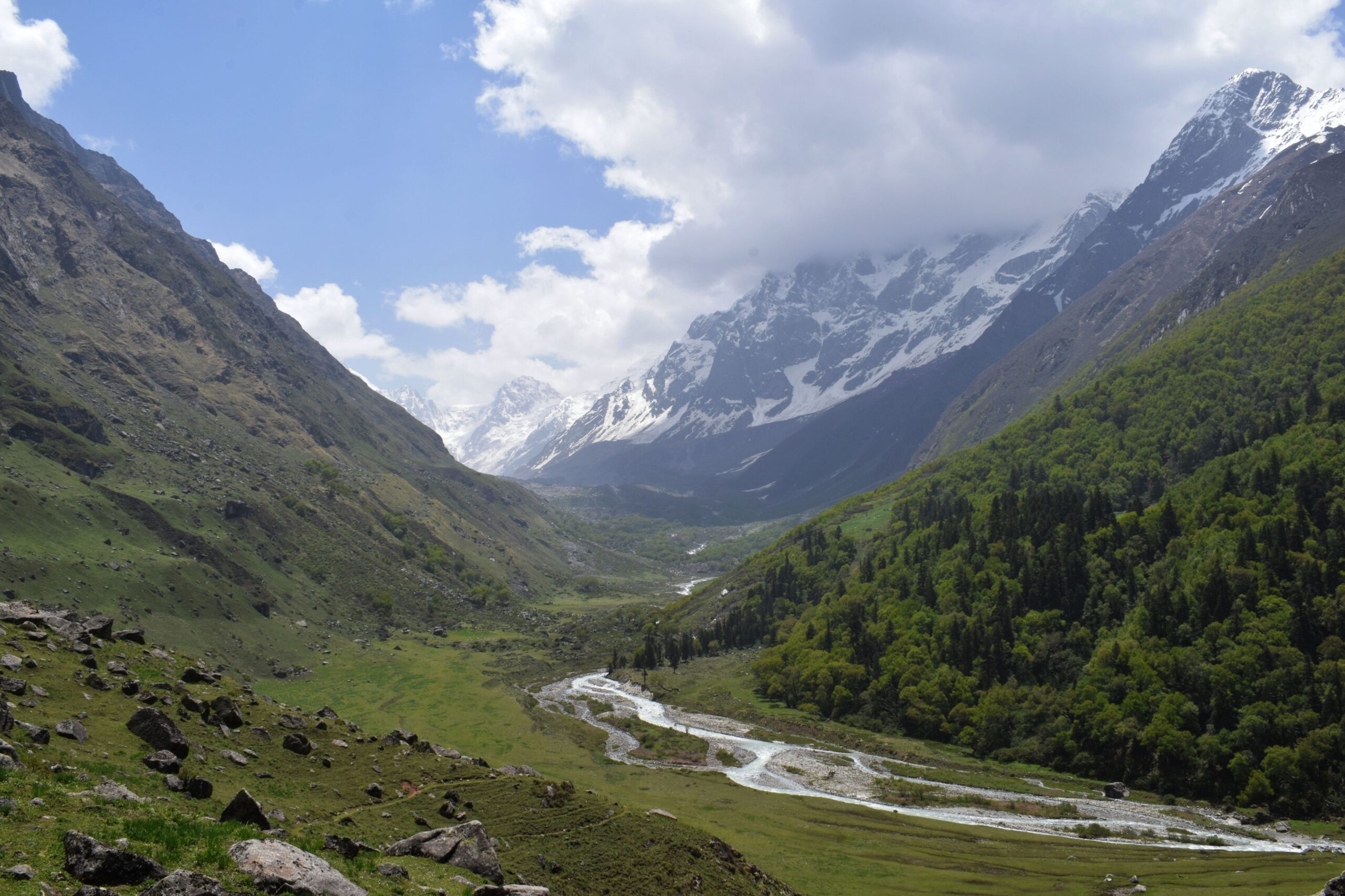
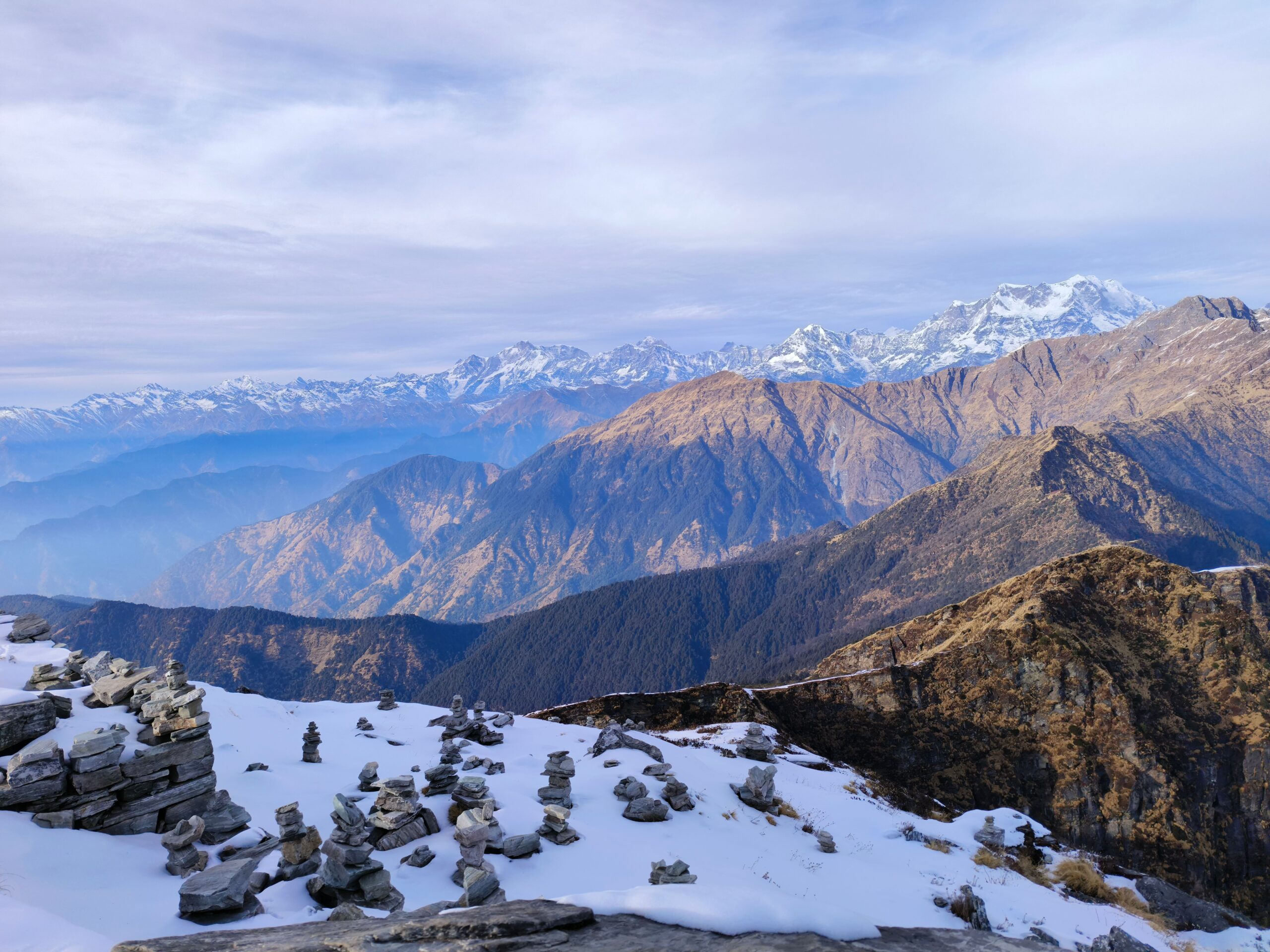
Kuari Pass lies in Chamoli district, Uttarakhand. It is also known as the Lord Curzon Trail. From the higher parts of the route, you may see Nanda Devi, Trishul, Kamet, Dronagiri, and other high peaks when the sky is clear.
How Much Snow Can You Expect in February?
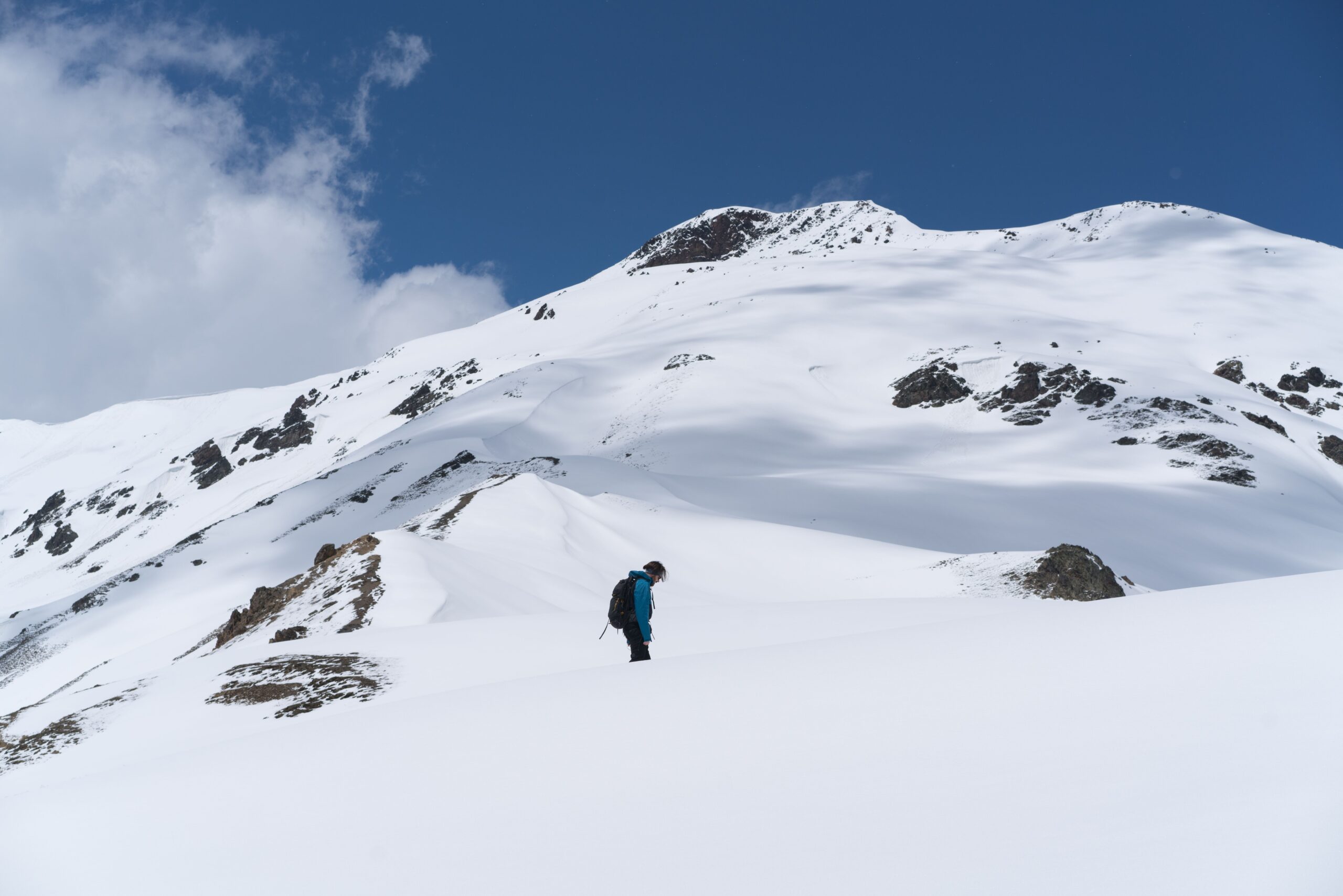
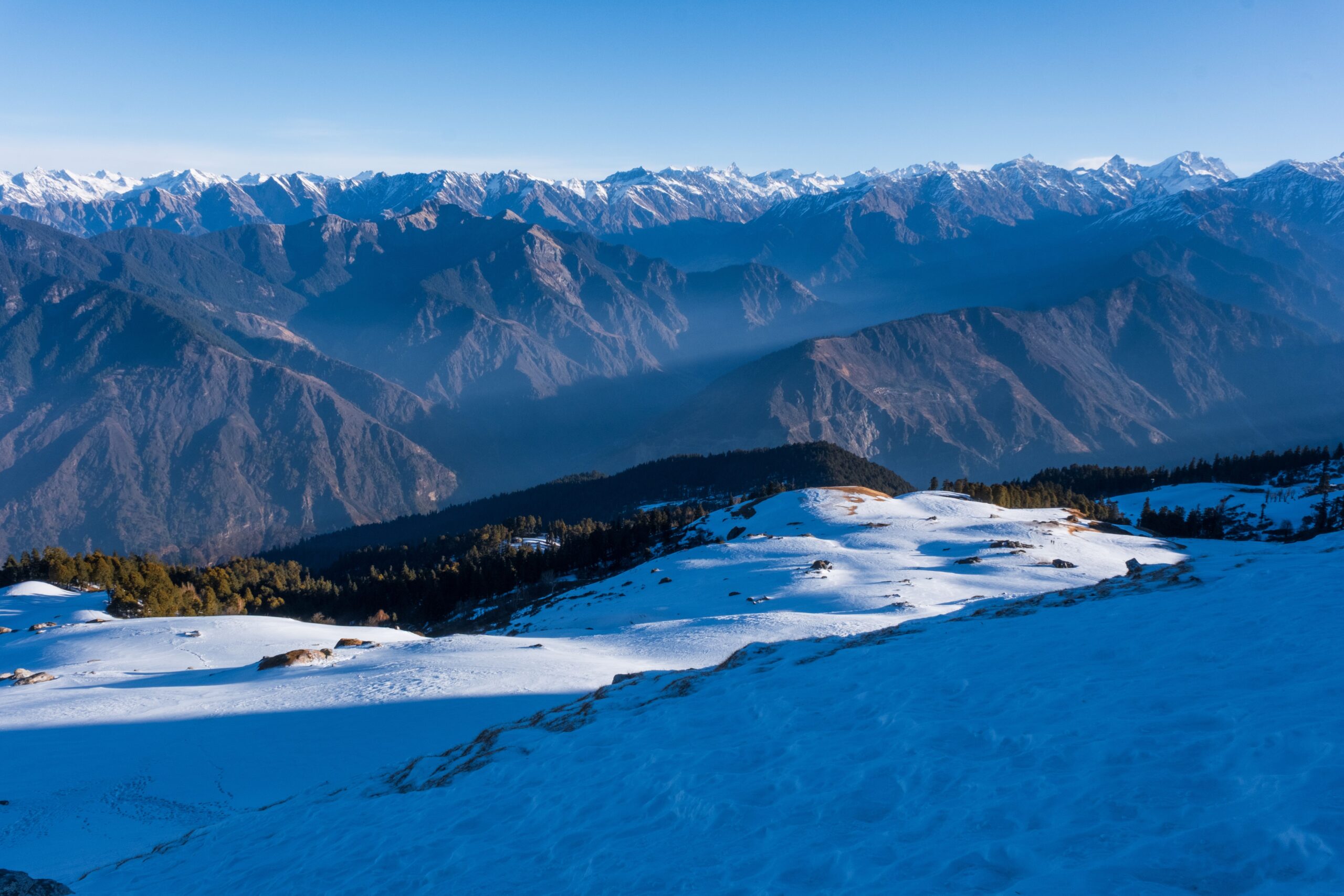
February falls in the main winter snow season for Kuari Pass. Snow often remains above 10,000 feet, and fresh snowfall can cover old tracks. You may walk through snow in the forest, at Tali, around Khullara, and near the pass. The amount of snow changes from year to year. Shaded forest paths may hold snow for longer, while sunny slopes can have patches of bare ground. After fresh snowfall, the old trail may disappear under a thick layer. This can slow the group and make the climb harder.
There is no reliable snow depth that applies to every February. A photo from last year cannot tell you what the trail will look like on your dates. Ask your trek team for a recent report from the route, including whether the pass is safe to cross.
Day-Wise Route and Temperature Guide for February
Day | Route | Approx. height | Expected temperature in February |
1 | Reach Karchi | 7,785 ft | Day: 5°C to 12°C; Night: -5°C to 2°C |
2 | Karchi to Akhrotghetta | 9,264 ft | Day: 0°C to 7°C; Night: -8°C to -2°C |
3 | Akhrotghetta to Khullara | 11,014 ft | Day: -5°C to 3°C; Night: -12°C to -5°C |
4 | Khullara to Tali via Kuari Pass | Pass: 12,516 ft; Tali: about 10,990 ft | Day: -8°C to 2°C; Night: -12°C to -5°C |
5 | Tali to Auli, then drive to the base area | Auli: around 9,390 ft | Day: 0°C to 8°C; Night: -7°C to 0°C |
6 | Return journey | Depends on travel plan | Temperatures vary with the route and destination; road delays are possible during snowfall |
These are approximate temperature ranges for February, not live weather readings. Actual temperatures can drop further during snowfall, strong winds and clear nights. At higher camps and Kuari Pass, wind chill can make it feel much colder.
Temperature also depends on the exact campsite, weather conditions and route used by your trek operator. Check the latest forecast before departure and carry a warm sleeping layer, insulated gloves, a winter jacket and suitable trekking boots.
Can you reach Kuari Pass in February? Yes, some winter groups cross the pass, but it is not guaranteed. Fresh snow, ice, strong winds, or poor visibility may force the team to change the route or turn back. A safe operator should never promise the crossing in all conditions.
Safety, Altitude and Trail Access in February
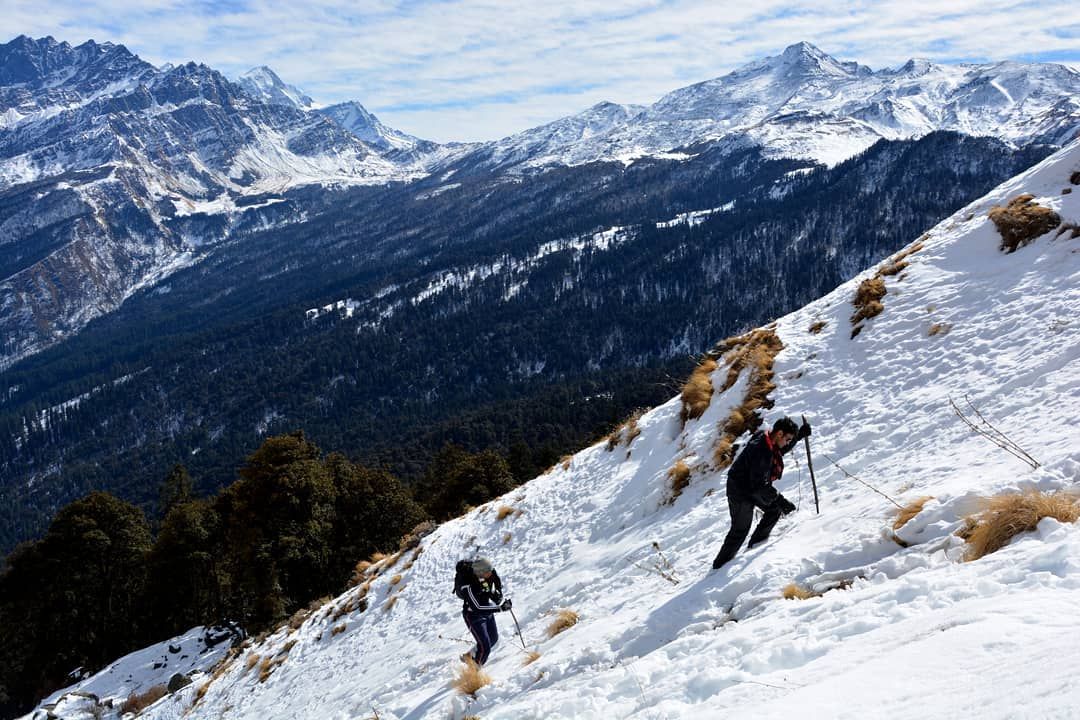
At about 12,516 feet, Kuari Pass is high enough for altitude sickness to be a concern. A headache, nausea, dizziness, or unusual tiredness can be early signs. Tell your trek leader if you feel unwell, and do not keep climbing while symptoms get worse.
Walk at a steady pace, drink water through the day, and follow the team’s rest plan. Severe headache with vomiting, confusion, trouble walking straight, or breathlessness while resting needs urgent medical attention. The group may need to descend to a lower height.
Snow and weather can also affect the route. Follow your guide’s advice if the trail becomes unsafe, and accept a change of plan when needed. Ask the operator about its first-aid plan, emergency support, and what happens if the pass cannot be crossed.
Before leaving home, check road access and the meeting point with your operator. Joshimath and nearby areas are common travel hubs, but your trek may start from Karchi or another place. Road delays can happen in winter, so leave enough time for the journey.
Mobile network may be weak or absent on parts of the trek. Save your itinerary and key phone numbers offline, and tell someone at home when you expect to return. Confirm permit rules and any local restrictions before travel, as these can change.
FAQs About Kuari Pass in February
Is February a good time for snow on Kuari Pass?
Yes, February is part of the winter snow season, and snow is common on the higher trail. The depth and route conditions change each year, so check a recent trail report.
Is Kuari Pass safe for beginners in February?
It may suit beginners who are fit and join a skilled winter trek team. But snow and ice can make it harder than a summer or autumn trek. If you have never trekked before, train well and choose a guided group.
How cold does Kuari Pass get in February?
Higher camps often fall below 0°C at night. Cold spells can bring lower temperatures, so carry proper winter clothing and a sleeping bag suited to the expected conditions.