Kuari Pass history is linked to Lord Curzon, the British Viceroy of India. Many trekking websites say he travelled through this area in 1905. His visit is why the route is now known as the Lord Curzon Trail. However, some details of his journey are still unclear. An old historical text mentions Curzon visiting Ramni in 1903, while many modern trekking guides give the year as 1905. So, the exact date needs more proof.
Kuari Pass is in Chamoli district, Uttarakhand, in the Garhwal Himalayas. But its history did not begin with Lord Curzon. Local people had their own paths through these mountains long before modern trekking became popular. These paths helped people travel between villages and reach fields, forests and grazing areas. Curzon’s journey brought more attention to the route, but he should not be seen as the person who first found it.
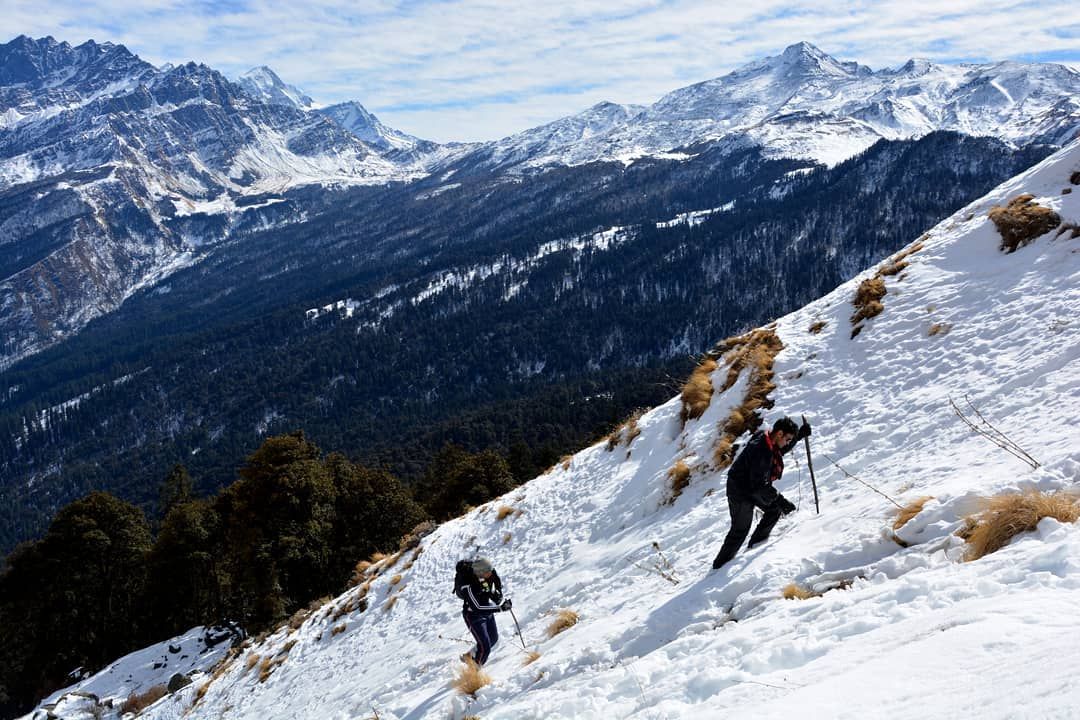
Why Is Kuari Pass Called the Lord Curzon Trail?
Lord Curzon was the Viceroy of India from 1899 to 1905. He travelled to many parts of the country. Over time, the route became known as the Lord Curzon Trail. A route that starts near Ramni and goes towards Gorson Bugyal and Auli. Its article links this route to Curzon’s visit. However, this is a modern trekking account, not a diary or official report written by Curzon.
There is an important point to understand. A trail named after someone was not always built by that person. The name does not prove that Curzon made the path, laid its stones or was the first person to use it. Local people already travelled through these mountains for their daily needs.
What Do Historical Sources Say About Curzon’s Visit?
An old text found through the Indira Gandhi National Centre for the Arts mentions Curzon visiting Ramni in 1903. This does not prove that he crossed Kuari Pass that year. It does show that the dates in modern guides need to be checked. A diary, letter or official report could help settle the question. Until then, it is safer to say that Curzon is widely linked to the trail, while some details of his journey remain uncertain.
The Route: Ramni, Gorson Bugyal and Auli
Ramni, Gorson Bugyal and Auli are named in modern accounts of the Lord Curzon Trail. Route from Ramni across the high meadows towards Auli. These places help explain the route, but the account does not prove that Curzon followed every part of it in 1905. Today, trekkers can reach Kuari Pass by different routes. Some start from the Ghat side. Others follow routes linked to Auli, Gorson Bugyal and Khullara. These modern routes may share parts of the older trail. But we should not say that every trek follows the exact path taken by Curzon. The old route needs to be checked against records from his time.
Who Built the Stone Path?
Some people believe that Lord Curzon ordered workers to lay the stones seen on the trail today. But this claim needs proof. A trekker asked whether Curzon had ordered the stone path to be built. The guide said the Forest Department had laid the stones to make the route easier for trekkers.
This is a useful local account, but it is not an official record of when the work took place. It still gives us a reason to be careful. We should not claim that all the stones were laid during Curzon’s visit.
To find the exact date, we would need records from the Forest Department or another reliable source. For now, the safe claim is that the route is known by Curzon’s name, but the claim that he built or paved it has not been proved.
Kuari Pass Before Modern Trekking
People in the Garhwal region used mountain paths long before trekking holidays became common. These paths helped them reach nearby villages, fields and forests. Some routes were also used for grazing animals, trade and religious visits. This gives us useful background information about travel in the Himalayas. But it does not prove that every part of today’s Kuari Pass trek was used in the same way hundreds of years ago. To know more, we would need old village records, local stories and accounts that name the paths.
Local guides and older residents could help explain how these routes were used in the past. Their accounts would add value to the history, especially if they include names of villages, old paths and events that can be checked against written records.
For now, it is better not to call Kuari Pass “the oldest trek in India”. That claim needs strong proof. The route has an important place in the history of Himalayan travel, but we should not make claims that the evidence cannot support.
Kuari Pass and the Mountaineering Era of the 1930s
The 1930s brought another important chapter in the history of travel through Garhwal. Mountaineers Eric Shipton, Bill Tilman and Frank Smythe wrote books about their journeys in the region.Shipton published Nanda Devi in 1936. Tilman published The Ascent of Nanda Devi in 1937. Smythe’s book The Valley of Flowers came out in 1938. These books describe journeys through the valleys and mountains of Garhwal.
In 1934, Shipton and Tilman took part in an expedition to find a way into the Nanda Devi Inner Sanctuary through the Rishi Ganga gorge. The wider expedition is part of mountaineering history, but the exact route should be checked in the explorers’ own books before linking every section to the present-day trail.
These books are useful because they were written by people who travelled through the region at the time. They offer details about the journeys and the conditions they faced. However, they do not replace the need for a clear record of Curzon’s earlier visit.

Kuari Pass History: A Short Timeline
Date or period | Event | How strong is the evidence? |
Before modern trekking | Local people used mountain paths for travel and daily needs. | Part of the wider history of Garhwal; each route needs its own proof. |
1903 | An old text mentions Curzon visiting Ramni. | The visit is mentioned, but a crossing of Kuari Pass is not proved by this alone. |
1905 | Many modern trekking guides date Curzon’s journey to this year. | Widely reported, but the full route needs more proof. |
1934 | Shipton and Tilman took part in an expedition to reach the Nanda Devi Inner Sanctuary. | Part of the recorded history of Himalayan mountaineering. |
1936–1938 | Shipton, Tilman and Smythe published books about journeys in Garhwal. | Their books provide written accounts from that period. |
Modern trekking era | Kuari Pass became known as the Lord Curzon Trail. Some parts of the path were improved for trekkers. | The name is widely used; the dates of path repairs need more records. |
What Does the Word “Kuari” Mean?
The exact meaning of “Kuari” is not fully clear. The word is often linked to the idea of a young unmarried woman, a maiden or a virgin. This may explain why some trekking guides describe Kuari Pass as the “Virgin Pass”. However, this meaning should not be treated as confirmed without a reliable source on the local language and place name.
Another possible explanation links the name to a doorway or gateway through the mountains. But I could not confirm this meaning from a strong historical or language source either. The safest answer is that the origin of the name “Kuari” remains uncertain. Rather than choosing one meaning as fact, it is better to explain that different interpretations exist and that the original meaning needs further research.
A dictionary supports “kuwari” as meaning an unmarried woman or virgin, while trekking sources also give “doorway” as an interpretation. Neither alone proves the original local meaning of the pass’s name.
Is Kuari Pass the Oldest Trek in India?
There is not enough evidence in the sources reviewed here to call Kuari Pass the oldest trek in India. Its history is linked to old travel routes in Garhwal, Lord Curzon’s reported visit and the mountaineering books written in the 1930s.
That is an important story on its own. We do not need to call it the oldest trek to show why it matters. Claims that Curzon found the route, built the stone path or was the first person to cross the pass also need proof.
The best way to understand Kuari Pass history is to check who made each claim and what evidence supports it. Modern trekking websites are useful starting points, but old books, official records and local accounts can help fill the gaps.





