The best time for the Kashmir Great Lakes Trek is from mid-July to early September, when the meadows are green, the lakes are easy to reach, and the weather is often good for walking. July is great for fresh green views, August is known for flowers, and early September can bring clear skies and cool days. Snow and rain can still change the plan, so check the latest trail status before booking.
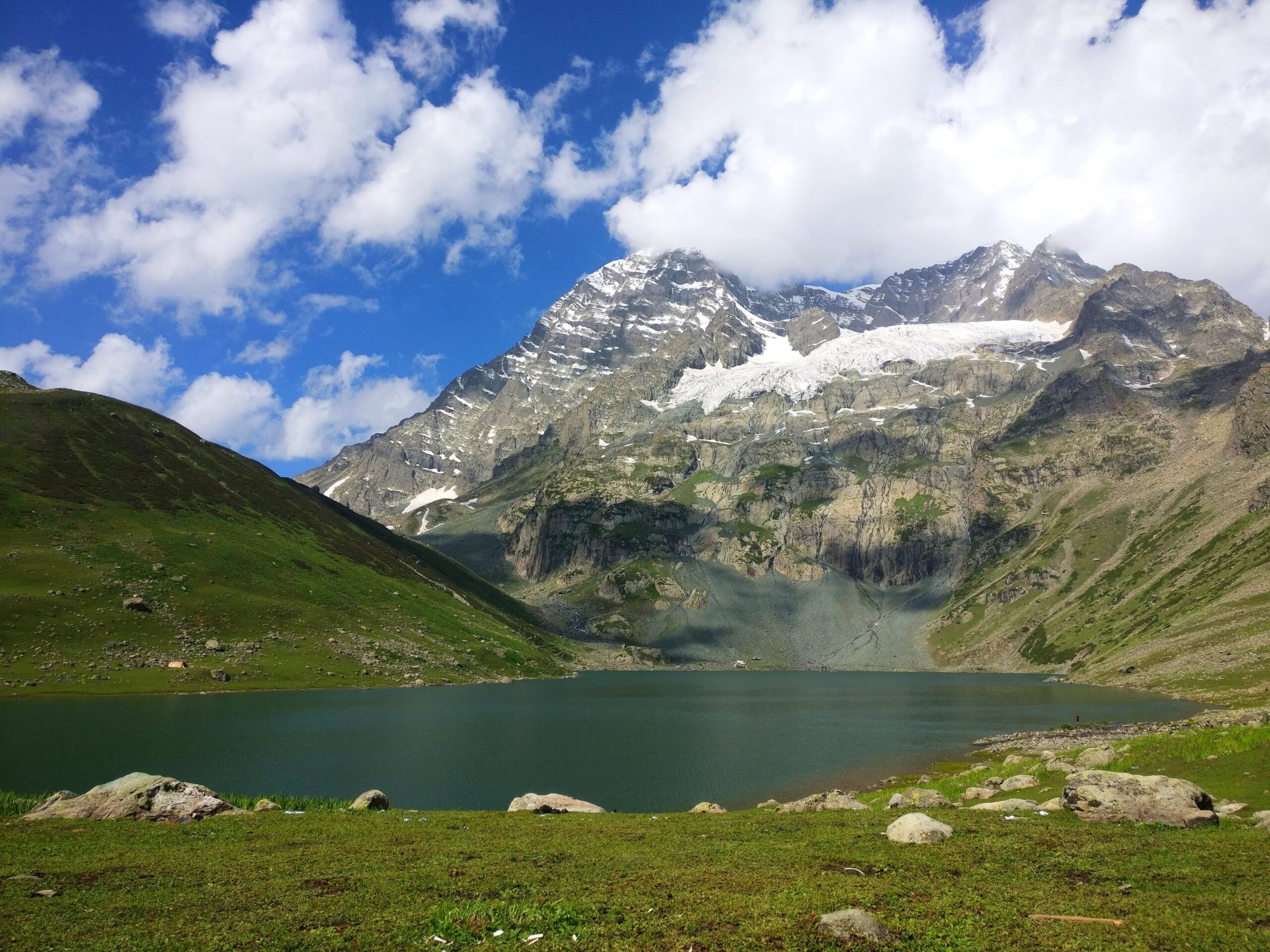
The Kashmir Great Lakes Trek takes you past blue lakes, green meadows, rocky paths, and tall peaks. The trek usually takes seven to eight days, based on the route and plan. It reaches about 13,750 feet at Gadsar Pass, so you need good fitness and the right gear. If you plan to go in 2027, choose your month based on what you want to see. Then check the trek dates, local rules, and trail status before booking your travel.
Kashmir Great Lakes Trek Best Time by Month
The main trekking season usually runs from July to early or mid-September. The exact dates can change due to snow, rain, and local rules. A month that works well one year may not offer the same trail conditions the next year.
Month | Weather and views | Best for |
June | Cold nights and snow on some high passes may remain. | Only if the route is open and safe |
July | Green meadows, wildflowers, and some snow early in the month. | Fresh green views |
August | Lush meadows, bright flowers, and a chance of rain. | Flowers and photos |
Early September | Cool days, cold nights, and clear views on some days. | Mountain views and fewer crowds |
Mid to late September | Colder nights and a higher chance of snow. | Only if the route is open and safe |
October onwards | The regular trek season has usually ended. | Not suited to a normal trek plan |
Use this table as a guide, not a promise. Snow, rain, and local rules can change the start and end dates.
Kashmir Great Lakes Trek in July
July is a good time to see the meadows turn green. Snow starts to melt from many parts of the trail, and small flowers appear along the path. The lakes sit below tall peaks, making the views bright and fresh. Early July can still have snow on high passes. This may slow your group down or make some parts harder to cross. If you plan to go early in the month, check the trail status before you book your trek.
July is best for people who want green views and do not mind some changes to the plan. The days may feel warm in the sun, but the camps can be cold at night. Carry warm clothes even if Srinagar feels hot when you arrive.
Kashmir Great Lakes Trek in August
August is a great choice if you want to see green meadows and wildflowers. The slopes may look full of colour, and the lakes often stand out against the green hills. This is one reason many people choose August for the trek. Still, August can bring rain and cloud. The paths may become wet and slippery, and fog can hide the mountain views. Carry a rain jacket and keep your spare clothes dry in a waterproof bag.
August is also a busy time for trekking. If you have fixed leave from work or college, look for a good batch early. Do not wait until the last few days to plan the trip.
Kashmir Great Lakes Trek in September
Early September can be a good time for clear mountain views. The meadows may start to turn gold, and the lakes can look bright under a clear sky. You may also find fewer people on the trail than in the busiest summer weeks.
But the nights get colder as the month goes on. Snow may return to high passes, and some trek groups may stop running after the first half of September. Do not book a late date just because it appears on a website. Check that the full route is open and safe. If you want to go in September, early dates are usually the safer choice for planning. Still, the final call depends on the weather and the local trail report.
Kashmir Great Lakes Trek Weather and Temperature
The weather changes as you climb higher. Srinagar may feel warm, but camps near the lakes can be cold after sunset. Wind and rain can also make the cold feel much stronger. During the main season, daytime temperatures may range from 15°C to 20°C. At night, temperatures at high camps may fall to around 2°C to 8°C. It can get colder in September, and these figures are only rough guides, not a daily forecast.
Pack warm layers, even if you are going in August. Take a warm base layer, fleece, rain jacket, gloves, woollen cap, and spare socks. Keep your dry clothes safe from rain. Wet clothes can make a cold night much harder.
Which Mountain Passes Need Extra Care?
The Kashmir Great Lakes route crosses high passes, including Nichnai and Gadsar. Snow, wind, and poor views can make these parts hard to cross. Gadsar Pass is about 13,750 feet high, so the climb can feel tough even on a clear day. Do not assume the trail will be snow-free in July or August. Ask about recent trail reports before you leave. Your trek leader may start early, change the route, or delay a crossing if the weather turns bad.
Is the Kashmir Great Lakes Trek Safe During the Monsoon?
July and August fall during the monsoon season in India. But Kashmir gets less rain than many other parts of the Himalayas because nearby mountain ranges block much of the rain. This is called a rain shadow. Even so, the trek can still get rain, storms, and thick cloud. Rain can make rocks slippery and hide the path near high passes. If the weather is unsafe, the trek leader may change the plan or stop the group. This is part of safe trekking, not poor service.
Before booking, check that your trek group has trained leaders and a clear plan for emergencies. Keep some spare time after the trek, too. Road delays or bad weather may affect your return to Srinagar.
Is the Kashmir Great Lakes Trek Good for Beginners?
The trek can suit fit beginners who prepare well and join a safe, guided group. But it is not an easy walk. You need to walk for many hours, climb steep paths, and sleep at high camps.
Start training well before your trip. Walk often, climb stairs, and build up to longer walks. Follow your trek leader’s pace and tell them if you feel unwell. A strong headache, nausea, or odd breathlessness can be signs of a problem at high altitude.
Here is a simple guide to help you choose your month:
- For green meadows: Choose July.
- For wildflowers: Choose July or August.
- For clear views: Consider early September.
- For a first trek: Choose a well-run group in the main season.
- For safety: Avoid dates when the route is closed or the weather is poor.
Permits, Documents, and Booking
Do not book flights and hotels before checking that your trek is running. Local rules, weather, and safety concerns can change the plan. One large trek group, Indiahikes, said it had stopped its own Kashmir Great Lakes trips for 2027. This does not mean every trek group has stopped, but it shows why you must check the latest status for your chosen dates.
Before paying, ask the trek group about these points:
- Trek dates: Are they running the trek on your dates?
- Permits: Who will arrange the permits and local checks?
- ID proof: Do you need your original photo ID and copies?
- Medical proof: Is a fitness or medical form needed?
- Refund rules: What happens if the trek is cancelled?
- Travel time: Can you keep one extra day for delays?
Rules can change, so ask for the latest list of papers you need. Keep your ID and any required medical papers ready before you leave home.
Kashmir Great Lakes Trek vs Tarsar Marsar Trek
Both treks have high lakes and green meadows, but they follow different routes. The Kashmir Great Lakes Trek crosses several high passes and visits a chain of lakes over many days. Tarsar Marsar has its own route, camps, and trail needs.
If you are choosing between the two, compare the walking days, level of effort, cost, and current route status. Do not choose a trek just because it has more dates on a website. A safe and well-run trip matters more than a date that may change.
Frequently Asked Questions
Can I do the Kashmir Great Lakes Trek in June?
June may still have snow on high passes and cold nights at camp. Go only if the route is open and the trek group confirms that it is safe.
Is August a good time for the trek?
Yes, August often has green meadows and many wildflowers. Rain and cloud can still affect the views, so carry rain gear.
Is September too late for the trek?
Early September can be a good time, but nights get colder later in the month. Fresh snow may also affect high passes, so check the route before booking.
How early should I book?
Start checking dates well ahead if you want to go in July or August. Before paying, make sure the trek group plans to run the trip and read its refund rules.
The Kashmir Great Lakes Trek best time for most people is from mid-July to early September. July brings fresh green views, August often has bright flowers, and early September may offer clear skies and cooler days. Which would you choose: green meadows in summer or clear mountain views as autumn begins?






