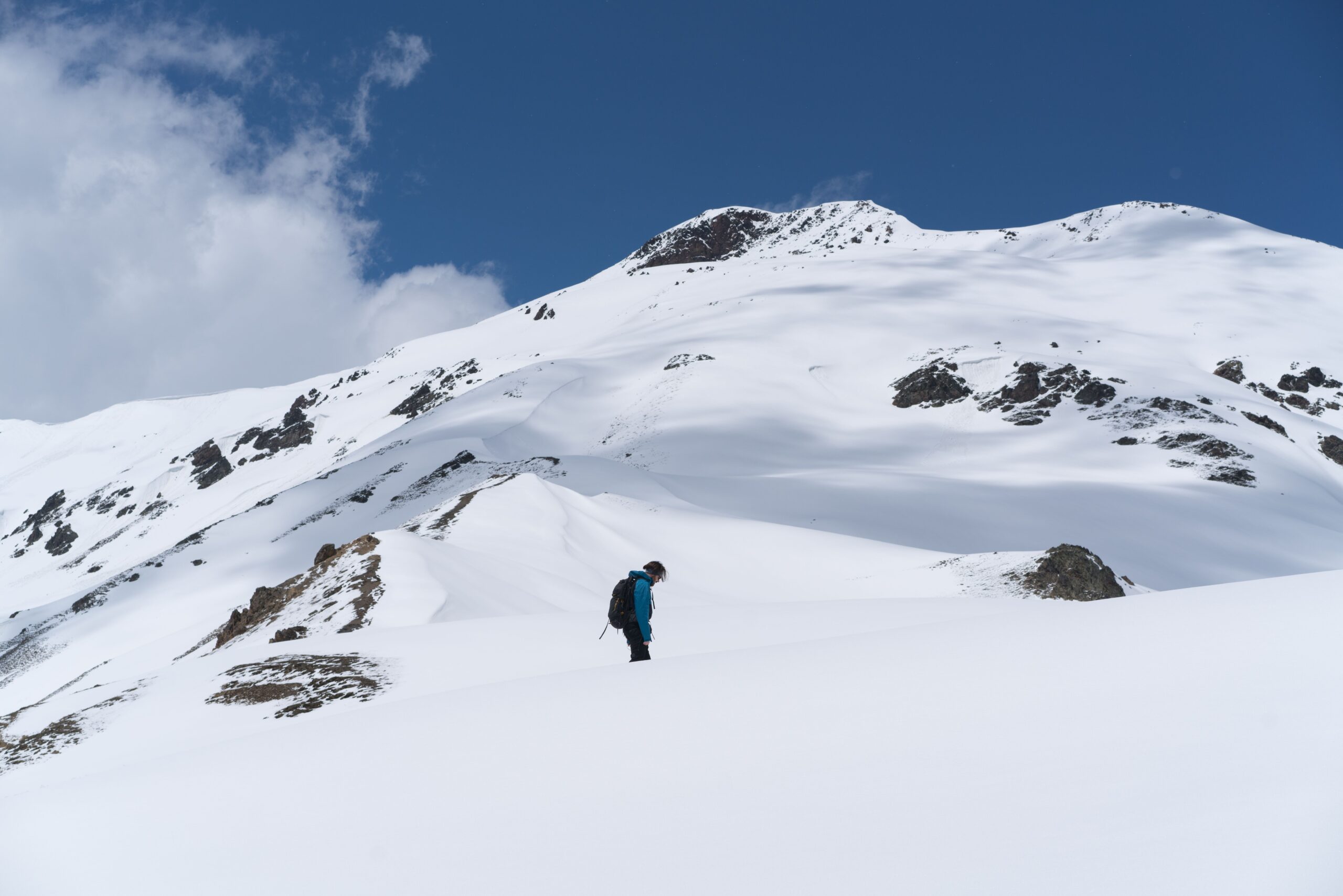
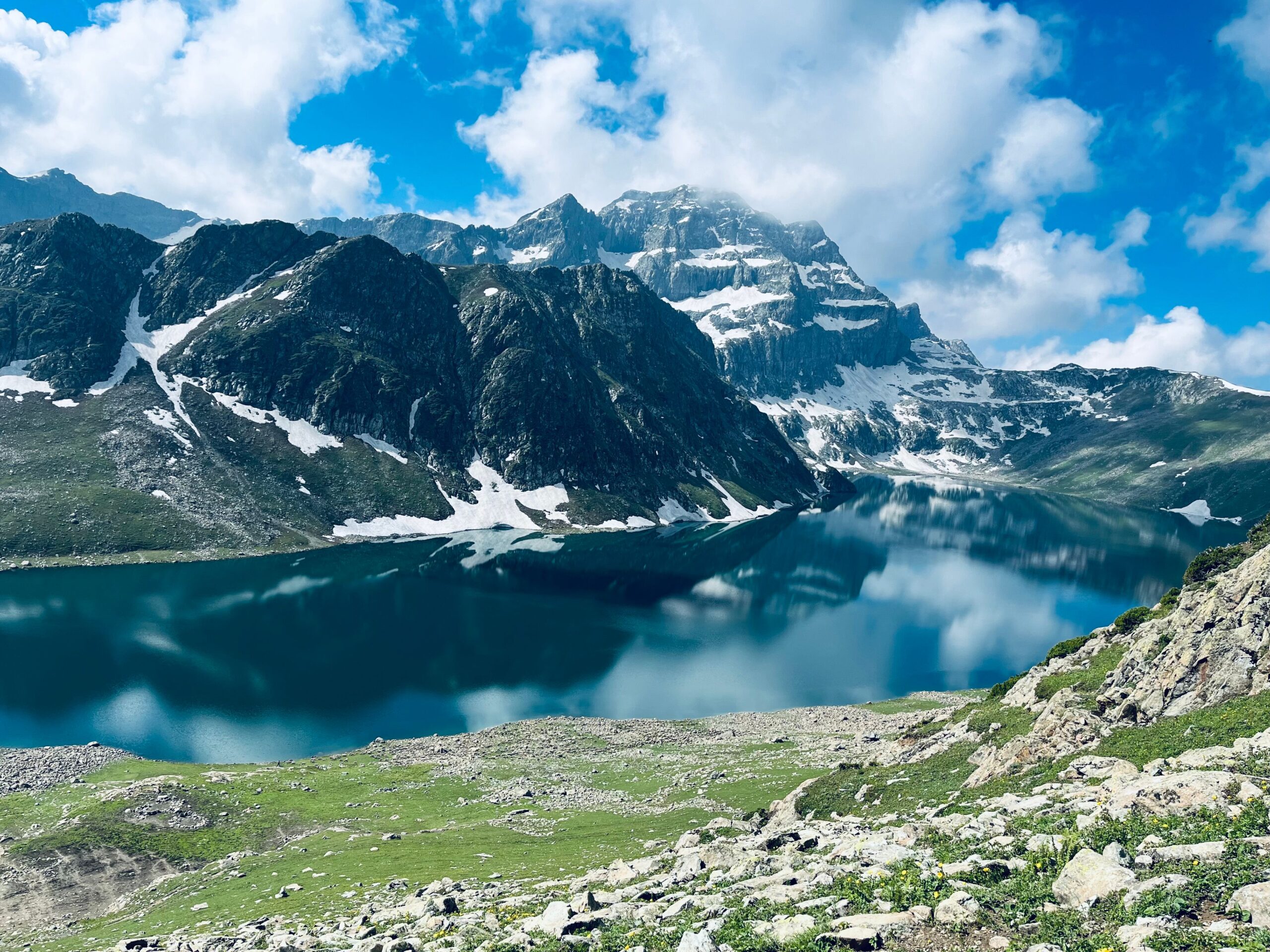
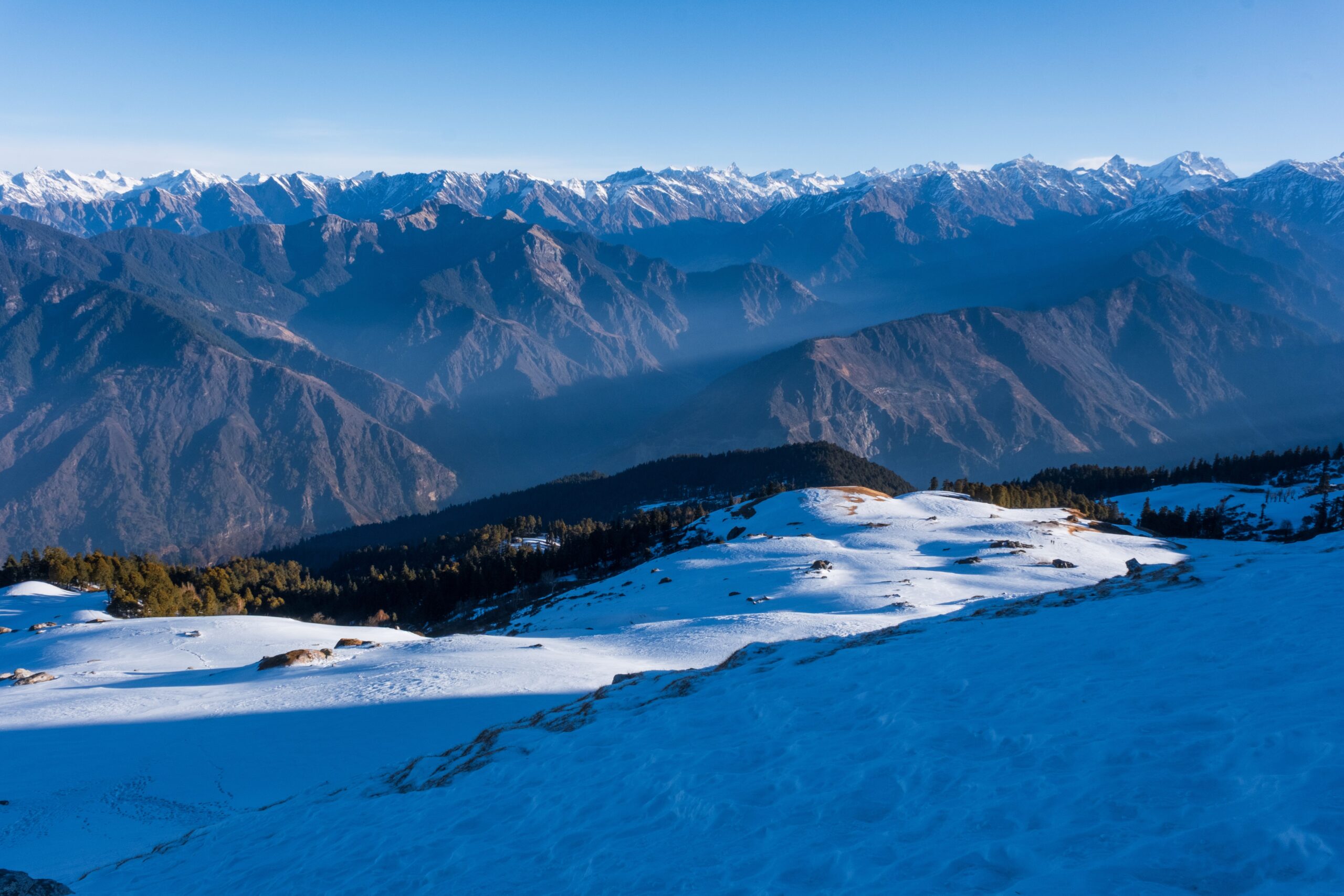
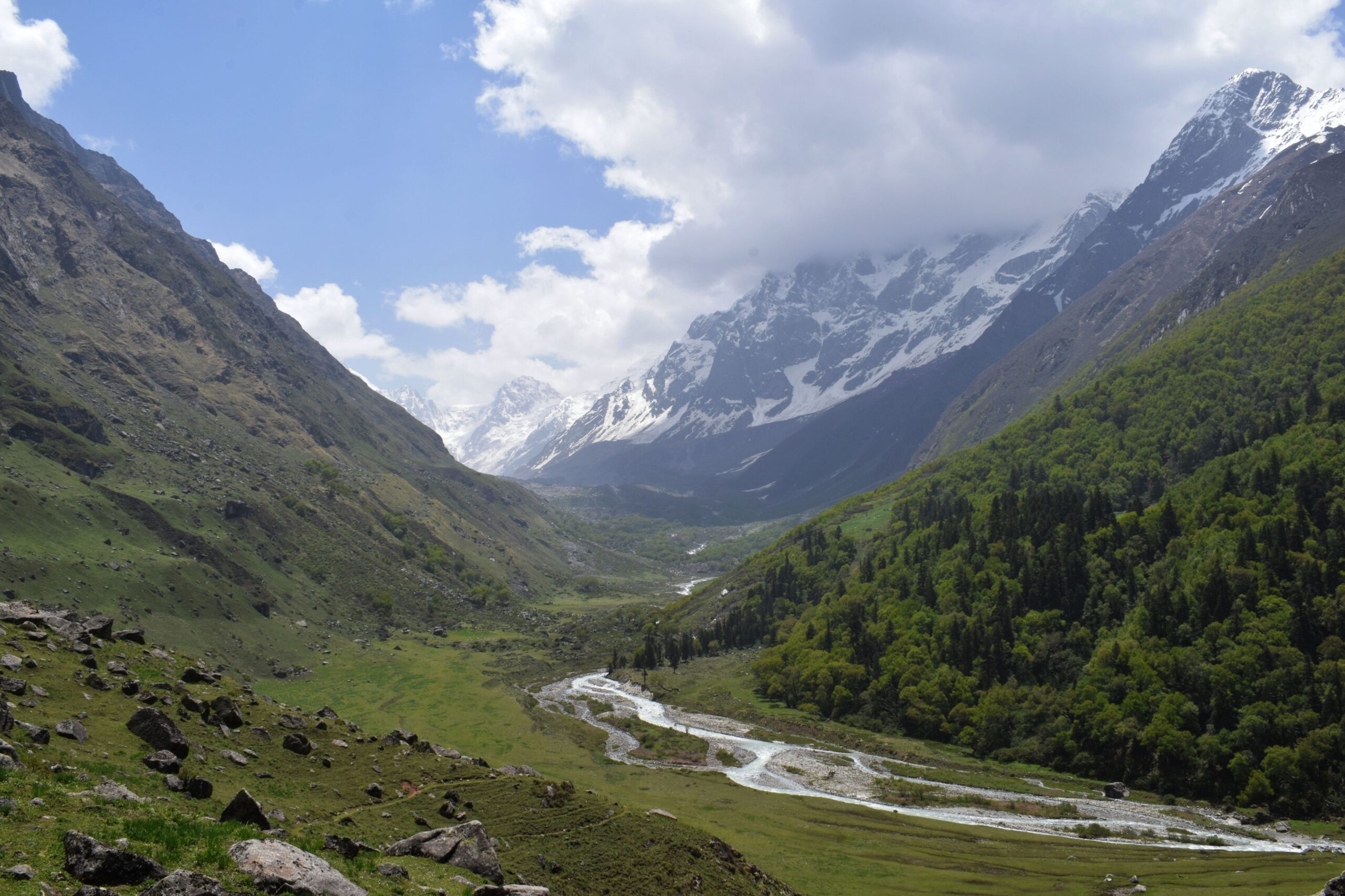
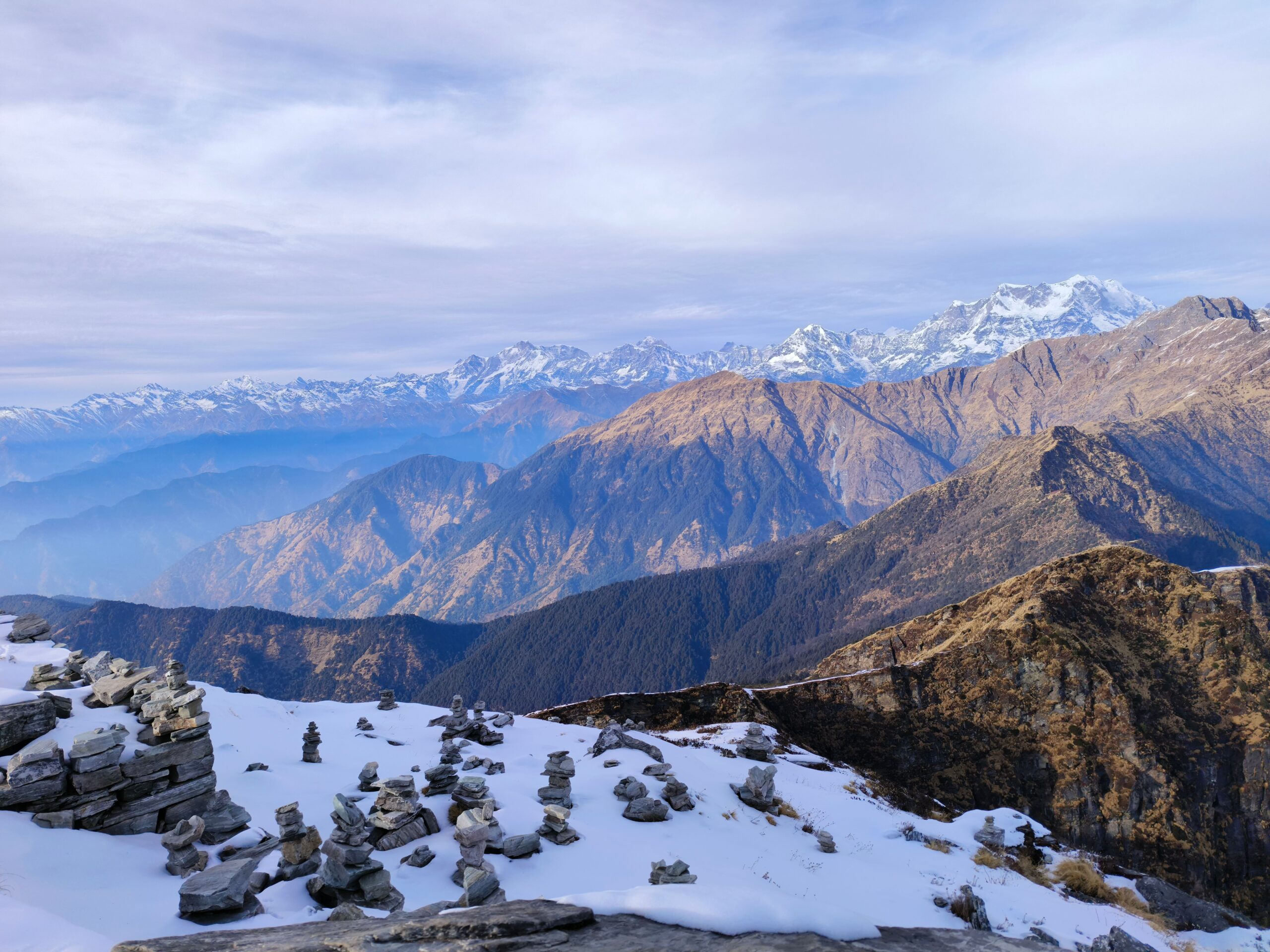
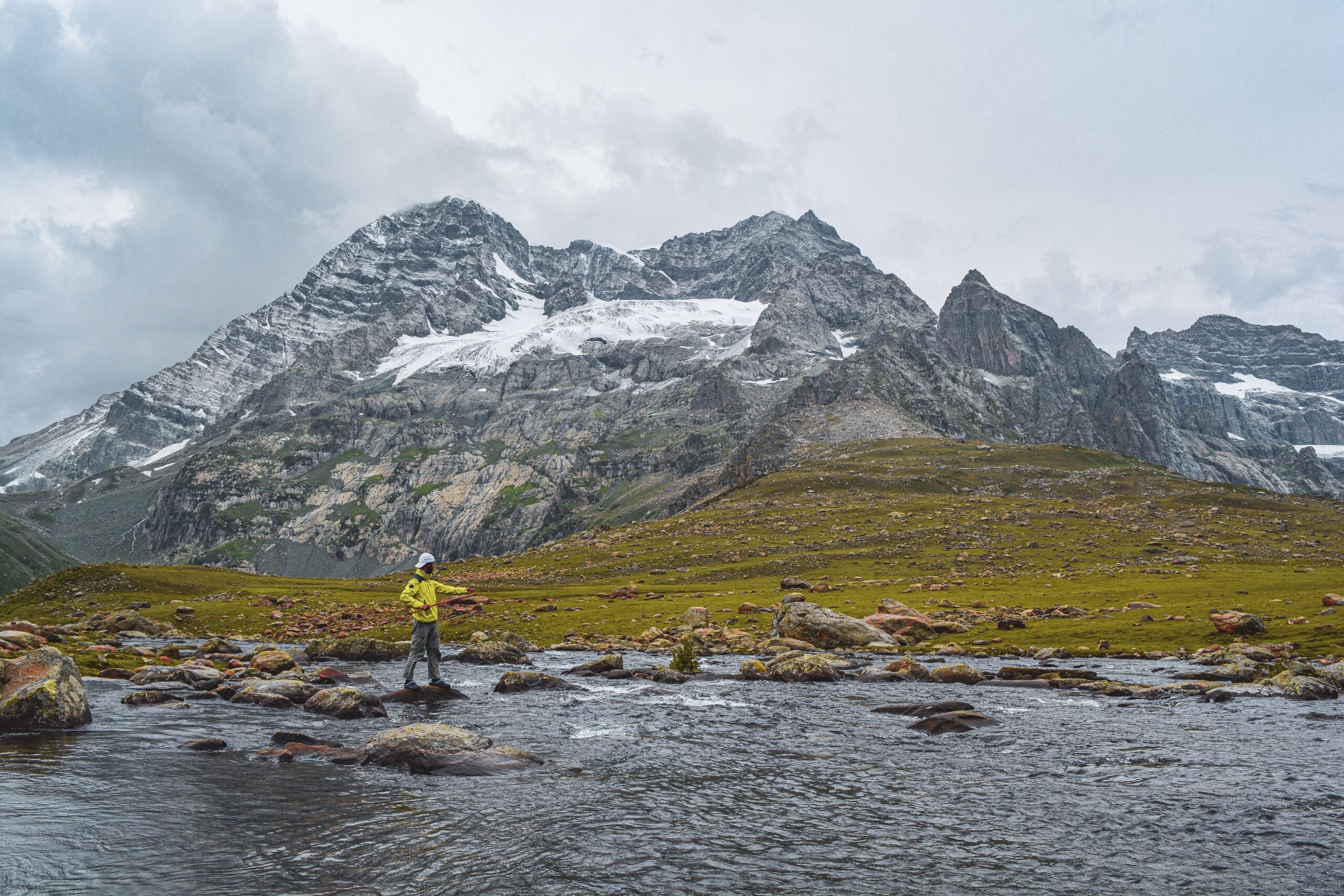
Yes, there is often snow in Hampta Pass from June to early July. June is usually the best month to see and walk across snow on this trek. The upper trail, especially the section from Balu Ka Ghera to Hampta Pass, can remain covered in snow even when the lower valleys are green. However, the amount of snow changes each year. Snow on the trail also does not mean that the route is safe to cross.
If you want a snow trek, aim for June or early July, but confirm the route conditions with your trek operator before booking. May can have too much snow for a safe pass crossing. By August, most snow has usually melted, while September is better for clear views and autumn colours than for a snow-covered trail.
Best Time to See Snow in Hampta Pass
Month | Snow conditions | Should you plan a trek? |
May | Heavy snow may block the upper trail and pass | Usually avoid it |
June | Snow is common above Balu Ka Ghera and near the pass | Best choice for snow, if the route is cleared |
Early July | Snow may remain on the upper trail and near the pass | Possible, depending on conditions |
Late July | Snow usually melts quickly, leaving patches at higher points | Do not expect a full snow trail |
August | Most snow has usually melted, except for possible patches near the pass | Better for green valleys and flowers |
September | The trail is generally clear of snow | Best for clearer skies, not snow |
October | Early snowfall and colder weather may affect the crossing | Only if an operator confirms safe conditions |
November to April | The route is usually closed to regular trekking because of deep snow and winter conditions | Not suitable for a normal Hampta Pass trek |
These are seasonal patterns, not a live trail report. Fresh snowfall, warm weather and the timing of the monsoon can change the conditions. Check the latest update from your trek operator before you travel.
Why Does Snow Stay on Hampta Pass?
Hampta Pass lies at about 14,065 feet above sea level, though some operators round the height to around 14,100 feet. The route climbs from the green Kullu side to a high mountain pass before descending towards the drier Lahaul region.
The upper valley is narrow in places, and some slopes receive less direct sunlight. Snow can therefore remain here after it has melted from lower parts of the trail. This is why you may walk through green meadows near the start and find long snow patches higher up on the same trek.
Balu Ka Ghera is one of the key points to watch. It lies at roughly 12,400 feet and is the last major camp before the climb to Hampta Pass on many standard itineraries. Snow often becomes more common above this camp. The pass itself and parts of the descent towards Shea Goru may also hold snow in June and early July.
Where Will You Find Snow on the Hampta Pass Trek?
1. Jobra and the lower trail
Jobra is near the start of the trek. In the early season, you may see small snow patches beside the trail or river. However, do not expect a continuous snow trail here. As the season progresses, the lower route usually becomes clearer and greener.
2. Jwara and the Rani Nalla crossing
Rani Nalla is an important feature of the Hampta Pass route. In the early season, snow can cover parts of the stream and form snow bridges over the water. These crossings can be exciting to see, but they also need careful attention.
A snow bridge is not the same as a solid, safe path. It can weaken as temperatures rise, and its strength may not be clear from the surface. Your trek leader should assess the crossing and choose the safest route. Never step onto a snow bridge just because other people have crossed it.
3. Balu Ka Ghera
Balu Ka Ghera is one of the best places to expect snow in June. Snow may cover parts of the campsite and the slopes around it. The amount can range from scattered patches to broad snow-covered sections, depending on the year and date.
This is also where you prepare for the next day’s climb. Ask your operator whether microspikes, gaiters and other snow equipment are required for your batch.
4. Hampta Pass
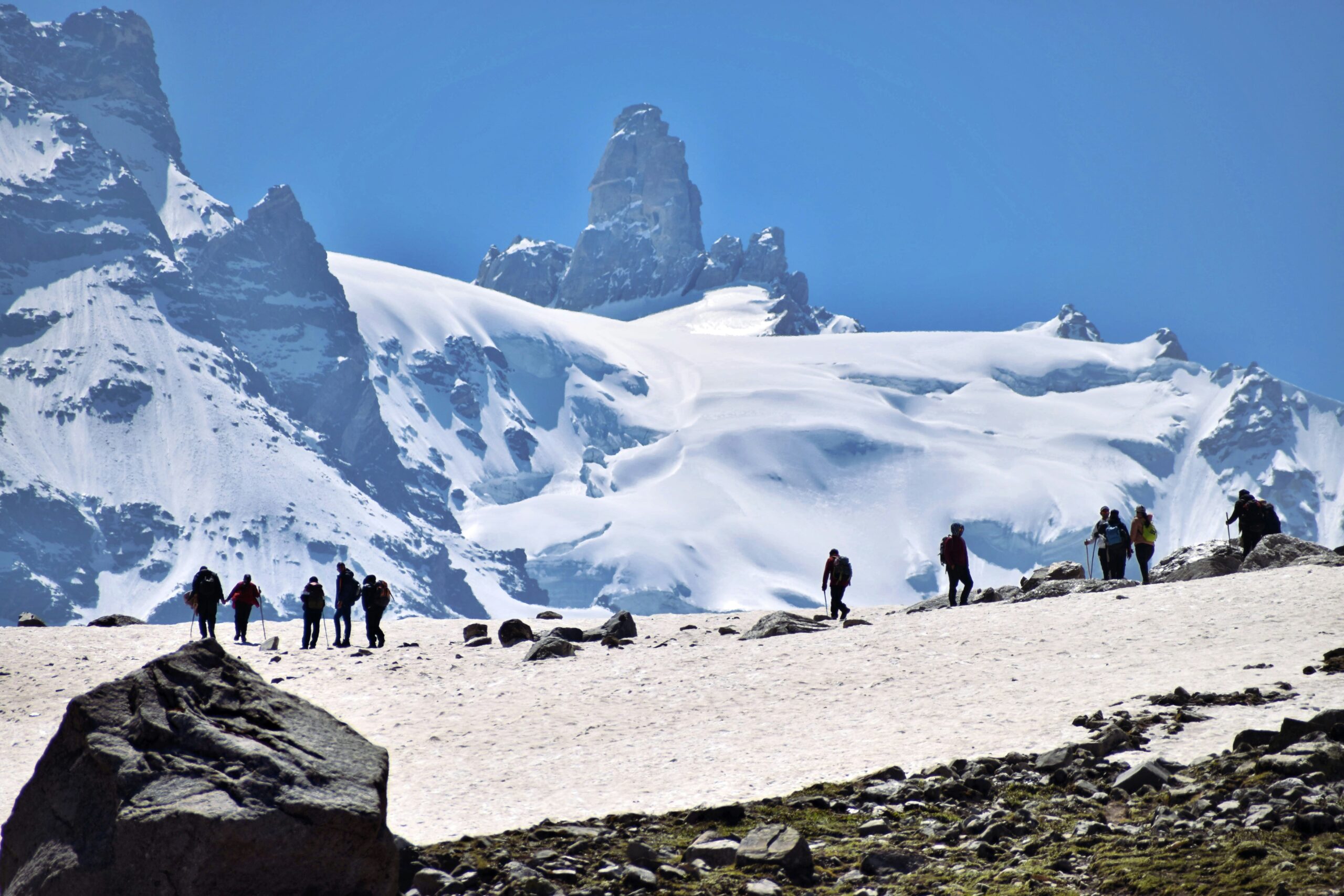
The section between Balu Ka Ghera and Hampta Pass is often the snowiest part of the trek in June. You may walk over snow for long stretches while climbing towards the pass. The final approach can be cold, slippery and tiring, especially when snow hides loose rocks or uneven ground.
The descent towards Shea Goru can also hold snow. It is steep in places, so walking down may be harder than climbing up. Your group may need to move slowly and follow the guide’s instructions.
5. Shea Goru
Shea Goru lies on the Lahaul side of the pass. It is usually drier than the Kullu side, but snow can still remain here during the early season. You may find snow patches on the descent or near the campsite, especially in June.
As summer progresses, the snow usually melts from much of this area. The landscape then becomes more open and rocky.
Is Hampta Pass Safe in Snow?
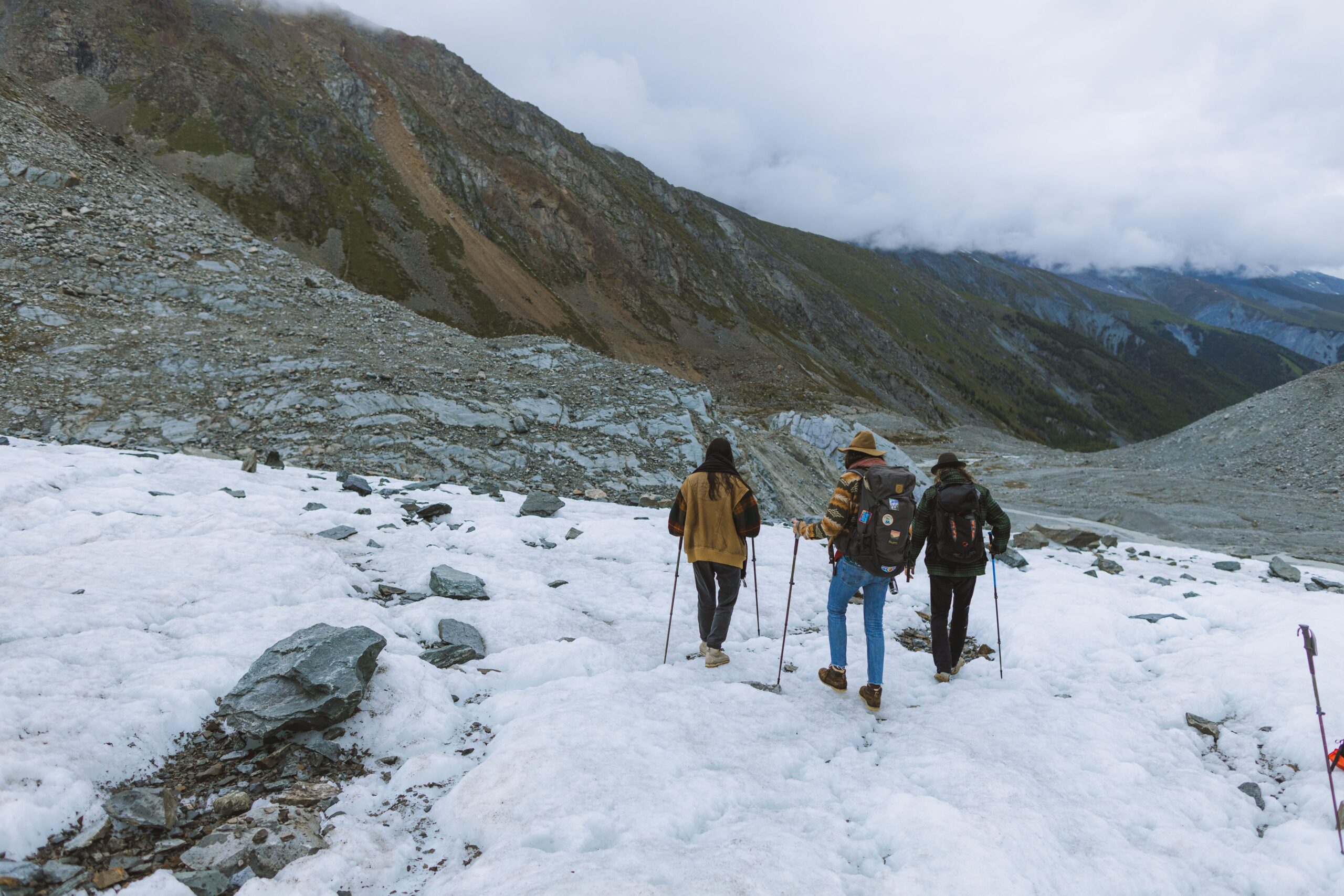
Snow adds to the beauty of Hampta Pass, but it can also make the trek harder. The trail may be slippery, hidden rocks can cause falls, and snow bridges can weaken over running water. A sudden change in weather can also affect visibility and the time needed to cross the pass.
The monsoon creates another set of risks. In July and August, rain can make the Kullu-side trail slippery and increase the flow of streams. A crossing that was safe earlier in the day may become difficult later. The trek leader may delay the group, change the route or cancel the crossing if conditions worsen.
For a safer trek:
- Follow your trek leader’s instructions at snow and stream crossings.
- Use microspikes and gaiters when your operator or guide says they are needed.
- Carry waterproof footwear, warm layers and rain protection.
- Do not walk across a snow bridge without your guide’s approval.
- Do not assume a route is safe just because another group crossed it.
- Check the weather and trail report before starting the trek.
Some operators provide technical gear when needed, while others may have different equipment policies. Confirm what your package includes before departure. Do not buy or rent gear based only on a general seasonal guide.
Can You See Snow in Hampta Pass in Winter?
Hampta Pass is not a suitable choice for a regular winter trek from November to April. Heavy snow, very cold weather and blocked sections can make the pass crossing unsafe or impossible. A trek offered in summer should not be treated as a route that remains open all year.
May also needs caution. Snow can still be too deep for a comfortable crossing, and a planned trek may not reach the pass. Do not rely on a booking alone as proof that the route is safe. Ask the operator about the latest snow conditions and whether the full crossing is expected to be possible.
October is also uncertain. Some operators may run trips into early or mid-October when conditions allow, but fresh snow and freezing temperatures can affect the route. Trek only if the operator has checked the conditions and confirms that the planned crossing is safe.
Frequently Asked Questions
Is there snow in Hampta Pass in June?
Yes. June is usually the best month to see snow on the upper trail, especially above Balu Ka Ghera and near the pass. The exact snow cover depends on the year and your trek dates.
Is there snow in Hampta Pass in July?
Snow may remain in early July, mainly around the pass and other high sections. It usually melts as the month progresses, so late July may have only a few patches. Monsoon rain and stream crossings also need attention.
Is there snow in Hampta Pass in September?
Usually, the main trail is clear of snow by September. You may still see snow on distant peaks, but you should not plan a September trek expecting a snow-covered route.