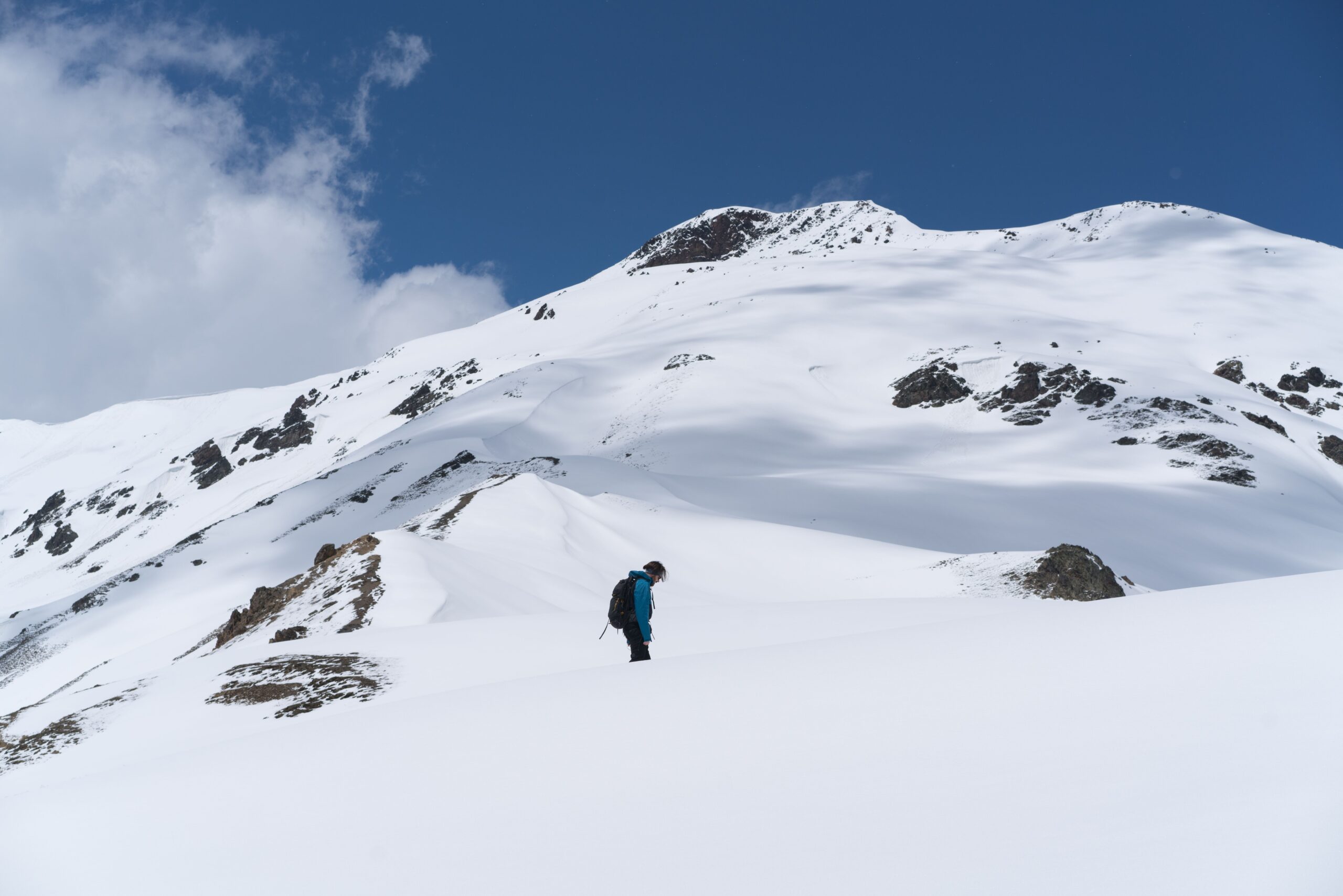
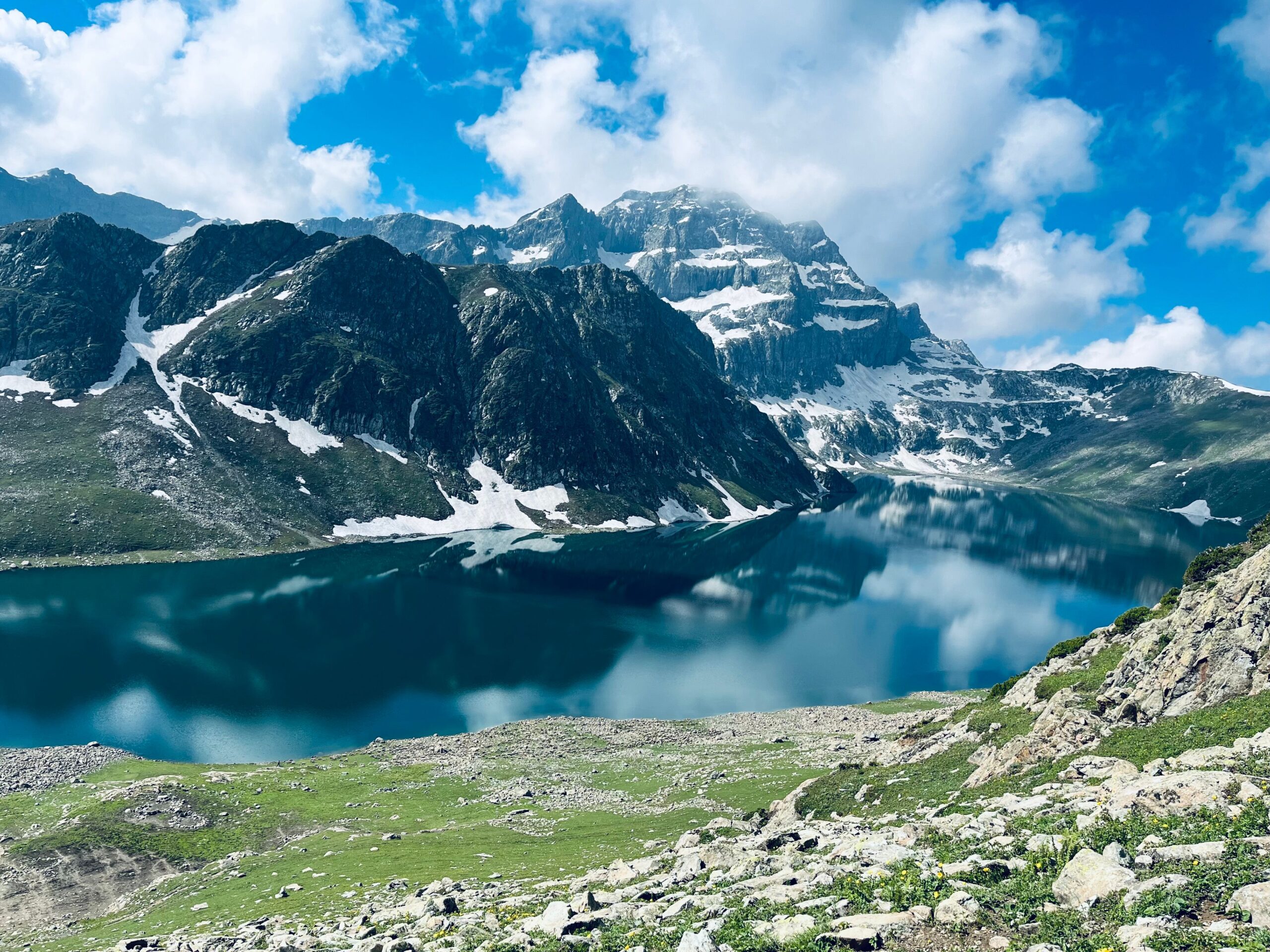
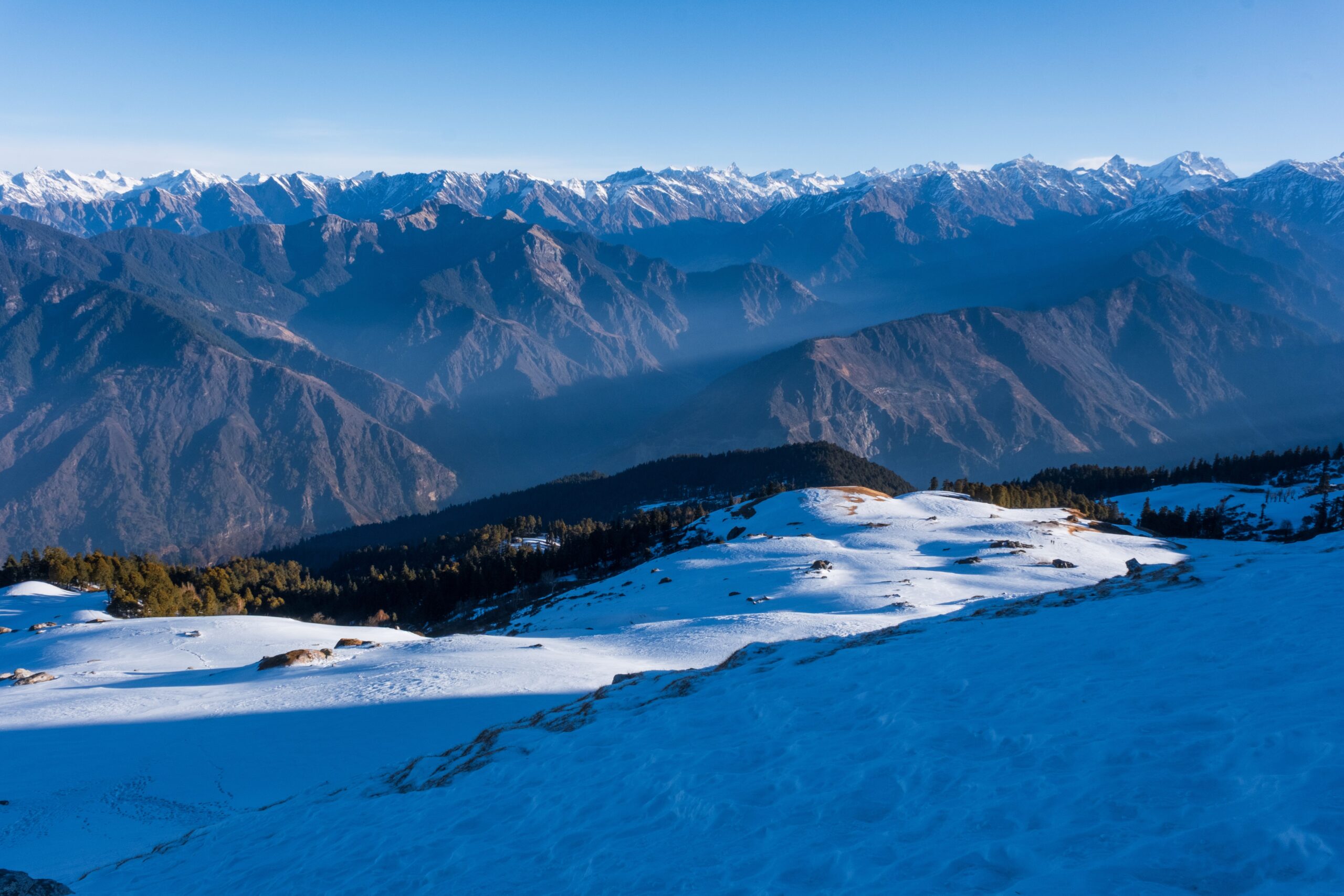
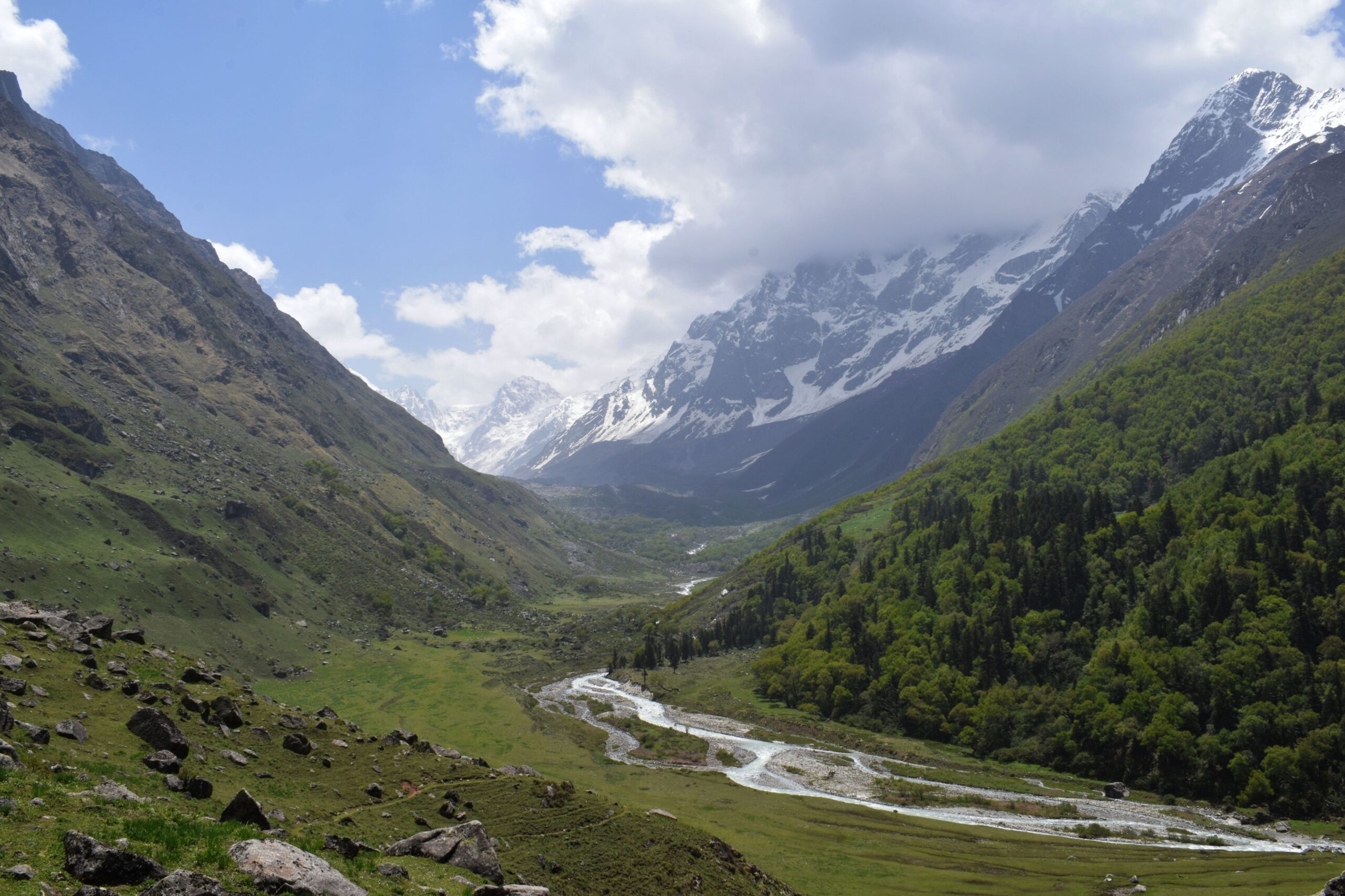
The Kashmir Great Lakes Trek can be safe for fit and well-prepared trekkers, but it has real risks. These include high altitude, sudden weather changes, steep paths, and long walks far from medical help. There is also a key question to check before you go: are the trek and route allowed to operate at the time of your visit? You should not judge safety by the beauty of the lakes or the number of people who have done the trek. You need to check the latest travel advice, get the right permits, train before the trek, and choose a team that can handle an emergency.
The trek’s current status is the first thing to check. News reports from earlier in the year also described limits on high-altitude trekking in Kashmir. Some travel websites may still list dates, but a date on a booking page does not prove that a trek has official permission to run.
What Are the Main Safety Risks?
The Kashmir Great Lakes Trek is usually rated moderate to difficult. It involves long walking days, high mountain passes, and camps far from towns. The main risks are:
Risk | Why it matters | How to reduce it |
High altitude | You may get a headache, feel sick, or become breathless. | Walk at a steady pace and report symptoms early. |
Sudden weather changes | Rain, cold winds, and snow can make the trail harder. | Carry warm and waterproof clothing. Follow your guide’s advice. |
Steep and rocky paths | A slip can cause a serious injury. | Wear trekking shoes with a good grip. Do not rush. |
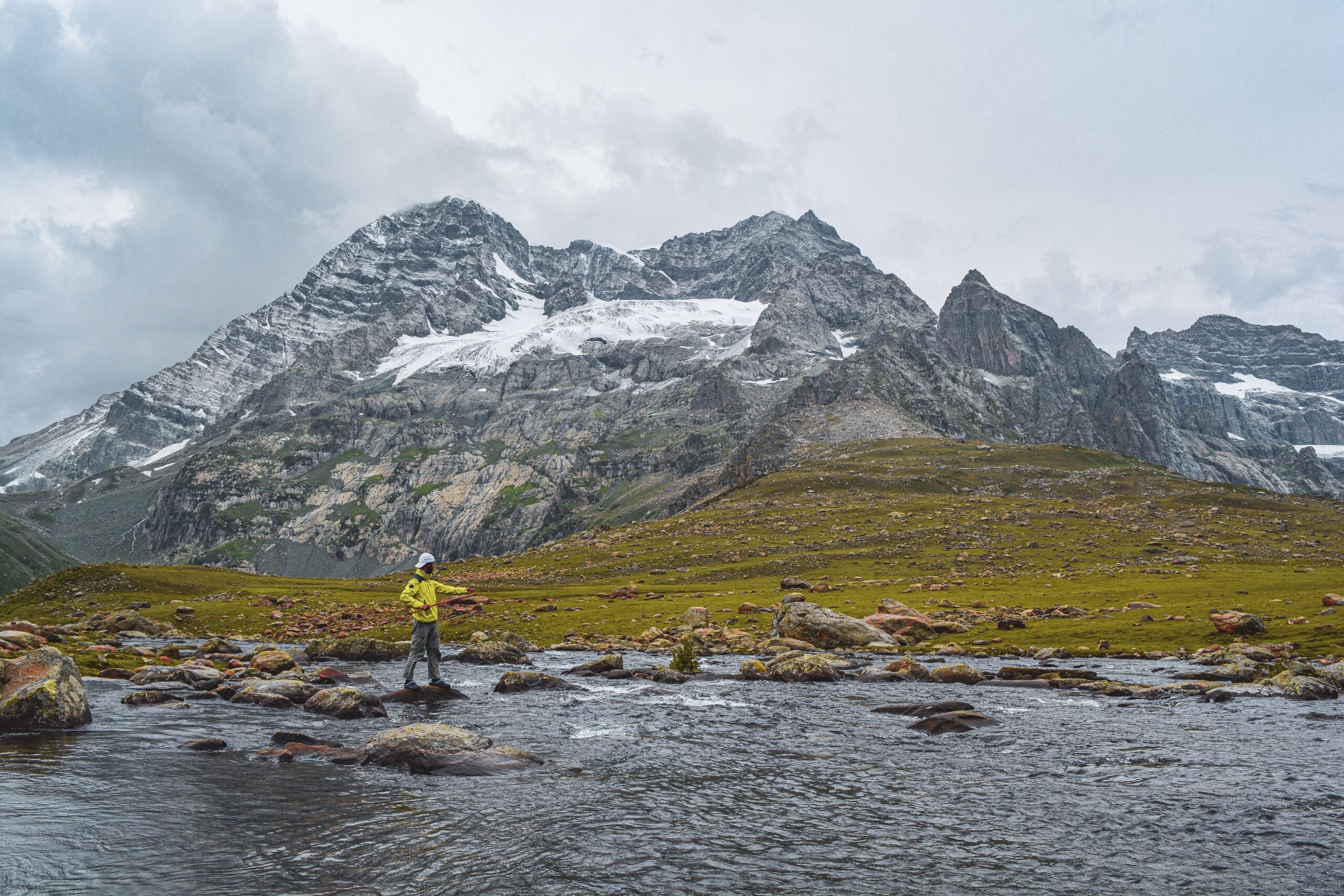
Streams and wet ground | Water levels and slippery stones can make crossings unsafe. | Cross only when your guide says it is safe. |
Remote camps | Medical help may be far away. | Carry a first-aid kit and trek with a team that has an emergency plan. |
Security and permits | Rules or local conditions may change. | Check official updates before travel and follow local orders. |
Good planning can lower these risks, but it cannot remove them all.
How Can You Stay Safe at High Altitude?
Walk slowly, especially on climbs. Take short breaks when needed and drink water through the day. Do not try to keep up with faster trekkers if you are struggling. Watch for signs of altitude sickness, such as a headache, nausea, dizziness, unusual tiredness, or loss of appetite. Tell your guide as soon as you feel unwell. Do not hide symptoms to avoid slowing down the group.
A bad headache with vomiting, trouble walking straight, confusion, or breathlessness while resting can signal a serious problem. These signs need urgent help. The person may need to go down to a lower height. Do not keep climbing or wait for the next morning.
Is the Weather Dangerous on the Trek?
The weather can change quickly in the mountains. A sunny morning can turn cold, wet, or windy later in the day. Rain can make rocks and paths slippery. Snow may also affect high passes, depending on the season.
Carry these items to help you deal with cold and wet weather:
- A waterproof jacket and rain cover for your bag
- Warm layers, gloves, and a woollen cap
- Trekking shoes with a good grip
- Spare socks and dry clothing
- A headlamp, water bottle, and basic first-aid kit
Listen to your guide if the weather turns bad. Do not cross a high pass or stream just because it is part of the plan. A safe team may need to wait, change the route, or stop the trek.
Is It Safe to Do the Kashmir Great Lakes Trek Solo?
Walking alone on this route is not a good choice for most trekkers. The trail is long, the weather can change, and some sections are far from roads and medical help. If you are hurt or unwell, there may be no one nearby to help you.
For most people, a guided group is the safer option. Before booking, ask the operator:
- Will a trained trek leader walk with the group?
- Is first aid available during the trek?
- Is there a clear plan for a medical emergency?
- What happens if a trekker cannot continue?
- Are permits and local approvals in place for the planned dates?
- What support is available if the weather forces a change?
Do not choose a group only because it offers the lowest price. Check what support is included and who will make safety decisions on the trail.
What Happens if There Is an Emergency?
The trek passes through remote mountain areas. A vehicle may not be able to reach someone who is injured at a campsite or on a high pass. Help may take time to arrive, and the group may need to walk down to a place where support is possible. Before the trek, ask the operator how it handles injuries, altitude sickness, and bad weather. Find out whether the team carries first-aid supplies and has a way to arrange help. Do not assume that a helicopter rescue will always be available.
Check your travel insurance before leaving home. Make sure it covers trekking at the height you plan to reach. Some policies do not cover high-altitude trekking or rescue costs unless you buy extra cover. Read the policy terms instead of relying only on the sales description.
Mobile phone service may not work across the whole route. Save key details offline and tell family or friends when you expect to finish. Ask your operator which contact options are available during the trek.
Frequently asked questins
Is the Kashmir Great Lakes Trek safe for beginners?
It may suit beginners who are fit, train well, and join a responsible team. But it is not an easy first walk. The high passes, long days, and remote camps make preparation important.
Can altitude sickness happen even if I am fit?
Yes. Fitness does not stop altitude sickness. Anyone can become unwell at high altitude. Know the warning signs and tell your guide early.