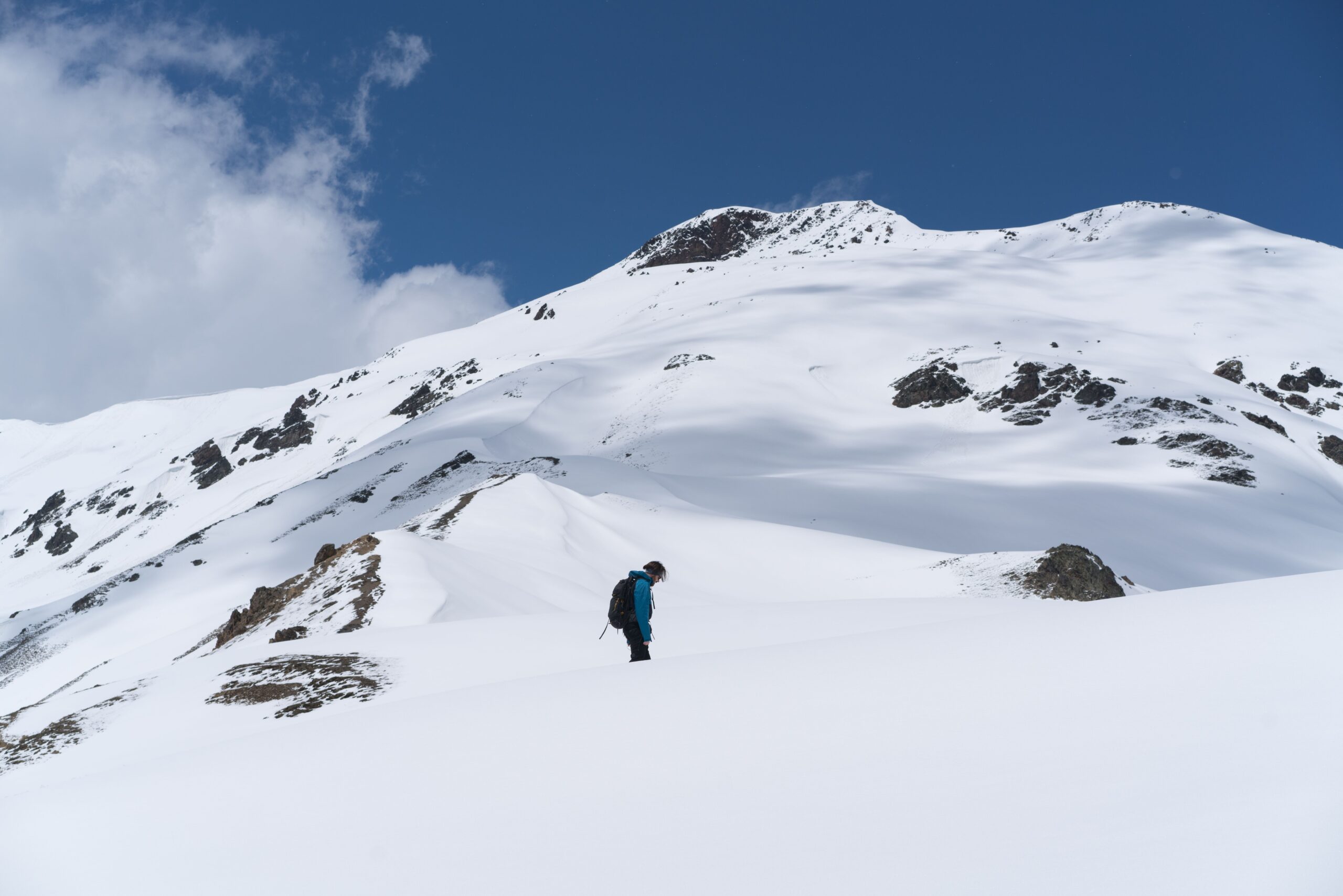
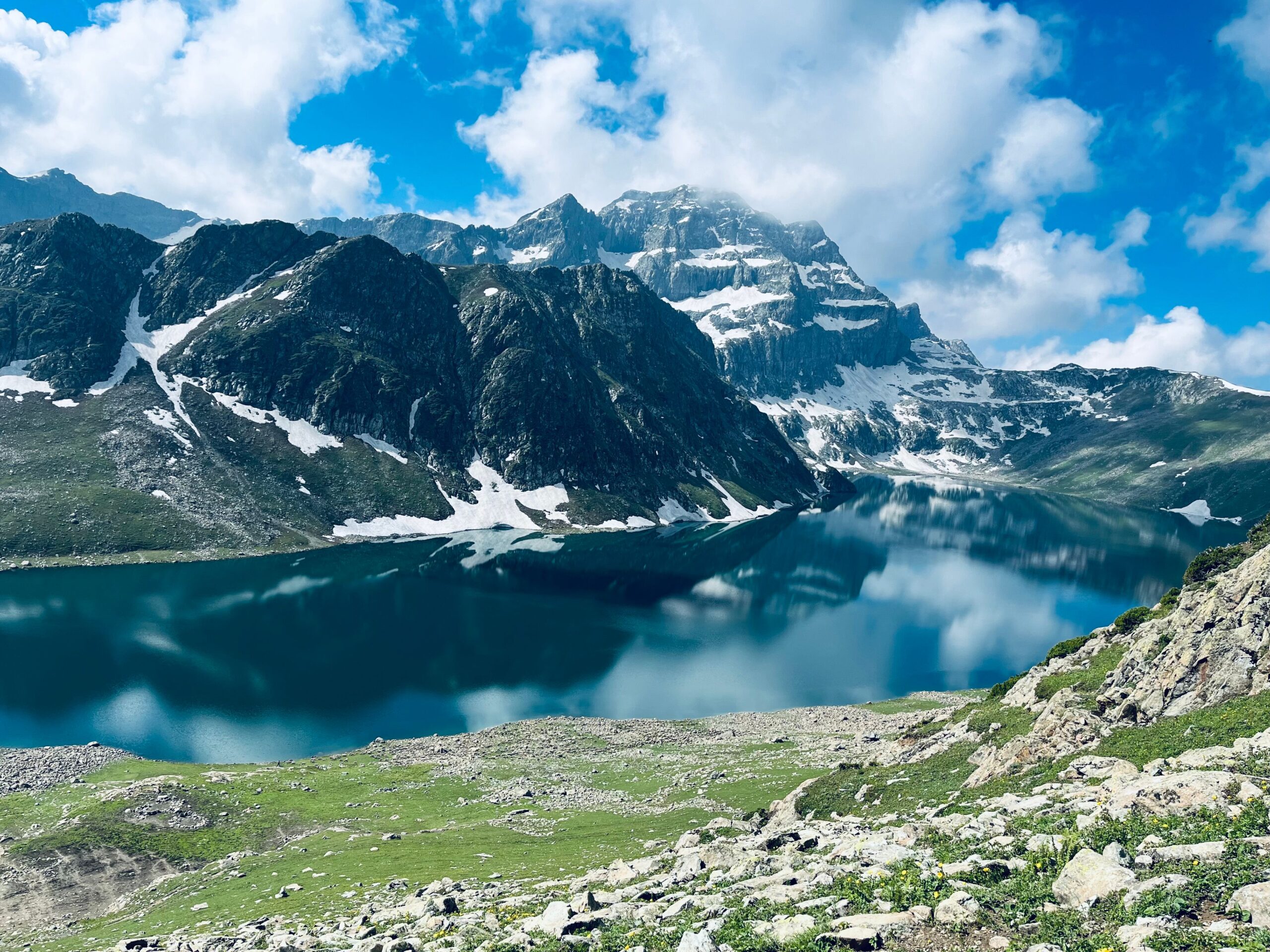
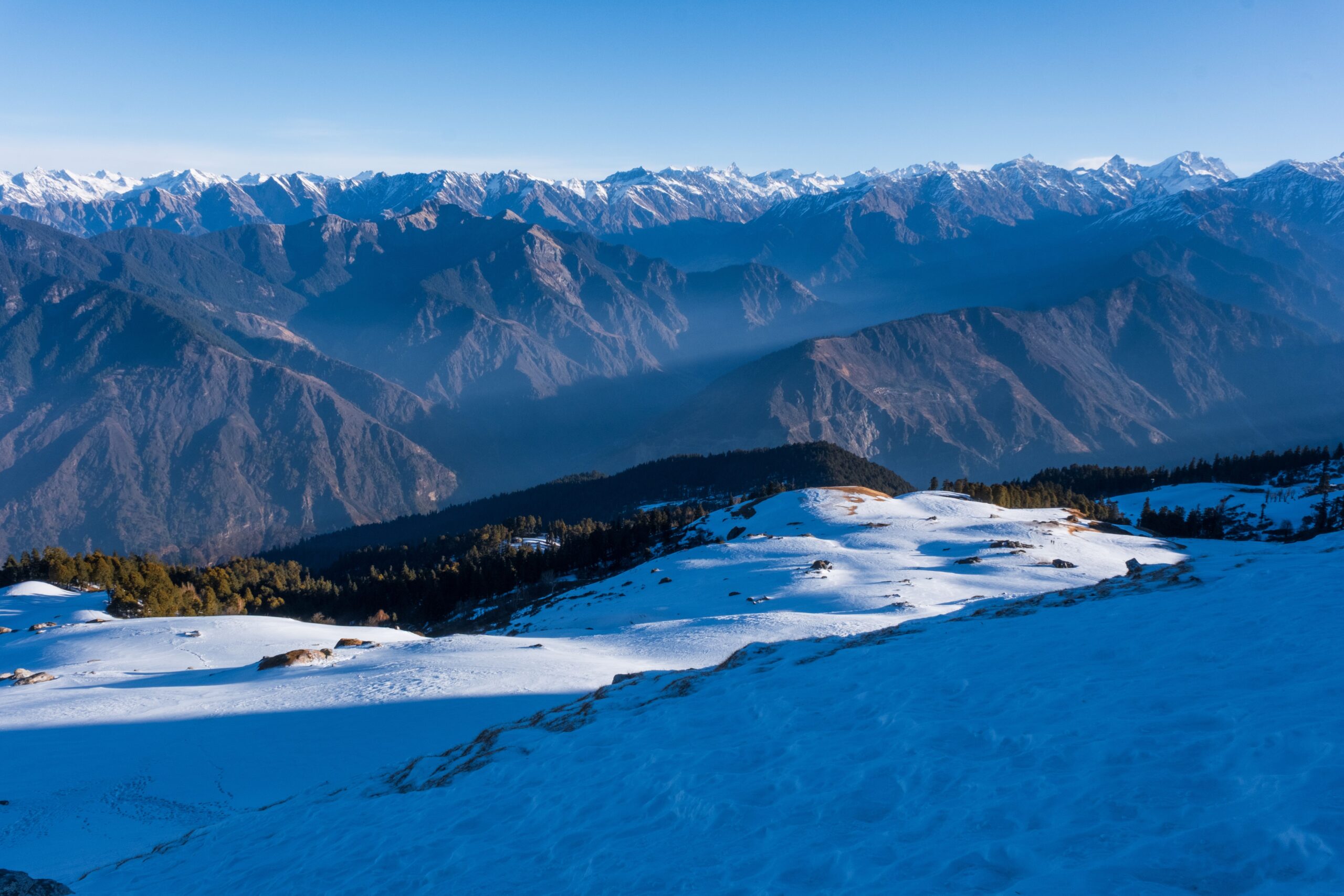
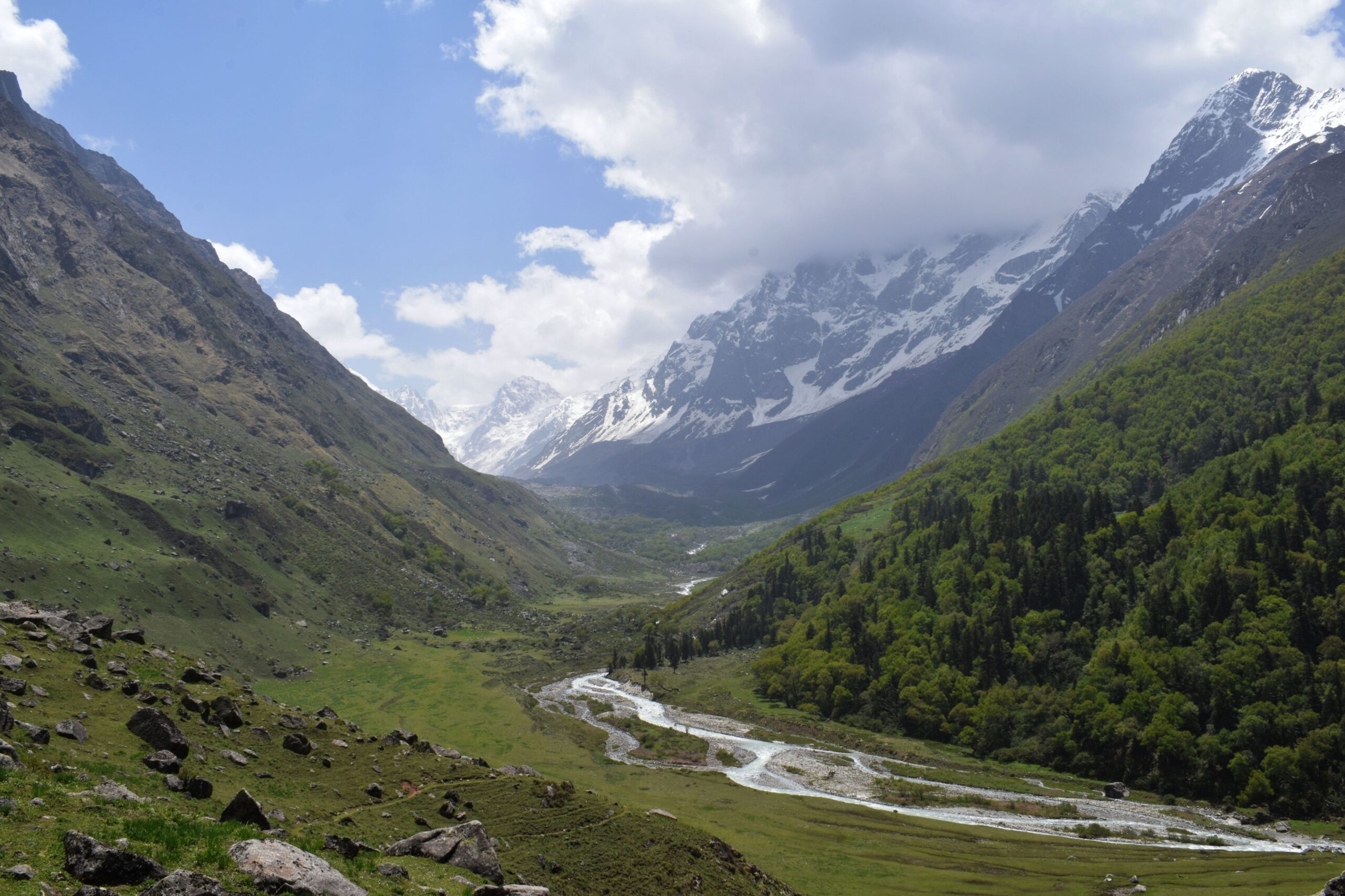
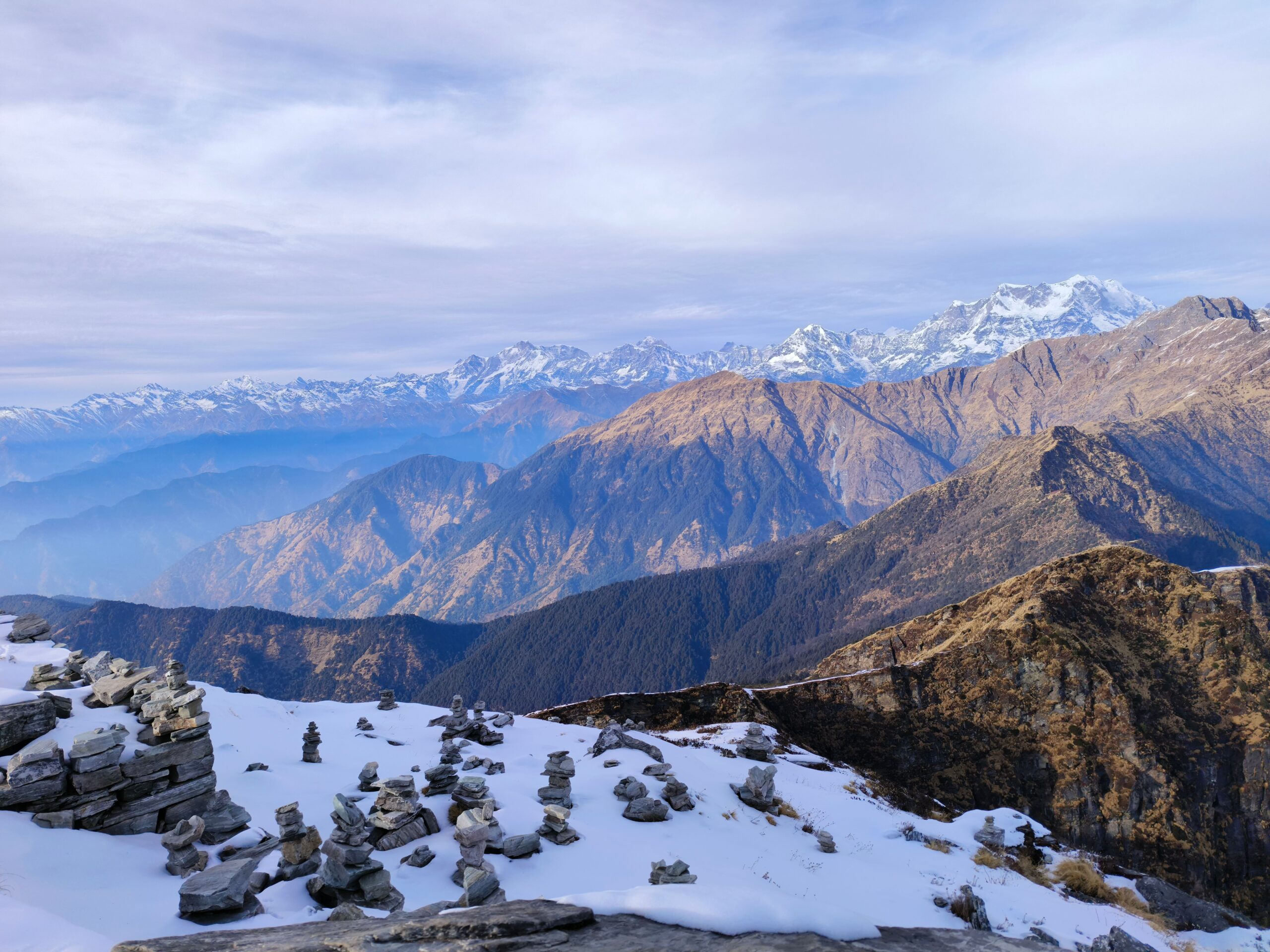
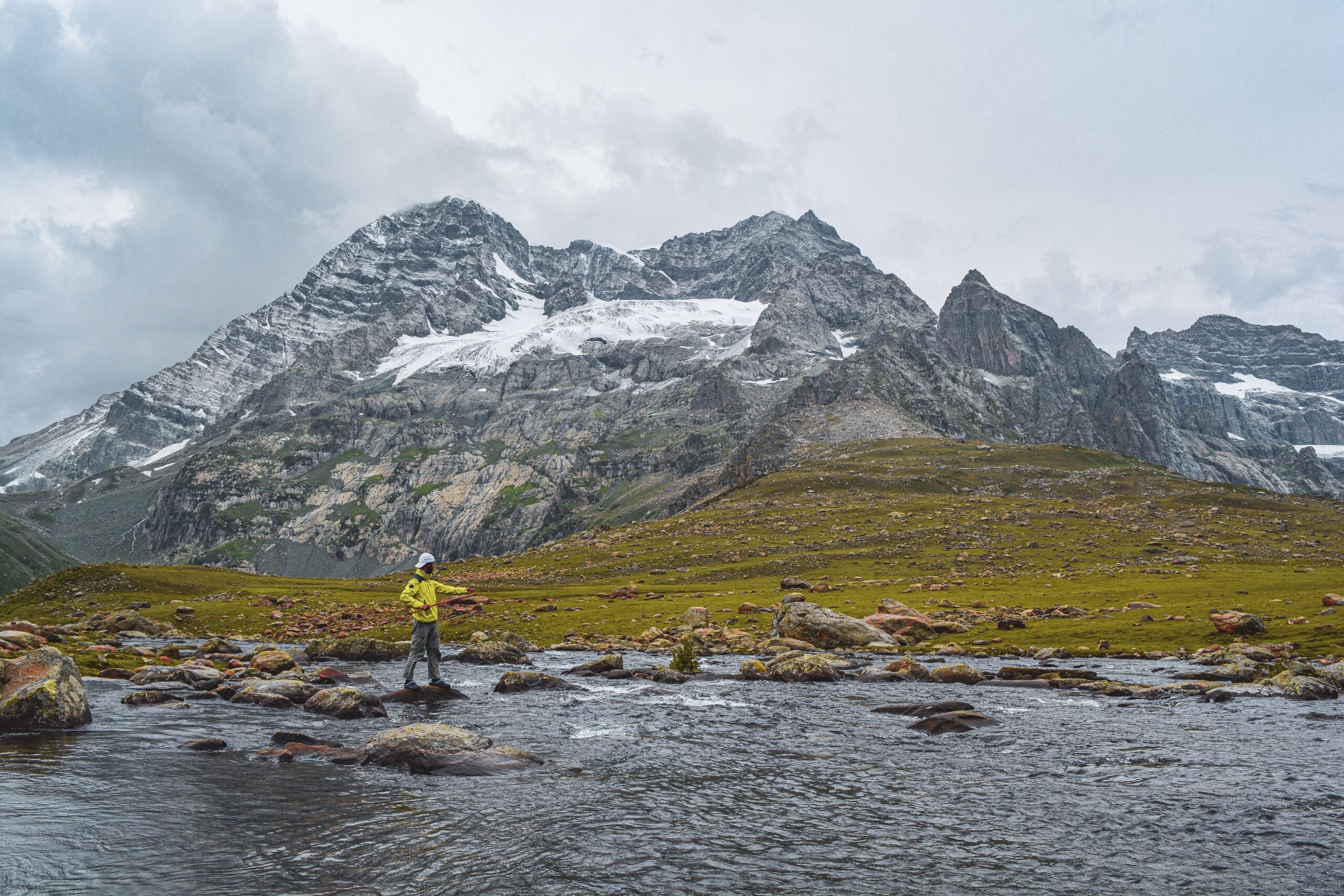
Har Ki Dun vs Kuari Pass is a common choice for trekkers planning a Himalayan trip. Both treks offer mountain views, green forests, open meadows, and a chance to explore the beauty of Uttarakhand. However, the trails offer different experiences.
Har Ki Dun is known for its wide valley, old mountain villages, rivers, and local culture. It is a good choice if you enjoy longer walks and want to explore the life of Himalayan villages.
Kuari Pass is famous for its wide views of peaks such as Nanda Devi. It follows the historic Lord Curzon Trail and is a strong choice for trekkers who want high mountain views and a shorter route. Both treks are usually rated moderate, but the distance, steep climbs, weather, and snow can affect their difficulty. In this guide, you will compare their routes, difficulty, cost, best season, and travel needs to choose the trek that suits your time, fitness, and interests.
Feature | Har Ki Dun | Kuari Pass |
Typical trip length | 7 days | 6 days |
Published trek distance | About 37 to 38 km on some itineraries; other routes report more | About 20 to 22 km on common itineraries |
Highest point | Around 11,600 to 11,700 ft | Around 12,516 ft |
Difficulty | Easy to moderate or moderate, depending on the operator | Easy to moderate or moderate, depending on the route and conditions |
Main views | River valley, forests, villages and Swargarohini range | Nanda Devi and other high peaks, forests and meadows |
Common starting area | Sankri or Kotgaon, depending on operator | Dhak or Karchi, near Joshimath |
Best fit | A longer valley walk and local culture | Big mountain views in fewer days |
These numbers are not a mistake to hide. Some Har Ki Dun itineraries include different starting points or side trips, while Kuari Pass routes may start and end at different places. Check the exact route map and daily walking plan before comparing two packages.
Which Trek Is Harder: Har Ki Dun or Kuari Pass?
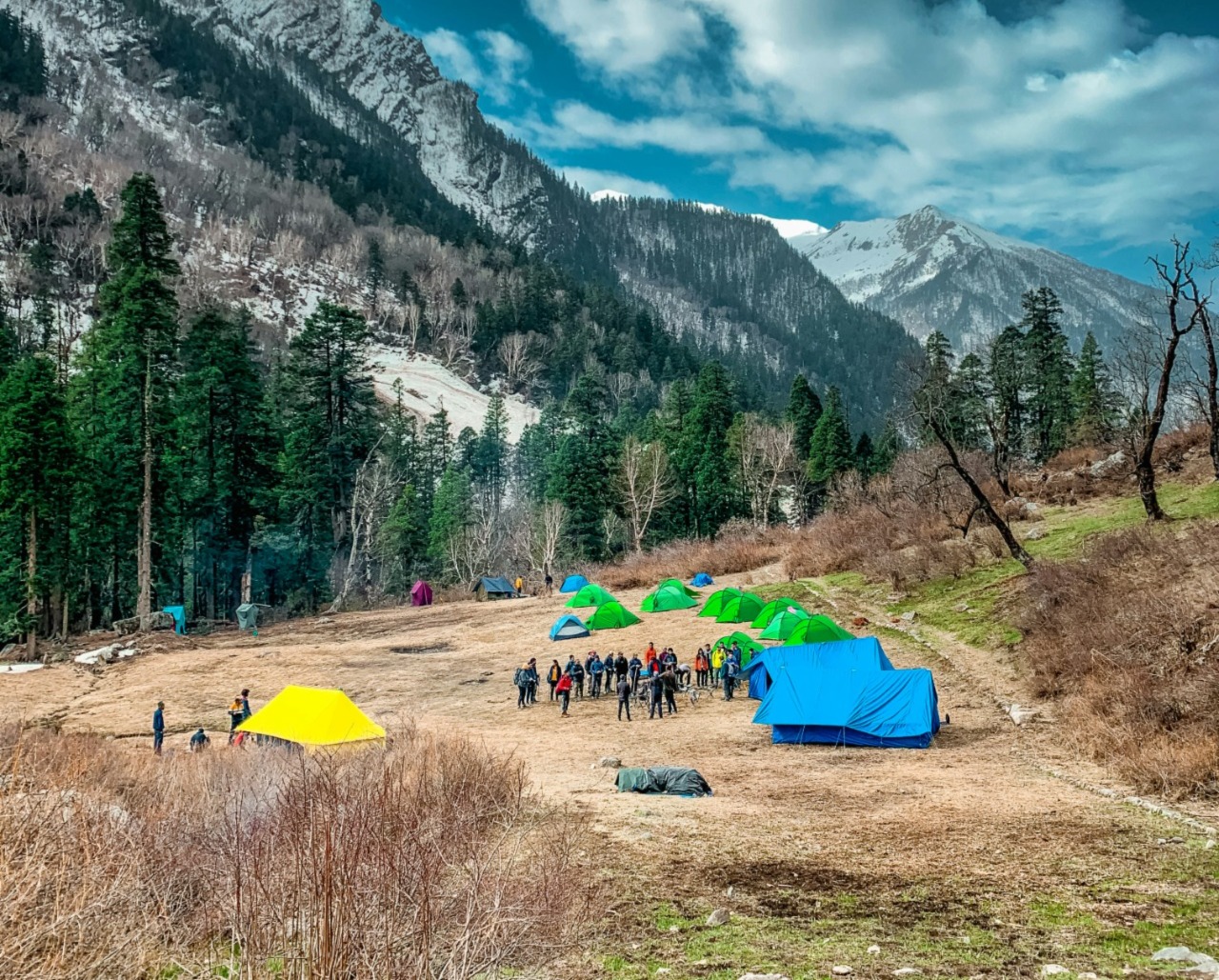
My pick for a slightly easier walking experience is Har Ki Dun in good weather, but only for trekkers who can handle long days. Kuari Pass has a higher top and a sharper climb on some routes. Har Ki Dun has a longer trail, with a steep section near Kalkatiyadhar and long days in the valley.
Har Ki Dun’s route from Gangaad to Kalkatiyadhar is about 8.4 km and takes around six hours on one published itinerary. The trail climbs through Osla and has steep parts. The next stretch towards the valley can take another long day.
Kuari Pass has a steep climb of about 1,500 ft over 2.75 km early in one route. The pass day can cover around 7 to 8 km, with an ascent and descent over high ground. Snow or strong wind can make it harder in winter.
So, do not pick Har Ki Dun just because its highest point is lower. If long walks tire you out, its extra distance may feel harder. If steep climbs are your main concern, Kuari Pass may test you more on the uphill sections.
Har Ki Dun vs Kuari Pass: Trek Cost
The trek fee depends on the operator, group size and package. Some prices cover only the trek from the base, while others include transport, stays or gear. The figures below are published examples checked on 29 October 2026, not fixed market rates.
Cost detail | Har Ki Dun | Kuari Pass |
Published trek fee example | ₹9,000 + 5% GST | ₹7,500 + 5% GST |
Trek fee including 5% GST | ₹9,450 | ₹7, 875 |
Transport | Often extra; check the package | Often extra; check the package |
Gear and insurance | Check what is included | Check what is included |
Har Ki Dun can cost more because it usually takes an extra day. But the cheapest trek fee is not always the cheapest trip. Add your travel to Dehradun or Rishikesh, road transport to the base, one extra hotel night if needed, gear rental and food before or after the trek.
For Har Ki Dun, one operator lists the Dehradun to Kotgaon road journey at about 195 km and 9 to 10 hours. For Kuari Pass, the base is near Dhak or Karchi, reached through the Joshimath area. Both trips need time for road travel, so avoid booking a tight return journey on the final day
Best Time to Visit: Month and Temperature Guide
Both treks have good spring and autumn windows, but Kuari Pass is the stronger choice for a planned winter snow trek. Har Ki Dun usually runs from spring to late autumn, and heavy snow can block its upper trail.
Season | Har Ki Dun: typical conditions | Kuari Pass: typical conditions |
March to April | Spring begins; snow may remain higher up | Snow on upper sections, with flowers appearing lower down |
May to June | Green valley and pleasant days | Green meadows and warmer days |
July to August | Monsoon rain and trail risks; departures may pause | Peak monsoon is generally avoided |
September to October | Clearer views and autumn colours | Clear mountain views and golden meadows |
November | Cold nights; check late-season access | Cold nights and possible early snow |
December to February | Usually not a standard operating season; heavy snow can block the route | Common winter-trek season, but snow and cold raise the difficulty |
Temperature varies with height and weather, so use these figures only for planning. The Har Ki Dun autumn days around 8°C to 10°C and nights from 0°C to -5°C. For Kuari Pass, its seasonal guide gives summer days around 18°C to 24°C, autumn days around 10°C to 15°C, and winter nights that can fall to -8°C to -14°C.
What Makes Each Trek Special?
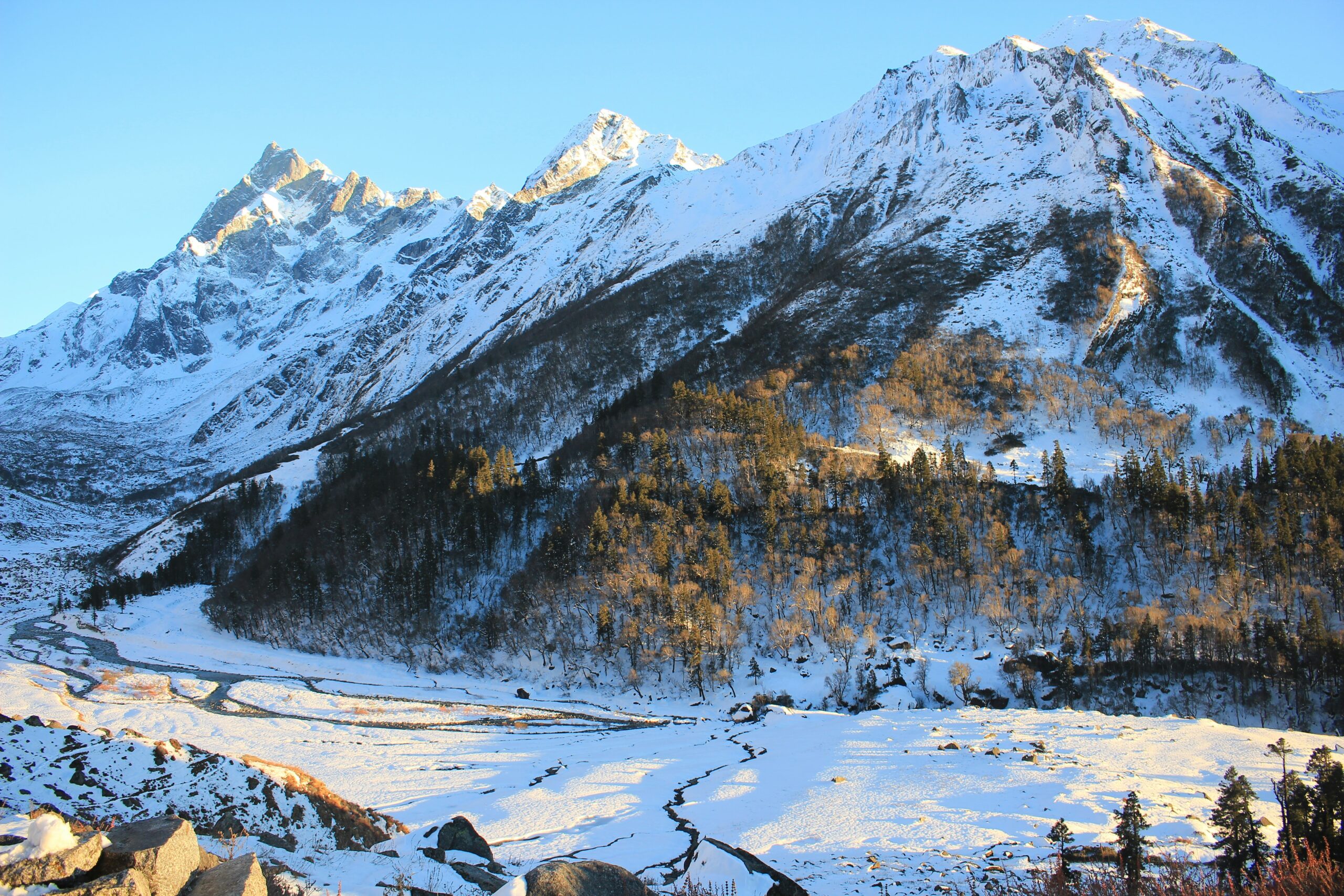
Har Ki Dun is often called the Valley of Gods. Its draw is not just the mountain view. The route passes old villages such as Osla and Seema, with wooden homes and local traditions that give the walk a strong sense of place. The valley is also linked with local stories and the Pandavas, which adds a cultural layer to the trip.
Kuari Pass is also known as Lord Curzon’s Trail. It is famous for broad views of Nanda Devi and other high peaks, with oak and rhododendron forests and open meadows along the way. If you enjoy wide views and mountain photography, Kuari Pass is a strong choice.
The stay style can also differ by operator. Har Ki Dun trips may use camps and village guesthouses or homestays, depending on the itinerary. Kuari Pass packages often use camps on the trail. Check the exact night-by-night plan before booking, especially if you prefer a bed over a tent.
Mobile coverage is limited on both treks, and you should not count on a steady signal in the mountains. Carry enough cash from a larger town and do not depend on renting all your gear at the last stop.
Which Trek Should You Choose?
Use this quick guide if you are still unsure:
- Choose Har Ki Dun for a longer valley walk, old villages, rivers and local culture.
- Choose Kuari Pass for wide Himalayan views, a high pass and a shorter standard itinerary.
- Choose Kuari Pass for winter snow, but only with proper gear and a qualified team.
- Choose Har Ki Dun for a slower trip if you have enough days and can manage long walks.
- Compare full trip costs, not just the trek fee, before paying a booking amount.
If you have only six days and want big mountain views, Kuari Pass is the more practical pick. If you can spare a week and want the valley, village life and a longer trail, Har Ki Dun is worth the extra time. Which matters more for your trip: the high mountain views or the journey through a living Himalayan valley?