The Har Ki Dun trek in November is a good choice for trekkers who enjoy quiet trails, golden forests and cold mountain views. However, nights can be very cold, and snow or ice may affect the route. The trek often runs into November, but the trail is not always safe or open throughout the month.
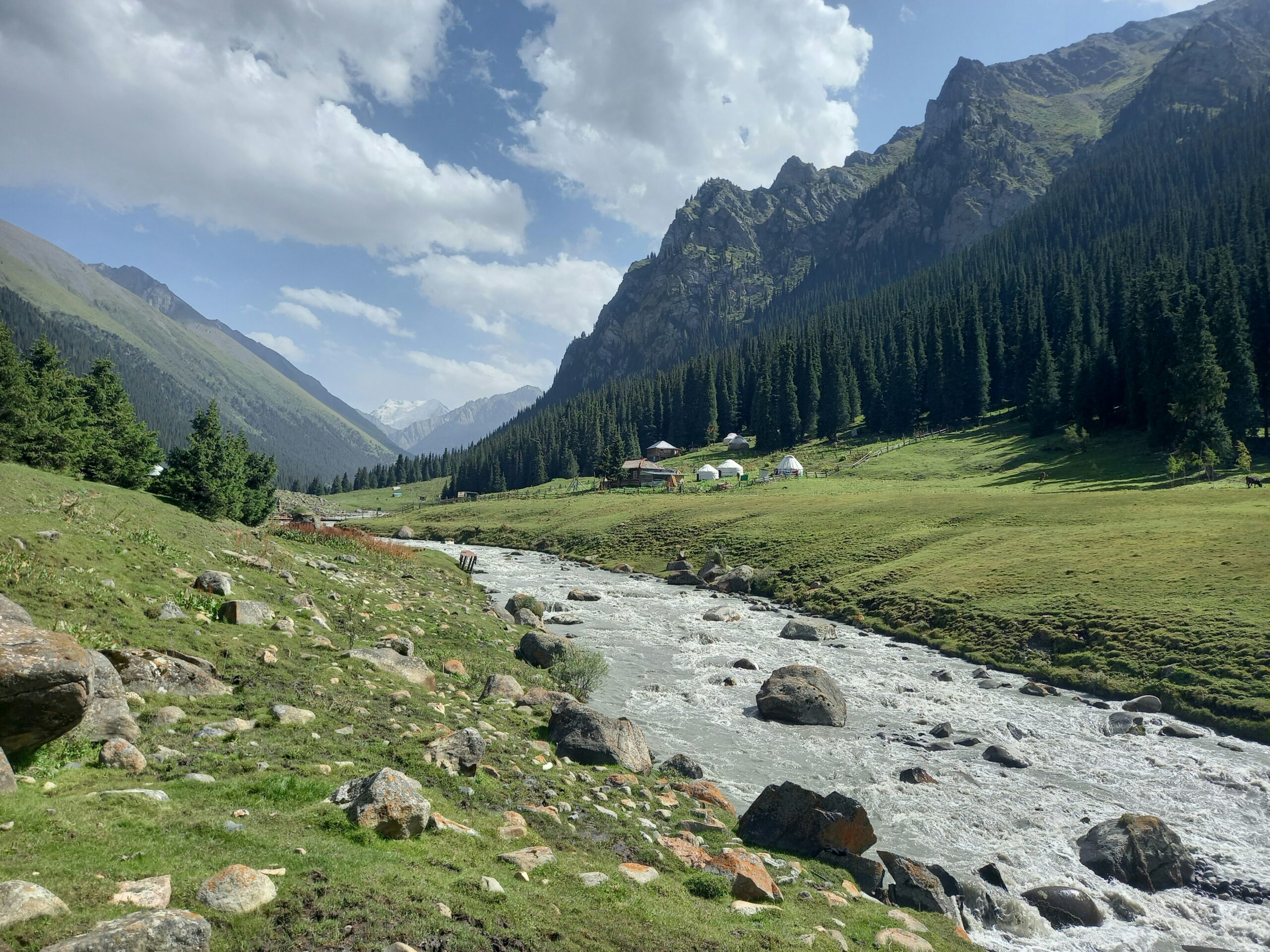
November is also the end of the autumn season. You may still see golden trees and dry mountain meadows, especially in early November. If you want brighter autumn colours and milder weather, October is usually a better choice. If you want a quieter trek and can handle the cold, November may suit you.
Har Ki Dun Weather in November
November brings cold mornings, shorter days and freezing nights at higher camps. Sunny weather is possible, but you should be ready for sudden changes. A clear morning does not mean the whole day will stay clear.
According to The Trek, temperatures during the autumn and early-winter period can be around 8–10°C during the day and 0°C to −5°C at night. These are general figures, not a forecast for every camp. Temperatures can fall lower during a cold spell.
Temperature at Different Camps
Location | Approximate altitude | Expected daytime temperature in November | Expected night temperature in November |
Sankri | 6,400–6,700 ft | 8°C to 15°C | 0°C to 5°C |
Osla | 8,200–8,500 ft | 5°C to 10°C | -3°C to 2°C |
Kalkatidhar | 10,800–10,900 ft | 0°C to 7°C | -7°C to -2°C |
Boslo | Depends on the camp location | -2°C to 5°C | -8°C to -3°C |
Har Ki Dun valley | 11,600–11,700 ft | 0°C to 6°C | -8°C to -3°C |
These are planning guides, not exact temperature records for November 2026. Temperatures change with the weather and the height of each camp. Ask our trek operator for the latest forecast before you leave. Pack warm clothes even if the daytime forecast looks mild. You will need warm layers for early starts, cold evenings and long stops on the trail.
Can You See Snow on the Har Ki Dun Trek in November?
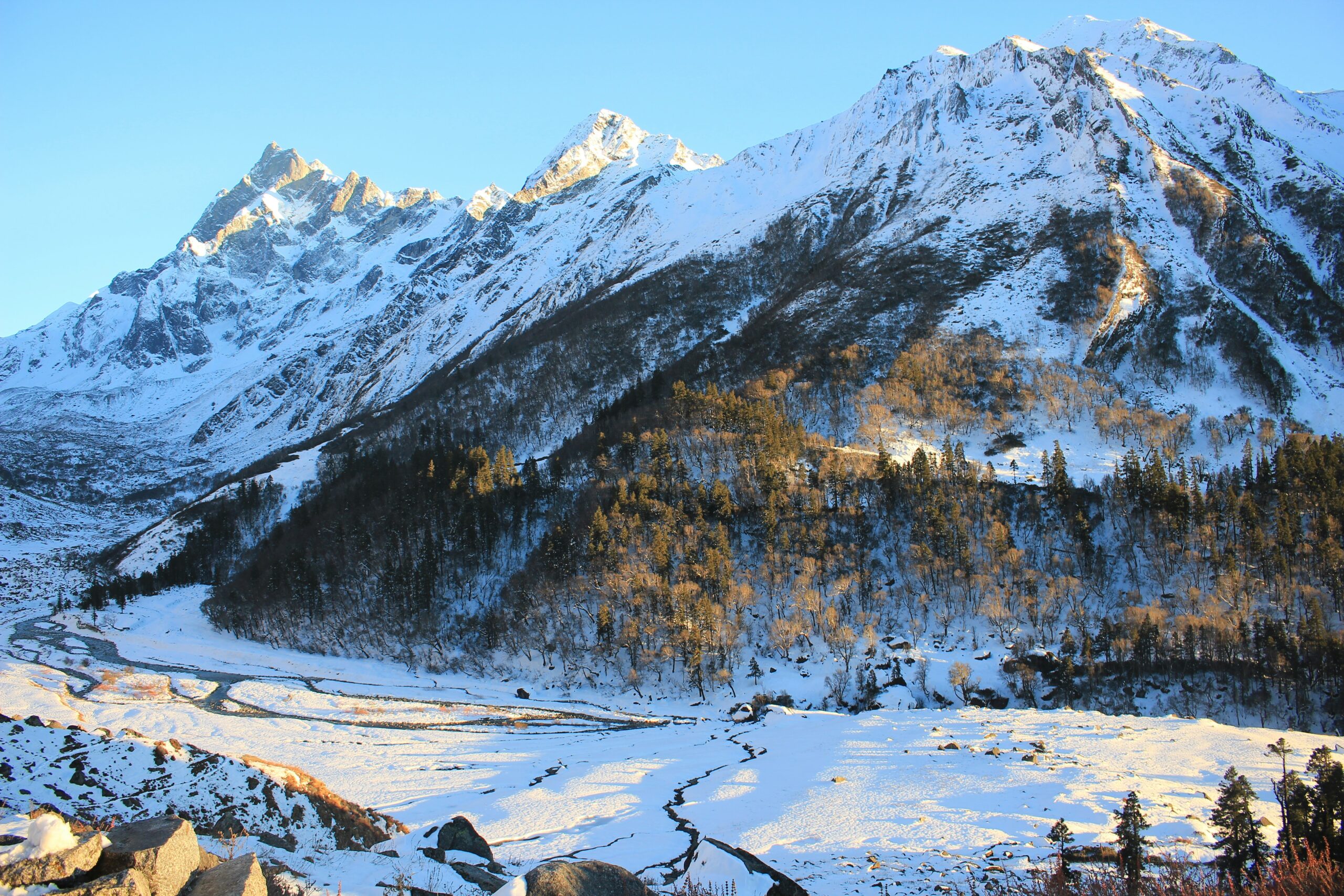
Yes, snow is possible in November, mainly at higher points. But snowfall is not certain. Some years have early snow, while other years stay mostly dry until later in the season. You do not need fresh snowfall to face winter conditions. Water and wet ground can freeze overnight, leaving ice on shaded parts of the trail. This can make walking harder and increase the risk of slipping.
Carry waterproof trekking shoes with good grip, warm socks, thermal layers, a warm jacket, gloves and a cap. Gaiters can help stop snow and water from entering your shoes. Microspikes may help on icy sections, but ask your guide whether they are needed and how to use them safely. Never continue on a dangerous trail just to reach a viewpoint. If your guide says the route is unsafe, follow their advice.
Frequently Asked Questions
Is Har Ki Dun open in November 2026?
Operators list trips in November, but this does not guarantee that every departure will run. Check the latest trail conditions and confirm your booking with the operator.
Can I see snow in November?
Yes, snow is possible at higher points, but it is not guaranteed. Ice can also form overnight, even when there has been no fresh snowfall.
Is October or November better for Har Ki Dun?
October is usually better for autumn colours and milder weather. November is colder and may have fewer trekkers, but snow and ice can make the route harder.
What is the temperature in November?
A broad guide for the season is around 8–10°C during the day and 0°C to −5°C at night. Conditions vary by camp and date, so check the latest forecast before leaving.






