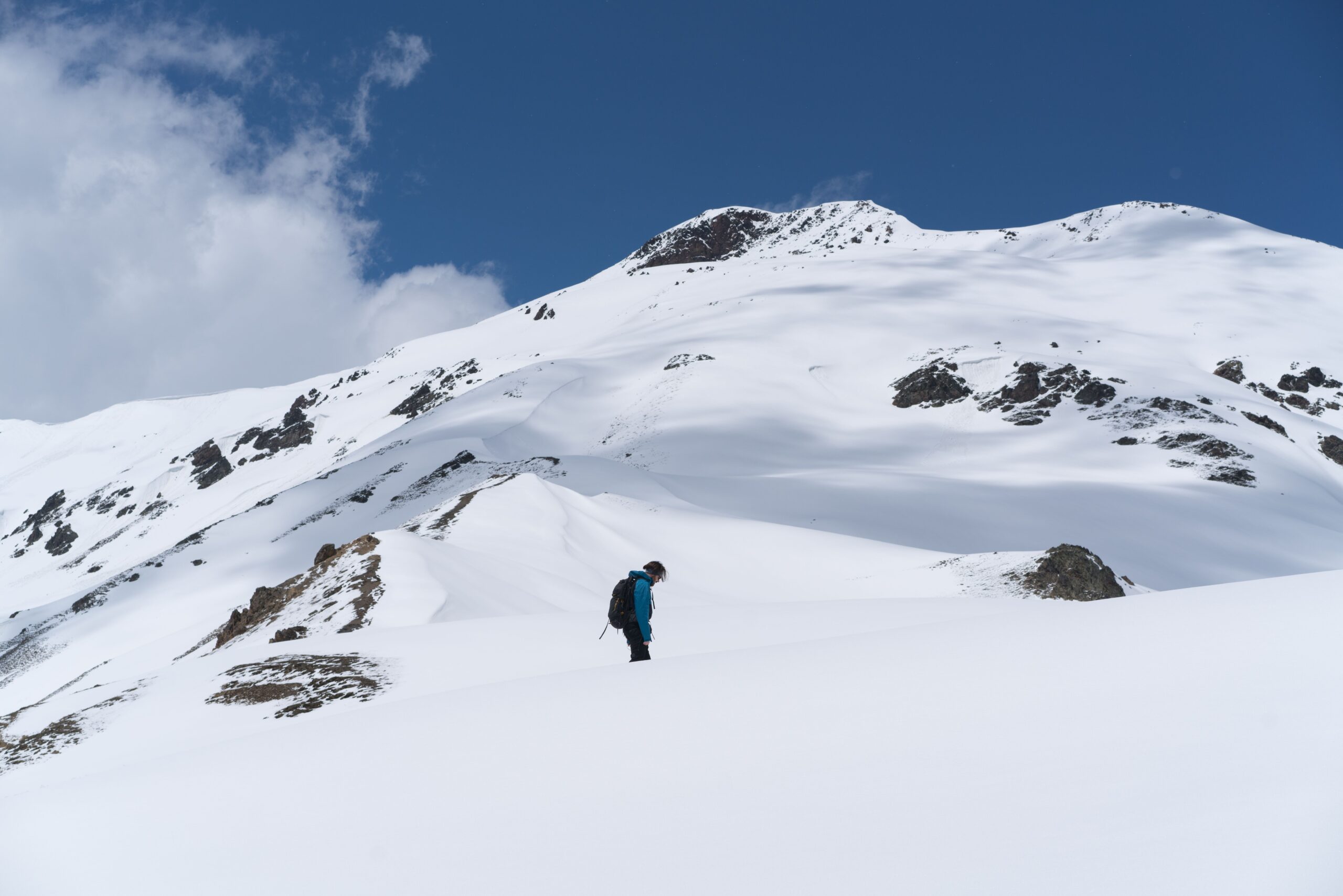
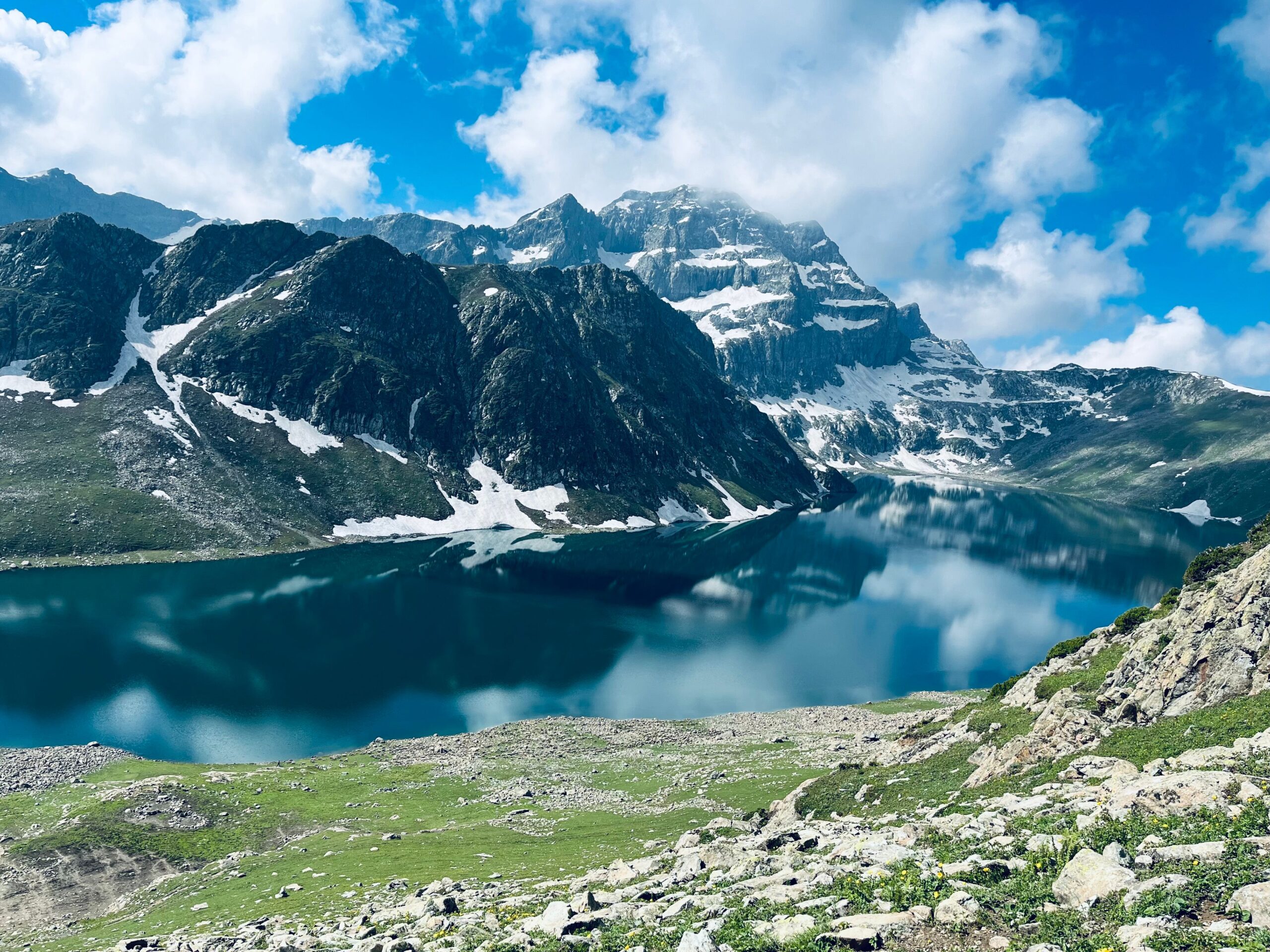
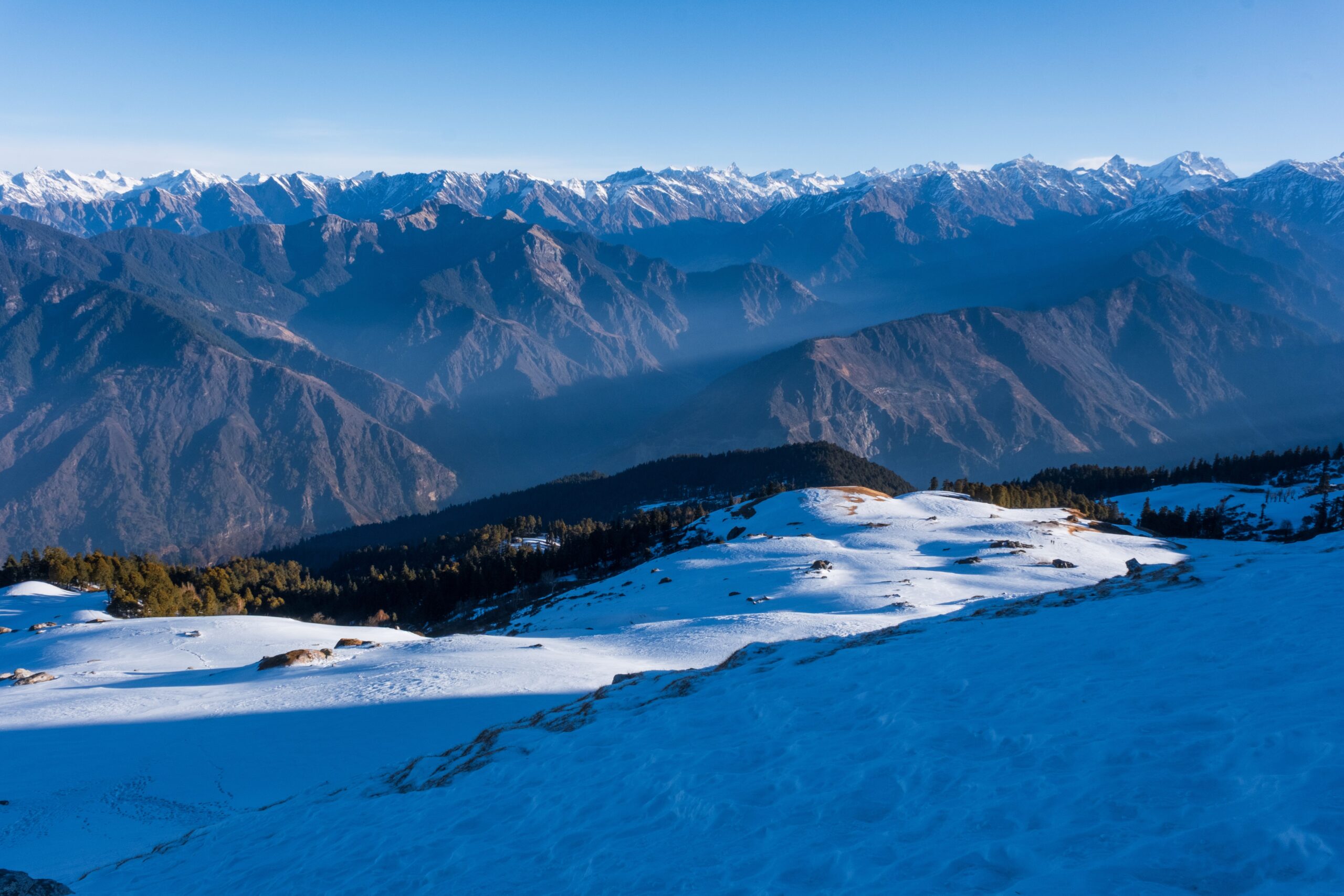
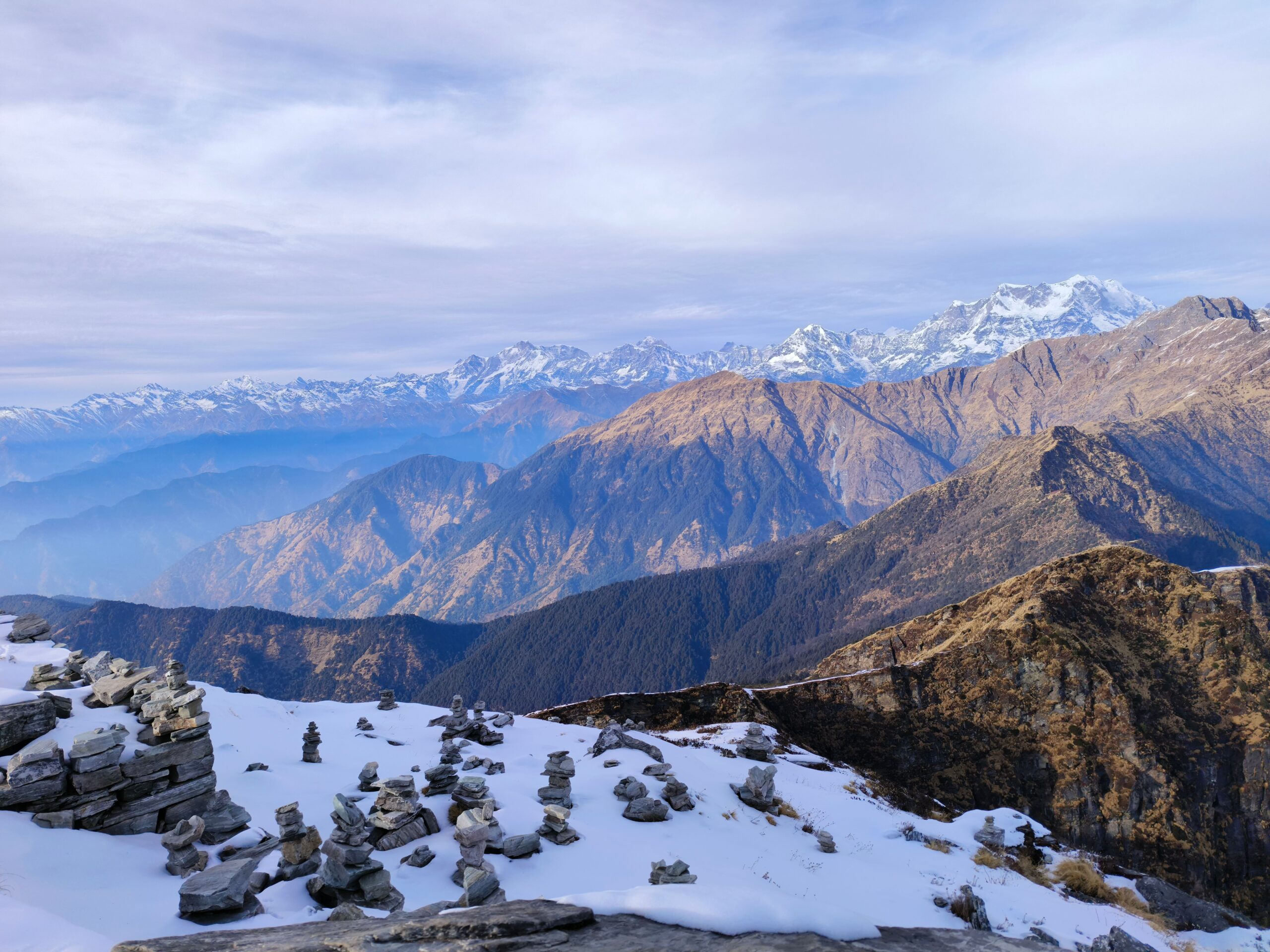
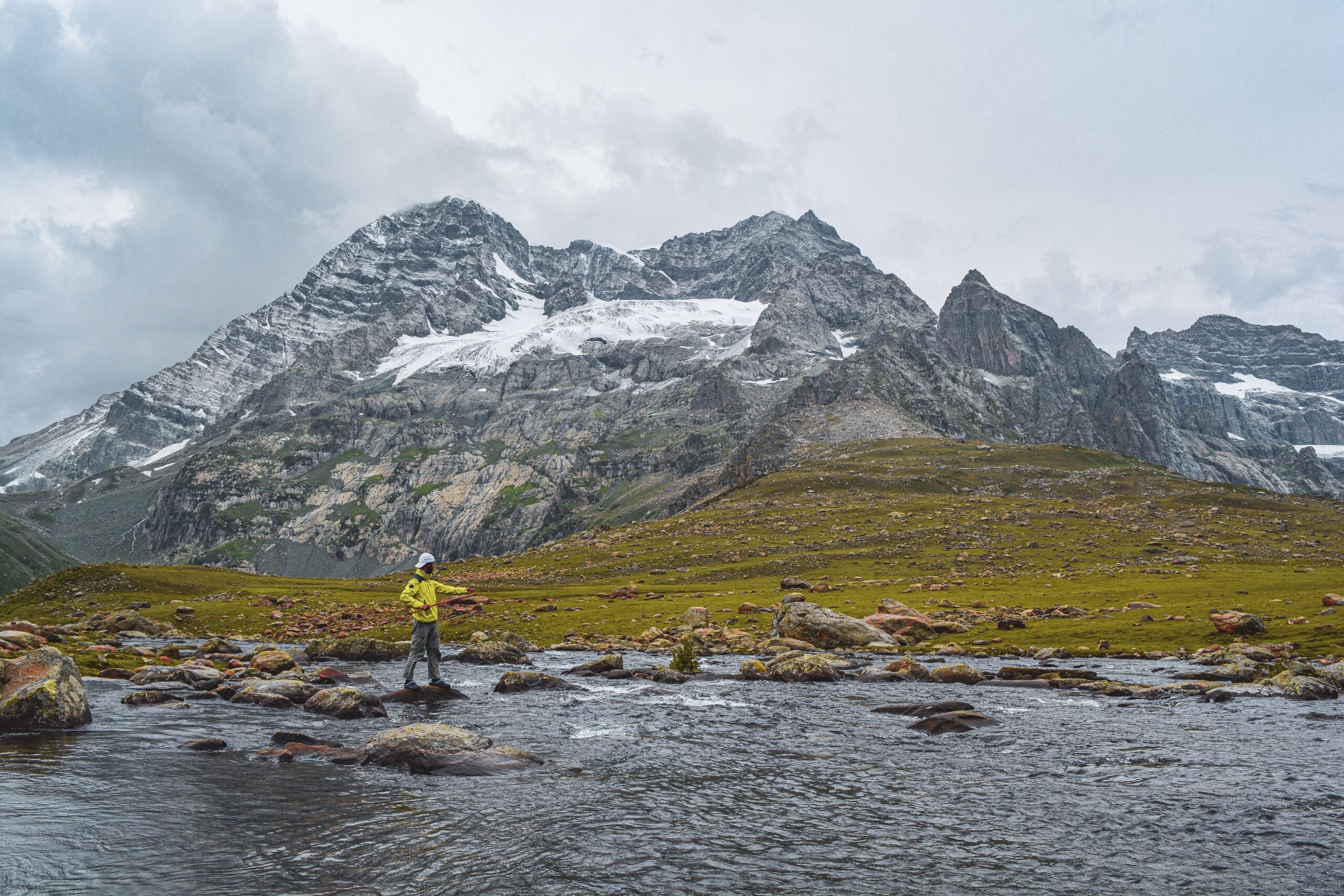
May is a good month for the Har Ki Dun Trek if you want green valleys, mountain views, and a chance to see snow on the higher slopes. Days are often pleasant for walking, but nights can be very cold at higher camps. In the first week of May, some parts of the trail may still have snow. The trek usually takes 7 days and covers around 40–45 km, depending on the route. The highest point is about 11,600 ft. Along the way, you pass through forests, old mountain villages, and open meadows.
May is a good choice if you want to see the valley in spring. However, you must pack warm clothes and be ready for rain, cold nights, and changes in trail conditions.
Har Ki Dun Temperature in May
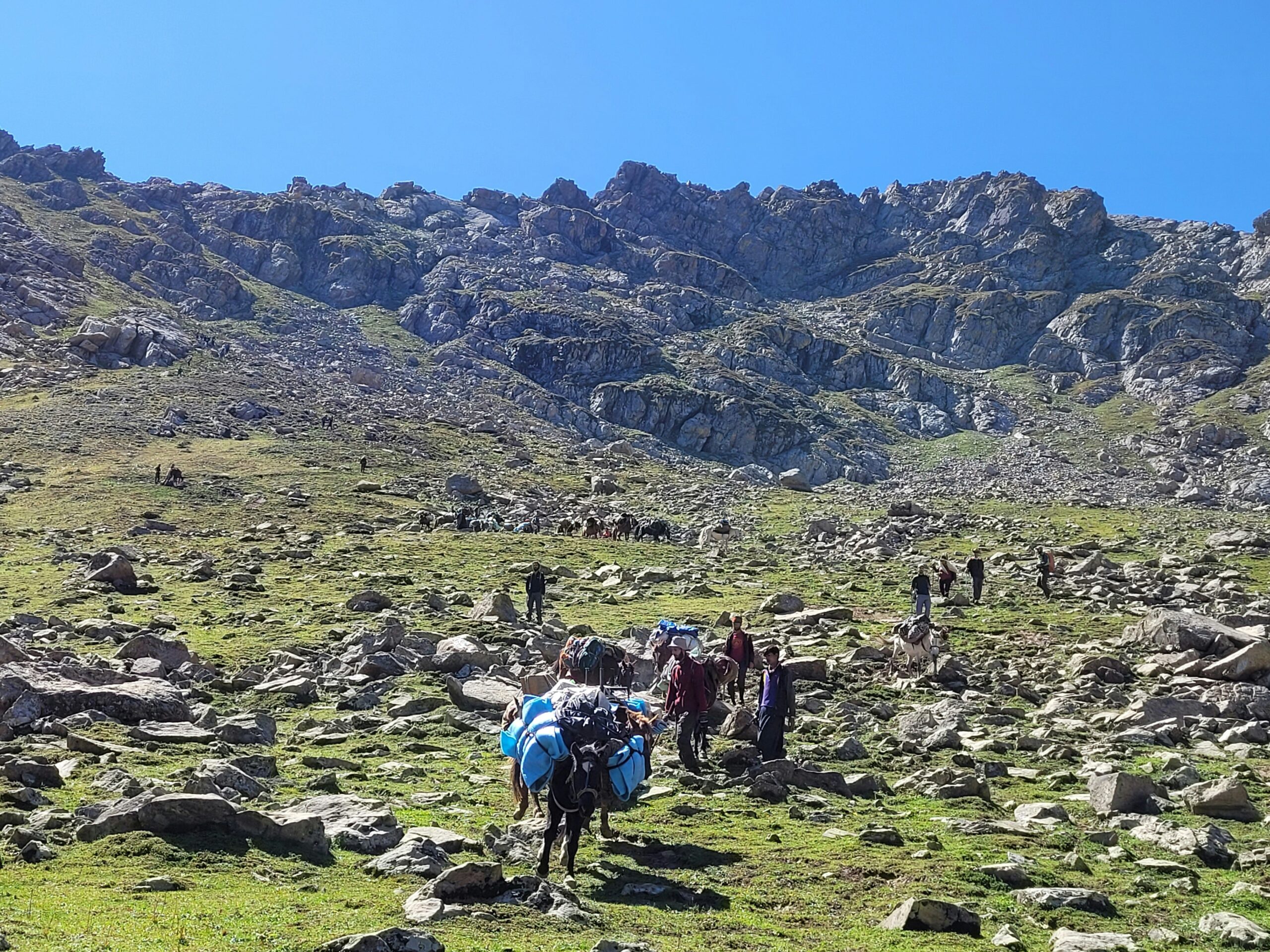
The temperature changes as you walk higher into the mountains. Lower villages are usually warmer than the camps near Har Ki Dun Valley. The table below gives rough temperature ranges for planning. These are not live readings or a forecast for your trek dates.
Location | Approximate altitude | Day temperature | Night temperature |
Sankri | 6,400–6,500 ft | 12–22°C | 5–10°C |
Gangaad and Osla area | 7,700–8,500 ft | 8–18°C | 0–7°C |
Kalkatiyadhar | Around 10,000 ft | 5–15°C | -2–5°C |
Har Ki Dun Valley | Around 11,600 ft | 5–15°C | -2–5°C |
The weather can change quickly in the mountains. A sunny day may feel warm while you walk, but the temperature can fall after sunset. Wind and wet clothes can make you feel even colder.
Pack a warm jacket, a fleece, thermal clothes, gloves, and a warm cap. Do not choose your clothes based only on the daytime temperature.
What to Pack for the Har Ki Dun Trek in May
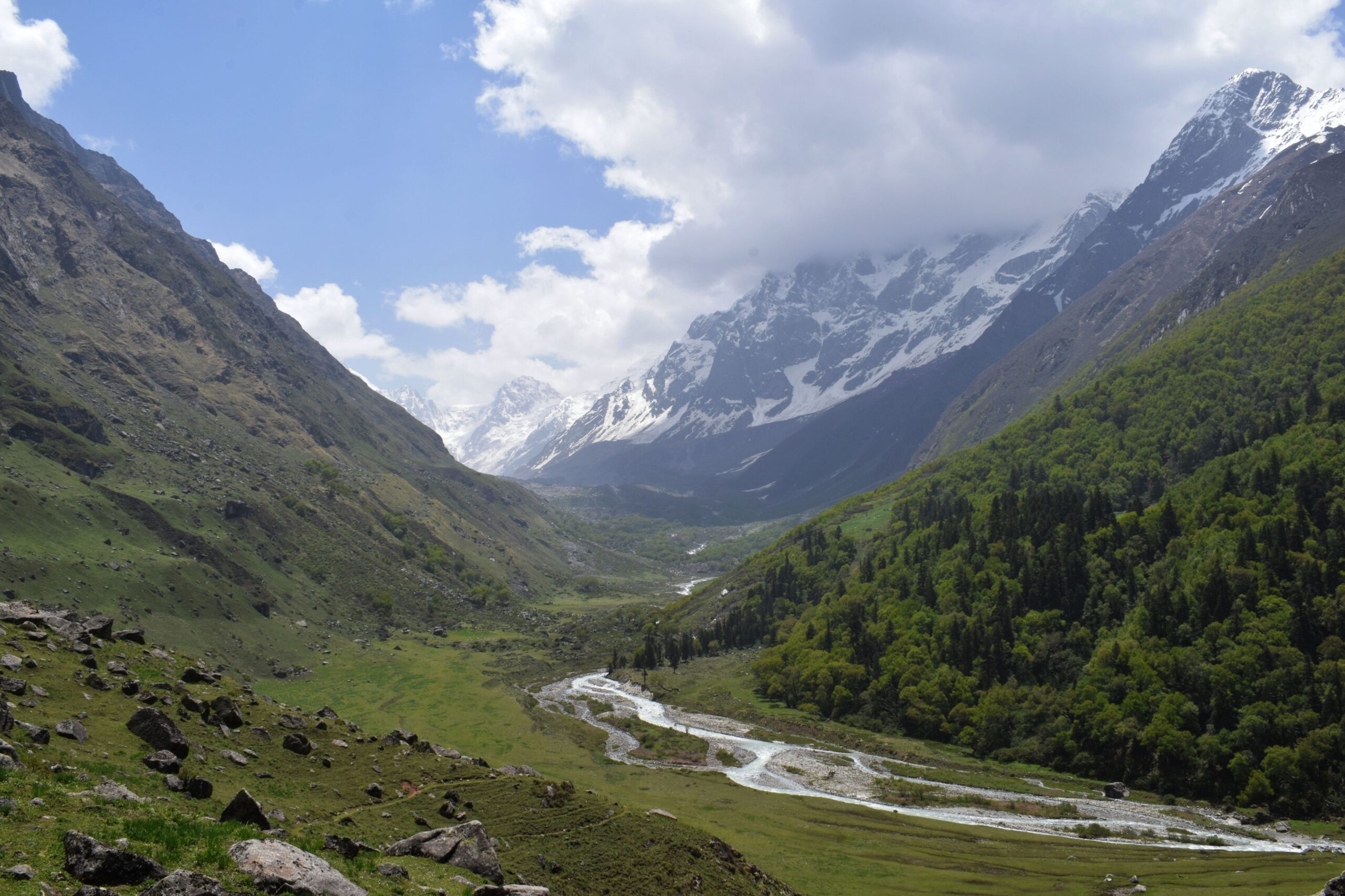
Pack for warm days, cold nights, rain, and possible snow. Keep items you may need during the day in an easy-to-reach place in your backpack.
Clothes
- Quick-drying T-shirts and trekking trousers.
- Thermal top and bottom for cold nights.
- Fleece or another warm layer.
- Down or synthetic insulated jacket.
- Waterproof jacket and rain trousers if needed.
- Warm cap, gloves, and extra socks.
- Comfortable clothes for sleeping.
Shoes and trekking gear
- Broken-in trekking shoes with a good grip.
- Trekking poles for help on uneven paths.
- Sunglasses and sunscreen.
- Headlamp with spare batteries.
- Water bottles or a water bladder.
- Small daypack and waterproof bags for spare clothes.
Personal items
- Personal medicines and a basic first-aid kit.
- Blister tape or blister dressings.
- Toiletries and waste bags.
- Power bank, as charging points may be limited.
- ID and any documents your operator asks for.
Ask your operator what camping gear they provide. You may not need to carry a sleeping bag or other large items yourself. If you want someone to carry your main bag, check the weight limit and extra cost before the trek. Keep your medicines, water, rain jacket, snacks, and one warm layer in your daypack.
Frequently Asked Questions
Is Har Ki Dun open in May?
May is part of the usual spring and early-summer trekking season. Access can still change because of weather, trail conditions, or local rules. Confirm your departure before travelling.
What is the Har Ki Dun temperature in May?
Daytime temperatures may range from about 5°C to 22°C, depending on the location and weather. Nights at higher camps can fall below 0°C. Use the table above as a rough guide, not a daily forecast.
Will I see snow on the trek in May?
You may see snow on higher slopes and in shaded parts of the trail. Snow on the main path is not certain, even in early May.