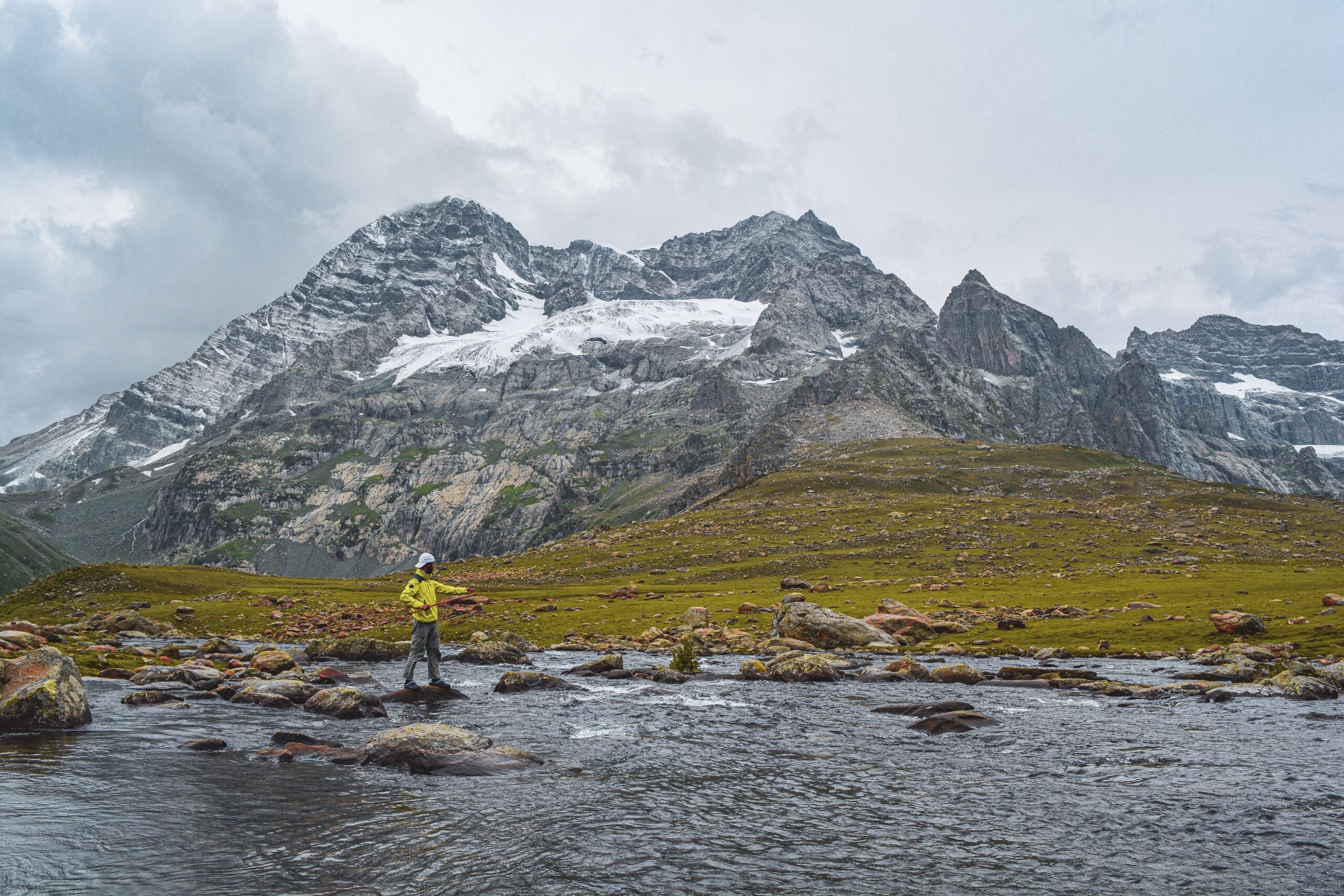
The best time for the Har Ki Dun trek is April to June and September to November. For most first-time trekkers, May and October are strong choices. May brings spring flowers and green slopes, while October often offers crisp air and clear mountain views. July and August are best avoided for most visitors because heavy rain can affect trails and roads.
Har Ki Dun sits in Uttarkashi, Uttarakhand, at about 12,000 feet. The route passes through forest, mountain streams and old villages before reaching a wide valley below high Himalayan peaks. The right month depends on what you want to see, how well you handle cold, and whether you are ready for snow or rain.
Har Ki Dun Trek Best Time: Quick Facts
Travel detail | What you should know |
Best seasons | Spring, summer and autumn |
Best months for most trekkers | May and October |
Spring window | April to early June |
Autumn window | Mid-September to November, depending on conditions |
Months to avoid for most visitors | July and August |
Valley altitude | About 12,000 ft (3,566 m) |
Common trek route | Sankri, Taluka, Osla and Har Ki Dun |
Approximate trek distance | Around 38 km on the route listed by Uttarakhand Tourism |
Permit | Check current registration and permit rules before travel |
These are general planning details, not a promise of clear weather or open trails. Uttarakhand Tourism lists April to June and September to November as the main visiting windows.
Har Ki Dun Trek Weather Month by Month
The table below gives rough planning estimates for temperatures around the valley, not official monthly weather records. Actual readings can change with altitude, snowfall, cloud cover and the time of day. Treat the trail status as a seasonal guide, then confirm local conditions before leaving.
Month | Approx. daytime temperature | Approx. night temperature | Usual conditions |
January | -5°C to 2°C | -12°C to -6°C | Very cold, snow possible |
February | -4°C to 4°C | -11°C to -5°C | Winter snow and icy paths |
March | 0°C to 8°C | -6°C to 0°C | Snow may remain at higher points |
April | 8°C to 14°C | 0°C to 4°C | Spring begins, snow may remain |
May | 12°C to 18°C | 4°C to 8°C | Green views and good trekking weather |
June | 14°C to 20°C | 6°C to 10°C | Pleasant days, rain risk rises later |
July | 14°C to 18°C | 8°C to 12°C | Monsoon rain and slippery trails |
August | 13°C to 17°C | 7°C to 11°C | Wet trails and road disruption risk |
September | 10°C to 16°C | 4°C to 8°C | Fresh greenery, rain may continue early |
October | 6°C to 14°C | -2°C to 4°C | Clear air, cold nights |
November | 2°C to 10°C | -5°C to 0°C | Cold weather, early snow possible |
December | -3°C to 5°C | -10°C to -5°C | Winter conditions and snowfall risk |
Temperature ranges are indicative and may differ from conditions at Sankri or lower camps. Do not use them as a substitute for a local forecast.
Har Ki Dun Trek in Spring: March and April
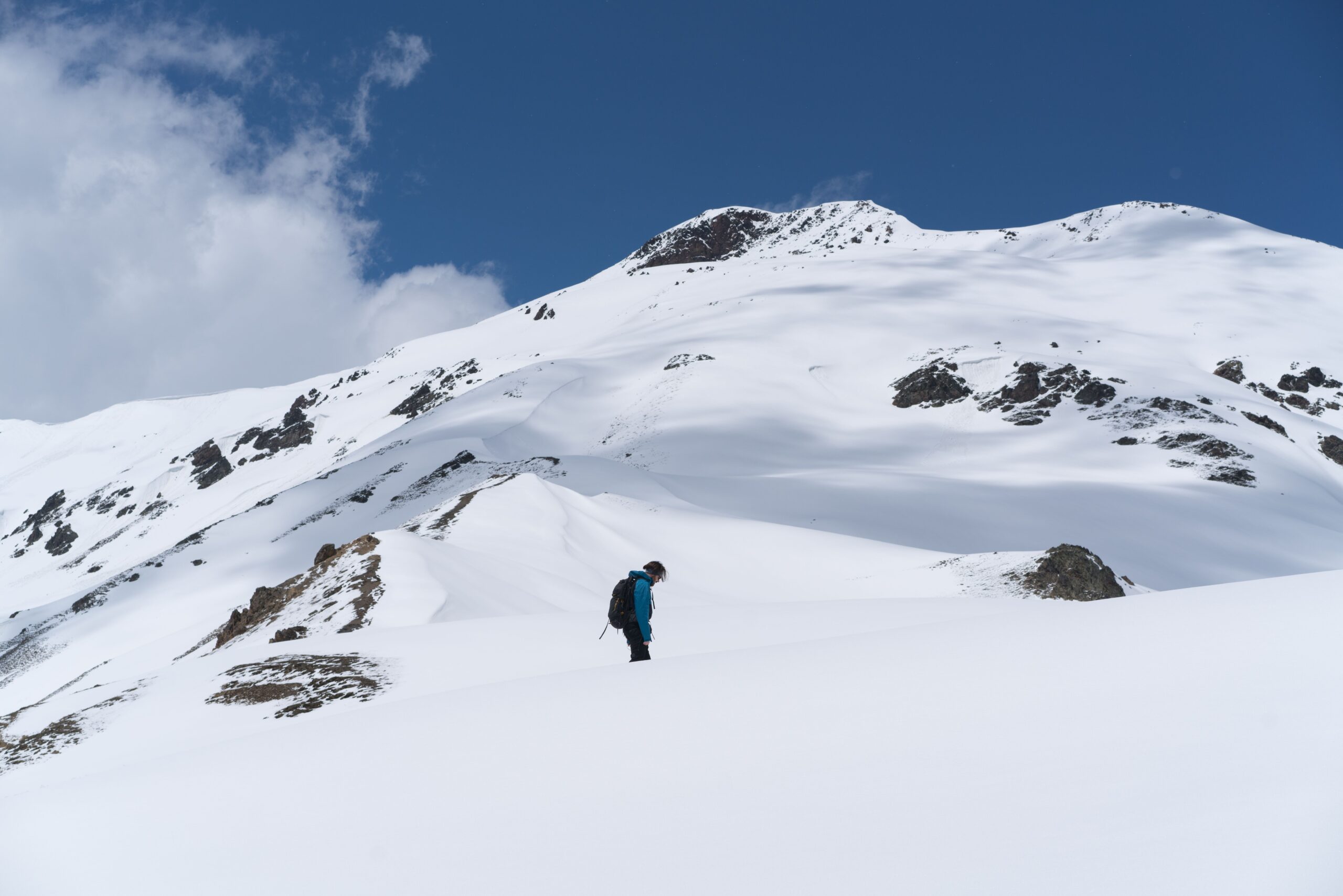
March is a changeover month. Snow can remain on higher parts of the trail, even when lower villages begin to feel warmer. Walking may be slow where snow covers the path, so this month suits people who are ready for cold weather and changing trail conditions.
April brings a better chance of spring views. Lower forests begin to look fresh, streams flow through the valley, and flowers start to appear in some areas. Early April can still bring snow at higher points, while later April is often more suitable for people who want spring scenery without the deepest winter conditions.
If you plan to go in April, ask your trek operator about snow on the route and the condition of camps. Do not assume that a clear road to Sankri means the entire trekking trail is snow-free.
Har Ki Dun Trek in May
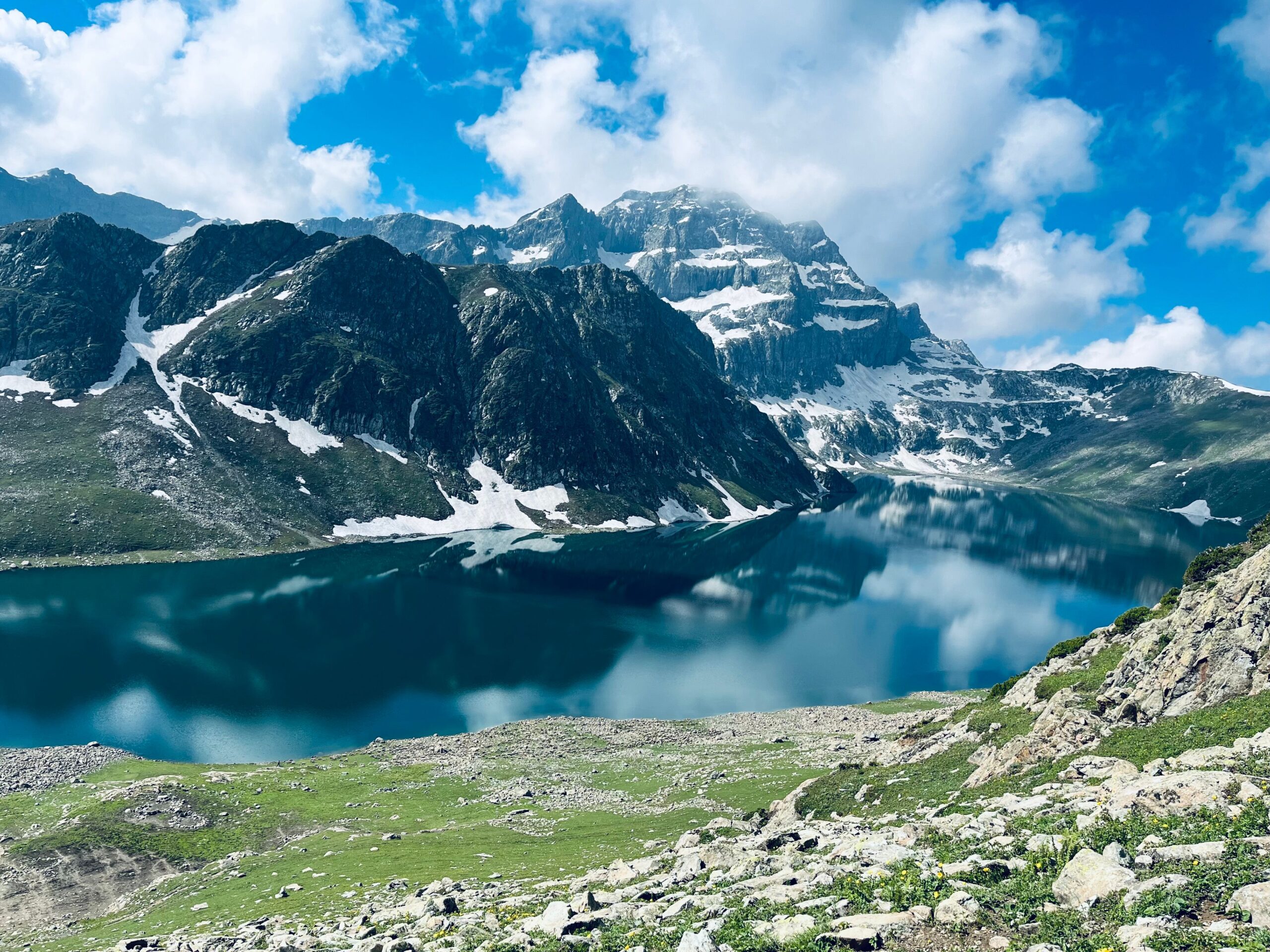
May is one of the best months for most trekkers. The days are often pleasant for walking, the valley starts to look green, and spring flowers add colour to the forests and slopes. Snow may still be visible on distant peaks, giving the valley a classic Himalayan look.
May can suit fit beginners who want to enjoy the scenery without the main monsoon risks. Nights are still cold, especially at higher camps, so carry warm layers rather than packing only for sunny afternoons. Holiday periods can be busy, so book transport and your trek well ahead.
Har Ki Dun Trek in June
June is a good choice for people who want green scenery and warmer daytime weather. The first half of the month is often more settled than the later part, though conditions vary each year. Snowmelt can also make streams stronger, so follow your guide’s advice at water crossings.
As June moves towards its end, pre-monsoon showers and changing weather may affect the route. Start walks early when advised, keep rain protection handy and allow some flexibility in your travel plan. If your dates are fixed, ask about the latest forecast before you leave home.
Har Ki Dun Trek in July and August
July and August fall within the monsoon period. The valley may look lush, but heavy rain can make paths slippery, raise stream levels and cause landslides or delays on the road to Sankri. Cloud and mist can also block the mountain views.
Uttarakhand Tourism lists April to June and September to November as the main season for visiting Govind National Park, rather than July and August. This does not by itself prove that every part of the route is formally closed throughout the monsoon. Access can depend on current orders, permits, road conditions and local decisions.
For most visitors, it is wiser to choose another month. If you are considering a monsoon departure, first get clear confirmation from the local authorities or a registered operator that the trek is permitted and safe to run on your dates. Do not travel on the assumption that a booking means the trail is open.
Har Ki Dun Trek in September
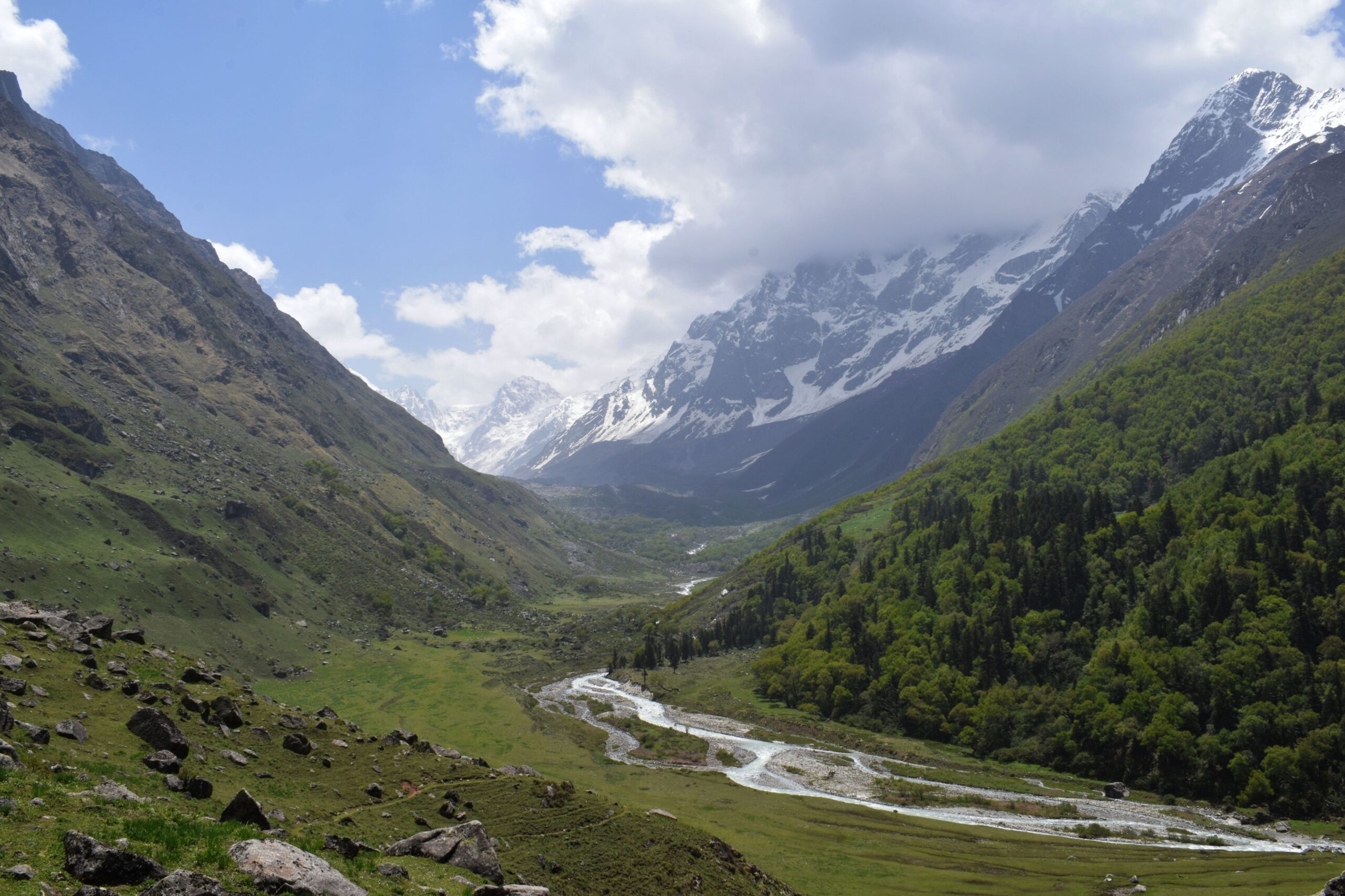
September can be an excellent month, especially after the main monsoon rain begins to ease. The valley often stays green, streams continue to flow, and clear days can offer wide views of the surrounding peaks. The early part of the month may still bring heavy showers, so conditions can differ greatly between early and late September.
If you want a mix of fresh green scenery and clearer skies, the second half of September may be worth considering. Keep a little flexibility in your schedule because the end of the monsoon varies from year to year.
Har Ki Dun Trek in October
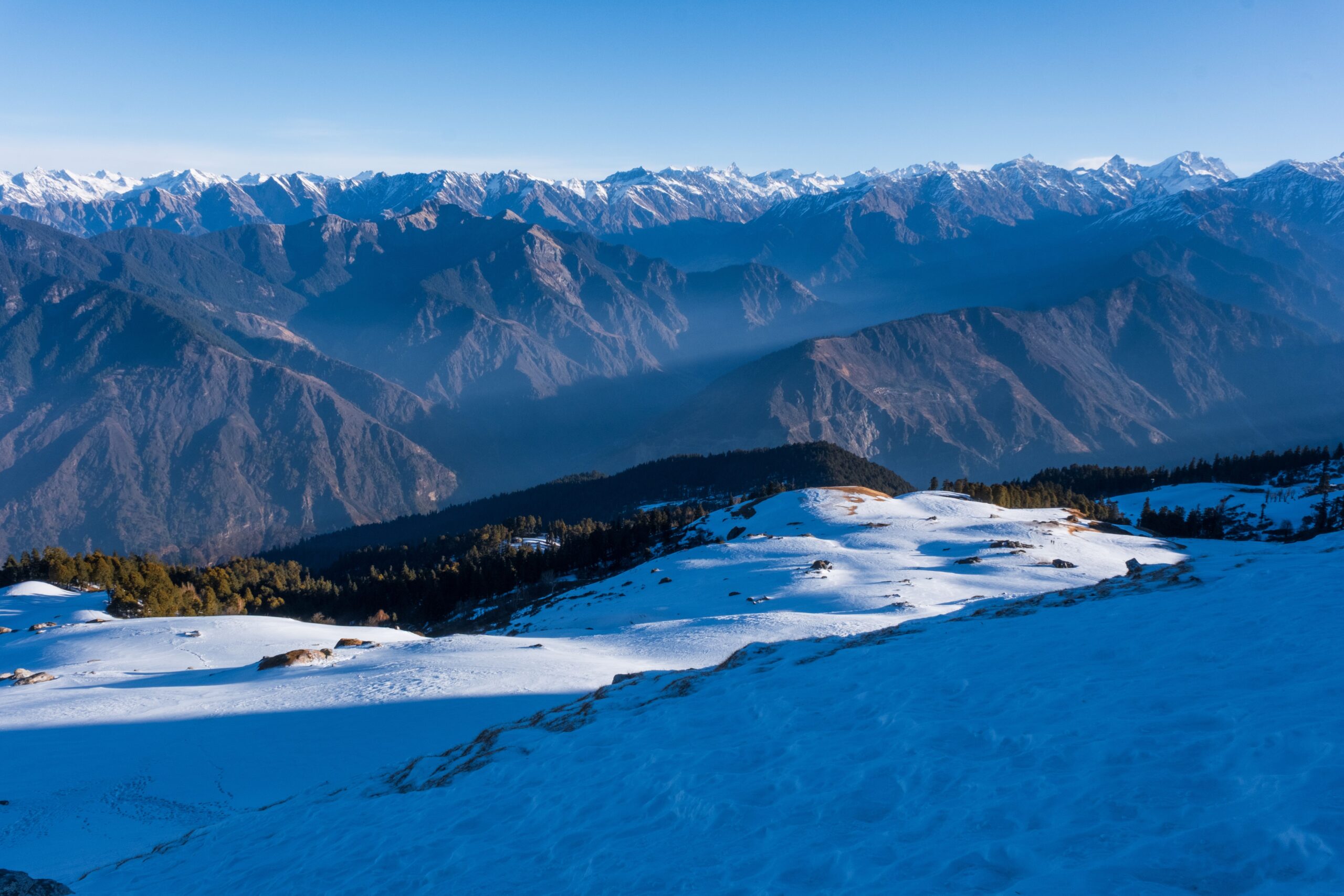
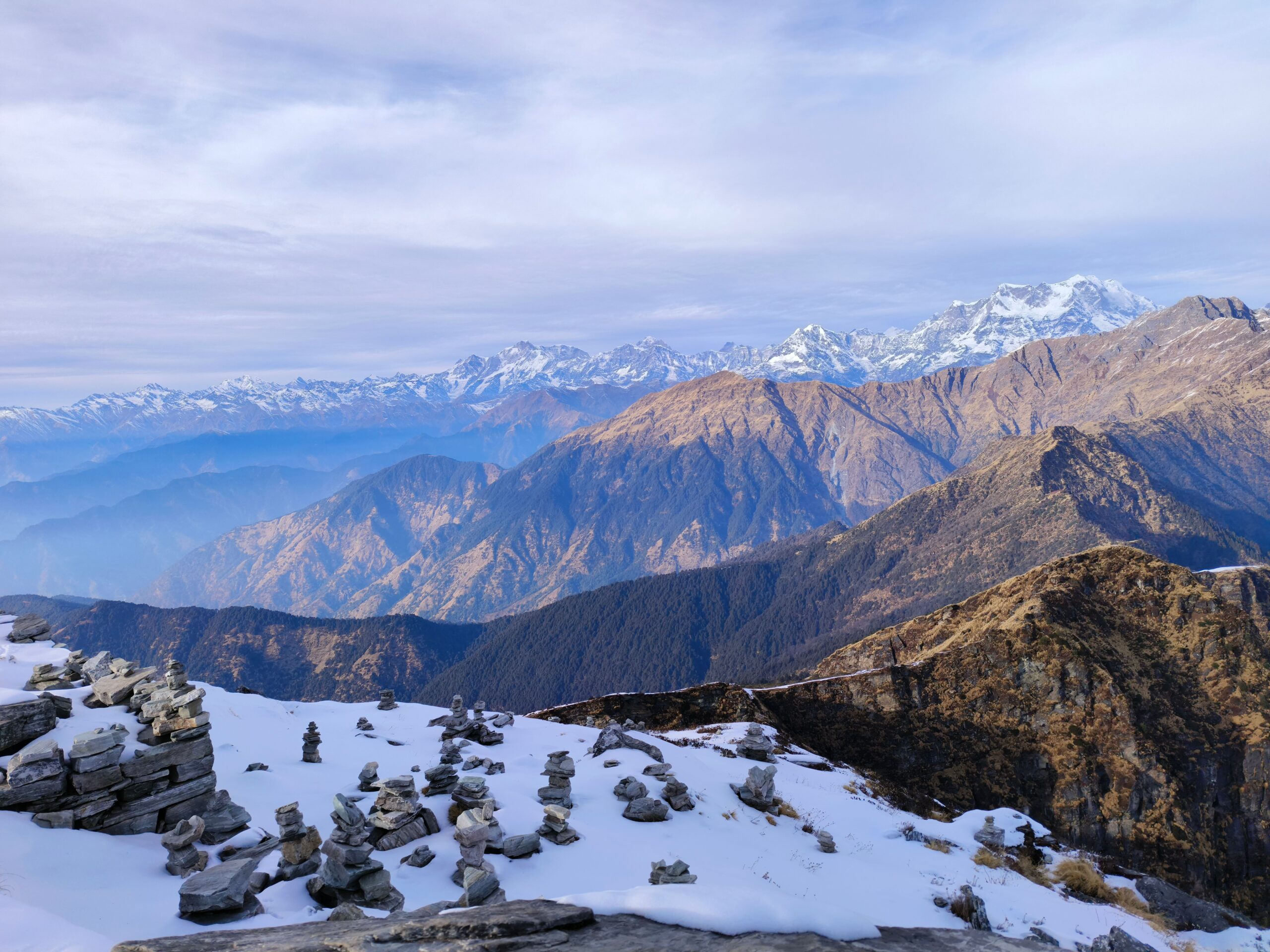
October is one of the strongest choices for a first visit. The post-monsoon air is often crisp, the skies may be clearer, and the forests and meadows take on autumn colours. These conditions make October a good month for mountain views and photography.
The main thing to plan for is the cold. Daytime walks may feel comfortable, but temperatures fall after sunset. Carry a warm jacket, thermal layers, gloves and a cap. October is popular, so book early if you plan to travel during a school holiday or festive break.
Har Ki Dun Trek in November
November can bring quiet trails and clear views, but winter starts to make itself felt. Mornings and nights become colder, and early snowfall may affect higher sections of the route. Some local services may also reduce operations as the season changes.
This month suits trekkers who are comfortable with cold weather and have the right gear. Before booking, confirm the route, camps and support available for your exact dates. If this is your first trek in the Himalayas, May or October is usually a simpler choice.
Har Ki Dun Trek in December, January and February
Winter changes the trek into a much colder and more demanding trip. Snow can cover sections of the trail, while ice and fresh snowfall may make walking harder. Nights can fall well below freezing, so ordinary cold-weather clothing may not be enough.
Do not treat a winter trek as a standard summer trip with a few extra woollens. You may need suitable snow gear, experienced guides, winter camping support and a plan for delays or emergency evacuation. If the operator cannot explain how it handles heavy snow and severe cold, choose another date.
What Is the Best Month for You?
The best month depends on the experience you want. Use these simple pointers to narrow down your choice:
- For spring flowers and fresh greenery: Choose April or May.
- For a first Himalayan trek: Consider May or October, after checking trail conditions.
- For summer scenery: Choose early June rather than waiting until the monsoon builds.
- For post-monsoon views: Consider late September or October.
- For quiet trails and cold weather: Look at November, if the route is operating.
- For snow: Consider a winter trip only with proper gear and skilled local support.
- For July and August: Choose another season unless local authorities confirm that your planned route is open and conditions are suitable.
FAQs About the Best Time for Har Ki Dun Trek
Is Har Ki Dun safe during the monsoon?
Monsoon rain can make trails slippery and cause stream and road problems. July and August are not the preferred months for most trekkers. Check official advisories and confirm local access before making a booking.
Can I see snow on the Har Ki Dun trek?
Yes, snow may remain in early spring and can return in late autumn or winter. The amount depends on recent weather and the altitude of each section. If snow is your main goal, ask about current trail conditions rather than relying only on the month.
Is October better than May for Har Ki Dun?
Both can be good. May is a strong choice for spring flowers and fresh green scenery, while October often offers crisp air and clear mountain views. Choose based on the scenery you prefer and your comfort with cold nights.
Is Har Ki Dun suitable for beginners?
Fit beginners can consider the trek during a suitable season, with a reliable operator and proper preparation. Snow, heavy rain and cold can make the route harder, so the season matters as much as fitness.
The best time for Har Ki Dun is the month that gives you the scenery you want without asking you to take risks you are not ready for. Choose your dates with the weather in mind, then let the valley surprise you.