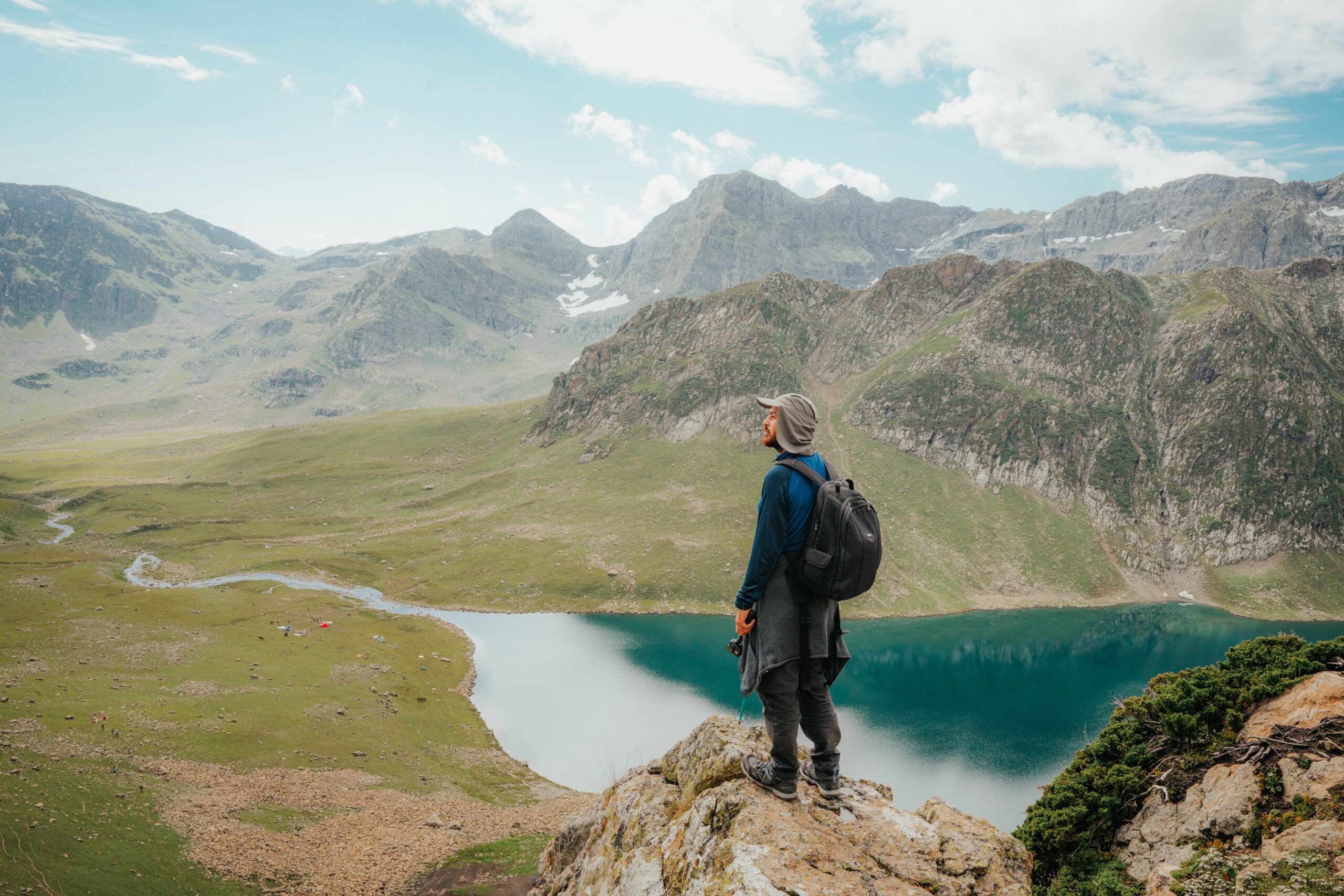
If you are searching for the Har Ki Dun glacier, you should know about Jaundhar Glacier. It lies beyond Har Ki Dun Valley in Uttarakhand. Reaching Har Ki Dun does not mean you have reached the glacier. You need to walk farther, and the extra route depends on the weather, snow and trail conditions.
Har Ki Dun is also known for its wide valley, old villages, mountain streams and views of Swargarohini Peak. Glaciers helped shape this valley over many years. This guide explains where the glacier is, how the river system works, what the trek is like and what you should know before planning your trip.
Is There a Glacier at Har Ki Dun?
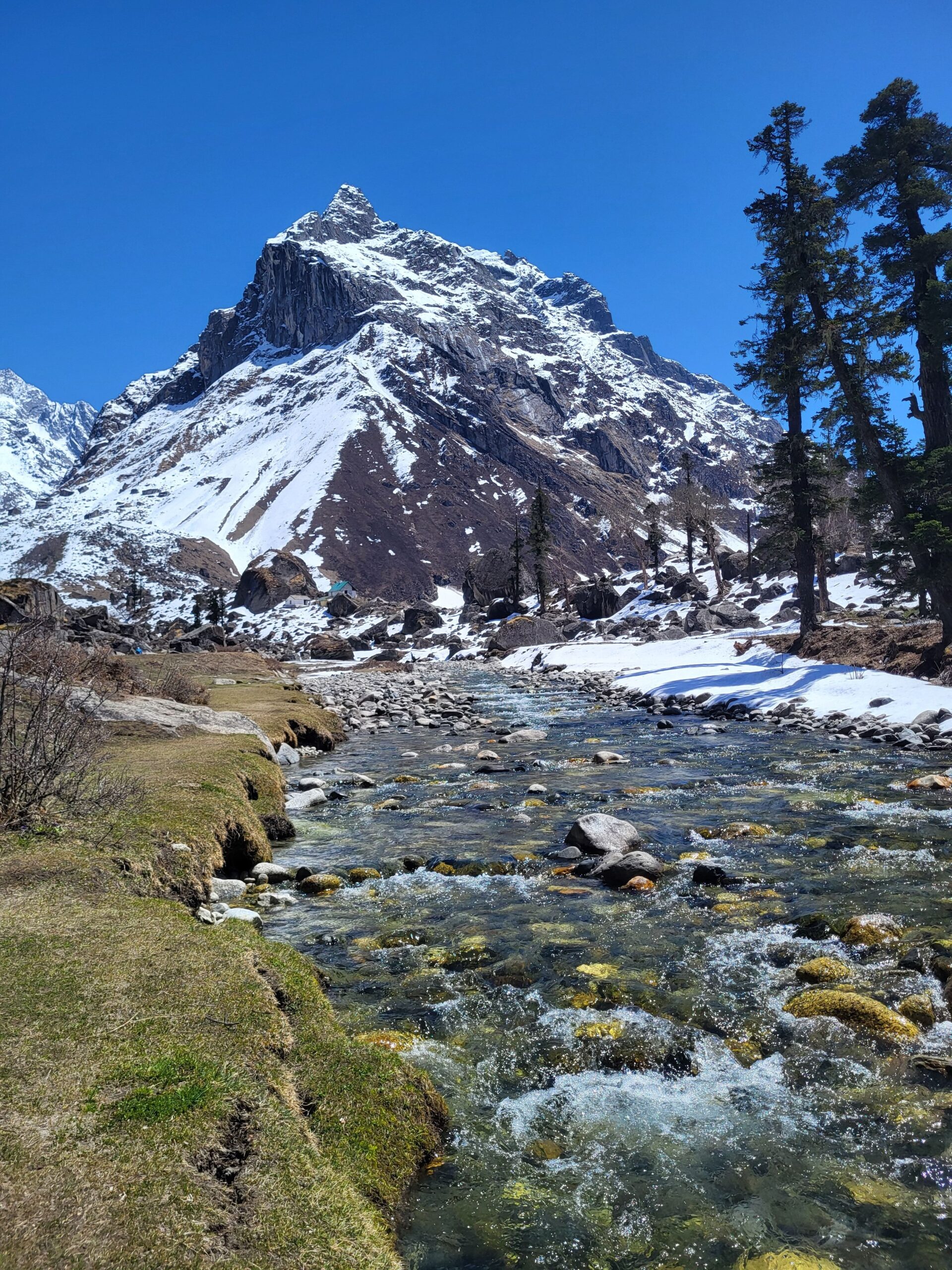
Yes, glaciers are found in the wider Har Ki Dun region. Jaundhar Glacier is one of the main glaciers linked to this area. It lies beyond the main valley, so you should not expect to reach it on every Har Ki Dun trek. The valley is often listed at about 11,700 feet (3,566 metres). Some sources give a figure close to 12,000 feet. These small differences can come from the point being measured and the source used.
Some trek guides list Jaundhar Glacier at around 14,100 feet (4,300 metres). Treat this as an estimate, not an exact figure for every route. The height you reach depends on where your guide takes you and how far the trail is safe to follow.
Before booking, ask your trek operator if Jaundhar Glacier is part of the plan. Some trips focus only on Har Ki Dun Valley, while others may offer an extra day to explore the area. Do not assume the glacier visit is included in the standard trek.
What Is Jaundhar Glacier?
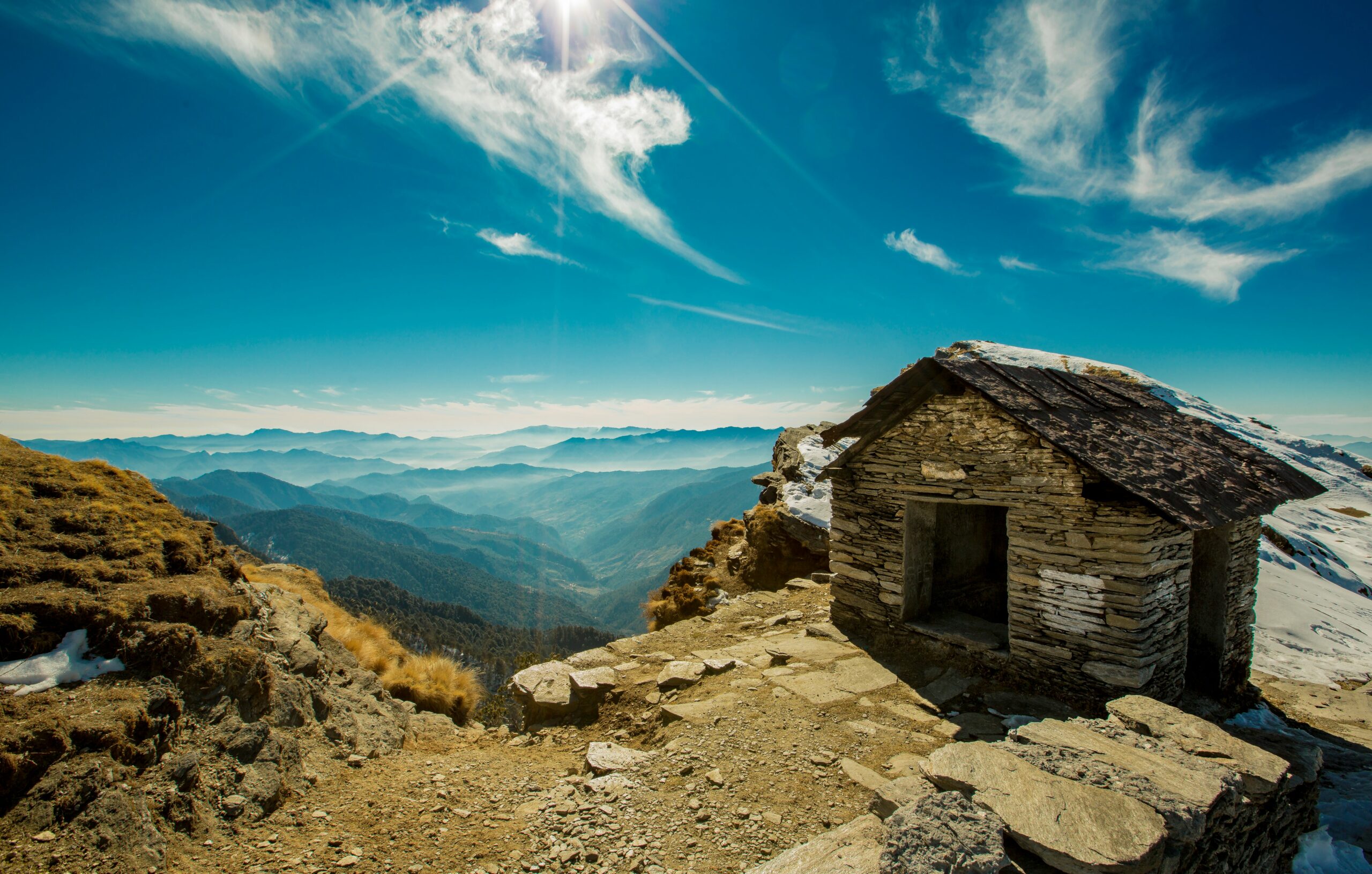
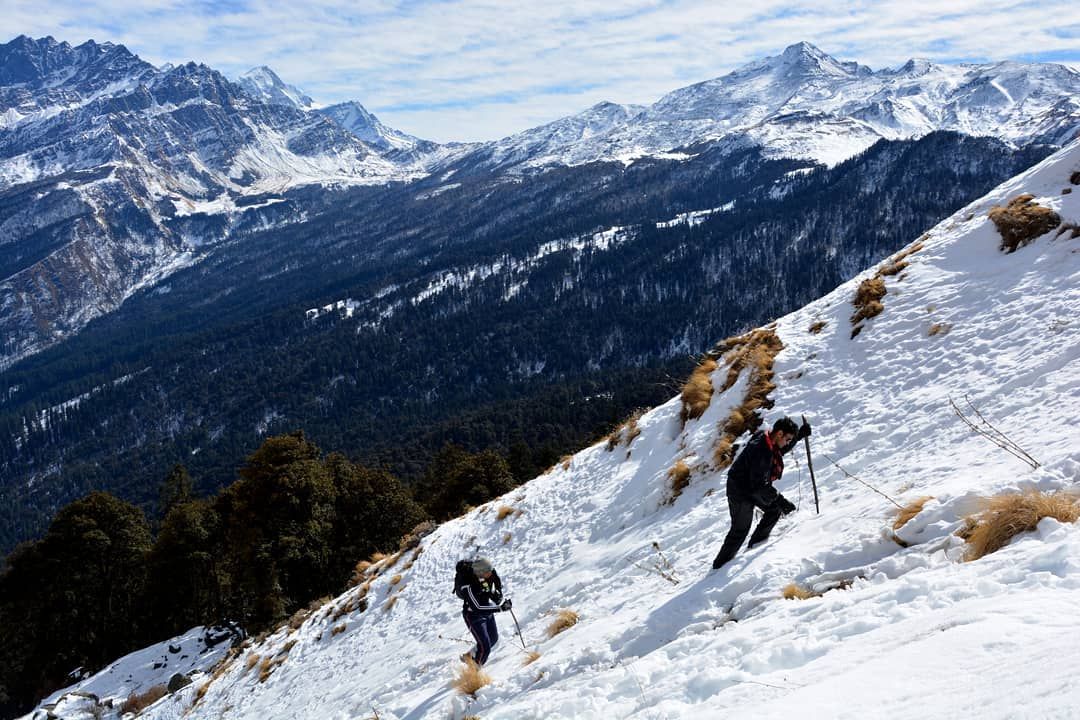
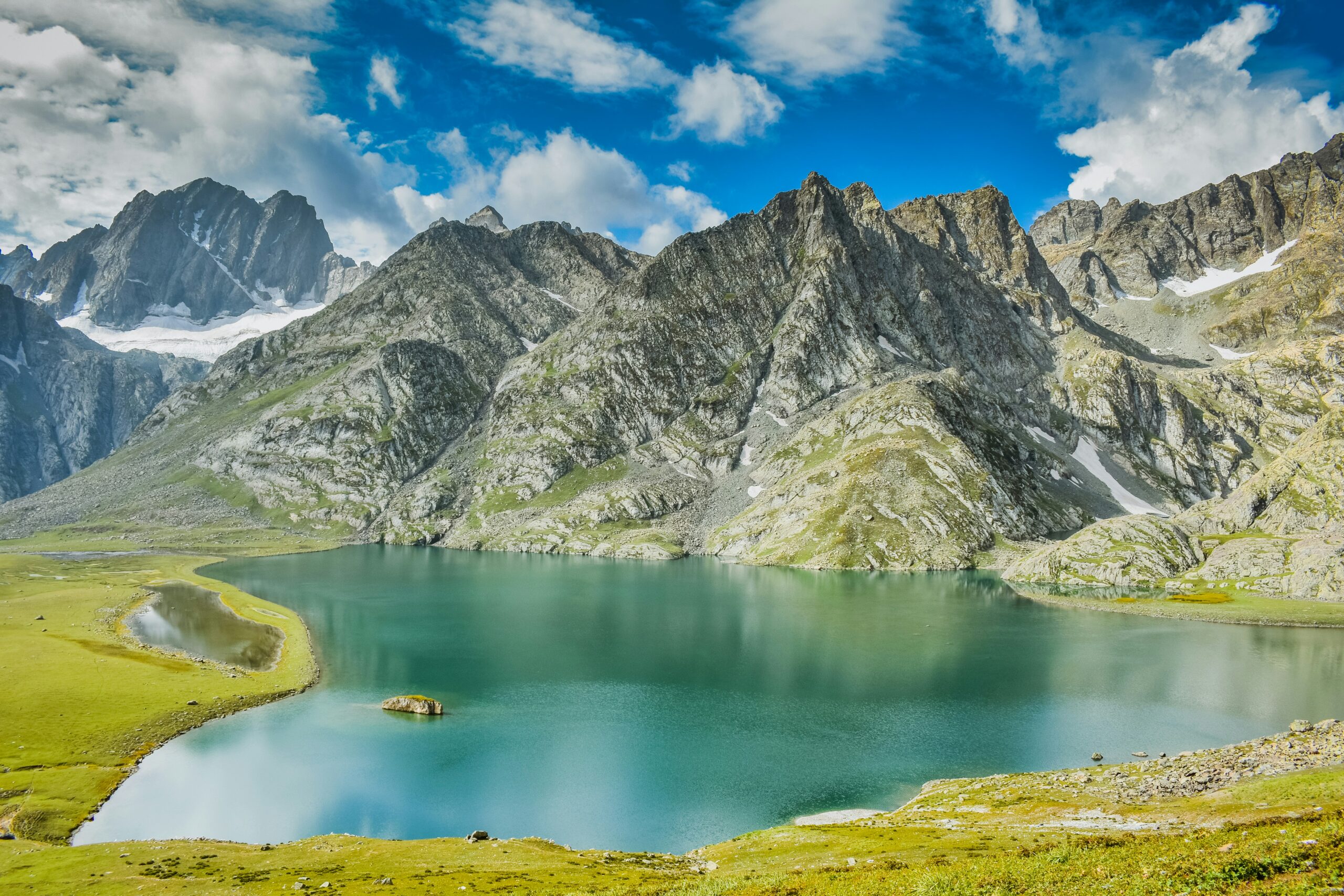
Jaundhar Glacier is a body of ice high in the mountains near the Har Ki Dun region. It is linked to the mountain landscape around Swargarohini. The area has rocky slopes, snowfields and streams fed by snow and ice. Reaching the glacier area is harder than reaching the main valley. You may have to walk over steep ground, loose stones or snow. Streams can also make parts of the route difficult.
Some trek guides describe the visit as a day trip from Har Ki Dun. However, the distance and walking time can vary. Ask your guide how far the group plans to walk and how long the trip may take.
The glacier visit is an extra part of the trek, not a fixed part of every package. It may also be cancelled if the weather or trail is unsafe. Never walk onto glacier ice or a snow bridge without proper training, equipment and expert guidance.
Har Ki Dun Glacier and River Origin
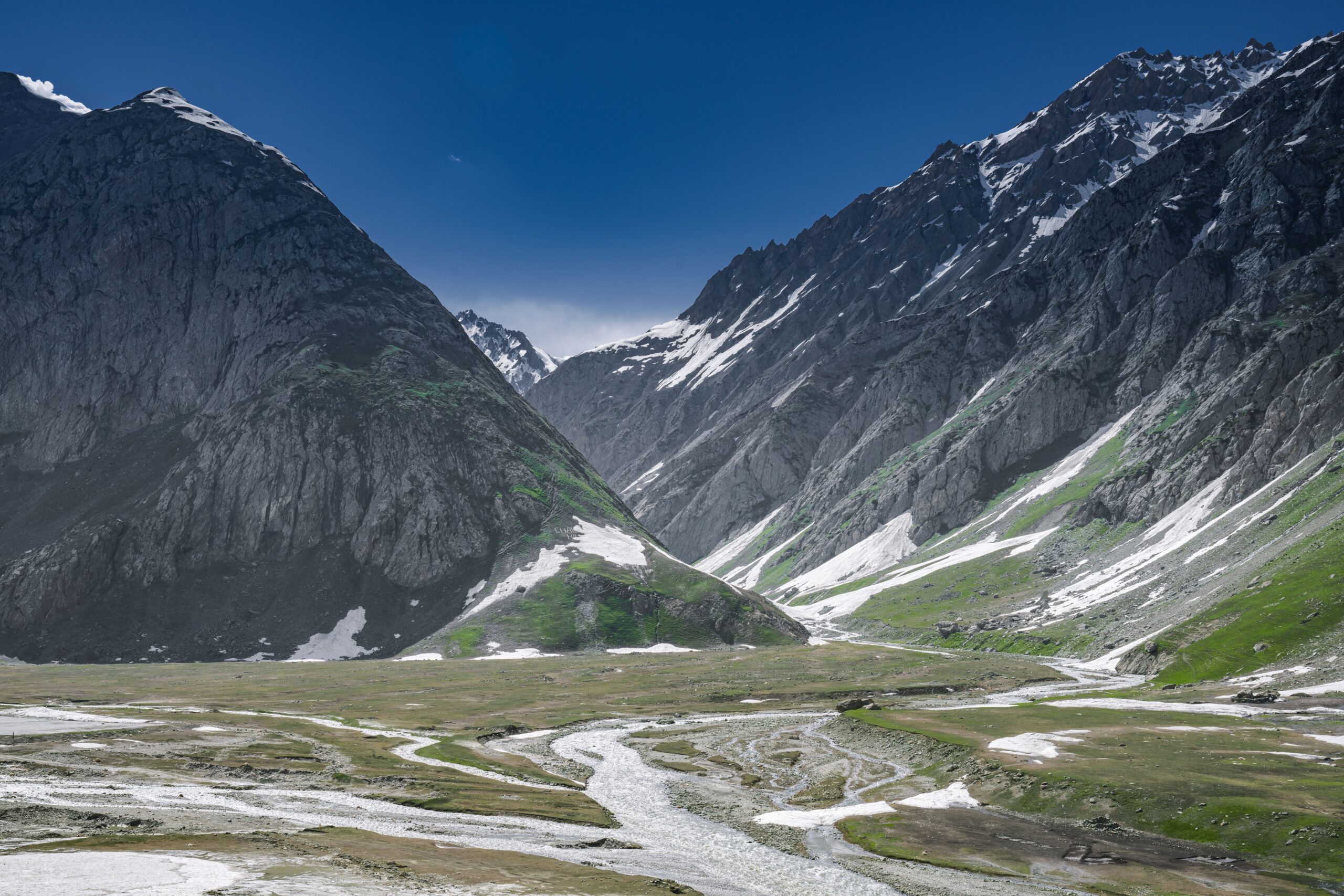
Har Ki Dun is part of the upper Tons river basin in Uttarakhand. Snow and ice in the high mountains feed streams that flow down through the valleys. These streams join other rivers as they move towards lower ground. The river system has several streams and sources. The Har Ki Dun and Ruinsara streams form part of this wider system. The Supin is another major river in the upper basin, and its upper reaches are linked to glaciers in the mountains.
It is not correct to say that the whole Tons River begins at one point beside the Har Ki Dun trail. Different streams join along the way and form a larger river system. During the trek, you will see streams and may need to cross small rivers. Their water levels can rise after rain or when snow melts. Cross only at safe points and follow your guide’s instructions.
Har Ki Dun Trek Route: Day-by-Day Guide
The trek usually starts from Sankri, a village in Uttarkashi district. From Sankri, trekkers travel towards Taluka and then walk through forests and mountain villages to reach Har Ki Dun Valley. A trip from Dehradun and back often takes six to seven days. The exact plan depends on the trek company, road conditions, camps and any extra day for exploring the valley.
Day | Route | What to expect |
Day 1 | Dehradun to Sankri | A long road journey |
Day 2 | Sankri to Taluka, then towards Seema or Osla | Forest trails and streams |
Day 3 | Seema or Osla to Har Ki Dun | An uphill walk into the valley |
Day 4 | Explore Har Ki Dun | Enjoy the views or consider an extra walk if conditions allow |
Day 5 | Har Ki Dun to Seema or Osla | Walk back along the trail |
Day 6 | Seema or Osla to Taluka, then Sankri | Trek back and travel by road |
Day 7 | Sankri to Dehradun | Return journey |
Not every trek company follows this exact plan. Some split the walking route into more days or use different camps. Ask for the daily walking distance, time and camp height before booking. If you want to visit Jaundhar Glacier, check how the extra walk changes the plan.
The main Har Ki Dun trek may suit fit beginners who prepare well and follow a good plan. The glacier route is harder and may not suit everyone.
Best Time to Visit Jaundhar Glacier
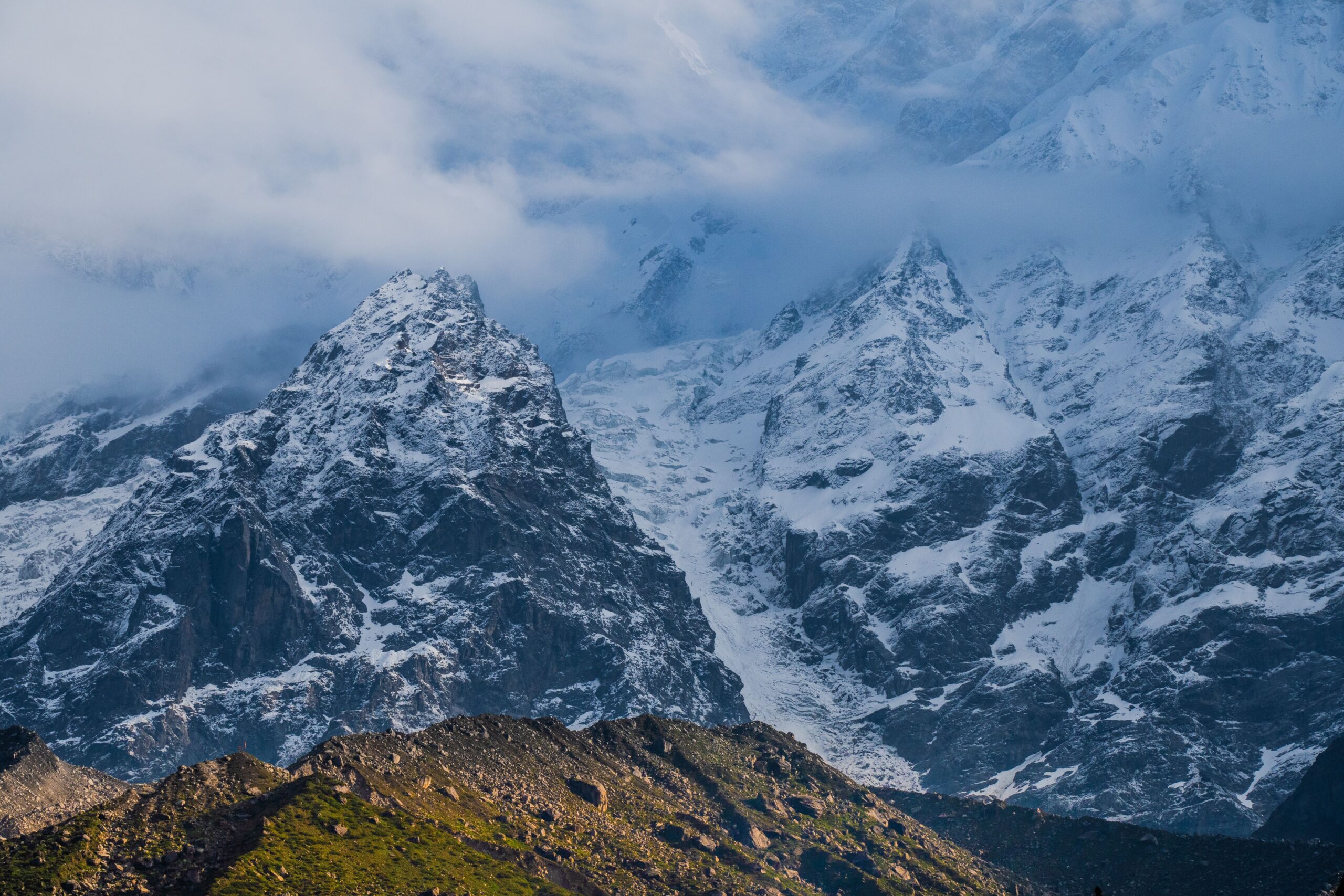
Spring and autumn are common seasons for the Har Ki Dun trek. Uttarakhand Tourism lists April to June and September to November as suitable months. However, weather and trail conditions change each year.
- March and April: Snow may remain on higher trails. Early-season access depends on local conditions.
- May and June: The valley often becomes greener, but snow may remain at higher points.
- July and August: Rain can make trails slippery and streams harder to cross. Check local advice before travelling.
- September and October: The skies are often clearer, giving good views of the mountains. Nights can be cold.
- November onwards: Temperatures fall, and snow may make higher trails harder to use.
There is no fixed date when Jaundhar Glacier opens or closes for trekkers. Check with a local trek company shortly before your trip. Do not rely only on a general season guide.
Safety Tips for the Har Ki Dun Glacier Trek
The main valley and the glacier route are not the same. The glacier route may involve more climbing, snow and rough ground. Even fit trekkers can find it tiring.
Keep these safety points in mind:
- Walk at a steady pace and give your body time to adjust to the height.
- Tell your guide if you have a headache, feel sick, become dizzy or feel much more tired than normal.
- If symptoms get worse, do not keep climbing. Severe headache with vomiting, confusion, trouble walking or difficulty breathing at rest needs urgent medical help and a descent.
- Never walk onto glacier ice or a snow bridge without expert advice and the right equipment.
- Do not cross a swollen stream. Wait for a safe crossing and follow your guide.
- Carry warm clothes, a waterproof jacket, strong trekking shoes, sun protection and a headlamp.
- Check the weather before starting an extra walk towards the glacier.
A good guide should be ready to cancel the glacier visit if the route is unsafe. Reaching the glacier is never more important than your safety.
Frequently Asked Questions
Is there a glacier at Har Ki Dun?
Yes. Jaundhar Glacier is linked to the Har Ki Dun region. The usual trek reaches the valley, while a glacier visit requires an extra walk and may not be part of every package.
How far is Jaundhar Glacier from Har Ki Dun?
Published guides give different distances. The distance depends on the route, the starting point and how far the group can safely go. Ask your guide for the planned distance and walking time before setting out.