Choose Hampta Pass if you want a shorter trek with a high mountain pass and a clear change from green Kullu to rocky Lahaul. Choose Pin Bhaba Pass if you have prior trekking experience, more days and the fitness to handle a longer, harder route into Spiti. Both treks offer a big mountain crossing, but they are not equal in effort or planning.
The main difference is not just the height of the pass. Hampta takes you through one main valley before you cross into Lahaul. Pin Bhaba takes you through a chain of valleys in Kinnaur before you cross into the dry land of Spiti. So, which one should you book? Start with the time and effort you can give to the trek.
Hampta Pass vs Pin Bhaba: Quick Comparison
Trek detail | Hampta Pass | Pin Bhaba Pass |
Difficulty | Moderate | Difficult to hard moderate, depending on operator |
Highest point | About 14,100 ft | About 16,100 ft |
Trek distance | About 26–30 km | About 48–51 km on many plans |
Usual trip length | 5–6 days | 7–9 days |
Starting point | Jobra, near Manali | Kafnu is a common start; some current plans use Yangpa |
Ending point | Chatru | Mudh village, Spiti |
Main camps | Chika, Jwara, Balu Ka Ghera, Shea Goru | Mulling, Kara, Pushtirang, Baldar or Mangrungse |
Best for | Fit beginners and trekkers with some experience | Trekkers with prior high-altitude experience |
Main landscape change | Kullu valley to Lahaul | Green Bhaba Valley to dry Pin Valley |
1. Which Trek Is Harder: Hampta Pass or Pin Bhaba?
Pin Bhaba is the harder trek. It reaches around 16,100 ft, stays longer at high camps and has more demanding walking days. The pass day can take about 10–12 hours on some itineraries. You climb over steep ground, cross snow or glacier sections when present, and then descend over loose rocks and scree.
Hampta Pass is shorter and is usually graded moderate. But it is not a casual walk. The climb from Balu Ka Ghera to the pass is steep, and the descent to Shea Goru can be tiring on your knees. Snow, cold streams and sudden weather changes can make this day harder than expected.
The starting altitude also matters. Hampta groups drive from Manali to Jobra, which is already high. Kafnu, a common Pin Bhaba starting point, is lower at around 7,800 ft. This gives your body more time to gain height as you walk, but it does not make Pin Bhaba an easy trek. You still climb to a much higher pass.
Use this simple fitness check before you decide:
- You should be able to walk or jog 5 km in about 35 minutes without feeling drained.
- You should be able to climb several flights of stairs without long breaks.
- You should have trained on hills or stairs with a loaded daypack.
- For Pin Bhaba, you should also have prior experience of long mountain days and high camps.
The 5 km test is a useful starting point, not a guarantee that you are ready. If you have only done short, easy walks, choose Hampta after proper training. If you have completed tough treks such as Rupin Pass or Bali Pass, you may be better placed to consider Pin Bhaba. Even then, judge your fitness and recovery honestly.
2. How Are the Landscapes Different?
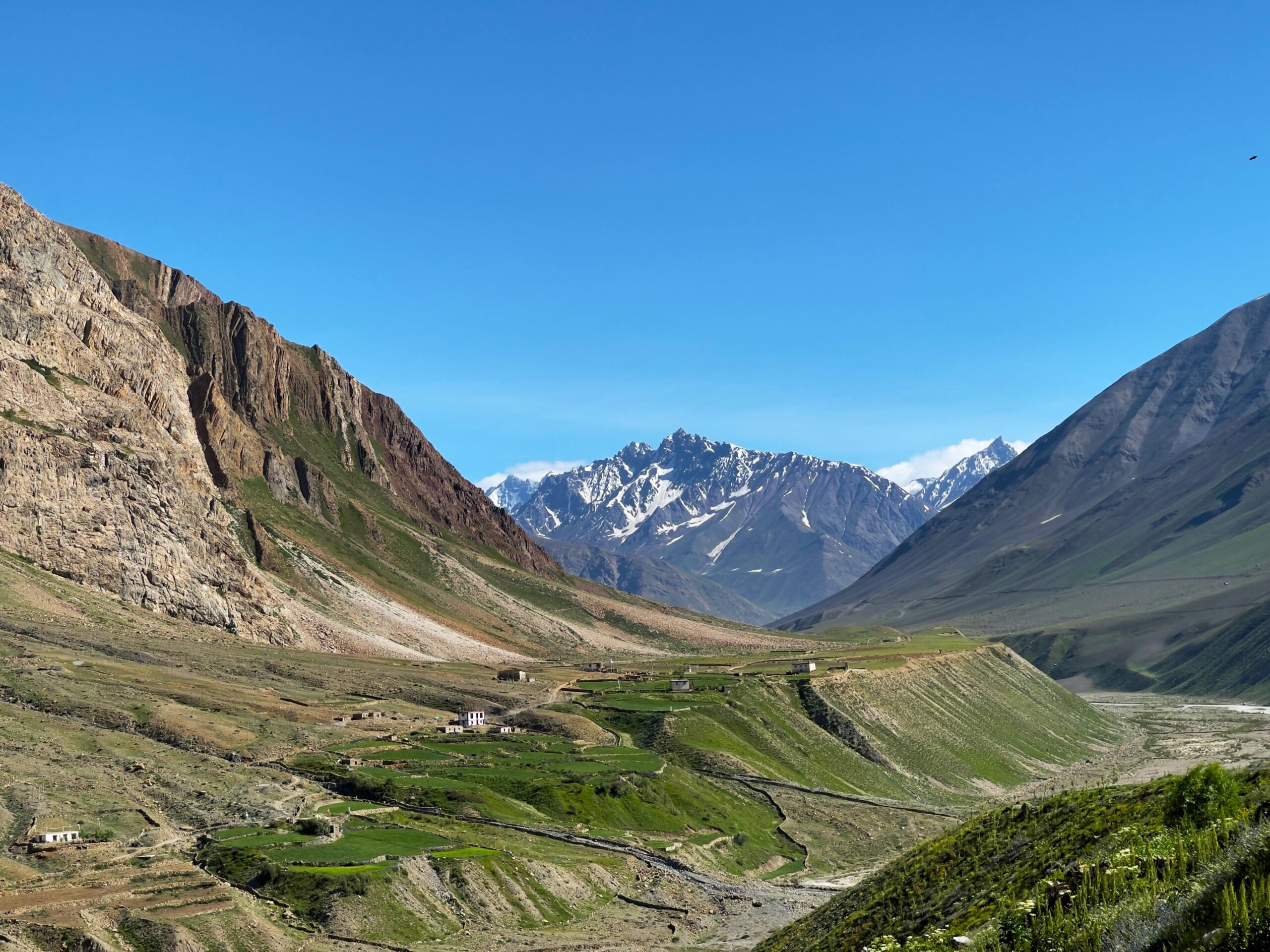
Hampta gives you a quick change in scenery. The trail starts in the green hills near Manali and follows the Hampta Valley through forests, meadows and streams. As you reach Balu Ka Ghera, the trees thin out and the land becomes rocky. Snow may remain near the pass, depending on the season.
After crossing Hampta Pass, you enter Lahaul. The land is rough and open, with sharp mountain walls, streams and wide patches of rock. It is not the same dry desert landscape you see in Spiti. If your road and weather plan allows it, a visit to Chandratal can add another highlight after the trek.
Pin Bhaba offers more changes along the way. The route moves through the Kafnu, Mulling, Kara and Pushtirang valleys before the pass. You walk through forests, grasslands, river banks and high open camps. Each valley has a different shape and feel, so the change begins well before you reach the pass.
Once you cross into Spiti, the green slopes give way to dry hills with shades of pink, red, brown and grey. The trail ends near Mudh, a small village in Pin Valley. If you want a longer walk through varied landscapes, Pin Bhaba has the edge.
3. Camps and Day-Wise Route: What Will You Walk Through?
The two routes have very different shapes. Hampta has a shorter approach to the pass, while Pin Bhaba builds through several camps before the crossing.
Trek stage | Hampta Pass | Pin Bhaba Pass |
Start | Manali drive to Jobra, then walk to Chika | Drive from Shimla side to Kafnu or the start point in your operator’s plan |
Early trail | Chika or Jwara | Mulling |
Next camp | Balu Ka Ghera | Kara |
High camp | Balu Ka Ghera | Pushtirang |
Pass day | Balu Ka Ghera to Hampta Pass, then Shea Goru | Pushtirang to Bhaba Pass, then Baldar or another camp |
Finish | Shea Goru to Chatru | Baldar or Mangrungse to Mudh |
On Hampta, the pass day is often around 8–10 km and can take 7–10 hours, based on snow and trail conditions. On Pin Bhaba, some plans list about 12–15 km for the pass day, with 10–12 hours of walking. The route and camp used by your operator can change these figures, so ask for the exact itinerary before booking.
4. Which Trek Has More Risk?
Both routes need a trained team and good weather checks. Hampta has river and stream crossings, including sections near Rani Nala and Hampta Nala. Water levels can rise after rain or as snow melts during the day. Cross only when your trek leader says it is safe. Never try to cross a fast stream alone.
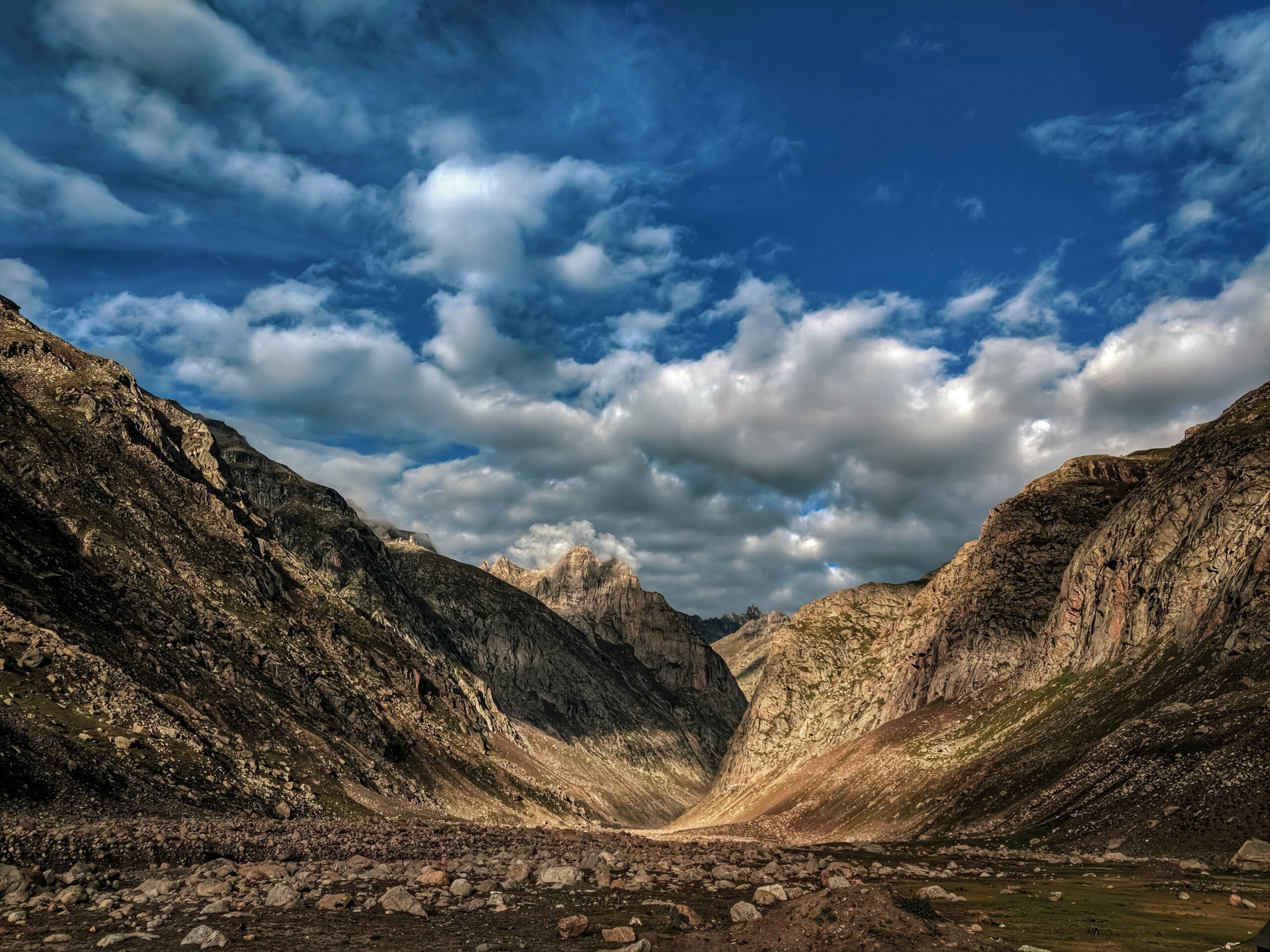
Pin Bhaba has a more remote trail and a harder exit if the route becomes unsafe. The pass area can have snow, loose rock and scree. The river crossing after the pass also needs care. Heavy rain can flood trails, while landslides can block the road to or from the base villages.
There is a documented case of a landslide near the Phutsirang camp that blocked the Pin Bhaba route. The trek team moved the camp to safer ground, and the group had to return towards Kafnu instead of crossing the pass. This does not mean the same event happens every year. It shows why a safe return plan and a buffer day matter on a remote trek. For either route, ask the operator who makes the decision to stop or turn back. A good team should not promise a pass crossing at any cost.
5. Best Time to Do Hampta Pass and Pin Bhaba
Hampta Pass usually runs from June to September, but the best dates depend on snow and rain. Early in the season, snow can make the pass day harder. In the monsoon months, the Kullu side can get heavy rain and stream levels can rise.
Pin Bhaba is generally planned from July to September. The Kinnaur side can get rain, while the Spiti side is much drier. Still, the pass itself can receive snow, and bad weather can delay the crossing. Do not treat the dry Spiti climate as proof that the whole trek is safe in all weather.
6. Pick Your Trek in 60 Seconds
Choose Hampta Pass if most of these points match you:
- You have around six days for the trip.
- You want a moderate trek with a high pass crossing.
- You are fit but have limited high-altitude experience.
- You want to start and finish near Manali.
- You would like to add Chandratal if road conditions allow.
Choose Pin Bhaba if most of these points match you:
- You can give eight or more days to the trip.
- You have completed hard Himalayan treks before.
- You can manage long days on steep and rough ground.
- You want a remote route with several valleys.
- You are ready for a one-way trek that ends in Spiti.
FAQs
Is Pin Bhaba harder than Hampta Pass?
Yes. Pin Bhaba reaches a higher pass and has longer, more remote walking days. Its pass crossing can take 10–12 hours on some routes. Hampta is shorter and is usually graded moderate.
Can a beginner do Hampta Pass?
A fit beginner can consider Hampta with good training and a reliable trek team. You should be ready for a steep pass day, cold stream crossings and a long descent. Do not treat it as your first walk in the hills without preparation.
Can a beginner do Pin Bhaba Pass?
Pin Bhaba is not a good first high-altitude trek. It is better for people who have already completed demanding mountain routes and can manage long days at high camps.
Does Pin Bhaba start from Kafnu or Yangpa?
Kafnu is a common starting point in many operator itineraries. Some current listings use Yangpa. Check the exact village, pick-up point and first camp on your chosen operator’s latest route plan.






