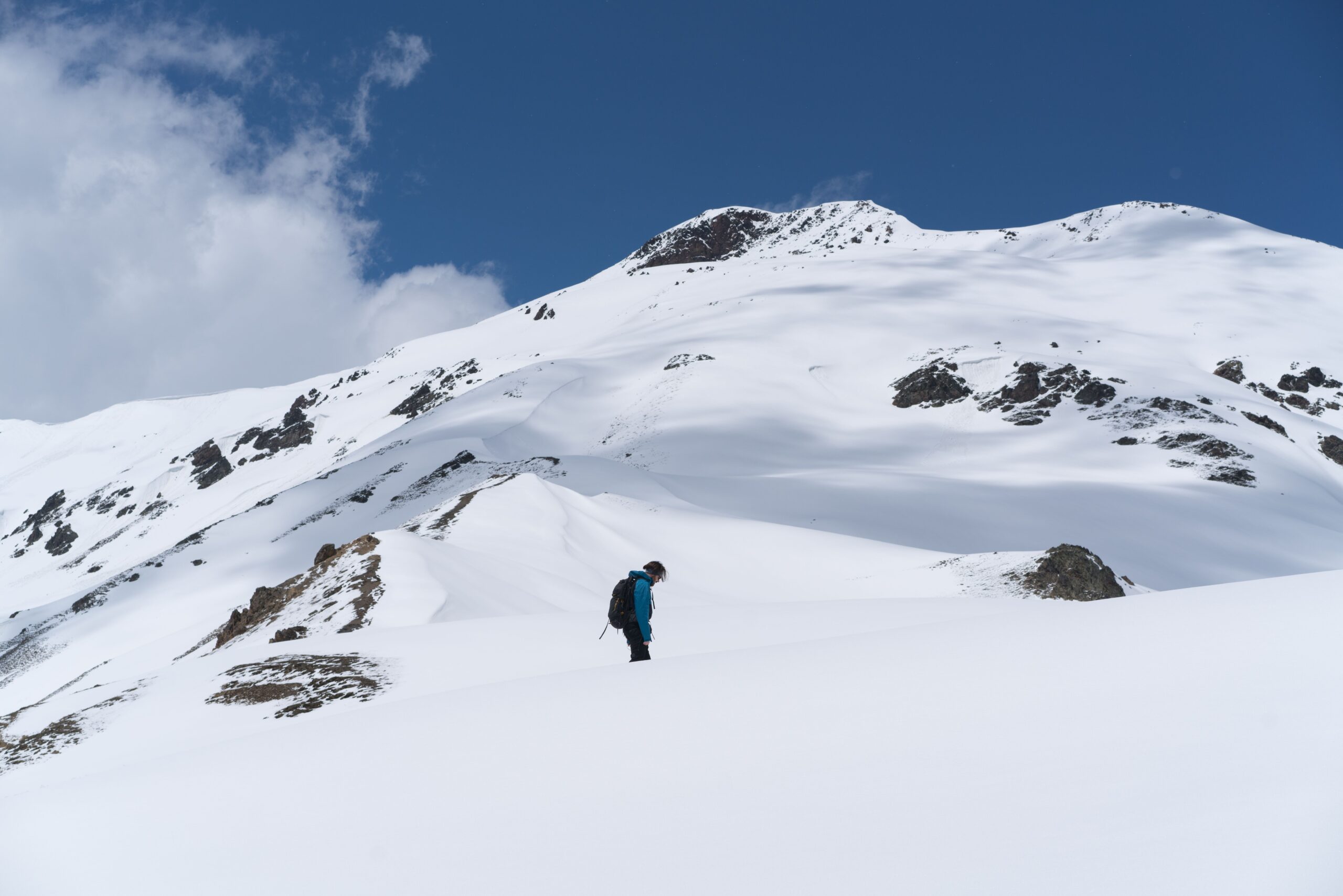
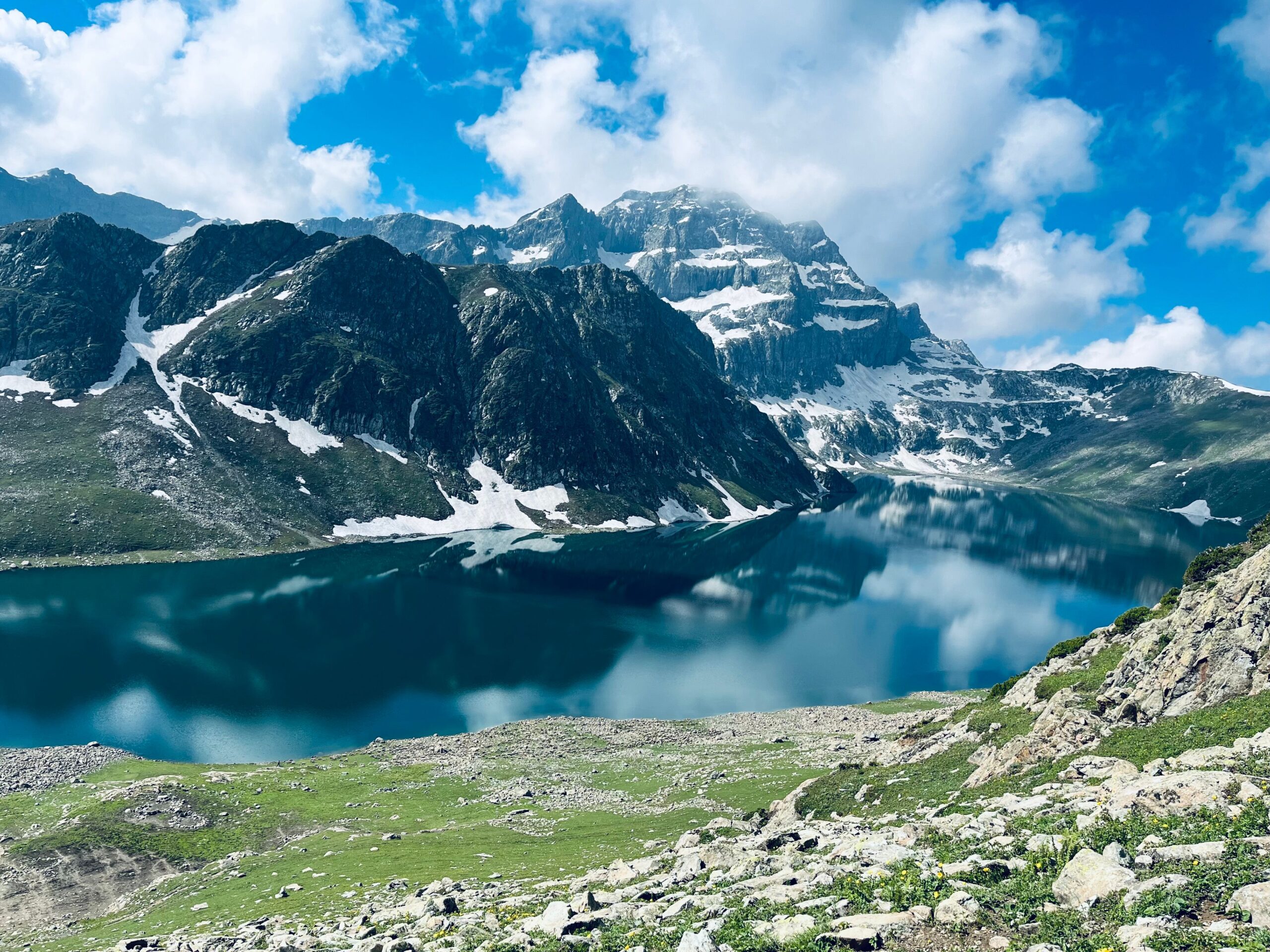
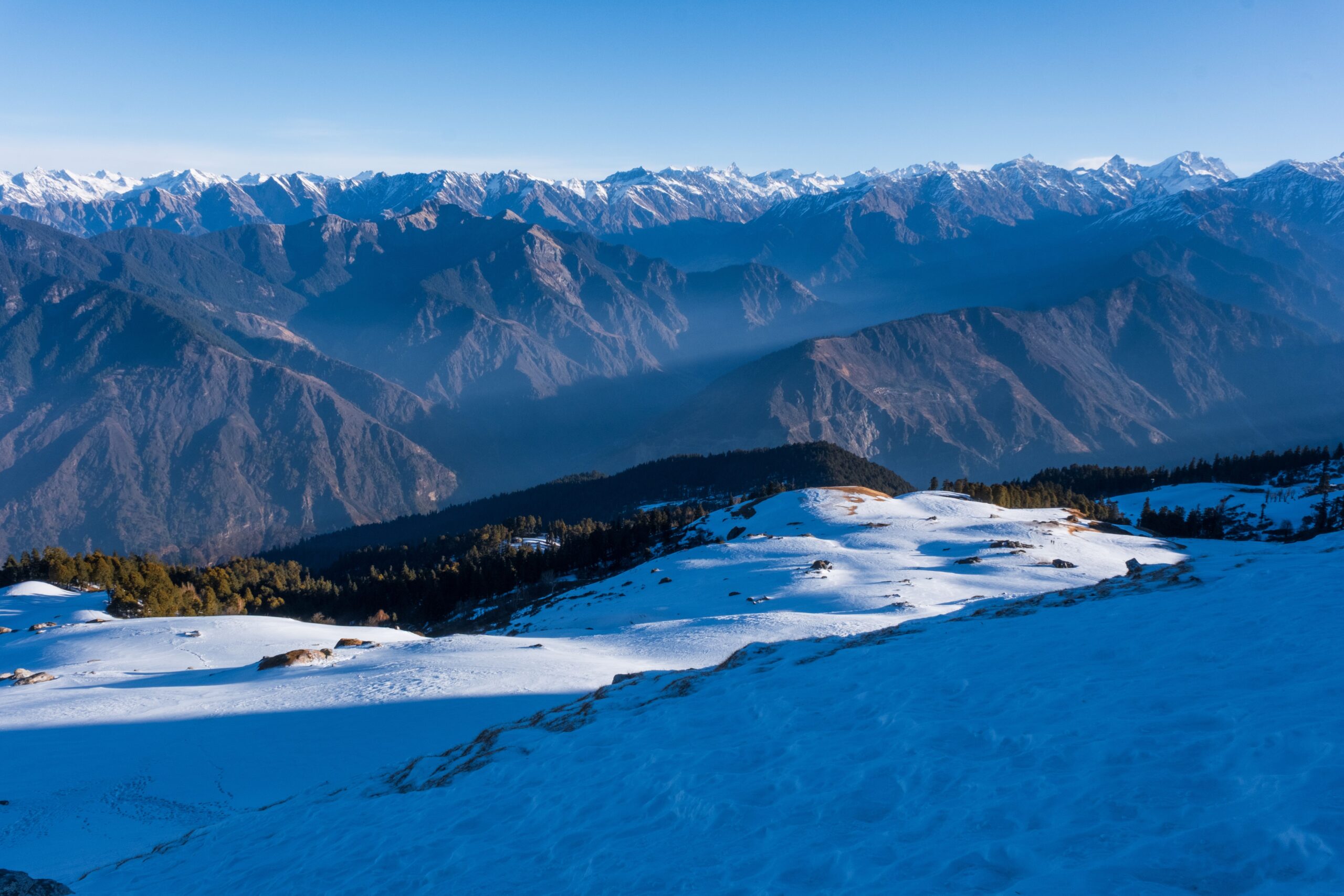
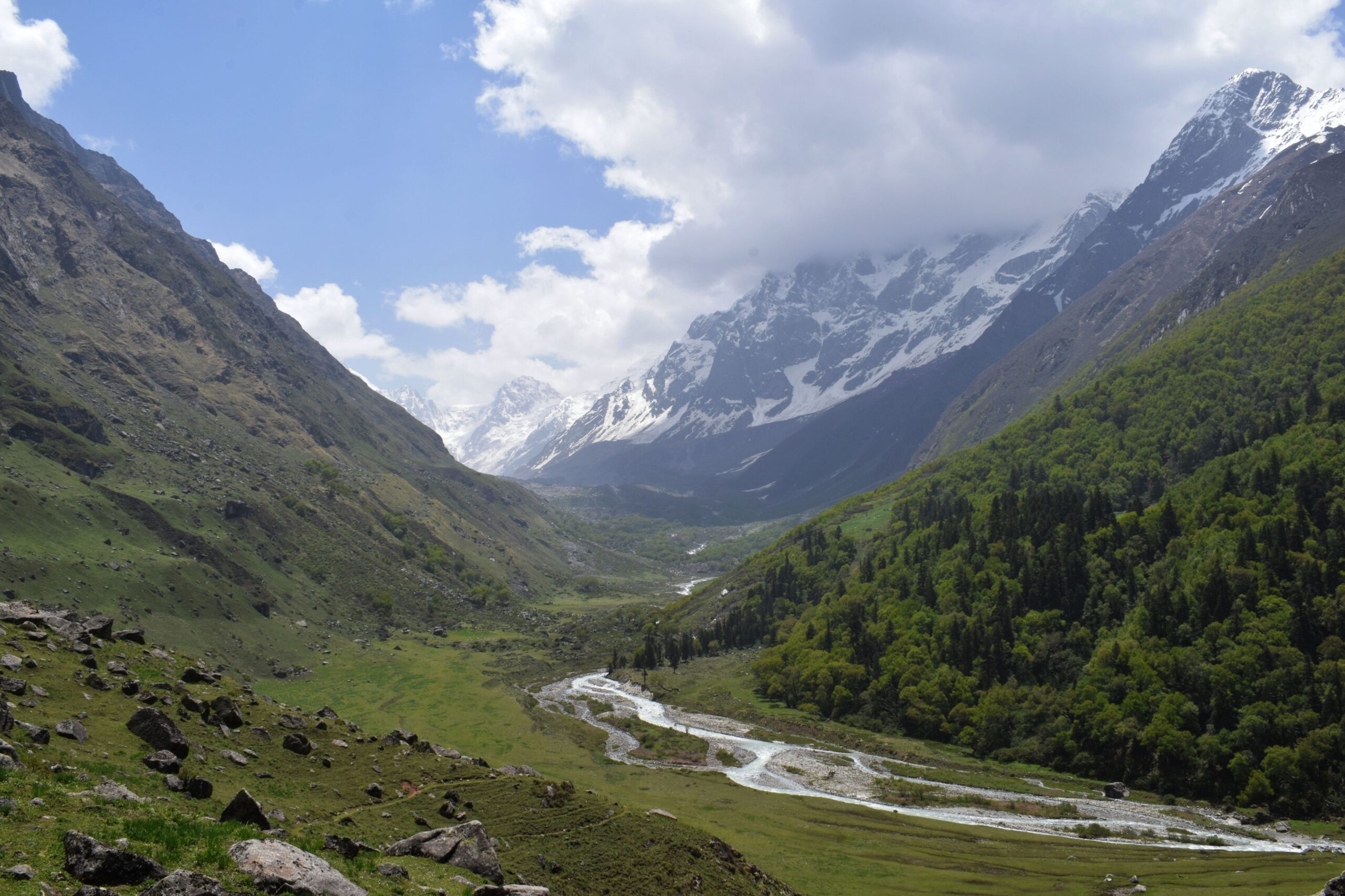
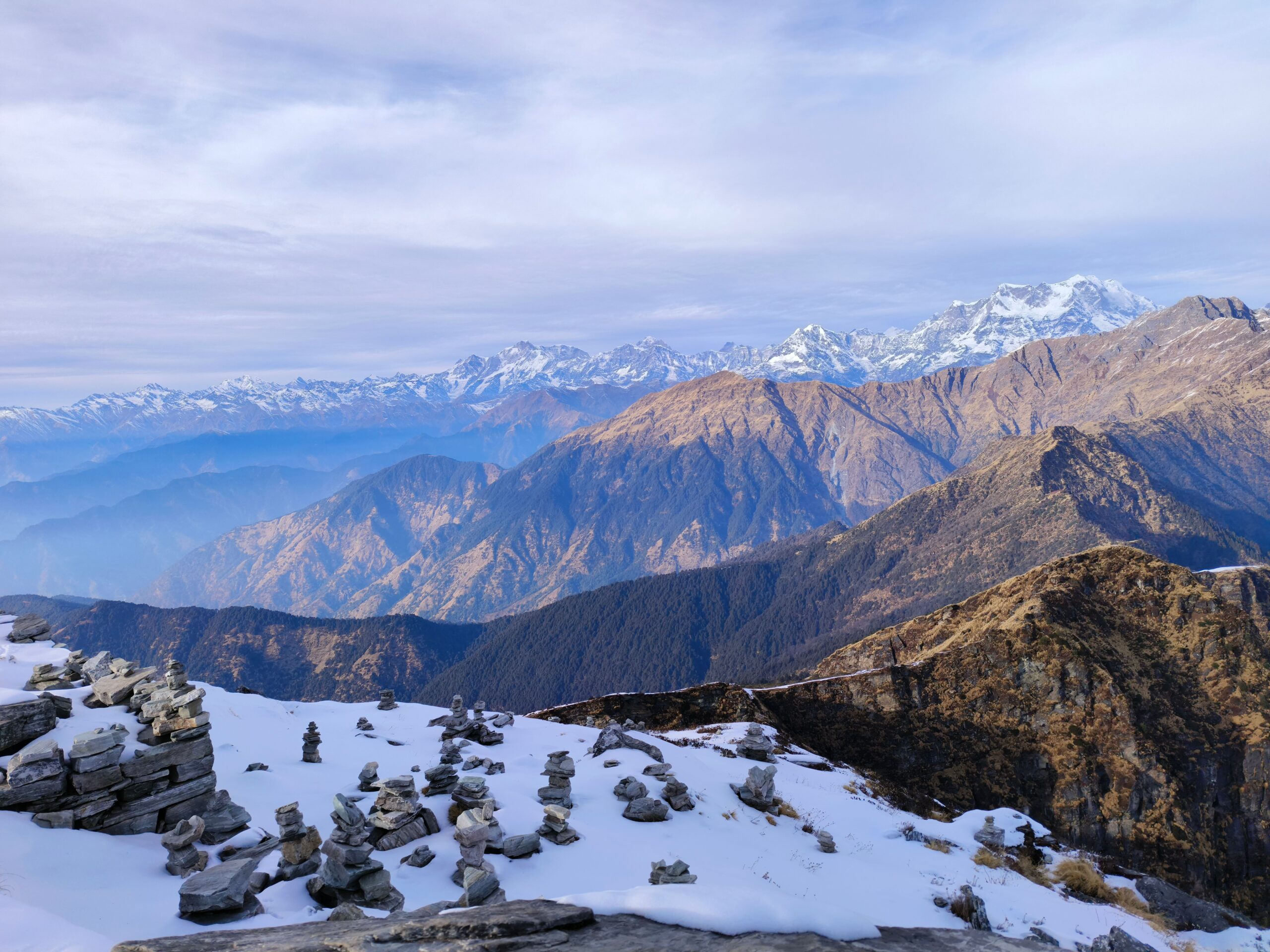
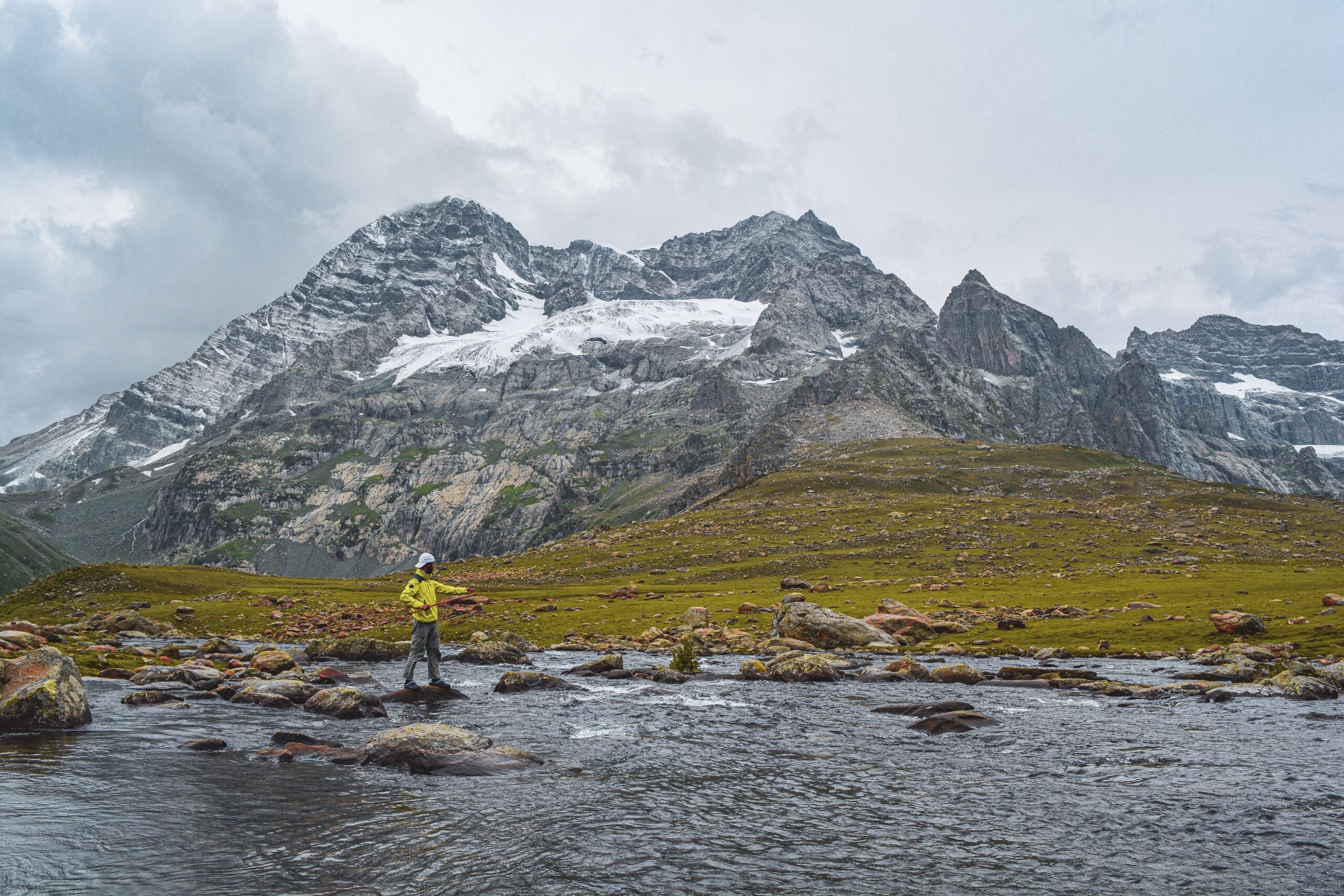
The Dayara Bugyal trek difficulty level is easy to moderate. It is a good choice for fit beginners who want to try their first Himalayan trek. The common route from Raithal covers about 21 km over four trekking days. Dayara Top stands at around 11,830 feet (3,606 metres). The trail passes through forests, open meadows, and mountain paths. Some uphill parts can be hard, and snow can make the trek more difficult in winter.
You do not need to be an expert trekker to complete Dayara Bugyal. But you should be able to walk for a few hours, climb uphill, and handle cold weather. Your fitness, the season, and the route you follow will affect how hard the trek feels.
Dayara Bugyal Trek Difficulty: Day by Day
The table below follows the route sections . Walking times can change with the weather, snow, and group pace.
Route section | Distance | Main challenge | Effort |
Raithal to Gui | 4.5 km | The trail climbs through a forest | Moderate |
Gui to Chilapada | 2.5 km | Some parts climb steeply | Easy to moderate |
Chilapada to Nayata via Dayara Bugyal Top | 9.5 km | A long day with a climb to the top and a descent | Moderate to hard |
Nayata to Raithal | 4 km | Walking downhill can tire your legs and knees | Easy to moderate |
The walk from Chilapada to Nayata is the longest section in this route plan. You need enough energy for the climb to Dayara Top and the walk down after it. In winter, snow and ice can slow you down and make the path harder to cross.
The distance alone does not tell you how hard a day will be. A short, steep climb may feel harder than a longer walk on level ground.

Dayara Bugyal Trek Difficulty Month by Month
Dayara Bugyal changes with the seasons. Snow, rain, and cold can make the same trail feel very different from one month to another. The table below is a broad guide, not a daily weather report. Snow depth and temperature change from year to year.
Month | What to expect | Difficulty |
January | Snow may cover parts of the trail. Nights can be freezing. | Harder in snow |
February | Snow and ice may slow the walk. | Harder in snow |
March | Some parts may have snow, while others may be clear. | Moderate to hard |
April | Snow may remain on higher parts early in the month. | Easy to moderate, depending on conditions |
May | Warmer days and green meadows may make walking more pleasant. | Easy to moderate |
June | Days are often longer, but the weather can still change. | Easy to moderate |
July | Rain can make paths slippery and reduce visibility. | Can be hard in poor weather |
August | Rain and wet ground may affect the trail. | Can be hard in poor weather |
September | Clear weather may return, but rain is still possible. | Easy to moderate |
October | Days become cooler, and nights can be cold. | Easy to moderate |
November | Nights get colder, and snow may become possible. | Moderate; check trail conditions |
December | Winter conditions may begin, and snow is possible. | Moderate to hard in snow |
Frequently Asked Questions
Is Dayara Bugyal good for a first trek?
Yes. It can be a good first Himalayan trek if you are fit and prepare in advance. The climbs, long walking day, and winter snow can still make it hard.
Can a 50-year-old do the Dayara Bugyal trek?
Yes, some people aged 50 and above may be able to do the trek. Fitness, health, and walking ability matter more than age alone. Speak to a doctor if you have health concerns.
Is Dayara Bugyal safe in winter?
It can be safe when the trail is open and the trek team has the right skills and gear. Snow and ice can make the climb harder. Check the latest trail conditions before leaving.
What is the hardest part of Dayara Bugyal?
The first steep climb through the forest and the climb towards Dayara Top can be hard. The long walk from Chilapada to Nayata also needs good stamina. Snow can make these parts more difficult.