Chandrashila Temple is a small stone shrine near the top of Chandrashila Peak in Uttarakhand. According to Uttarakhand Tourism, the shrine is dedicated to Goddess Ganga. The peak is about 4,000 metres (13,123 feet) above sea level. It offers wide views of the Himalayas on clear days. Chandrashila Temple and Tungnath Temple are two different places. Tungnath is a famous temple dedicated to Lord Shiva. It is also one of the five Panch Kedar temples. Chandrashila Peak lies above Tungnath. Most visitors start from Chopta, walk to Tungnath and then climb to the summit.
Both places are important to pilgrims and trekkers. But they have different religious meanings. Knowing the difference will help you plan your visit.
Chandrashila Temple Opening and Closing Dates in 2026
Tungnath Temple usually opens in spring and closes in autumn or early winter. The dates change each year. Reports give different opening dates for 2026. Some say the temple opened on 22 April, while Indiahikes gives 2 May. Indiahikes also lists 4 November 2026 as the expected closing date. However, I could not confirm this closing date through an official notice. Treat it as an estimate, not a confirmed date.
If you plan to visit in late October or early November, check the latest update from the Badrinath-Kedarnath Temple Committee (BKTC). You can also ask local people before starting your journey. Remember that an open Tungnath Temple does not always mean the path to Chandrashila is safe. Snow, ice and bad weather can make the final climb dangerous.
Where Is Chandrashila Temple?
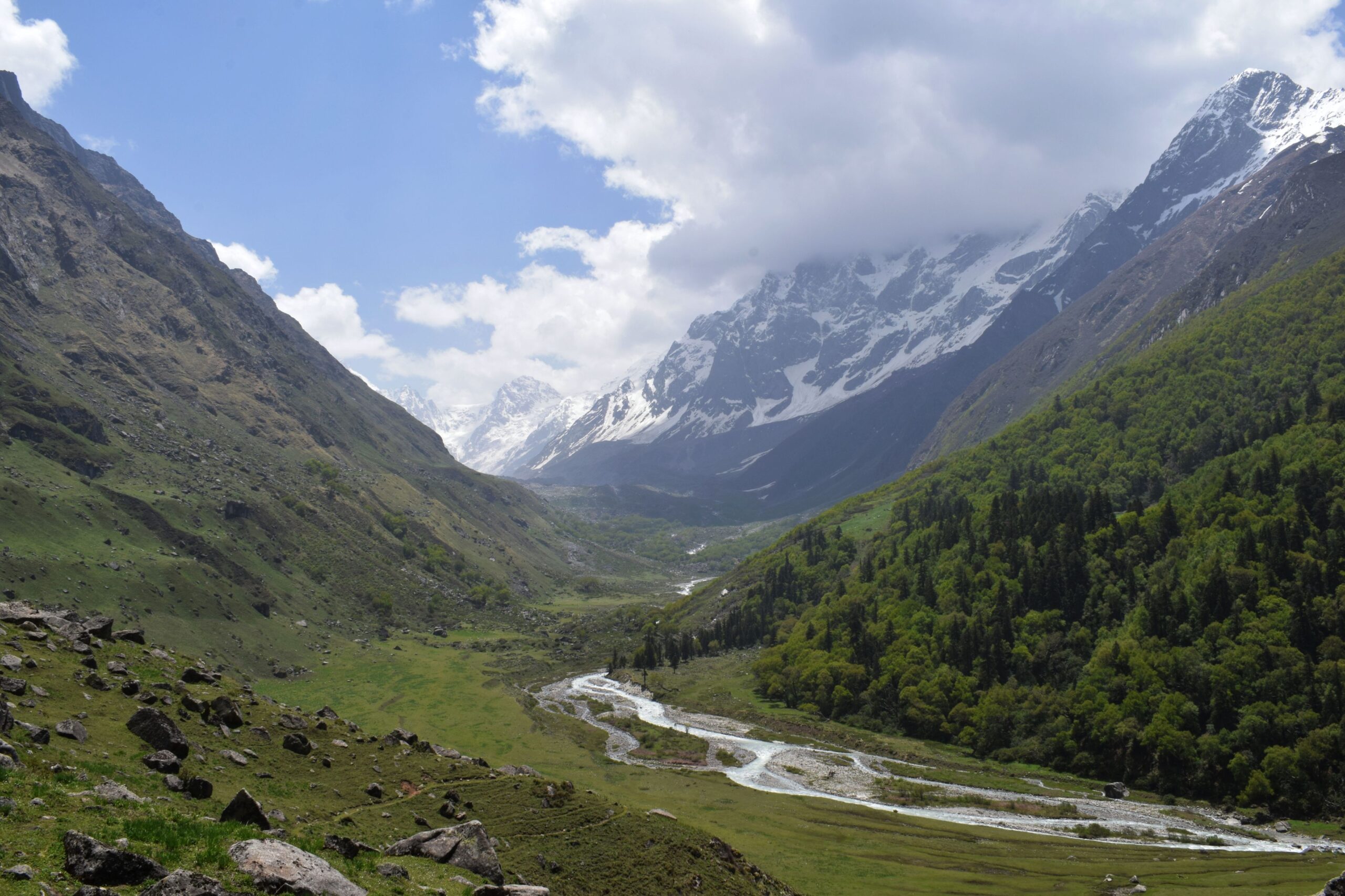
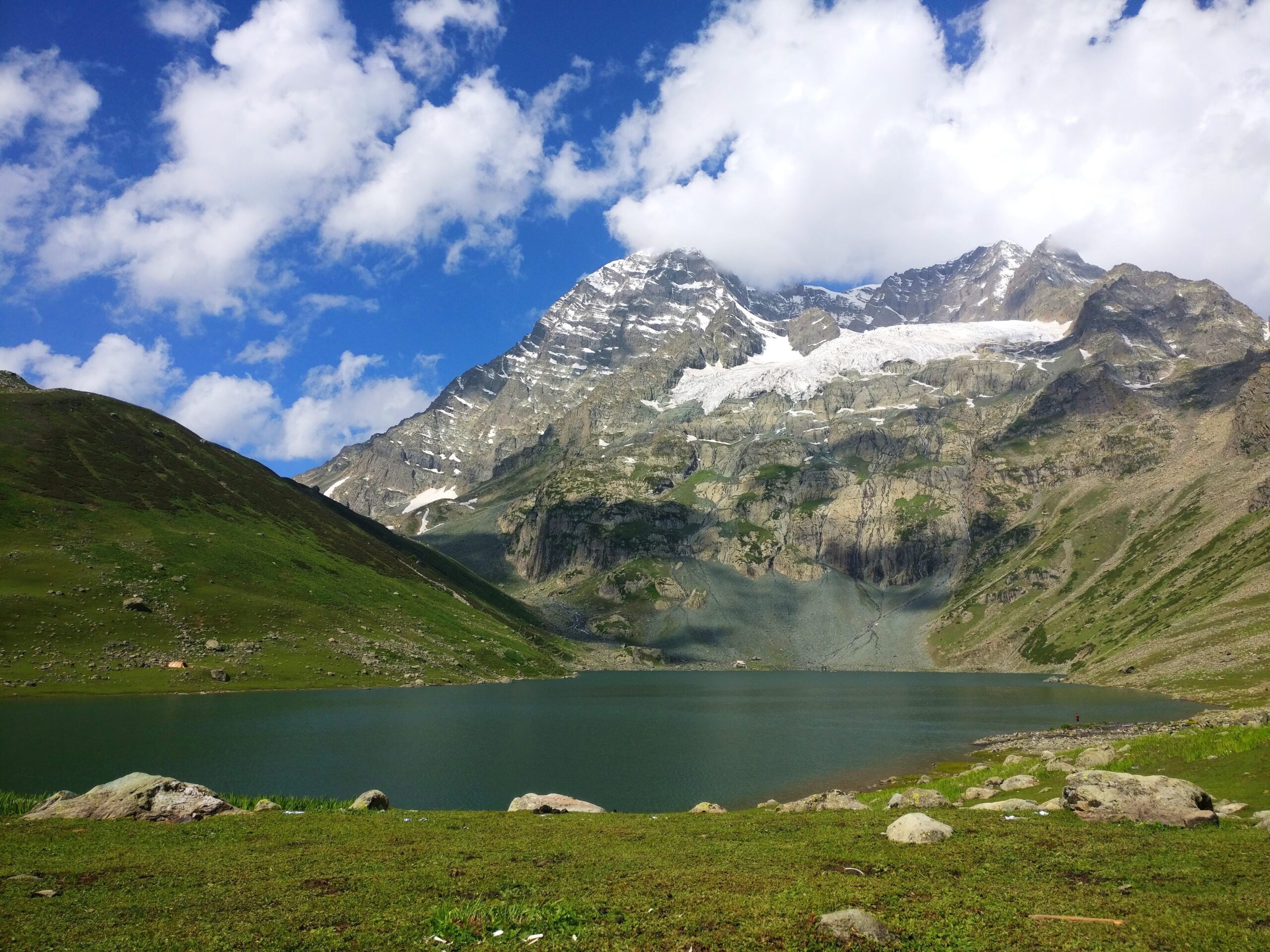
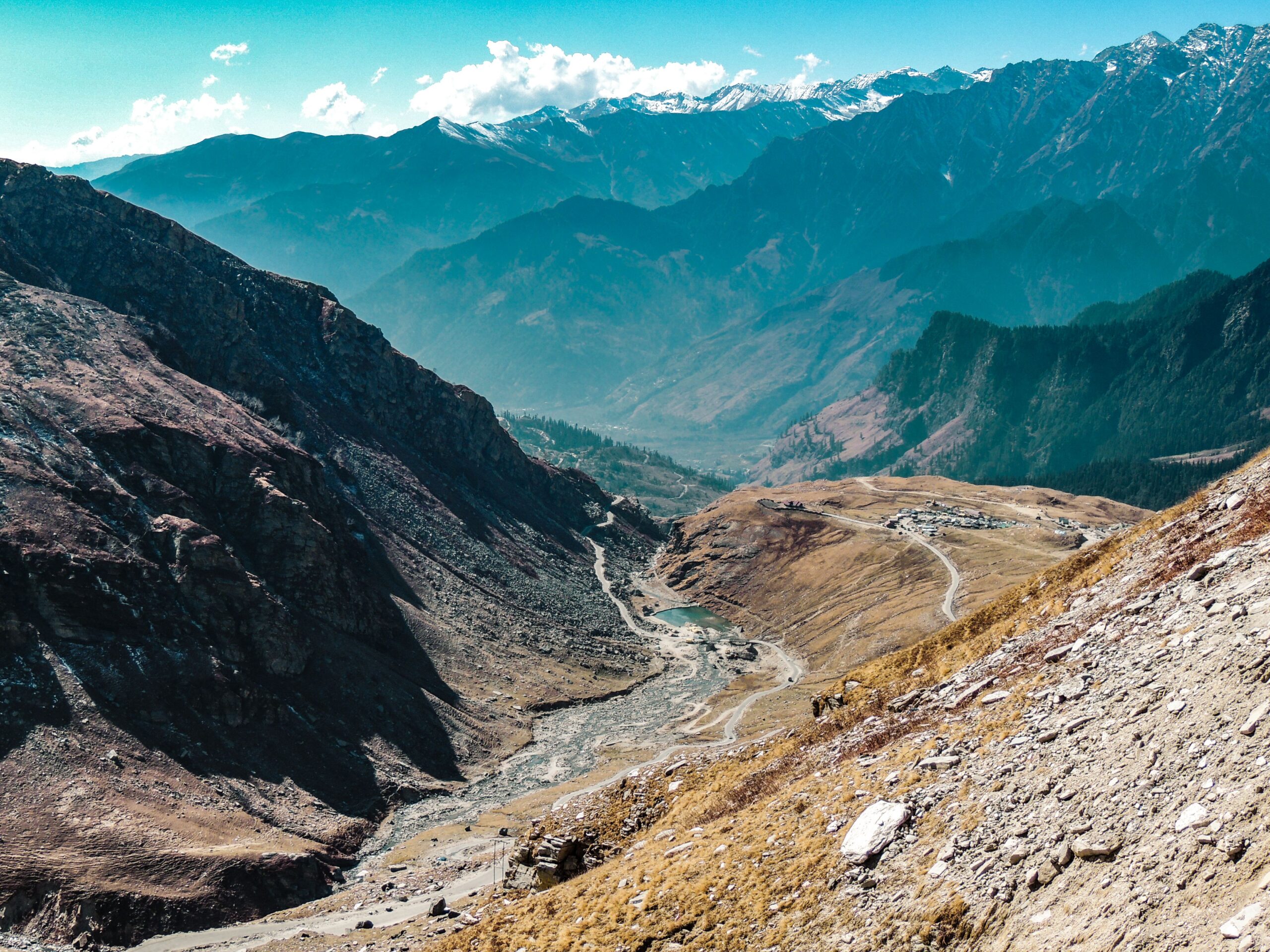
Chandrashila is in the Rudraprayag district of Uttarakhand. It is close to Chopta and lies above Tungnath Temple. The area is part of the Garhwal Himalayas. The name Chandrashila is often translated as “Moon Rock”. From the summit, you may see peaks such as Chaukhamba, Nanda Devi, Trishul and Bandarpunch. These views depend on the weather. Clouds can cover the mountains even when the day starts clear.
What Is the Height of Chandrashila?
Sources give two different heights for Chandrashila Peak. Uttarakhand Tourism lists the height as about 4,000 metres (13,123 feet). Some other sources give about 3,690 metres (12,110 feet). These numbers do not match, so the difference should be made clear.
This guide uses the 4,000-metre figure because it is listed by Uttarakhand Tourism. Tungnath Temple is about 3,680 metres (12,073 feet) above sea level. Using these figures, Chandrashila is about 320 metres higher than Tungnath. The final climb is short, but it is steep in places. The high altitude can also make walking harder.
Which God Is Worshipped at Chandrashila Temple?
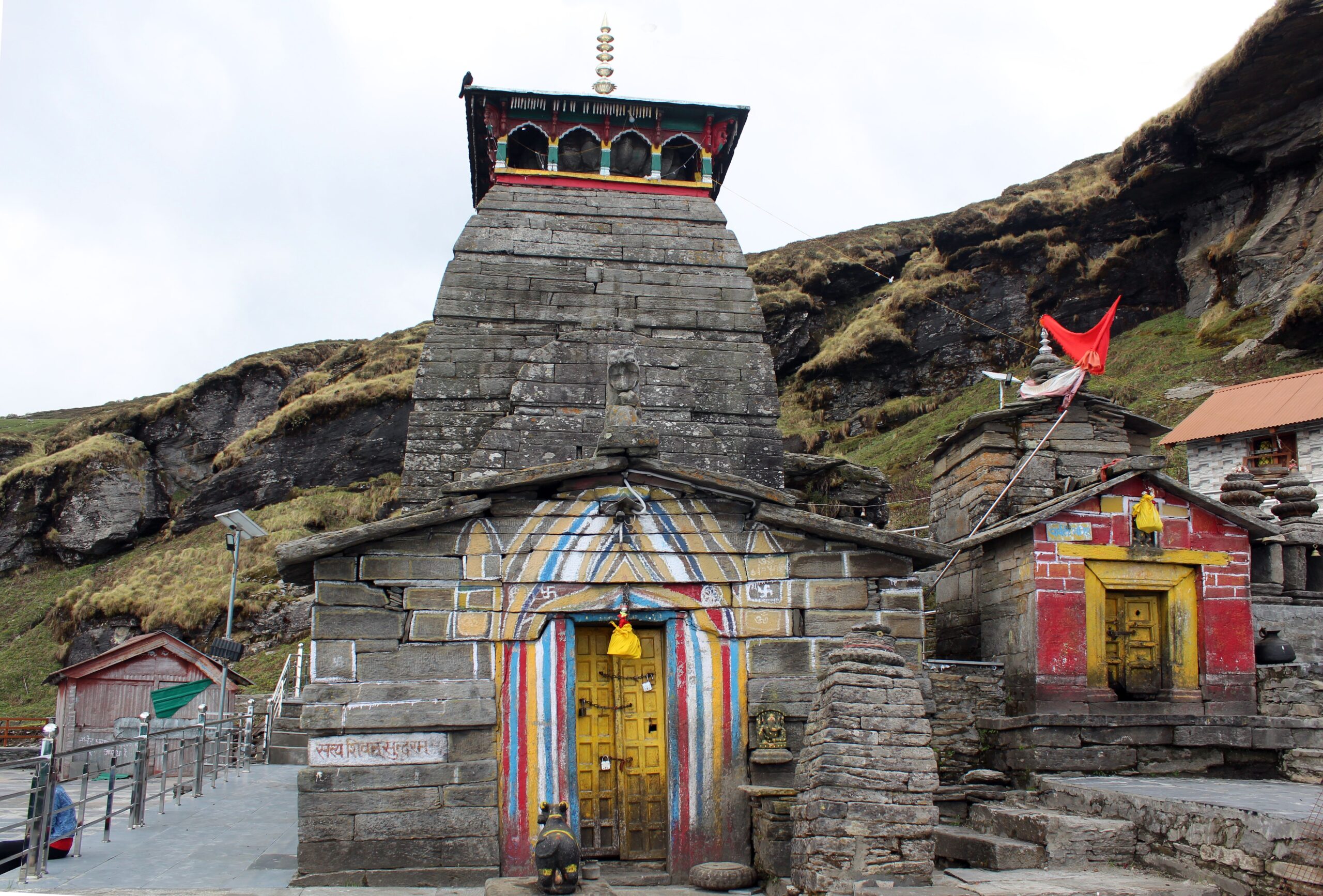
The small shrine at Chandrashila summit is dedicated to Goddess Ganga, according to Uttarakhand Tourism. Tungnath Temple, which lies below the summit, is dedicated to Lord Shiva. It is one of the five Panch Kedar temples and is known as the highest Shiva temple in the world.
The other four Panch Kedar temples are Kedarnath, Rudranath, Madhyamaheshwar and Kalpeshwar. These temples are linked to an old Hindu story about the Pandavas and Lord Shiva. Many people visit Tungnath and Chandrashila on the same day. This is why the two places are often mentioned together. However, they are not the same temple, and they are linked to different deities.
History and Legends of Chandrashila Temple
Chandrashila is linked to stories from Hindu tradition. Uttarakhand Tourism shares two well-known legends about the peak. One story says that Lord Rama meditated at Chandrashila after defeating Ravana. Some versions explain this as a way to seek forgiveness for the killing during the war. Another story says that Chandra, the Moon God, performed penance here. The name “Moon Rock” is linked to this story.
These are religious legends. They are part of local belief, but they are not proven historical events. The exact age of the small summit shrine is also unclear from the sources checked. There is not enough reliable evidence to say that the shrine is thousands of years old.
Tungnath has a separate story. According to Hindu tradition, the Pandavas wanted to seek Lord Shiva’s forgiveness after the Mahabharata war. Shiva tried to avoid them and took the form of a bull. His body is believed to have appeared at five places in the Garhwal region. At Tungnath, his arms are said to have appeared. This story is part of the belief behind the Panch Kedar temples.
What Does Chandrashila Temple Look Like?
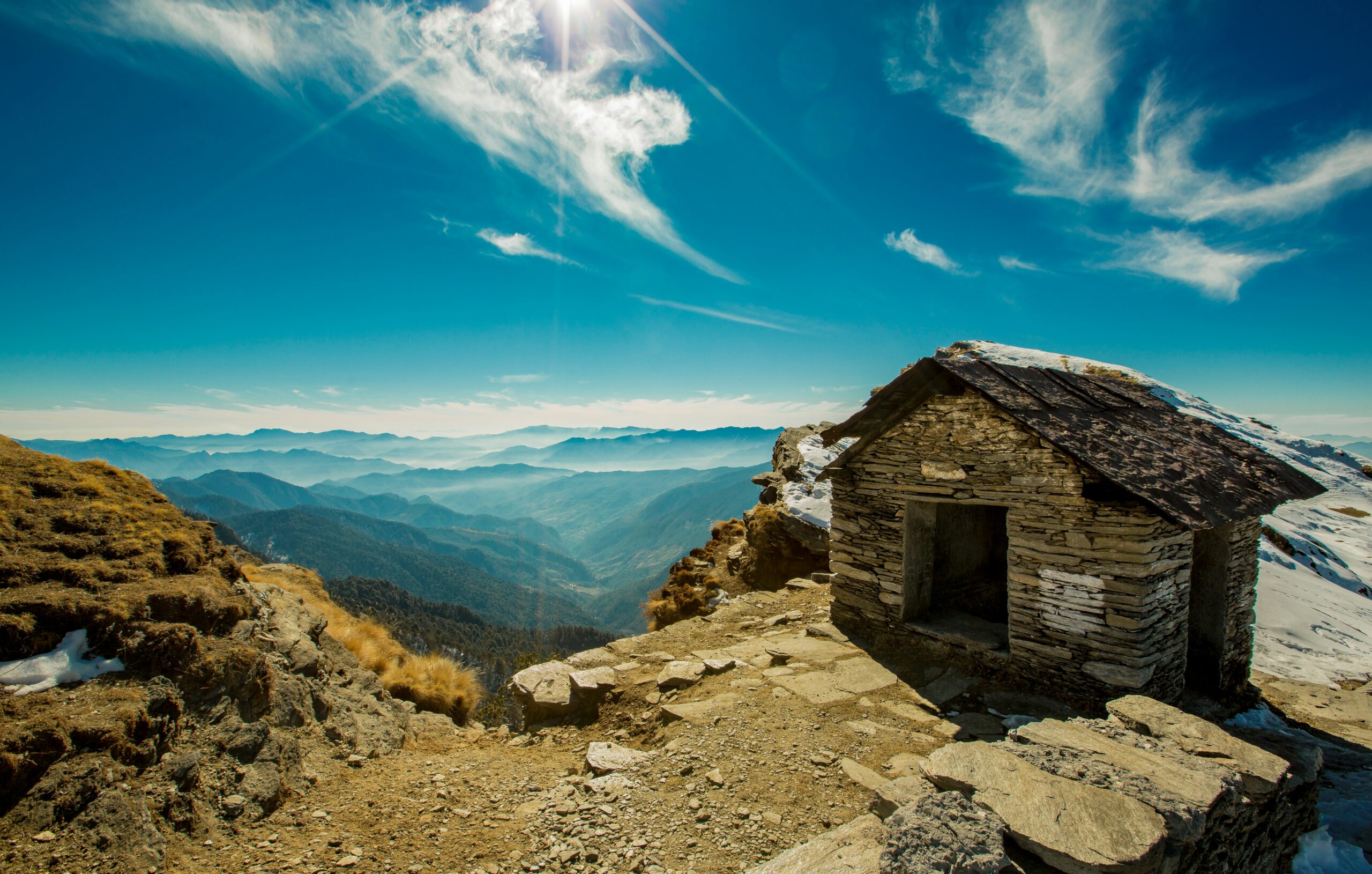
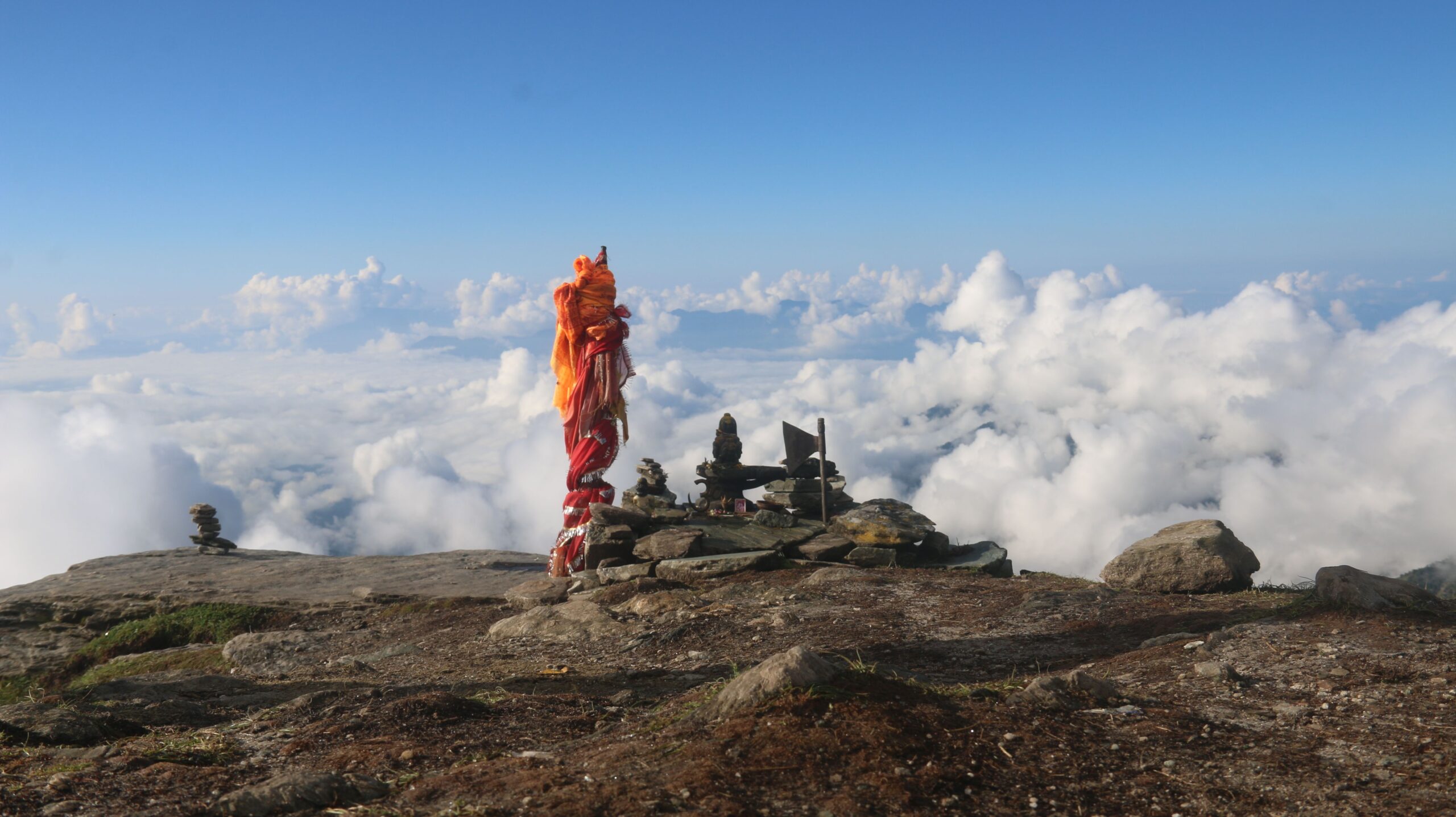
Chandrashila has a small stone shrine near the summit. It is set on an open mountain top, with wide views of the surrounding peaks when the weather is clear. It is not a large temple complex with many facilities. The shrine is small, and the mountain setting is a major part of the visit.
The sources checked do not clearly confirm the shrine’s regular puja times, fixed darshan hours or the availability of a priest. Details about offerings are also unclear. If you want to perform a particular puja, ask locally before your trip.
Visitors should respect the shrine and follow any instructions given by temple staff or local authorities. Do not leave rubbish on the trail or near the temple.
How to Reach Chandrashila Temple
The usual route starts at Chopta. From there, you walk to Tungnath Temple and then climb to Chandrashila summit.
Route section | Distance | Usual walking time |
Chopta to Tungnath Temple | 3.5 km one way | 2 to 2.5 hours uphill |
Tungnath to Chandrashila summit | 1.5 km one way | 45 to 60 minutes uphill |
Chopta to Chandrashila summit | About 5 km one way | Around 3 to 4 hours uphill |
Full walk from Chopta and back | About 10 km | Around 5 to 7 hours total |
These times are estimates. Your speed, rest breaks, crowds and weather can change how long the walk takes.
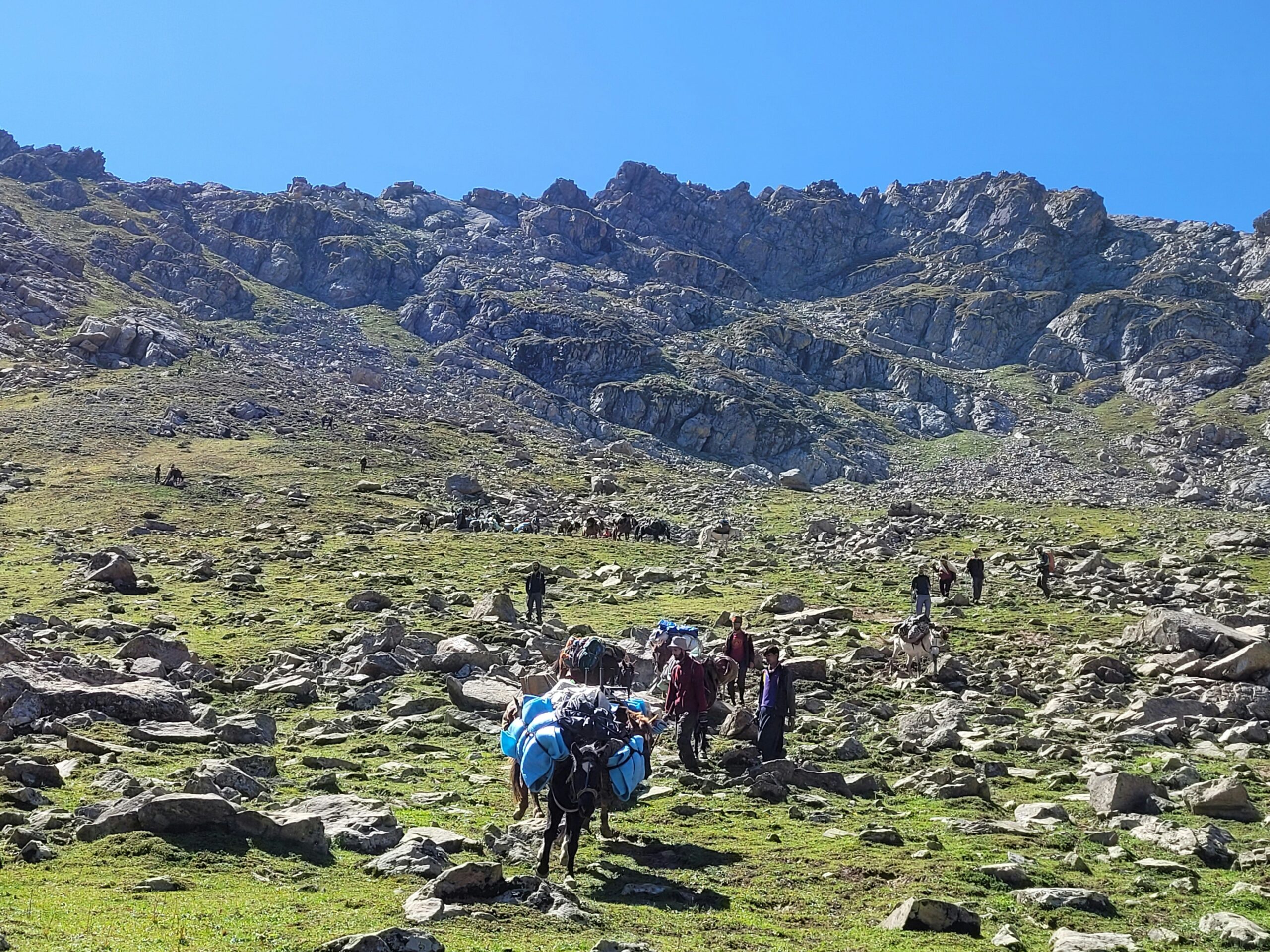
The path from Chopta to Tungnath has many stone steps. The last section to Chandrashila is steeper and can be rough or icy. Walk slowly and take breaks when needed.
How to Reach Chopta
Rishikesh is a common rail stop for people travelling to Chopta. From there, the road route often passes through Devprayag, Srinagar, Rudraprayag and Ukhimath. The drive takes several hours, and the exact time depends on road and weather conditions. You can also travel from Haridwar or Dehradun. Public transport may take you towards Ukhimath or Rudraprayag, where you may need a shared vehicle or taxi to reach Chopta.
Some longer trekking trips start near Deoria Tal and pass through Sari and Duggalbitta before reaching the Chopta area. These trips are longer than the usual walk from Chopta. Check the full route and number of days before booking.
Best Time to Visit Chandrashila Temple
The best time depends on whether you want to visit the temple, see the mountains or walk in the snow.
April to June: Snow may remain on the upper trail in early spring. As the snow melts, walking conditions often improve. May and June are popular months, but the weather can still change quickly.
July to August: This is the monsoon season. Rain can make the path slippery and hide the mountain views. Landslides and road closures may also affect travel. Check the forecast before leaving.
September to October: These months often bring clearer skies and cool weather. The views can be very good, but nights are cold. Snow or ice may appear on the upper trail later in the season.
November to March: Tungnath Temple usually closes for winter worship. The deity is moved to Makkumath, the winter place of worship. The trail may still be used by experienced winter trekkers when conditions allow, but heavy snow and ice can make the upper climb unsafe.
If your main goal is temple darshan, check the temple dates before travelling. If you want a winter trek, ask a trusted local guide about snow, road access and trail safety. Do not assume the summit shrine is open just because the trail can be reached.
Things to Know Before Your Visit
Chandrashila is a high mountain walk. Even though the route is short, you need to prepare well.
- Start early so you have enough time to return before dark.
- Wear strong shoes with good grip.
- Carry warm clothes and a rain jacket.
- Take enough water and some snacks.
- Carry cash because small shops may not accept digital payments.
- Do not depend on mobile network coverage along the whole route.
- Ask locally about any forest rules, fees, pony services or other limits. These may change with the season.
- Avoid the summit during heavy rain, strong winds, poor visibility or icy conditions.
- If you develop a strong headache, dizziness, nausea or unusual weakness, stop climbing and head down. Get medical help if symptoms are serious.
Chopta and nearby areas have places to stay and eat. Facilities may be limited outside the main season, so book ahead if you plan to visit during a busy period or in winter.
Frequently Asked Questions
Is Chandrashila Temple the same as Tungnath Temple?
No. Tungnath is a temple dedicated to Lord Shiva. Chandrashila is the summit above it, where a small shrine dedicated to Goddess Ganga is described by Uttarakhand Tourism.
What is the height of Chandrashila Peak?
Uttarakhand Tourism lists the height as about 4,000 metres (13,123 feet). Some other sources give about 3,690 metres (12,110 feet). The difference should be noted when comparing sources.
How far is Chandrashila from Chopta?
The summit is about 5 km from Chopta one way. The walk includes about 3.5 km to Tungnath and another 1.5 km to Chandrashila. The full return walk is about 10 km.
Is Chandrashila Temple open in winter?
Tungnath Temple usually closes for winter worship, and the deity is moved to Makkumath. Snow and ice can cover the upper trail. Check local conditions before planning a winter climb.
Can I visit Chandrashila without visiting Tungnath?
The usual route from Chopta passes Tungnath before reaching Chandrashila. Most visitors see both places on the same trip. The final climb to the summit is steeper than the path to Tungnath.