The best time to visit Dayara Bugyal is May, June, October or November, depending on the views they want. Choose December to February for snow, March and April for a mix of snow and spring, and May to June for green meadows. October and November bring clearer skies and golden grass. Avoid July and August if possible, as monsoon rain can make the trail slippery and hide the mountain views.
Dayara Bugyal is a high mountain meadow in Uttarkashi, Uttarakhand. The trek passes through oak and rhododendron forests before opening onto wide grasslands, with views of peaks such as Bandarpoonch. The highest point is often listed at around 11,950 feet, though some guides give a different figure for Dayara Top. Your route and trek plan also affect the total distance and time needed.

Dayara Bugyal Best Time to Visit: Quick Answer
Your main goal | Best months | What to expect |
Snow-covered meadows | January and February | Deep snow may cover parts of the trail |
Snow with signs of spring | March and early April | Snow patches, cold mornings and early blooms |
Green meadows and flowers | May and June | Greener grass, longer days and milder weather |
Clear mountain views | October and November | Crisp skies and golden grass |
A first Himalayan trek | May, June or October | Usually easier walking than on a deep-snow trail |
Months to avoid if possible | July and August | Rain, muddy trails and limited views |
These are usual seasonal patterns, not a guarantee for your dates. Snowfall, rain and temperatures change from year to year. Check the latest route report with your trek operator before booking.
Winter: December to February for Snow
Choose winter if walking across a snow-covered meadow is your main goal. Snow can begin to settle from late December, while January and February often offer the best chance of a white landscape. The open grassland, forest and mountain slopes look very different under snow.
The trade-off is cold and slower walking. Snow can hide the usual path, and deep patches may make each step harder. You may need gaiters and other snow gear, depending on the conditions. Go with a trained guide, and do not wander away from the group across a snow-covered meadow.
Winter is also a good time to check what your operator actually provides. Ask whether snow boots, gaiters, trekking poles and suitable sleeping bags are included or need to be hired. A low package price may not cover every item you need in freezing weather.
Spring: March and April for Snow and Flowers
March and April sit between winter and summer. Some snow may remain on the higher sections, while the lower forest trail begins to clear. Rhododendrons can bloom in spring, adding colour to the forest as the weather starts to warm.
The exact timing depends on winter snowfall and the weather that follows. An early warm spell may melt snow sooner, while a cold spring can keep it on the upper trail. You may also find wet ground where snow has just melted, so waterproof footwear helps.
Pick spring if you want a mix of snow, forest and early flowers. It is less suitable if you expect deep snow across the entire meadow or warm days from start to finish.
Summer: May and June for Green Meadows
May and June are good choices if you want open views, green grass and a more comfortable walk. As winter snow melts, the meadow begins to turn green. Wildflowers may appear, and longer days leave more time to enjoy the landscape.
For first-time trekkers, this season can be easier than walking through deep snow. The route is usually clearer, though steep sections and long walking days still need care. Start early, drink water often and carry a warm layer for the evening.
June can also bring changing weather, so do not leave rain gear behind. If your main goal is fresh green grass and flowers, late spring or early summer is a sensible choice. If you want a white meadow, choose winter instead.
Monsoon: July and August Are Best Avoided
Dayara Bugyal may look lush in the monsoon, but rain can make the trek less pleasant and less safe. Muddy paths and slippery stones can slow your group, while clouds may block views of the peaks. Heavy rain can also affect road travel to the base villages.
The open meadow offers little shelter during a storm. Wet clothes and cold evenings can make camping uncomfortable, too. For most trekkers, it is better to choose another season rather than plan around uncertain weather.
If you must travel during these months, check local weather alerts and ask your operator whether the trek is running. Do not assume that a booked trip means conditions will remain safe.
Autumn: October and November for Clear Views
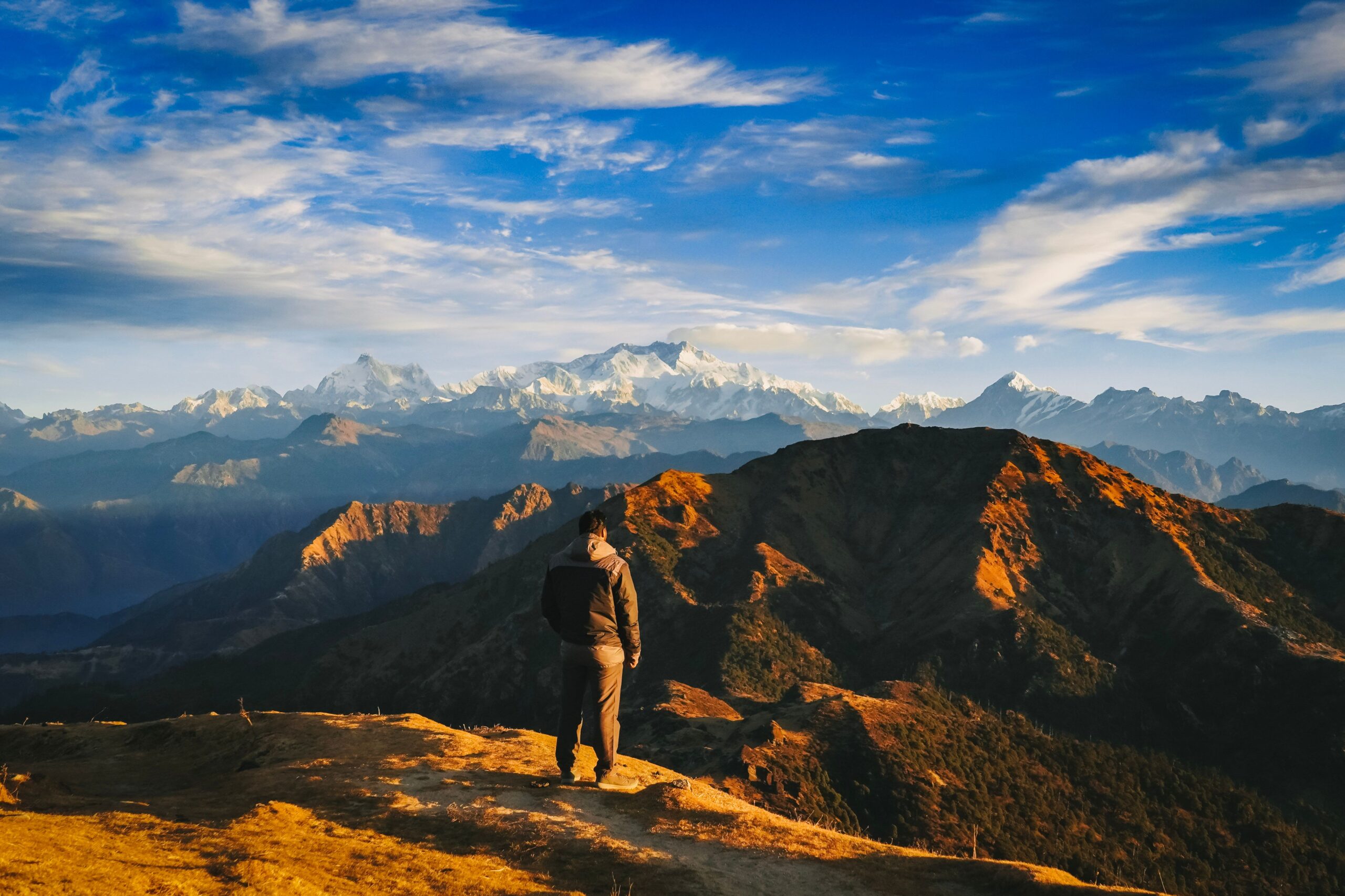
October is a strong choice if you want clear mountain views without deep winter snow. After the monsoon, the sky often becomes clearer and the grass can turn golden. This makes autumn a good season for landscape photography and long views of the surrounding peaks.
November is colder, especially at night, and the chance of early snowfall may rise. Pack warm layers even if the weather looks mild in the afternoon. If you want to avoid snow but still enjoy crisp views, October is often the safer month to consider.
Crowds can vary with weekends, holidays and operator schedules. If quiet trails matter to you, ask about group sizes and planned departure dates rather than assuming one month will always be peaceful.
Frequently Asked Questions
Is Dayara Bugyal good in December?
Yes, December can offer snow, especially later in the month. The amount depends on snowfall, so check a recent update before booking.
Is January or February better for snow?
Both months can offer snow-covered meadows. Conditions vary by year, and deep snow may make walking harder, so choose an operator with winter trekking experience.
Is Dayara Bugyal good in March?
March can be a good choice for snow patches and early spring views. Be ready for cold nights and wet ground where snow is melting.
Is Dayara Bugyal open during the monsoon?
Trek operations and local conditions can vary. July and August bring rain and slippery trails, so most visitors are better off choosing another season.






