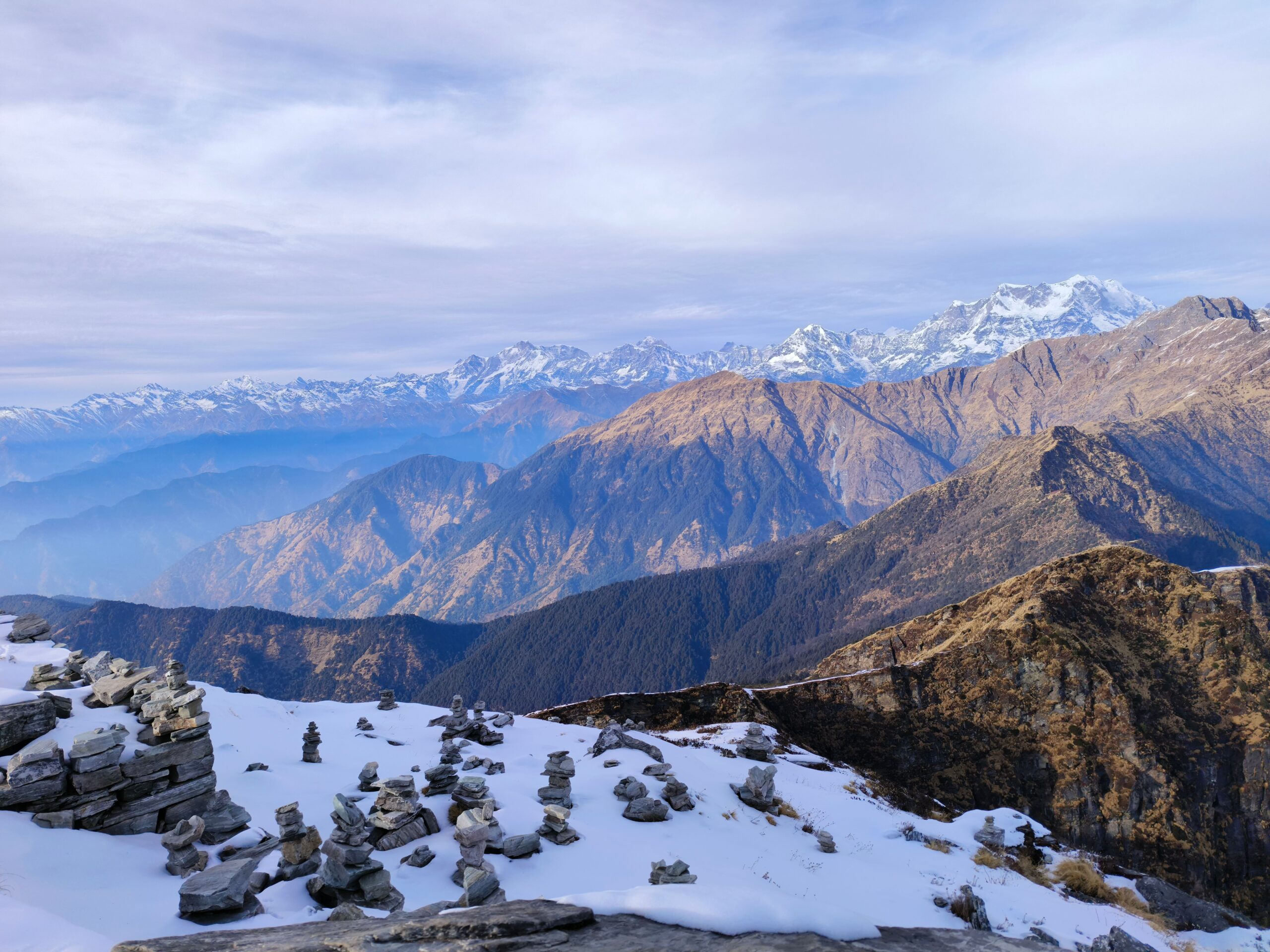
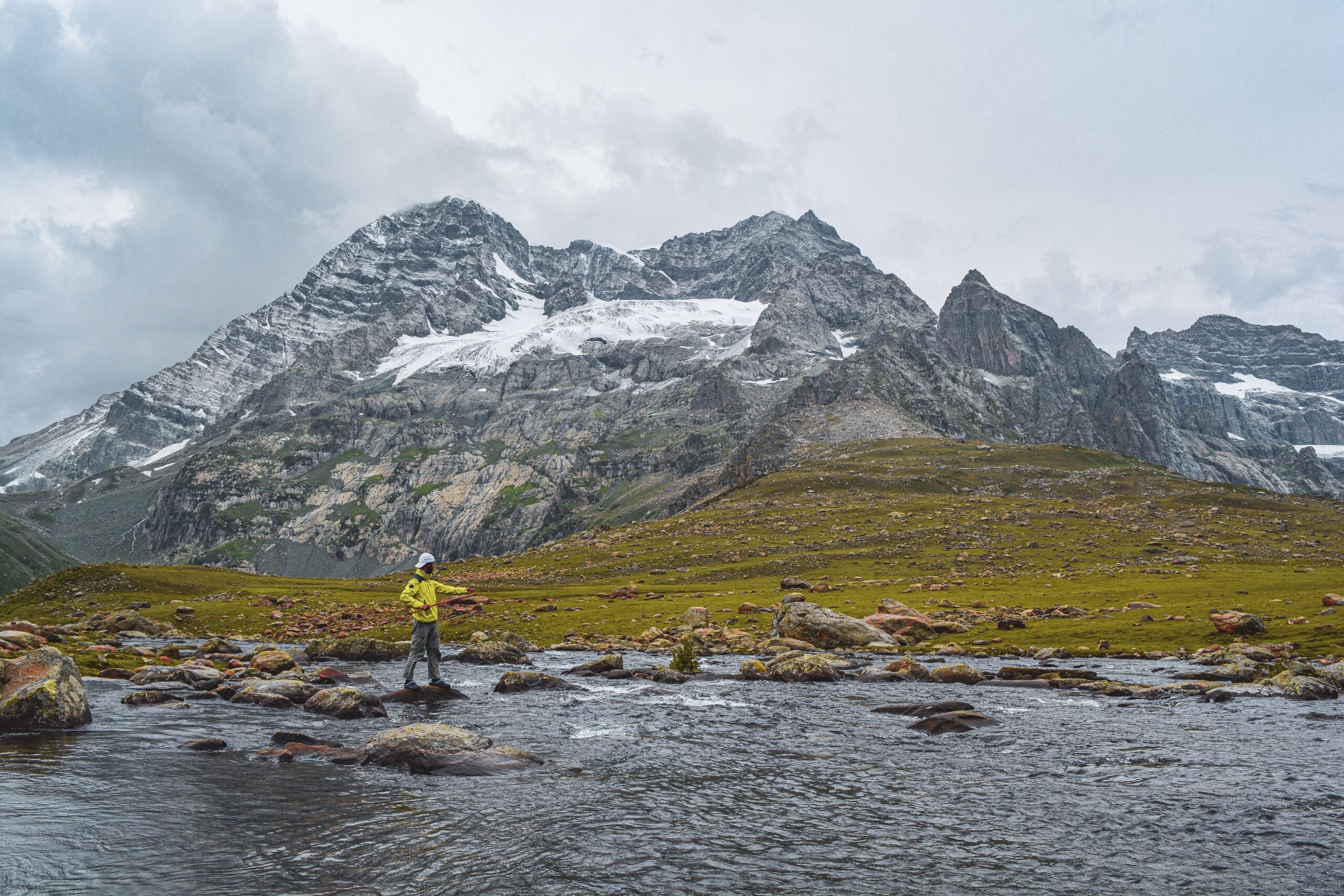
The best time for the Tarsar Marsar Trek is July to early September. Mid-July to August is the best choice for most trekkers. Early July may bring melting ice and snow near the high lakes. August brings green meadows and blue lake water. Early September is better for cool weather, fewer people, and clear mountain views. The exact dates depend on snow, weather, and local access.
If you plan this trek in 2027, do not choose dates based only on photos. Tarsar Marsar reaches about 13,000 feet at its highest point. A common route covers about 47 km over six to seven trekking days. The best month depends on the views you want, how well you handle cold nights, and the trail conditions.
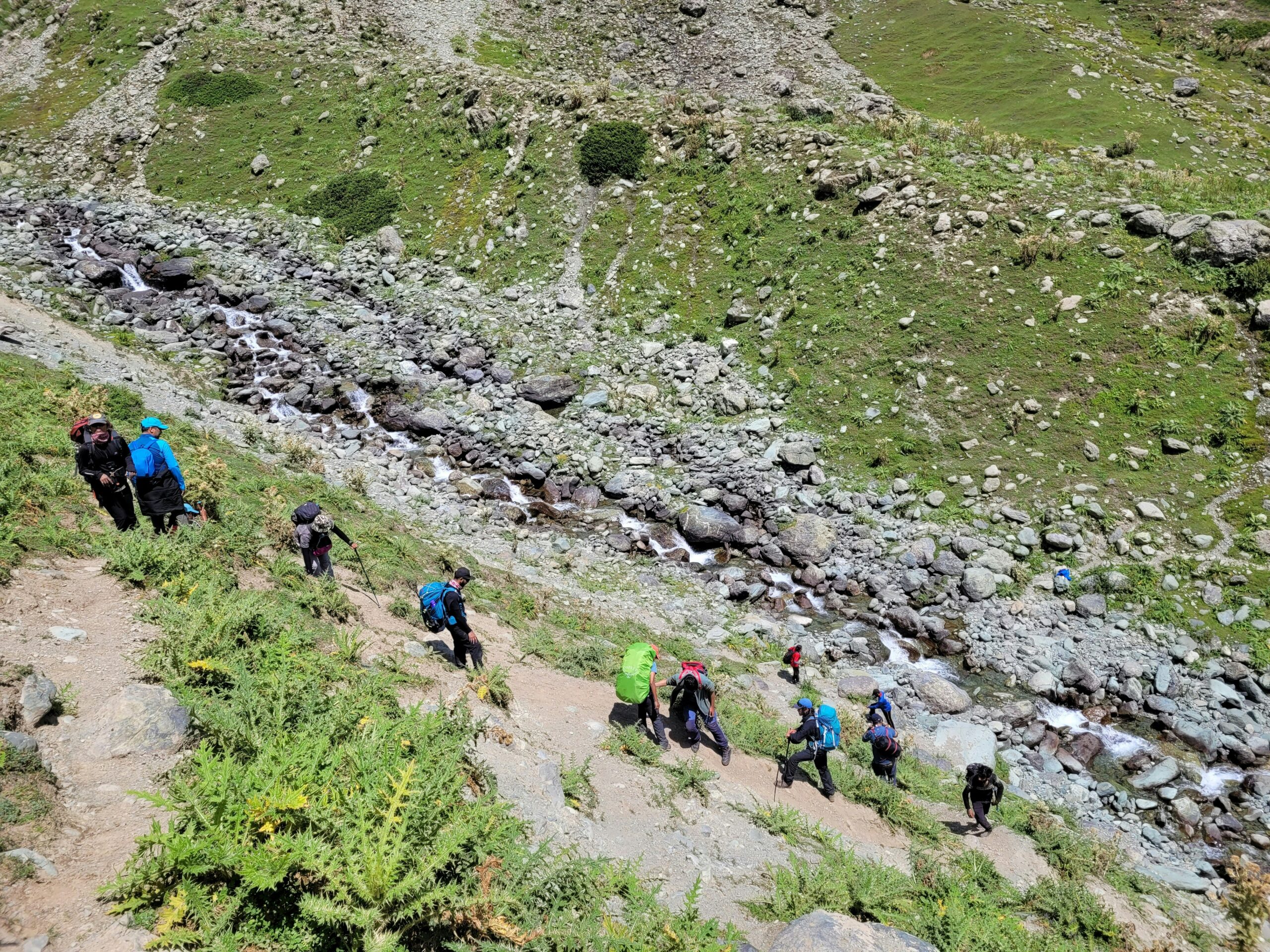
Best Time to Visit Tarsar Marsar: Month-by-Month
The main trekking season is short, but the views change a lot during these weeks. Snow melts, flowers bloom, and the lakes turn blue. As autumn nears, the meadows slowly change colour.
Month | Lake and meadow conditions | Trail and weather | Best for |
June | Snow may remain near high lakes; lower meadows begin to open | Snow may still block parts of the upper trail | Fit trekkers, if the route is open |
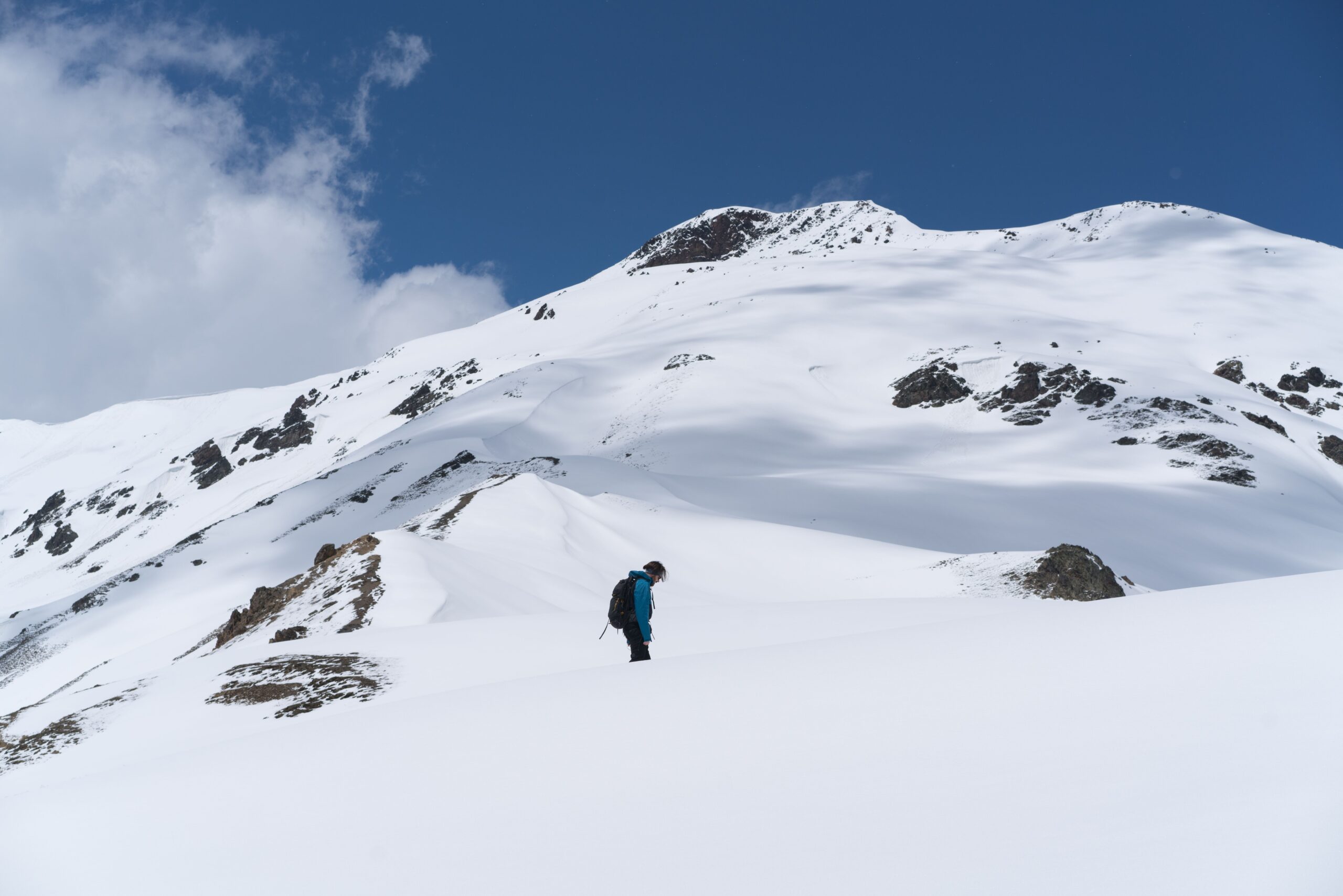
Early July | Ice patches may remain near high lakes | Snowmelt and stream crossings may slow the trek | Snow views and early summer scenery |
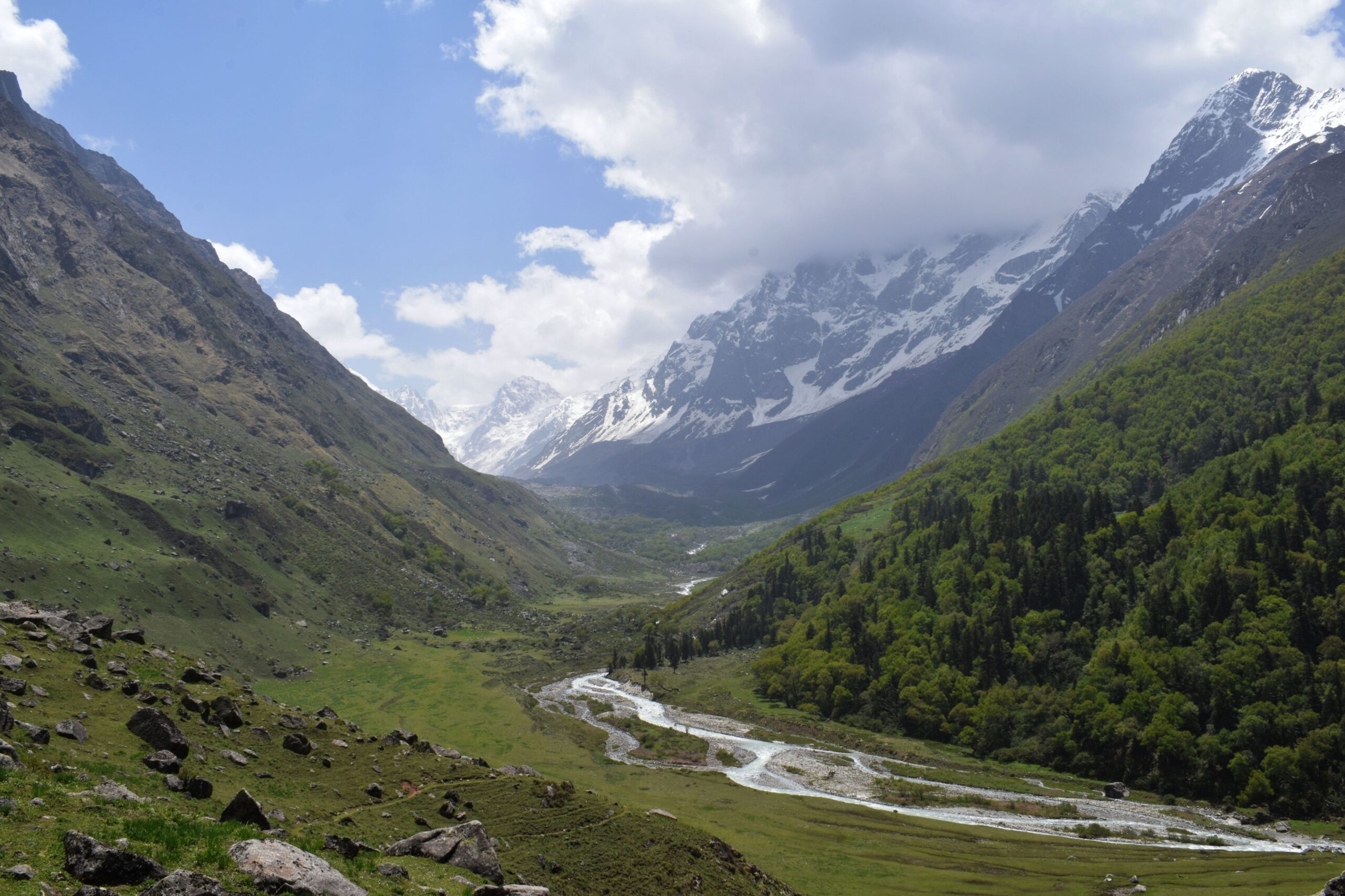
Mid to late July | Blue lakes, green meadows, and many wildflowers | The main trekking season is underway | Flowers and green views |
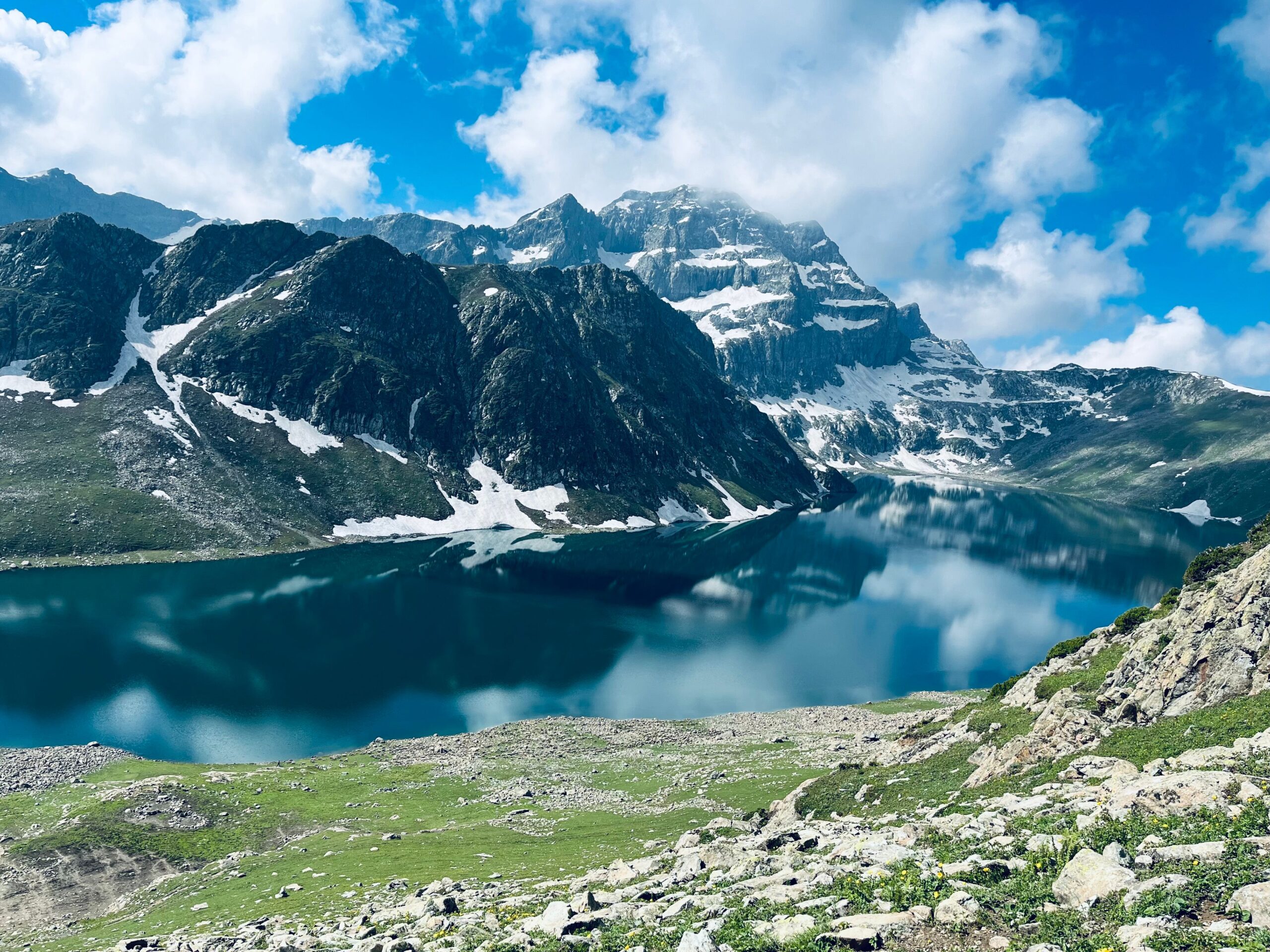
August | Blue lakes and lush green meadows | A busy trekking period, with some showers | First-time visitors seeking summer views |
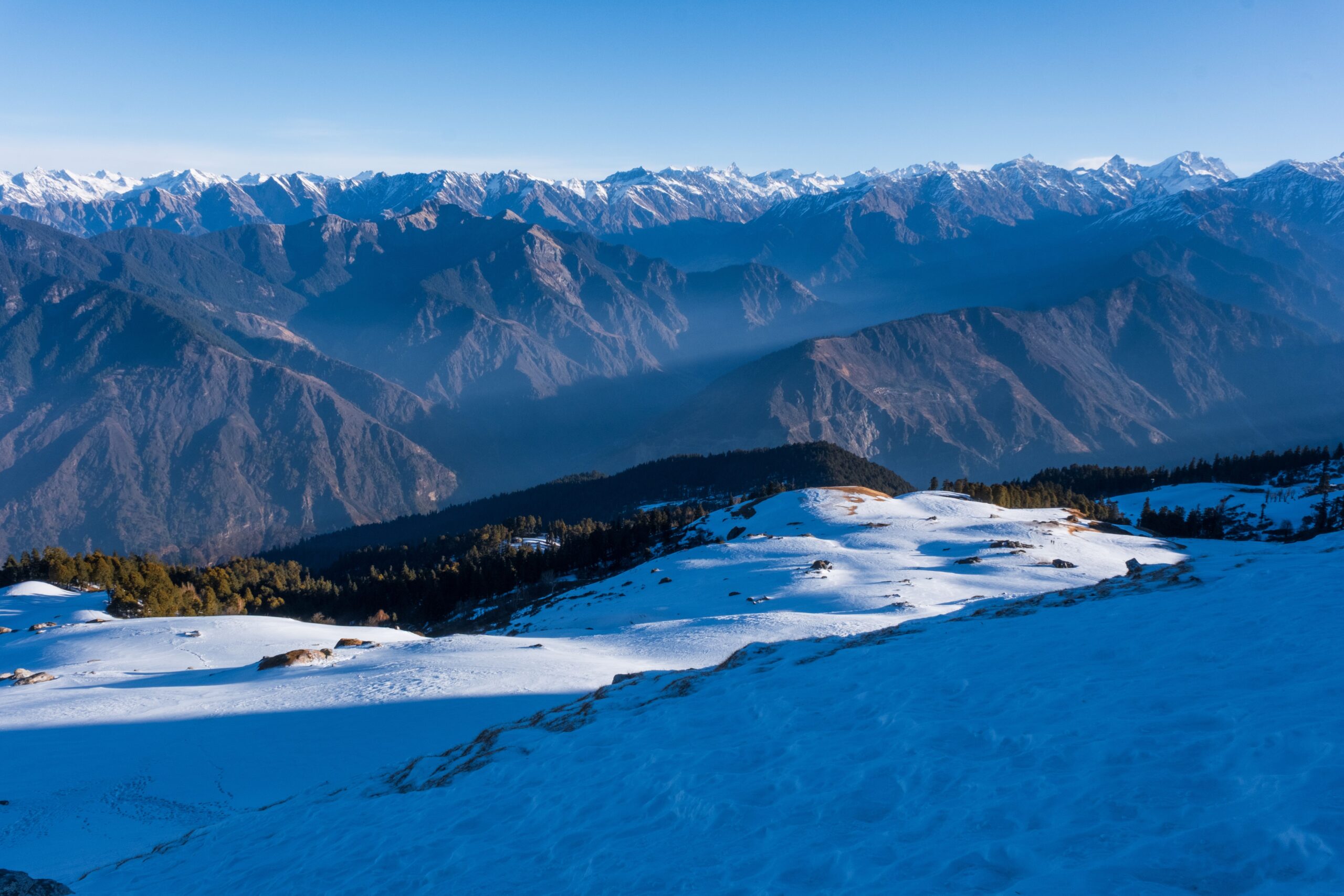
Early September | Meadows begin to lose their bright green colour | Cold nights and possible early snow | Photos and quieter trails |
Late September | Colder weather and more autumn-like views | Higher risk of snow and route closure | Only if the operator confirms safe access |
October to May | High lakes and passes may be covered in snow or ice | Normal guided treks are generally not available | Choose another suitable season or a lower route |
These are common seasonal patterns, not fixed dates for 2027. In a year with less snow, the route may open early. In a snowy year, parts of the trail may stay blocked for longer. Check the latest trail update before paying for a trek.
Tarsar Marsar Trek in June: Is It Worth Going?
June can be tricky. The lower valleys may look ready for summer, while snow still covers parts of the upper trail. Some trek operators may run early batches in good conditions, but that does not mean the full route is clear. Melting snow can also raise stream levels and make crossings harder.
If you plan to trek in June, ask the operator if the route over Tarsar Pass is open. Check if you need snow gear and whether the team has a recent trail report. Do not book just because summer has begun. For most first-time trekkers, July is the safer choice to consider.
Tarsar Marsar Trek in July: Best for Wildflowers
July is one of the best months for people who want to see Kashmir’s alpine meadows in bloom. The slopes turn green, and bright flowers spread across the grasslands. The Jagmargi plains are a key highlight, with flowers across the meadows and rugged peaks all around.
Early July may still bring snow patches near Sundarsar, one of the high lakes on the route. By mid to late July, much of the snow has often melted in a normal season. Tarsar and Sundarsar then show their deep blue shades. Rain may fall in the afternoon, so carry a waterproof jacket and quick-dry clothes.
Choose July if you want:
- Green meadows and bright wildflowers.
- A chance to see snow patches at higher points.
- Long summer days for walks and photos.
Mid to late July can offer a good mix of flowers and clear trails. Still, book only after your operator confirms that the route is ready.
Tarsar Marsar Trek in August: Best Month Overall
August is my top pick for most trekkers because it often offers the classic Tarsar Marsar views. The meadows are lush, the lakes are mostly free of ice, and the main trekking season is in full swing. If you have seen photos of blue lakes and green slopes, August is a good month to aim for that scene.
The main drawback is the crowd. You may share camps and trails with more groups, mainly on busy dates. Rain and low clouds may also hide the views for some time. A cloudy morning does not mean the whole trek will be poor. Still, you should not expect clear skies at every lake. For most first-time visitors, mid-August is a good date to consider. Book early if you need a set batch. Keep some room in your travel plans in case the weather changes.
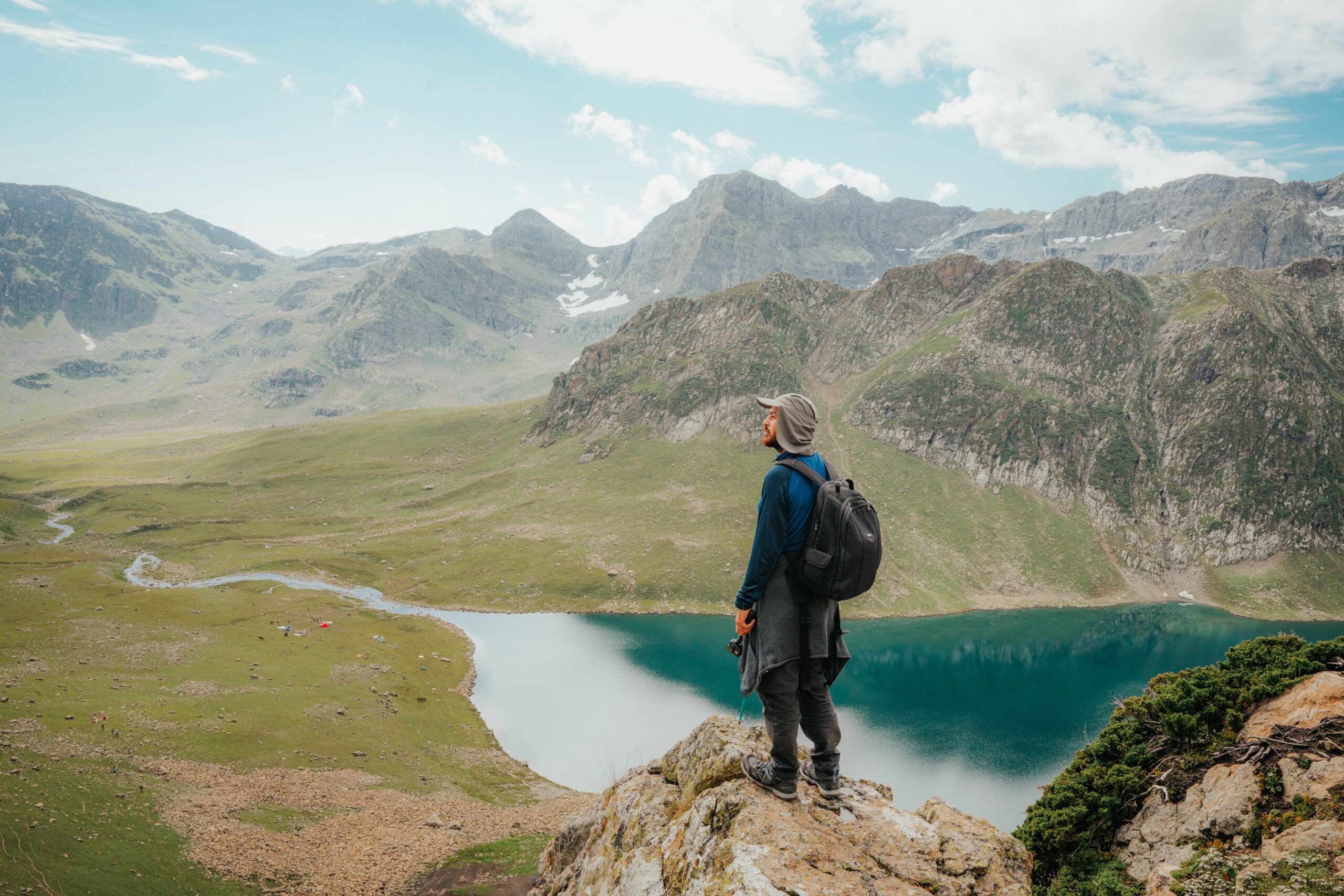
Tarsar Marsar Trek in September: Best for Photos and Quiet Trails
September brings a change in the landscape. The grass may lose some of its bright green shade, and nights become colder. The air also feels crisp after sunset. On clear days, the mountain views can be sharp, making early September a good choice for photos and quieter trails. The night sky is another reason to consider this month. If you want to photograph the Milky Way, check the moon phase before you book. Aim for a clear, dark night. A new moon can help, but clouds, haze, and the Milky Way’s position also matter. You cannot count on clear skies every night.
Early September is usually easier to plan than late September. Some operators stop their trips in the first half of the month. Others may run later if the trail is safe. Do not assume the route is safe just because another group walked it earlier.
Tarsar Marsar Trek Weather and Temperature
Days can feel warm when the sun is out, but nights at high camps can be very cold. Trek guides often give different temperature ranges. Treat the figures below as rough guides, not a forecast for your dates.
Period | Approximate daytime temperature | Approximate night temperature | What to prepare for |
Early July | 15°C to 20°C | 4°C to 8°C | Snow patches and cold mornings |
Mid-July to August | 15°C to 20°C | 4°C to 8°C | Showers, wet ground, and cold nights |
September | Around 10°C to 18°C | Can fall below freezing | Cold camps and possible early snow |
Actual temperatures depend on height, wind, clouds, and the weather that year. Higher camps are often colder than Aru or Pahalgam. Pack for the coldest part of your trek, not the weather in Srinagar.
Frequently Asked Questions
Which is the best month to do Tarsar Marsar Trek?
August is the best all-round choice for most trekkers. The meadows are green, the lakes are mostly free of ice, and the main trekking season is in full swing. Mid to late July is great for wildflowers. Early September may suit those who want clear views and fewer people.
Can I do the Tarsar Marsar Trek in October?
October is usually outside the normal trekking season. Snow, cold nights, and route closures can make the high trail unsafe or hard to reach. Choose another trek unless a skilled local operator confirms that the full route is open and safe.