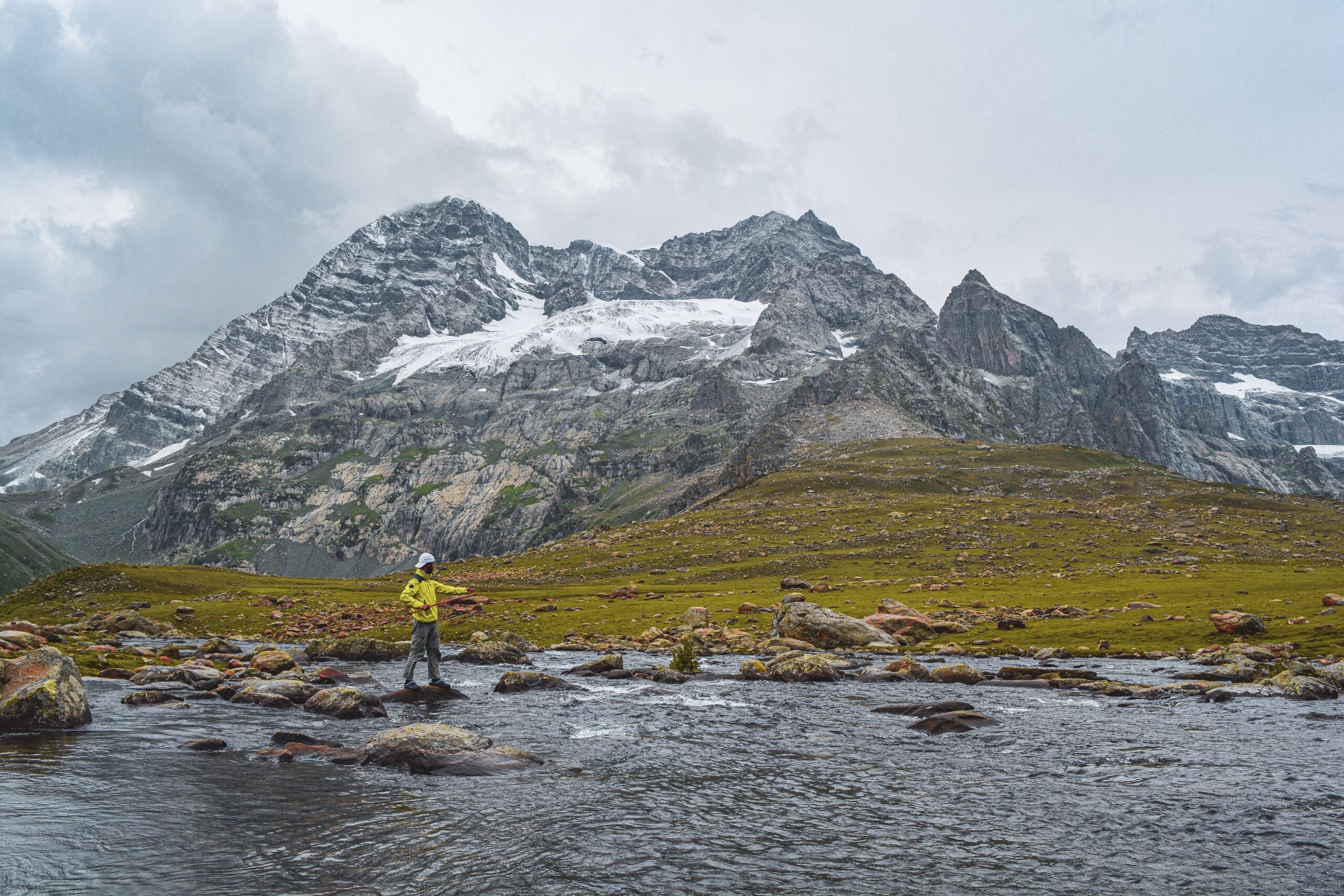
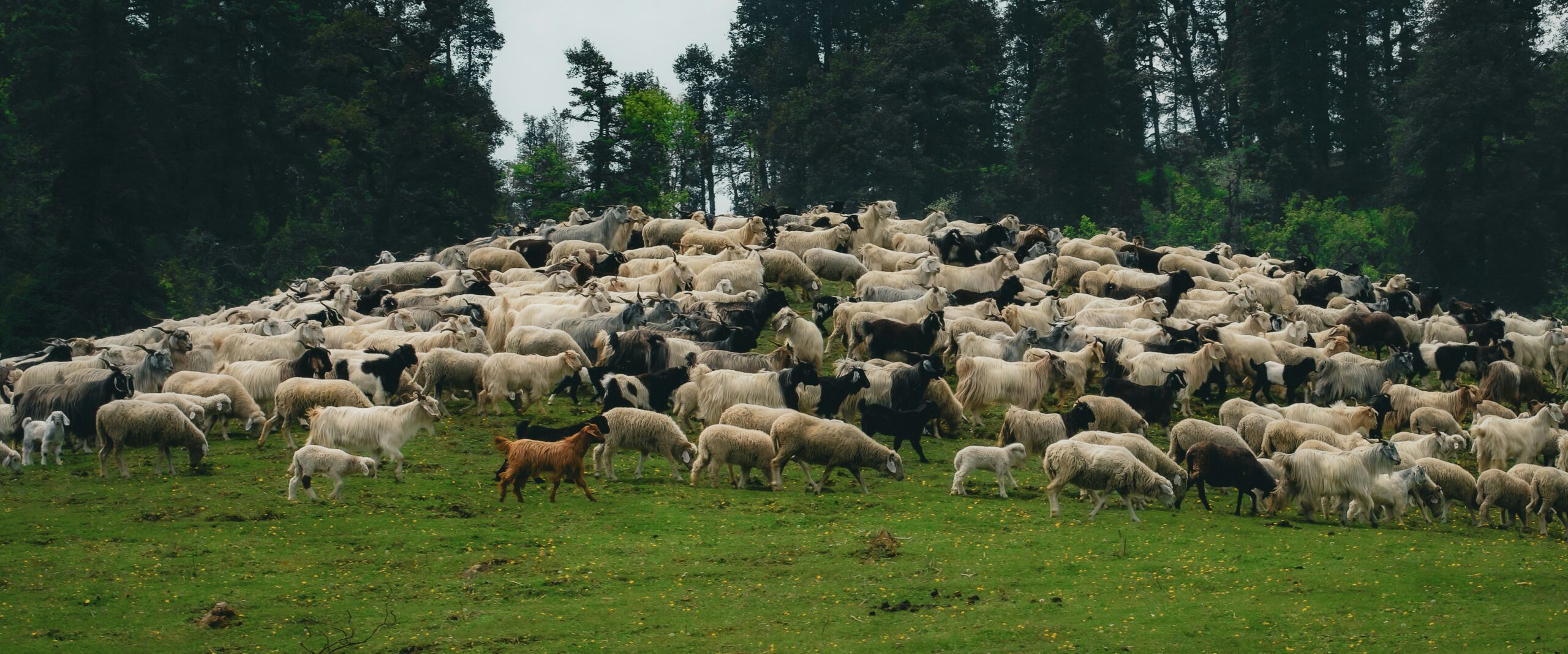
Kuari Pass in September can offer green meadows, fresh mountain air and clear views of Nanda Devi. But the month is not fully dry, even during its final weeks. The monsoon can stay active in Uttarakhand until late September or early October. If you want better chances of clear views, choose your dates carefully and check the latest weather before you leave.
The biggest mistake is to treat all of September as autumn. The first half can still bring heavy rain, wet trails and thick clouds. The later part may offer better trekking conditions, but rain can still return.
Kuari Pass Weather in September
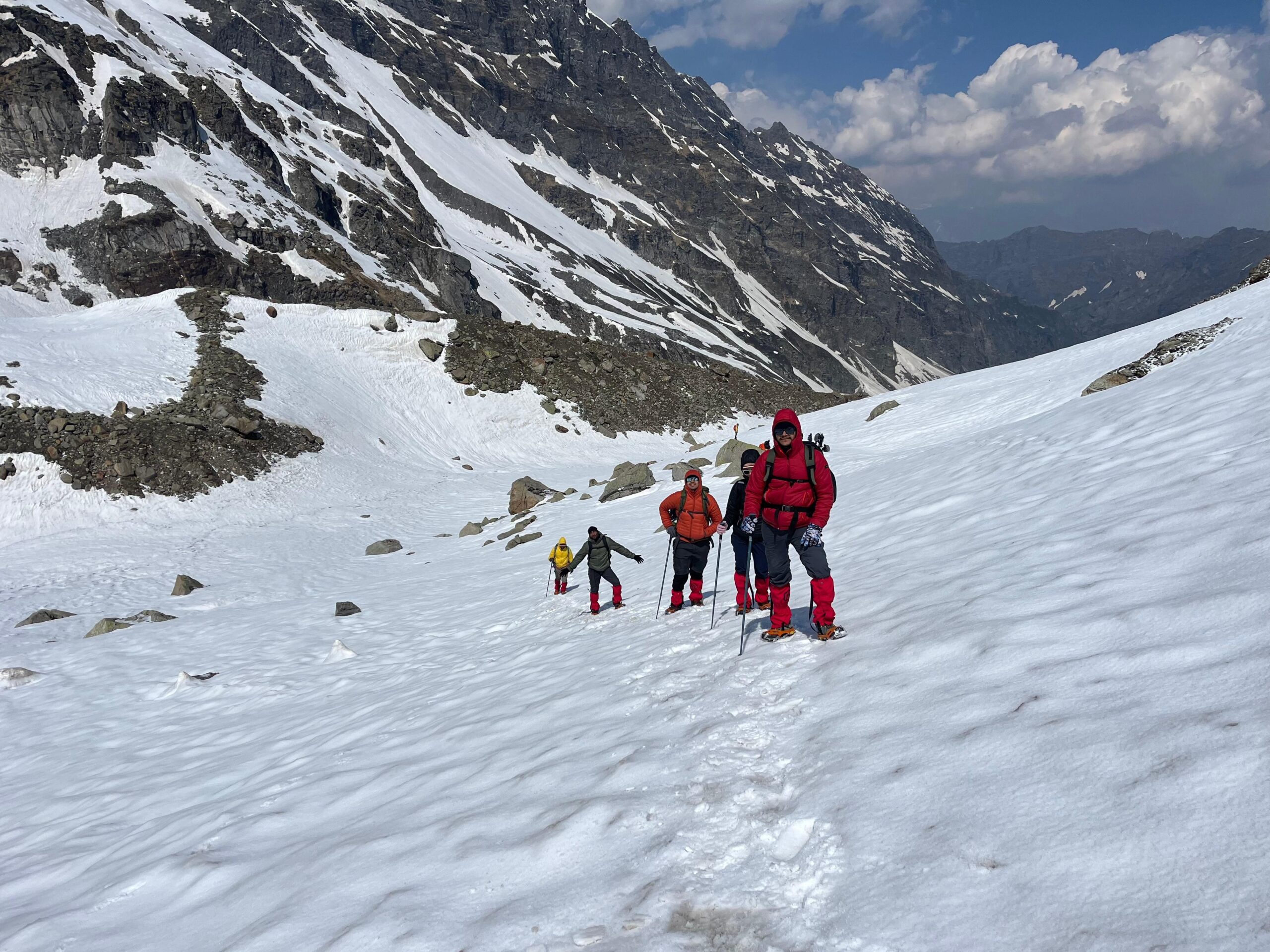
September weather depends on the rain, wind and height of your campsite. Days can feel pleasant when the sun is out, but the temperature drops after sunset. Higher camps also feel colder when clouds and wind move in.
Weather detail | What to expect |
Day temperature | Around 10°C to 15°C at higher camps |
Night temperature | Can fall close to 0°C |
Rain | Possible through September |
Snow | Not expected in normal September conditions |
Sky | Cloudy spells and clear breaks |
Trail | Green, damp and sometimes slippery |
Do not use these figures to decide whether a particular batch is safe. Check the local forecast for Joshimath, Karchi and the trek area before departure. Weather at the road head may also differ from conditions near Kuari Pass.
Early September: High Monsoon Risk
The first week can still feel like the rainy season. You may face wet forest paths, muddy slopes and poor views due to low clouds. Leeches may also be present on damp sections of the lower trail.
Heavy rain can affect roads and streams. It may also force a trek team to change its campsite or walking plan. If your dates are fixed, ask the operator what happens if the trek cannot run.
Mid-September: Conditions Can Begin to Change
The middle of September can bring a mix of rain and clear spells. Some days may feel fresh and bright, while others remain cloudy. The meadows and forests still look green after the rain.
Do not assume that the monsoon has ended by 15 September. In 2026, the IMD issued a warning for isolated heavy to very heavy rain over Uttarakhand on 27 September. This is a useful reminder that late-month rain can still affect travel.
Late September: Better Chances, Not a Promise
The last week may offer better chances of clear skies in some years. If the monsoon has withdrawn and no new rain system arrives, the views can improve. The trail may also begin to dry in open sections.
Still, there is no fixed date when Kuari Pass becomes dry. A fresh spell can bring clouds, wet ground and road delays. Keep a buffer day if you have a flight or train to catch after the trek.
Rainfall and Monsoon Withdrawal: What the Data Says
There is no reliable public record of weekly rainfall at every Kuari Pass campsite. IMD reports rainfall for Uttarakhand as a whole, while the actual trail can have different local conditions. So it would be misleading to give exact rainfall figures for Khullara or Karchi without local station data.
The state figures still help explain the risk. Uttarakhand received 140% of its normal September rainfall in 2025, while September 2024 recorded 155% of its normal rainfall. These are state-level figures, not measurements from the Kuari Pass trail.
The lesson is simple. Do not book a September trek only because a calendar says it is the post-monsoon season. Check the weather warning, road status and latest update from your trek operator.
What Views Can You Expect in September?
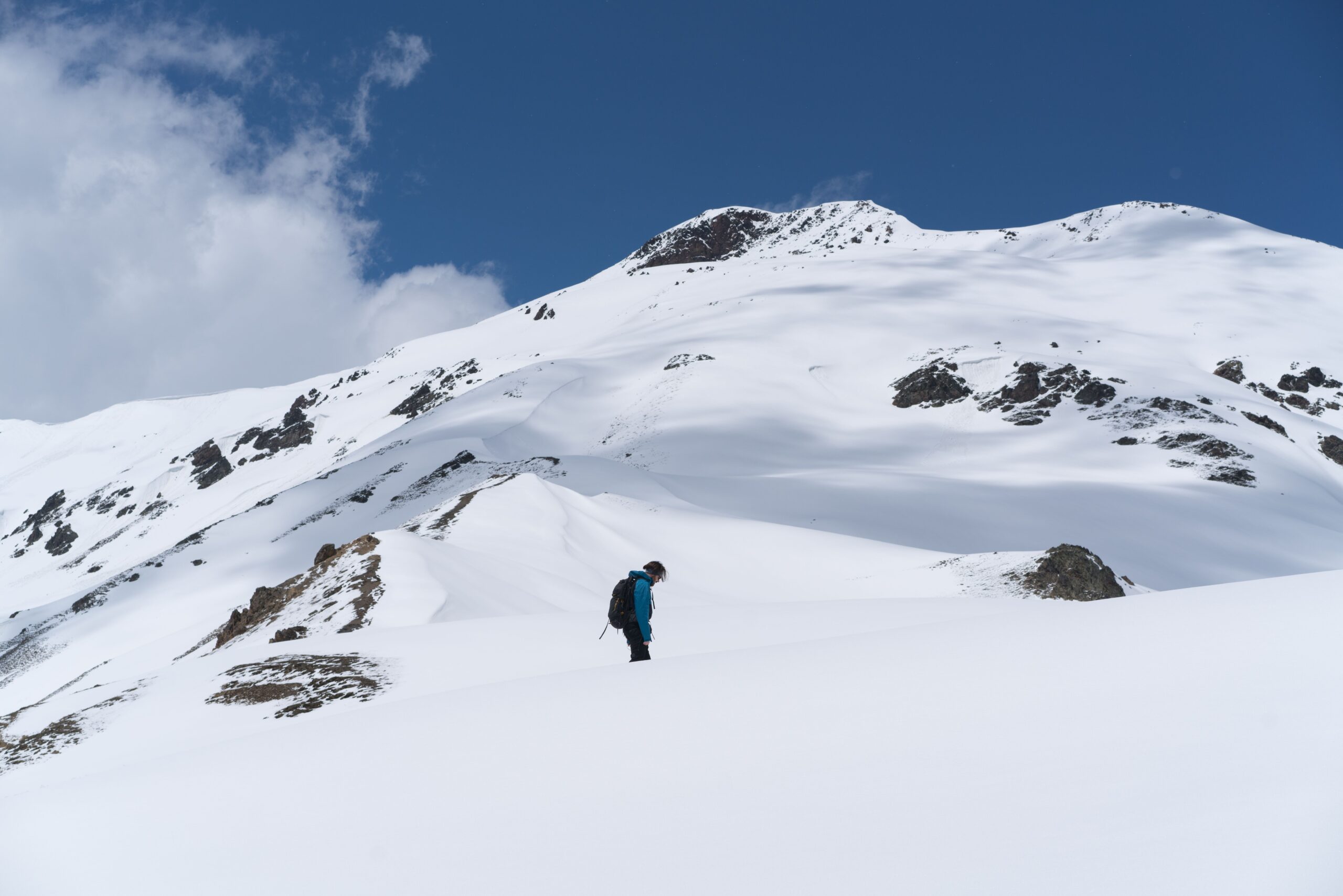
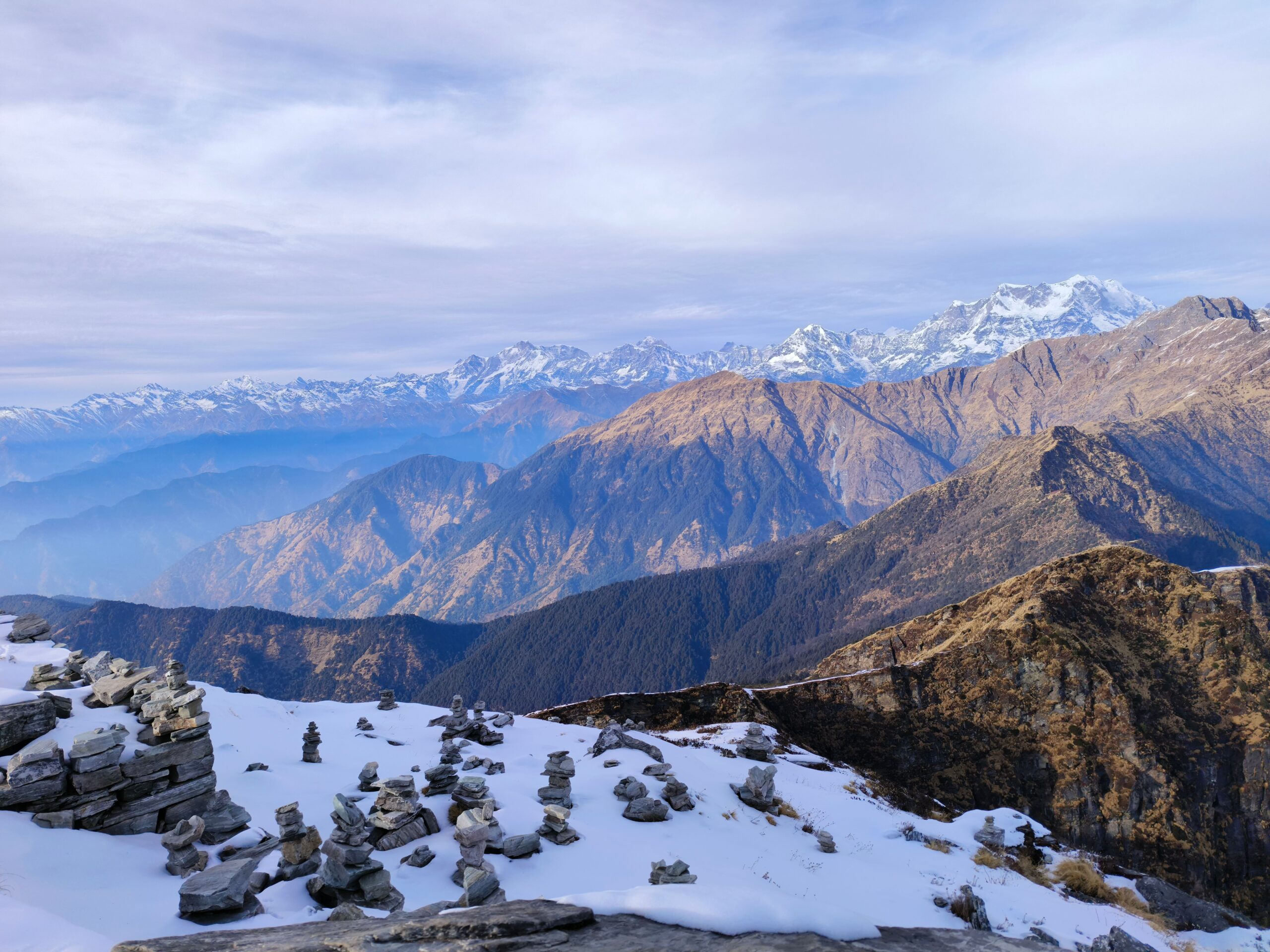
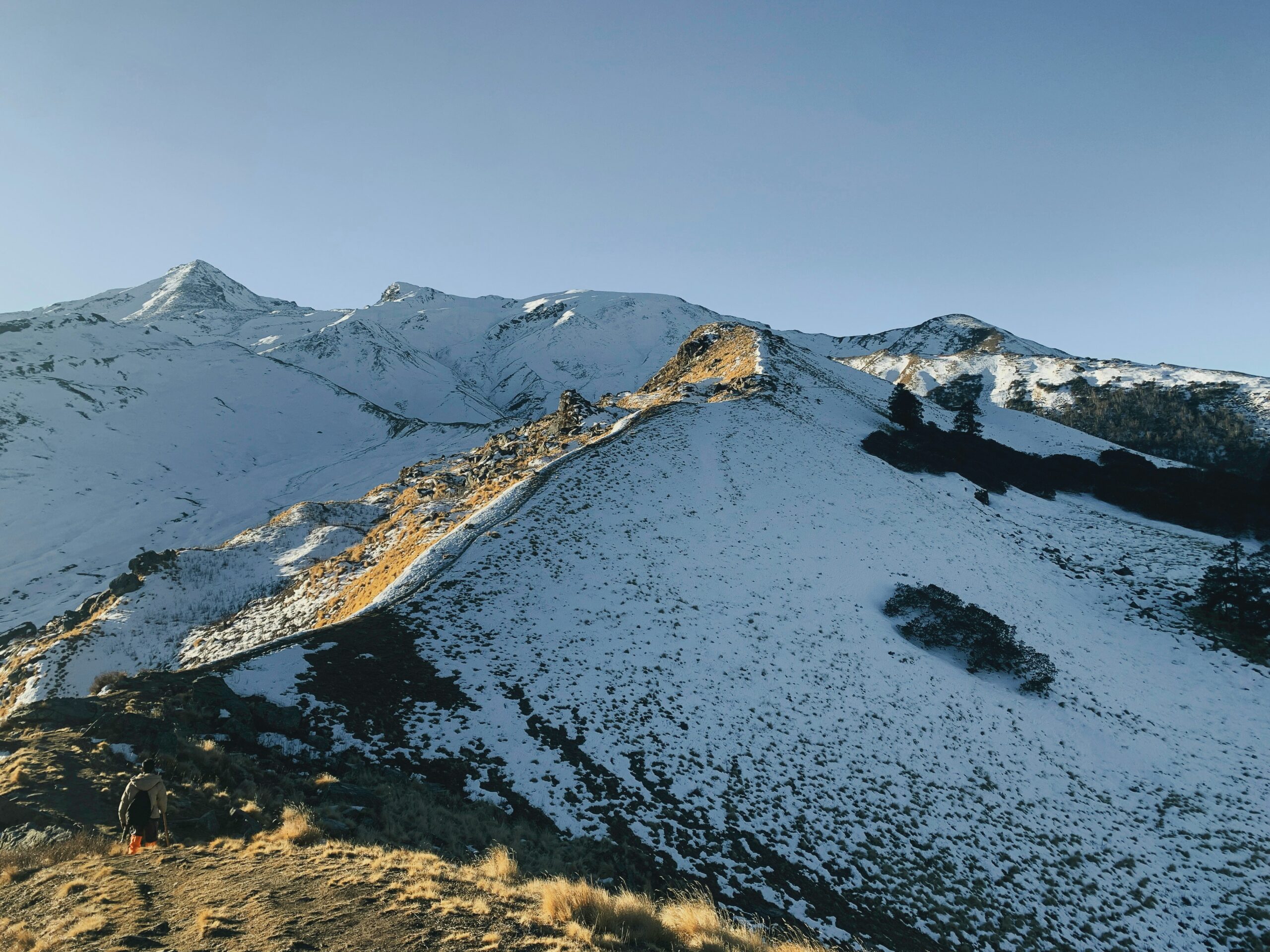
Kuari Pass is known for its wide views of the Garhwal Himalayas. On a clear day, you may see Nanda Devi, Dronagiri, Chaukhamba and other high peaks. The open sections near Khullara and the pass offer some of the best views on the route.
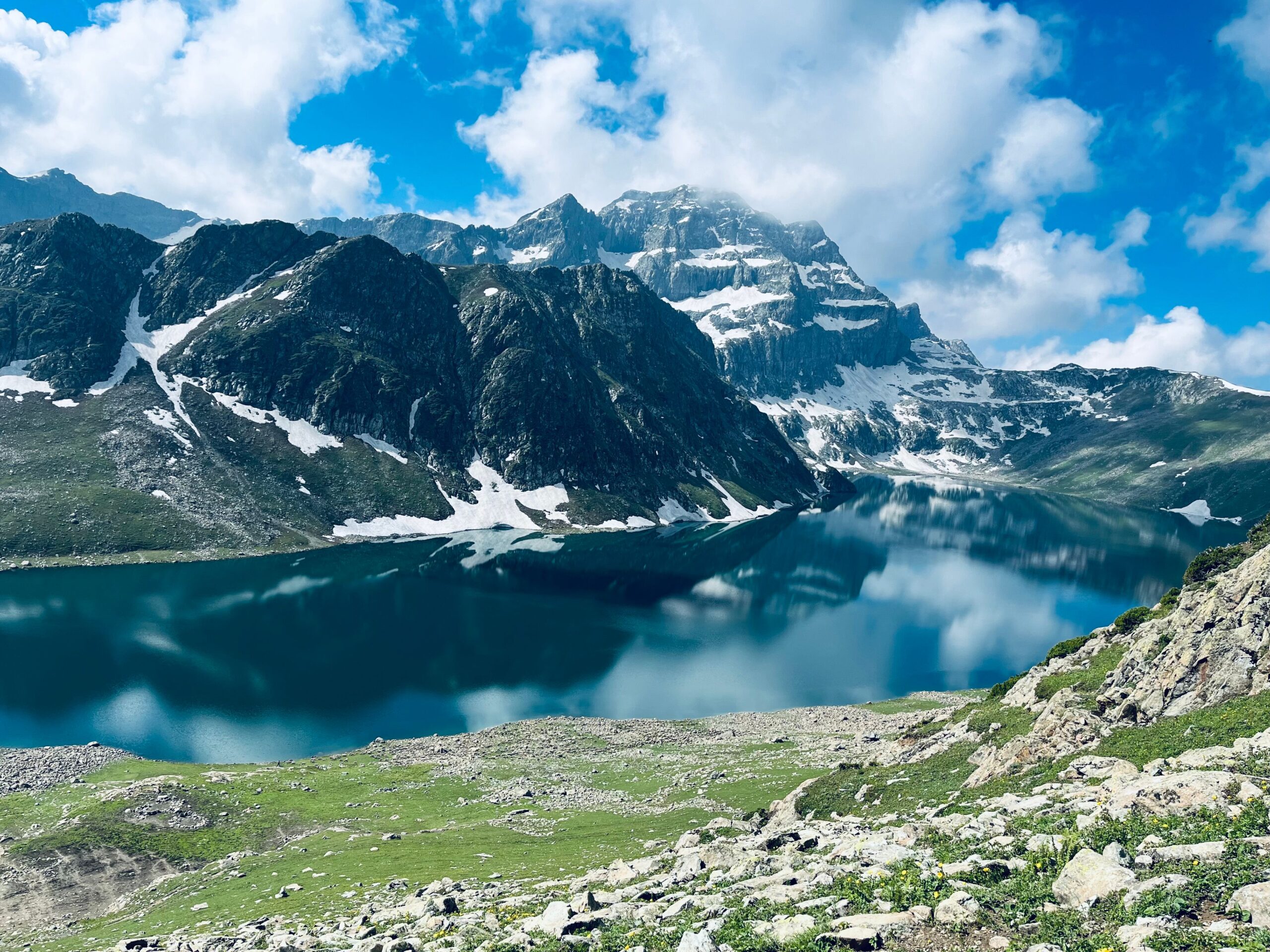
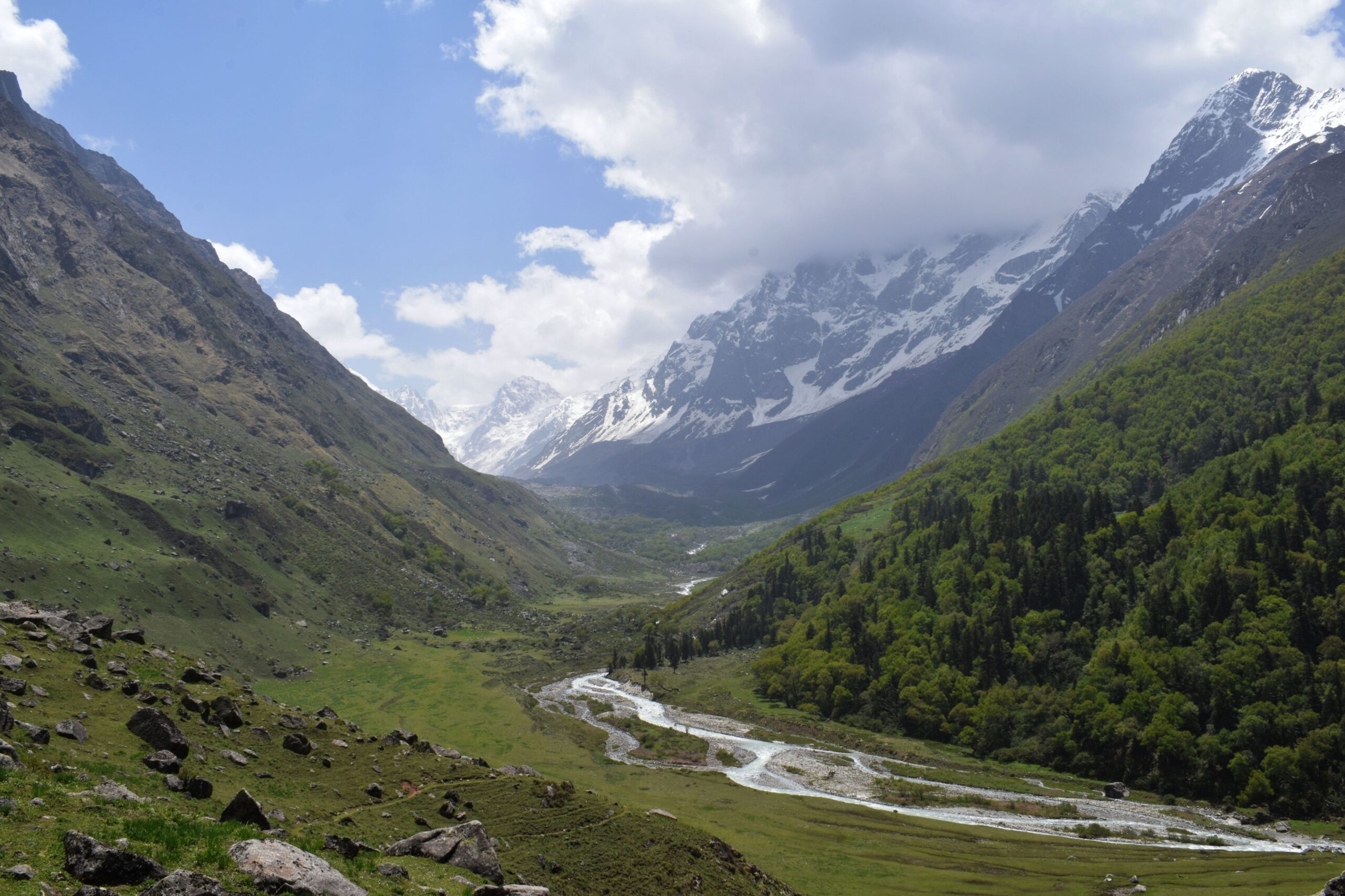
September also has a different look from October. The meadows can remain green, and the forests look fresh after the rain. You may see streams flowing through the valleys and clouds moving across the mountain slopes.
The best time for mountain views is often early in the day. Clouds may build later, especially when moisture remains in the air. Keep your camera ready, but do not plan the whole trek around one promised view.
What Should You Pack for September?
Your bag needs to cover both rain and cold. A sunny morning can turn into a wet afternoon, so keep your rain gear easy to reach. Quick-dry clothes are more useful than cotton on this trek.
Carry these essentials:
- Waterproof jacket and backpack rain cover
- Quick-dry trekking pants and spare socks
- Warm base layer and fleece
- Insulated jacket for cold evenings
- Trekking shoes with good grip
- Warm cap and gloves
- Trekking poles for wet or loose ground
- Headlamp, water bottle and personal medicines
- Sunscreen and sunglasses
Frequently Asked Questions
Is September too rainy for the Kuari Pass trek?
It can be, especially during the first half of the month. Rain may continue into late September in some years. Check the current forecast and route status before booking.
Is late September safe for Kuari Pass?
Late September may offer better conditions after the monsoon starts to withdraw. But rain and road delays can still occur. Safety depends on the current weather and the trek team’s decision.
Is September or October better for Kuari Pass?
October usually offers drier trails and better chances of clear views. September offers greener meadows but has a higher risk of rain. Choose based on the conditions you prefer.
Do I need rain gear for Kuari Pass in September?
Yes. Carry a waterproof jacket and a rain cover for your backpack. Quick-dry clothes and spare socks also help when the trail is wet.
Will I see snow on Kuari Pass in September?
Snow is not expected in normal September conditions. The main draw is green meadows and mountain views. Plan a winter trek if snow is your main goal.