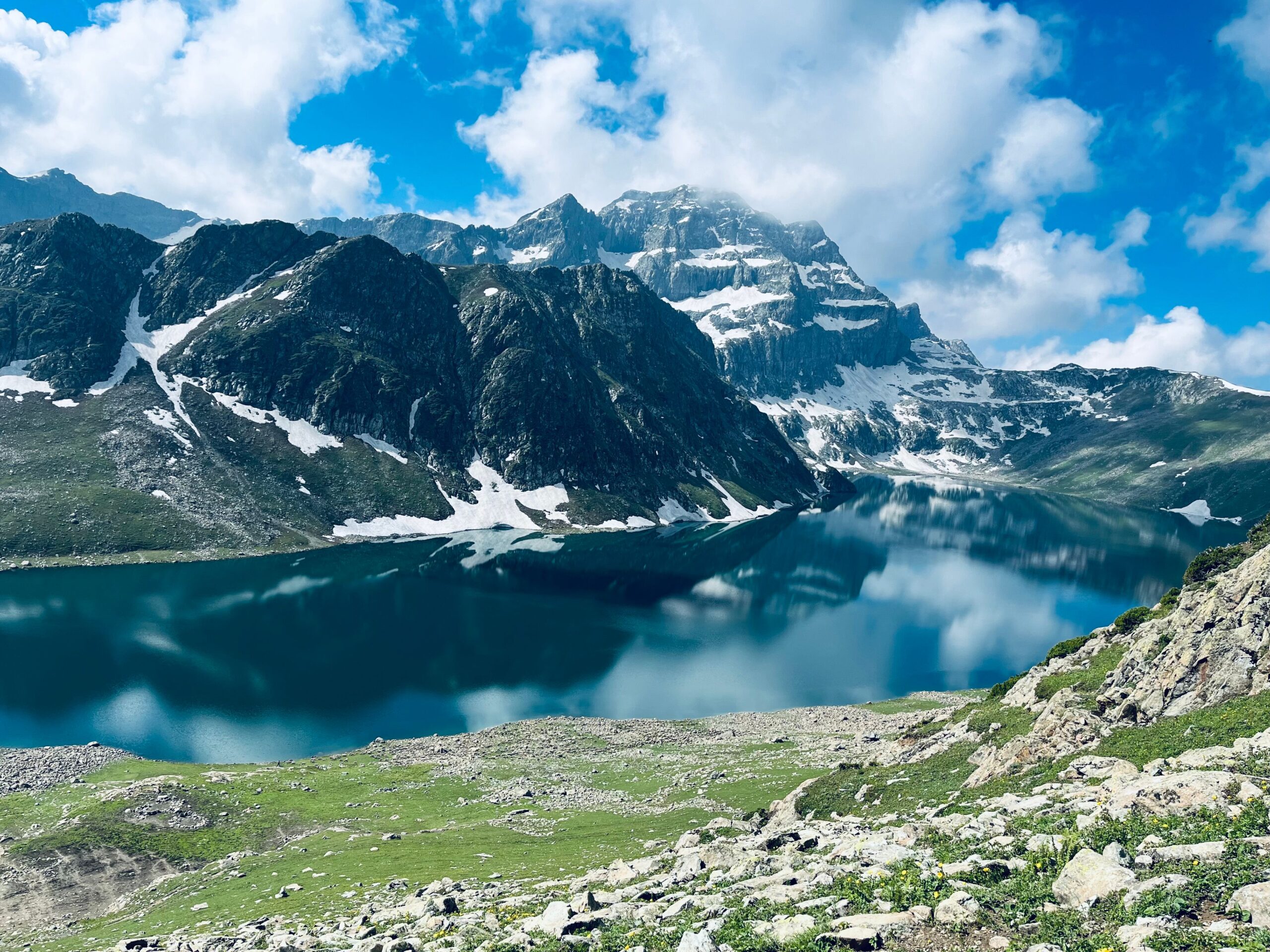
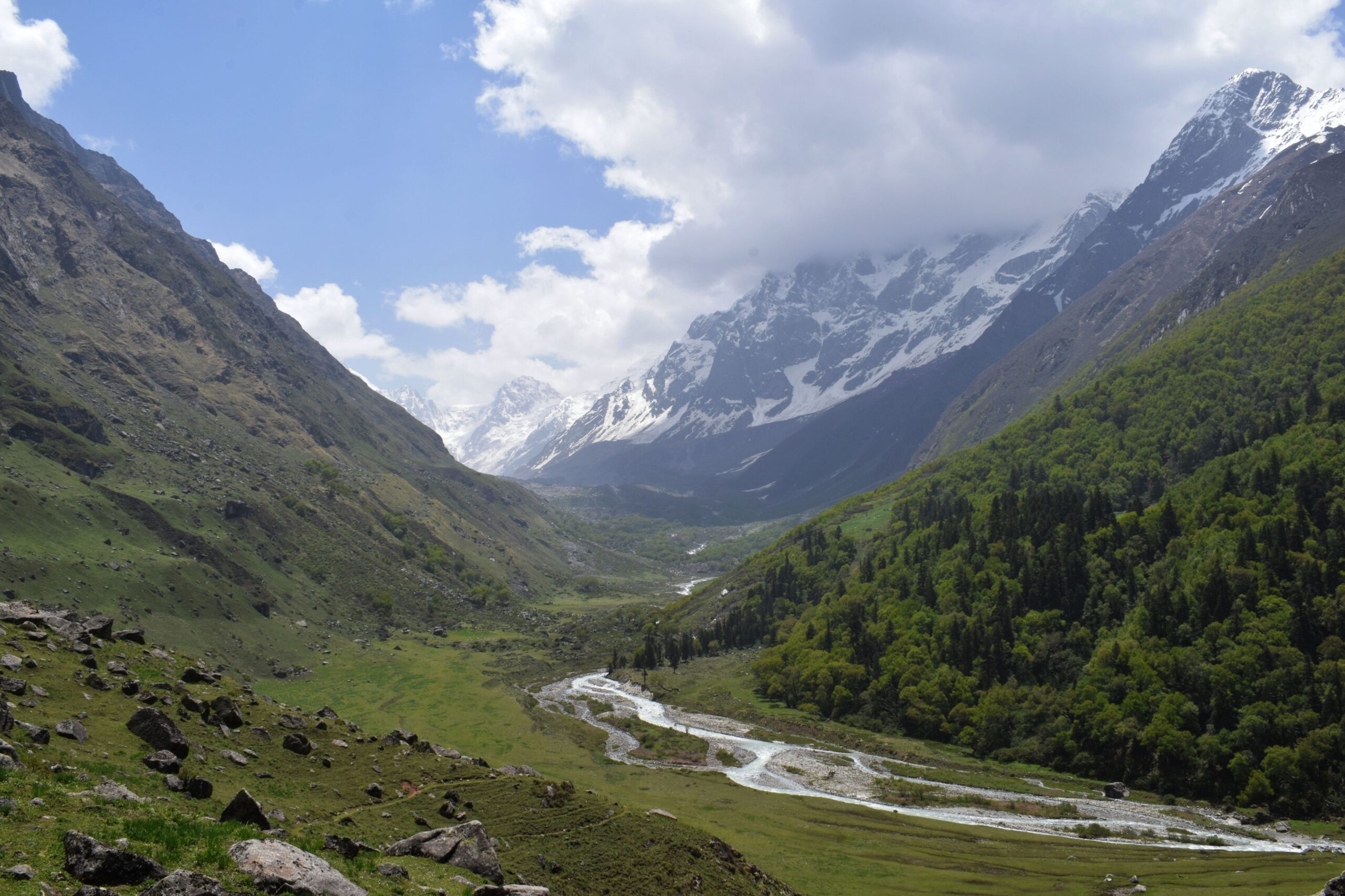
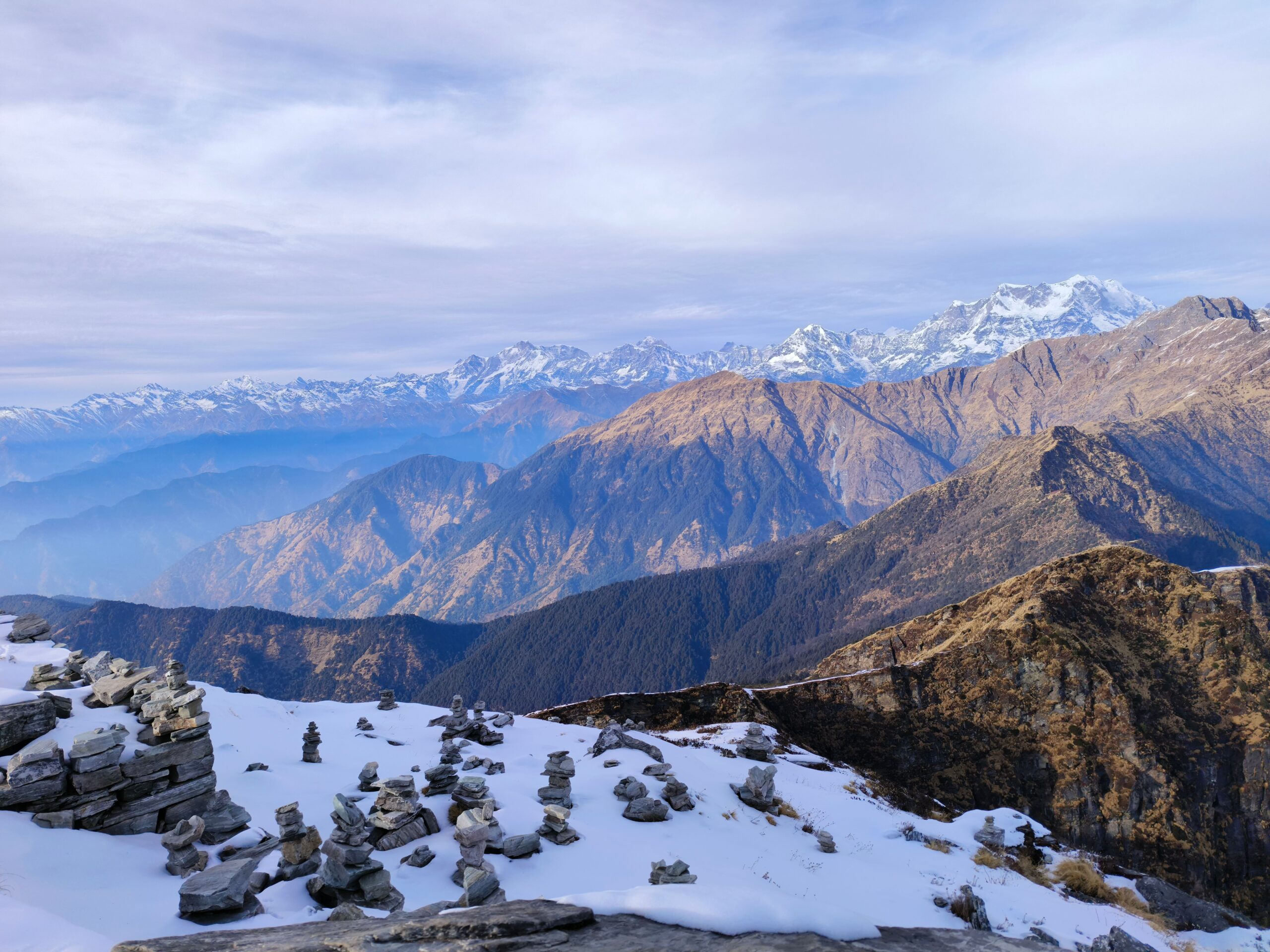
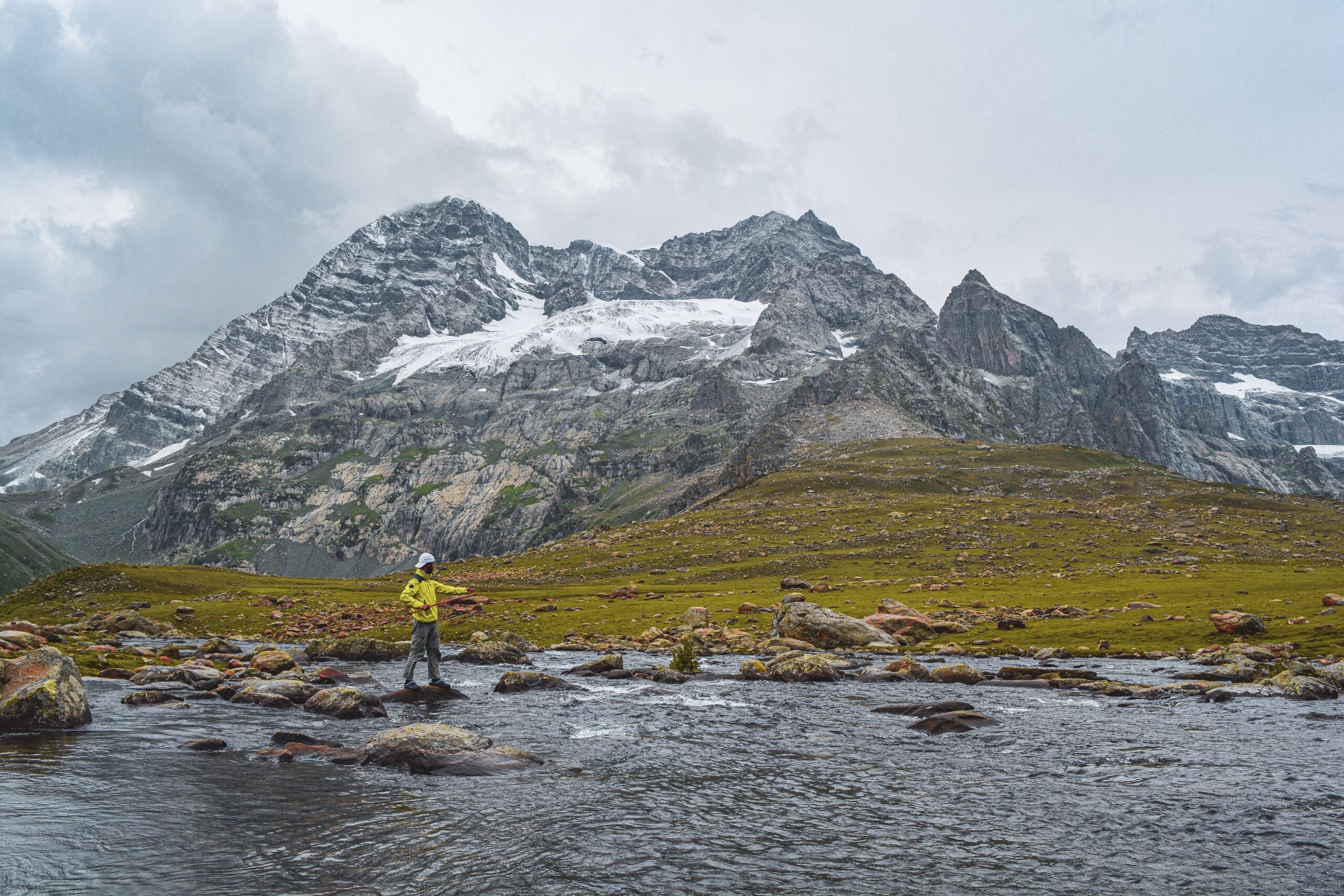
The Bhrigu Lake trek reaches about 14,009 ft (4,270 m), so you need good fitness and careful planning. The trail is not a technical climb, but it has steep slopes and a quick rise in altitude. The lake day can take 7–8 hours, including the climb and return. That is why a short trek can still feel demanding.
One common four-day route starts at Gulaba, near Manali. It passes through Jonker Thatch and Rola Kholi before reaching Bhrigu Lake. This route covers about 21–22 km, though distances and camp heights vary between operators.
Your preparations for Bhrigu Lake trek should cover four areas: fitness, altitude awareness, packing and travel. Start training six weeks before departure if possible. You should also check the route and services with your operator before paying.

1. Follow a Six-Week Fitness Plan
You do not need to be a marathon runner for this trek. But you should be able to walk uphill for hours without frequent long breaks. Use the 5 km test to check your progress. If you cannot meet it yet, do not panic or try to force the pace. Build your stamina with brisk walks, stairs and longer weekend walks. Ask your operator what fitness level it expects before you book.
Your Six-Week Training Schedule
Week | Walking or cardio | Strength and other work |
1 | Walk for 30 minutes, four days | Squats, calf raises and light core work |
2 | Walk for 35–40 minutes, four days | Add step-ups and lunges |
3 | Walk or jog for 3 km, three days | Add one stair session |
4 | Walk or jog for 4 km, three days | Take one longer uphill walk |
5 | Work towards 5 km in 35–40 minutes | Add a long walk with your daypack |
6 | Repeat a comfortable 5 km test | Reduce hard exercise and rest before travel |
Keep at least one full rest day each week. Use another day for gentle stretching or an easy walk. Do not train hard every day, because your muscles need time to recover.
If you cannot run, brisk walking is still useful. Walk on slopes or climb stairs at a steady pace. Increase the time slowly and try to complete a longer walk of two to three hours before your trek. Do not treat a walking test as equal to an operator’s running standard.
2. Build Leg Strength and Practise with a Backpack
The climb to Rola Kholi is steep, while the return to Gulaba involves a long descent. Your thighs and calves need to handle both. This is why only doing flat-road walks may not prepare you well
Train on stairs or a safe hill once or twice each week. Walk down slowly and keep your steps controlled. This helps prepare your knees for the downhill sections.
Add these exercises to your routine:
- Squats: Strengthen your thighs and hips.
- Step-ups: Practise the movement used during uphill climbs.
- Calf raises: Build strength in your lower legs.
- Lunges: Improve balance and leg control.
- Planks: Build core strength for uneven ground.
Start with a few repetitions and increase them as you improve. During the last two weeks, practise with the daypack you plan to carry. Add only the items you will actually take on the trek. Do not load it with heavy weights just to make training harder.
3. Know the Altitude and Daily Route
Route section | Approximate altitude | Distance and time |
Gulaba to Jonker Thatch | 9,875 ft to 10,285 ft | Short first-day walk |
Jonker Thatch to Rola Kholi | 10,285 ft to 12,590 ft | 5 km, 3–4 hours |
Rola Kholi to Bhrigu Lake and back | 12,590 ft to 14,009 ft and back | 10 km, 7–8 hours |
Rola Kholi to Gulaba | 12,590 ft to 9,875 ft | 5 km, 3–4 hours |
The climb from Jonker Thatch to Rola Kholi gains about 2,300 ft. The next day takes you higher, to the lake at around 14,009 ft. You then return to the same camp, so the lake day includes both a climb and a descent.
Start the lake day at the time your trek leader sets. Ask about the expected walking hours and the turnaround time before leaving camp. Weather, snow and the group’s pace can change the schedule. Do not leave the group or continue towards the lake after your guide asks you to turn back.
4. Plan for Altitude Sickness
Being fit does not prevent Acute Mountain Sickness (AMS). Anyone can feel unwell at high altitude, including people who run or exercise often. The risk depends on factors such as sleeping altitude and how quickly you climb.
If possible, reach Manali early and allow time to rest before the trek. Some travel health guidance recommends spending two to three nights around 8,000–9,000 ft before going higher. Your exact plan depends on your route, health and travel history, so discuss it with a doctor or travel health professional.
Look out for headache, nausea, dizziness, loss of appetite and unusual tiredness. Tell your trek leader if these symptoms appear. Do not climb higher while you have symptoms, and descend if they worsen. Confusion, poor balance or breathlessness at rest need urgent medical help.
Do not take altitude medicines on your own. Speak to a doctor about whether medication is suitable for you. People with heart or lung conditions, high blood pressure that is not well controlled, or pregnancy should seek medical advice before booking. Ask the operator about its medical forms and fitness checks. These rules differ between companies.
5. What to Pack for Bhrigu Lake Trek
The weather can shift from warm sunshine to cold wind or rain. Pack clothes in layers so you can adjust as you walk. A warm jacket alone is not enough if your inner clothes become wet.
Your main bag should hold your spare clothes and camp items. Keep water, snacks, rain protection and essentials in your daypack. Ask whether your operator provides tents, sleeping bags, meals, trekking poles or other group gear.
Clothing Checklist
- Two or three quick-dry T-shirts.
- Two pairs of trekking pants.
- One set of thermal innerwear.
- One fleece or warm mid-layer.
- One insulated jacket for cold evenings.
- One waterproof jacket or poncho.
- Warm socks and spare regular socks.
- Woollen cap, sun cap and gloves.
- A spare set of dry clothes for camp.
Gear and Personal Items
- Trekking shoes with firm grip and good fit.
- Backpack with a rain cover.
- Daypack for water and daily essentials.
- Water bottles or a hydration system.
- Sunglasses and sunscreen.
- Headlamp or torch with spare batteries.
- Personal medicines and basic first aid.
- Toiletries and a quick-dry towel.
- Photo ID and some cash.
- Power bank and waterproof bags for electronics.
Avoid jeans, heavy cotton clothes and extra shoes. They add weight and take longer to dry. Keep your phone and other electronics inside waterproof bags, especially during the rainy months.
6. Test Your Shoes Before the Trek
Do not wear new trekking shoes for the first time on the mountain. Even good shoes can cause blisters if they do not fit your feet. Wear them during your training walks and test them on both uphill and downhill paths. Choose shoes with a firm sole and good grip. Smooth soles can slip on wet stones, loose soil and rocky sections near the lake. Try the shoes with your trekking socks and check that your toes do not hit the front during descents.
Carry blister patches and basic foot-care supplies. Trim your toenails before leaving home. Small foot problems can become painful after several hours on the trail.

7. Plan Your Travel to Manali and Gulaba
Manali is the main base for most Bhrigu Lake trek groups. You can reach it by bus or private vehicle from Delhi and Chandigarh. Some travellers take a train to a nearby railhead and continue by road.
Gulaba is around 21–24 km from Manali by road, depending on the point measured. Your operator may arrange the vehicle transfer, but check whether it is included in the trek fee. Keep a spare day in your travel plan if possible. Traffic, road conditions and weather can delay your arrival. Avoid booking a tight bus or flight connection on the same day as your trek pickup. Manali is also the best place to finish your last-minute shopping.
8. Check Permits, Rentals and Operator Inclusions
Do not assume that every trek company follows the same permit process. Ask whether forest or local permissions are needed for your dates and whether the operator arranges them. Get confirmation of any fee before you travel. I could not verify one standard permit fee that applies to every Bhrigu Lake operator.
The same applies to gear rental and backpack offloading. Rates and availability can change, so confirm directly before relying on that figure.
Ask your operator these questions before booking:
- Is transport between Manali and Gulaba included?
- Are tents, sleeping bags and meals provided?
- Which personal gear must I bring?
- Are trekking poles, gaiters or microspikes needed for my dates?
- What is the current offloading charge and weight limit?
- Who arranges permits and local permissions?
- What medical and fitness checks apply to my group?
9. Prepare for Rain and Changing Weather
July and August can bring rain, wet grass and slippery forest paths. A waterproof jacket is useful, but your backpack and electronics also need protection. Use waterproof bags inside your pack rather than trusting the outer rain cover alone.
Quick-dry clothes are better than cotton during wet weather. Keep one dry set of clothes packed for camp. Check the latest forecast and trail update before leaving Manali, because heavy rain or poor conditions may lead to a route change.
10. Final Bhrigu Lake Trek Checklist
Use this list the day before your trek. Check each item rather than packing in a hurry on the morning of departure.
- Completed several long walks during training.
- Tested trekking shoes on uphill and downhill paths.
- Packed warm layers and waterproof clothing.
- Packed personal medicines and first-aid supplies.
- Checked the daypack and rain protection.
- Saved the operator’s contact details.
- Confirmed pickup time and Gulaba transport.
- Checked meals, camping gear and rental details.
- Confirmed permits and any extra charges.
- Withdrawn cash and informed family about poor network.