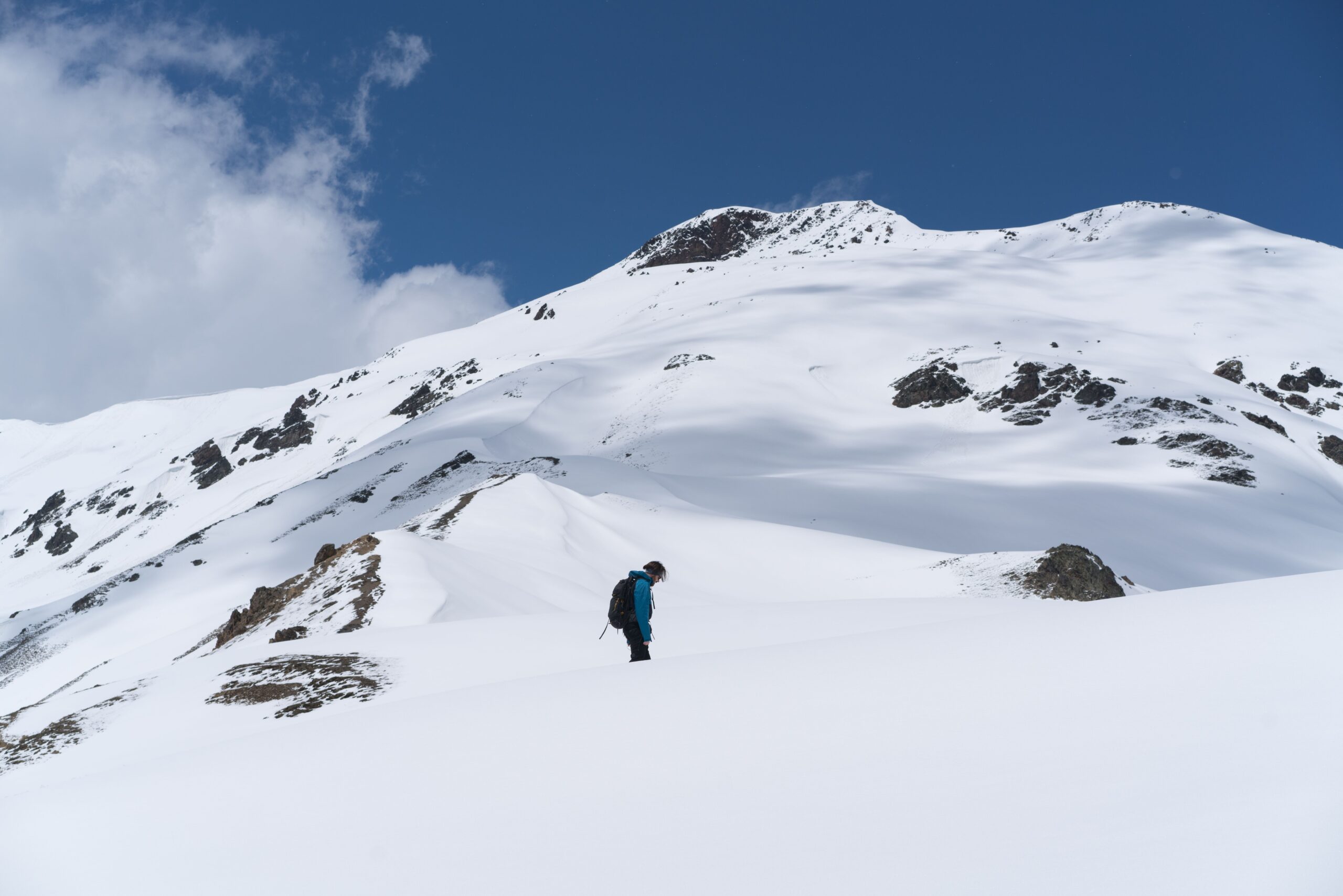
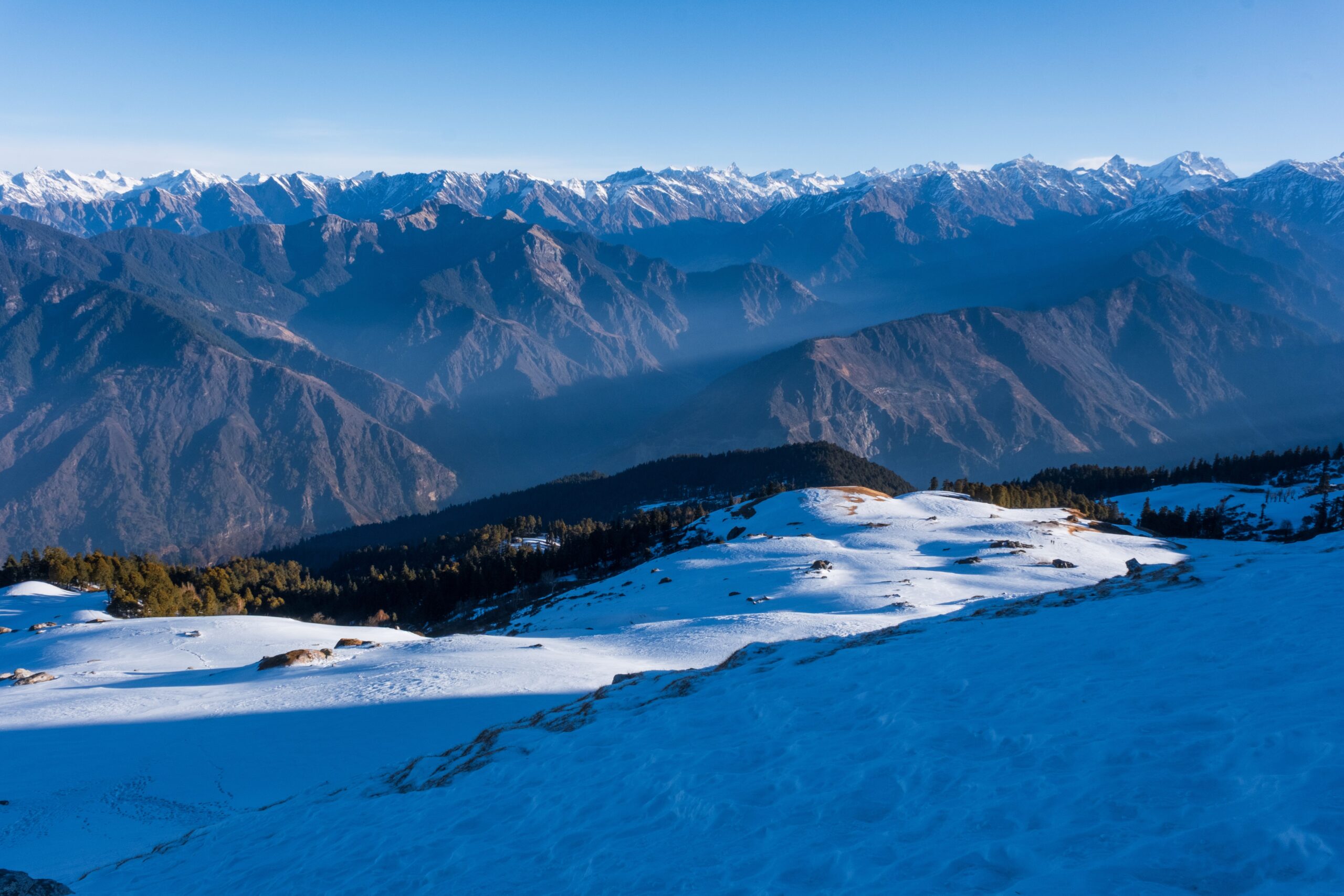
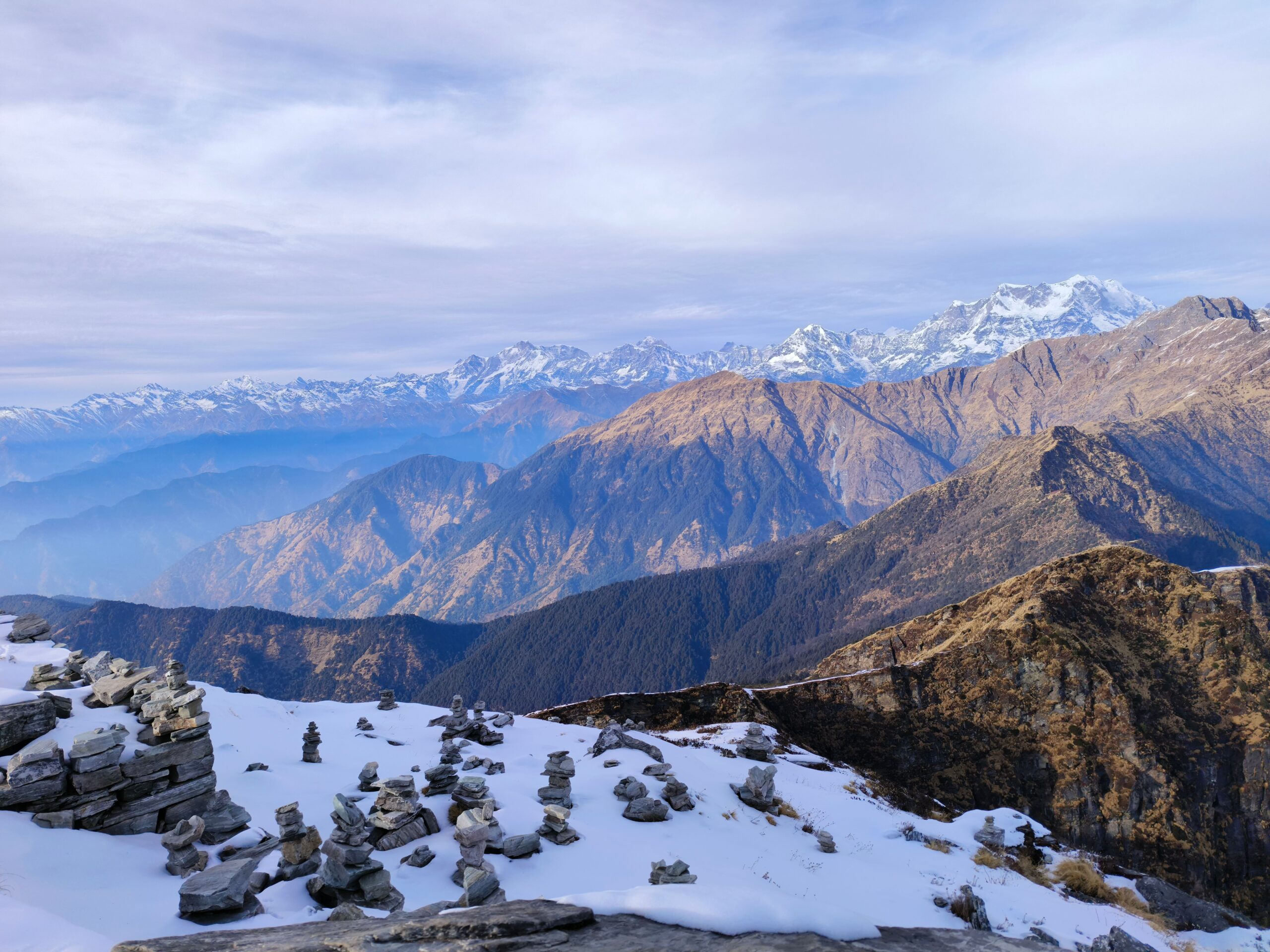
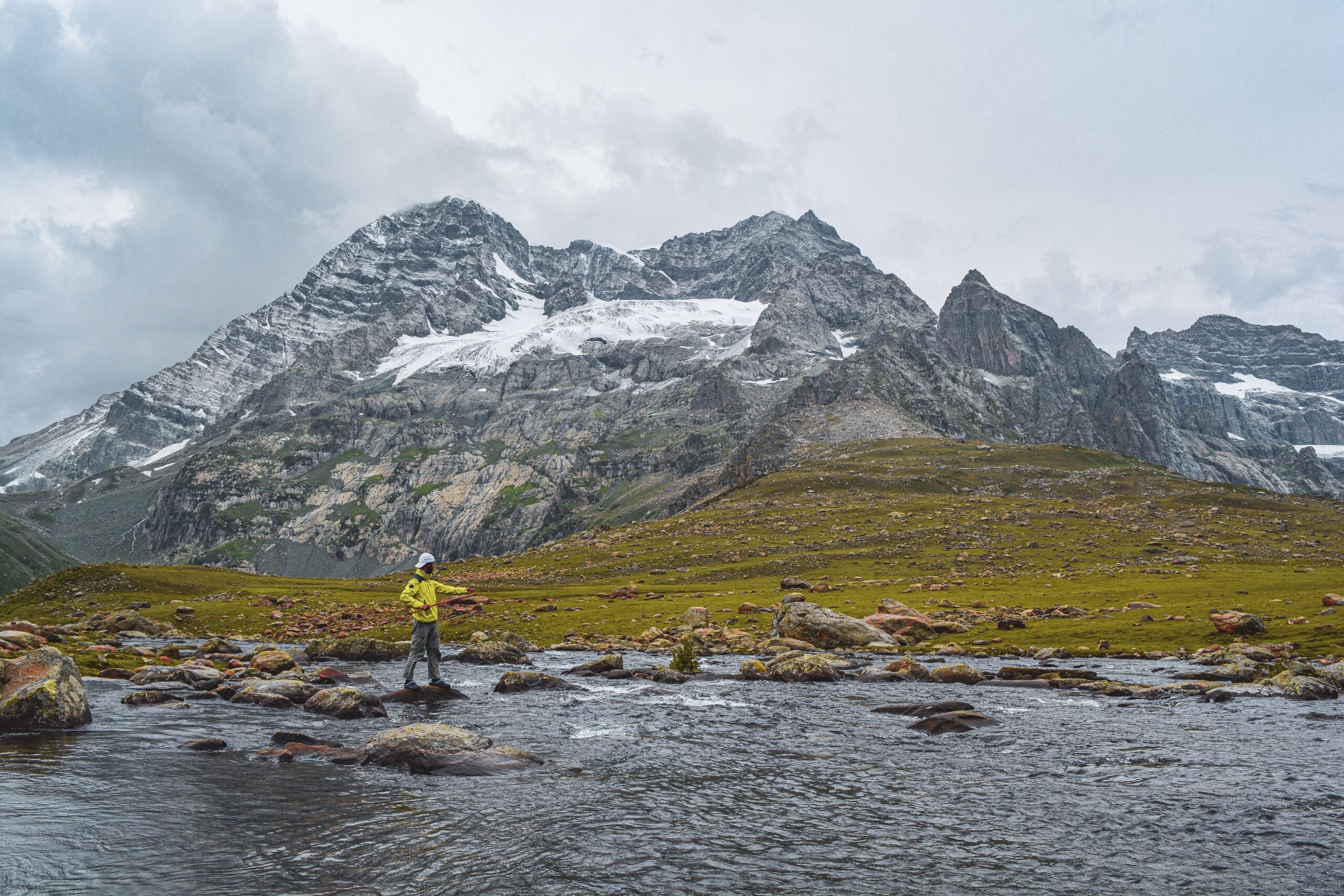
The Pin Bhaba Pass Trek is harder on its main pass-crossing day, while the Kashmir Great Lakes Trek demands more total walking over several days. Choose Pin Bhaba for a remote crossover from green Kinnaur to dry Spiti. Choose Kashmir Great Lakes (KGL) for a longer trail through alpine lakes, open meadows and high mountain passes.
Pin Bhaba Trek versus Kashmir Great Lakes Trek: Quick Comparison
Trek detail | Pin Bhaba Pass | Kashmir Great Lakes |
Region | Kinnaur to Spiti, Himachal Pradesh | Kashmir, Jammu and Kashmir |
Start point | Yangpa/Kafnu area | Shitkadi, near Sonamarg |
End point | Mudh, Spiti | Naranag |
Highest point | 16,105 ft | 13,715 ft |
Trail distance | About 50 km | About 74.6 km |
Trekking days | 6 days | 6 days |
Full programme | 9 days with travel and buffer | 8 days |
Difficulty | Difficult | Moderate-difficult |
Main highlight | High pass and change of landscape | Alpine lakes and meadows |
Usual season | July to September | July to mid-September |
Best suited for | Experienced high-altitude trekkers | Fit trekkers with prior trek experience |
1. Which Trek Has Better Scenery?
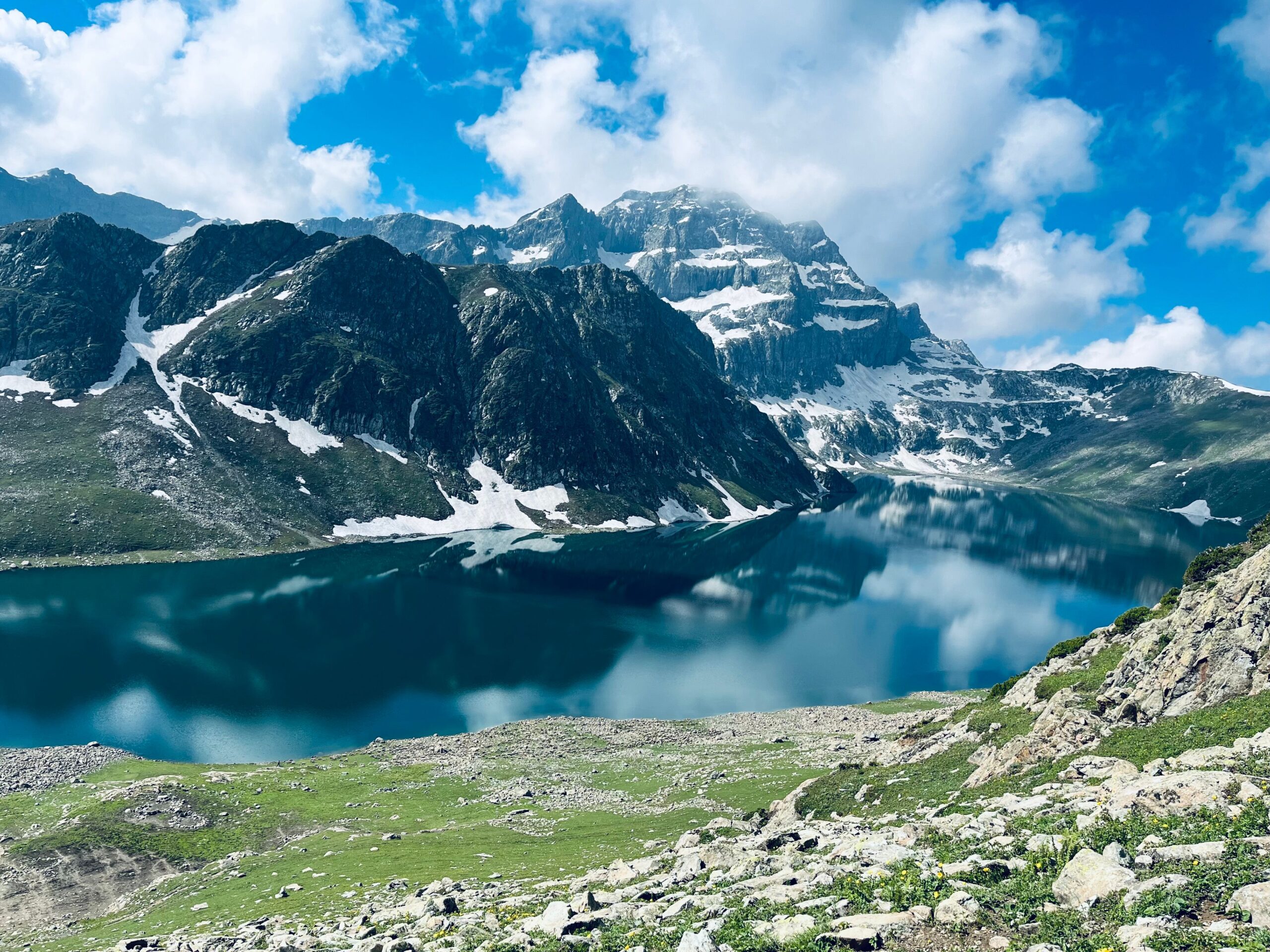
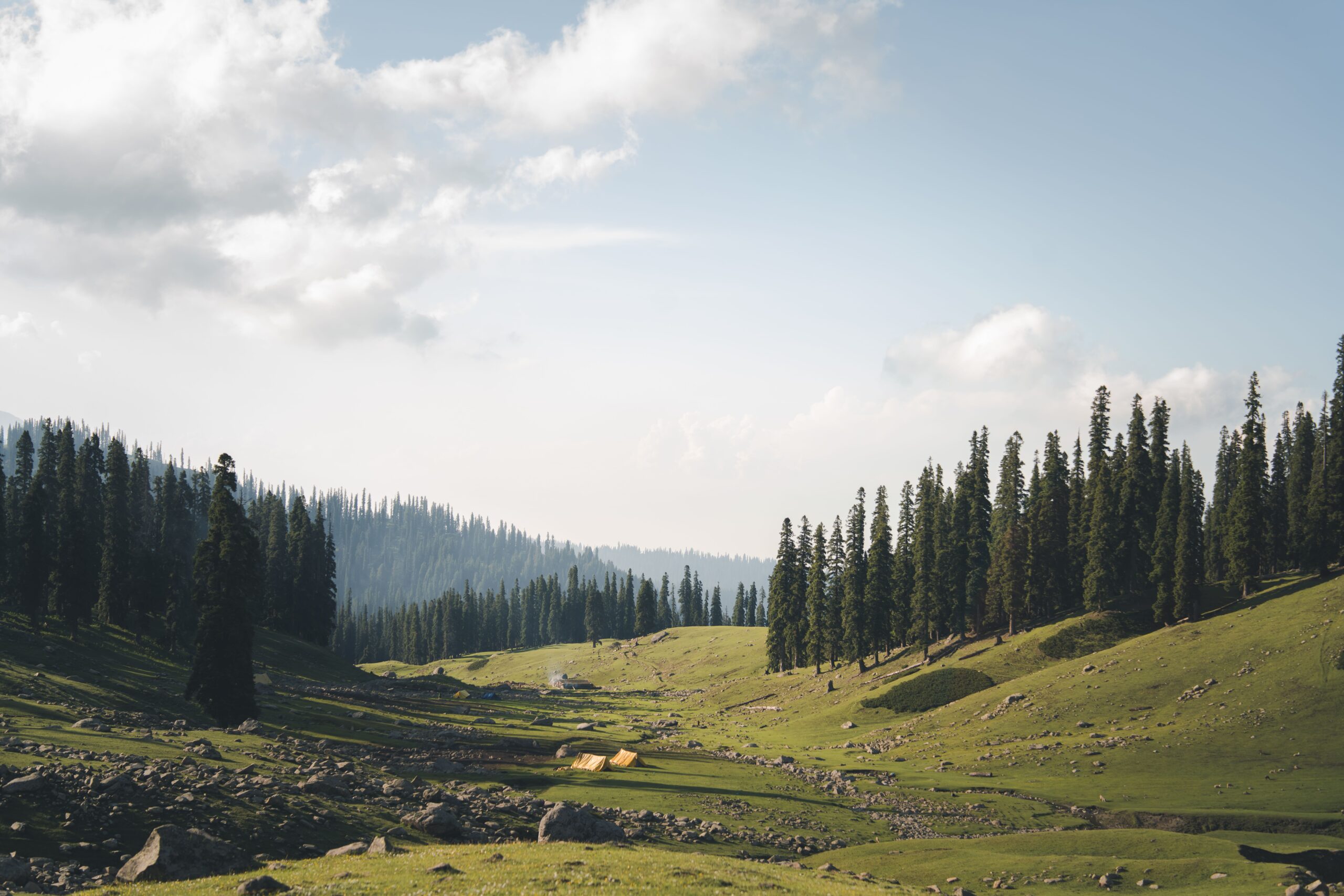
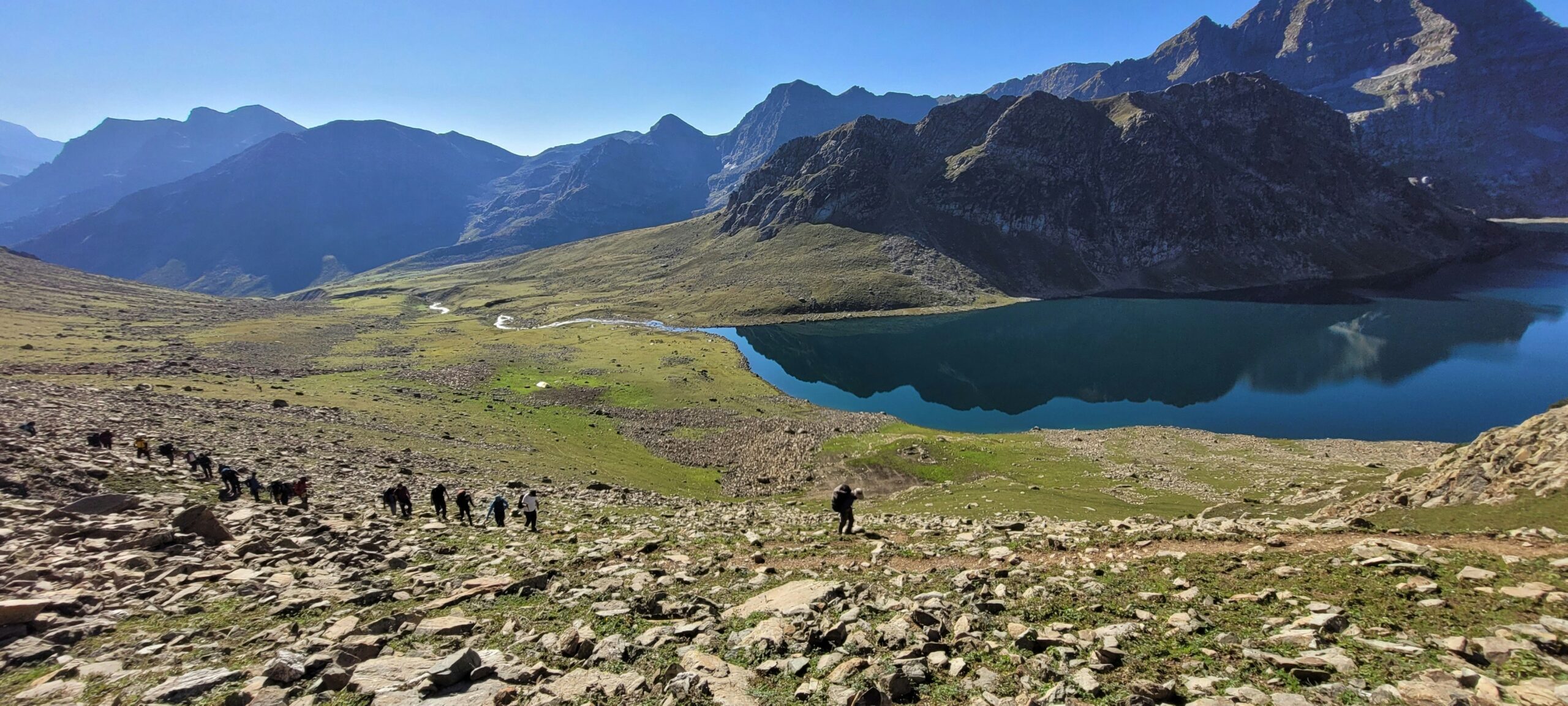
Kashmir Great Lakes is the stronger choice if you dream of blue lakes and green mountain meadows. The trail takes you past Vishansar, Krishansar, Gadsar, Satsar, Gangabal and Nundkol. Each lake has a different setting, and the views change as you cross the passes. You also get wide grasslands, snow-covered peaks and long views across the valleys.
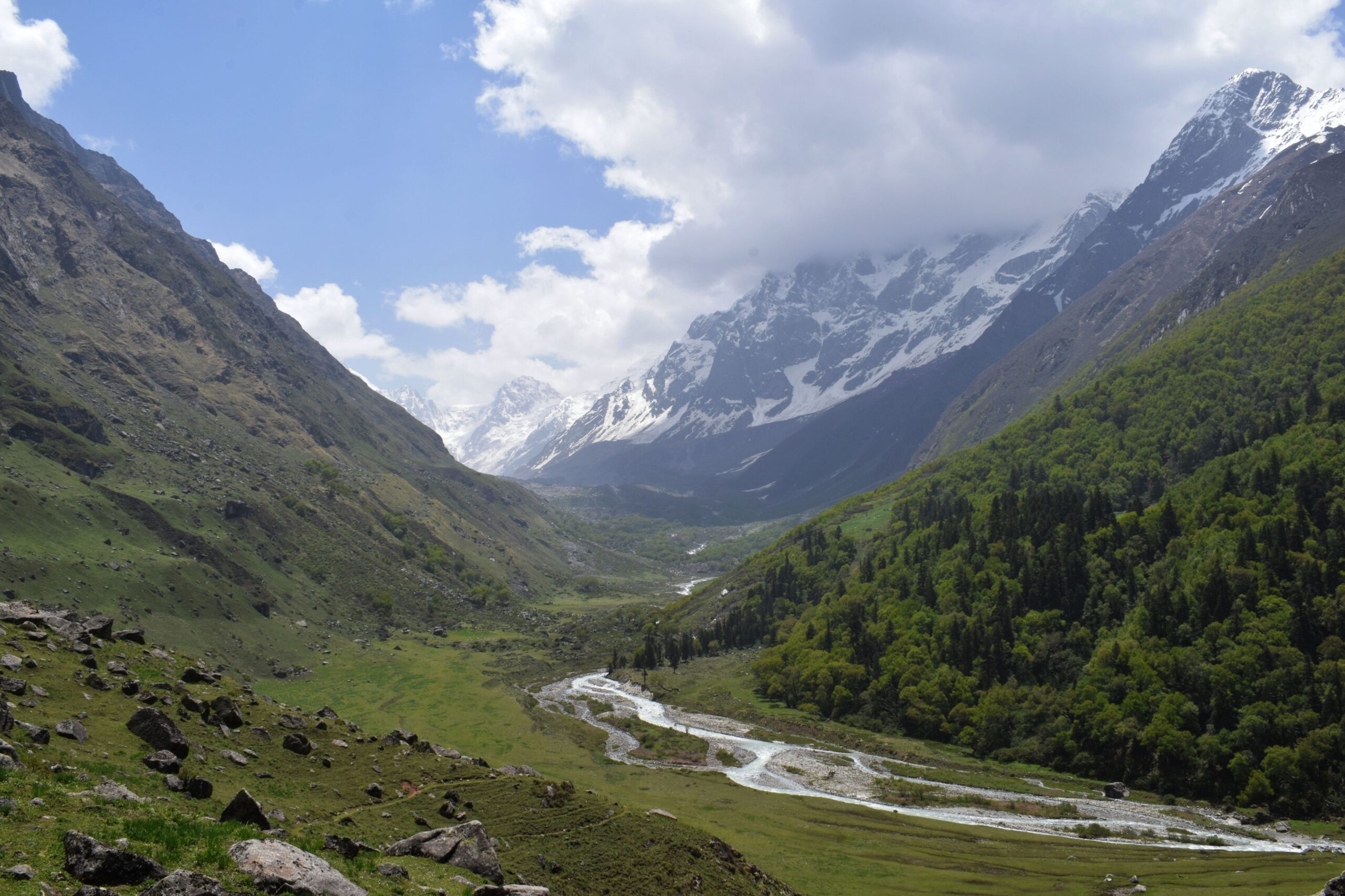
Pin Bhaba offers a different kind of beauty. The trek starts in the green Bhaba Valley, with forests, streams and open grasslands. As you move towards Phutsirang, the land becomes more rugged. After crossing Pin Bhaba Pass, the green slopes give way to the dry, open landscape of Spiti. Some trekkers compare the meadows of Pin Bhaba with Kashmir.
2. Which Trek Is More Difficult?
Neither trek is easy, and neither should be your first Himalayan trek. The main difference lies in how each route tests you. Pin Bhaba has a higher pass and one very long crossing day. KGL has a lower highest point, but it involves long walks and several pass crossings across the trek.
KGL is graded moderate-difficult, which also recommends it for experienced trekkers. Its itinerary covers about 74.6 km in six trekking days. The route crosses Nichnai Pass, Gadsar Pass and Zaj Pass, with long ascents and steep descents. The Gadsar Pass day is especially demanding.
You may find other websites calling KGL easy or moderate. These labels are not always based on the same fitness rules or route plan. I would follow the more cautious view: both treks need strong fitness and some past mountain experience.
3. Altitude: Which Trek Reaches Higher?
Pin Bhaba reaches about 16,105 ft, while KGL reaches about 13,715 ft at Gadsar Pass. That is a difference of roughly 2,390 ft. The higher point makes Pin Bhaba more demanding from an altitude point of view, but the highest point alone does not tell the full story.
Altitude point | Pin Bhaba | Kashmir Great Lakes |
Starting area | Yangpa: about 8,275 ft | Shitkadi: about 8,150 ft |
High camp before main pass | Phutsirang: about 13,485 ft | Vishansar: about 12,011 ft |
Highest point | Pin Bhaba Pass: 16,105 ft | Gadsar Pass: 13,715 ft |
Trek finish | Mudh: about 12,420 ft | Naranag: about 7,800 ft |
The sleeping altitude matters as much as the pass height. On Pin Bhaba, you spend a night at Phutsirang before the high crossing. On KGL, you also sleep at high camps, and the route keeps you at altitude for several days.
Both routes carry a risk of acute mountain sickness (AMS). A slow pace, proper acclimatisation and a sensible trek plan help reduce risk, but they cannot remove it. Tell your trek leader if you develop a headache, nausea, dizziness or unusual tiredness. Do not keep climbing if symptoms get worse.
4. Route and Daily Walking: What Will Your Days Look Like?
Pin Bhaba usually starts at Yangpa and moves through Mulling, Karah and Phutsirang. After a rest and acclimatisation day, you cross the pass and reach Bwalder. The trek then ends at Mudh in Spiti. The long pass day is the biggest test, followed by another long walk towards Mudh.
KGL starts at Shitkadi and passes through Nichnai, Vishansar, Gadsar, Satsar and Gangabal before reaching Naranag. You cross more than one high pass, so the effort is spread across several days. Some days are long even when you are not crossing the highest pass.
Trek stage | Pin Bhaba | Kashmir Great Lakes |
Early trail | Yangpa to Mulling, about 11 km | Shitkadi to Nichnai, about 11.6 km |
Next camp | Mulling to Karah, about 6 km | Nichnai to Vishansar, about 13.5 km |
High camp | Karah to Phutsirang, about 5 km | Vishansar to Gadsar, about 16 km |
Main challenge | Phutsirang to Bwalder via pass, about 15 km | Several long pass days, including the Gadsar crossing |
Final walk | Bwalder to Mudh, about 13 km | Gangabal to Naranag, about 13 km |
5. Which Trek Is Better for Beginners?
KGL may look easier because its highest point is lower, but its long days and repeated pass crossings can catch new trekkers off guard. Pin Bhaba is a harder choice because of its higher altitude, rough sections and long pass day.
If you have only done short day hikes, start with a shorter Himalayan trek first. If you have completed a moderate trek and can walk for several hours on steep ground, you may be ready to work towards KGL. For Pin Bhaba, build more experience with high camps, long climbs and rough trails before booking.
A good fitness check is to work towards:
- Walking for 5–6 hours at a steady pace.
- Climbing stairs or slopes without frequent long breaks.
- Carrying your day pack over uneven ground.
- Recovering well after back-to-back days of exercise.
Follow the fitness test set by your chosen operator. A general gym routine is not a substitute for trek-specific training.
6. Best Time to Do Pin Bhaba or Kashmir Great Lakes
Pin Bhaba is usually planned between July and September. The Bhaba side can receive monsoon rain, while the Spiti side lies in a drier rain-shadow region. This change in weather and landscape is part of the route, but rain can affect stream crossings and trail conditions.
KGL is usually planned from July to mid-September. July often brings green meadows and flowers. August can offer a mix of green slopes and clear lake views, while September tends to bring colder nights. Snow, rain and local conditions can still affect the high passes.
7. Practical Things to Check Before Booking
Pin Bhaba starts in Kinnaur and ends in Spiti, so your exit plan matters.KGL starts near Sonamarg and ends at Naranag, so you need transport at both ends. Mobile coverage can be poor or absent on remote sections of either trek. Do not rely on your phone for emergency contact. Ask about the trek team’s communication plan, evacuation support, first-aid kit and oxygen arrangements.
Also ask which permits and medical documents are needed for your exact departure. Requirements can change, and an operator should explain what they arrange and what you must bring.
8. Which Trek Should You Choose?
Your priority | Better choice |
Highest pass and tough crossover | Pin Bhaba |
More total trail distance | Kashmir Great Lakes |
Many alpine lakes | Kashmir Great Lakes |
Green meadows followed by dry Spiti | Pin Bhaba |
Post-trek travel in Spiti | Pin Bhaba |
Post-trek stay in Srinagar | Kashmir Great Lakes |
First Himalayan trek | Neither |