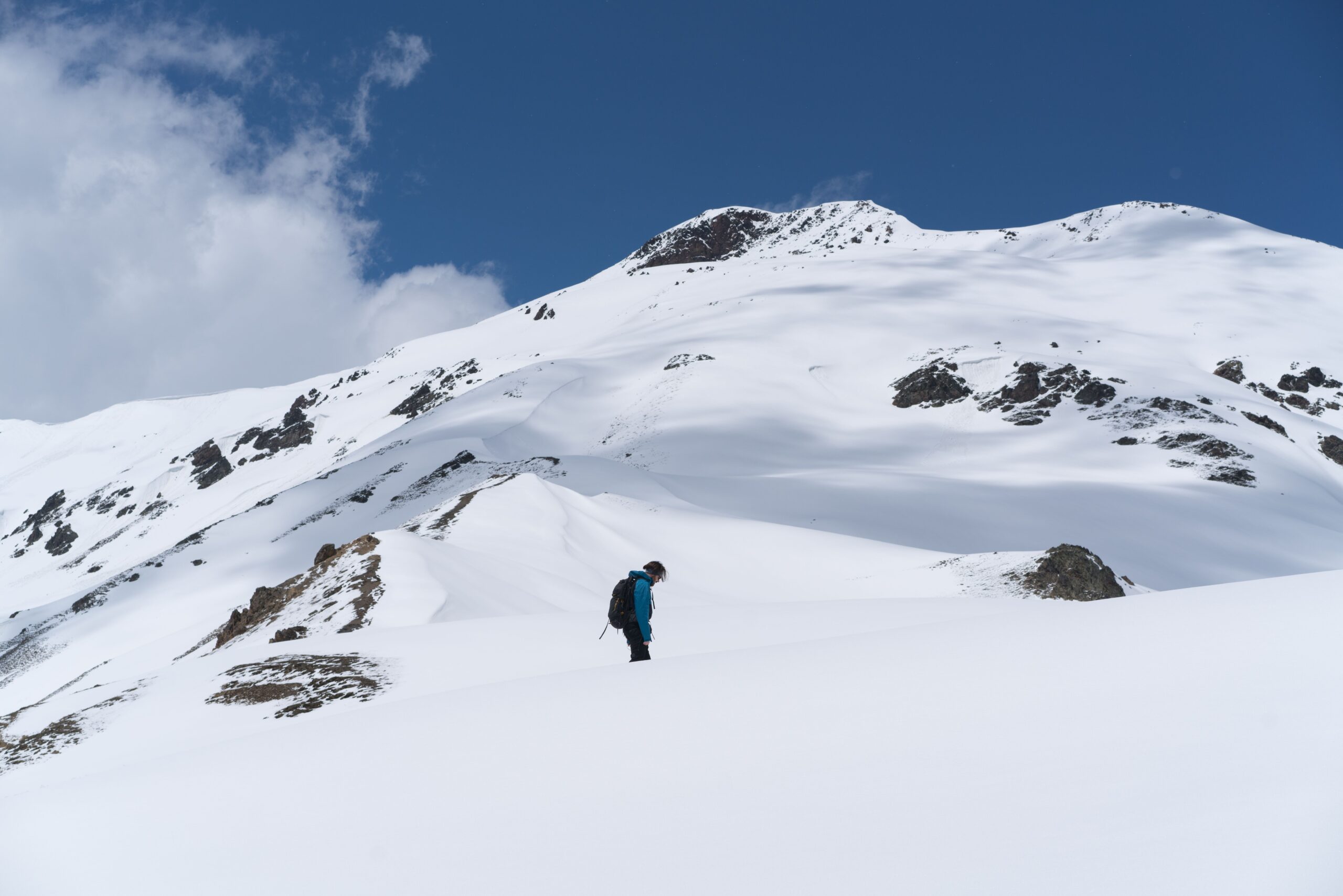
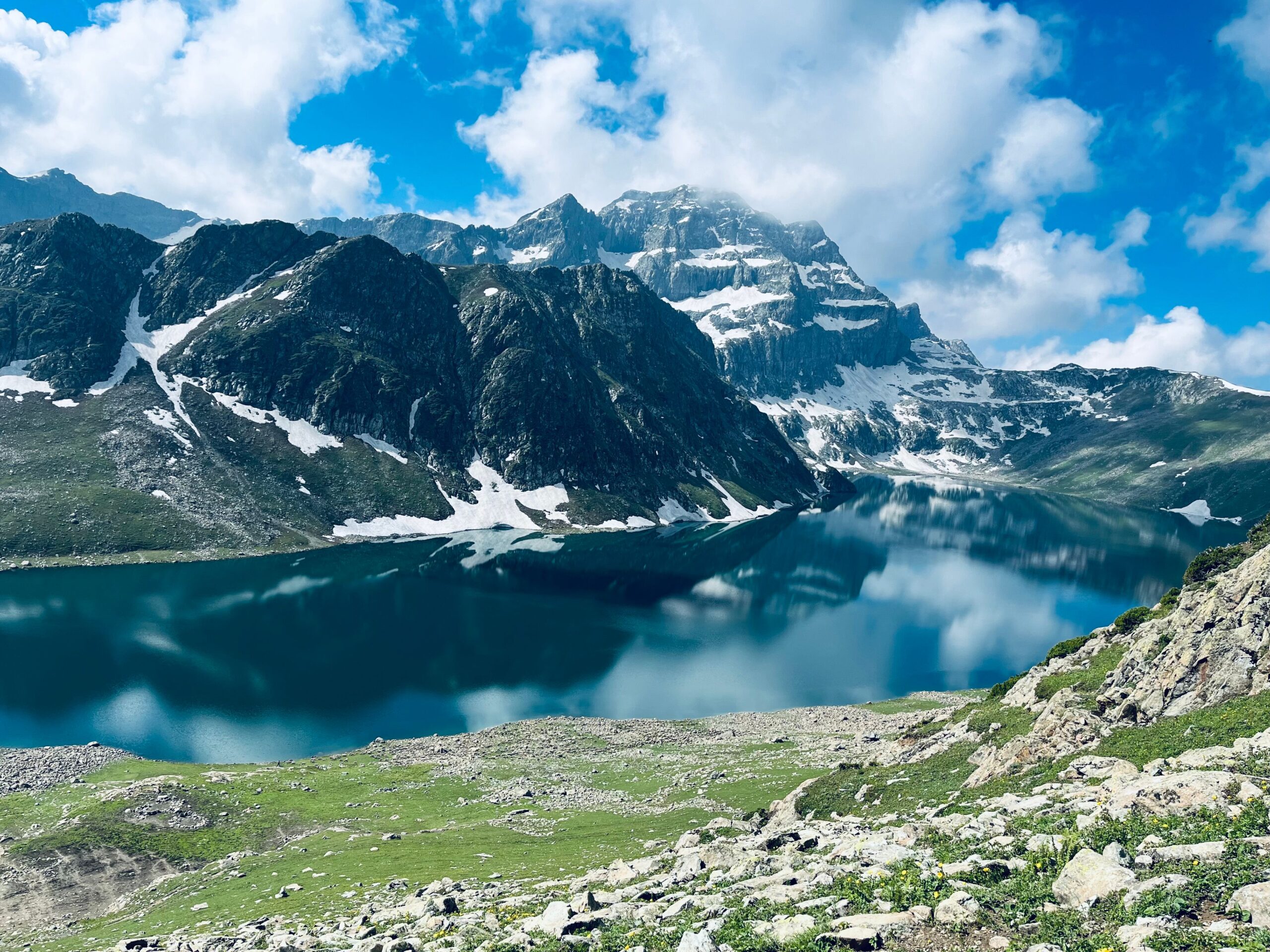
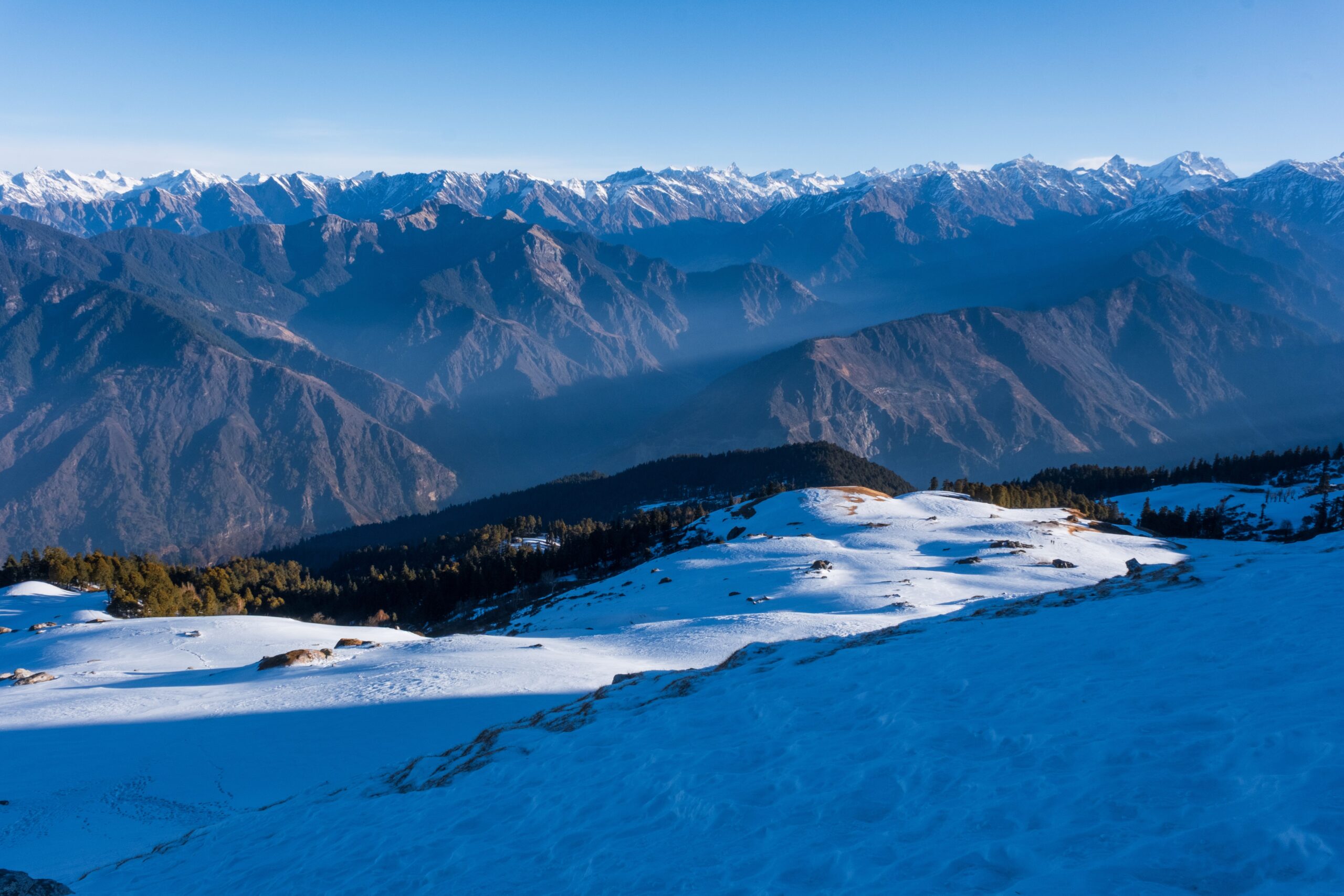
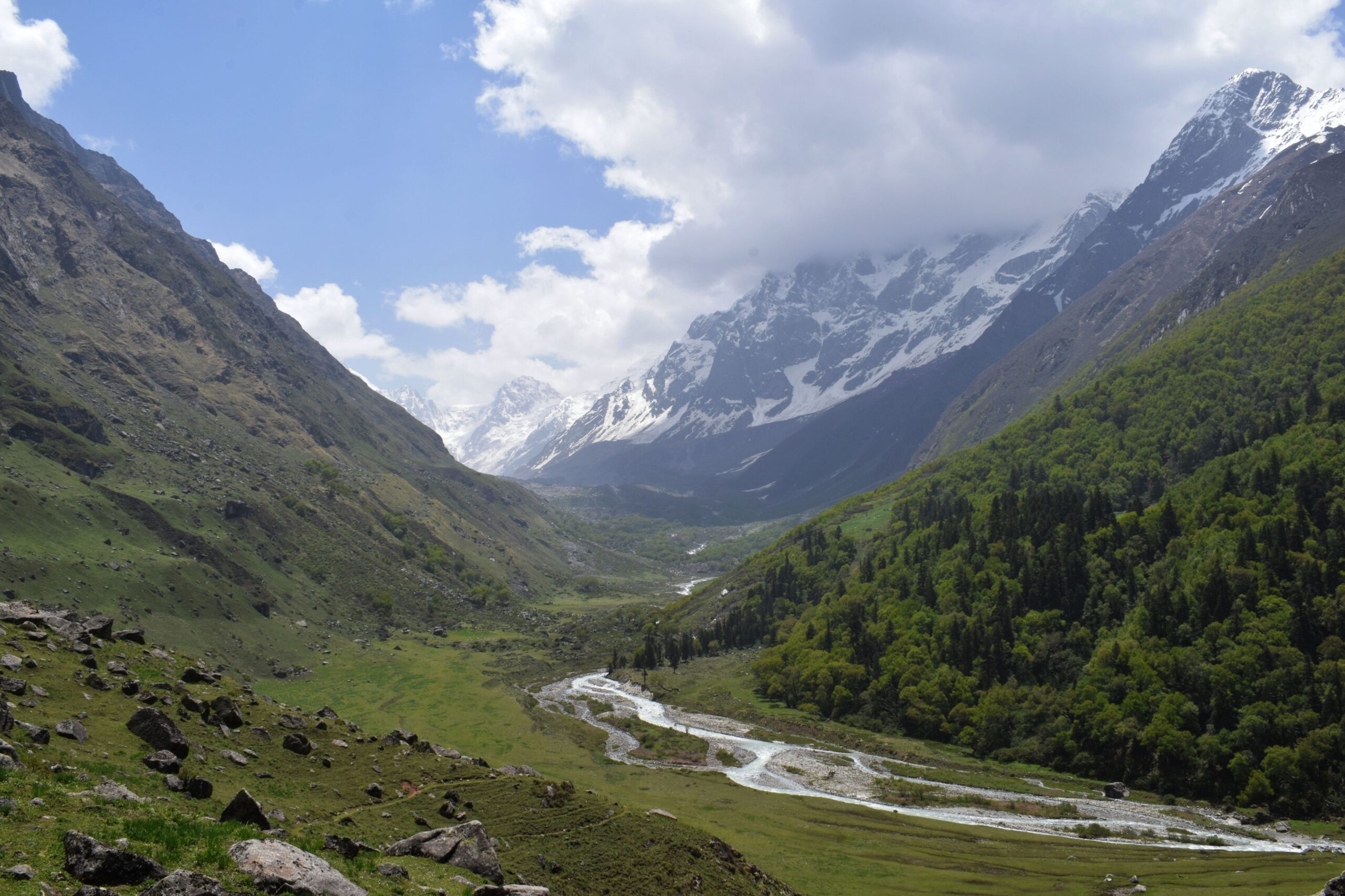
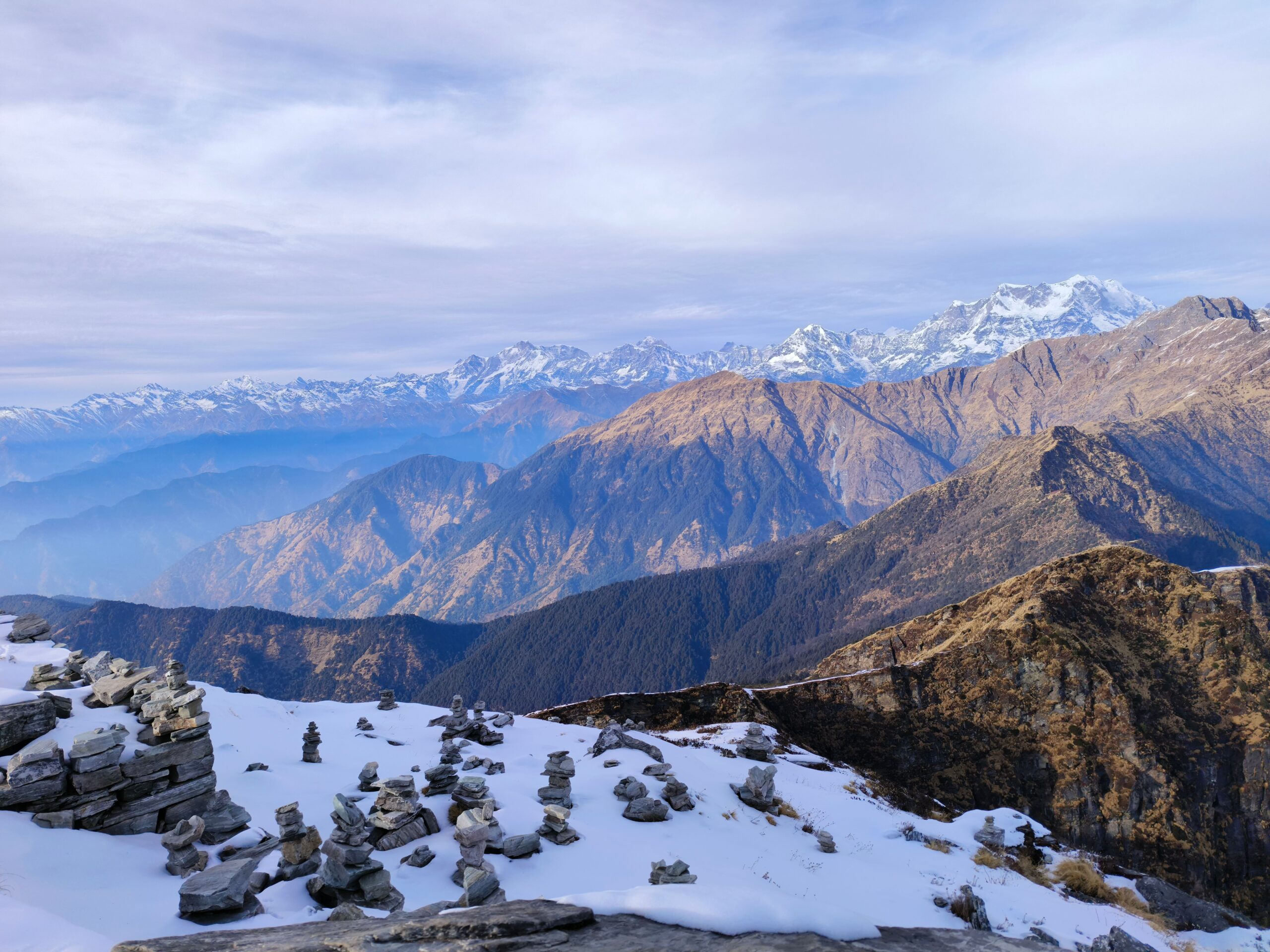
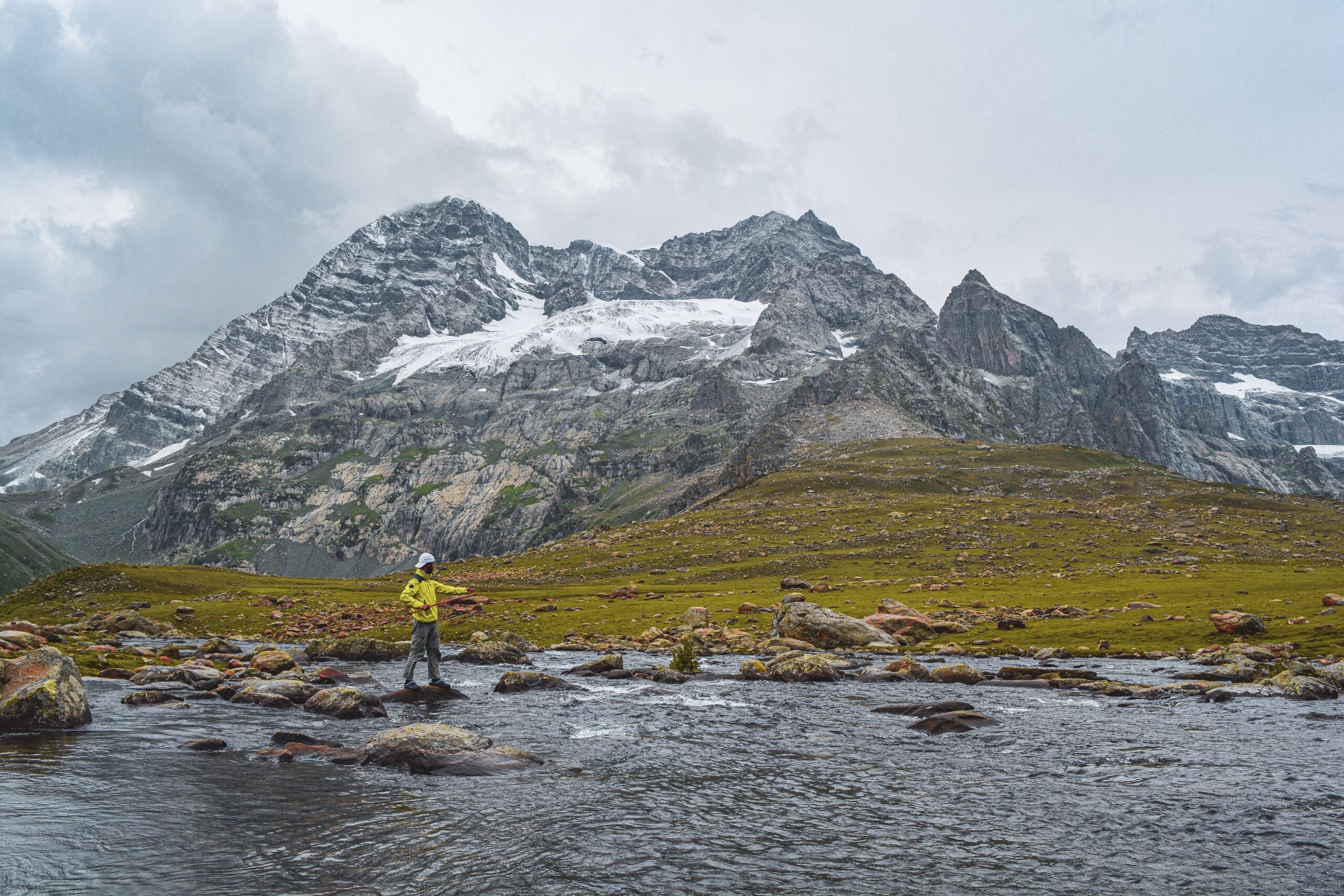
The actual Sar Pass crossing is not safe for regular trekking groups in winter (December to February). Heavy snow can cover the trail, hide safe paths and make the high pass hard to cross. However, some trek operators sell shorter snow walks around Kasol under the name Sar Pass Winter Trek. These trips may not include the actual Sar Pass crossing at 13,800 feet.
This is an important point to know before booking. If you want to cross the actual pass, May and June are better months. But if you want to walk through snow during Christmas, New Year or January, you can explore the lower trails around Parvati Valley. This guide will help you understand the difference. We will also look at winter weather, snow, safety and other places you can visit.
Sar Pass Winter Weather and Snow Conditions
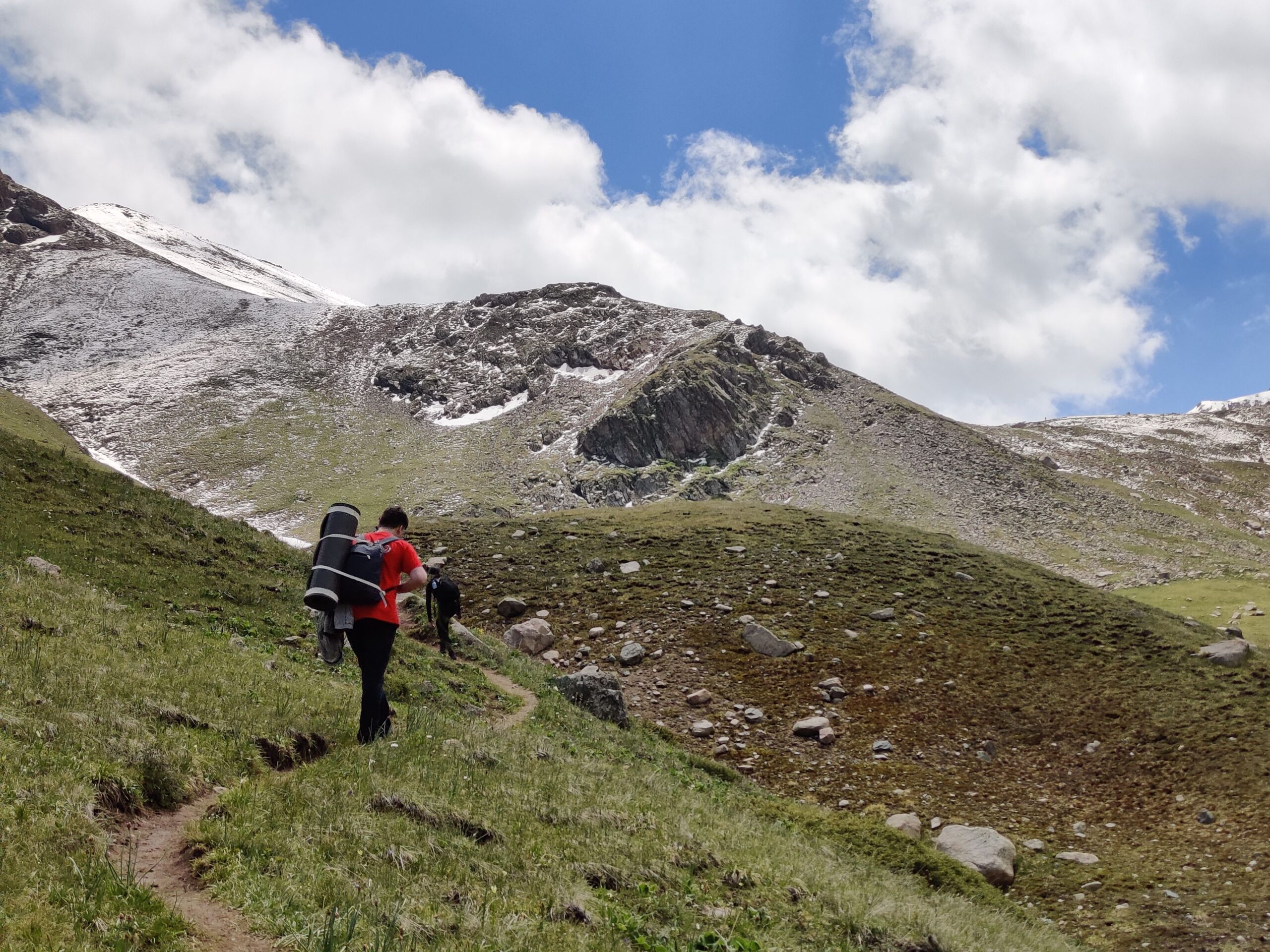
Winter changes the whole look of Parvati Valley. The lower villages may still have easy walking paths, but the upper camps face much colder weather. Snow, strong winds and freezing nights can make the route hard to use.
There is no fixed snow depth for every winter. Some years bring early snow, while other years see more snow in January. So, do not plan your trip only by looking at old photos or last year’s snow reports.
Sar Pass Temperature and Snow Conditions by Month
Month | Expected weather and snow | Actual pass crossing |
December | Freezing nights and more snow at higher camps | Not recommended |
January | Very cold weather and deep snow may occur | Not recommended |
February | Snow stays on upper slopes, with more snowfall possible | Not recommended |
March | Snow may remain on the upper trail | Not suitable for normal groups |
April | Early-season snow; trail access needs checking | Check before booking |
May | Good snow cover during the main trek season | Best choice |
June | Snow remains on some upper sections | Good choice |
These are general seasonal details. They are not live weather reports or official opening dates.
What Happens to the Trail in Winter?
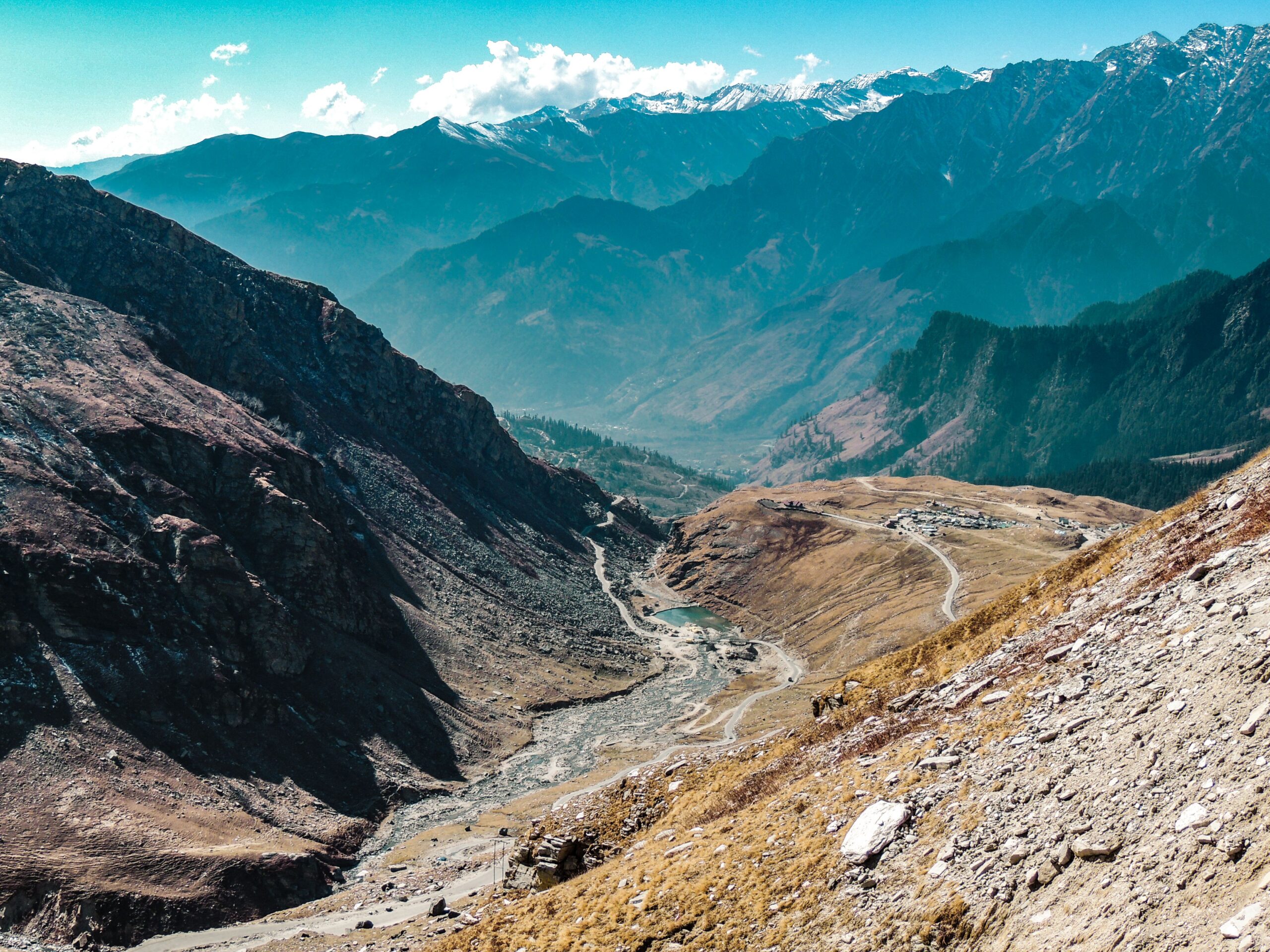
The normal Sar Pass route starts from Kasol. It passes through Grahan, Min Thach and Nagaru before reaching the pass. Each part has a different path, and snow can make all of them harder.
- Kasol to Grahan: The forest path may remain open, but ice and fresh snow can make walking hard.
- Grahan to Min Thach: The path climbs through a forest and reaches open meadows. Snow can hide the trail.
- Min Thach to Nagaru: This is a steep climb. Rocks and trail marks may disappear under snow.
- Nagaru to Sar Pass: This high section is the most risky part in winter. Deep snow and poor views can make it hard to cross.
- Sar Pass to Biskeri Thach: The downhill path can be dangerous when snow and ice cover the slope.
The climb to Nagaru needs extra care. Even in the normal trekking season, it takes effort and careful steps. In winter, snow can hide the path and make the climb much harder.
What Is the Difference Between Sar Pass Trek and Sar Pass Winter Trek?
This is one of the most important things to check before booking. The normal Sar Pass trek is a high mountain crossing. It usually takes around five days and reaches about 4,200 metres. The route passes through set camps and ends near Barshaini.
Some winter trips use the Sar Pass name to sell short snow walks near Kasol. These trips may take you through forests, small villages and lower snow-covered slopes. They can still be fun, but they are not the same as crossing Sar Pass.
Feature | Normal Sar Pass Trek | Short Winter Snow Trek |
Main aim | Cross Sar Pass | Walk through snow |
Highest point | Around 4,200 m | Depends on the route |
Duration | Usually 5 days | Depends on the package |
Route | Kasol, Grahan, Min Thach, Nagaru and Sar Pass | Changes with the operator |
Snow | High mountain snow | Lower forest trails and slopes |
Difficulty | Moderate in the main season | Depends on the trail |
Winter travel | Not recommended | Depends on local weather |
Before booking, ask these questions:
- Does the trek reach the actual Sar Pass at 4,200 metres?
- What is the highest point reached each day?
- Which villages and camps are part of the trip?
- Has the team checked the trail after recent snowfall?
- What happens if bad weather makes the walk unsafe?
Frequently Asked Questions
Can I do Sar Pass trek in December?
The actual crossing is not recommended in December. Snow can cover the upper trail and make it hard to cross. You can look for shorter winter walks around Kasol, but check the route before booking.
Is Sar Pass trek possible in January?
January is not a good month for the normal Sar Pass trek. Deep snow, freezing nights and poor views can make the route unsafe for regular trekking groups.
Does Sar Pass receive snowfall in February?
Yes, the upper Parvati Valley can get snowfall in February. The amount changes each year, and fresh snow can affect the trail.
Can I see snow in Kasol during winter?
Kasol can get snowfall, but it is not sure every year. Higher villages and mountain slopes have a better chance of seeing snow.
Is Sar Pass trek open in March?
March is not a sure month for the normal crossing. Snow may still cover the upper trail, so check with a local trek team before making plans.
What is the best month to see snow on Sar Pass?
May is one of the best months to see snow on the upper trail. You may also find good snow in early June, based on the weather that year.