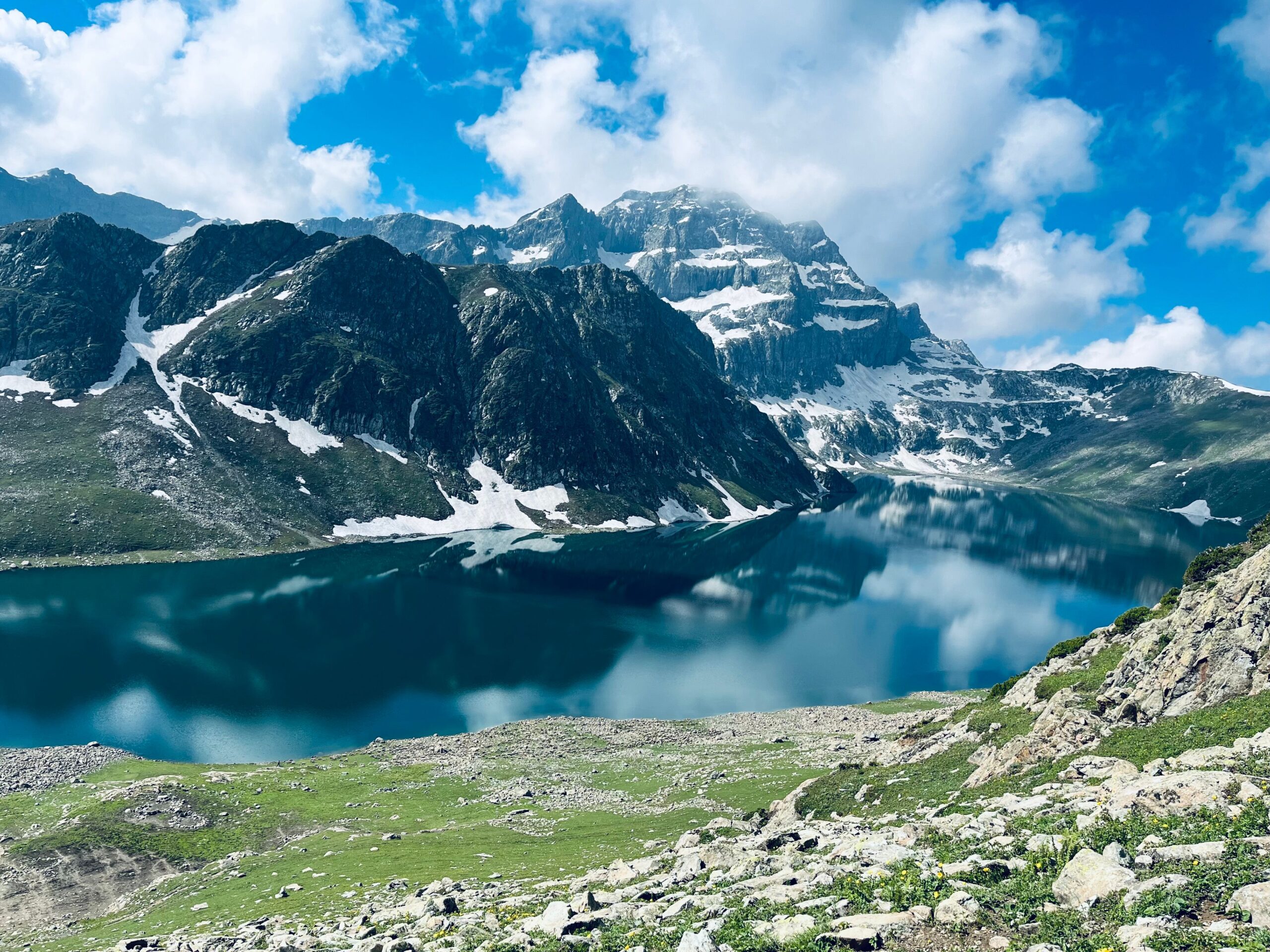
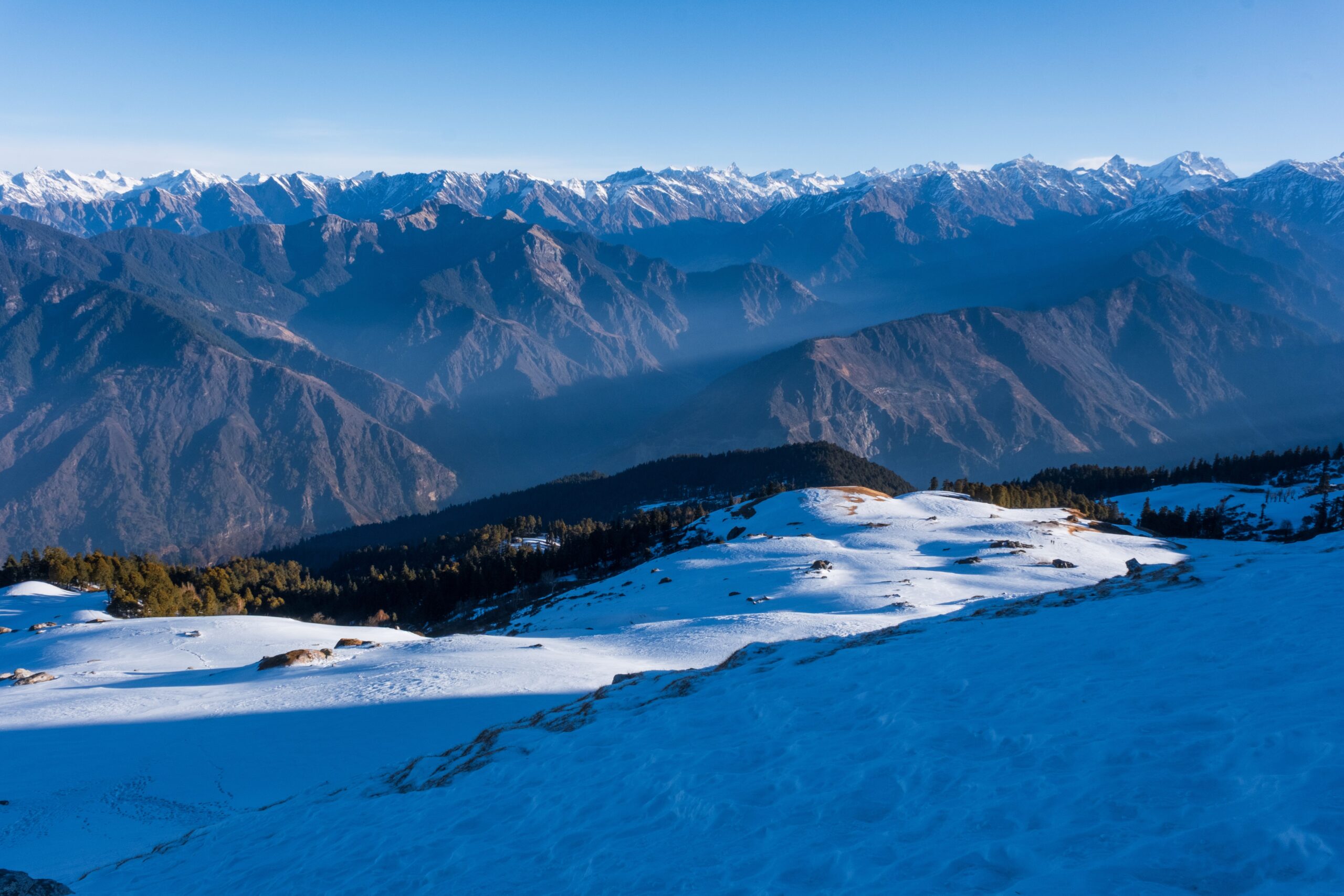
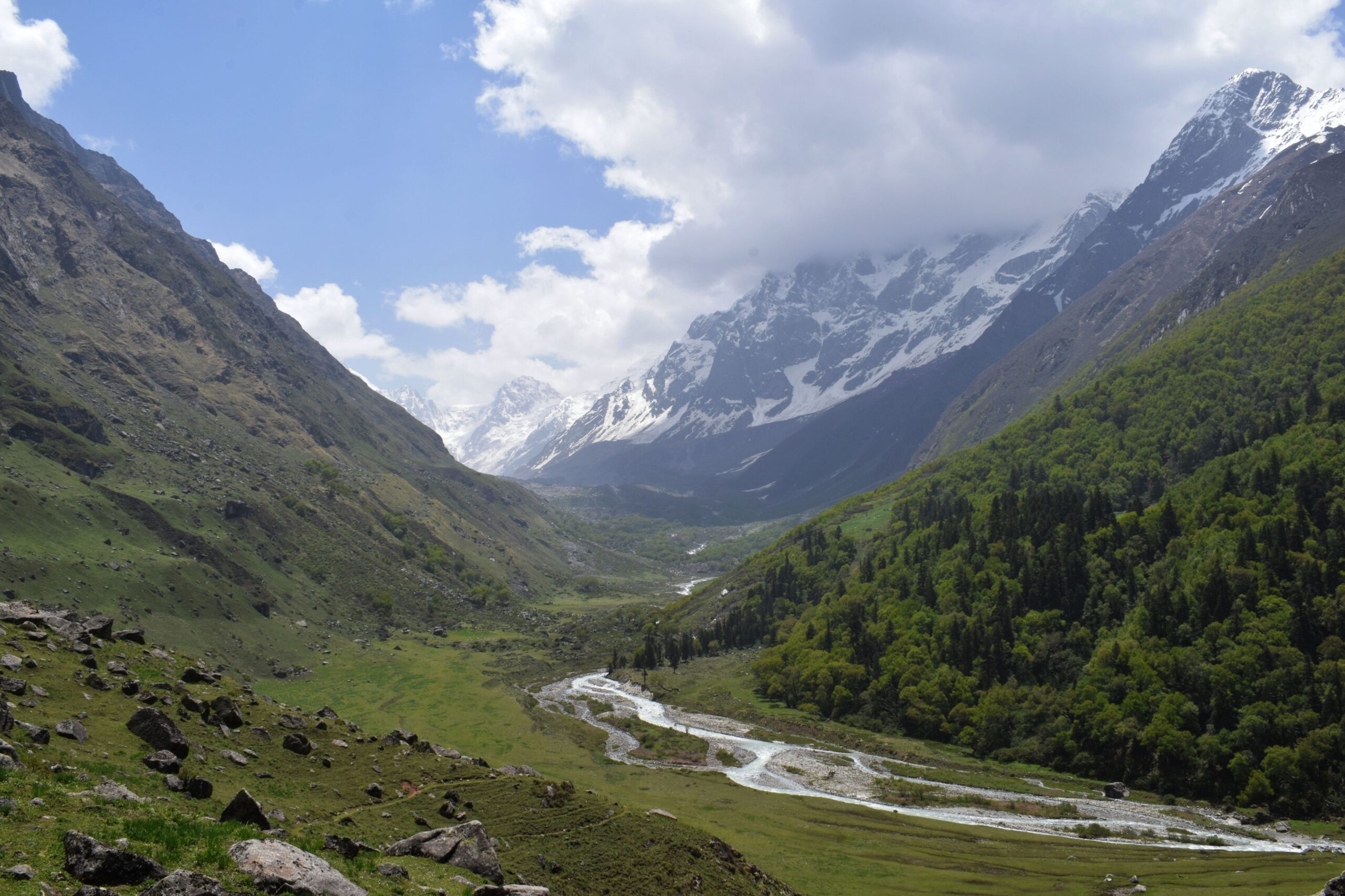
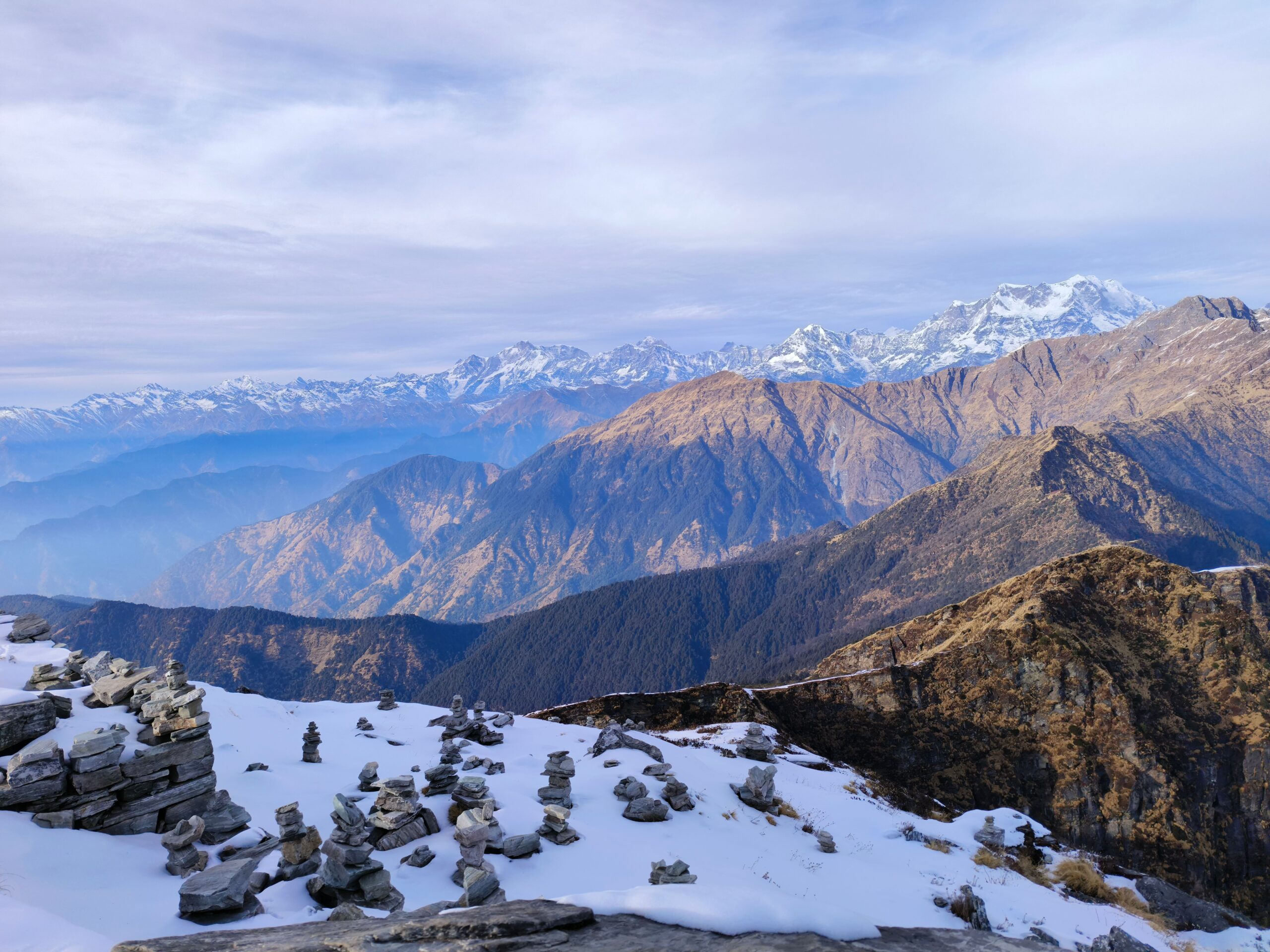
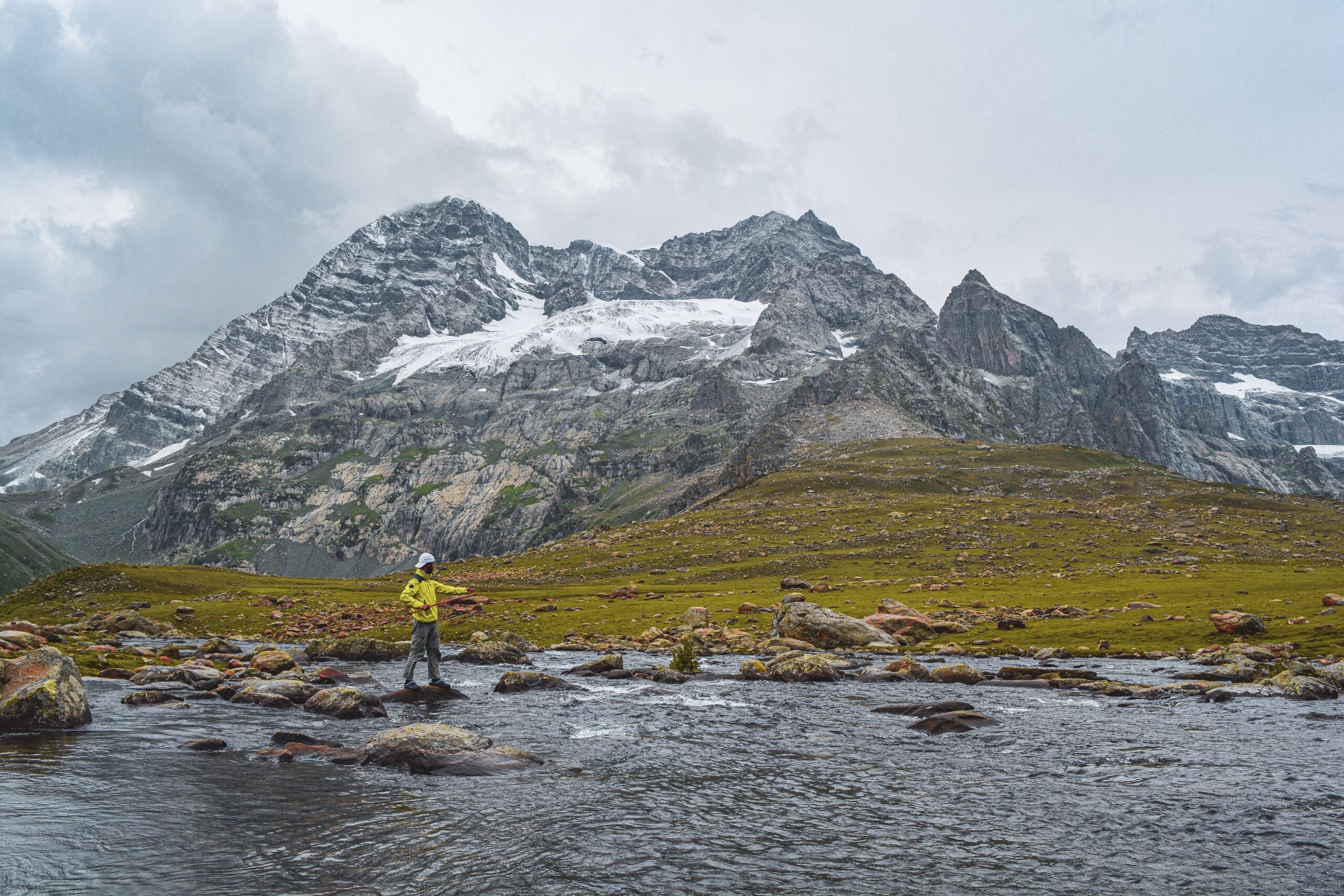
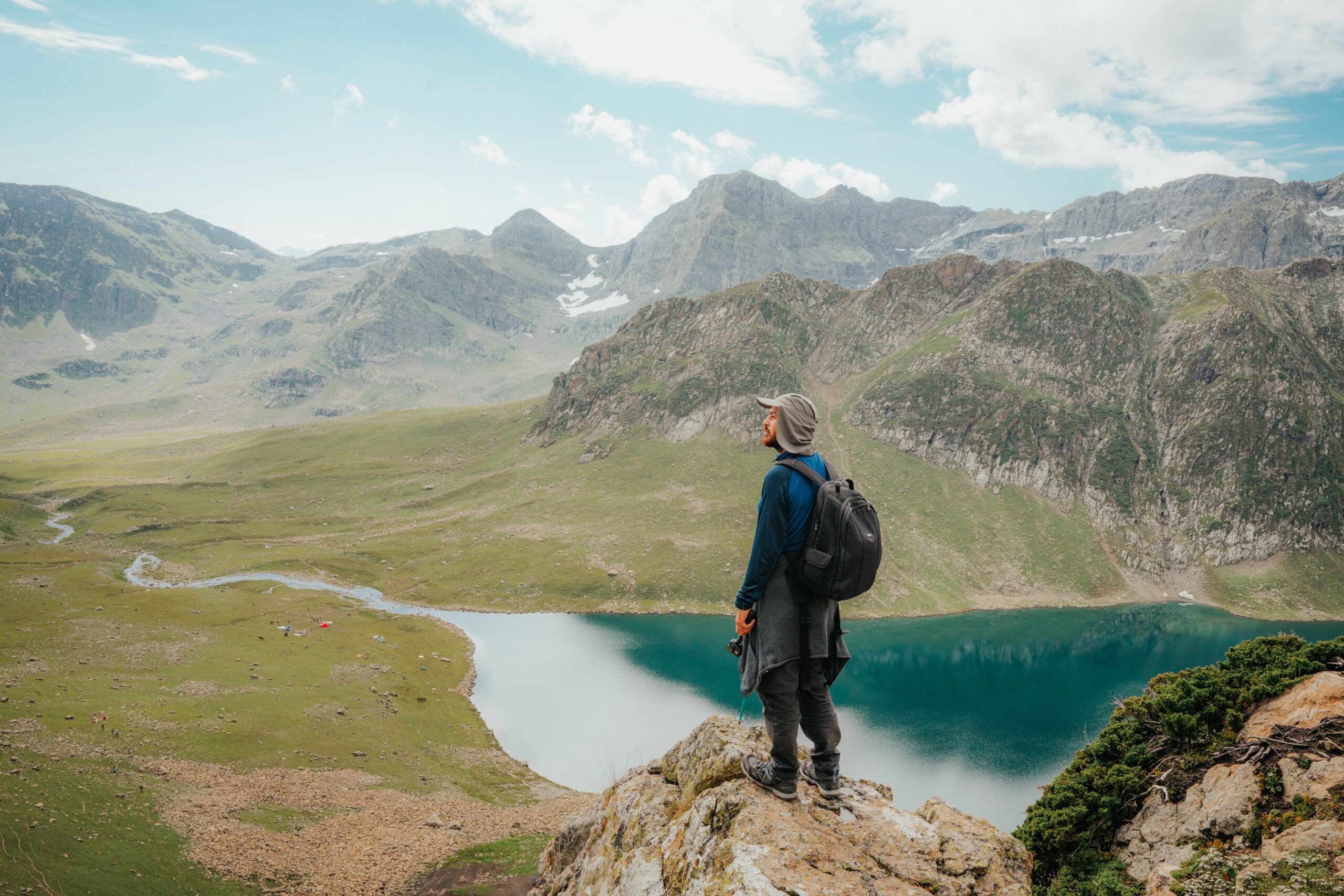
July is one of the best months for the Tarsar Marsar trek. The snow begins to melt, the meadows turn green, and wildflowers add colour to the mountain slopes. You can enjoy pleasant days, clear views of the alpine lakes and cool evenings at the camps. Mid to late July is especially good for seeing lush meadows and flowers in bloom. However, rain showers, wet trails and fast-flowing streams can make some sections harder. If you are planning the trek, carry proper rain gear and warm clothes, and check the latest weather and route conditions before leaving.
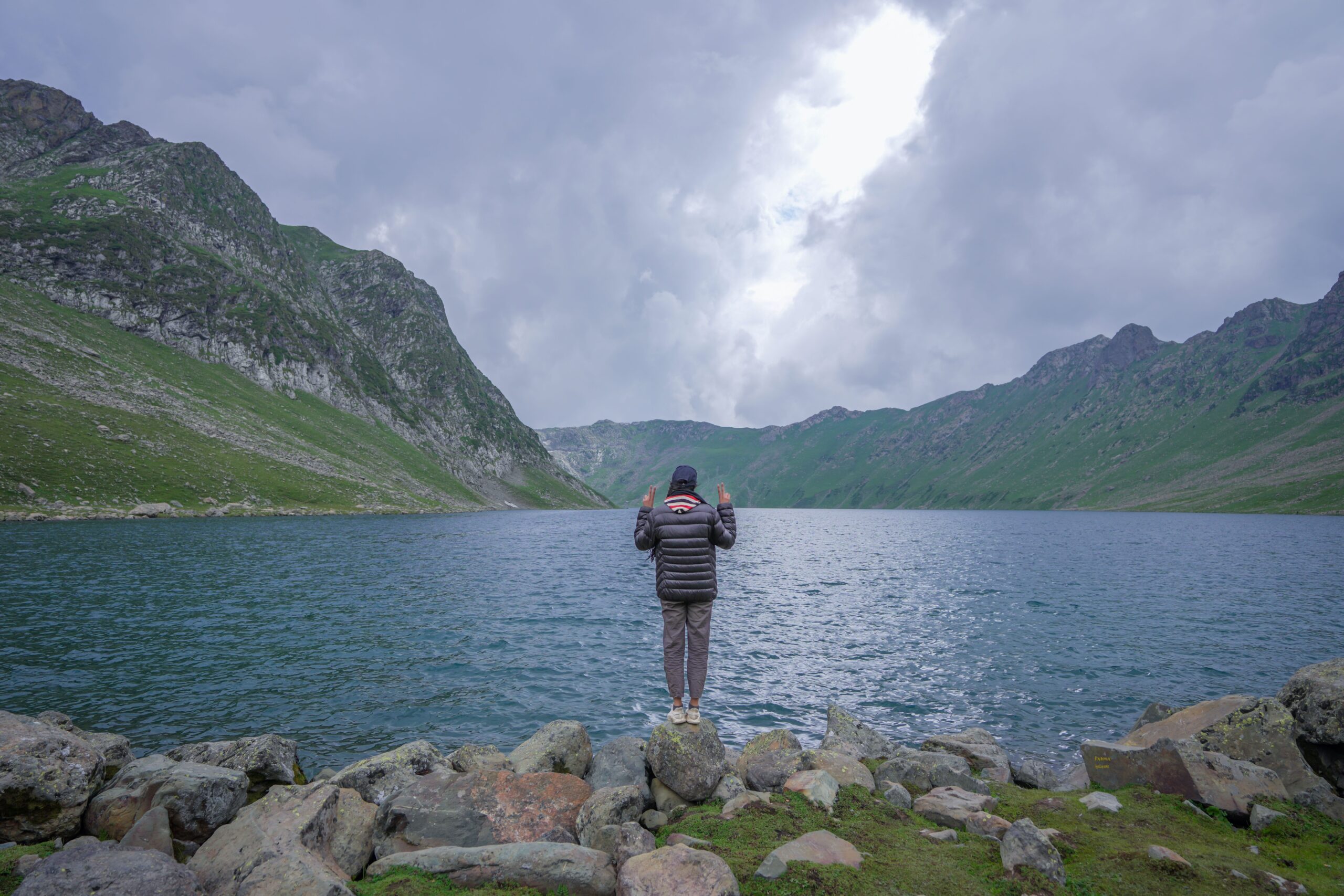
Tarsar Marsar Temperature in July
In a normal trekking season, July has mild daytime weather and cold nights at the higher camps. The estimate temperature is 15°C to 20°C during the day and 4°C to 8°C at night for early and mid-July.
Weather detail | Typical July estimate |
Day temperature | 15°C to 20°C |
Night temperature | 4°C to 8°C |
Rain | Light showers are possible |
Snow | Leftover patches may remain in early July |
Wind | Can make lake camps feel colder |
Your experience will depend on the camp’s height, cloud cover and wind. A sunny walk near Lidderwat can feel pleasant, while a cold evening beside Tarsar Lake may need several warm layers.
Tarsar Marsar in July: Week-by-Week Conditions
Period | What you may see | What to plan for |
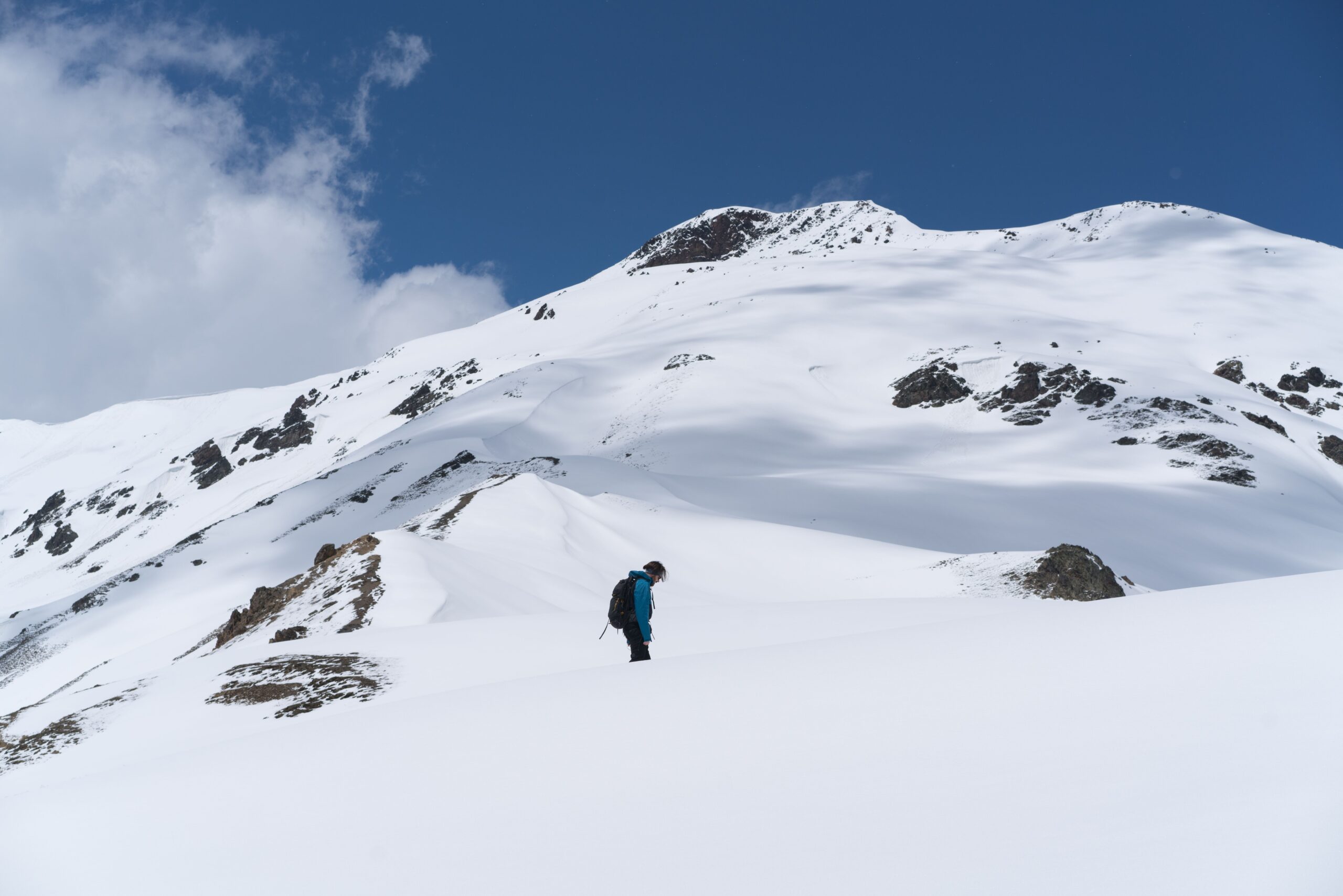
1–7 July | More leftover snow may remain near higher sections and Sundarsar | Cold nights and careful snow walking |
8–14 July | Snow continues to melt; lower meadows are greener | Wet ground and fast streams |
15–21 July | Greener meadows and more visible flowers | Possible evening showers |
22–31 July | Lush grasslands and a stronger summer look | Rain protection and cold camps |
For most trekkers who want green meadows and flowers, mid to late July is the better seasonal window. These are broad seasonal patterns. They do not confirm that the trail will be open in any of these weeks in 2027.
Wildflowers on the Tarsar Marsar Trek in July
The flower season is one of the main reasons people choose July. After the snow melts, the open grasslands begin to show small flowers in shades of violet, purple, yellow and white. The Jagmargi plains as one of the best places to see these flowers.
You will also pass the wide meadows around Shekwas. These open slopes, with streams and mountain views, make the walk feel very different from the forest trail near Aru. The flowers are small, so take time to look closely rather than expecting large garden-like blooms.
What Makes July Trekking Difficult?
The Tarsar Marsar trek is usually rated moderate. It can suit fit beginners, but it is not a casual walk. You spend several hours on the trail each day and reach heights of around 4,000 metres.
July adds a few route-specific challenges. Snowmelt can make streams deeper and faster, while wet grass and mud can reduce grip on the trail. The climb over Tarsar Pass also needs care, especially if snow remains on the slope.
Altitude is another concern. The climb from Lidderwat to Shekwas takes you from about 2,780 metres to 3,364 metres in one day. Tell your trek leader if you develop a headache, nausea, dizziness or unusual tiredness. Do not climb higher if symptoms appear, and descend if they worsen.
What to Pack for Tarsar Marsar in July
Pack for rain, cold nights and wet trail sections. Even when the day starts in bright sunshine, the weather can change by afternoon. Your rain jacket should be easy to reach, not buried at the bottom of your bag.
Carry these essentials:
- Waterproof rain jacket and backpack cover.
- Warm fleece and insulated jacket.
- Quick-dry trekking trousers and spare socks.
- Waterproof trekking shoes with firm grip.
- Sunglasses, sun cap and warm cap.
- Sunscreen, personal medicines and a headlamp.
- Reusable water bottle and a small day pack.
Avoid cotton clothes because they stay wet for a long time. Keep one dry set of clothes for the night, and use waterproof bags to protect your spare layers.